
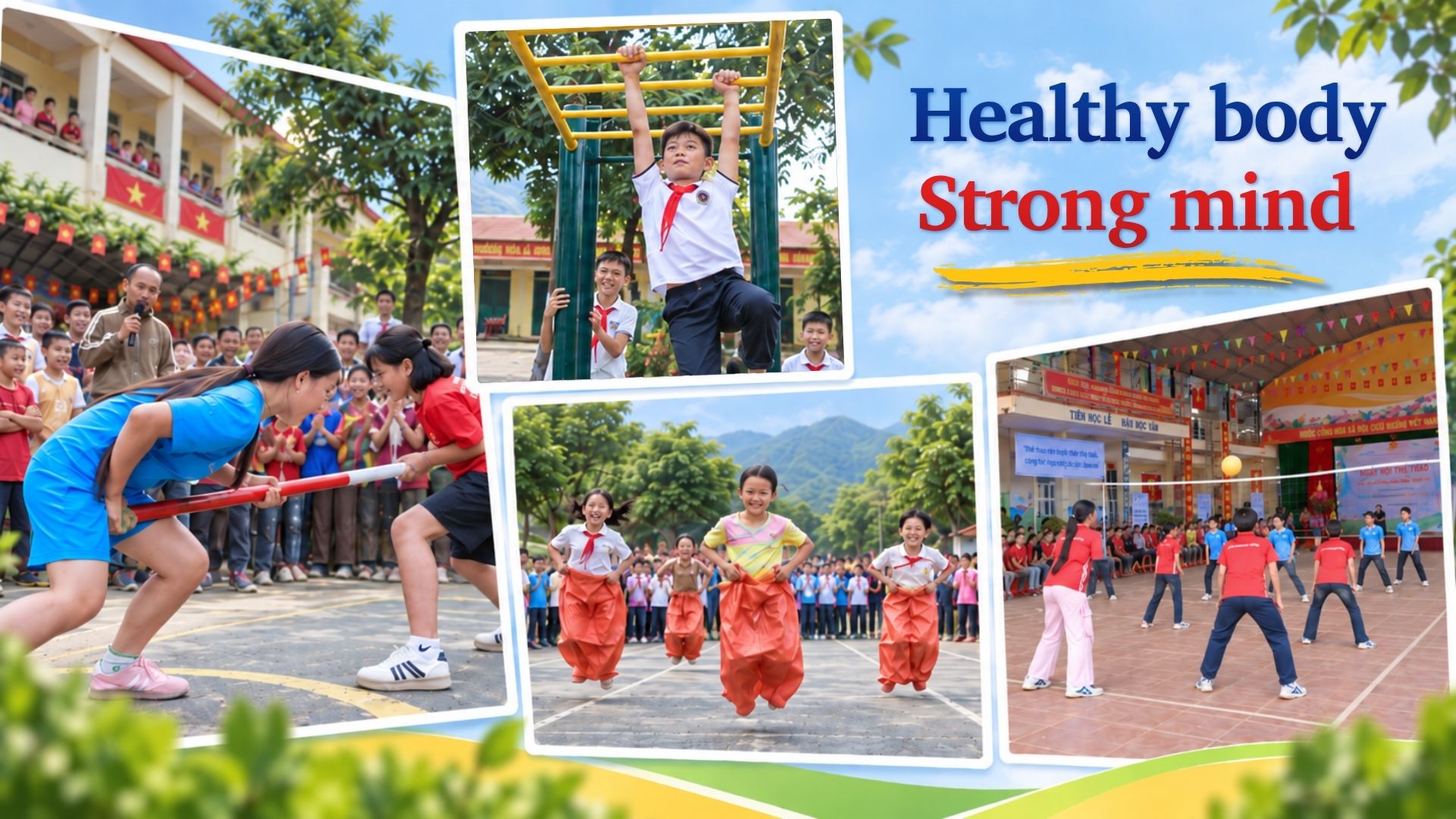
Helping students step onto the playing field with confidence, connect with their peers and feel more open with their teachers, the “Sports Spaces for Mental Health” model implemented by Plan International uses physical activity as a way to help children recognise their emotions, strengthen connections and seek help when they encounter difficulties.
Overcoming limitations
“Height is not a limitation on who you are,” that is the sentence B.T. Long, a ninth-grade student at Yen Minh Primary and Secondary School in Yen Minh Commune, Tuyen Quang Province, remembers most clearly from the teacher in charge of his school’s sports club.
Before joining the club, Long often felt self-conscious about his height and the changes taking place in his body. Teasing from his peers made him even more insecure. Although he enjoyed volleyball, Long believed that it was not a sport for him.
Encouraged by his teacher, Long began practising volleyball. His limited height made some movements difficult, particularly when receiving and handling high balls. At first, he had to practise receiving the ball repeatedly. His teacher showed Long how to position his hands, choose his position, move and handle the ball in ways suited to his physical condition.
Volleyball requires technique, observation and ball-handling skills. Instead of focusing on my height as a limitation, I concentrate on developing the skills I can do well
Up to now, Long has gradually earned recognition from his teammates as an excellent setter. As he became more proficient, he began helping his teammates correct their receiving techniques. When he noticed a friend who felt self-conscious about their weight and was reluctant to take part in activities, Long took the initiative to encourage them to step onto the court.
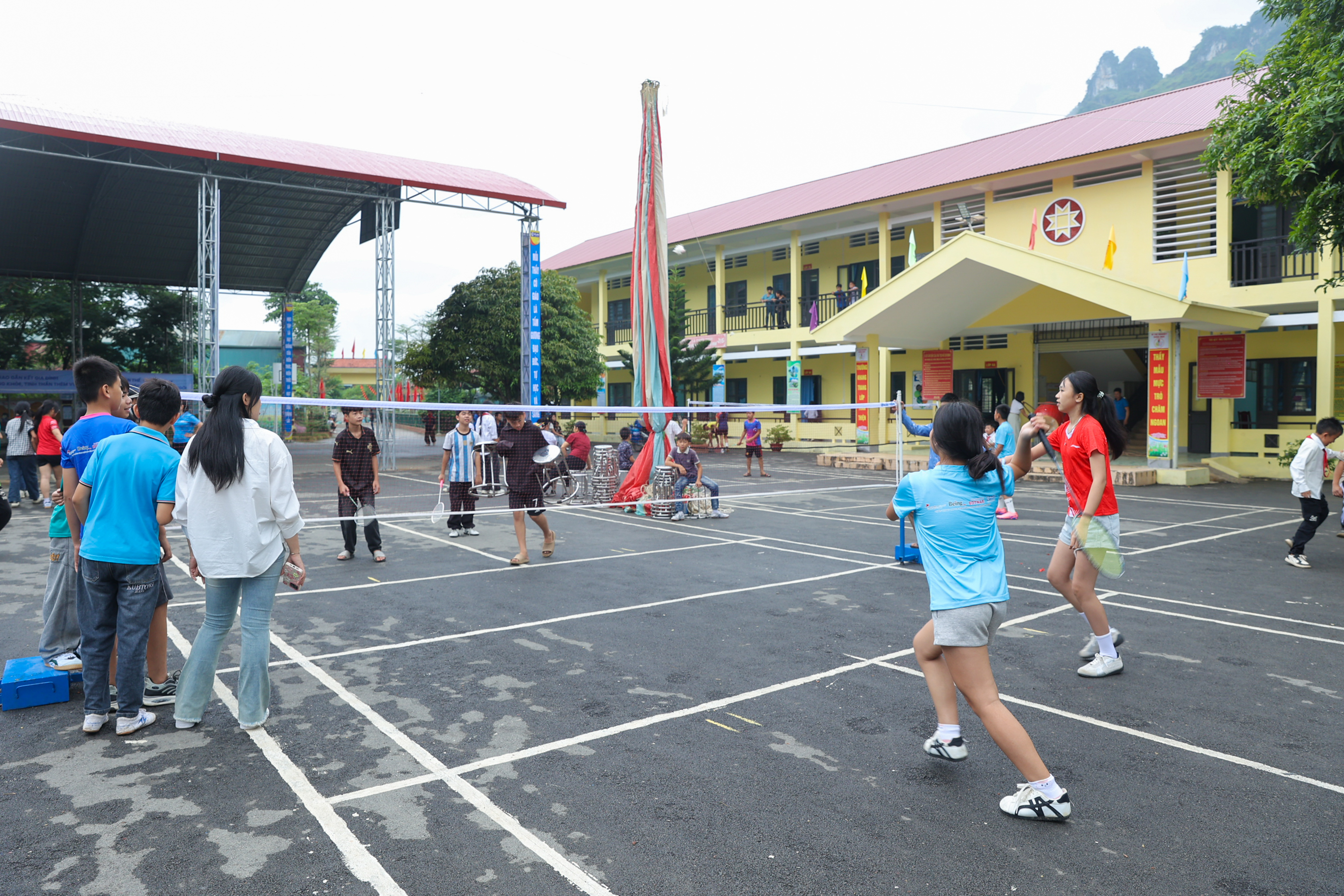
For L.T. Thanh, a student at Lung Pu Semi-boarding Primary and Secondary School in Khau Vai Commune, Tuyen Quang Province, the most noticeable change has been the way she connects with the people around her.
Previously, Thanh was quite shy. There were people she wanted to get to know but did not dare to start a conversation with. Since joining the sports club, she has become more sociable, made more friends and taken a more active role in group activities.
Volleyball has become Thanh’s favourite sport. Twice a week after school, the sessions are not only a time for training but also an opportunity for her to talk with her friends about their studies, each person’s strengths and weaknesses, and what is happening in their daily lives.
The distance between Thanh and her teachers has also gradually narrowed. In the past, when she did not understand a lesson, she was often hesitant to ask questions. Now, she takes the initiative to approach teachers for guidance.
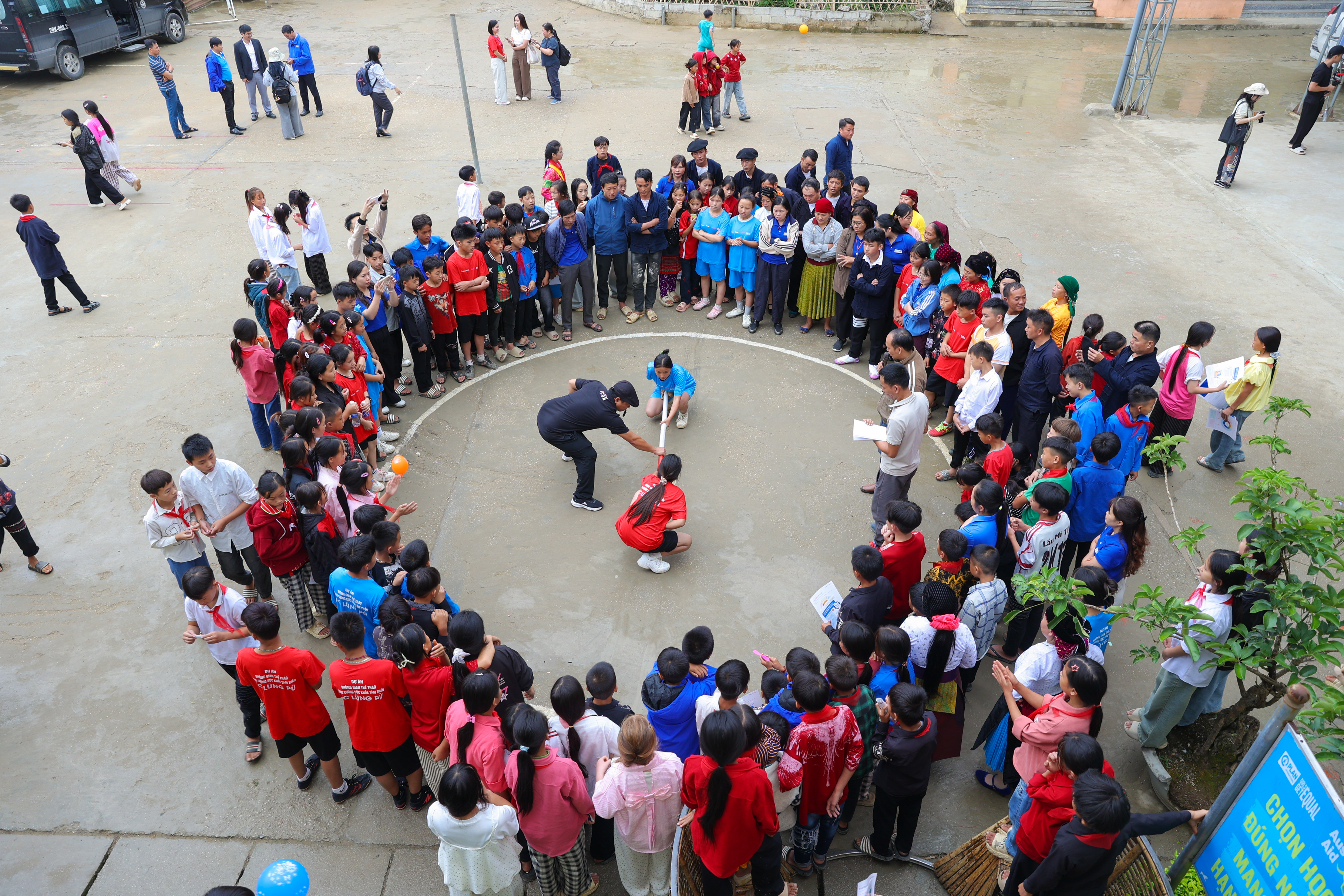
A point of connection for mental health
According to Pham Van Tuan, Principal of Lung Pu Semi-boarding Primary and Secondary School, the school’s sports activities previously focused mainly on occasions such as March 26 and November 20, taking place only two or three times a year.
Since the project was launched, the sports club has held regular sessions twice a week, alongside quarterly exchange activities. Teachers directly responsible for organising the club have also received training on how to run the activities and integrate content related to mental health.
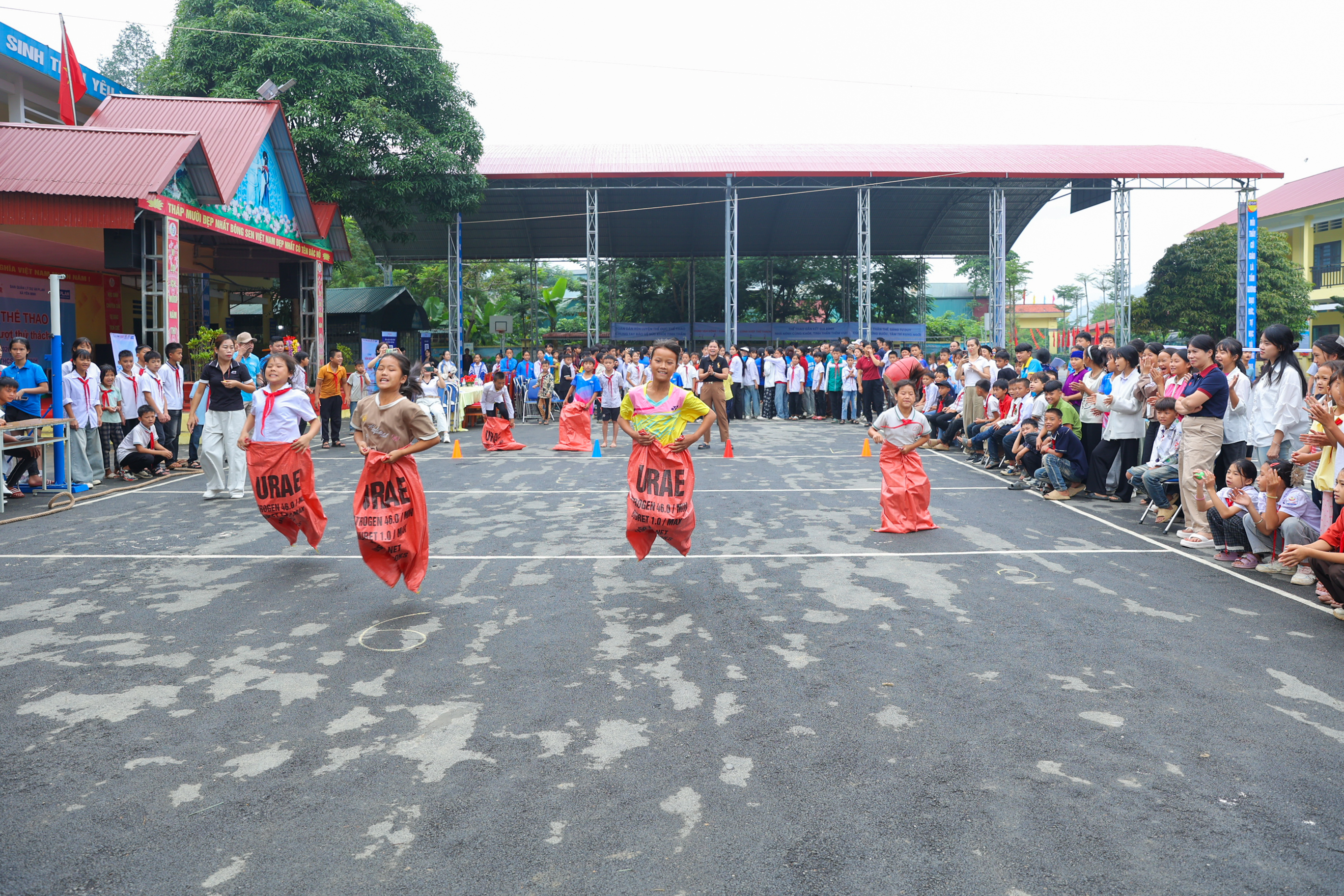
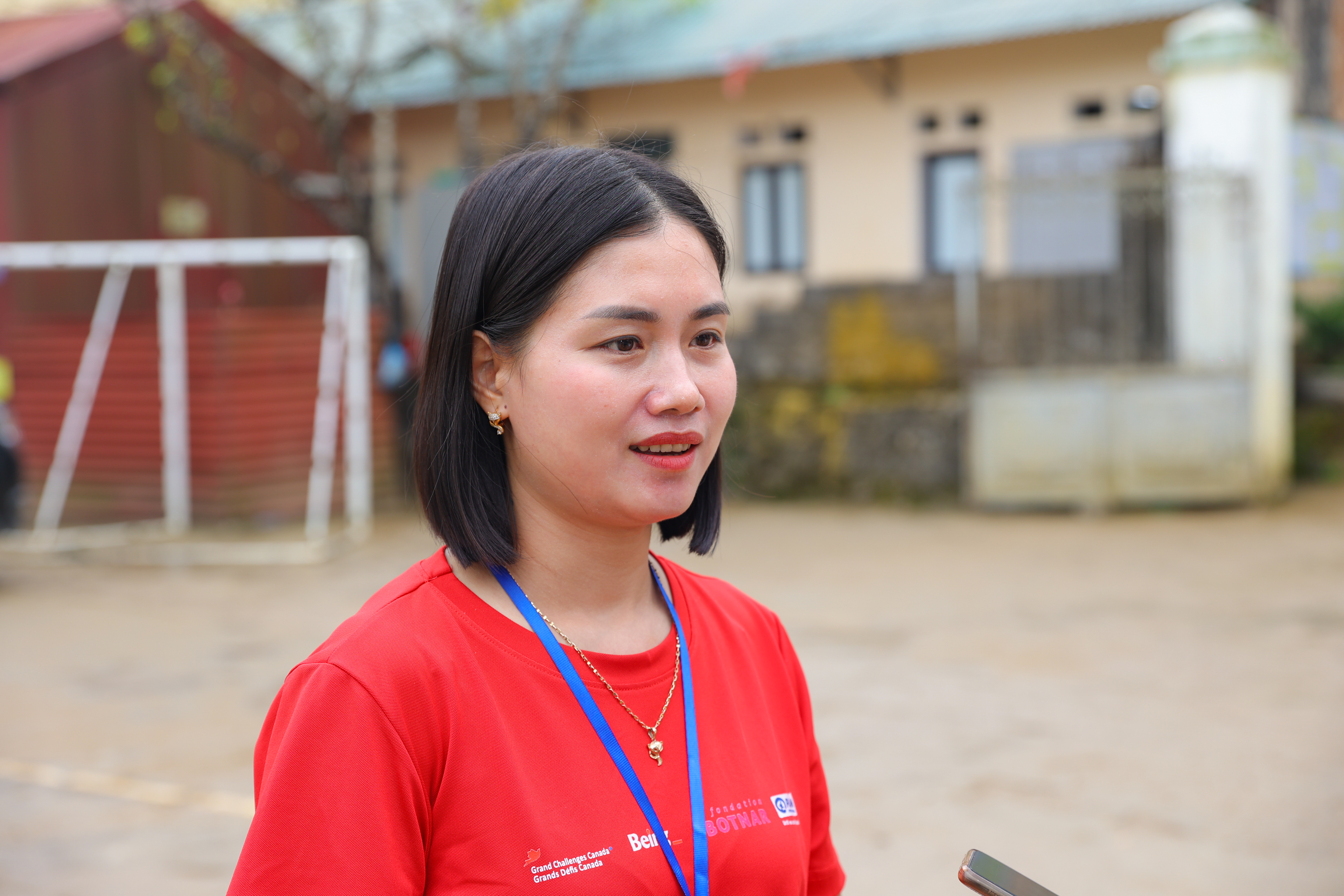
Hoang Thi Huyen, a teacher in charge of the school’s sports club, said the training courses had equipped teachers with additional skills for organising activities, as well as knowledge to help students gradually recognise and better understand their own mental health. Teachers themselves also feel more confident when leading activities outside the classroom.
More importantly, when activities take place regularly, the sports field gives teachers additional space to observe their students. There are no tests or grades there. What teachers see instead is how a student cooperates with others, reacts to winning or losing, or handles a particular situation.
It is through these natural behaviours that sport creates a point of connection with mental health.
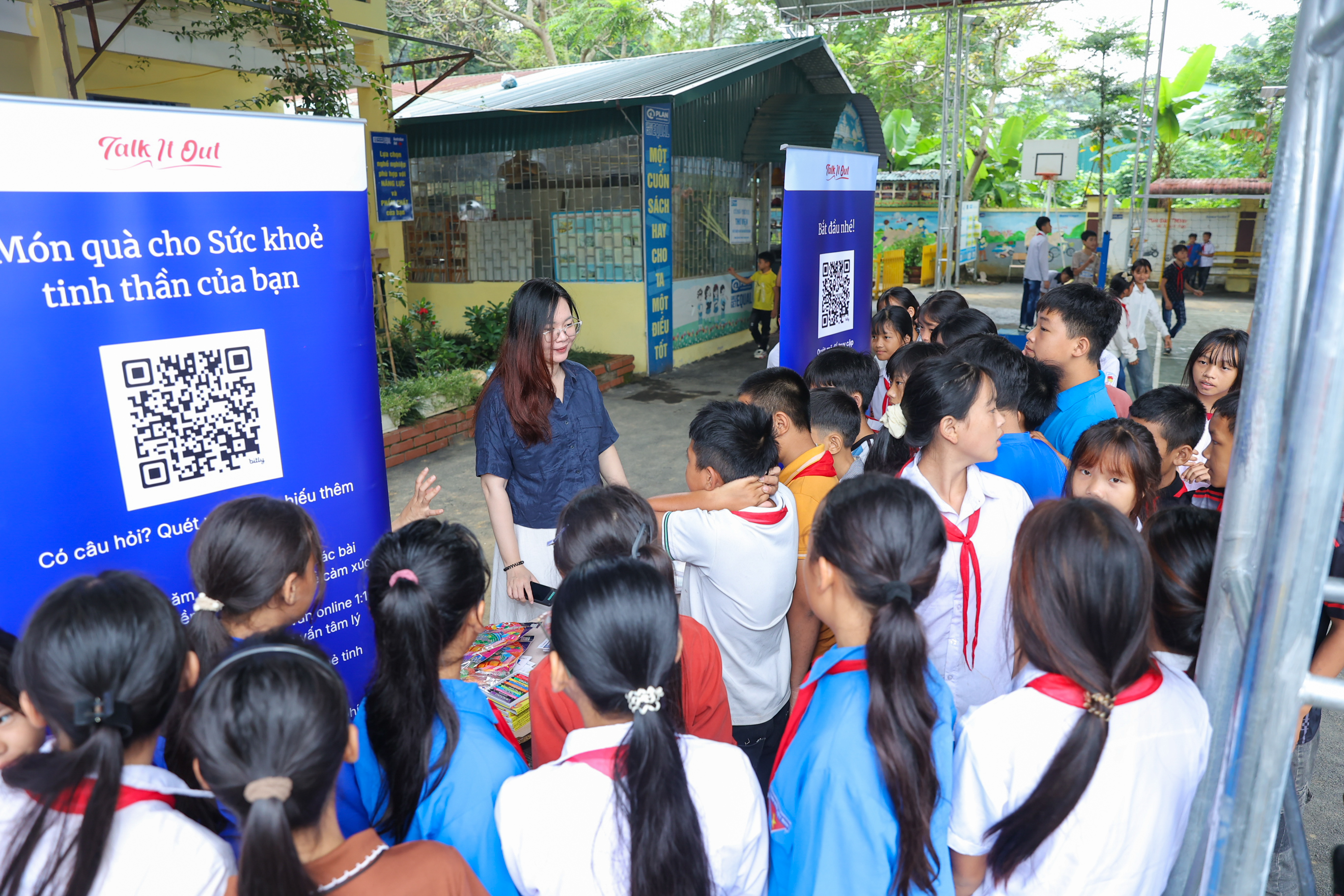
According to Nguyen Le Phuoc Quynh, a project manager at Intellect, a Singaporean company specialising in mental health, the advantage of using sport to address children’s mental health lies in its accessibility and familiarity. During physical activity, emotions and psychological states can naturally emerge through actions, interactions and body language. This is particularly meaningful for children, especially those in mountainous areas, who may not always have sufficient vocabulary or the habit of expressing what is happening inside them.
Sport also creates an environment in which children regularly interact with their peers and adults. Through practising, cooperating and supporting one another, they have more opportunities to develop a sense of connection, a feeling of acceptance and an understanding that they can turn to others when they need help.
This is also the approach behind the “Sports Spaces for Mental Health” model: sport serves as a means of increasing physical activity, strengthening social connections and creating more points of connection between children and their peers, teachers and parents.
Tangible changes
According to Ha Thi Minh Thang, project coordinator at Plan International, the “Sports Spaces for Mental Health” model aims to create equitable, safe and inclusive spaces, thereby promoting physical health, social connections and relationships between children and their teachers and parents. Accordingly, alongside sports clubs at schools, the project has also implemented a range of activities for teachers, parents and caregivers.
As of August 2026, the model had reached 6,246 students and 7,660 parents and caregivers in Tuyen Quang and Lai Chau provinces. A total of 29 Sports Days for Mental Health had been organised at 12 secondary schools and six communes in the project areas.
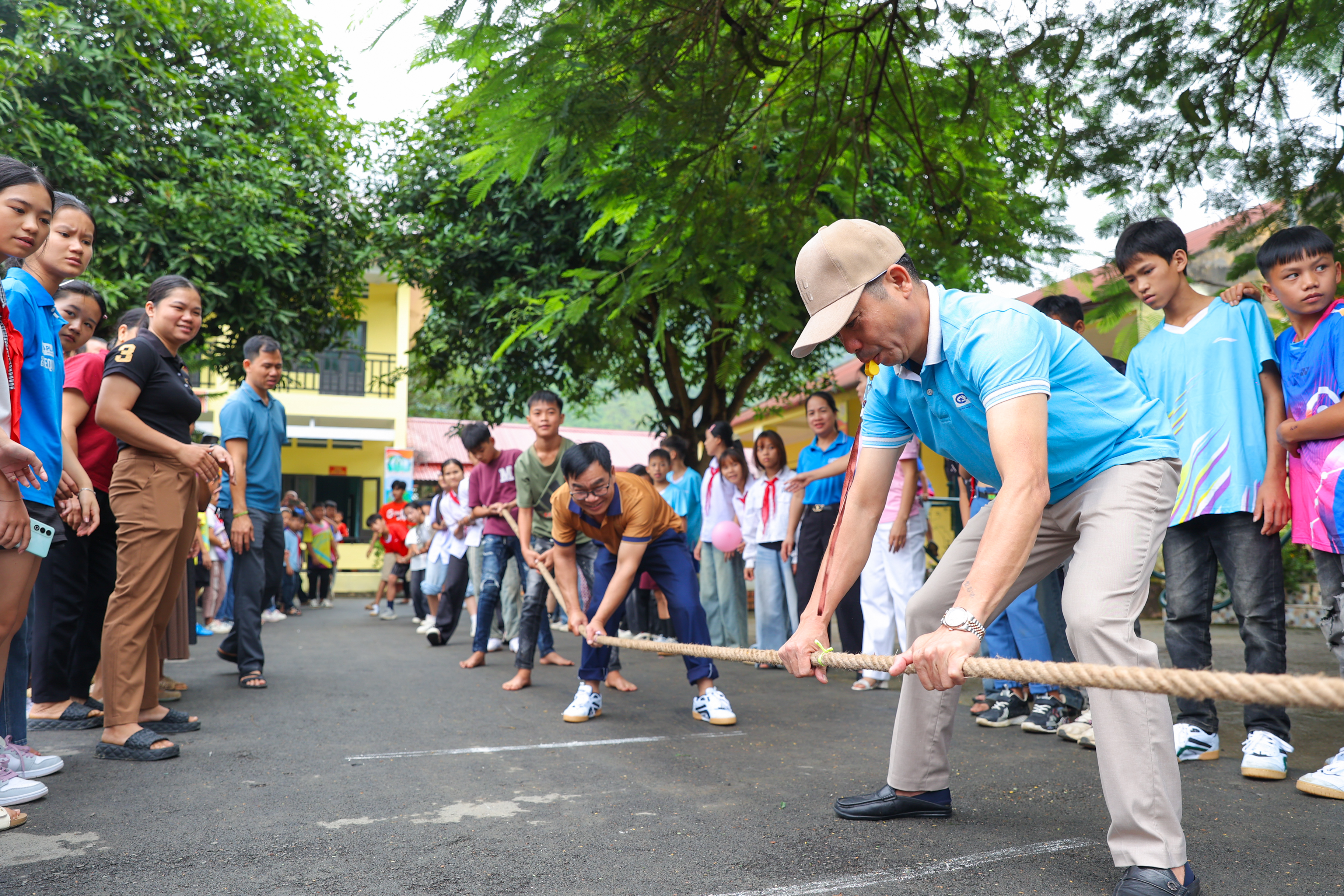
Survey results showed that among teachers and sports club facilitators, the proportion who correctly identified the role of physical activity in mental health increased from 82.4% to 94.8%. The proportion agreeing with the notion that mental health problems stem from “personal weaknesses” fell from 27.5% to 5.4%.
Among parents and caregivers, the proportion who correctly understood that mental health is an essential part of overall health increased from 32.6% to 81.4%. The proportion who understood that parents can support their children’s mental health increased from 58.1% to 90.7%, while knowledge of positive and non-violent discipline increased from 37.2% to 90.7%.
The project has established 25 sports spaces, including 12 at schools and 13 in communities. In line with Plan International’s approach, these spaces have been organised so that they can continue operating within existing school and community systems, creating a foundation for sustaining the model after the project’s support period ends.
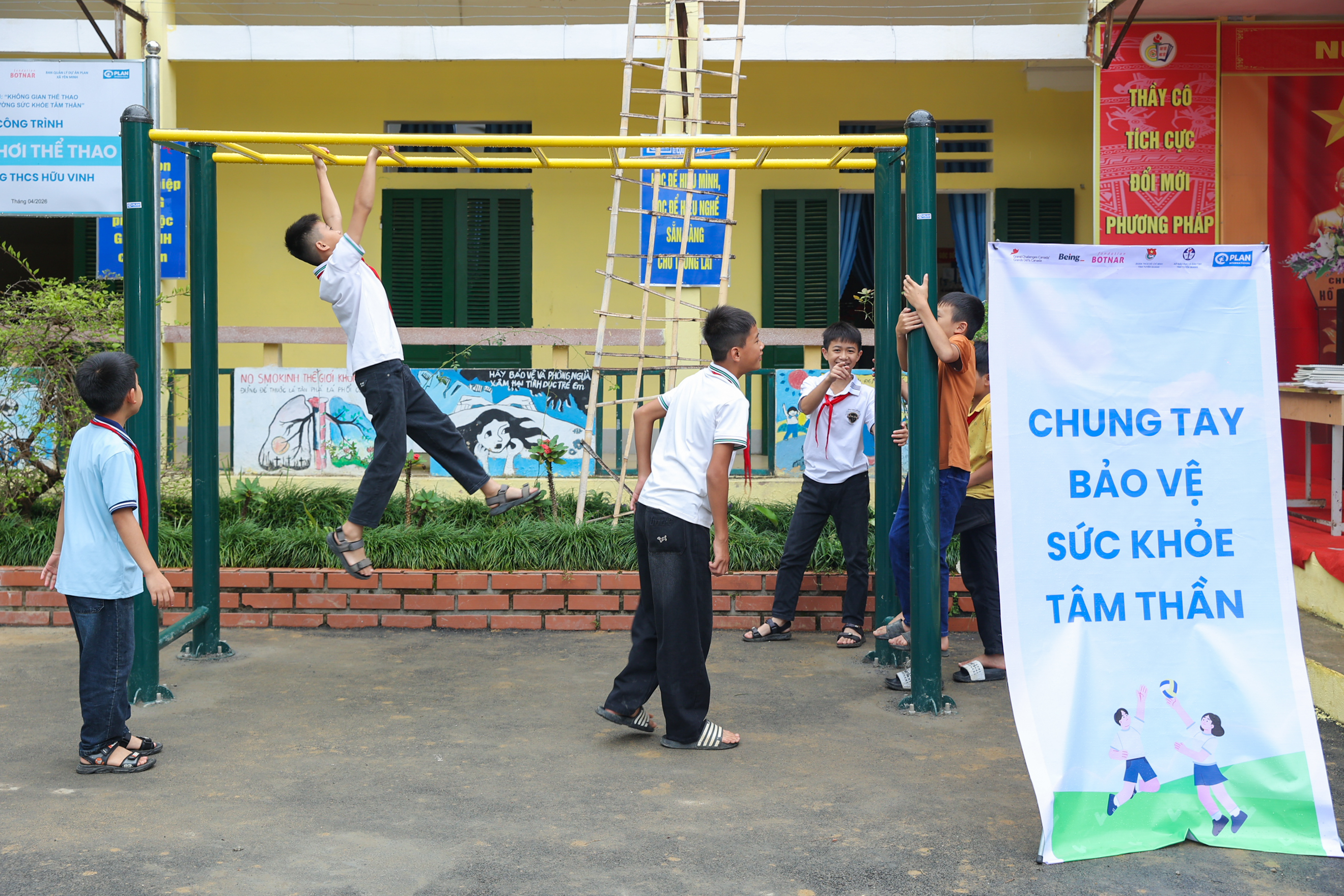
Hoang Ngoc Thanh, Deputy Secretary of the Party Committee and Chairman of the People’s Committee of Khau Vai Commune, Tuyen Quang Province, said the value of the model lies in creating additional safe and healthy spaces where children and young people can exercise, socialise and strengthen their ability to integrate into the community.
Notably, children’s mental health care is placed within the environments most familiar to them - the school, family and community. As a result, responsibility for supporting children does not rest solely with teachers or schools, but becomes a coordinated effort involving multiple local stakeholders. Once the project’s support period ends, the next challenge is ensuring that the spaces and approaches that have been established do not end with the project itself.
Thanh said the local authorities consider the management, maintenance and continued use of the spaces and equipment provided by the project to be important factors in ensuring long-term effectiveness. The authorities will continue working with schools and communities so that the facilities and model become a regular part of children’s lives in the area.
This also provides a foundation for changes that begin on a sports field to be sustained and spread further: giving children more places to be physically active, more opportunities to connect, and, most importantly, more people who are ready to recognise when they need to be heard and supported.