
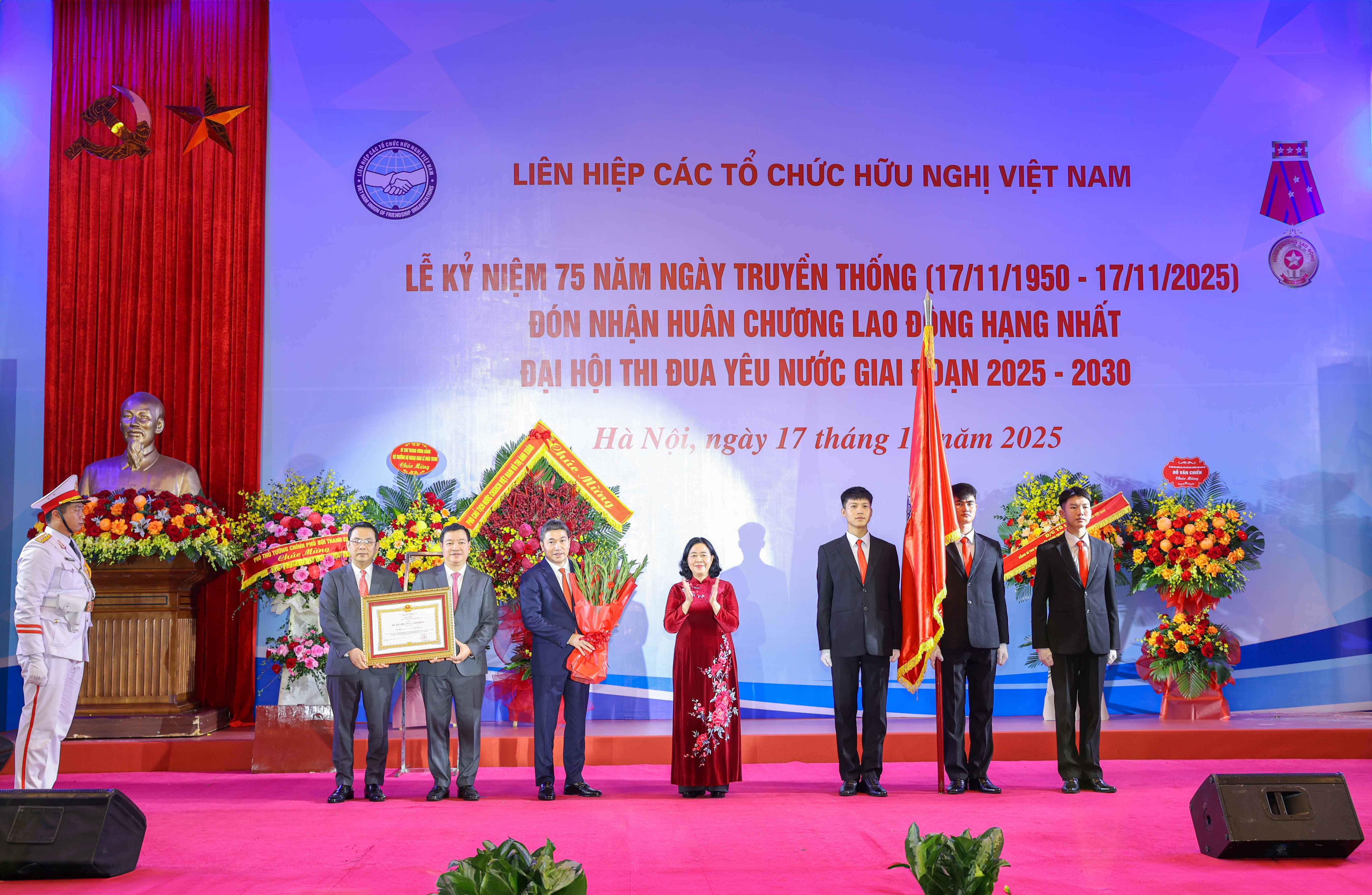
Politburo Member, Party Central Committee Secretary, Secretary of the Party Committee of the Viet Nam Fatherland Front and central-level mass organizations, and President of the Central Committee of the Viet Nam Fatherland Front Bui Thi Minh Hoai, on behalf of the Party and State leaders, presents the First-Class Labour Order to the Viet Nam Union of Friendship Organizations at the ceremony marking its 75th Traditional Day, Hanoi, November 17, 2025. (Photo: Dinh Hoa)

The Resolution of the 13th National Party Congress clearly identifies Viet Nam’s diplomatic system as comprising three pillars: Party-to-Party diplomacy, State diplomacy, and people-to-people diplomacy. The Party’s policy on international integration was further elaborated in Politburo Resolution No. 59-NQ/TW, dated January 24, 2025, on international integration in the new situation, which defines international integration as the cause of the entire people and the entire political system.
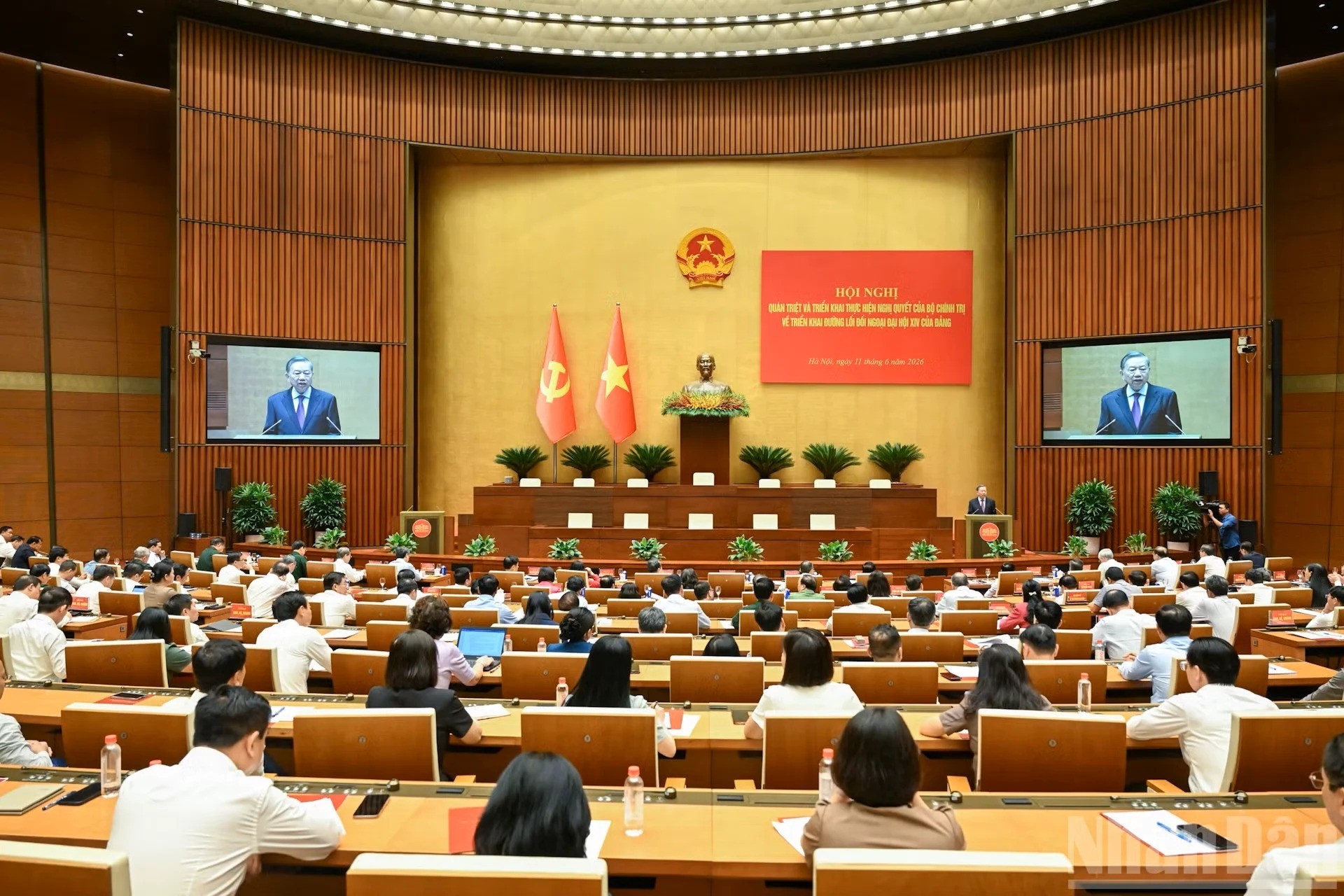
The National Conference to disseminate and implement Politburo Resolution No. 06-NQ/TW, dated May 19, 2026, on implementing the foreign policy orientations of the 14th National Party Congress, in Hanoi, June 11, 2026. (Photo: Nhan Dan Newspaper)
Based on these orientations, people-to-people diplomacy is identified as an effective tool and means of harnessing the country’s internal strength, while also making effective use of international resources, expanding the space for cooperation, and creating leverage for national development.
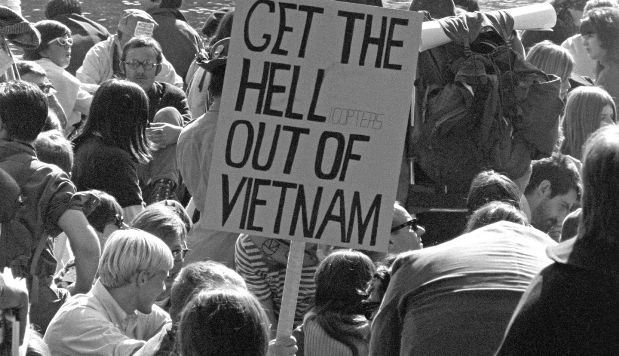
Anti-war protest in Washington, D.C., United States, October 21, 1967. (File photo)
Entering a new era, the world is facing a complex and volatile environment, marked by intensifying strategic competition among major powers, localized conflicts, and non-traditional security challenges. The growing prominence of non-state actors, social organizations, and online communities requires Viet Nam to maintain a flexible and adaptable channel of diplomacy. People-to-people diplomacy serves as an “iron shield” that safeguards national security and prestige from an early stage and from afar through soft power, helping counter distorted narratives and strengthen the country’s political standing.
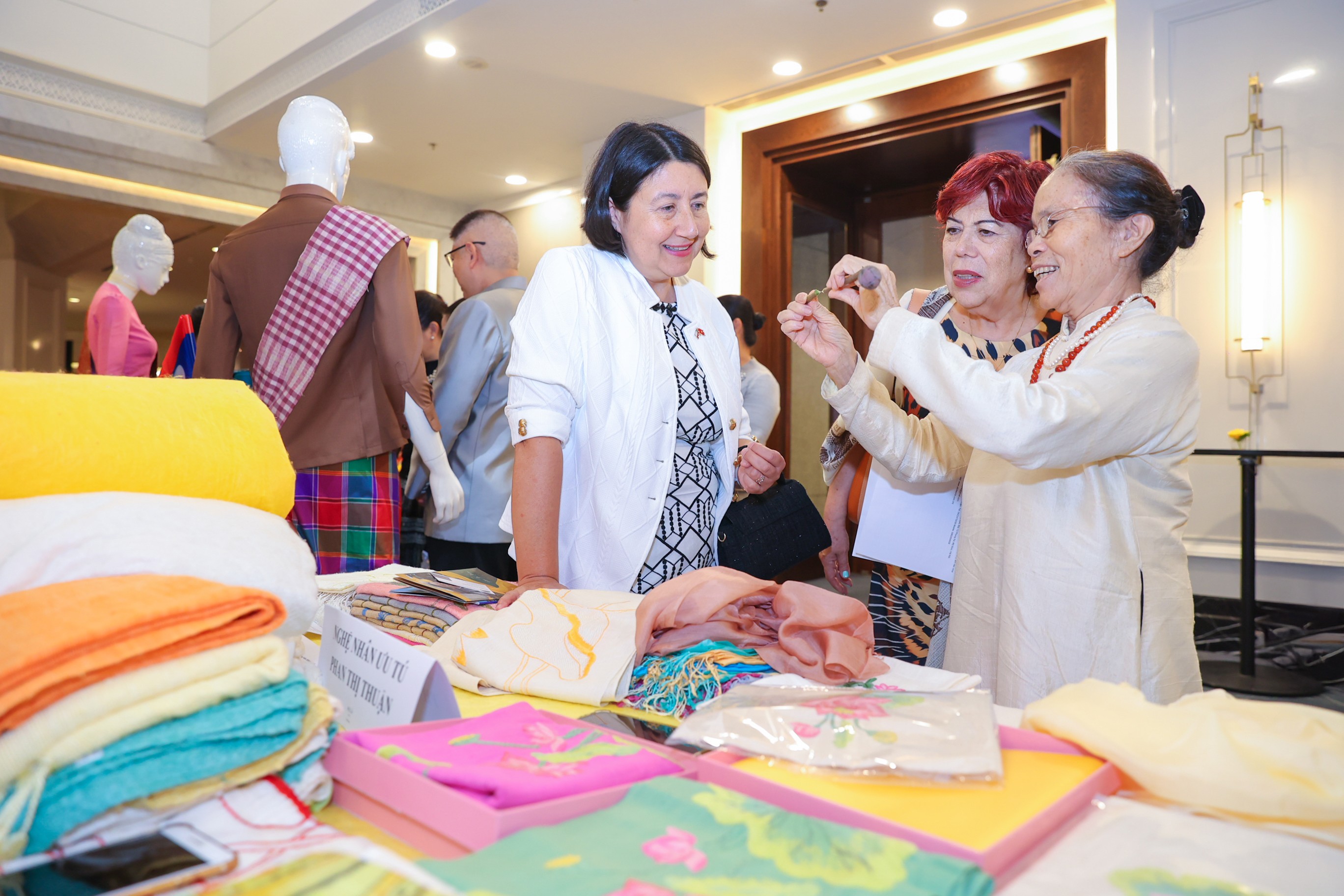
Delegates visit the exhibition space at the “ASEAN Cultural Colors 2026” Friendship Exchange Program, Hanoi, August 19, 2026. (Photo: Dinh Hoa)
In particular, the need for this diplomatic channel also lies in its ability to foster strategic trust. State diplomacy provides the legal framework, while people-to-people diplomacy builds empathy and deep mutual understanding among the peoples of different countries. Moving beyond mere exchanges toward development-oriented engagement, people-to-people diplomacy has become a direct “bridge” for mobilizing knowledge, modern technologies, capital, green transformation, digital transformation, and flows of non-governmental aid to directly serve the goal of a prosperous people and a strong nation.
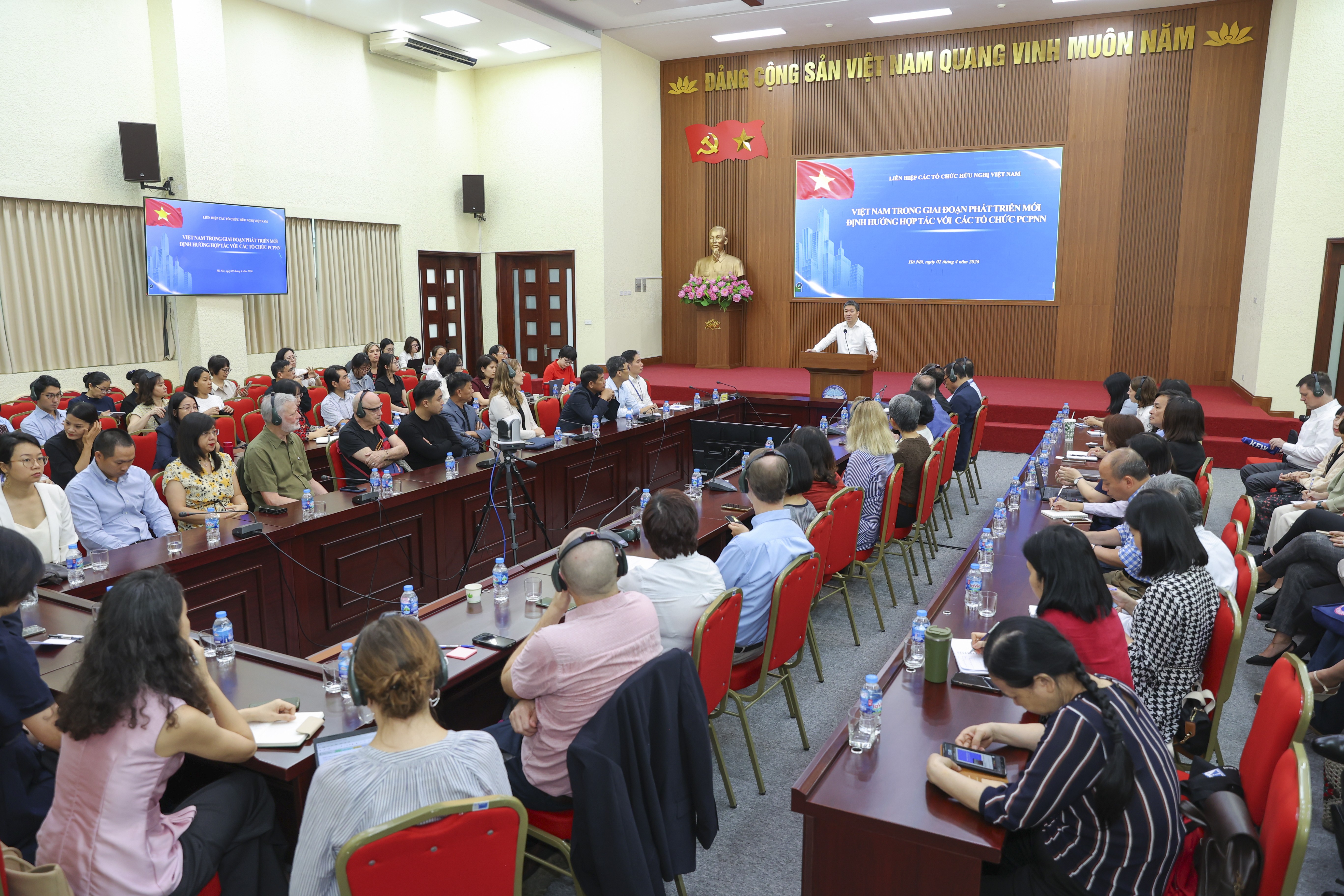
Information-sharing conference with foreign non-governmental organizations organized by the Viet Nam Union of Friendship Organizations in Hanoi, April 2, 2026. (Photo: Dinh Hoa)
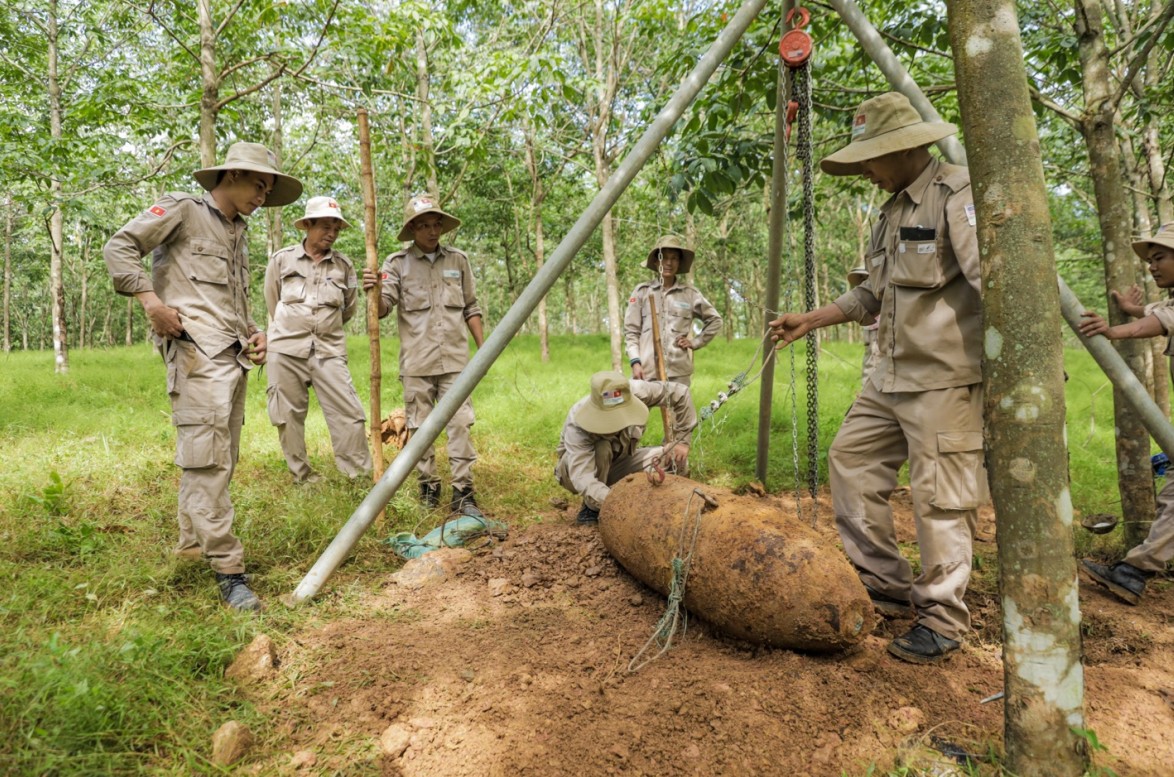
PeaceTrees Viet Nam’s mine clearance activities in Quang Tri Province. (Photo: PeaceTrees Viet Nam)
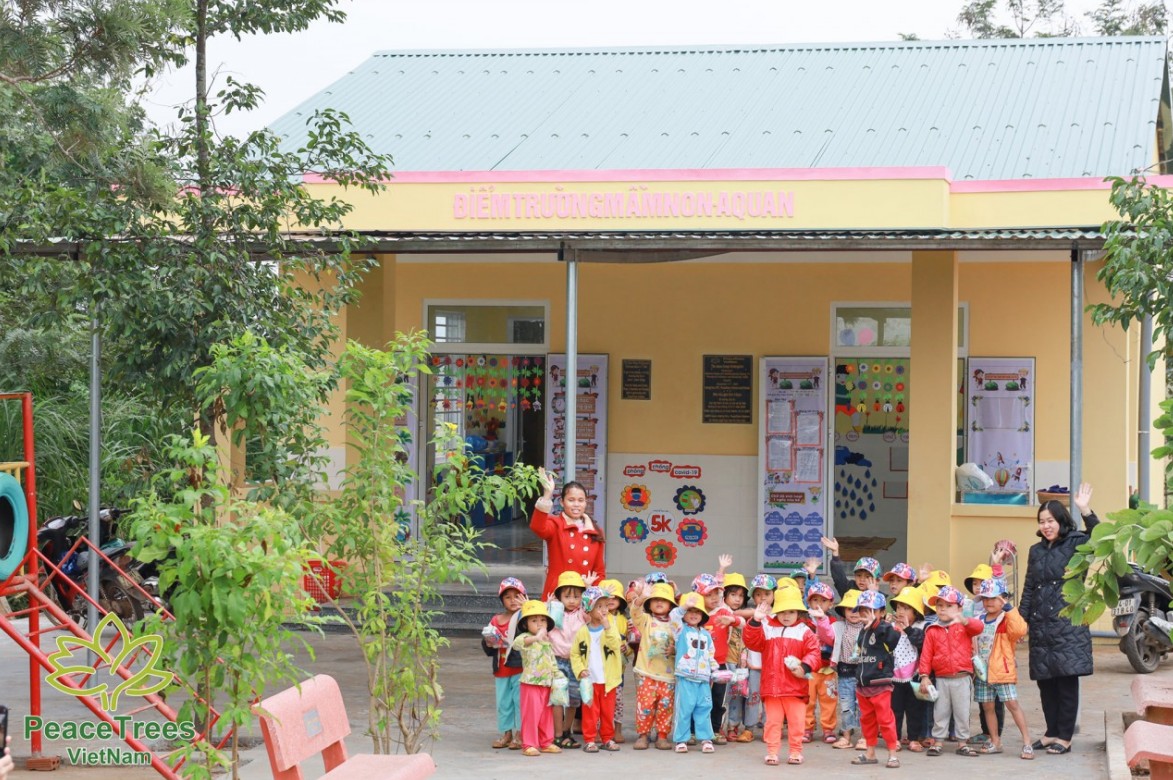
PeaceTrees Viet Nam hands over the kindergarten site in A Quan Village (now Tam Hoa Village), Lia Commune, Quang Tri Province, December 2021. (Photo: PeaceTrees Viet Nam)

Directive No. 38-CT/TW, dated September 19, 2019, issued by the Party Central Committee’s Secretariat, identifies the Viet Nam Union of Friendship Organizations as “a specialized socio-political organization responsible for people-to-people diplomacy in the fields of peace, solidarity, friendship and people-to-people cooperation, and a member of the Viet Nam Fatherland Front; playing a core role in people-to-people diplomacy and in mobilizing foreign non-governmental assistance; an organization responsible for external political affairs and an integral part of the country’s specialized external affairs force.”
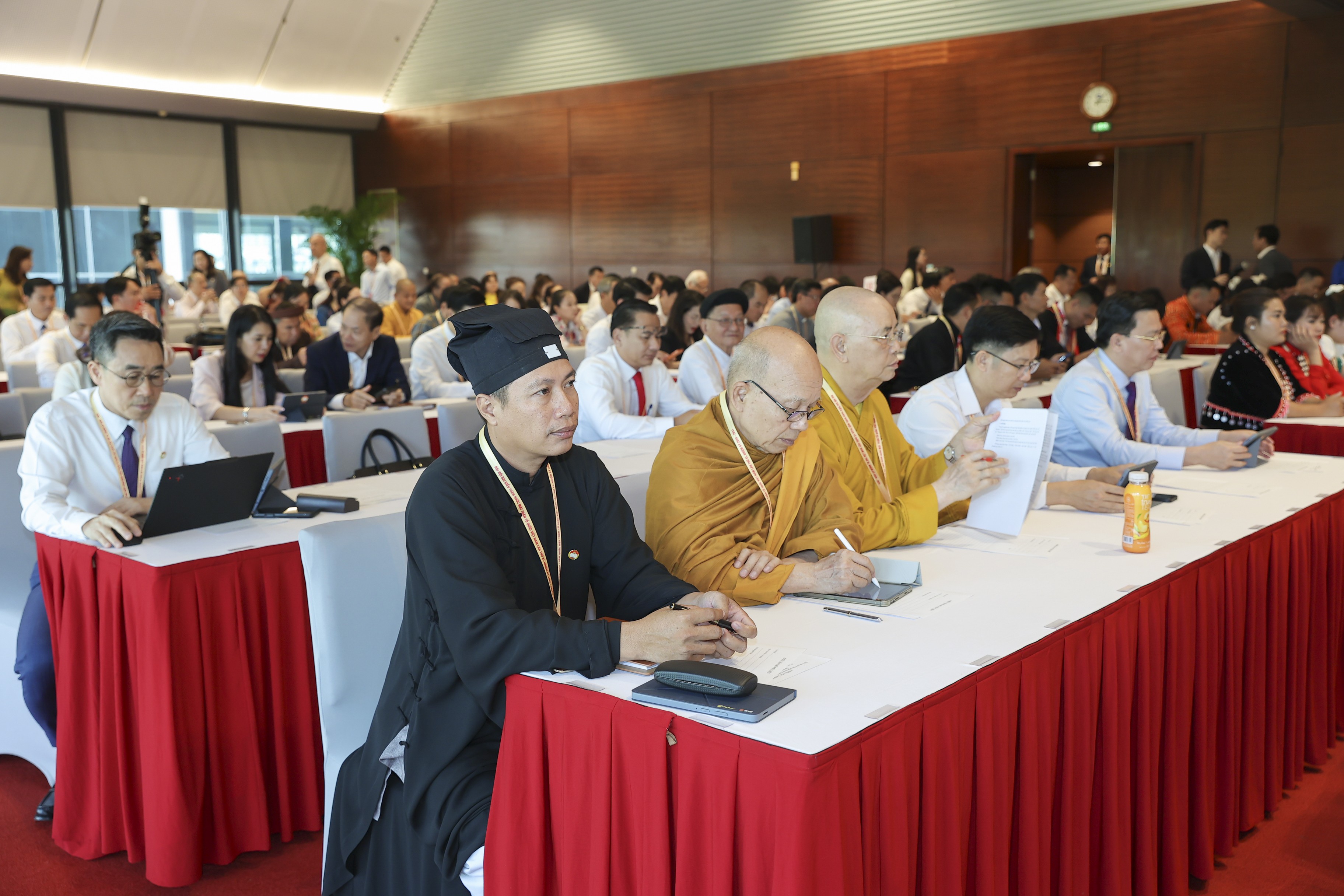
Discussion Center No. 4 at the 11th National Congress of the Viet Nam Fatherland Front, Hanoi, May 11, 2026. (Photo: Dinh Hoa)
The core role does not mean that the Viet Nam Union of Friendship Organizations carries out the work of organizations, localities, sectors, professional groups, and social strata on their behalf. Rather, this role is reflected in its function of bringing together social forces to implement the Party’s foreign policy, the State’s policies, and the action program of the Viet Nam Fatherland Front; while promoting the respective strengths of each stakeholder toward common goals.
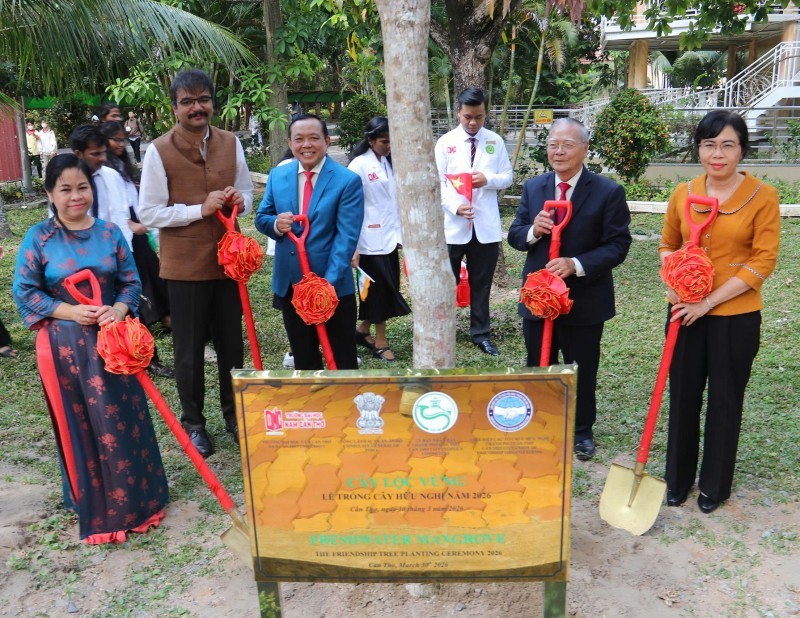
Friendship Tree-Planting Ceremony at Nam Can Tho University, March 30, 2026. (Photo: Ha Vy)
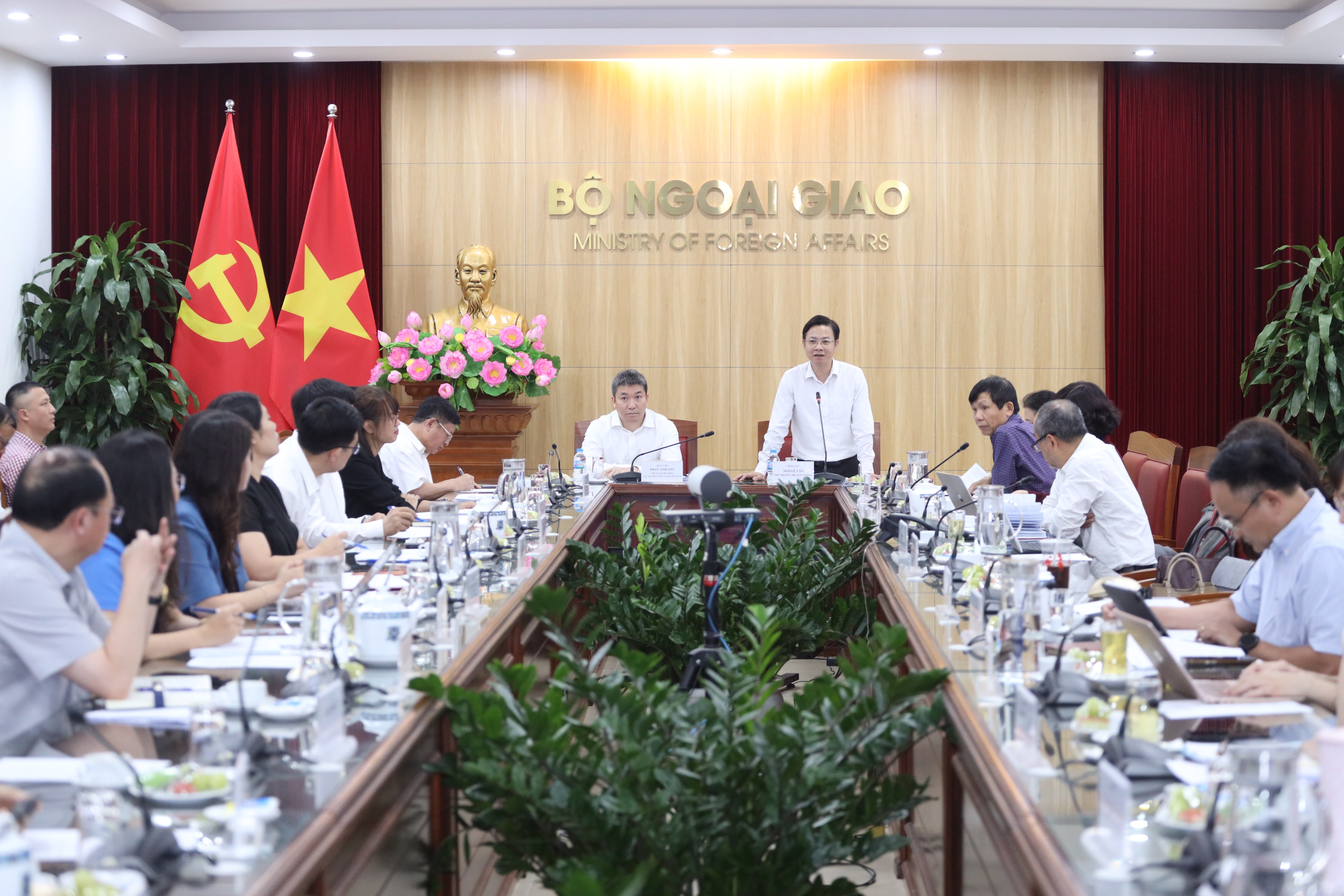
Scientific workshop “People-to-people diplomacy in the new era: From the Party’s policies to breakthrough solutions for greater practical rffectiveness”, Hanoi, May 14, 2026. (Photo: KT)
The Resolution of the 11th National Congress of the Viet Nam Fatherland Front for the 2026-2031 tenure also affirms the Viet Nam Union of Friendship Organizations’ task of strengthening coordination and promoting the strengths of its member organizations in expanding international relations. Within this system, the Viet Nam Union of Friendship Organizations plays an indispensable bridging role between the central and local levels, between domestic forces and international partners; linking peace and friendship activities with development cooperation and strategic research and policy advice.
Thanh Luan - Mai Thuy - Mai Anh