
Harnessing Intellectual Resources for Hanoi’s New Development Phase
| Quang Ninh and Hanoi Friendship Unions of Friendship Organizations Strengthen Cooperation in People-to-People Diplomacy Party Central Committee’s Third Meeting Opens in Hanoi |
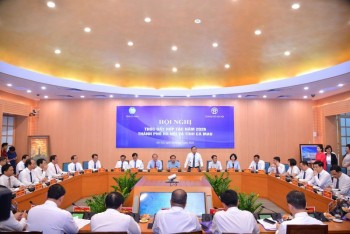
On the afternoon of July 29, the Hanoi Party Committee held a meeting with 195 distinguished representatives of the city's artists, intellectuals, and artisans.
As traditional growth drivers gradually narrow, Hanoi is seeking to make greater use of its intellectual and creative resources to usher in a new phase of development. This approach was shared by city leaders, scientists, artists, and artisans at the meeting, which focused on finding solutions to Hanoi's development challenges in the new period.
Shaping a growth model based on knowledge and culture
Speaking at the meeting, Chairman of the Hanoi People's Committee Vu Dai Thang emphasized that, alongside maintaining positive growth momentum in the first six months of 2026, the city is focusing on implementing a number of strategic tasks. These include enforcing the 2026 Capital Law, implementing major urban plans, operating the two-tier local government model, institutional and administrative reforms, and digital transformation. These efforts provide a foundation for Hanoi to renew its growth model, improve governance capacity, and make more effective use of its resources in the next phase of development.
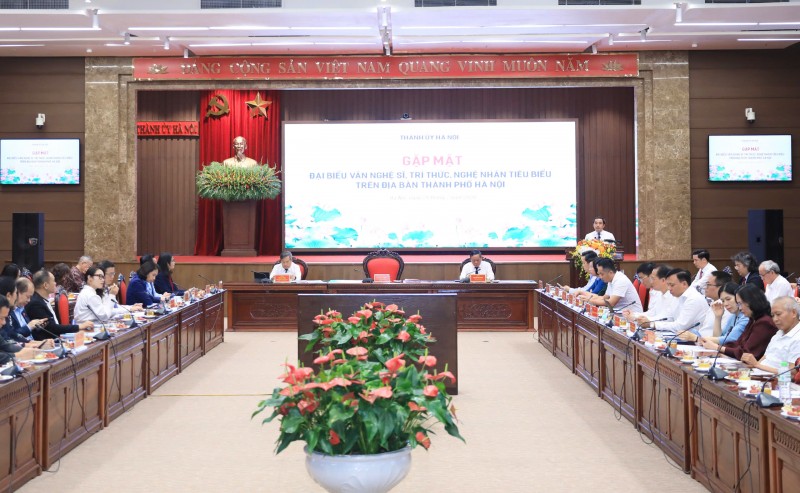 |
| Numerous contributions were made to help find solutions to Hanoi's development challenges in the new period. (Photo: T.L.) |
To generate further momentum for development, the city leadership expressed its hope that intellectuals, scientists, artists, and artisans would become more deeply involved in policymaking, while proposing breakthrough solutions in science and technology, innovation, digital transformation, the development of innovation ecosystems, and cultural industries.
At the meeting, many participants also observed that Hanoi was facing an opportunity to turn its strengths in culture, education, and science into new drivers of development.
Associate Professor and Doctor Bui Hoai Son, a full-time member of the National Assembly's Committee for Culture and Social Affairs, noted that the issue was not simply how many heritage sites, intellectuals, or artists the capital possessed, but, more importantly, how to transform these assets into soft power, competitive advantages, and resources for development.
According to him, Hanoi needs to shift decisively from a mindset focused on preservation to one that promotes the value of heritage as a creative asset. The city should establish mechanisms for commissioning creative works, protecting creativity, and accepting experimentation, while building a cultural industry ecosystem rather than simply organizing isolated cultural activities.
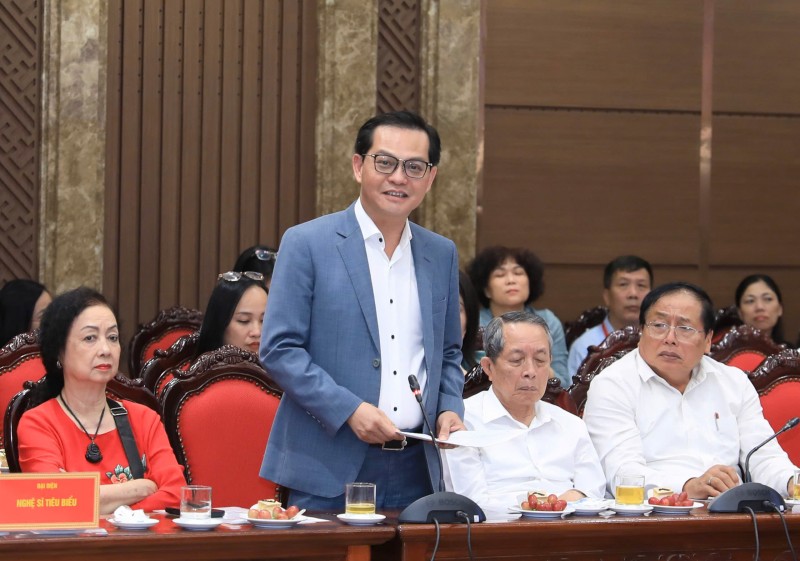 |
| People's Artist Nguyen Trung Hieu, Director of the Hanoi Drama Theatre, speaks at the meeting. (Photo: T.L.) |
From the perspective of education and innovation, Associate Professor and Doctor Nguyen Van Hieu proposed establishing a network of creative spaces connecting universities with the Temple of Literature - Imperial Academy, the Imperial Citadel of Thang Long, the Hanoi Museum, theatres, and traditional craft villages. This would create an environment in which students, artists, businesses, and communities could jointly conduct research, pursue creative activities, and launch start-ups.
Meanwhile, Associate Professor and Doctor Ta Hai Tung proposed refining the cooperation model among the State, businesses, and universities; repositioning Hoa Lac Hi-Tech Park as a hub for research and innovation; and developing support programmes for technology enterprises covering the entire process from research to product commercialization.
Alongside solutions in science and technology, many participants also recommended expanding open data for research purposes, promoting digital-resource-based start-ups, and establishing support mechanisms for artisans and traditional craft villages linked to tourism. These measures would help make more effective use of cultural values in socio-economic development.
Mobilizing intellectual resources to address Hanoi’s major development challenges
At the meeting, Secretary of the Hanoi Party Committee Tran Duc Thang affirmed that the capital was entering a new phase of development, with the goal of becoming a city that is Civilized, Cultured, Modern, and Happy, as well as a major regional hub for culture, education, science and technology, and innovation.
According to the Party Committee Secretary, Hanoi remains steadfast in pursuing a development path that places people at the center, culture as its foundation, science and technology and innovation as its driving forces, modern governance as its approach, and people's happiness as its ultimate goal. In this context, only knowledge, science and technology, and innovation can generate rapid and sustainable growth for the capital and the country.
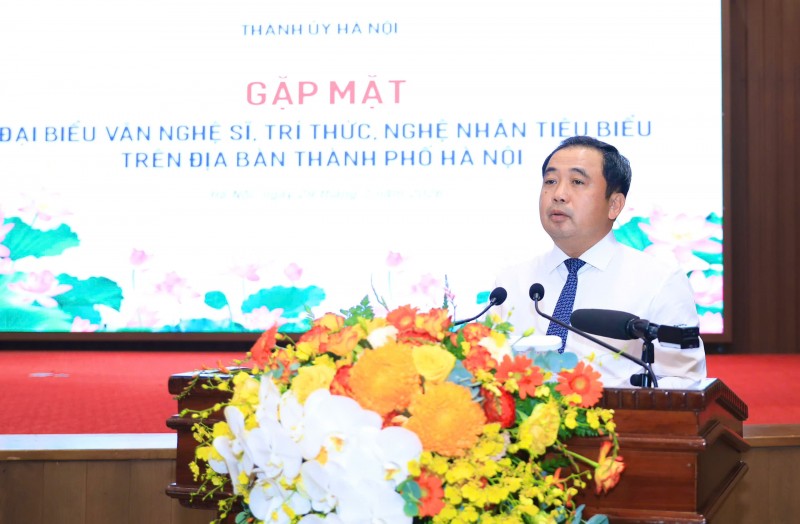 |
| Secretary of the Hanoi Party Committee Tran Duc Thang speaks at the meeting. (Photo: T.L.) |
In line with this orientation, the city hopes that intellectuals and scientists will continue to contribute to addressing Hanoi's major development challenges by stepping up research into core technologies and promoting the transfer and commercialization of research findings in fields such as artificial intelligence, semiconductors, biotechnology, new materials, and the environment.
At the same time, artists and artisans are expected to continue playing a leading role in preserving the cultural identity of Thang Long-Hanoi, developing cultural industries, making effective use of heritage spaces, and promoting the capital's image, thereby helping establish cultural industries as an important economic sector of the city.
Affirming that Hanoi would continue to improve its institutional framework in a manner that “paves the way for development”, attract and make effective use of talent, and create favorable conditions for intellectuals, scientists, artists, and artisans to participate in policymaking and policy review, Secretary of the Hanoi Party Committee Tran Duc Thang emphasized that the city valued every research project, every initiative, every creative product, and every traditional craft that was preserved and passed down through generations.
With the continued contributions of intellectuals, artists, artisans, and the people, Hanoi aims to become a major center for culture, science and technology, innovation, and international integration, making an increasingly significant contribution to the country's development.
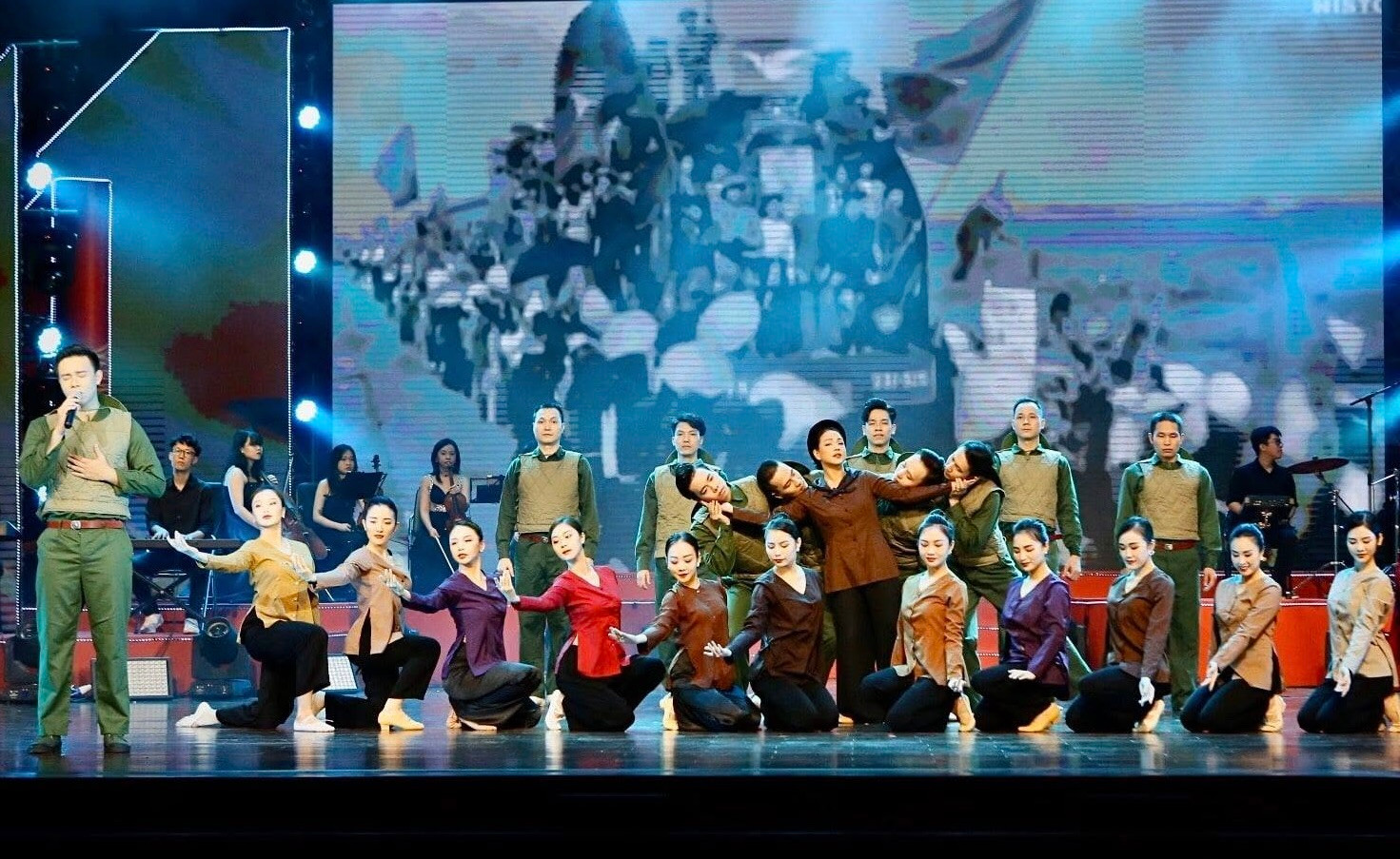 Hanoi Holds Six Performances in Tribute to War Heroes |
 Hanoi - Ca Mau: Expanding Cooperation on a Foundation of Solidarity and Affection |
Most read

Viet Nam News Today (Nov. 23): Vietnam, Indonesia Step Up Comprehensive Strategic Partnership

Viet Nam News Today (Nov. 22): Science, Technology - Promising Pillar of Vietnam-Türkiye Cooperation


Recommended
National
Viet Nam News Today (Nov. 23): Vietnam, Indonesia Step Up Comprehensive Strategic Partnership
 National
Viet Nam, Azerbaijan Issue Joint Statement
National
Viet Nam News Today (Nov. 22): Science, Technology - Promising Pillar of Vietnam-Türkiye Cooperation
 National
Viet Nam News Today (Nov. 21): Top Leader Calls For Strategic Connectivity Between Viet Nam And Southwest China
Popular article
 National
Top Leader Meets Vietnamese, Chinese Youth Participating in “Red Journey” Programme in Yunnan
 National
Viet Nam News Today (Nov. 20): Viet Nam Assumes Role as APEC 2027 Host
 National
Top Leader Visits President Ho Chi Minh Relic Site in Kunming
 National