
What Can Learn From The India-UK Free Trade Agreement
 |
The India-UK FTA, signed in July 2025, is not merely a trade pact, it reflects mutual understanding, strategic alignment, and a shared vision for inclusive growth. It was forged through three years of fractured but ultimately fruitful negotiations between two economies. The UK saw in India not just a market but a partner whose economic ascent could complement its own industrial ambitions. Britain's modern industrial strategy, with its focus on advanced manufacturing, clean energy, and digital technologies, found resonance with India's reform-driven growth trajectory and its aspiration to become a $5 trillion economy by 2027.
The India-UK agreement was not confined to tariff reductions. It offered zero-duty access to 99 percent of Indian exports, streamlined mobility for professionals, and addressed social security contributions through the Double Contribution Convention. It was, in essence, a pact of mutual respect and forward-looking trust. The UK acknowledged India's developmental priorities, its Micro, Small, and Medium Enterprises (MSME)-driven economy, and its strategic ambitions. It approached the deal not as a zero-sum game, but as a collaborative opportunity to harness complementary strengths. The result is a framework that promises to double bilateral trade to USD 120 billion by 2030, catalyzing investment, job creation, and industrial competitiveness.
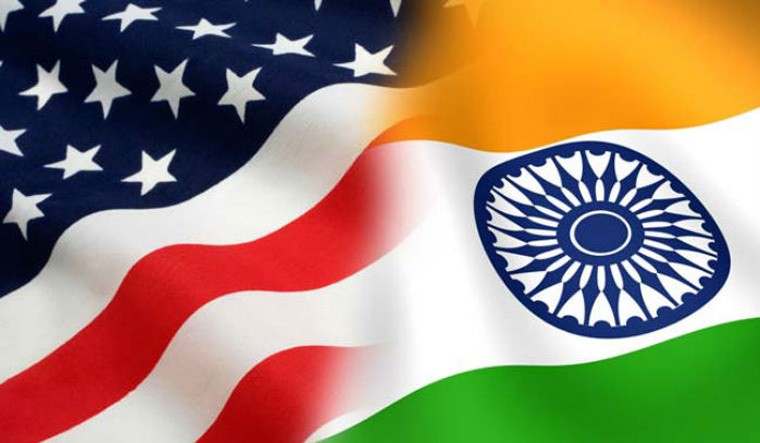
In contrast, India’s ongoing trade discussions with the United States have progressed more slowly. A key factor lies in differing perspectives on development priorities and economic policy. While India has made significant strides in macroeconomic stability and global engagement, it continues to prioritize inclusive growth, with a strong focus on MSMEs, agriculture, and digital empowerment.
Some areas of divergence include agricultural market access and digital regulation. India’s initiatives such as the Digital Public Infrastructure and Atmanirbhar Bharat (“Self-reliant India”) are designed to foster local innovation and resilience, while ensuring broad-based participation in economic growth. At times, these have been interpreted differently by external partners, highlighting the importance of deeper dialogue and shared understanding.
These differences are not insurmountable. They reflect the broader contexts in which each country approaches trade: India views itself as a developing economy with legitimate space for calibrated policy choices, while partners like the U.S. often approach negotiations with advanced economy benchmarks.
The lesson, then, lies in the UK's approach. Britain did not dilute its interests; it simply chose to engage with India on equal terms, acknowledging its sensitivities and aspirations. The result was a comprehensive, high-quality agreement that promises to unlock significant opportunities for both sides.
Trade works best when it is guided not only by economic metrics but by a spirit of collaboration and long-term vision. The India-UK FTA provides a positive example of how bilateral partnerships can thrive when they embrace mutual respect and flexibility. As India and the U.S. continue their negotiations, there is an opportunity to adopt a similarly balanced and constructive approach — one that emphasizes partnership over competition and growth over concession.




Recommended
 Economy
SustainCoffee Project Targets Sustainable Growth in Viet Nam’s Coffee Sector
 Economy
Vinamilk Optimum Gold Infant Formula Named Brand of the Year at the 2026-2027 World Branding Awards
 Economy
Hitachi Construction Machinery Launches a New Global Brand Campaign in Advance of Changing the Company Name and Brand to "LANDCROS" in April 2027
 Economy
Renewing and Elevating ASEAN People-to-People Diplomacy
Popular article
 Economy
India's first indigenous bullet train is being built
 Economy
Connecting International Resources to Promote Green Development and Climate Change Adaptation
 Economy
Qashier Launches QashierGM, an AI General Manager That Works With the Whole Team
 Economy