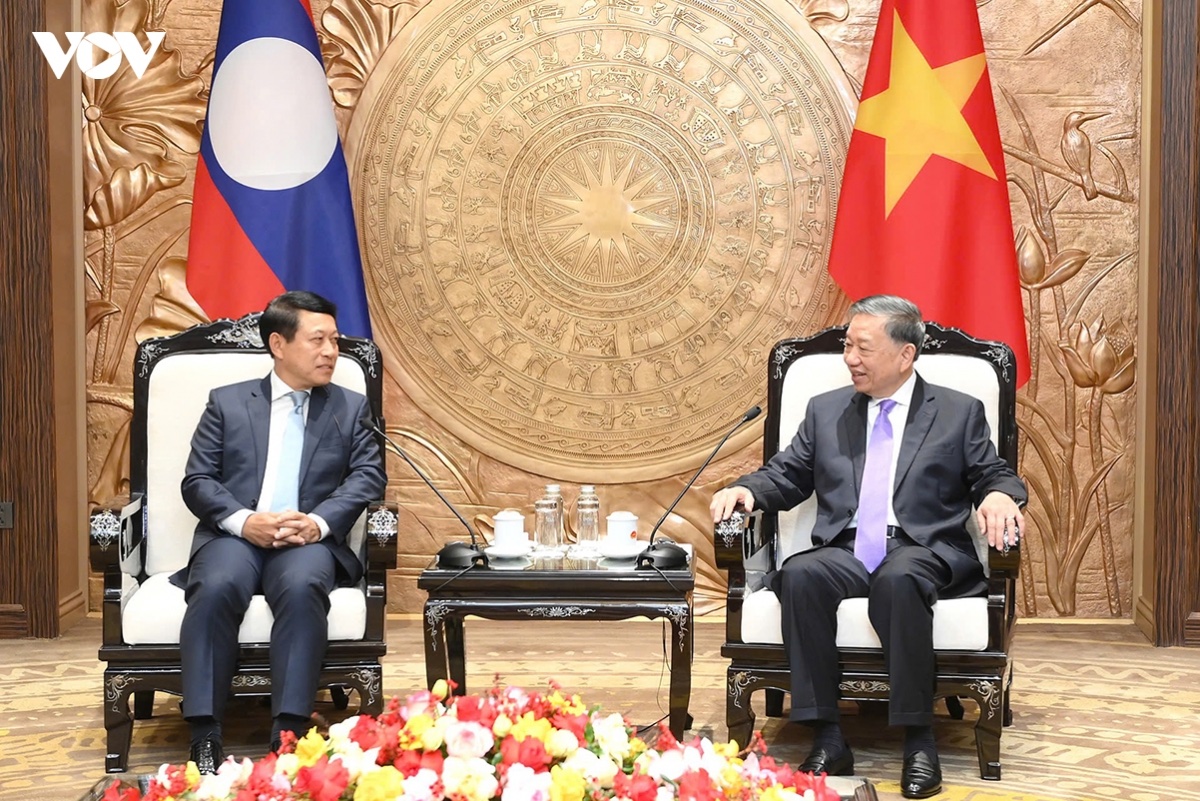
11th ACMECS Summit to connect Mekong subregion for peace, prosperity
The 11th Ayeyawady–Chao Phraya–Mekong Economic Cooperation Strategy (ACMECS) Summit, held in Hanoi on November 28 by Viet Nam and Myanmar – the current ACMECS Chair, are poised to open a new chapter for subregional cooperation, turning potential into shared prosperity for the entire region.
The summit marks a significant milestone in strengthening solidarity, strategic connectivity, and subregional cooperation. As an important multilateral event hosted by Viet Nam in 2026, it underscores the country’s sense of responsibility, standing, and core role in shaping regional dynamics.
ACMECS: The unified voice of five Mekong nations
The Ayeyawady–Chao Phraya–Mekong Economic Cooperation Strategy (ACMECS), formerly known as the Economic Cooperation Strategy (ECS), is a five-nation economic framework comprising Cambodia, Laos, Myanmar, Thailand, and Viet Nam. It aims to bolster cooperation, narrow development gaps, enhance regional competitiveness, and promote sustainable development.
Initiated by Thailand, ACMECS was officially established in November 2003 at the Bagan Summit in Myanmar with four founding members, namely Cambodia, Laos, Myanmar, and Thailand. During that summit, leaders agreed to rename the mechanism after the three major river systems of the Mekong River basin.
Currently, ACMECS cooperation spans eight areas: trade and investment, agriculture, industry and energy, transport, tourism, human resources development, public health, and the environment.
ACMECS convenes annual ministerial meetings and biennial summits rotated alphabetically among member states. To date, ten summits have been held. Most recently, at the 10th ACMECS Summit chaired by Laos in 2024, leaders adopted the Vientiane Declaration and advanced joint efforts on water resources management in the Mekong River basin.
Over more than two decades, ACMECS members have made notable strides in expanding external partnerships and mobilizing international development resources, particularly in renewable energy, water management, air pollution control, the digital economy, digital trade, and cybersecurity.
Key initiatives include Japan’s support for post-COVID-19 small and medium-sized enterprise (SME) recovery, and the Republic of Korea’s assistance in regulatory harmonization to facilitate cross-border trade. Under this model, Mekong nations identify pressing needs while development partners contribute targeted expertise and resources.
Member states are currently finalizing procedures to establish the ACMECS Development Fund to ensure financial self-reliance alongside external funding for priority projects, with all five nations pledging contributions. Simultaneously, the bloc continues to attract backing from major partners including the US, China, India, Japan, and the Republic of Korea.
Viet Nam: A proactive, engaged, and responsible member of ACMECS
Viet Nam officially joined ACMECS at its first ministerial meeting in Thailand in November 2004. Over the past 20 years, it has consistently regarded ACMECS as a strategic cooperation mechanism tied to its top regional partners.
As an active and responsible member, Viet Nam has made substantial contributions to the bloc. Serving as the eastern gateway of the Mekong subregion, the country is an indispensable link in regional economic corridors.
It has proactively proposed and implemented new ideas, helped draft important documents, spearheaded initiatives, and provided development assistance for fellow members, particularly in human resources training and infrastructure development. It has also coordinated several specialised sectors, rolling out many practical programs that foster comprehensive cooperation among the five countries, according to VNA.
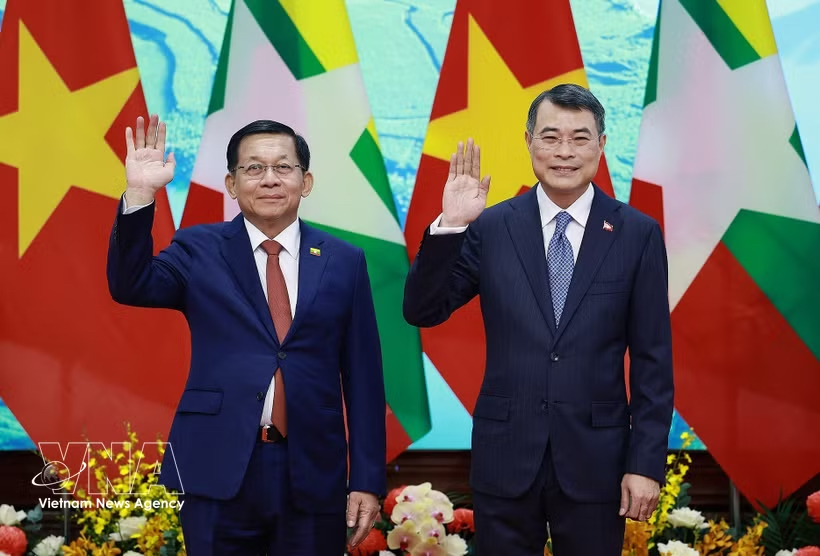 |
| Vietnamese Prime Minister Le Minh Hung (right) and Myanmar President Min Aung Hlaing. The two countries co-chair the 11th ACMECS Summit in Hanoi on November 28, 2026. (Photo: VNA) |
Previously, Viet Nam successfully hosted the 3rd ACMECS Summit in November 2008 and the 7th ACMECS Summit in October 2016, both in Hanoi.
11th ACMECS Summit: Towards a smart and sustainable future
Building on the success of its previous hostings, Viet Nam is co-organising the 11th ACMECS Summit in Hanoi on November 28, alongside Chair Myanmar.
Themed “Strengthening Socio-Economic Development Towards Smart and Sustainable ACMECS”, the summit focuses on reviewing past cooperation and charting future directions.
Deputy Minister of Foreign Affairs Nguyen Minh Hang said that aligned with the summit's core theme, member states have reached a strong consensus on three major strategic priorities.
The first is enhancing strategic connectivity and expanding development space. Serving as the top priority, this pillar aims to boost transport infrastructure, trade, investment, logistics, digital transformation, tourism, education, and people-to-people exchanges. Synchronised connectivity will not only maximise each nation's economic potential but also unlock new strategic development space, lower transaction costs, and facilitate cross-border production and business operations.
The second is addressing common challenges and water security. Leaders will hold in-depth discussions on coordination mechanisms for climate change adaptation, environmental protection and, above all, the sustainable and equitable management and utilisation of Mekong River water resources. This is recognised as vital to safeguarding long-term livelihoods, food security, and energy security for tens of millions of residents in the river basin.
The third is deepening alignment with ASEAN. Frameworks such as ACMECS and CLMV (Cambodia, Laos, Myanmar, Vietnam) will strengthen links with broader ASEAN development programs while engaging major partners and international financial institutions. This alignment is designed to pool resources and initiatives, actively contributing to the ASEAN Community Vision 2045 and ensuring that no nation or subregion is left behind, according to Hang.
Minister of Foreign Affairs Le Hoai Trung, head of the organising committee for the 12th CLMV Summit and the 11th ACMECS Summit, emphasised that hosting these two summits underscores Vietnam’s proactiveness and responsible contributions to Mekong subregional cooperation.
He noted that the events help expand development horizons, strengthen trade and investment ties, enhance friendship among the neighboring countries, and actively support the realisation of the ASEAN Community Vision 2045.
At the 11th ACMECS Summit, Prime Minister Le Minh Hung is scheduled to join fellow leaders in discussing shared priorities for the five Mekong nations. As host, Viet Nam seeks to foster coordination among member states, advance the ASEAN Community-building process, and expand ties with development partners so that the tangible dividends of cooperation directly benefit citizens and businesses across the region.
Viet Nam, Cuba hail parliamentary cooperation’s role in bilateral relations
The National Assembly (NA) of Viet Nam and the NA of People's Power of Cuba have issued a joint communiqué announcing the outcomes of the third session of their Inter-Parliamentary Cooperation Committee, held in Havana from November 25 to 27.
President of the Cuban parliament Esteban Lazo Hernandez attended and delivered remarks at the opening and closing sittings, which also received pre-recorded video messages from Vietnamese NA President Tran Thanh Man.
The Vietnamese delegation to the event was led by Vice Chairman of the NA Committee for National Defence, Security and External Relations Nguyen Quoc Hung.
In the joint communiqué, the two sides praised the robust development of the special solidarity, friendship, and cooperation between Viet Nam and Cuba, as well as the vital role of inter-parliamentary ties in consolidating bilateral relations.
They affirmed their resolve to further strengthen connections between the two nations in general and their parliaments in particular.
During the meeting, the two sides conducted a comprehensive review of their legislatures' roles in advancing cooperation across areas of mutual concern. They shared insights on perfecting legal systems, especially clearing institutional bottlenecks and innovating legislative thinking, and discussed future cooperation directions in line with the protocol on cooperation between the two NAs, according to VNA.
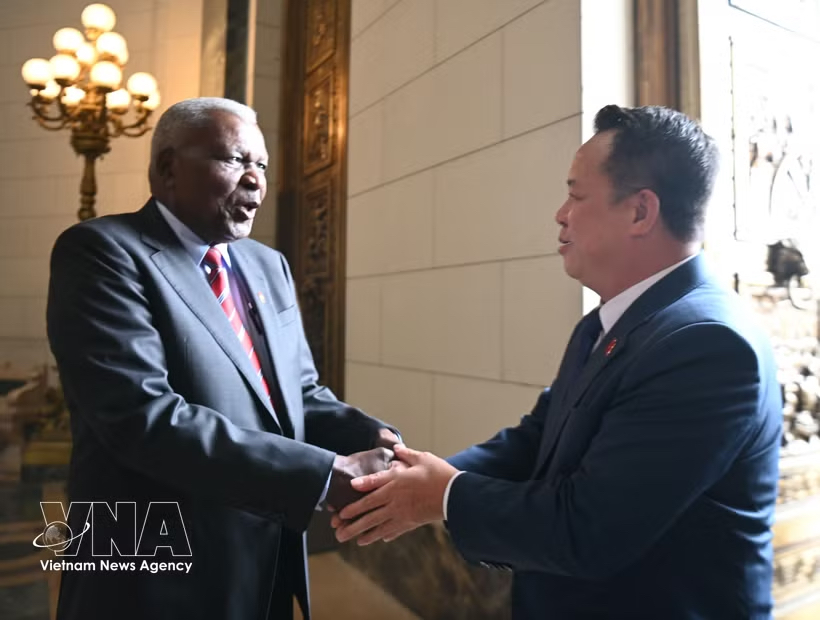 |
| President the National Assembly of People's Power of Cuba Esteban Lazo Hernandez (left) welcomes Vice Chairman of the NA Committee for National Defence, Security and External Relations Nguyen Quoc Hung, who leads the Vietnamese delegation to the third session of the Inter-Parliamentary Cooperation Committee. (Photo: VNA) |
They agreed that the third session marked a decisive shift from commitment to action, and from shared perception to substantive, coordinated implementation.
Both sides pledged to further leverage the parliaments’ roles in refining legal frameworks, enhancing supervision over the implementation of high-level agreements, and facilitating key cooperation projects, thereby demonstrating the NAs’ proactive partnership with their countries’ governments to elevate bilateral ties commensurate with the special solidarity between the two peoples.
The two sides concurred in promoting investment, trade, and cooperation opportunities amid Cuba’s ongoing socio-economic transformation. Specifically, they agreed to continue exploring the potential of the Mariel Special Development Zone and advance new joint projects in key sectors such as agri-food, industry, and biotechnology.
They also agreed to facilitate training and capacity-building opportunities across various fields for parliamentarians and officials through both in-person and online formats.
The two legislative leaders commended their countries’ and NAs’ cooperation outcomes achieved over the past year, and applauded the practical and effective agenda of the third session.
They agreed that the fourth session of the Inter-Parliamentary Cooperation Committee will be hosted by Viet Nam, according to the joint communiqué.
Thai Prime Minister arrives in Hanoi for 11th ACMECS Summit
Thai Prime Minister Anutin Charnvirakul arrived in Hanoi on November 28 to attend the 11th Ayeyawady-Chao Phraya-Mekong Economic Cooperation Strategy (ACMECS) Summit.
The Thai leader was accompanied by Deputy Prime Minister and Foreign Minister Sihasak Phuangketkeow, Defence Minister Adul Boonthumjaroen, Thai Ambassador to Viet Nam Urawadee Sriphiromya, and other senior Thai officials.
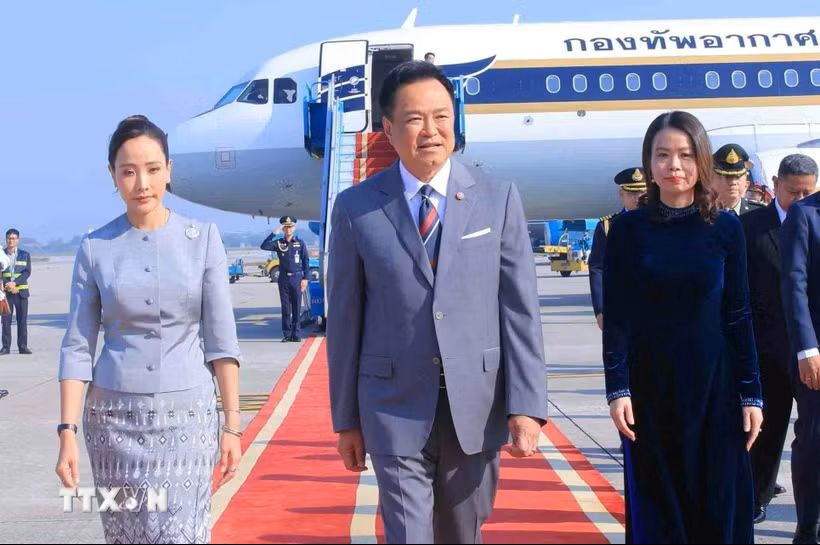 |
| Thai Prime Minister Anutin Charnvirakul arrives in Hanoi on November 28 for the 11th Ayeyawady-Chao Phraya-Mekong Economic Cooperation Strategy (ACMECS) Summit. (Photo: VNA) |
Vietnamese Deputy Foreign Minister Nguyen Minh Hang welcomed the Thai leader and his encourage at Noi Bai International Airport.
Thailand has played a leading role in ACMECS since initiating the establishment of the cooperation framework in 2003. The five-member mechanism brings together Cambodia, Laos, Myanmar, Thailand and Viet Nam to promote economic cooperation, regional connectivity and sustainable development across the Mekong subregion, reported VOV.
Thailand has also contributed to shaping the framework's cooperation agenda and coordination mechanisms. It is scheduled to assume the ACMECS chairmanship from Myanmar for the 2027–2028 term, providing an opportunity to further advance cooperation among member countries.
Viettel officially launches Starlink satellite internet in Viet Nam
Viettel Telecom and Starlink Services Viet Nam Co., Ltd. have signed a commercial cooperation agreement combining Starlink’s low-Earth orbit satellite technology with Viettel’s nationwide deployment and customer service capabilities.
Under the agreement, Viettel Telecom officially provides Starlink satellite internet services in Viet Nam, offering customers an additional connectivity option alongside fibre-optic broadband and 4G and 5G mobile networks.
The service helps overcome geographical barriers, infrastructure deployment delays and dependence on terrestrial telecommunications networks.
Using low-Earth orbit satellite technology, Starlink enables customers to establish internet connections quickly without installing cables or building telecommunications base stations at their locations.
Under suitable conditions, download speeds can exceed 400 Mbps, with latency ranging from 20 to 50 milliseconds, supporting video calls, online meetings, field data transmission, camera surveillance and remote production management.
Expanding Starlink connectivity to remote and offshore areas
In mountainous regions, islands and isolated communities, satellite internet offers new opportunities for economic development and improved living standards.
Farm owners can remotely monitor production activities, teachers and students can access online educational resources, and healthcare facilities can connect with higher-level medical institutions.
Remote resorts can also provide guests with more reliable internet connectivity.
With suitable equipment and service plans, people working aboard offshore fishing vessels, cargo ships, cruise ships and offshore drilling platforms can make video calls to their families, access weather updates and maintain contact with the mainland.
Maritime businesses can use satellite connectivity to track vessels, monitor cargo and exchange data with operations centers, improving operational efficiency and safety.
Construction sites, survey teams, outdoor event organisers and journalists working in the field can also establish internet connections quickly without waiting for conventional telecommunications infrastructure to be installed.
Compact Starlink devices can operate with suitable power sources, including portable batteries, solar energy and generators, allowing deployment even in locations without reliable grid electricity.
For businesses, factories, healthcare facilities and operations centers, internet disruptions can significantly affect production, commercial activities and service delivery, VNN reported.
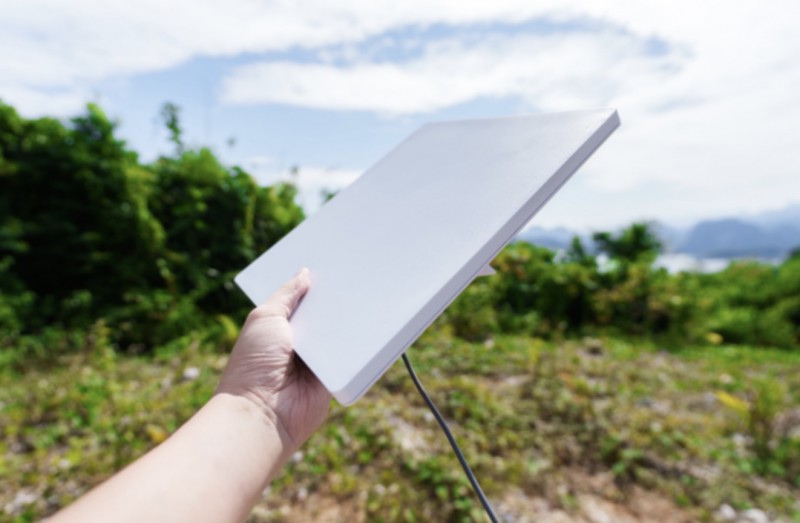 |
| Starlink enables customers to establish internet connections quickly without installing cables or building telecommunications base stations at their locations. |
Starlink provides an alternative connection independent of local terrestrial access infrastructure, helping customers reduce the risk of service interruptions.
During natural disasters, storms, floods and landslides that damage telecommunications networks, local authorities and rescue teams can also use satellite internet to maintain communications, transmit images from affected areas and coordinate emergency response operations.
Starlink equipment and first-month service start at $417
Beyond satellite internet services, Viettel offers comprehensive connectivity solutions, including advice on technology, equipment and service plans, as well as deployment and ongoing technical support.
By providing fibre-optic broadband, 4G, 5G and satellite internet services, Viettel can help customers select or combine connectivity options based on their operational requirements, usage conditions and investment costs.
Businesses can use Starlink as their primary internet connection in areas where conventional infrastructure is difficult to deploy or as a backup alongside existing telecommunications systems.
Customers subscribing to Starlink through Viettel will receive genuine equipment, services licensed in Viet Nam, transparent pricing and official invoices.
Warranty claims, product exchanges, returns and technical support requests will be handled directly through Viettel’s customer service network, reducing risks associated with equipment and services from unverified sources.
With its nationwide technical workforce, Viettel provides round-the-clock support in Vietnamese, covering equipment and service plan selection, installation guidance and troubleshooting.
A Viettel Telecom representative said the value of technology lies not simply in providing another connectivity option but in the opportunities it creates for people in their work and daily lives.
“By providing Starlink, Viettel can address connectivity needs that were previously very difficult to meet. We want every customer, regardless of where they are or what they do, to be able to choose a connectivity solution that suits their needs,” the representative said.
Viettel will offer three types of genuine Starlink equipment designed for different usage requirements.
Domestic service plans will cover mainland Viet Nam and supported coastal waters, while international and maritime plans will cater to vessels operating offshore or travelling internationally within supported coverage areas.
The combined cost of equipment and the first month of service starts at VND10.89 million (approximately US$417).
Customers can purchase additional data or upgrade their service plans as needed. They can also install the equipment themselves by following the instructions or opt for paid delivery and on-site installation assistance.
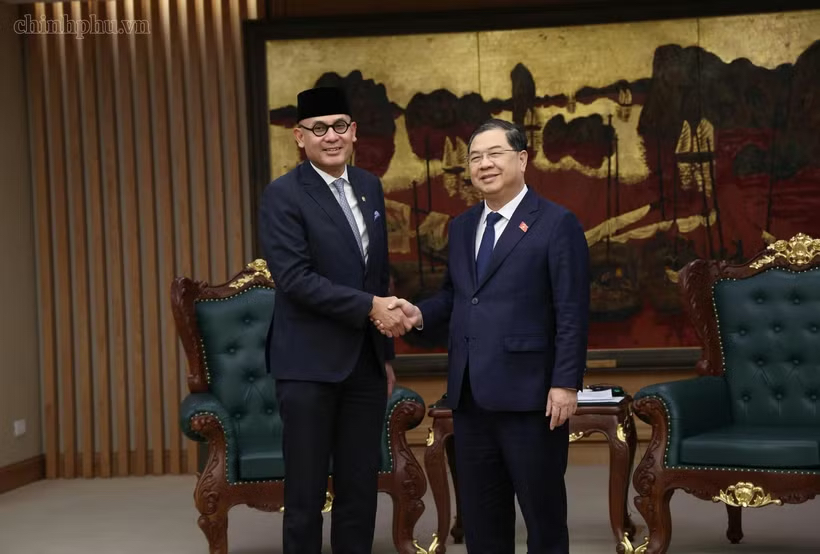 Viet Nam News Today (Nov. 23): Viet Nam, Indonesia Step Up Comprehensive Strategic Partnership |
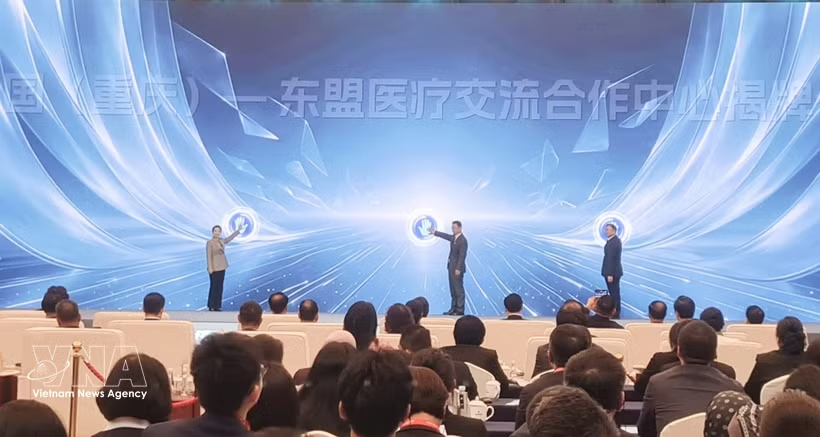 Viet Nam News Today (Nov. 25): Viet Nam Culture Day 2026 Marked in Laos, Switzerland and Mozambique |