Electronics Exports Shield India From Trade as highest for November in 10 years
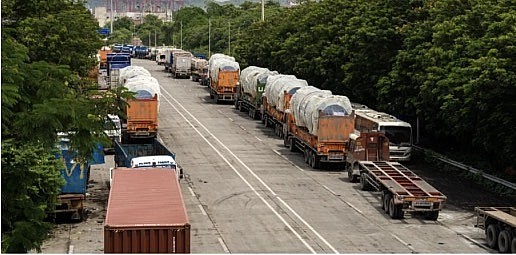 |
November trade data, just in, shows India’s exports rose to $38.13 billion — up 19.4% from a year earlier, the biggest jump since June 2022. This comes two months after the 50% tariffs became effective, though electronics and pharmaceuticals are exempt. Interestingly, goods imports were lower last month, thus helping shrink the trade deficit to $24.53 billion versus the record high in October of $41.7 billion. That should offer the currency and bond markets some relief. The rupee pared losses after hitting a fresh record low of 90.79 to the dollar earlier in the day.
India's Exports Revive in November
This fiscal, goods exports to US rise 11.4% and China by 32.8%
Source: Commerce Ministry
Key highlights (April to November 2025)
- Goods exports to the US are up 11.4% to $59.04 billion. Imports are also higher at $35.40 billion versus $31.19 billion.
- Exports to China rose 32.8% to $12.22 billion, a mere fraction of imports that are at $84.27 billion, up 12.6%.
- Electronic goods exports rose the most, followed by engineering goods. Marine products are up marginally, whereas sectors worst affected by tariffs — gems and jewelry and apparel — are stagnant.
Individually, each of those moves is huge. But look at them together and it feels like everyone is gearing up for another round of fisticuffs. “Companies are raising money to kill competition,” Harminder Sahni, founder of consultancy Wazir Advisors, told me, adding that the fight “is a win for customers.” Expect more discounts, sales, and cashback offers for customers to switch loyalties, as companies compete for quick deliveries of everything from shampoos to iPhones.
India’s e-commerce market is expected to hit $550 billion by 2035, growing more than fourfold from last year. But as money floods in to fuel the cash burn needed for growth, the need for fiscal discipline is sharper than ever. The chief of India’s largest quick commerce firm, Blinkit, said recently that the sector is headed for a shakeout. The message applies to traditional e-commerce as well as the business of near-instant deliveries — not everyone will survive the next wave of competition.