
Germany plans to recruit workers from Vietnam
| Germany needs more foreign workers, including Vietnamese | |
| Ibaraki Prefecture (Japan) to invite more Vietnamese workers | |
| Korean enterprises need Vietnamese workers |


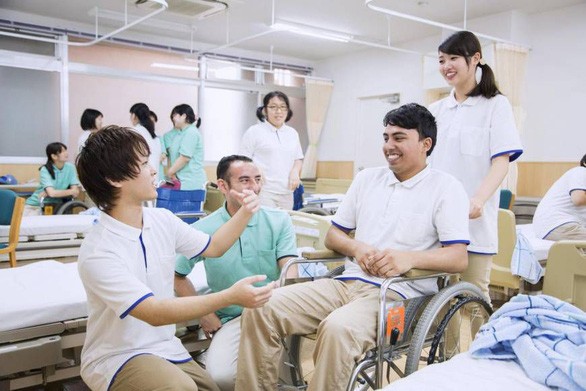 |
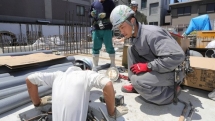
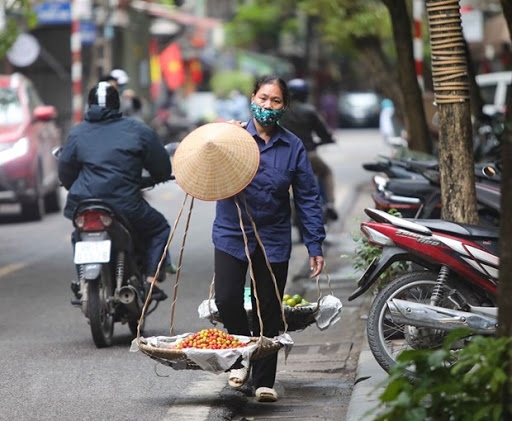
| Illustrative photo. Source: VNA |
Germany is facing a massive lack of medical care personnel, which means many hospitals are overburdened.
A survey conducted by Tagesspiegel found that up to 80% of hospital do not have enough nursing staff. It is calculated that there are 17,000 nurses are being needed across the country.
Doctors are also severely lacking in many hospitals, with up to nearly 76% of nearly 2000 hospitals seeking doctors for vacancies. This resulted in 30% of hospitals unable to provide intensive care to patients or overloaded emergency departments.
Chairman of the German Hospital Federation, Mr Gerald Gaß said that it is necessary to have a bold action policy to attracting nursing workers as the situation is now so “serious”.
In response to the current severe shortage of skilled labor force, the Government of Germany on December 16 approved the plan to recruit more foreign workers from countries outside the EU, in which focus on attracting human resources of some countries such as Vietnam, India and Brazil.
In particular, the government has launched the "Make it in Germany" portal (https://www.make-it-in-germany.com/en/about-the-portal/make-it-in-germany /) in multiple languages (including Vietnamese) to support and provide comprehensive information on life and employment in Germany.



Most read


Related Stories
 Viet's Home
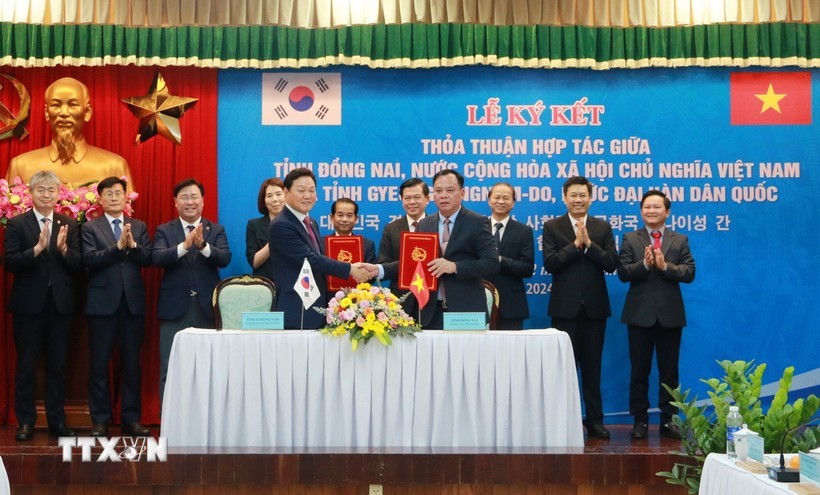
RoK’s Gyeongnam Commits to Creating Favorable Conditions for Dong Nai Workers
 Overseas Vietnamese
Vietnamese Labourers Sent to Work Abroad Increase by 1.55-Fold
 Economy
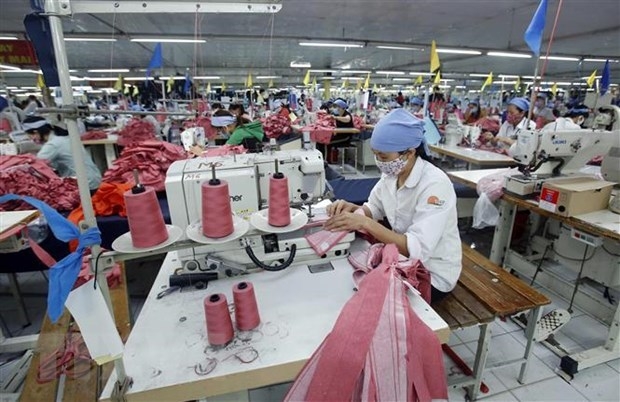
Vietnamese workers' average salary rises in first quarter
 National
Over 32 million Vietnamese labourers affected by COVID-19 pandemic
Recommended
 World
World
Vietnam Reaffirms Support for Effective Implementation of ASEAN's Five-Point Consensus
 World
World
Algeria Shares Healthcare Expertise to Advance Africa's Pharmaceutical Self-Reliance
 World
World
Modi's Asia-Pacific tour highlights India's regional engagement
 World
World
Australia-India Partnership on Cyber, Critical Technologies and Supply Chains
Popular article
 World
World
Venezuela Declares Seven Days of National Mourning for Earthquake Victims
 World
World
Europe Faces Historic Heatwave, More Than 1,000 Deaths Reported
 World
World
Myanmar Destroys Over 50 Tons of Drugs on International Anti-Drug Day
 World
World