
India’s strategic engagement with the G7 in a multipolar world
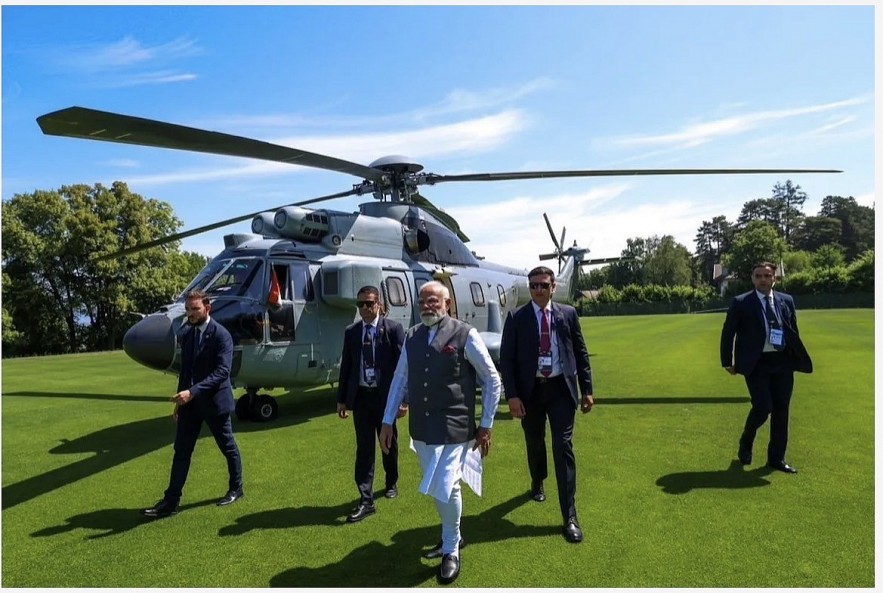 |
These repeated invitations highlight a central reality: India is too important to be excluded from major global conversations, even though it remains outside the world’s most exclusive club of advanced industrial democracies.
Since 2003, when France first invited India, its consistent presence at the G7 raises two questions: Why is India a consistent invitee to the G7 despite not being a member? And if its importance as a large democracy and fast-emerging open and liberal economy is acknowledged, then why does it remain outside the grouping?
The answer lies not only in what the G7 offers India but also in what the forum represents in a rapidly changing international order.
For the 2026 summit, the explanation is rooted in India-France bonhomie and burgeoning India-Europe ties. France is arguably India’s closest strategic partner in Europe.
French President Emmanuel Macron’s visit to India earlier this year for the AI Impact Summit, the launch of Bharat Innovates in France and the two countries celebrating 2026 as India-France Year of Innovation underscore the growing Indo-French convergence in AI and advanced technology, defense, civil nuclear cooperation, space and Indo-Pacific strategic dynamics.
From the Rafale fighter aircraft deal to joint naval exercises and maritime security cooperation, and deepening cooperation in green energy, labor mobility and Human Resource Development, Indo-France relations have reached new heights in recent years. Inviting India to the French-hosted G7 summit was, thus, widely anticipated, signaling how sincere New Delhi and Paris are about their Special Global Strategic Partnership.
This unique identity allows New Delhi to articulate concerns regarding development finance, food security, debt sustainability, climate justice, energy transitions, and the reform of international institutions in ways that resonate with a broad range of developing countries. India demonstrated its role as a true representative of Global South during its G20 presidency in 2023

Most read
Recommended
 Economy
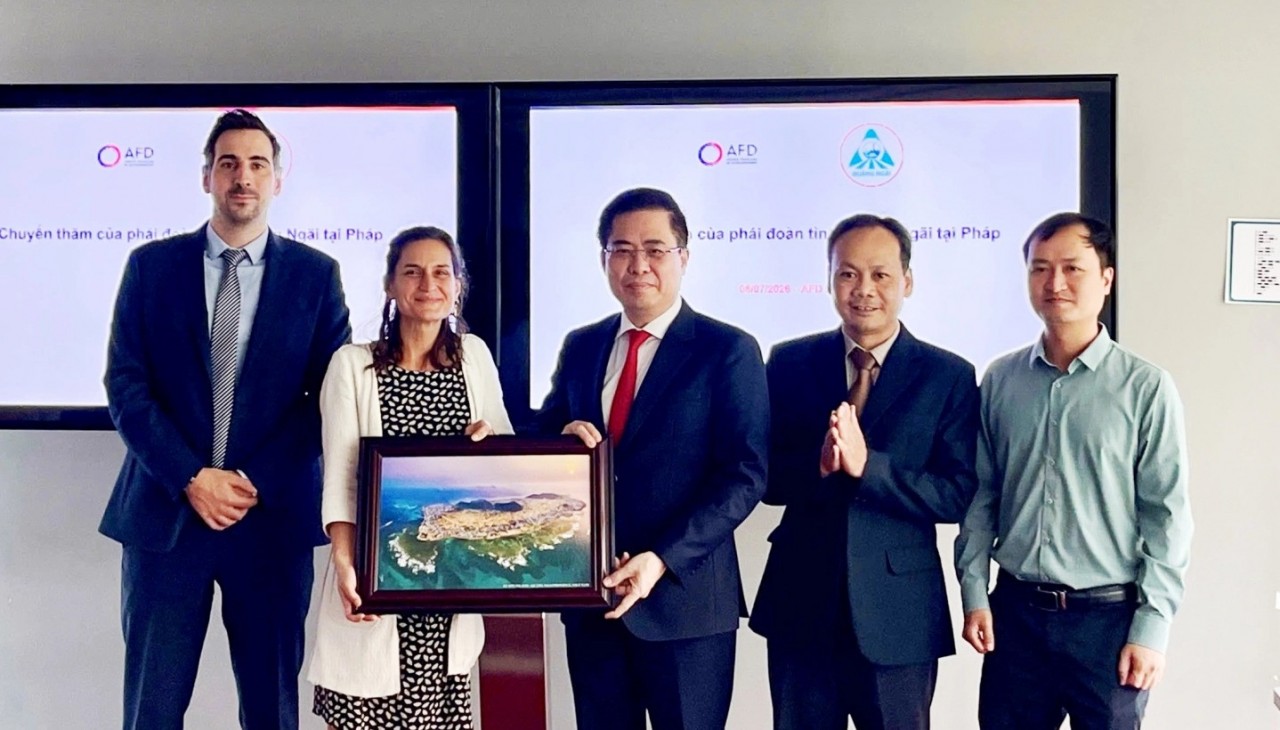
Quang Ngai Expands Cooperation with France on Green Industry and Clean Energy
 Economy
Legal Reforms Facilitate Corporate Securities Issuance
 Economy