PM Modi inaugurated ₹3,300 crore semiconductor plant in Gujarat
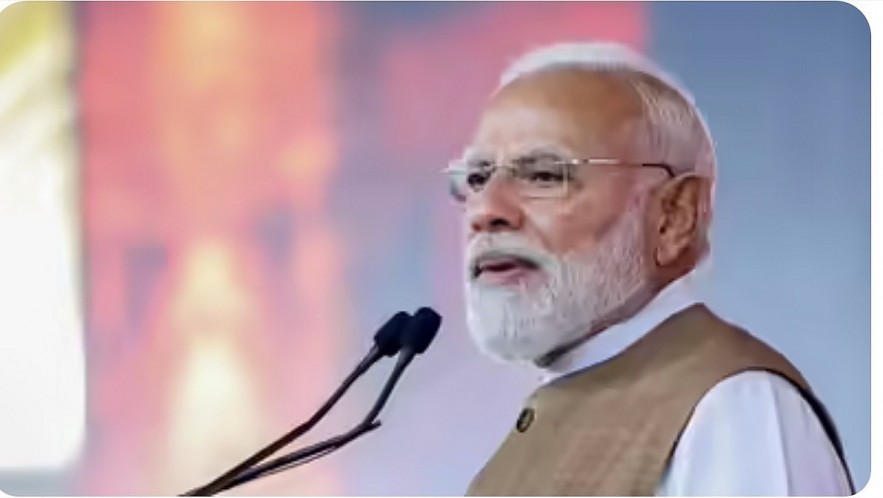
Indian Prime Minister Narendra Modi inaugurated Kaynes Technology’s ₹3,300 crore semiconductor OSAT plant in Sanand, Gujarat, marking India’s second major chip facility
 |
The plant, part of the India Semiconductor Mission, will produce millions of chips daily and has secured export orders from day one. Officials say it strengthens India’s role in the global semiconductor supply chain and accelerates the country’s push for self-reliance in high-tech manufacturing.
Prime Minister Narendra Modi inaugurated the ₹3,300 crore Kaynes Technology OSAT facility at Sanand, Gujarat, under the India Semiconductor Mission. Built in just 900 days from MoU to commercial production, the plant will manufacture over 6 million chips per day and has secured export orders from the start. Modi hailed it as proof of India’s ability to execute high-tech projects faster than many developed nations.
The facility will supply Intelligent Power Modules to a California-based company, strengthening India’s presence in the global semiconductor market. Modi likened the development to building a ‘new bridge’ between Sanand and Silicon Valley, emphasising its role in electric vehicles and heavy industry. India’s participation in the US-led Pax Silica coalition aims to secure critical minerals and bolster supply chain resilience.
With the launch of Micron and Kaynes facilities, and a CG Semi plant in progress, Sanand is transitioning from an automobile hub to India’s first chip packaging cluster. Industry observers compare its trajectory to Taiwan’s Hsinchu City and South Korea’s Gyeonggi, both global semiconductor centres. This positions Sanand as a critical node in the shifting global semiconductor value chain.
Union minister Ashwini Vaishnaw announced that four semiconductor plants will be ready by 2026, with India’s first fabrication unit expected by 2028. If execution speed continues, India could become a competitive manufacturing hub, reducing import dependence and attracting global partnerships. However, delays in ecosystem readiness—such as domestic machinery and materials production—could slow momentum and limit global market share gains.