The Himalayas's majestic beauty through Vietnamese photographer's lens
Anh Tien Trinh - a passionate photographer, who has captured the perfect beauty, mystery and majestic scenery of the Himalayas through his camera lens, as part of the 'Asia - Home sweet home' art project.
Himalayas, Nepali Himalaya, great mountain system of Asia forming a barrier between the Plateau of Tibet to the north and the alluvial plains of the Indian subcontinent to the south. The Himalayas include the highest mountains in the world, with more than 110 peaks rising to elevations of 24,000 feet (7,300 metres) or more above sea level. One of those peaks is Mount Everest (Tibetan: Chomolungma; Chinese: Qomolangma Feng; Nepali: Sagarmatha), the world’s highest, with an elevation of 29,035 feet. The mountains’ high peaks rise into the zone of perpetual snow.
For thousands of years the Himalayas have held a profound significance for the peoples of South Asia, as their literature, mythologies, and religions reflect. Since ancient times the vast glaciated heights have attracted the attention of the pilgrim mountaineers of India, who coined the Sanskrit name Himalaya—from hima (“snow”) and alaya (“abode”)—for that great mountain system. In contemporary times the Himalayas have offered the greatest attraction and the greatest challenge to mountaineers throughout the world.
The most characteristic features of the Himalayas are their soaring heights, steep-sided jagged peaks, valley and alpine glaciers often of stupendous size, topography deeply cut by erosion, seemingly unfathomable river gorges, complex geologic structure, and series of elevational belts (or zones) that display different ecological associations of flora, fauna, and climate. Viewed from the south, the Himalayas appear as a gigantic crescent with the main axis rising above the snow line, where snowfields, alpine glaciers, and avalanches all feed lower-valley glaciers that in turn constitute the sources of most of the Himalayan rivers. The greater part of the Himalayas, however, lies below the snow line. The mountain-building process that created the range is still active. As the bedrock is lifted, considerable stream erosion and gigantic landslides occur.
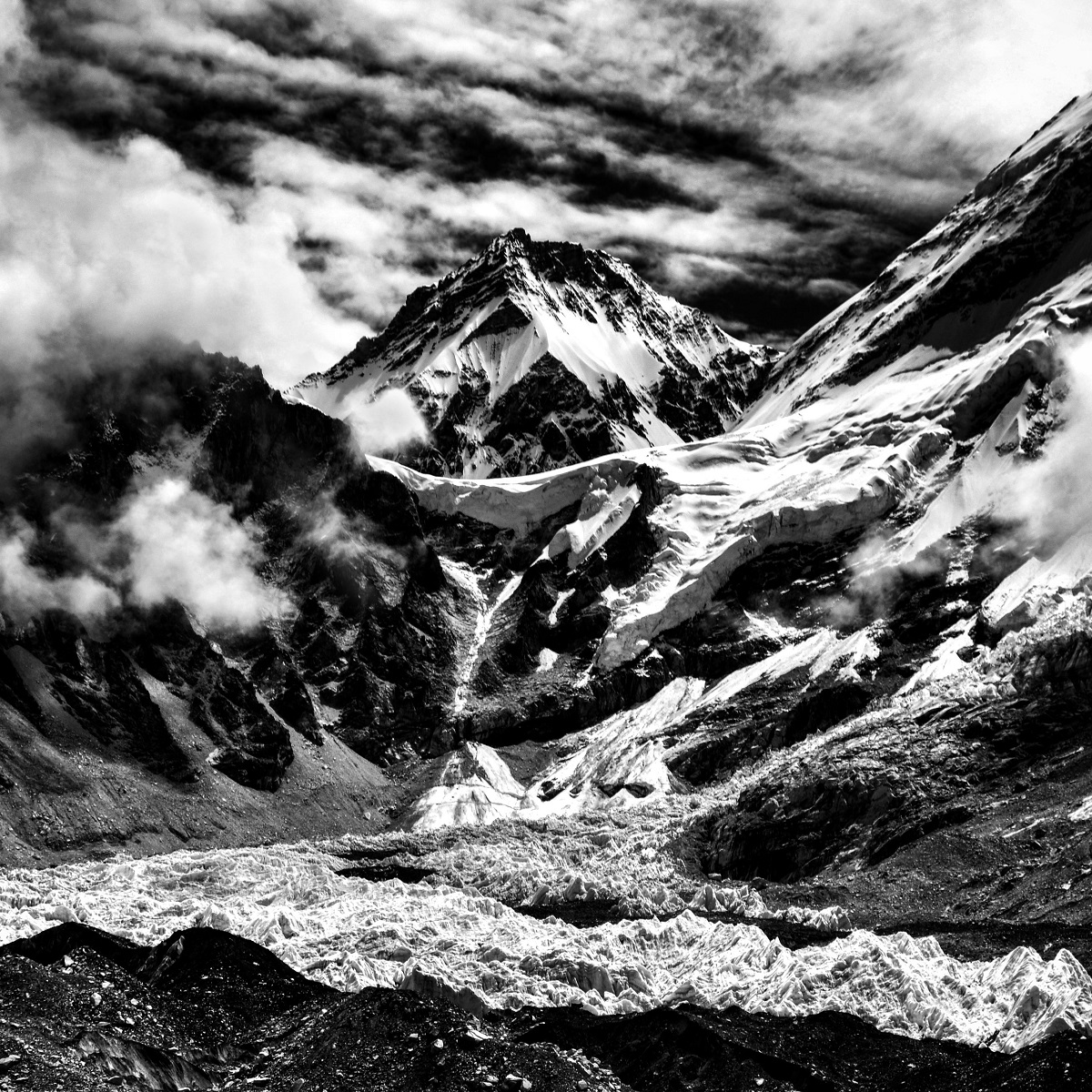
The Himalayas hosts the highest mountains in the world, with 50 exceeding 7,200 meters in elevation. It is home to 10 of the planet's 14 highest peaks. This picture is of Mount Everest, the highest of the Himalayan mountains. At an altitude of 8,850 meters (29,035 feet), Mount Everest is considered the highest point on Earth (Photo: Anh Tien Trinh)
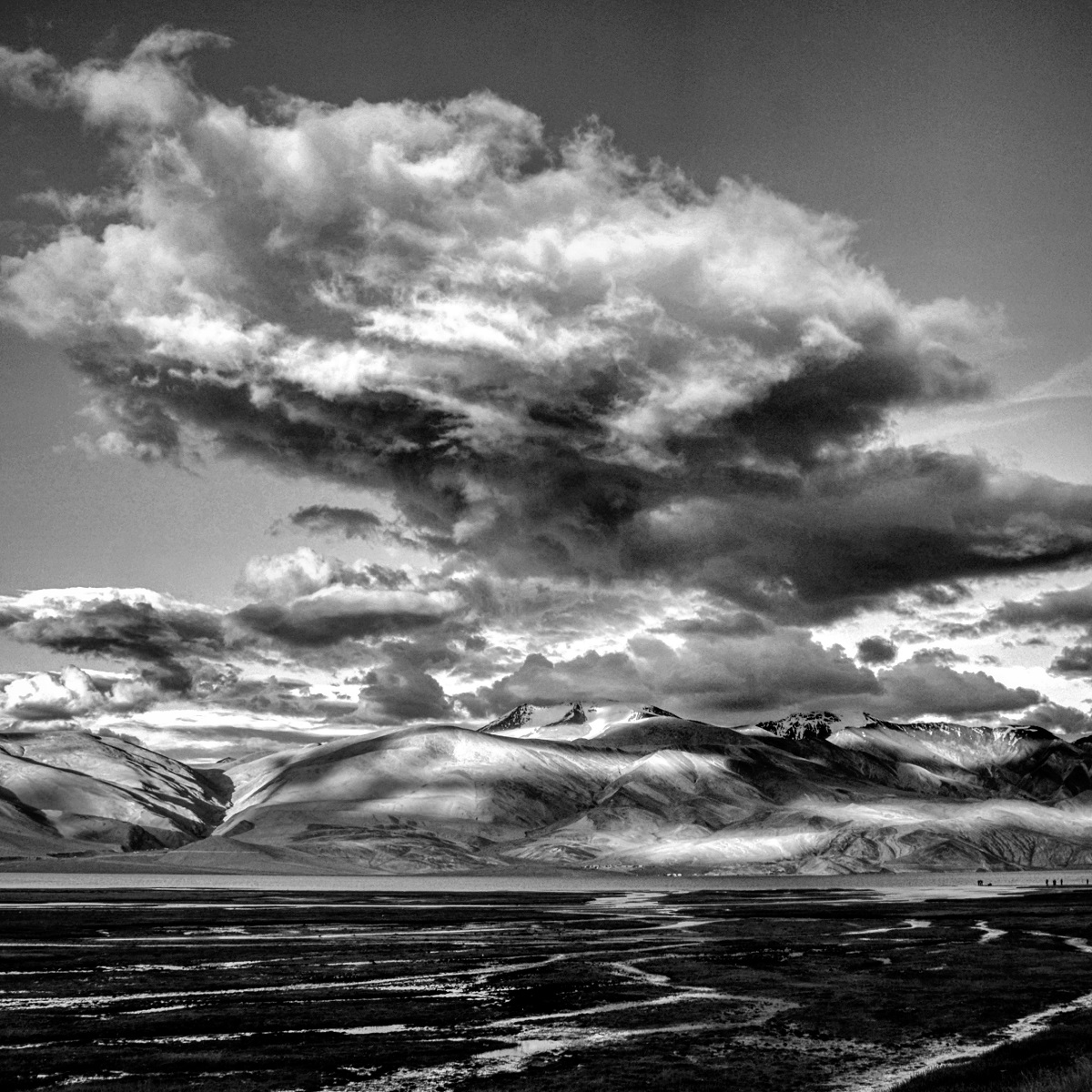
Lake Moriri in Changthang Plateau, Ladakh, Northern India. The lake is fed by springs and snow-melt from the adjacent mountains. (Photo: Anh Tien Trinh)
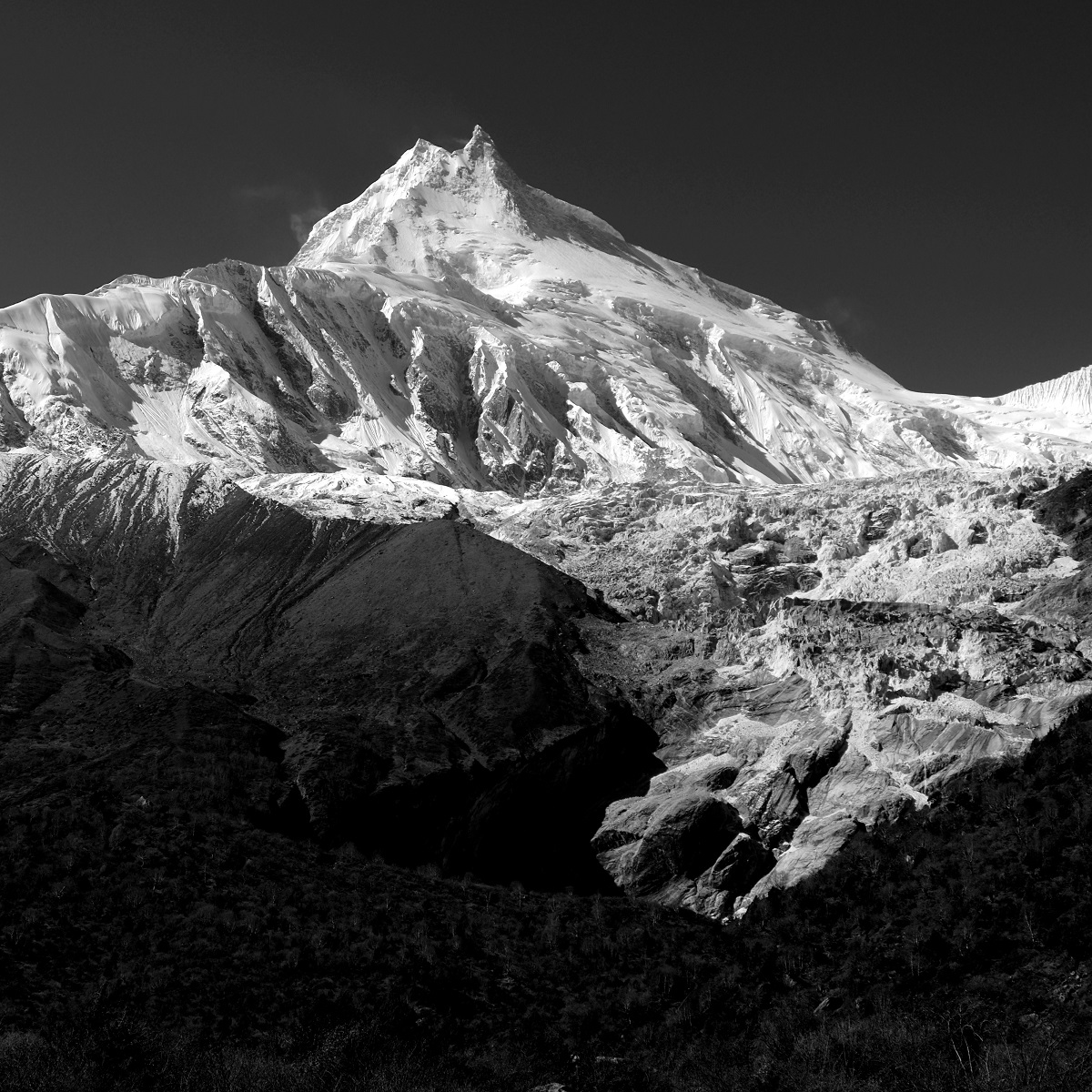
The mountain of the spirit, Manaslu is the eighth highest mountain in the world at 8,163 meters above the sea level. (Photo: Anh Tien Trinh)
A valley in the Annapurna region. (Photo: Anh Tien Trinh)
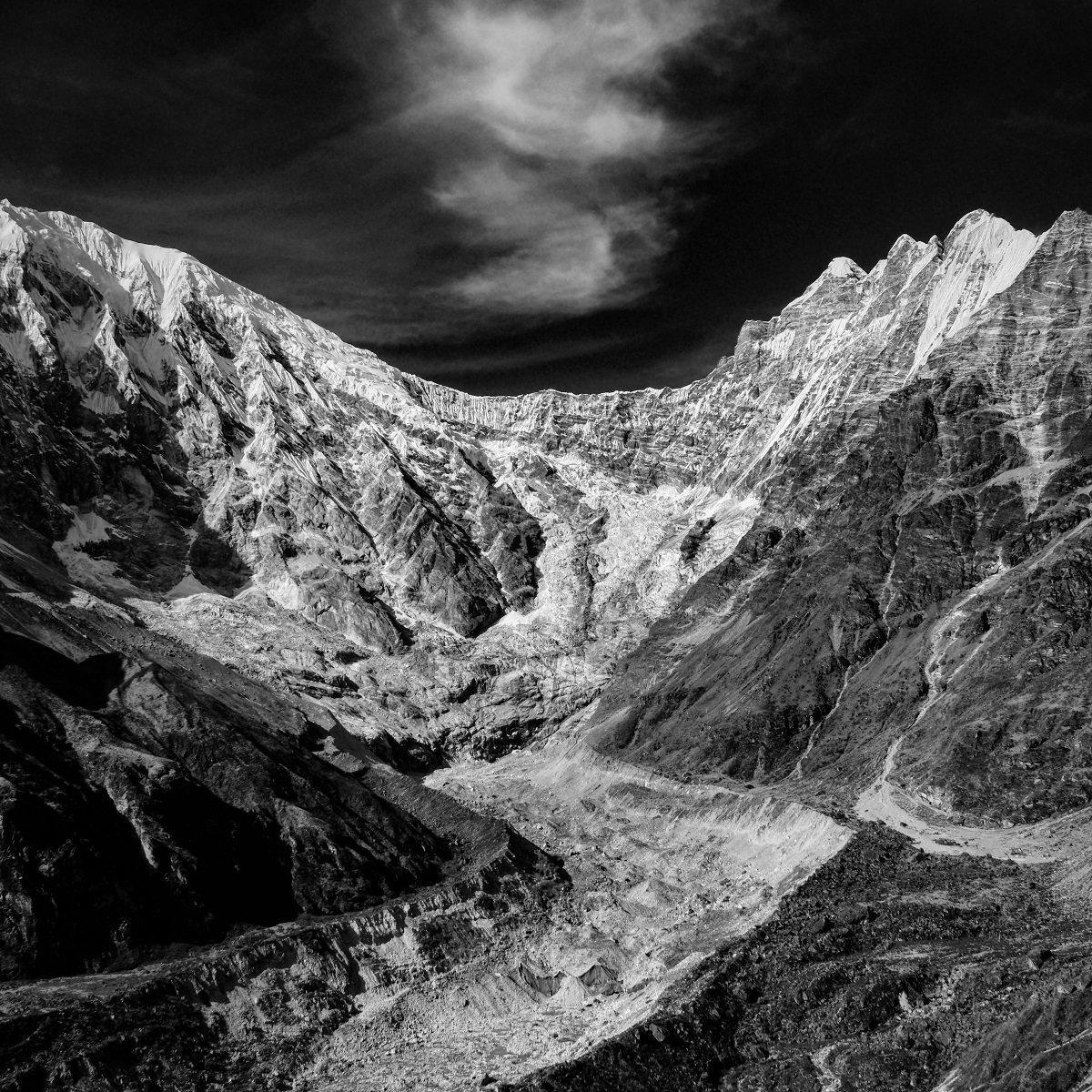
Glacier in Kyanjin Ri, Langthang valley. Over centuries, people who live in the Himalayas have developed a culture that weaves nature and people together into the same fabric of life. Monasteries in the Himalayas are renowned for spectacular murals and ancient temples. (Photo: Anh Tien Trinh)
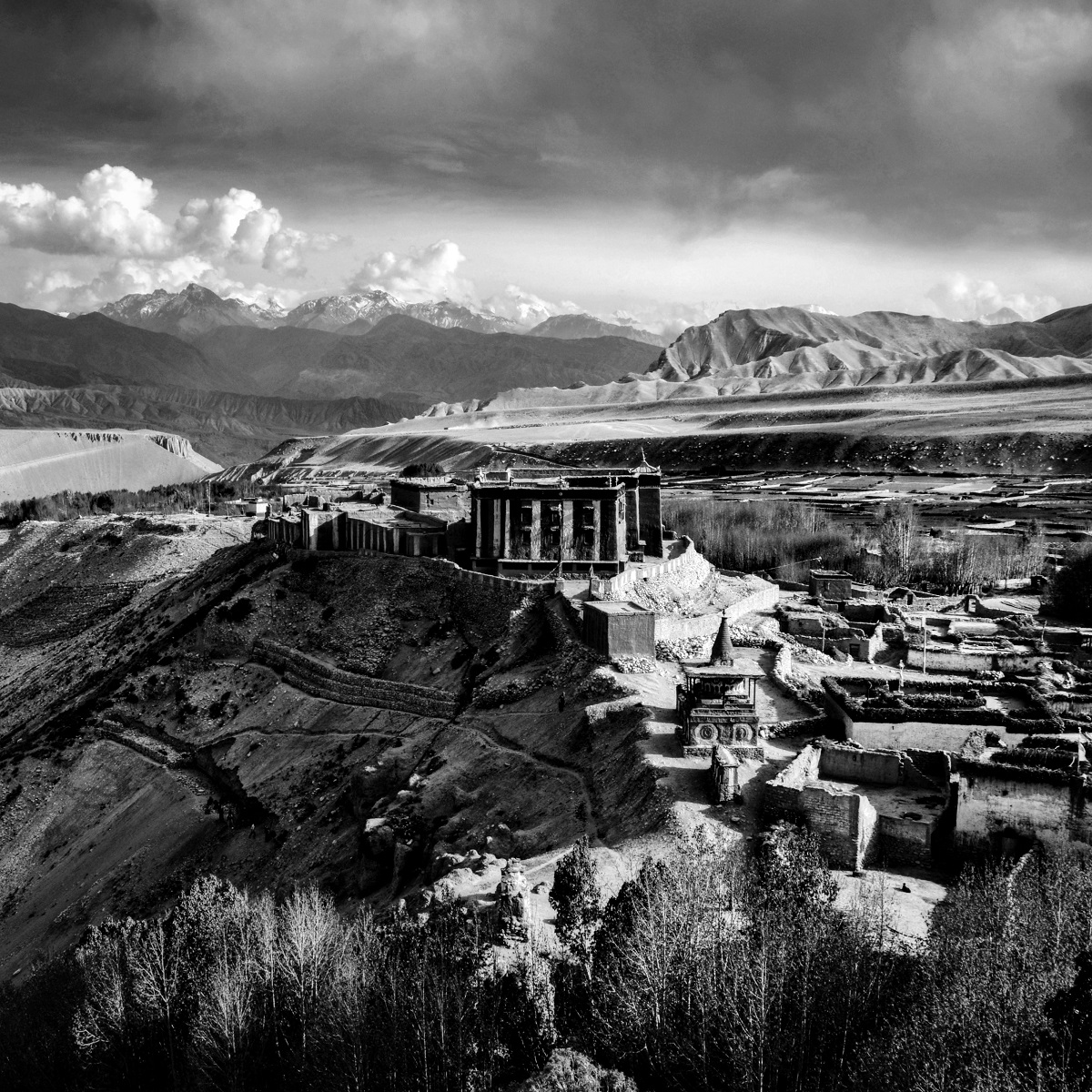
The Tsarang monastery in Upper Mustang. The monastery of the Sakhya sect of Tibetan Buddhism was built in 1395. (Photo: Anh Tien Trinh)
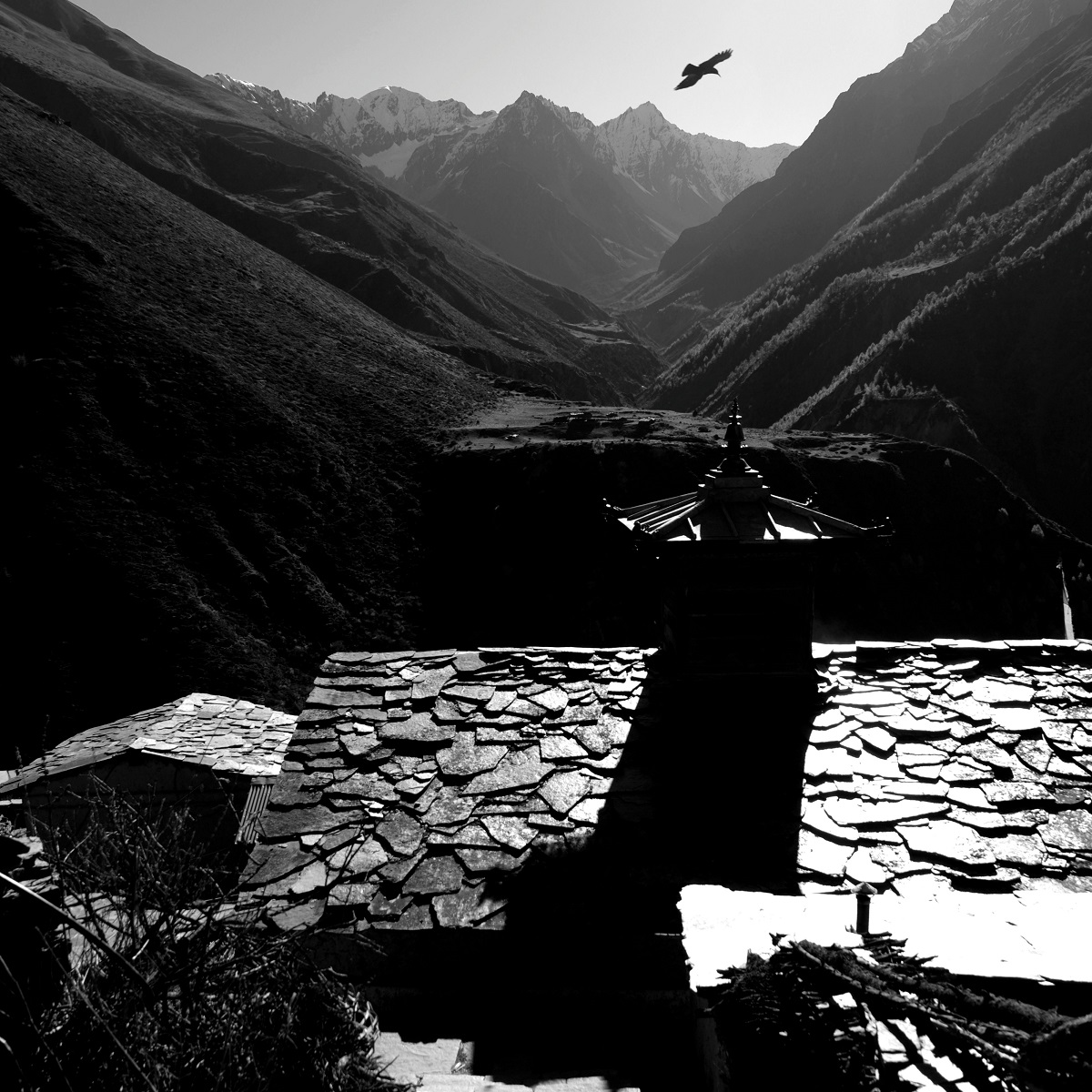
The Mu monastery in the hidden valley of Tsum. This monastery is located at the highest and farthest point in the Tsum valley. The ancient culture heritage of the place is still intact, unspoiled by modern technological influences. (Photo: Anh Tien Trinh)
The Key monastery in Spiti Monasteries Valley. Over 1,000 years old, this is the oldest training center for Lamas. (Photo: Anh Tien Trinh)
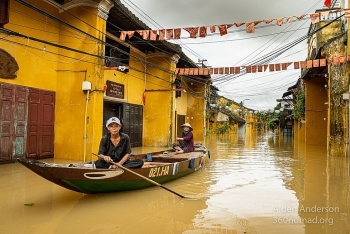
The record flooding in Central Vietnam has vastly devastated the region, leaving a number of provinces and districts in inundation. The famous ancient town of ...
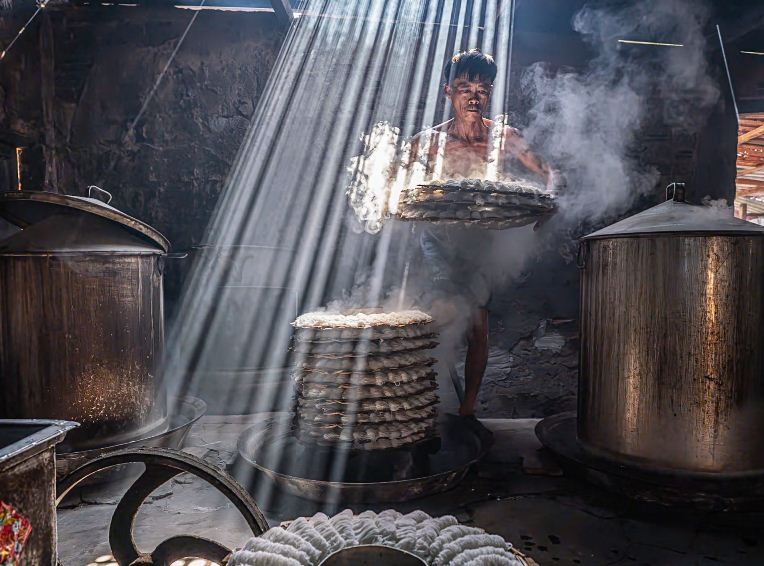
Photographers of Vietnam achieved great success in the World Food Photography Awards sponsored by Bimi®, the world’s greatest celebration of food photography.
For capturing the essence of culinary cultures across the globe, Vietnamese photographers won multiple categories at the Pink Lady Food Photographer of the Year Awards.
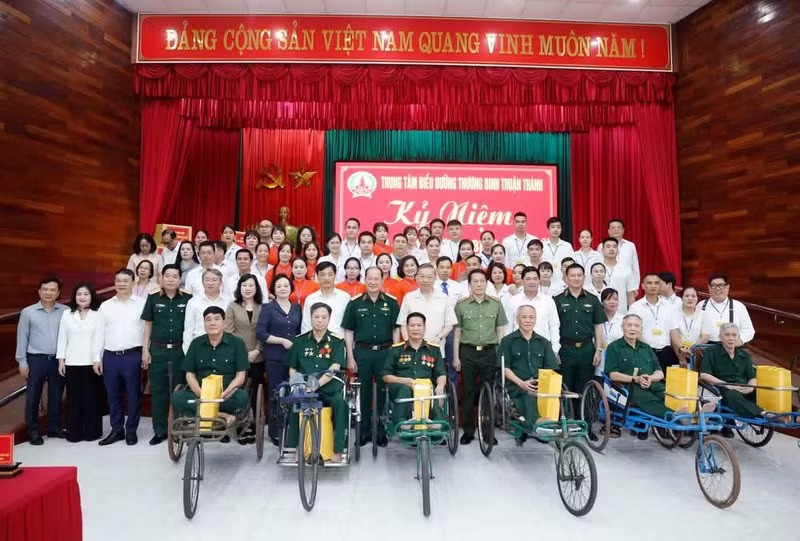
Party General Secretary and State President To Lam on July 15 affirmed that caring for revolutionary contributors is both a political responsibility and a moral obligation, calling for more comprehensive and timely policies to ensure that those who sacrificed for the nation receive the care and respect they deserve.
Vietnam News Today (July 16): Vietnam, RoK strengthen investment links at Seoul conference; Vietnam, Cambodia strengthen cooperation to build friendly border; Vietnam and Chile mark 55 years of diplomatic relations; Ho Chi Minh City promotes people-to-people ties with US.
Vietnam News Today (July 14): Deputy PM calls for stronger Vietnam – Laos cooperation in agriculture, environment; Vietnam, Indonesia chart new strategic cooperation agenda; Green-certified Vietnamese farm produce gains premium in global markets; Vietnam enters pivotal phase in AI development, experts say.
Vietnam News Today (July 13): Vietnam, France seek to deepen Comprehensive Strategic Partnership; Vietnam seeks stronger economic links with Egypt's Red Sea Governorate; Vietnam reiterates UNCLOS 1982 as sole legal basis for maritime rights; Vietnam retains position as Cambodia's third-largest trading partner.
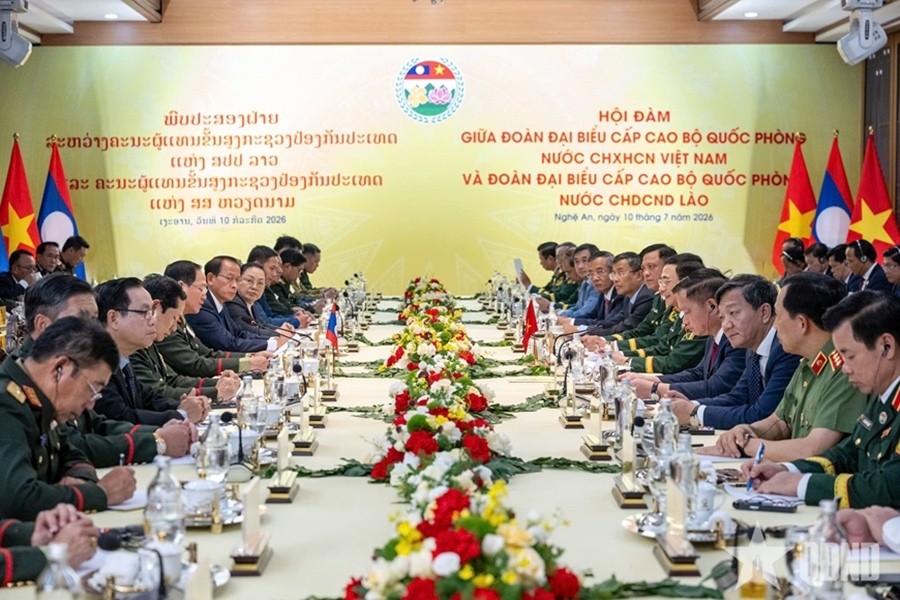
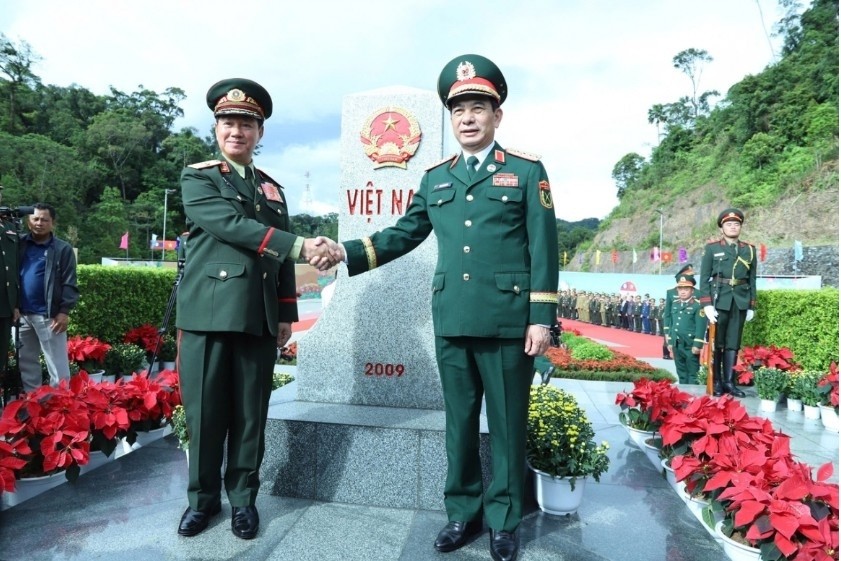
Vietnam News Today (July 11): Japan’s Aichi prefecture, Vietnamese localities urged to promote cooperation; Vietnamese firms urged to enhance competitiveness to tap US market opportunities; Vietnam and Laos agree to enhance defense cooperation; Vietnam proposes a roadmap for future ASEAN-India tourism cooperation.
Vietnam News Today (July 10): Third Vietnam-Laos Border Defense Friendship Exchange gets underway; Vietnam seeks early signing of trade deal with EFTA; UOB revises up Vietnam's 2026 GDP growth forecast to 8.5%; Airlines add international flights, giving summer travellers more flexible options.
At the celebration marking the 250th anniversary of the Independence Day of the US, held in Hanoi on the evening of July 8, Minister of Foreign Affairs Le Hoai Trung affirmed that Vietnam wishes to continue working with the US to advance the Comprehensive Strategic Partnership in a stable, substantive, and effective manner, while looking forward to achieving new breakthroughs in trade, science and technology, innovation, and digital transformation.





 Viet's Home
 Viet's Home
 National
 National
 National
 National
 National
 National
 National
 National