Japanese media widely cover top Vietnamese leader’s visit
Japanese media have continued extensive coverage of General Secretary of the Communist Party of Viet Nam (CPV) Central Committee and President To Lam’s activities in Japan, highlighting his meetings with representatives of leading financial institutions at the Tokyo Stock Exchange, witnessing of cooperation agreement signing and participation in cultural exchanges.
Jiji Press reported on November 11 that the top Vietnamese leader visited the TSE, meeting CEO of Japan Exchange Group (JPX), Inc. Yamaji Hiromi and executives of major Japanese financial institutions to call for investment in the Southeast Asian nation.
In an article titled “Vietnam leader visits Tokyo Stock Exchange”, it noted that General Secretary and President Lam rang the bell, a ceremony traditionally held to mark events such as the listing of a new company or the first trading session of the year.
Regarding bilateral economic cooperation, Nikkei Asia reported that Viet Nam and Japan signed agreements to strengthen collaboration in energy, artificial intelligence (AI) and other fields. The agreements, involving businesses, ministries and government agencies from both countries, were signed on November 9 as Viet Nam rapidly emerges as a high-tech manufacturing hub in semiconductors and electronics, according to VNA.
 |
| Kyodo News publishes an article titled “Sculptures by Japanese, Vietnamese artists on display in Yokohama,” (Screenshot photo) |
The newspaper noted that companies, including Google, are expanding production in Viet Nam to diversify supply chains, contributing to the country’s economic growth.
For energy cooperation, Nikkei Asia said that Viet Nam aims to put a nuclear power plant into operation by 2035, partly to reduce reliance on imported fossil fuels while ensuring a stable and cleaner baseload electricity supply. The two countries are also expected to cooperate on deploying small modular reactor (SMR) technology in Viet Nam as early as 2040.
Citing Vaibhav Saxena, senior foreign counsel at law firm Vilaf, the newspaper said “Viet Nam's interest in SMRs is best understood as part of a broader strategy to secure reliable, low-carbon power for its next phase of industrial growth.”
It added that stronger energy cooperation with Viet Nam is in line with several priorities of Japanese Prime Minister Takaichi Sanae.
Meanwhile, Kanagawa Television covered the top Vietnamese leader’s visit to Kanagawa prefecture, where he met with Governor Kuroiwa Yuji.
It quoted Kuroiwa as saying that he sincerely thanks the top Vietnamese leader for visiting Kanagawa prefecture during his first visit to Japan as General Secretary of the CPV Central Committee and that he hopes to further promote exchanges between the two sides through cultural activities.
Given Vietnam’s increasingly important role for Japan, he values the opportunity to serve as a bridge between the two countries and wishes to sustain and further develop the momentum of cooperation.
In response to the Governor’s expectations, General Secretary and President Lam expressed his confidence that cooperation and exchanges will make positive contributions to the friendship between Viet Nam and Kanagawa prefecture, as well as between Viet Nam and Japan.
Earlier, Japanese media have also reported on an exhibition of sculptures by Vietnamese and Japanese artists in Yokohama city.
Kyodo News published an article titled “Sculptures by Japanese, Vietnamese artists on display in Yokohama,” noting that Ngo Phuong Ly, spouse of General Secretary and President Lam, attended the opening ceremony.
It cited Kanagawa Governor Kuroiwa as saying that he hopes this exhibition will help deepen mutual understanding and promote exchanges between the two nations.
Viet Nam ranks among world's top 50 economies in digital and AI competitiveness
Viet Nam ranked 37th among 70 economies in the 2026 World Digital and AI Ranking (WDAIR 2026), placing it among the world's top 50 in its first official assessment by the International Institute for Management Development (IMD) of Switzerland.
The Ministry of Science and Technology announced the result at a ceremony in Hanoi on November 11.
Vietnam’s strengths and areas for improvement
Tran Minh Tan, Deputy Director of the Viet Nam Academy of Science and Technology Strategy under the Ministry of Science and Technology, said Viet Nam scored 78.09 points, ranking third among six Southeast Asian economies assessed, including Singapore, Malaysia, Thailand, Indonesia and the Philippines.
The result reflects progress in implementing the Political Bureau’s Resolution No. 57-NQ/TW on breakthroughs in science and technology development, innovation and national digital transformation, particularly efforts to develop digital infrastructure, promote digital transformation, apply technology, and reform governance methods, he noted.
Viet Nam ranked 13th in AI application, 15th in digital and AI governance, and 21st in efficiency, highlighting its strengths in digital technology and AI application, and in digital governance.
Prof. Arturo Bris, Director of the IMD World Competitiveness Centre, said the rankings drew on data collected from regions worldwide and recognised Vietnam’s strengths in the above-mentioned areas.
However, he also pointed out several weaknesses Viet Nam needs to address in the coming time, including the high cost of AI tools, a shortage of AI talent, cybersecurity risks, data leaks and AI governance.
He recommended developing shared infrastructure to reduce AI costs, building a pool of AI experts and increasing investment in research and development. He also said the Government should become a model user of AI, expressing his confidence that Viet Nam can improve its ranking in the coming years.
New phase of development in productivity, knowledge and creative capacity
In his remarks, Deputy Prime Minister Ho Quoc Dung stressed that science, technology and innovation are becoming key drivers of growth, while digital transformation is reshaping governance, production and service delivery. AI is opening new opportunities to improve productivity, knowledge and creative capacity, reported VNA.
 |
| Viet Nam ranks among the world's top 50 economies in the 2026 World Digital and AI Ranking (WDAIR 2026). (Photo: VNA) |
The digital and AI competitiveness ranking provides an important reference for assessing how economies seize opportunities, adapt to changes and build development advantages, he said, noting that for Viet Nam, this presents both a major opportunity and an urgent need for action.
Resolution No. 57-NQ/TW sets the target of placing Viet Nam among the top three countries in Southeast Asia and the world's top 50 in digital competitiveness and e-government development by 2030, as well as among the Southeast Asian region's top three in AI research and development, he said, stressing that achieving these goals requires continual innovation, substantive capability advancement, and national position elevation in global value chains.
The Deputy PM urged ministries, agencies and localities to strengthen institutional quality, governance quality and implementation efficiency, accelerate administrative reform and online public services, enhance data connectivity and sharing, and facilitate businesses’ adoption of digital technologies and AI to their operations.
He also called for greater investment in strategic platforms, next-generation telecommunications and data infrastructure, and computing resources, alongside efforts to reduce AI access costs for businesses, particularly small- and medium-sized enterprises.
He stressed that priorities should include strategic technology research and development, AI workforce training to meet practical demand, and ensuring that investment is aligned with the capacity to utilise technology and its actual effectiveness.
The State should play an enabling role, businesses should take the lead, and research institutes and universities should contribute to knowledge, technology and human resources development, Dung went on.
The Deputy PM tasked the Ministry of Science and Technology with leading a review of IMD’s new methodology, analyzing its indicators and identifying the causes of Vietnam’s strengths and shortcomings, particularly the areas needing improvement.
The ministry should then propose targeted tasks and solutions with clear responsibilities, expected outcomes and regular assessment mechanisms, focusing on institutional quality, public service efficiency, infrastructure, human resources and AI adoption costs, he said.
Sa Pa among five Asian winter destinations highlighted by Agoda
Sa Pa, a mountain resort town in northern Viet Nam, has been named among five Asian destinations recommended by online travel platform Agoda for travelers seeking distinctive winter experiences away from crowded tourist spots.
According to Agoda, Sa Pa offers visitors a rare opportunity to experience wintry landscapes in Southeast Asia, where snow is uncommon. When cold air sweeps across the Hoang Lien Son mountain range, frost and occasional light snowfall transform the region's terraced rice fields into picturesque winter scenery.
The town's mountain markets also remain vibrant even in the cold, offering visitors a glimpse into the daily lives and traditions of local ethnic communities, VOV reported.
 |
| Agoda names Sa Pa among five Asian destinations offering unique winter experiences away from crowded tourist resorts. |
Agoda highlighted Sa Pa alongside four other Asian destinations: Zao Onsen in Japan, known for its snow-covered trees and hot springs; Taebaek in South Korea, famous for its winter snow festival; Gulmarg in India's Kashmir region, renowned for skiing and high-altitude cable car rides; and Kanas in China's Xinjiang region, where frozen lakes and snow-covered villages create striking winter landscapes.
The travel platform said these destinations offer alternatives to crowded winter resorts, combining seasonal scenery with local culture and outdoor activities.
Jay Lee, Agoda's Regional Director for North Asia, shared that these spots allow travelers to explore snow-draped mountain villages, relax in outdoor hot springs, and experience local life, with accommodations available to suit various budgets.
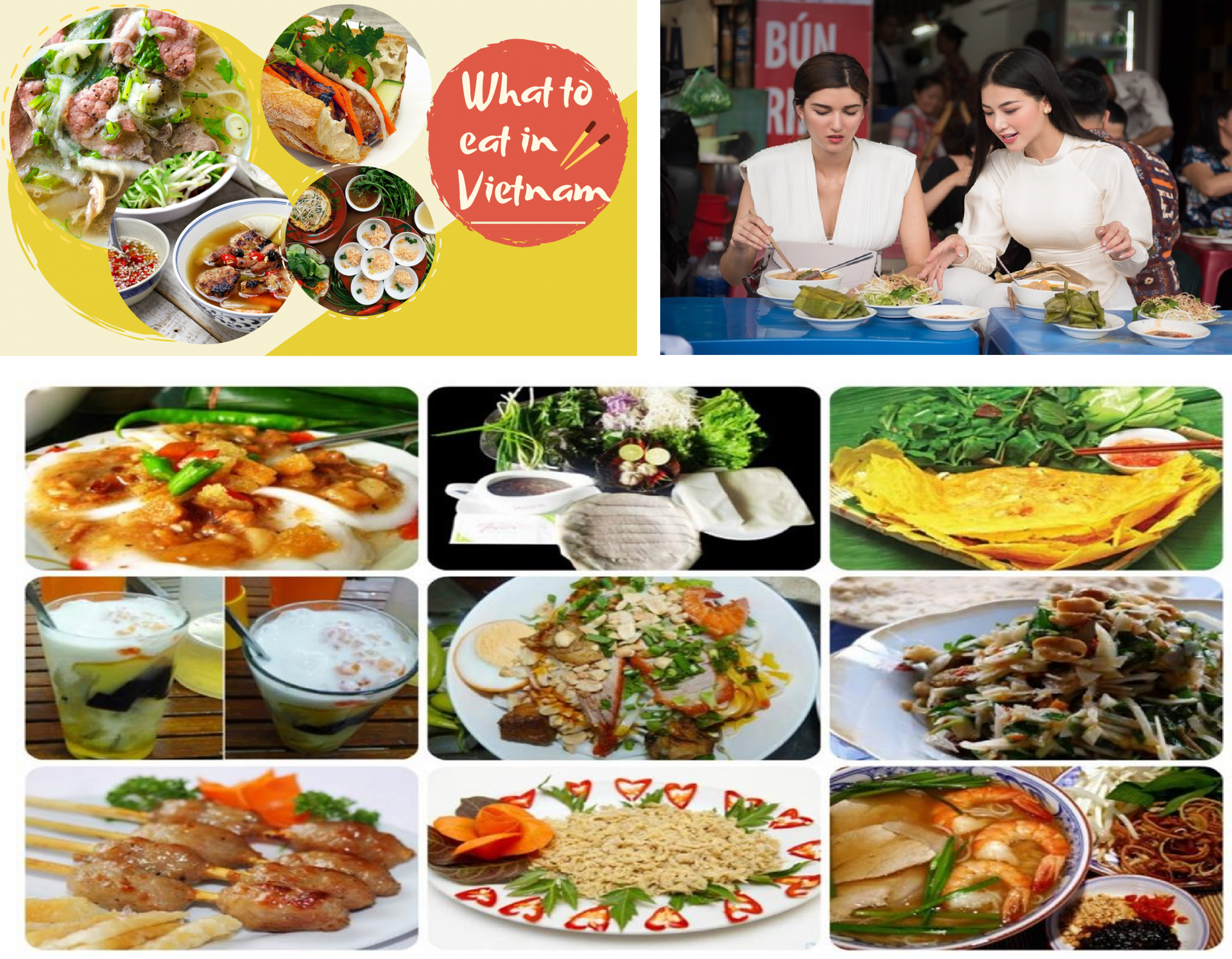
“Cultural Crossroads - Beyond Flavors” promotes Vietnamese culinary arts
The 2026 International Culinary Culture Festival, to be held in Ha Noi under the theme “Cultural Crossroads — Beyond Flavors”, aims to showcase the national identity and cultural and historical values of Viet Nam through cuisine. Now in its 14th year, the event seeks to expand cultural exchanges and promote Vietnamese culture and that of other countries.
The 2026 International Culinary Culture Festival, themed “Cultural Crossroads - Beyond Flavors”, will take place on November 21 and 22 at the Diplomatic Corps Compound, No. 298 Kim Ma Street, Ha Noi. The annual event is held under the direction of the Ministry of Foreign Affairs.
According to the organizing committee, this year's festival will run for two days, instead of one as in previous editions, to give participating units more opportunities to showcase their products and allow visitors more time to explore the event. In addition to food stalls, the program will feature live cooking demonstrations, cultural experiences, artistic exchanges, and the application of digital technology.
Hoang Thu Nga, Chief of Office of the Department of Service for Diplomatic Corps, said: “This year's theme highlights the cultural stories behind each dish. The visitor experience has been designed to begin along a lotus-flower pathway - a symbol of Vietnamese culture - before continuing through the ASEAN area and the international cuisine zone. Interactive digital technology will also be used, including a digital globe and a system of information screens providing details about the dishes, making it easier for visitors to access information about the event.”
The three themed areas - “Pride of Viet Nam”, “ASEAN Flavors”, and “World Flavors”- will offer distinct experiences. “Pride of Viet Nam” will showcase the finest aspects of cuisine from the country's three regions, traditional dishes, and specialities from craft villages. The “ASEAN Flavors” will focus on the distinctive features of culinary cultures across Southeast Asia, while “World Flavors” will highlight the diversity of international cuisines.
 |
| The festival aims to showcase cultural and historical values and national identity through cuisine. (Photo: THU MINH) |
A highlight of the “Pride of Viet Nam” area will be the “Vietnamese Origins” space, featuring traditional offerings such as square sticky rice cakes, round sticky rice cakes, and local produce. Live cake-making demonstrations, together with incense-offering and ceremonial offering rituals, will express gratitude to ancestors and honour the civilisation of wet-rice cultivation and traditional cultural values.
Le Nguyet Anh, spouse of Politburo Member and Minister of Foreign Affairs Le Hoai Trung, emphasised: “The consistent objective of the festival throughout its 14 editions has been to promote Vietnamese culture to the world while honouring the cultures of other countries in Viet Nam.” She noted that culinary diplomacy provides countries with opportunities to learn about and share cultural values, thereby spreading the spirit of friendship and a love of peace.
Alongside cultural exchanges, charitable activities will remain an important part of the program. In 2025, the festival raised 1.301 billion VND, of which 750 million VND was directly donated to support localities affected by natural disasters. This year, the organizing committee will continue to work with the Viet Nam Fatherland Front Central Committee to provide assistance to localities, organizations, and people in difficult circumstances, ensuring that support is practical, open, and transparent.
The participation of embassies, businesses, and domestic organizations is expected to spread the spirit of sharing and strengthen bonds between countries.
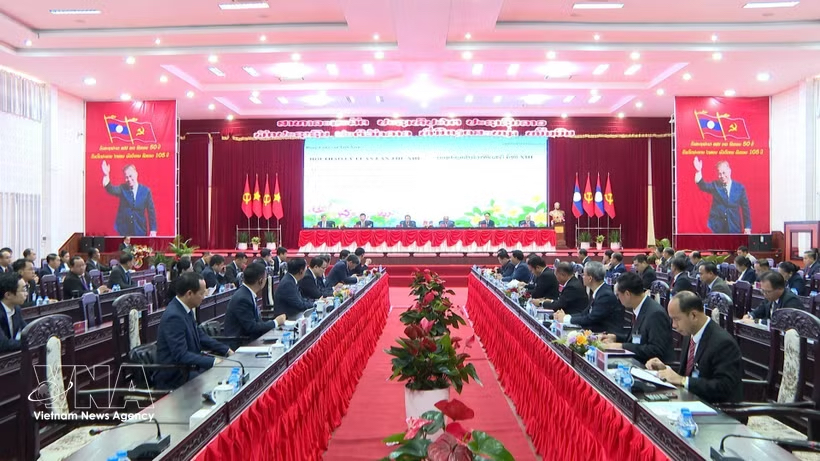 Viet Nam News Today (Nov. 7): Viet Nam-Laos Strategic Cohesion Promoted Through Theoretical Exchanges |
 Viet Nam News Today (Nov. 8): Viet Nam, Spain Seek to deepen Strategic Partnership |