Vietnam News Today (Aug. 1): Vietnam Positions Diplomacy as Driver of Growth in New Development Era
Vietnam News Today (Aug. 1): Cambodia, Vietnam see new momentum for bilateral cooperation; Vietnam positions diplomacy as a driver of growth in new development era; Overseas Vietnamese serve as bridge promoting Vietnam's image in new development era; US magazine ranks Vietnam among world's best destinations for solo travelers.
Cambodia, Vietnam see new momentum for bilateral cooperation
Vietnam positions diplomacy as a driver of growth in new development era
Overseas Vietnamese serve as bridge promoting Vietnam's image in new development era
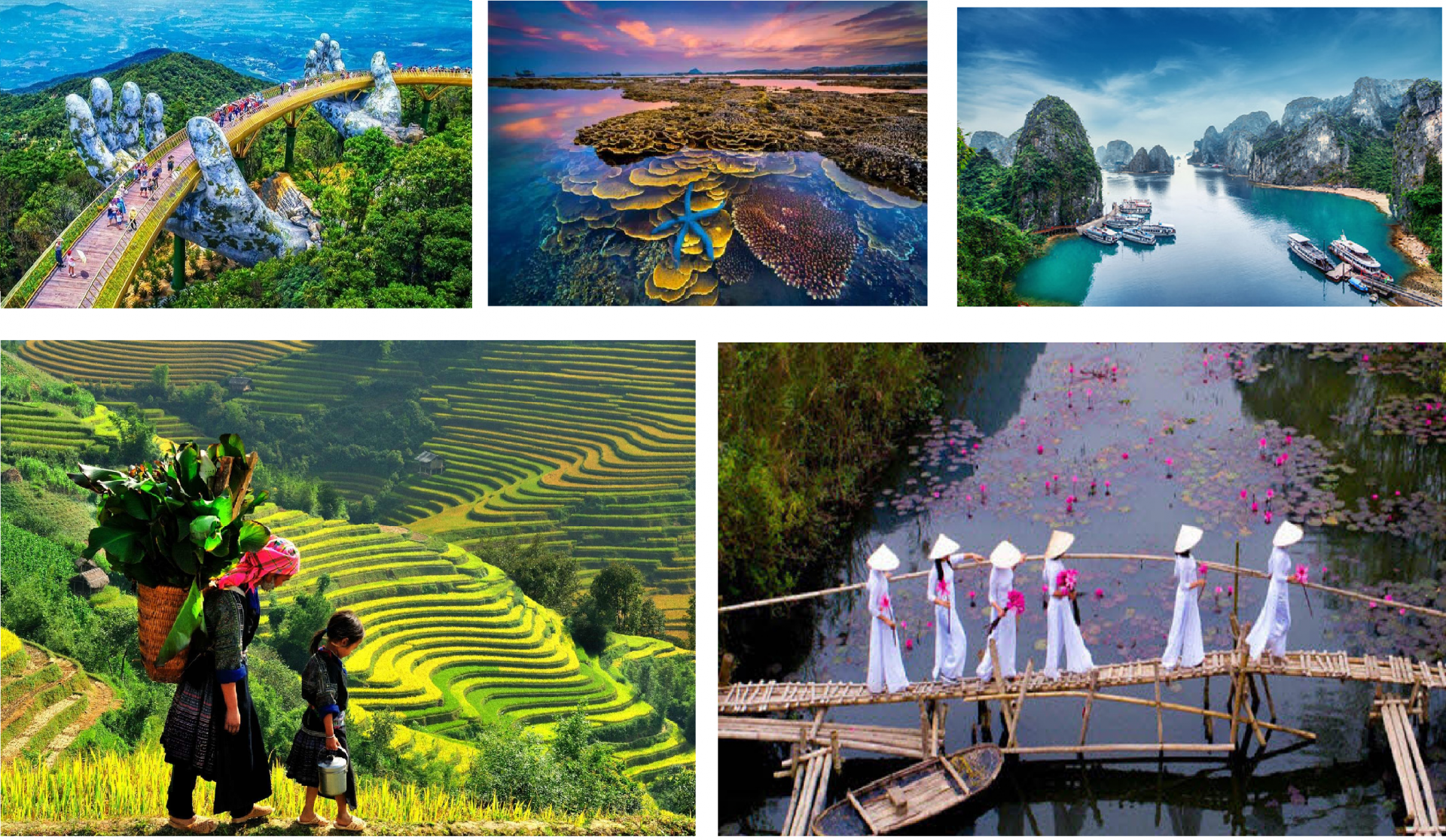
US magazine ranks Vietnam among world's best destinations for solo travelers
Super Typhoon Dolphin nears China as heavy rain threat persists in northern Vietnam
International assessments point to brighter outlook for Vietnam's economy
FDI sector in Ho Chi Minh City expands 41% on favorable business climate
Human rights development lays foundation for Vietnam's national aspirations
Top leader expects stronger partnership with RoK toward US$150 bil trade target
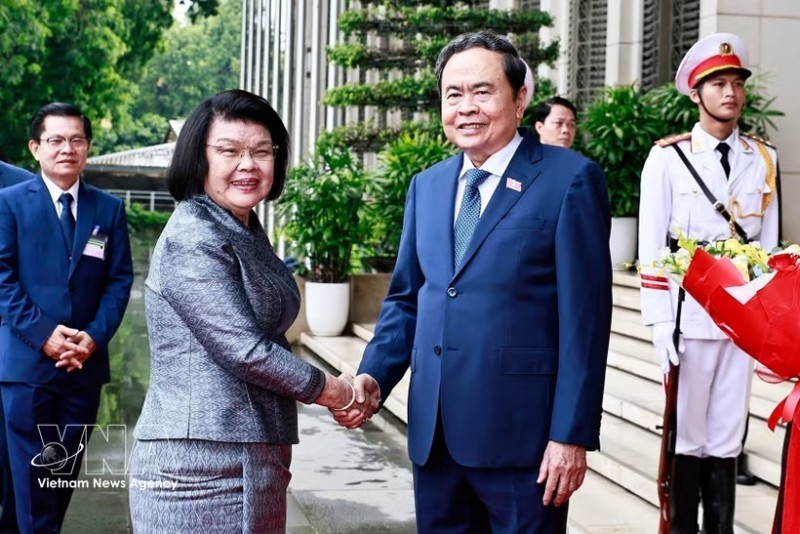
National Assembly Chairman Tran Thanh Man (R) welcomes Cambodian National Assembly President Samdech Khuon Sudary, who paid an official visit to Vietnam from July 27 to 29. (Photo: VNA)
Cambodia, Vietnam see new momentum for bilateral cooperation
President of the Cambodian National Assembly (NA) Samdech Khuon Sudary’s official visit to Vietnam from July 27–29 has helped further strengthen the two countries’ relations under the motto of “good neighborliness, traditional friendship, comprehensive cooperation and long-term sustainability,” with people-centred development at its core.
The Vietnam News Agency (VNA)’s correspondent in Phnom Penh cited a press release as saying that President Khuon Sudary expressed satisfaction with the steady progress in bilateral cooperation, particularly in trade. She described the expanding economic partnership as a source of pride for both nations and reiterated the shared aspiration to raise two-way trade to 20 billion USD in the coming years.
The press release issued on July 30 said that through the visit, both countries agreed to further promote practical and effective collaboration across a wide range of areas and at all levels, with priority given to economic connectivity, transport infrastructure, exchanges on innovation-driven development, trade and investment, security and defence, transnational crime prevention, tourism, agriculture, education, healthcare, and support for small- and medium-sized enterprises (SMEs).
It stressed that Cambodia–Vietnam cooperation contributes not only to peace and development in the two countries but also to regional peace, stability and prosperity. Notably, the visit has yielded important outcomes, particularly in reinforcing political trust and advancing mutually beneficial cooperation for the people of both nations, cited VNA.
Speaking to the VNA, Assoc. Prof. Dr. Neak Chandarith, Director of the Institute for International Studies and Public Policy (IISPP) at the Royal University of Phnom Penh (RUPP), said the legislatures of both countries play a crucial role in harmonising legal frameworks and overseeing the implementation of bilateral agreements, thereby facilitating socio-economic development.
He noted that the visit provides fresh momentum for accelerating existing cooperation plans, particularly in sectors with strong growth potential. Economic connectivity and infrastructure development, he said, should remain top priorities, with greater efforts devoted to expanding cross-border trade, upgrading border checkpoints, and building more resilient regional supply chains to achieve the bilateral trade target.
The Cambodian scholar also described security and defence cooperation as a longstanding pillar of bilateral relations, stressing the importance of maintaining a peaceful and stable shared border and preserving the traditional friendship between the two countries.
In addition, he identified digital socio-economic cooperation and cybersecurity as emerging priorities. As Cambodia advances its Pentagonal Strategy and modernises public administration, closer collaboration in combating cybercrime, cross-border fraud, and safeguarding digital trade infrastructure has become increasingly important for shared border security.
Neak Chandarith also underscored the value of expanding academic exchanges and human resources development. Stronger cooperation among universities, particularly in capacity building, public policy and joint research, will help cultivate a new generation of leaders with deeper understanding of the long-term strategic significance of Cambodia–Vietnam relations.
Vietnam positions diplomacy as a driver of growth in new development era
Vietnam's 14th National Party Congress has for the first time designated diplomacy and international integration as a core, long-term responsibility of the entire Party, people and armed forces, marking a significant evolution in the Party's foreign policy thinking, Foreign Minister Le Hoai Trung has said.
Speaking ahead of the 33rd Diplomatic Conference and the 22nd National Conference on Foreign Affairs slated for August 1-7, Trung emphasised that Vietnam's foreign affairs sector would continue to modernise its thinking and working methods so that diplomacy can serve as a stronger driver of national development in the country’s new era of growth.
A new stage in Vietnam's diplomatic thinking
The 33rd Diplomatic Conference and the 22nd National Conference on Foreign Affairs come at a pivotal moment as Vietnam begins a new development phase following the successful conclusion of the 14th National Party Congress aimed at achieving its development goals for 2030 and its long-term vision for 2045.
At the same time, the international environment continues to evolve rapidly, presenting both new opportunities and increasingly complex challenges for Vietnam's foreign affairs and international integration.
According to the Foreign Minister, this is the first Diplomatic Conference to be held after the 14th National Party Congress and following the completion of the country's new leadership structure.
More importantly, it marks the first conference of Vietnam's new development phase.
The conference is not only an opportunity to review recent developments, but also to ensure the entire diplomatic sector fully understands and consistently implements the foreign policy set out by the 14th Party Congress, he told the press.
In his view, the most significant change introduced by the Congress is that diplomacy and international integration have, for the first time, been defined as a core and long-term responsibility of the entire Party, people and armed forces.
The new positioning builds on Vietnam's longstanding foreign policy and reflects the country’s evolving development needs in an increasingly interconnected world.
“This is the first time the Party Congress has defined diplomacy and international integration as a core and enduring responsibility of the entire Party, people and armed forces,” the minister stressed.
He highlighted that Vietnam’s diplomatic thinking has continued to evolve from President Ho Chi Minh's concept of diplomacy as ‘a front’ to the foreign policy directions adopted through successive Party Congresses.
Where diplomacy was previously viewed primarily as a pioneering force in safeguarding national sovereignty, maintaining a peaceful environment, mobilising external resources and enhancing Vietnam's international standing, it is now expected to assume an even broader role by becoming a central pillar supporting national development. This evolving approach also reflects Vietnam’s new development priorities.
The Third Plenum of the 14th Party Central Committee recently adopted a resolution on the country's new growth model, identifying science, technology and innovation as the primary drivers of economic growth.
According to the minister, this means diplomacy must do more than preserve peace and stability. It must also proactively expand Vietnam’s development space by attracting international resources, technology and partnerships needed to support faster and more sustainable growth.
Against this backdrop, the 33rd Diplomatic Conference is expected to translate the Party Congress' foreign policy into concrete action plans, ensuring greater consistency in strategic thinking, policy implementation and coordination across the diplomatic sector.
Trung held that the conference's primary objective is to deepen understanding of the Party's foreign policy, build consensus on international developments and equip the diplomatic sector to respond more effectively to the country's new development requirements.
It also aims to strengthen coordination between the Ministry of Foreign Affairs and other ministries, agencies and local authorities under the unified leadership of the Party and the centralised management of the State.
The overarching message of the conference, he said, is that Vietnam's diplomatic sector will continue to play its pioneering role while fulfilling the broader responsibilities entrusted by the Party and the State in advancing the country's development agenda through the 14th Party Congress term and toward its 2045 vision.
Modernizing diplomacy to support national development
If the 14th Party Congress redefined the role of diplomacy, the next challenge is ensuring that Vietnam's diplomatic sector adapts its thinking and methods to meet the demands of the country's next stage of development.
According to the Foreign Minister, one of the conference's priorities is to fully translate the Party's strategic vision on national development, Party building, political system reform and foreign affairs into concrete and coordinated actions across the diplomatic service.
He argued it is not enough for officials to understand the Party's policies, they must also be able to implement them effectively and deliver tangible results.
Following guidance from Party General Secretary and State President To Lam, Trung affirmed diplomacy must focus not only on understanding the Party's strategic direction but also on executing it thoroughly and effectively.
Another major priority is strengthening strategic research, forecasting and policy advisory capabilities as global developments become increasingly volatile and unpredictable.
The challenge today is no longer simply responding to events as they occur, the minister said, adding that diplomacy must be able to anticipate emerging trends, identify opportunities and risks at an early stage, and help shape strategic responses rather than merely react to them.
He therefore agreed that stronger research and forecasting capabilities would enable Vietnam's diplomatic service to identify emerging international trends earlier and provide more timely strategic advice to the Party and the Government.
The minister devoted particular attention to the Party's new expectation that diplomacy should become a direct driver of socio-economic development, according to VOV.
Politburo member and Minister of Foreign Affairs Le Hoai Trung. (Photo: MOFA)
Where diplomacy was previously viewed primarily as a tool for maintaining peace, expanding international relations and enhancing Vietnam's global standing, it is now expected to make a more direct contribution to achieving the country's development objectives, including its ambition of sustaining double-digit economic growth.
Accordingly, Vietnamese diplomatic missions overseas are expected to move beyond their traditional representative role by taking a more proactive approach to opening new markets, promoting cooperation in science and technology, innovation, attracting high-quality investment, connecting Vietnam with global knowledge networks and supporting domestic enterprises in integrating more deeply into international value chains.
Diplomacy must also align closely with the Party's new growth drivers, particularly science and technology, innovation and digital transformation, he affirmed.
That requires Vietnam's diplomatic network to strengthen engagement with leading innovation hubs, global technology companies and international partners in order to mobilise external resources that support the country's long-term development.
The minister stressed that modernisation must extend beyond policy formulation. Implementation capacity, he said, will increasingly determine whether strategic objectives can be achieved.
Digital transformation, therefore, should not be viewed simply as the adoption of new technologies to improve administrative procedures or public services.
Instead, it should serve as a catalyst for transforming organizational structures, modernizing diplomatic practices and improving the overall effectiveness of Vietnam's diplomatic sector.
Alongside digital transformation, the Foreign Minister emphasised the importance of closer coordination between the Ministry of Foreign Affairs and other ministries, agencies and local authorities to maximise the combined strength of Vietnam's political system in implementing foreign affairs and international integration policies.
He said the newly expanded coordination mechanisms established under the Central Steering Committee for Foreign Affairs and International Integration will help ensure that diplomatic activities are implemented in a more coherent, coordinated and effective manner.
Turning strategy into results
According to the Foreign Minister, as Vietnam's diplomatic responsibilities continue to expand, success will depend not only on sound policy but also on the ability to implement it effectively.
For that reason, developing a highly capable diplomatic workforce is one of the sector's highest priorities. Officials throughout the diplomatic service must first develop a deep understanding of the Party's guidelines and State policies.
Only with a shared understanding can implementation be consistent and effective, he stressed.
However, understanding alone is not enough. Delivering concrete outcomes also requires professional commitment, a strong sense of responsibility and sustained dedication from every diplomat.
Trung noted that Vietnam's diplomatic service has a distinctive historical legacy, with President Ho Chi Minh serving as the country's first foreign minister after independence. His diplomatic philosophy, political vision and commitment to serving the nation continue to shape Vietnam's diplomacy today.
To meet the demands of a new development era, the minister said the diplomatic sector must continue modernizing its operations, improving the quality of its personnel and accelerating the application of science, technology and digital transformation across all areas of diplomatic work.
These efforts, he argued, are essential not only for improving productivity and institutional effectiveness but also for enabling Vietnam's diplomacy to keep pace with rapid changes in the international environment.
He also underscored the need to build a diplomatic corps with modern thinking, strong political commitment, professional expertise and the flexibility needed to respond to an increasingly complex world.
As technology, knowledge and global challenges continue to evolve rapidly, diplomats must embrace lifelong learning, independent research and continuous professional development.
The minister added that Vietnam's foreign policy objectives can only be achieved through the combined efforts of the entire political system, under the unified leadership of the Party, the centralised management of the State and close coordination among ministries, agencies and local authorities.
In conclusion, he affirmed that the successful implementation of the foreign policy adopted at the 14th National Party Congress will require continued innovation in thinking, more effective implementation and stronger institutional capacity.
The 33rd Diplomatic Conference is intended to advance that goal by fostering a diplomatic service that is modern, professional, proactive, innovative and effective, fully capable of fulfilling the broader responsibilities assigned to it during Vietnam's new stage of development.
Overseas Vietnamese serve as bridge promoting Vietnam's image in new development era
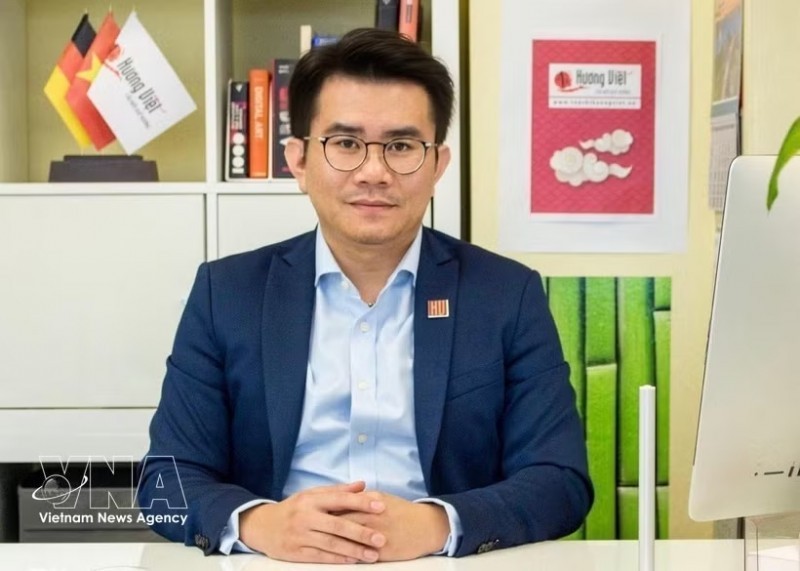
As the 33rd Diplomatic Conference and the 22nd National Conference on Foreign Affairs approach, Pham Khanh Nam, Editor-in-Chief of the Huong Viet magazine – a reputable Vietnamese-language publication serving the Vietnamese community in Germany, has shared his views with the Vietnam News Agency on the role of overseas Vietnamese in people-to-people diplomacy, cultural diplomacy, and the promotion of the country's image in the new stage of development.
According to Nam, the 33rd Diplomatic Conference reaffirms the need to build a comprehensive and modern Vietnamese diplomacy that harnesses the combined strength of the entire political system and people for national development, defence and international integration. In this process, the community of more than six million overseas Vietnamese is increasingly recognised as an inseparable part of the nation and an important resource for strengthening Vietnam's friendship and cooperation with countries around the world.
Pham Khanh Nam, Editor-in-Chief of the Huong Viet magazine – a reputable Vietnamese-language publication serving the Vietnamese community in Germany (Photo: VNA)
Nam said experience in recent years has demonstrated that Vietnamese expatriates are playing an increasingly prominent role in people-to-people diplomacy and cultural diplomacy. In addition to making significant contributions to economic development through investment, trade, knowledge transfer and remittances, they have served as an effective bridge in promoting Vietnam's image, preserving national cultural identity, and fostering greater understanding and trust between Vietnam and their host countries. They have become an important source of the country's soft power amid growing international competition in national image, branding and reputation.
He noted that an increasing number of activities organised by overseas Vietnamese communities have attracted the participation of authorities, social organizations, businesses and residents in host countries. These activities not only help preserve Vietnamese cultural identity within the communities but also enable international friends to gain a better understanding of Vietnam's history, culture, people and development achievements. They represent a vivid example of cultural diplomacy and people-to-people exchanges, where trust is built through direct contact and mutual understanding, reported VNA.
In Germany, the community has made meaningful contributions to the country's economic, cultural and social aspects while maintaining close ties with their homeland through a wide range of practical activities. Overseas Vietnamese associations, businesses, Vietnamese-language schools, media outlets and community organizations have proactively worked with Vietnam's representative agencies to organise cultural exchanges, trade promotion events, educational cooperation programmes, charitable initiatives and activities connecting the group with their roots, thereby strengthening friendship between the peoples of Vietnam and Germany.
According to Nam, as Vietnam enters a new era of development and continues to enhance its standing and reputation on the international stage, maximising the role of overseas Vietnamese has become even more strategically important. With their expertise, experience, social standing and expanding international networks, the expatriates are not only a bridge of friendship between Vietnam and other countries but also a key component of the nation's soft power.
When provided with opportunities to work alongside Vietnam's representative missions, domestic authorities and organizations, they will continue to contribute further to enhancing mutual trust, promoting cooperation and projecting the image of a peaceful, dynamic, humane and deeply integrated Vietnam to the world, thereby helping implement the Party's and the State's foreign policy in the new era of development, he added.
US magazine ranks Vietnam among world's best destinations for solo travelers
Safety, rich cultural experiences, and warm hospitality have earned Vietnam a spot on US magazine Travel + Leisure’s list of the world's best destinations for solo travelers.
According to the publication, solo travel continues to gain momentum globally, offering individuals the freedom to explore at their own pace while fostering self-discovery and new connections. Recognizing safety as a top priority, the magazine curated a selection of ideal destinations for both novice and seasoned solo adventurers.
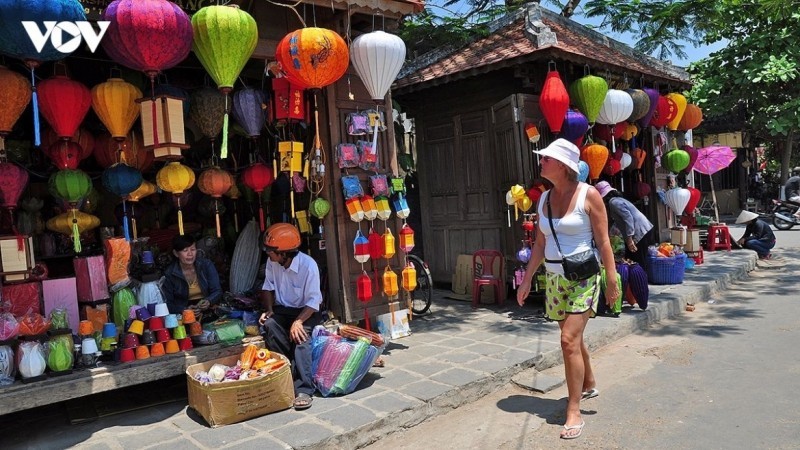
Travel+Leisure highlighted Vietnam for its endless adventure opportunities and outstanding cuisine. It recommended taking a cruise through Bai Tu Long Bay after departing from Ha Long Bay to take in its crystal-clear waters and spectacular limestone scenery. Visitors were also encouraged to explore Son Doong, the world's largest natural cave, and experience Hoi An during the full moon, when hundreds of lanterns illuminate the Thu Bon River.
A tourist strolls along lantern-lit streets in Hoi An Ancient Town.
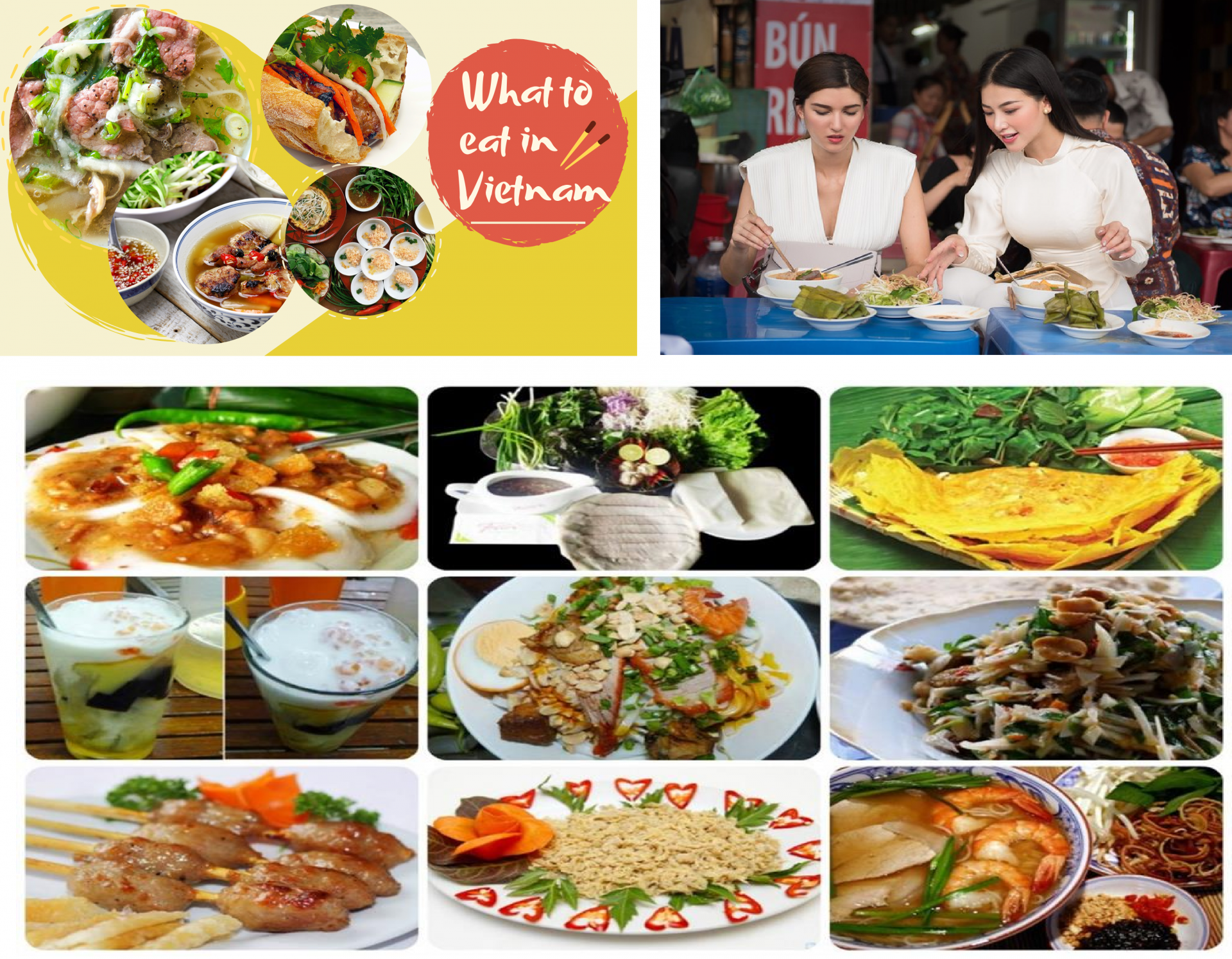
In Ho Chi Minh City, the magazine pointed to Ben Thanh Market as a must-visit spot to sample bánh xèo (crispy Vietnamese pancakes) and pho, alongside historic sites such as the War Remnants Museum and the Cu Chi Tunnels. In Hanoi, travelers were advised to explore the capital's cultural landmarks and take a stroll around Hoan Kiem Lake, cited VOV.
Vietnam shared the top 25 recognition with other prominent global destinations, including Thailand, Japan, Costa Rica, Iceland, New Zealand, Switzerland, Spain, Australia, Canada, and the United Kingdom.
Super Typhoon Dolphin nears China as heavy rain threat persists in northern Vietnam
Northern Vietnam is facing another month of severe weather as Super Typhoon Dolphin strengthens offshore.
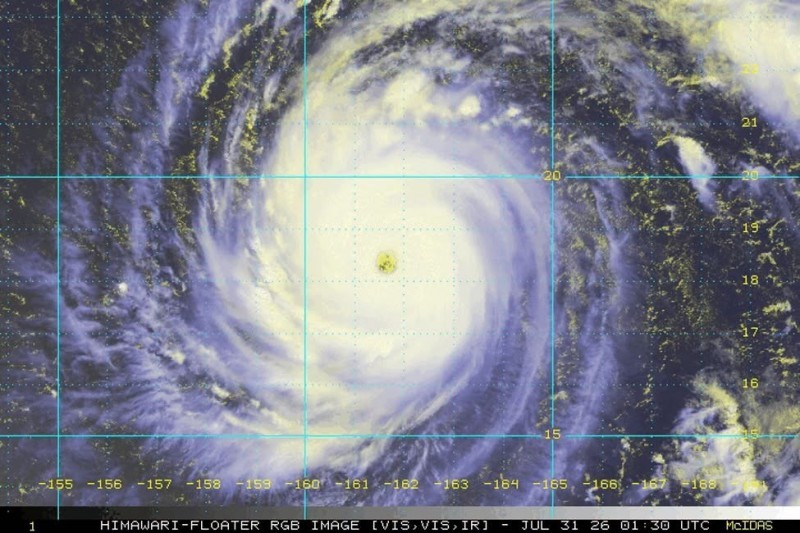
Super Typhoon Dolphin is continuing to strengthen over the northwestern Pacific as it tracks toward China's eastern coast, while northern Vietnam is preparing for another month of heavy rainfall and heightened flood risks.
Although the storm is not expected to enter the East Sea, its circulation is forecast to strengthen the southwest monsoon and create hazardous marine conditions from early August.
According to Vietnam's National Center for Hydro-Meteorological Forecasting (NCHMF), as of 8:30 a.m. on July 31, the center of Super Typhoon Dolphin was located at 18.3°N and 161.9°E, more than 4,200 kilometers east of Luzon Island in the Philippines.
The storm has intensified to the upper end of Category 17 on Vietnam's wind scale, with gusts exceeding Category 17, making it the fourth super typhoon to form over the northwestern Pacific in 2026 after Sinlaku, Bavi, and Mekkhala.
Forecasters expect Dolphin to continue moving west-northwest at around 20 km/h over the next one to two days while gaining additional strength. Sustained winds near the eye could reach about 115 knots, potentially matching the intensity of Super Typhoon Sinlaku.
Photo: VNN
From August 3, the storm is forecast to shift onto a more westerly track, accelerate to around 25 km/h, and head toward the coastal provinces of Fujian and Zhejiang in eastern China.
Although current forecast models show no indication that Dolphin will enter the East Sea, meteorologists say the storm's immense circulation is likely to affect regional weather as it approaches northern Taiwan (China).
Beginning around August 5, the southwest monsoon is expected to strengthen across the southern East Sea. Between August 6 and 7, southwesterly winds could reach Force 6-7 across much of the northern, central, and southern East Sea, including the Hoang Sa (Paracel) and Truong Sa (Spratly) special zones.
Wave heights are forecast to range from 2 to 4 meters, with rough to very rough seas posing risks to fishing vessels and other maritime activities.
The NCHMF said it is closely monitoring the storm and will continue issuing updated forecasts and warnings as Dolphin evolves.
Northern Vietnam faces another wet month
While the powerful storm remains far offshore, northern Vietnam is expected to endure another month of above-average rainfall.
Nguyen Duc Hoa, Deputy Head of the Climate Forecast Division at the NCHMF, told VietNamNet that total rainfall across northern Vietnam in August is forecast to be 10-25% higher than the long-term average.
Despite the increased rainfall totals, the number of rainy days is expected to remain relatively low, with precipitation falling in shorter but significantly more intense episodes.
Between April and July 2026, cumulative rainfall across northern Vietnam was generally close to seasonal averages. However, rainfall during July exceeded normal levels by 20-40% in the northwestern and mountainous provinces, while northeastern areas recorded totals 10-20% below average.
Meteorological data also show that the region experienced only about 60 rainy days during the April-July period, compared with a long-term average of 68 days and 70 days during the same period last year. The trend suggests rainfall is becoming increasingly concentrated in shorter, more intense events.
According to Hoa, persistent heavy rain throughout July was driven primarily by a stationary low-pressure trough over northern Vietnam. Embedded upper-level circulations between 3,000 and 5,000 meters, combined with strong southeasterly winds carrying abundant moisture, created favorable conditions for repeated thunderstorms, particularly across the northern midlands and mountainous provinces.
Saturated soils raise landslide concerns
Authorities warned that repeated heavy rainfall has left soils across much of northern Vietnam's mountainous regions at or near saturation.
As a result, even moderate rainfall over a short period could trigger flash floods, landslides, and flooding in low-lying urban areas throughout August.
Officials say disaster risks remain particularly high in mountainous districts where the ground has already absorbed significant amounts of water over recent weeks.
El Niño strengthens but does not rule out heavy rain
The weather agency also reported that El Niño continues to intensify and is expected to remain strong to very strong through early 2027.
However, forecasters stressed that a strengthening El Niño does not necessarily mean northern Vietnam will experience less rainfall.
As a large-scale climate pattern, El Niño affects different regions unevenly and usually influences local weather with a delay of two to three months.
Historical records show no consistent relationship between El Niño and rainfall in northern Vietnam. During some El Niño years, rainfall has exceeded long-term averages, while in others it has fallen well below normal.
Meteorologists therefore say heavy rainfall events remain entirely possible despite the developing El Niño conditions.
Warmer weather expected through the end of the year
Looking ahead, the NCHMF forecasts fewer tropical storms and tropical depressions over the East Sea than the long-term average through the remainder of 2026.
At the same time, temperatures nationwide are expected to remain 0.5-1.5 degrees Celsius above normal, with some locations recording anomalies of up to 2 degrees Celsius.
Heatwaves are likely to continue affecting northern and central Vietnam through August and early September before gradually easing.
The winter of 2026-2027 is forecast to arrive later than usual and be warmer overall, although brief outbreaks of severe cold are still possible.
Rainfall in northern Vietnam is expected to remain near or above average through the end of the year, while central Vietnam may experience below-average rainfall during its peak rainy season in October and November.
Meanwhile, the rainy season is forecast to end earlier than usual in central Vietnam, the Central Highlands, and southern Vietnam, increasing the risk of drought, saltwater intrusion, and water shortages during the opening months of 2027.
Viet Nam News Today (Oct. 23): Vietnam values EU as priority partner, seeks deeper strategic ties; Vietnam–Denmark ties gain fresh momentum with comprehensive strategic partnership; Vietnam and Belgium look to broaden strategic partnership; UK Royal Navy’s patrol vessel pays second visit to Ho Chi Minh City.
Viet Nam News Today (Oct. 21): Top Vietnamese leader concludes state visit to Denmark; Viet Nam, US step up cooperation on search and identification of martyrs' remains; Viet Nam outlines four priority themes for APEC Finance Ministers’ Process 2027; Viet Nam, Belgium expand cooperation, tap trade, investment potential.
Viet Nam News Today (Oct. 20): Top leader arrives in Copenhagen, beginning State visit to Denmark; A bright spot in friendly relations and cooperation between Viet Nam and the EU; 800-year Viet Nam–RoK historical bond opens new chapter for cultural ties; Viet Nam–EFTA Free Trade Agreement targeted for implementation in 2027.
Viet Nam News Today (Oct. 23): Vietnam values EU as priority partner, seeks deeper strategic ties; Vietnam–Denmark ties gain fresh momentum with comprehensive strategic partnership; Vietnam and Belgium look to broaden strategic partnership; UK Royal Navy’s patrol vessel pays second visit to Ho Chi Minh City.
Viet Nam News Today (Oct. 21): Top Vietnamese leader concludes state visit to Denmark; Viet Nam, US step up cooperation on search and identification of martyrs' remains; Viet Nam outlines four priority themes for APEC Finance Ministers’ Process 2027; Viet Nam, Belgium expand cooperation, tap trade, investment potential.
Viet Nam News Today (Oct. 20): Top leader arrives in Copenhagen, beginning State visit to Denmark; A bright spot in friendly relations and cooperation between Viet Nam and the EU; 800-year Viet Nam–RoK historical bond opens new chapter for cultural ties; Viet Nam–EFTA Free Trade Agreement targeted for implementation in 2027.
Viet Nam News Today (Oct. 19): Vietnam, Iceland boost economic, trade, investment ties; Vietnam seeks to expand trade ties with new markets in Middle East; Vietnam and EFTA pen landmark free trade agreement in Hanoi; Viet Nam climbs GII rankings: Turning innovation into competitiveness.
On October 20, the Da Nang Union of Friendship Organizations, in coordination with the Thang Dien Commune People's Committee and the US-based organization Children of Viet Nam, awarded 100 scholarships to disadvantaged students in the commune, helping them continue their education in the 2026-2027 academic year.
On October 22, an international conference titled “Foreign NGO Affairs in the New Context: Towards a Green Economy, Circular Economy and Sustainable Development - An Inevitable Global Trend” took place in Da Nang, attracting nearly 100 international organizations and foreign non-governmental organizations (NGOs) operating in Viet Nam. The conference focused on discussing orientations and solutions for mobilizing international resources to promote the green economy, circular economy and sustainable development.
General Secretary and President Lam said he wishes to dedicate this great honour to the Vietnamese people, generations of Vietnamese and Danish people who laid the foundations for and have nurtured the two countries’ friendship over the past 55 years, and those in both countries who are carrying this legacy forward and ushering bilateral relations into a new chapter of development.
Viet Nam News Today (Oct. 18): Viet Nam, Switzerland outline priorities to deepen comprehensive partnership; Liechtenstein Prime Minister arrives in Hanoi, starting official visit to Viet Nam; Viet Nam, Hungary promote cooperation in agriculture, science, technology; Young people set to shape the future of Viet Nam-Russia friendship.
Viet Nam News Today (Oct. 19): Vietnam, Iceland boost economic, trade, investment ties; Vietnam seeks to expand trade ties with new markets in Middle East; Vietnam and EFTA pen landmark free trade agreement in Hanoi; Viet Nam climbs GII rankings: Turning innovation into competitiveness.
Implementing Plan No. 551/KH-CATP-P.QLHC dated 8 October 2026 issued by the Da Nang City Police on collecting DNA samples from relatives of fallen soldiers whose identities remain unknown in the city, on the morning of 15 October, Quang Phu Ward Police, in coordination with Da Nang City Police and relevant units, organized DNA sample collection for relatives of unidentified fallen soldiers at Hall No. 1 of the Quang Phu Ward Police headquarters.
As part of the 500-day campaign to search for and recover the remains of fallen soldiers, DNA sample collection from their relatives plays a vital role in identifying those who sacrificed their lives for the Fatherland. From 15 to 17 October 2026, An Giang Provincial Police will continue the second phase of DNA sample collection for 2026, targeting more than 1,000 samples at nine collection sites covering 92 communes, wards and special administrative zones across the province.
Viet Nam News Today (Oct. 17): Vietnam-Russia trade at structural turning point; Vietnam-EU ties set for new heights with concrete, practical outcomes; Vietnam-Denmark ties poised for new momentum after 55 years; European businesses remain upbeat about Viet Nam’s economic outlook

 Vietnam News Today (July 27): Political Trust Drives Vietnam-Cambodia Partnership Forward
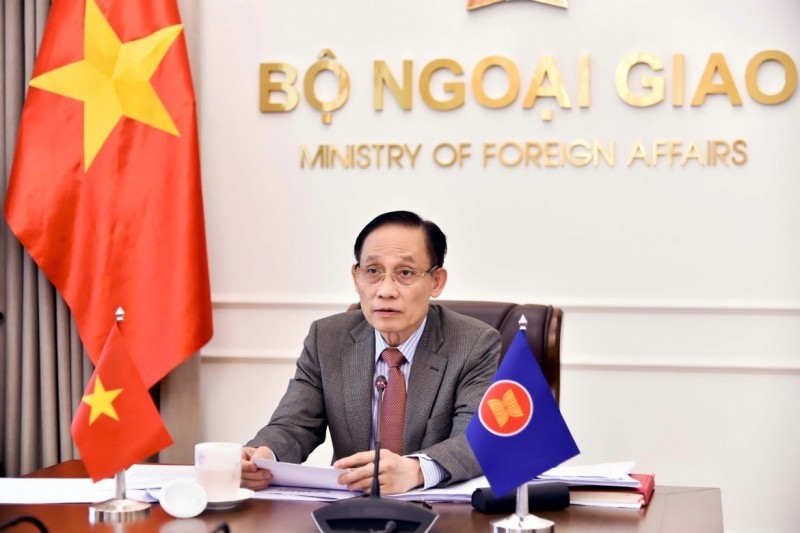
 Vietnam News Today (July 28): Vietnam Stands as a Vital Member of ASEAN