Hanoi's stores and restaurants reopen: Many people drop by coffee after 2 weeks of social distancing
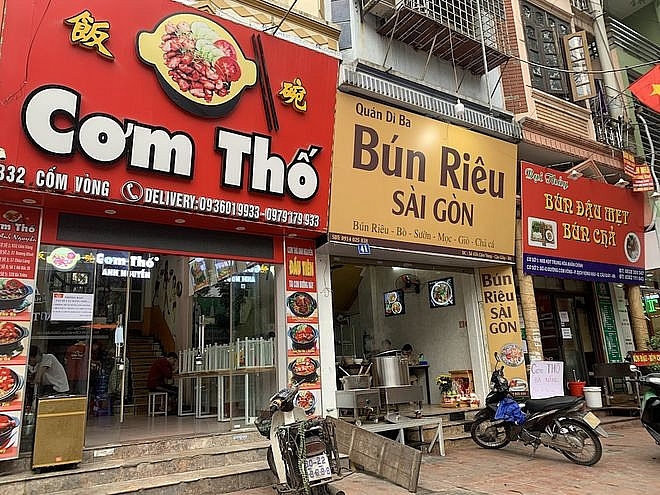
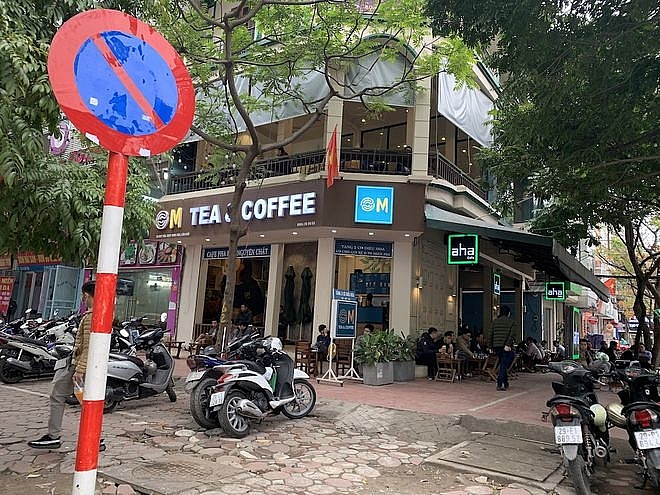
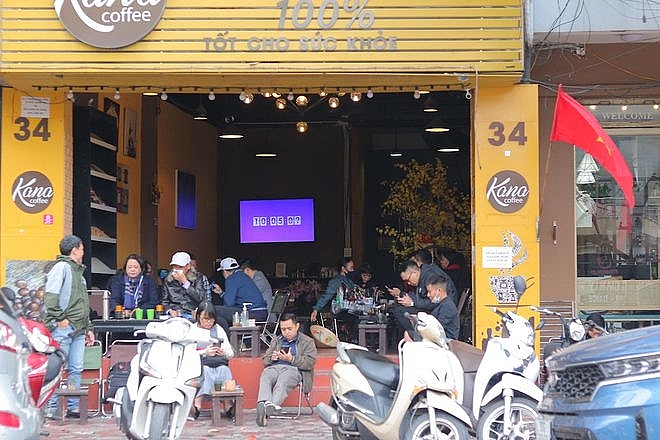
Hanoi People's Committee has allowed indoor catering and catering activities to reopen from March 2. Therefore, many stores have continued to operate and welcome customers back after 2 weeks of closing.
Previously, Hanoi People's Committee decided to close the monuments, street eateries, tea and coffee shops on the sidewalk from 0:00 on February 16 to actively prevent the Covid-19 pandemic. From March 2, the indoor service shops (including food and drink) are accepted to reopen with ensuring gaps among customers.
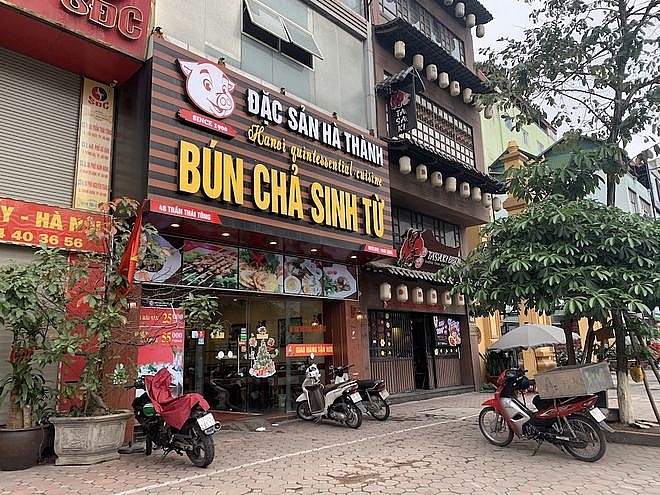
The shops in Hanoi have reopened since March 2 PHOTO: Duong Lan
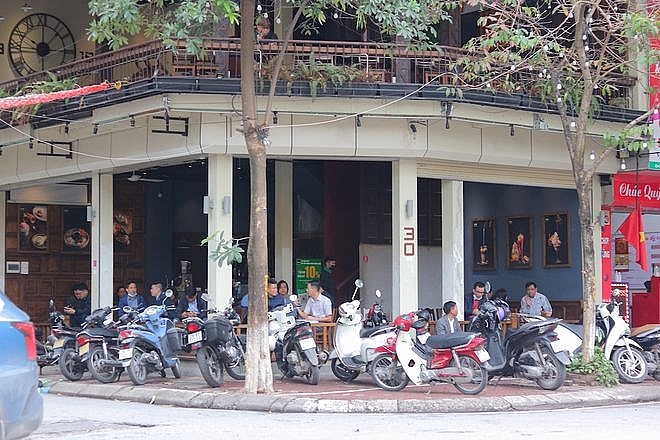
The cafeteria returns after 2 weeks of closing. Photo: thanhnien.vn.
The cafeteria returns after 2 weeks of closing. Photo: thanhnien.vn.
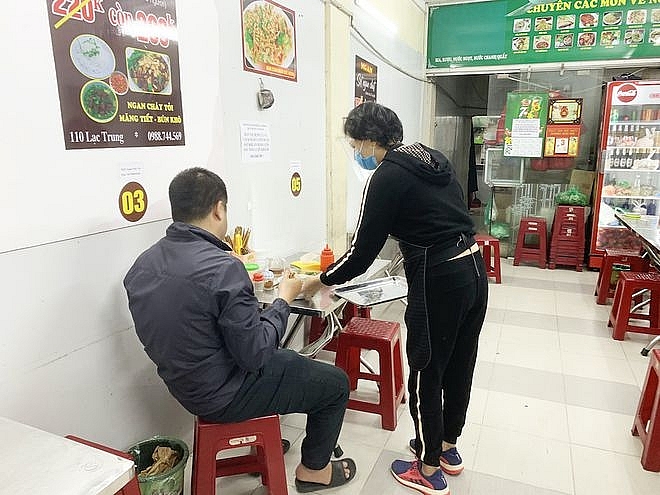
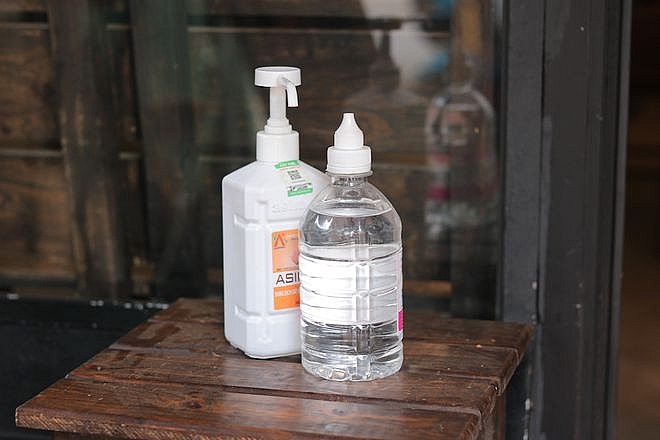
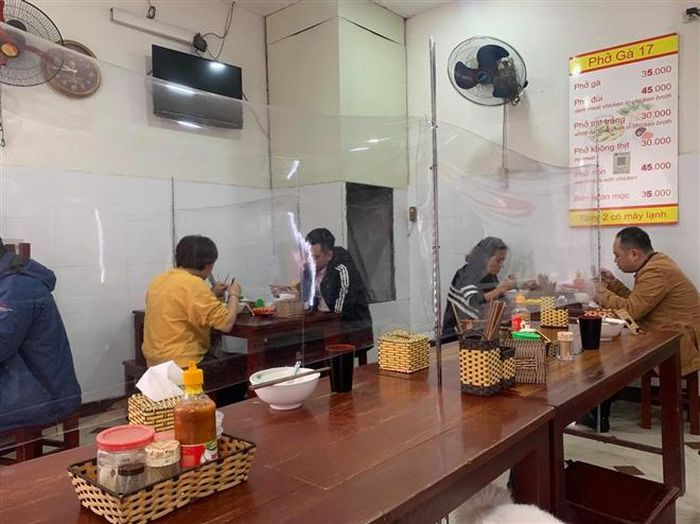
As noted by Youngster, in the morning of March 2, most of restaurants and coffee shops reopened to welcome customers. These places are equipped with hand sanitizer, antiseptic solution to serve customers to ensure safety. Cafeterias were crowded again after 2 weeks of closing. However, restaurants were quite empty with just a few people.
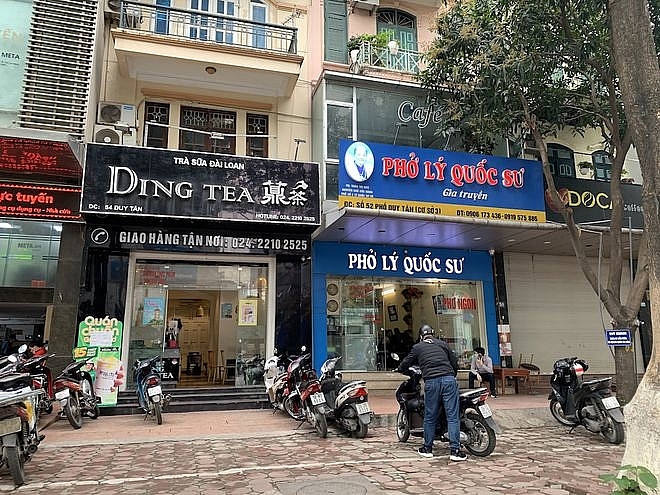
Ms. Mai Thanh Ha (the owner of a coffee shop on Duy Tan street, Cau Giay district) said that when she heard of the reopening, she and staff cleaned the shop to pick up customers safely.
The staff wears a drop-proof mask when serving guests. Photo: thanhnien.vn.
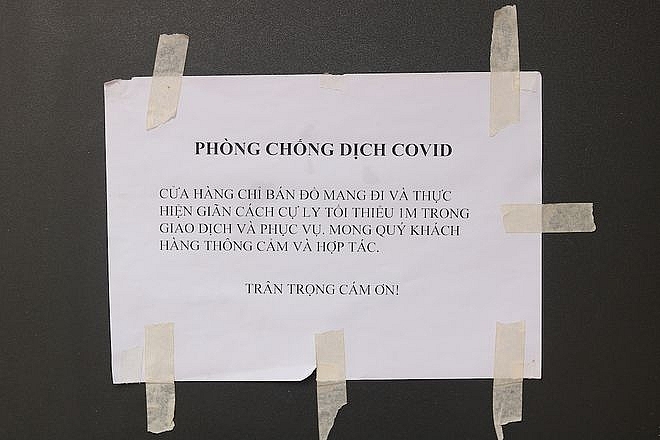
Notice of Covid-19 pandemic prevention measures is posted in front of a restaurant on Duy Tan street. Photo: thanhnien.vn.
The stores equip customers with hand sanitizer. Photo: thanhnien.vn.
“In closing time, my shop has strictly complied with safety requirements. There are patrons asking when to open the door, so I hope to reopen. This morning, my staff and I had to come early to clean, rearrange tables and chairs. I hope Covid-19 will soon be eliminated completely in order to ensure a stable business and life for us", said she.
Reopening but some eateries are still empty. Photo: thanhnien.vn.
Reopening but some eateries are still empty. Photo: thanhnien.vn.
Photo: thanhnien.vn
Photo: thanhnien.vn
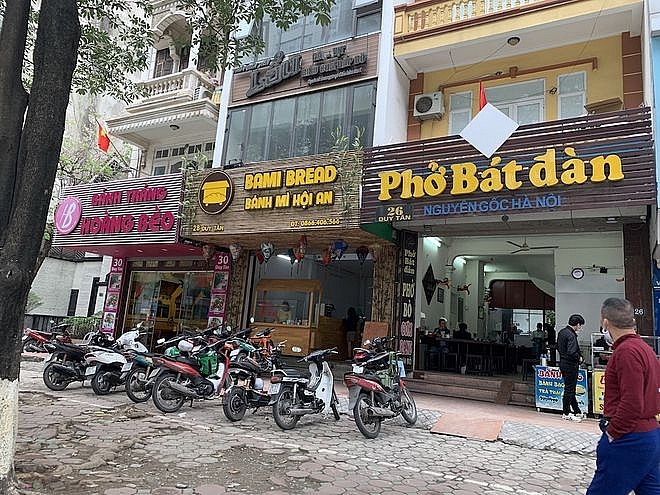
Tran Manh Hung's bakery shop on Tran Thai Tong street (Cau Giay district) must also close from February 16. When he heard the announcement of reopening, he prepared the ingredients, cleaned the shop with the desire to return to normal business.
“When hearing the news of reopening, I am very excited because the shop can operate and I can have income for the family. My shop is also equipped with hand sanitizer and antiseptic to remind customers to keep safe distance to ensure the prevention. It is hoped that the Covid-19 pandemic will be controlled so that my shop does not have to be closed again ", said Hung.
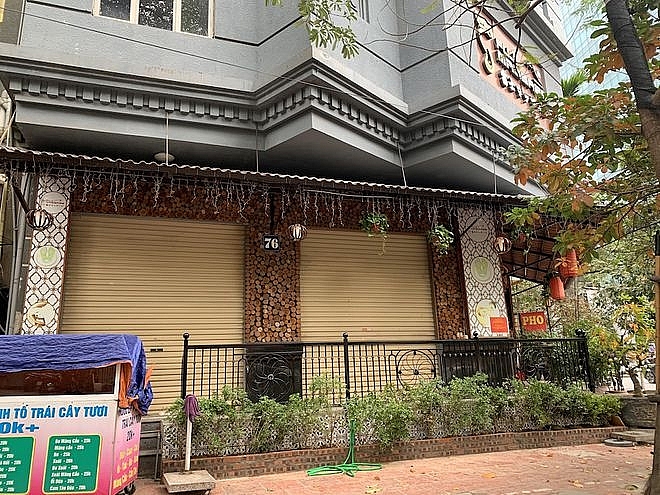
Besides, there are some shops being "in no hurry" to reopen. Photo: thanhnien.vn.
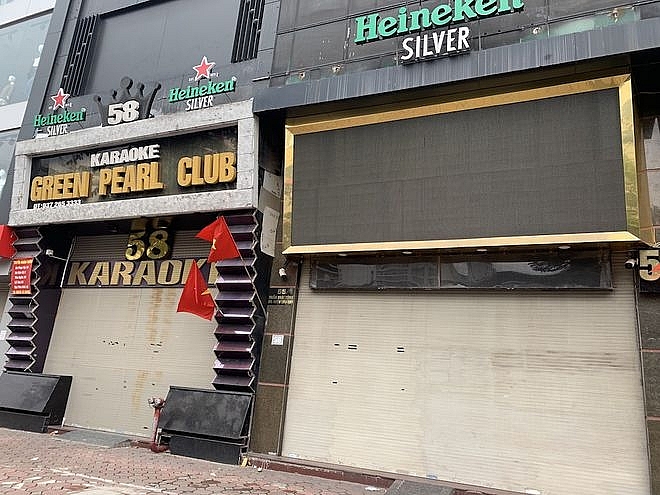
Karaoke bars and discos have not yet been allowed to reopen. Photo: thanhnien.vn.
Taking advantage of the old newspapers, leaflets, and magazines, Ms. Nguyen Thi Kim Hong (born 1986) a teacher of Montessori Hanoi Kindergarten skillfully makes lively ...
Hanoi allowed indoor restaurants and cafes to reopen starting March 2. Sidewalk iced tea stalls or outdoor eateries will remain closed until further notice.
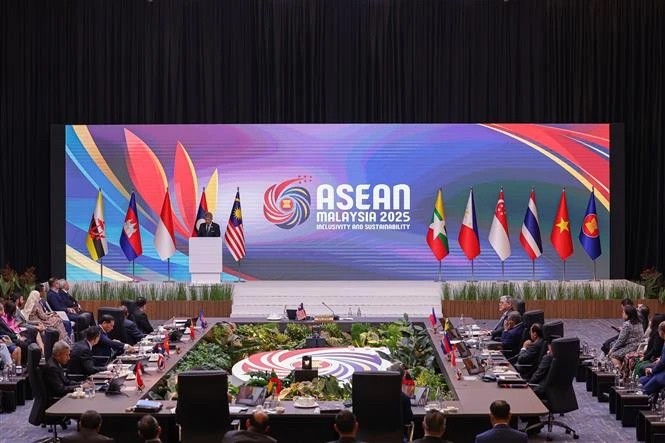
Vietnam News Today (May 26): French President arrives in Hanoi for state visit to Vietnam; Vietnam attends ASEAN meetings for promoting regional cooperation; Vietnam ranks among world’s safest retirement destinations; HCM City reports first cases of new COVID-19 variant.
Coffee shops located in ancient villas are characteristic of Hanoi tourism that domestic and international tourists seek to experience when they visit the capital city.
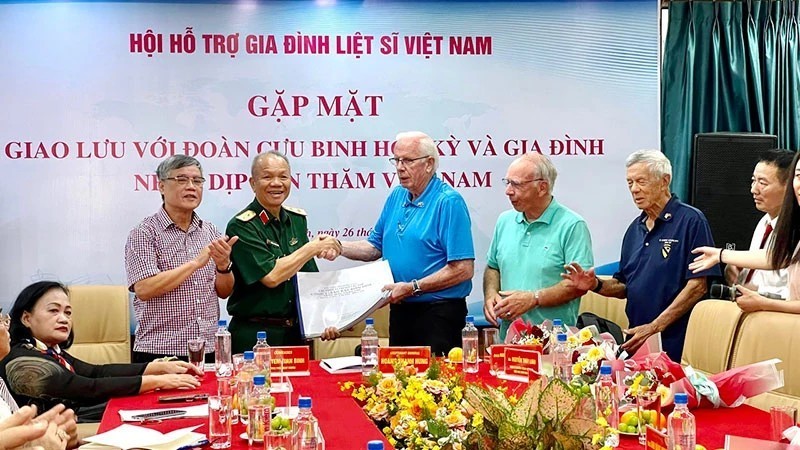
For nearly a decade, Richard Magner and Bob Connor have been examining archival wartime footage, battlefield records, and the memories of US veterans to identify locations believed to contain mass graves of fallen Vietnamese soldiers. The information they have provided has contributed to the recovery of 80 sets of remains at Bien Hoa Airport and more than 200 sets of remains at Loc Ninh Airport, while also helping compile 250 case files to support search and recovery efforts.
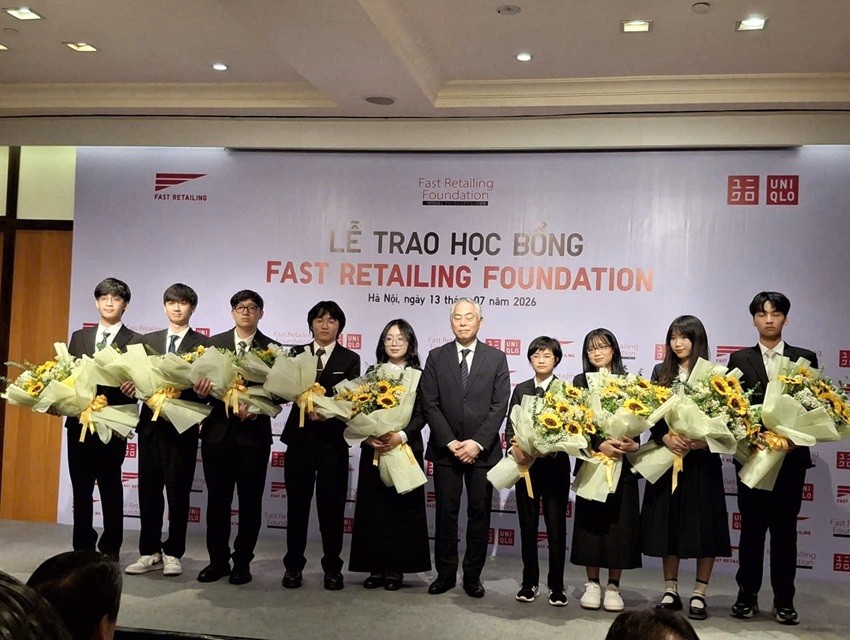
On July 13, Fast Retailing Group announced that nine Vietnamese students had been awarded full scholarships from the Fast Retailing Foundation to pursue undergraduate studies at leading Japanese universities. This initiative not only opens new academic opportunities for the recipients but also contributes to strengthening educational cooperation between Vietnam and Japan.
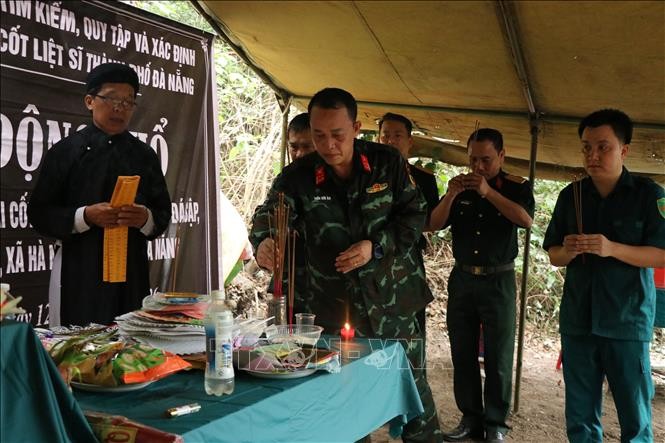
As part of the 500-Day Campaign to accelerate the search, recovery, and identification of fallen soldiers' remains, task forces in Da Nang and Cao Bang discovered and recovered multiple sets of remains on July 13.
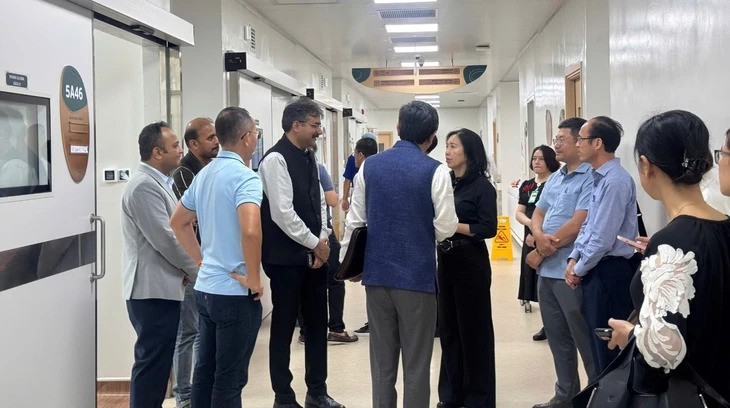
Following the speedboat capsizing in the An Thoi waters (Phu Quoc Special Zone, An Giang Province) on July 11, the Indian Ambassador to Vietnam expressed profound gratitude for the close direction provided by Vietnam's senior leadership and the prompt, responsible response of the competent authorities in search and rescue operations, consular protection, and assistance for the victims' families.
On the evening of July 11 in Da Nang, Macedos Pirotecnia of Portugal was crowned champion of the 2026 Da Nang International Fireworks Festival (DIFF), held under the theme "Connected Horizons."
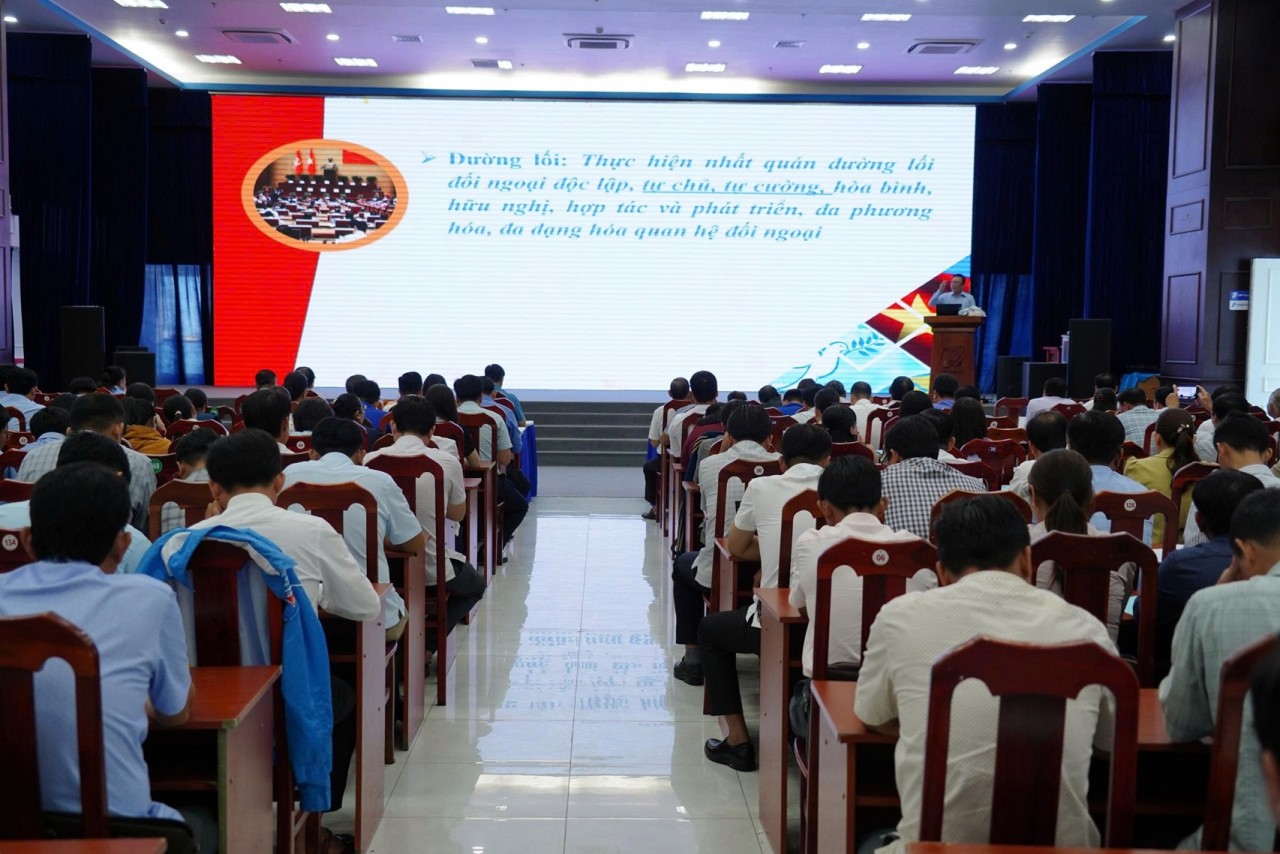
On July 9, 2026, the Union of Friendship Organizations of Ca Mau held a training course on people-to-people diplomacy and foreign non-governmental organization (NGO) affairs, with the participation of 350 officials and employees. The program aimed to update attendees on new policies and guidelines, strengthen the capacity of those engaged in foreign affairs, and thereby enhance the effectiveness of mobilizing, managing, and utilizing international aid to support the province’s socio-economic development.
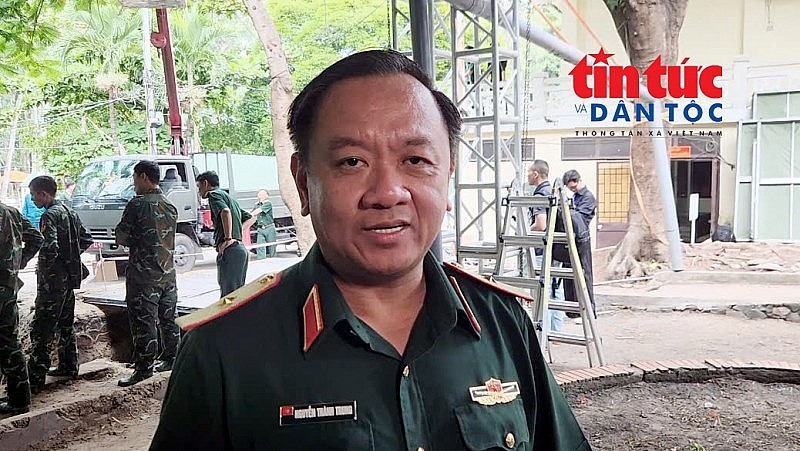
Shortly after issuing a public appeal for information on the burial sites of soldiers who were killed during the battle at Tan Son Nhat Airport in the 1968 Tet Offensive, the Ho Chi Minh City High Command received more than 50 phone calls and text messages from witnesses and local residents. The information has provided additional leads to support the verification, search, recovery, and identification of the fallen soldiers' remains.
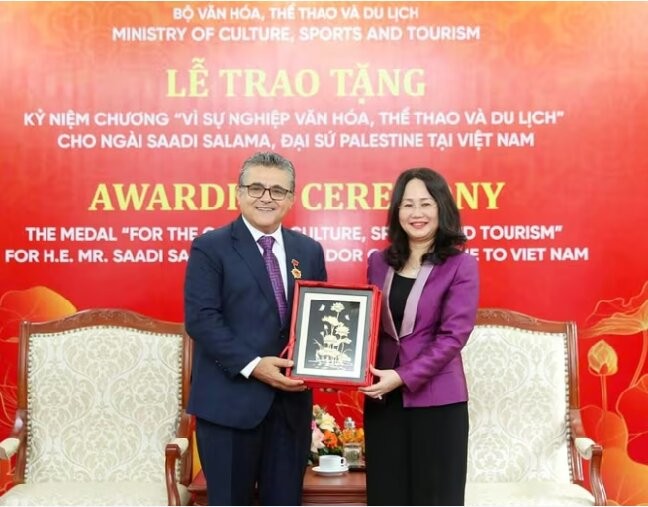
On July 6 in Hanoi, Minister of Culture, Sports and Tourism Lam Thi Phuong Thanh presented the "For the Cause of Culture, Sports and Tourism" Medal to Ambassador Extraordinary and Plenipotentiary of the State of Palestine to Vietnam Saadi Salama.



 National
 Handbook
 Viet's Home
 Viet's Home
 Viet's Home
 Viet's Home
 Viet's Home
 Viet's Home
 Viet's Home
 Viet's Home