
Vietnamese Messengers Spread Love For Homeland's Seas And Islands
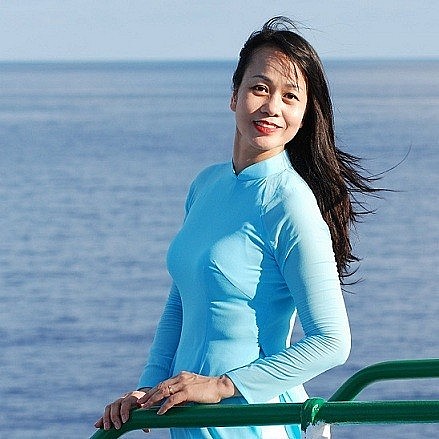 |
| Cao Hong Vinh, head of the Liaison Department for Vietnamese in Europe "For the sea and islands of Vietnam." Photo: Cao Hong Vinh |
Cao Hong Vinh, head of the Liaison Department for Vietnamese in Europe "For the sea and islands of Vietnam" shared about recent activities, as well as the promotion of the role of connection, arousing pride, affection, and responsibility towards overseas Vietnamese and their homeland.
Launched in July 2022, what are the outstanding activities of the Liaison Department for Vietnamese in Europe "For the sea and islands of Vietnam"?
With the desire to spread the spirit of patriotism, and love of the sea and islands of the Fatherland among the Vietnamese community and international friends in European countries, the Liaison Department for Vietnamese in Europe "For the sea and islands of Vietnam" was established, with core members from 12 countries, representing leaders of Truong Sa clubs from many countries.
These are the Truong Sa Club in Germany, the Hoang Sa-Truong Sa Club in Poland, the Hoang Sa-Truong Sa Club in the Czech Republic, and the "Love Vietnam's seas and islands" Club in France.
The Liaison Department helped generations of Vietnamese working and living abroad to easily learn about the changes in their homeland and the situation on the island's borders.
Although newly established, the Liaison Department organized meaningful activities towards the sea and islands of the Fatherland.
On January 7, the Liaison Department came to Cam Ranh to present Tet gifts to children, officers, and soldiers of Navy Region 4, and elementary school students who are children of officers and soldiers in Truong Sa (Spratly).
In June 2023, we organized an international conference "The East Sea and Vietnam's Sovereignty" in France, including an exchange.
The exchange is an event for expatriates from different countries to have the opportunity to review films about the beloved waters of the Fatherland and recall memories of the trip.
The Liaison Department's international conference "The East Sea and Vietnam's Sovereignty" won the Third Prize in the Innovation category, at the 9th National External Information Service Awards. Can you share more about this event?
Witnessing the reality in Truong Sa with our own eyes helps our overseas Vietnamese properly understand the work of fighting to protect the country's sovereignty over the islands and continental shelf, and admire Truong Sa's officers and soldiers.
This arouses national pride, strengthens attachment, and raises overseas Vietnamese' sense of responsibility for the cause of building and protecting the Fatherland. That urges us to do meaningful things for Vietnam's islands and seas.
How did the conference "The East Sea and Vietnam's Sovereignty" spread?
The conference was prepared within six months with the participation of about 100 delegates who are professors, doctors, researchers in Asia, the East Sea, economists, and geologists from France, Poland, Germany, Italy, Czech, Vietnam, and diplomats, and Vietnamese communities in many countries.
At the conference, scholars including professors, PhDs, and researchers on Asia and the East Sea along with Vietnamese and foreign educators and economists presented papers of high scientific value.
They cover many perspectives on the East Sea and the issue of Vietnam's maritime and island sovereignty in terms of history, law, politics, and culture.
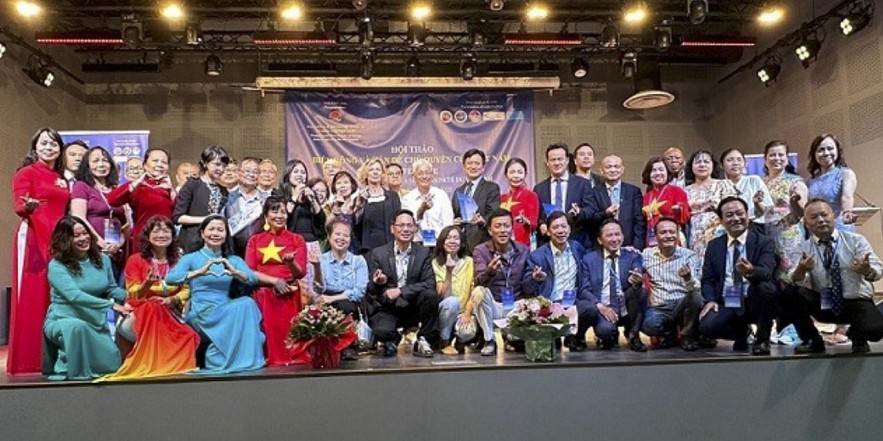 |
| Delegates attending the international conference "The East Sea and Vietnam's Sovereignty" in France |
The conference is an opportunity to update and exchange the latest information on the situation in the East Sea.
Through images and shares of people who have visited Truong Sa and the DK1 rig about the lives of our army and people in the Truong Sa island district, the conference spreads love for the homeland's islands and seas in the overseas Vietnamese community, contributing to affirming Vietnam's sovereignty over the Hoang Sa (Paracel) and Truong Sa (Spratly) archipelagos.
The conference is a place to connect, exchange, consolidate, and strengthen the solidarity of the Vietnamese community abroad.
 | Overseas Vietnamese is a Bridge to Introduce Dak Lak to the World The overseas Vietnamese community is an integral part, a resource of the Vietnamese ethnic community, and an important factor contributing to strengthening friendly and cooperative ... |
 | Spread Love of Homeland Sea and Islands to Students in Lang Son The contest "I love my hometown' sea and island" is a way to spread the love and responsibility of each individual for the sovereignty of ... |
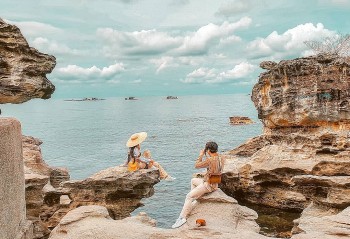 | Phu Quoc Voted As One Of The Top Islands In The World World-famous travel magazine Condé Nast Traveler honored Phu Quoc Island among the top most beautiful islands in Asia voted by global readers. |
Most read


Recommended
 Seas and islands
Mobilizing Resources to Support Officers, Soldiers, and Residents in Border and Island Areas
 Seas and islands
Navy Ship 743 Rescues Fisherman Adrift at Sea for Four Days
 Seas and islands
Ministry of Foreign Affairs Updates on Rescue Efforts after Khoi Nguyen 18 Vessel Sinks at Sea
 Seas and islands
Vietnam Reaffirms Goodwill in Adhering to 1982 UNCLOS
Popular article
 Seas and islands
Naval Region 4 Handed Over Four Houses to Policy Beneficiary Families
 Seas and islands
Truong Sa: Every Family a “Living Landmark” on the Frontline of the Sea
 Seas and islands
Dream of Soldiers on a Remote Island
 Seas and islands