
Keeping Vegetables Clean on the Red River Alluvial Flats
 | From Village to Lecture Hall to Learn “Code” |
| Women’s Football Tournament Promotes Gender Equality in Lai Chau |
From wasteland to a 10-hectare production area
At the conference reviewing emulation and commendation work in 2025 and outlining tasks for 2026 for the bloc of socio-political organizations and affiliated unions, held in early April 2026, Nguyen Thi Mai began her presentation with images captured that very morning at a nearby hospital, showing long lines of people and additional temporary examination areas set up using containers.
“Seeing these images, I felt deeply concerned,” she said, reflecting on whether community health could begin with simple things such as daily meals.
In 2014, after leaving her position at a ministerial-level agency, Mai started over with 2,000 square meters of abandoned farmland - a decision that surprised many.
Born into a family with three generations involved in agricultural cooperatives, she believed in the value of clean food. However, the initial challenge was not market demand but the land itself. Large areas had been left uncultivated for years, with rampant weed growth. “I spent about 70 million VND just on clearing weeds,” she recalled.
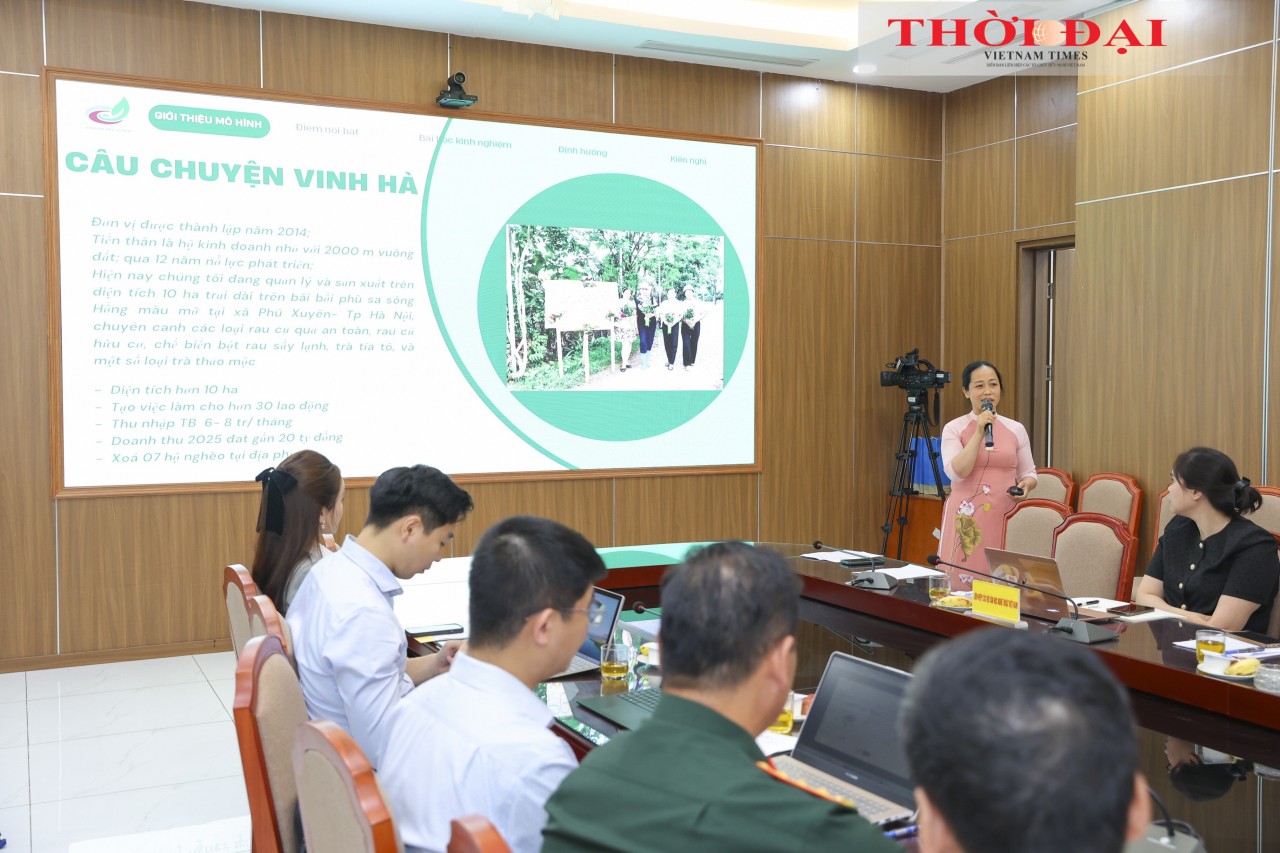 |
| Nguyen Thi Mai, Director of the Hong Ha Fruit and Vegetable Cooperative (Phu Xuyen, Hanoi), speaks at the conference reviewing emulation and commendation work in 2025 and outlining tasks for 2026 for the bloc of socio-political organizations and affiliated unions, April 4, 2026. (Photo: Dinh Hoa) |
From that foundation, the Hong Ha Fruit and Vegetable Cooperative gradually developed production methods aligned with VietGAP and organic standards: using self-composted fertilizers made from corn and soybeans; producing egg-banana enzyme solutions to supplement crops with calcium and protein; and minimizing chemical use. The cooperative also utilizes banana leaves from its gardens as packaging for vegetables, reducing plastic and nylon waste in the environment. To date, several areas, including a Dien pomelo orchard, have obtained organic certification since 2020. The products have been well received by the market at stable prices, creating a basis for scaling up.
After more than a decade, the production area has expanded to over 10 hectares on the fertile alluvial flats of the Red River. The cooperative has also developed processed products such as freeze-dried vegetable powder, perilla tea, and vegetable-based noodles and buns, many of which have achieved 4-star OCOP certification. The model currently provides employment for more than 30 local workers, with an average monthly income of 6–8 million VND; in 2025, revenue reached nearly 20 billion VND, contributing to lifting seven households out of poverty. Most of the workers are women, including some over 70 years old who still participate in production.
Mai noted that the COVID-19 pandemic became a real test for the model. Amid social distancing measures, the cooperative introduced “vegetable combo” packages tailored to family portions, including leafy greens, root vegetables, and some essential food items, sufficient for two to three days. Each package was priced between 100,000 and 300,000 VND. Orders were processed continuously from morning until evening, at times with deliveries as late as 11:00 p.m. Packaging products in combo sets helped shorten processing time, limit contact, and maintain supply for residents in inner Hanoi.
Harvesting and selling directly at the field
Another direction pursued by the cooperative is the integration of production with experiential and educational activities. At the cultivation site, visitors can harvest produce themselves and make payments via QR code right in the field. The cooperative also organizes “harvest festivals” for students, particularly those at the preschool level. This model not only provides hands-on experiences but also serves as an effective distribution channel.
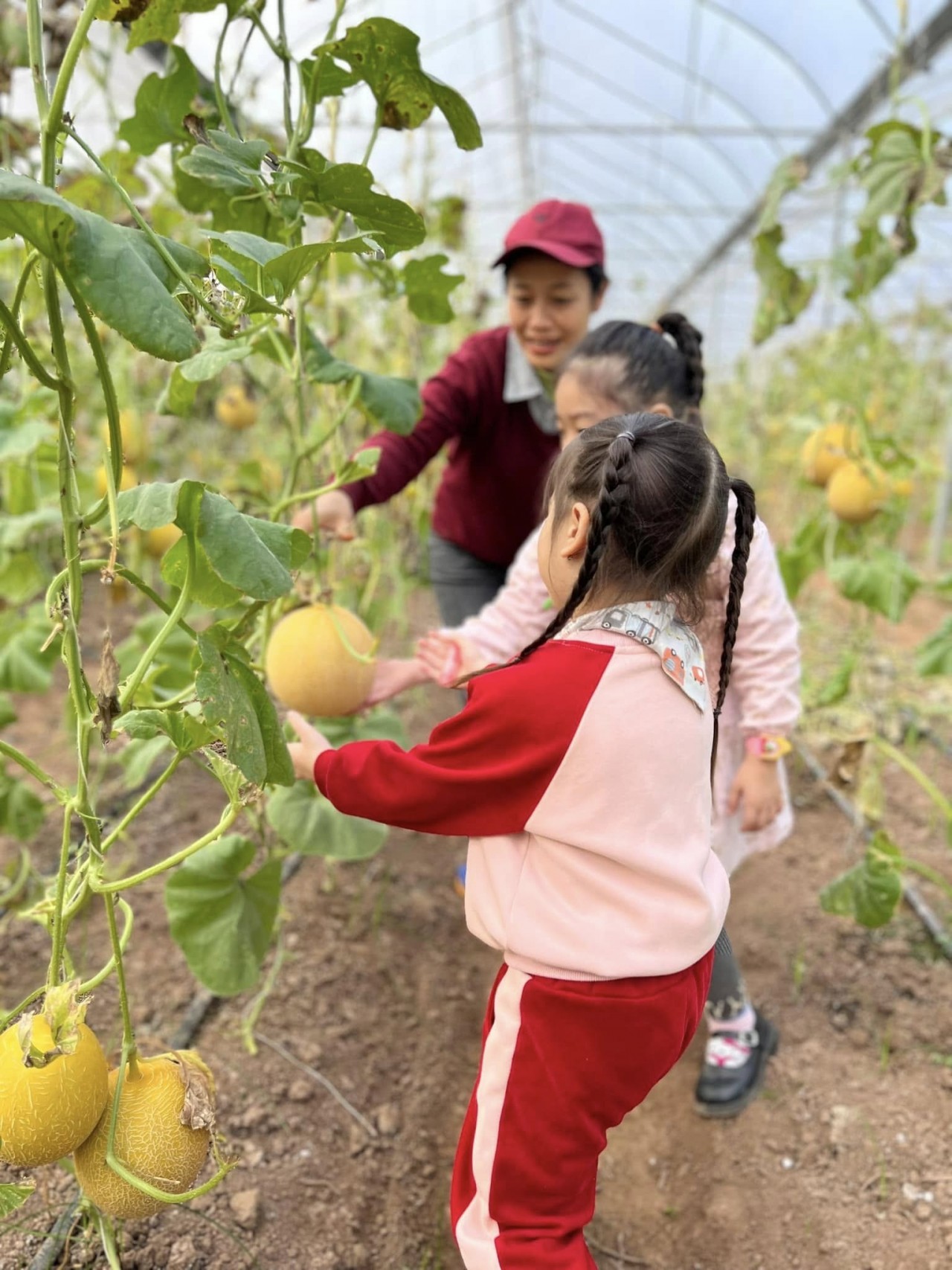 |
| The cooperative organizes “harvest festivals” for students, especially preschool children. (Photo: Vinh Ha Clean Agricultural Products - Phu Xuyen) |
“We no longer need to harvest or sell in the traditional way. Visitors come for the experience - they harvest and purchase on the spot. In some seasons, just a few tour groups are enough to sell out an entire hectare of muskmelon, without going through any intermediaries,” Mai said.
According to her, this model is being studied and adopted by many other cooperatives. Tours are organized flexibly according to the seasons, welcoming both domestic and international visitors, thereby expanding market access in a more direct and sustainable manner.
Free training courses on organic agriculture are also regularly held, combining theory with hands-on practice. Following these courses, many households have returned to farming on previously abandoned land, taking greater initiative in securing food for their families. The cooperative also maintains social initiatives, such as supplying vegetables to several hospitals, with a total value exceeding 500 million VND.
The cooperative has received support from both domestic sources and international organizations. Locally, the Hanoi People’s Committee has provided more than 600 million VND to support the development of muskmelon cultivation, while also facilitating participation in programs such as OCOP, helping to standardize and enhance product value.
In addition, the cooperative has accessed support from several non-governmental organizations and international partners, including Oxfam, Thriive, and organizations from Canada and Australia. These programs mainly focus on technical training, capacity building, provision of equipment, and market linkages. Through such collaborations, the cooperative’s products have been introduced at several international conferences, opening up opportunities to access broader markets.
Despite stable operations, Mai noted that clean agriculture still faces numerous barriers. “We do not lack demand, we lack supply,” she said.
The biggest bottleneck is capital. Current loan levels of around 50 million VND per household are insufficient for systematic investment, while certification and trade promotion costs remain high. In addition, consumer awareness of the value of organic products is still uneven. In practice, many of the cooperative’s investments have had to rely on social mobilization, such as greenhouse systems funded through the sale of “prepaid cards,” which raised nearly 1 billion VND.
In the coming period, the cooperative aims to expand organic production and develop post-harvest processing. However, for the model to be replicated more widely, Mai emphasized the need for more suitable credit policies, along with stronger support in market development and communications.
 | Vietnamese Fruits Attract Attention at Exhibition in Berlin Fruit Logistica covers every single sector of the fresh produce business and provides a complete picture of the latest innovations, products and services at every ... |
 | A Japanese to Grow Clean Vegetables for Vietnamese Trainees After many experiences, the Japanese man has successfully grown more than 15 varieties of vegetables that are warmly received and favored by Vietnamese trainees. |

Recommended
 Viet's Home
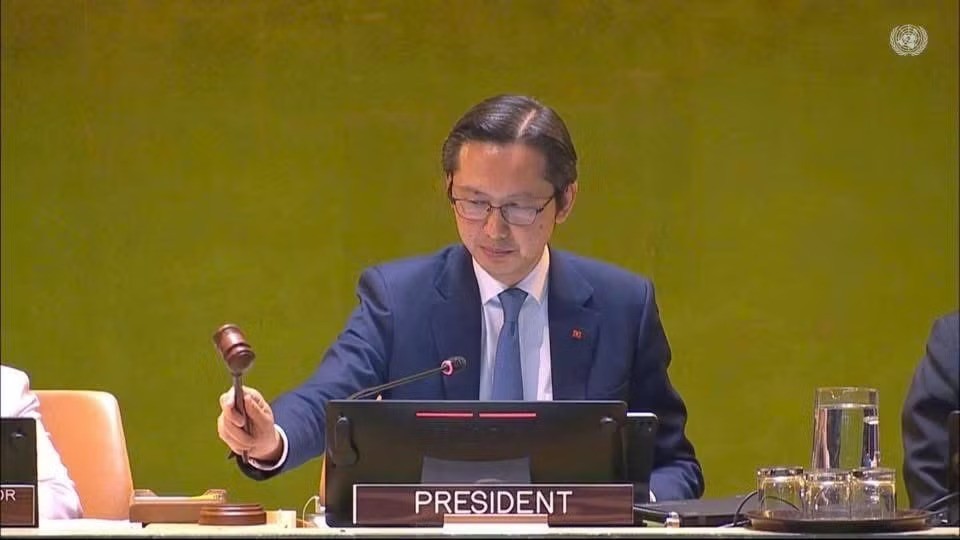
Vietnam Successfully Fulfills Role as President of 11th Review Conference of Treaty on Non-Proliferation of Nuclear Weapons
 Viet's Home
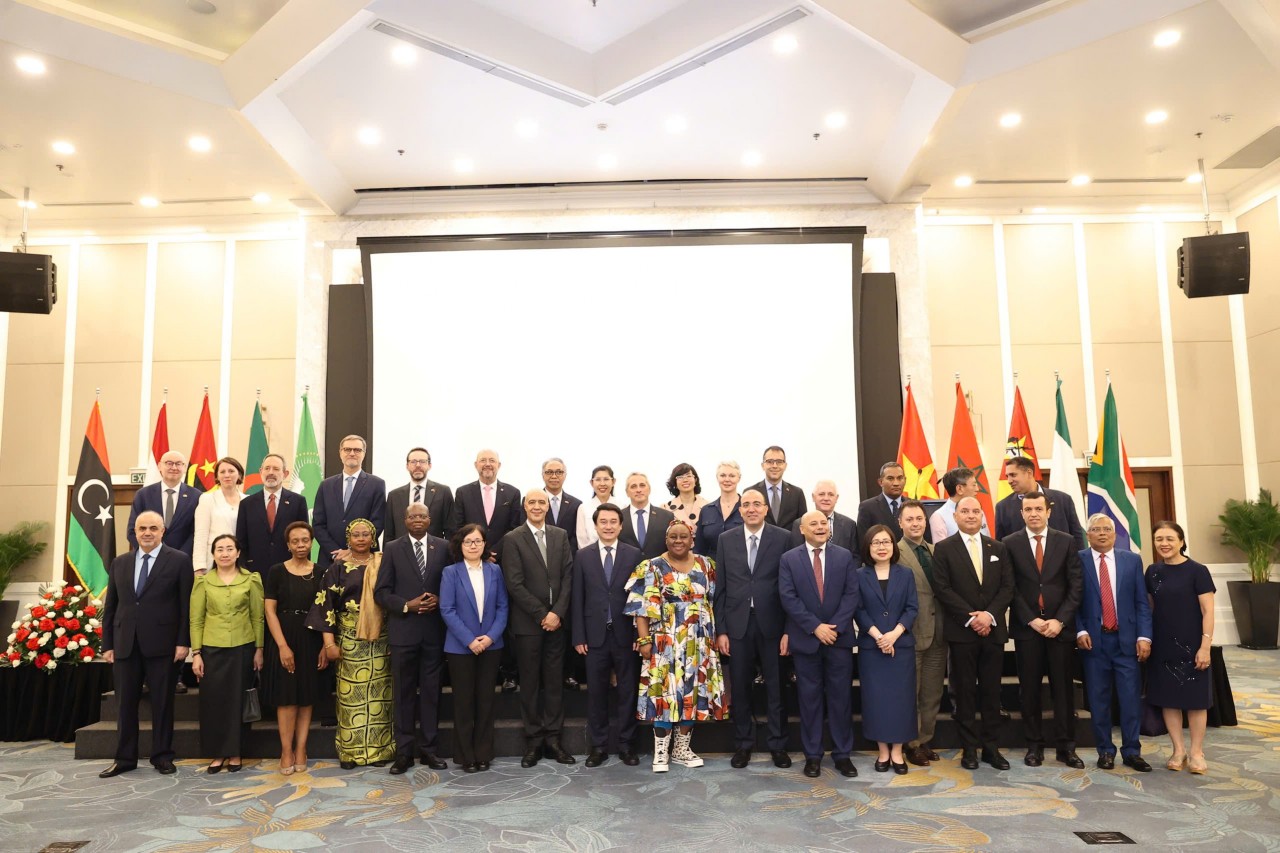
Vietnam Seeks to Deepen Friendship with Africa
 Viet's Home
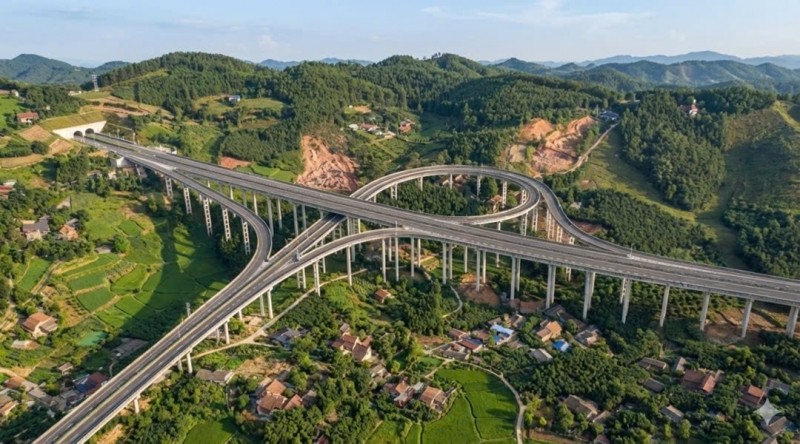
Groundbreaking Begins for VND23 Trillion Son La - Dien Bien Expressway
 Viet's Home
Ho Chi Minh City to Launch Month of Action for Children in 2026
Popular article
 Viet's Home
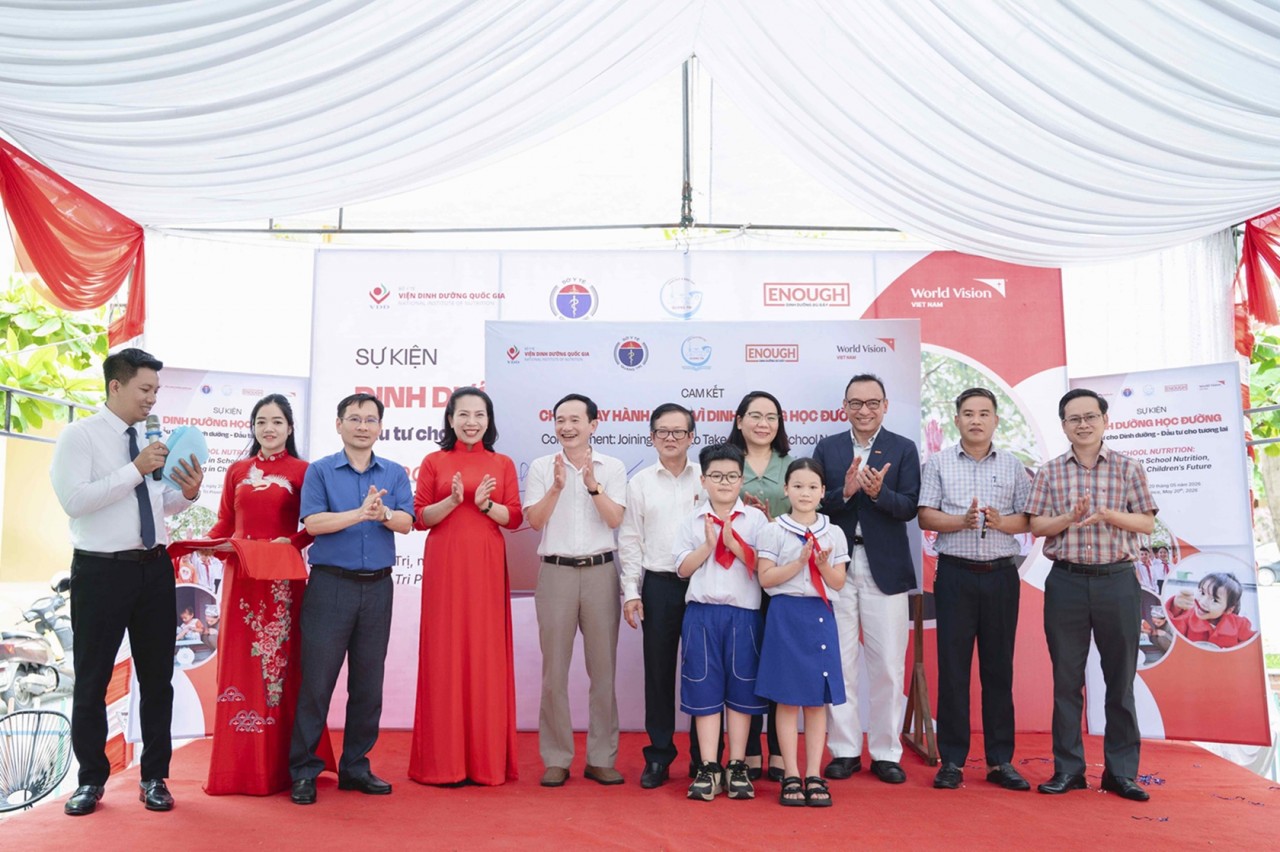
Quang Tri Promotes School Nutrition: Investing in Children's Daily Meals
 Viet's Home
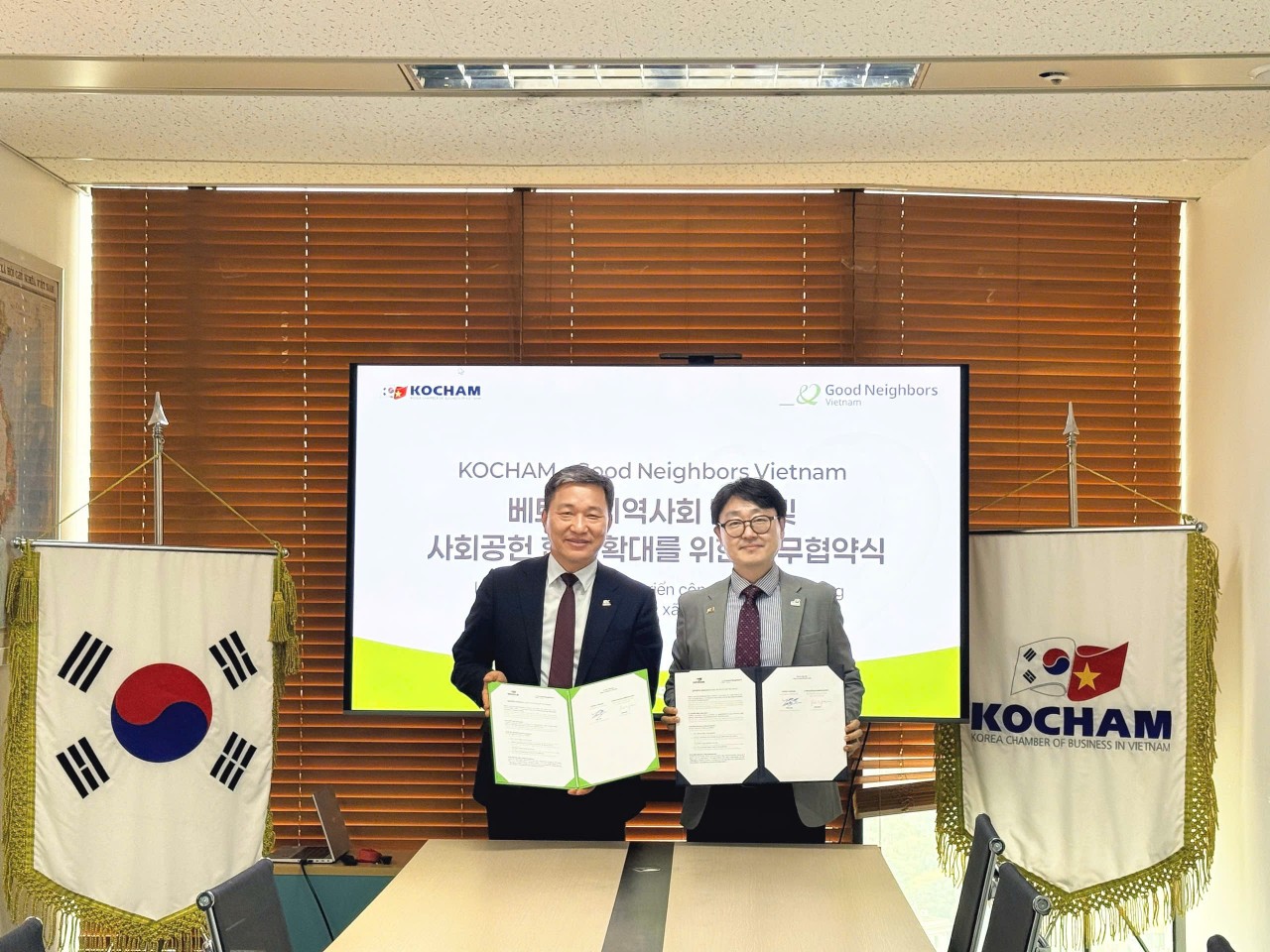
KOCHAM Partners with GNI to Enhance Support for Children and Vulnerable Communities
 Viet's Home
UAE Embassy Honors Lac Hong University Team for Winning International Award in Dubai
 Viet's Home