
The Election in Vietnam Through Eyes of International Friends: Foundation for Stability and Cooperation
 | Digital Transformation Supports Efficient and Transparent Elections |
| More Opportunities to Strengthen Traditional Friendship Between Vietnam and Uzbekistan |
Kanat Tumysh, Ambassador Extraordinary and Plenipotentiary of the Republic of Kazakhstan to Vietnam:
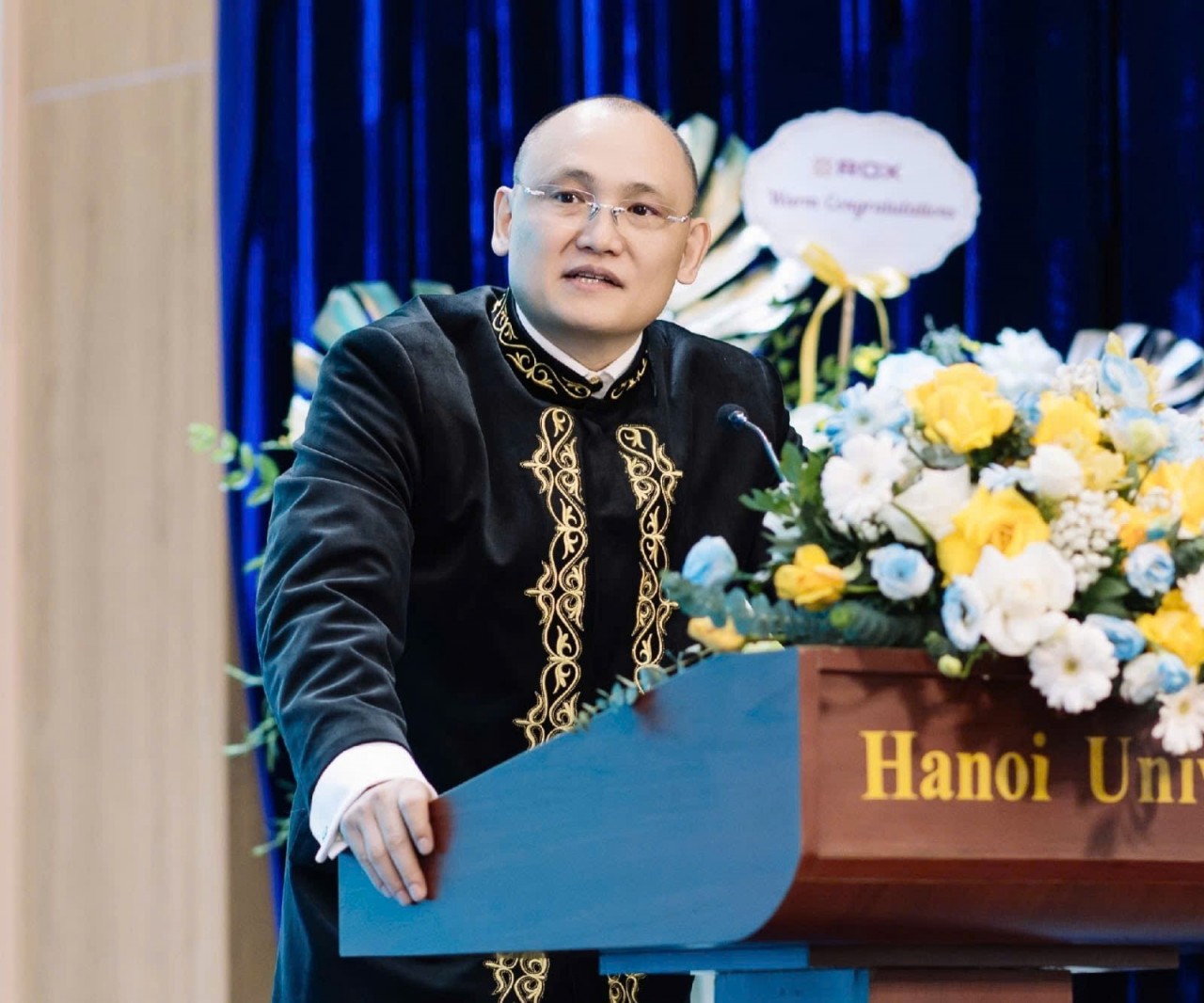 |
| Kanat Tumysh, Ambassador of the Republic of Kazakhstan to Vietnam. (Photo: Embassy of Kazakhstan in Vietnam) |
The upcoming elections for the National Assembly and People’s Councils at all levels clearly demonstrate Vietnam’s commitment to ensuring that the voices and aspirations of the people are heard. This contributes to strengthening social consensus, enhancing the legitimacy of the policymaking process, and creating a solid foundation for Vietnam to maintain political stability while continuing to promote sustainable socio-economic development in the new period.
Kazakhstan shares a similar perspective on the importance of encouraging citizens to participate in major national decisions. Kazakhstan will also hold a nationwide referendum on March 15 regarding a draft new Constitution, reflecting the country’s commitment to increasing public participation in national governance.
In Vietnam, members of the National Assembly play an important role in building and improving a transparent and stable legal system that aligns with the trends of international integration. This contributes to creating a favorable environment for trade, investment, and international cooperation activities. From the perspective of international partners, including Kazakhstan, Vietnam’s political and social stability constitutes an important foundation for promoting long-term cooperation, particularly in the fields of economy, trade, and investment.
We expect that the 16th National Assembly of Vietnam will continue to improve the legal framework while strengthening parliamentary diplomacy in order to support the development of Kazakhstan-Vietnam relations. This will provide additional momentum for cooperation in areas such as the economy, trade, transport, and people-to-people exchanges between the two countries. In particular, I believe that the two sides still have significant potential for cooperation in fields such as energy, agriculture, tourism, cultural exchanges, as well as logistics through the trans-Eurasian transport corridor.
Cheng Yi, General Director of Van Phuong International Business Services Co., Ltd. (Vietnam), Visiting Professor at the Artificial Intelligence Academy - Guangxi Minzu University:
 |
| Cheng Yi, General Director of Van Phuong International Business Services Co., Ltd. (Vietnam), Visiting Professor at the Artificial Intelligence Academy - Guangxi Minzu University. (Photo: Courtesy of the interviewee) |
As someone who has spent many years working and cooperating in Vietnam in fields such as economics, culture, media, and international connectivity, I always pay special attention to major political events in Vietnam, including National Assembly elections. Through following and directly observing the preparations for the 2026 elections, I clearly sense the solemn yet also very approachable and vibrant atmosphere of a “festival of the people.”
In many localities, from residential communities to offices and schools, communication activities about the elections have been carried out in a lively manner. What impresses me most is the active participation of the people. They do not view it merely as a civic duty but also as an event that carries significance for the country’s future development. From the perspective of a foreign observer, I can feel the genuine public interest in selecting representatives who will reflect the voices and aspirations of the people.
One particularly noteworthy aspect of this election is the strong application of digital technologies in its organization and communication efforts. The use of QR codes to access election information, digital platforms such as VNeID to help voters update their data, and the connection of the voter database with the National Population Database demonstrate that Vietnam is gradually modernizing its public administration processes. From my observation, these solutions not only enhance transparency and efficiency in election organization but also make it easier and faster for citizens to access information.
I am also particularly interested in the way Vietnam combines technology with creative communication. The use of artificial intelligence-generated videos, youth-friendly communication formats on social media, and digital election support stations organized by youth union members reflect a very open-minded approach to integrating technology into political and social life. As someone working to promote cooperation in artificial intelligence and technology between Vietnam and China, I believe these models clearly reflect Vietnam’s strong digital transformation orientation in governance and public services.
From the perspective of international cooperation, I see Vietnam as steadily building a development environment that is increasingly transparent, stable, and modern. This is meaningful not only for the country’s domestic political life but also for building confidence among international partners who cooperate with and invest here. For me, witnessing this process of development further strengthens my desire to continue promoting cultural exchanges, media collaboration, and technological cooperation between the two countries.
I believe that with the active participation of the people and the increasingly effective application of technological achievements, election day in Vietnam will not only be an important political event but will truly become a democratic festival, reflecting the spirit of solidarity and the aspiration for development of Vietnamese society in the new period.
John Sikorski (US), Manager & English Teacher Trainer at Washington English Center:
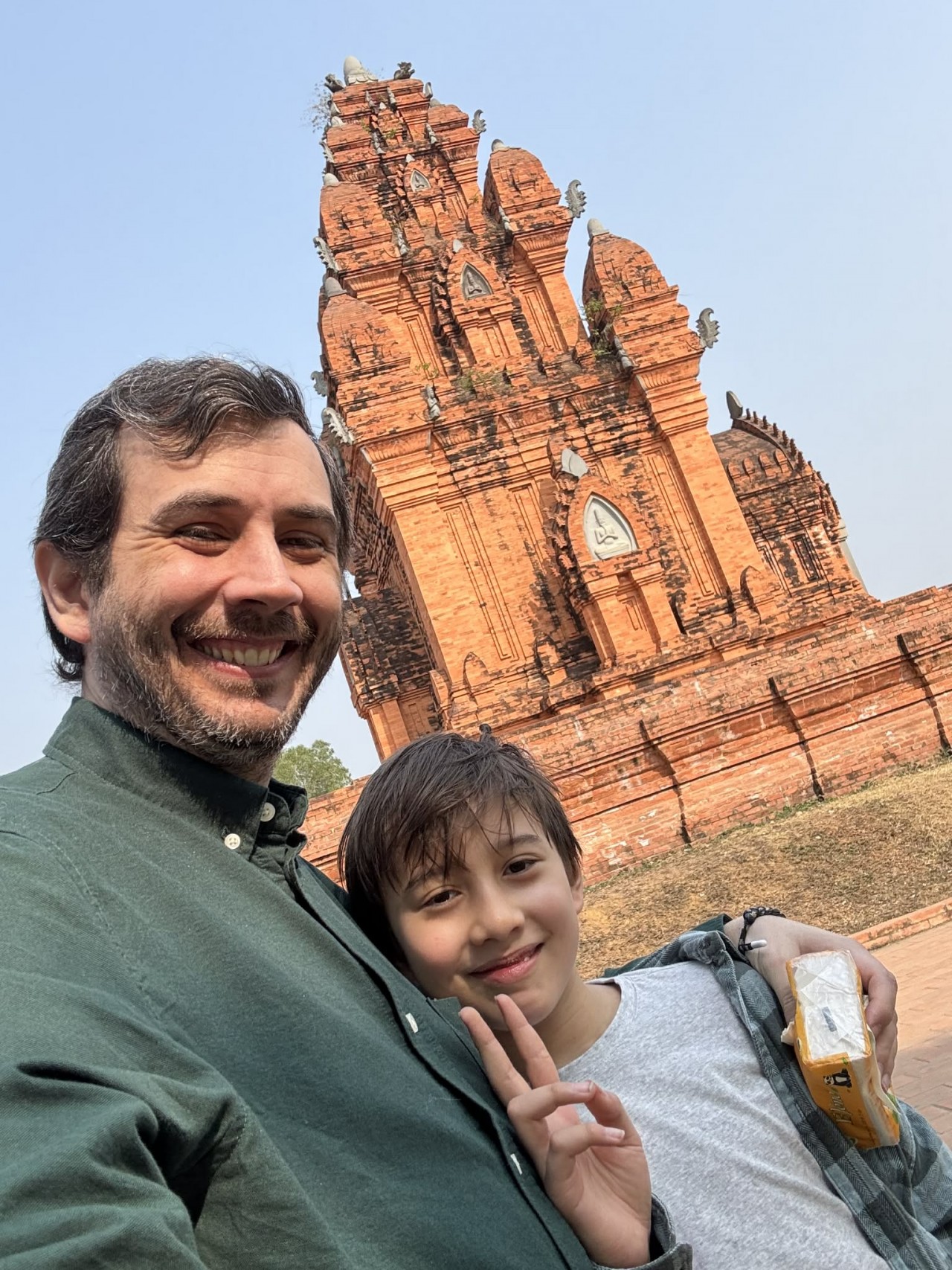 |
| John Sikorski and his son. (Photo: Courtesy of the interviewee) |
I have spent some time reflecting on my years living in Vietnam and the limited things I have heard about political life here. For the most part, I have remained somewhat outside political discussions. People around me seem more interested in talking about international issues or political developments in the region and around the world rather than domestic political matters. This gives me the impression that everyday life here is not overly influenced by intense political debates, as can be the case in some other countries.
However, I still remember one conversation with my wife about this topic. She said that Vietnamese people do not often talk about politics. From that conversation, I came away with the sense that in Vietnam, things appear to be much more stable, with fewer worries or uncertainties about the direction of the government.
When I look at the fact that Vietnam continues to develop and move forward in a positive direction, this seems entirely reasonable to me. That stability appears to create a favorable environment for the country to focus on growth, improve people’s living standards, and expand opportunities for the future. From my perspective, it is precisely this sense of stability and clear development direction that contributes to confidence in the path Vietnam is pursuing.
 | VNeID Supports Voters in Looking Up Polling Stations and Candidate Lists On March 8, the Department of Administrative Management of Social Order (C06) under the Ministry of Public Security announced that, in addition to checking polling ... |
 | Dr. Michael Parsons (Australia): Election Day in Vietnam Has Festival-like Atmosphere Having lived and worked in Hanoi for many years, Dr. Michael Parsons (Australia) has had the opportunity to directly observe elections in Vietnam. According to ... |
Related Stories
 National
Hanoi Announces 125 Elected Members of 17th Municipal People’s Council
 National
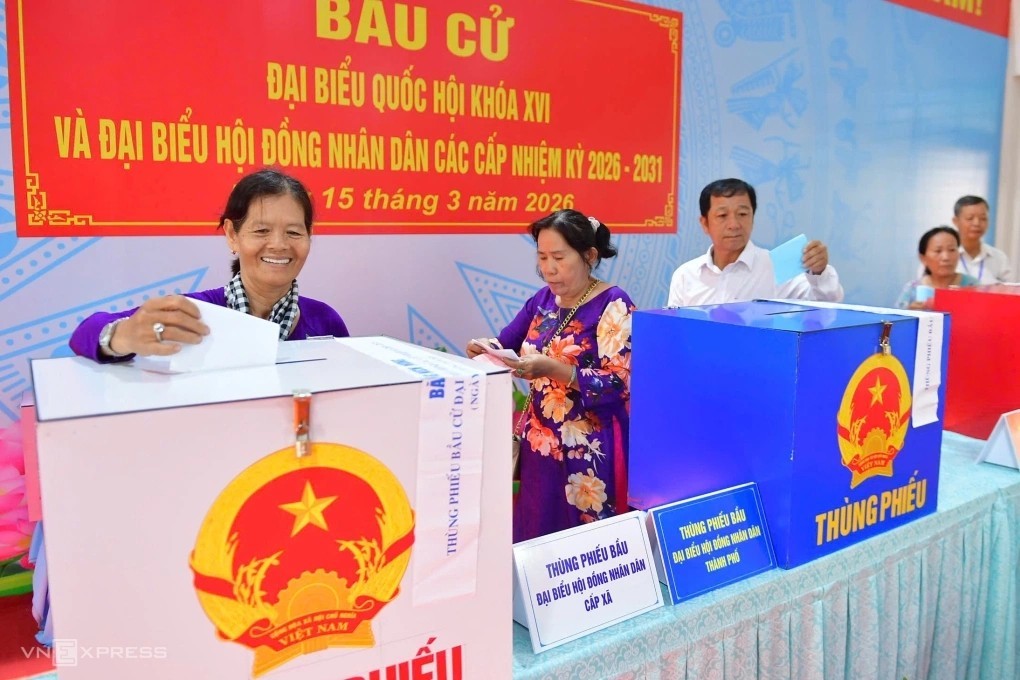
99.68% Voter Turnout Reflects Strength of National Unity
Recommended
 Friendship
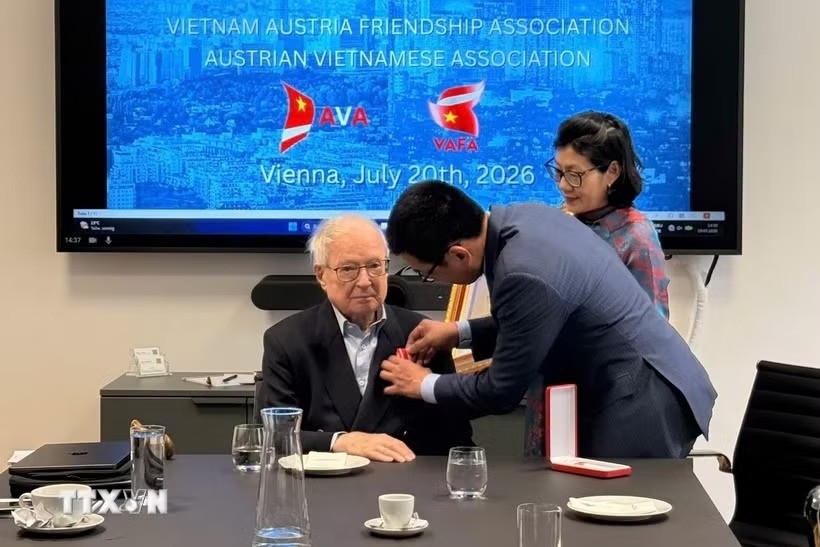
Friendship Order Conferred on Peter Jankowitsch and Austria-Vietnam Society
 Friendship
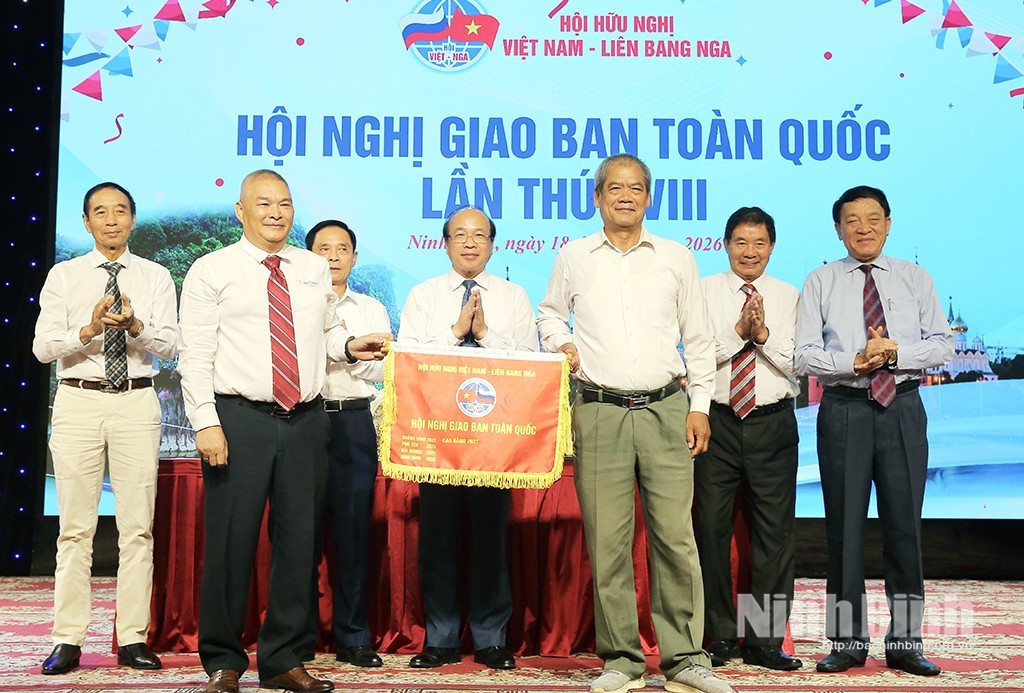
Vietnam-Russia Friendship Association to Consolidate Local Chapters Following Administrative Merger
 Friendship
Vietnam-Germany Friendship Association Advances Cooperation Agreement to Strengthen People-to-People Ties
 Friendship
Hai Phong Mobilizes Over USD 1.36 Million in Non-Governmental Aid
 Friendship
Quang Ninh and Hanoi Friendship Unions of Friendship Organizations Strengthen Cooperation in People-to-People Diplomacy
 Friendship
Vietnam and Greece Promote Substantive and Effective Cooperation
 Friendship
“Encountering the Japanese Language in My Youth Was the Greatest Blessing of My Life”
 Friendship