
People-to-People Diplomacy in New Era: From Party’s Guidelines to Breakthrough Solutions for Enhancing Practical Effectiveness
 | Le Kim Toan Elected President of the Gia Lai Union of Friendship Organizations for 2026-2031 Term |
| Legacy of Ambassador Jigjee Sereejav in Viet Nam-Mongolia Relations |
The event was an important activity serving the five-year review of the implementation of Directive No. 12-CT/TW issued by the Party Central Committee’s Secretariat on strengthening the Party’s leadership and improving the effectiveness of people-to-people diplomacy in the new context. It also provided additional practical foundations for the scientific research projects “A study of people-to-people diplomacy activities around the world in the new context and recommendations for Vietnam” conducted by the Vietnam Union of Friendship Organizations, and “Vietnam’s people-to-people diplomacy in the new era: issues and solutions” undertaken by the Ministry of Foreign Affairs.
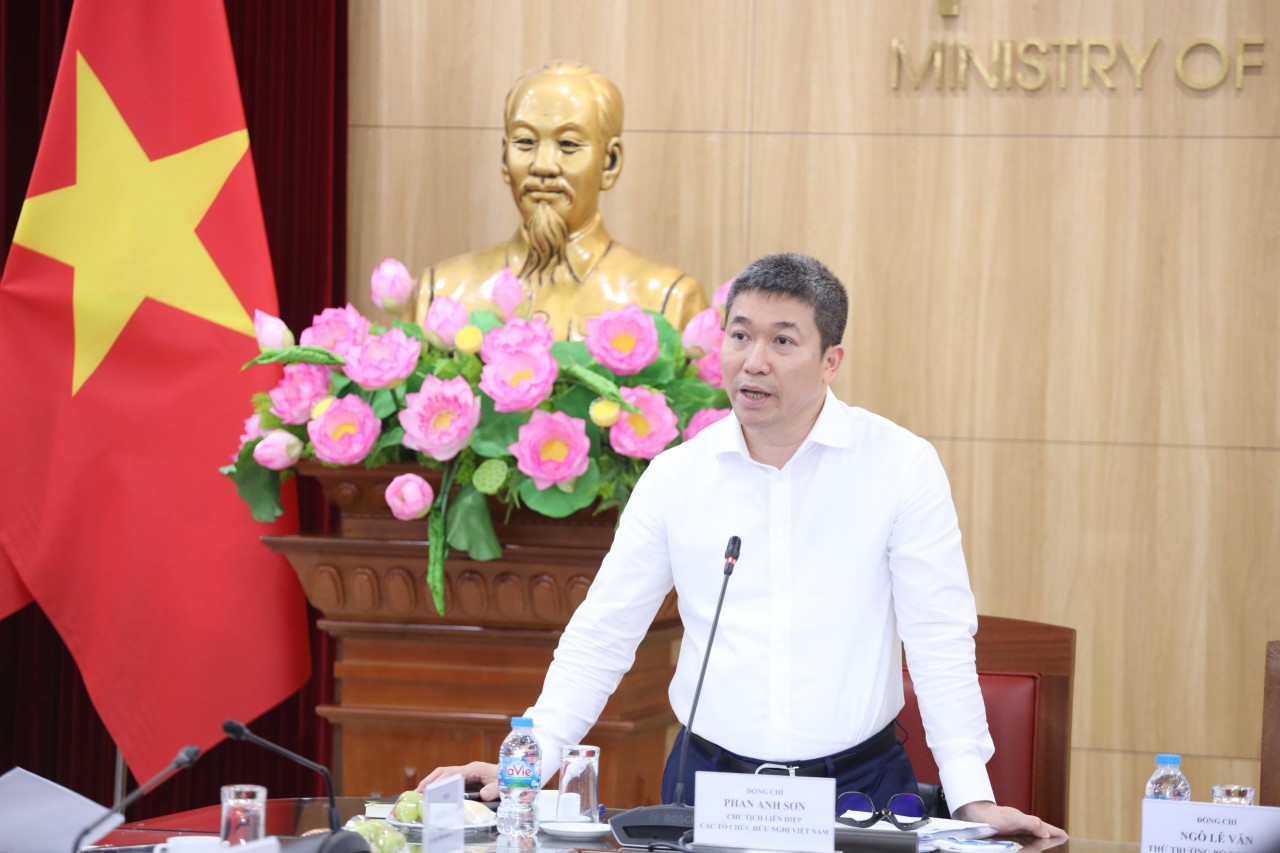 |
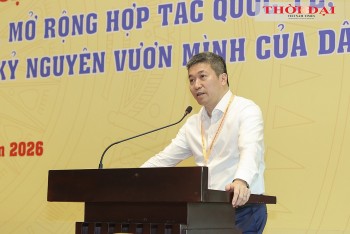
| President of the Vietnam Union of Friendship Organizations Phan Anh Son delivered remarks at the seminar. |
The seminar was co-chaired by President of the Vietnam Union of Friendship Organizations Phan Anh Son, and Deputy Minister of Foreign Affairs Ngo Le Van, with the participation of more than 100 delegates, including scholars, in-depth researchers, and representatives of the Vietnam Fatherland Front, socio-political organizations, and mass organizations at the central level.
In his opening remarks, Deputy Minister Ngo Le Van emphasized that amid increasingly complex global developments, intensifying strategic competition, and major shifts in global development trends, people-to-people diplomacy must continue to affirm its role as one of the three pillars of Vietnam’s comprehensive, modern, and professional diplomacy. Against this backdrop, the seminar focused on discussing major issues such as renewing thinking and methods in implementing people-to-people diplomacy; enhancing the effectiveness of participation in multilateral mechanisms; external information work in the digital space; promoting the role of overseas Vietnamese communities; mobilizing international resources for development; strengthening coordination among forces engaged in people-to-people diplomacy; and improving related mechanisms and policies. In particular, the seminar stressed the need to propose breakthrough and feasible solutions aligned with the requirements for implementing the foreign policy orientation of the 14th National Party Congress, thereby helping create a favorable international environment for the country’s rapid and sustainable development.
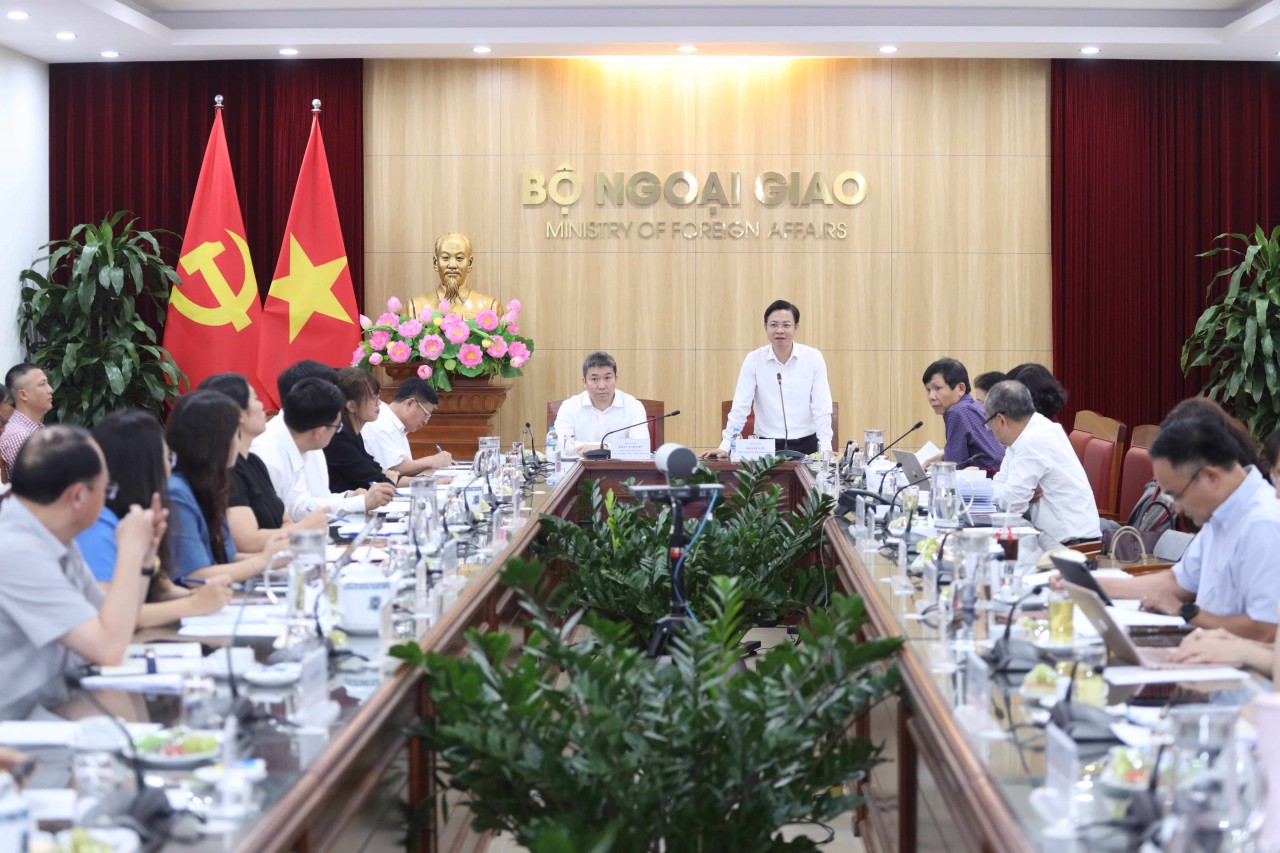 |
| The scientific seminar themed “People-to-people diplomacy in the new era: From the Party’s guidelines to breakthrough solutions for enhancing practical effectiveness.” |
Delegates conducted in-depth analyses of the current international context, characterized by fierce strategic competition, non-traditional security challenges, and shifts in global development trends. The seminar reached a consensus that people-to-people diplomacy must undergo strong innovation in terms of mindset, content, and implementation methods in order to meet the demands of the new era. In particular, there is a need to shift from a mindset of merely “participating” to one of “proactively contributing, creating, and shaping,” while closely linking diplomatic activities with the country’s strategic development goals such as digital transformation, innovation, and safeguarding national interests. Today, people-to-people diplomacy goes beyond friendly exchanges and has become an effective means of enhancing national soft power.
To realize these goals, the seminar proposed a number of breakthrough solutions, including improving the quality of research, strategic advisory work, and training and capacity-building for personnel engaged in people-to-people diplomacy; increasing the participation of people’s organizations in multilateral mechanisms; renewing the content and methods of external information work; promoting the guiding and coordinating role of the Vietnam Fatherland Front; and expanding the role of people-to-people diplomacy in such areas as economic diplomacy, science and technology, and culture.
President of the Vietnam Union of Friendship Organizations Phan Anh Son and Deputy Minister of Foreign Affairs Ngo Le Van highly appreciated the presentations and discussions delivered by scholars and practitioners in the field of people-to-people diplomacy at the seminar. They affirmed that the seminar was successful in bringing together numerous experts in the field, contributing valuable intellectual input to advise the Party and the State on emerging issues related to people-to-people diplomacy in the new era.
President of the Vietnam Union of Friendship Organizations Phan Anh Son emphasized that Directive No. 12-CT/TW has created important political foundations that both ensure the Party’s comprehensive leadership and define the role of people-to-people diplomacy, while expanding the scope of activities in this field. Based on the implementation of Directive No. 12, people-to-people diplomacy has undergone significant changes and achieved many positive and comprehensive results across various areas, although a number of limitations and difficulties have also emerged. However, inadequate awareness among some ministries, sectors, and localities regarding the role and position of people-to-people diplomacy, along with shortcomings in institutions and coordination mechanisms, and especially limitations in the mindset and capacity of a portion of officials engaged in people-to-people diplomacy, have failed to keep pace with the rapid changes in the international landscape. In the face of the new domestic and international context, and with the strong attention of Party and State leaders, people-to-people diplomacy must undergo robust transformation, fully promoting its role as a pillar of Vietnam’s comprehensive, modern, and professional diplomacy. Together with Party diplomacy and State diplomacy, it must effectively carry out the key and regular tasks of the country’s foreign affairs and international integration efforts.
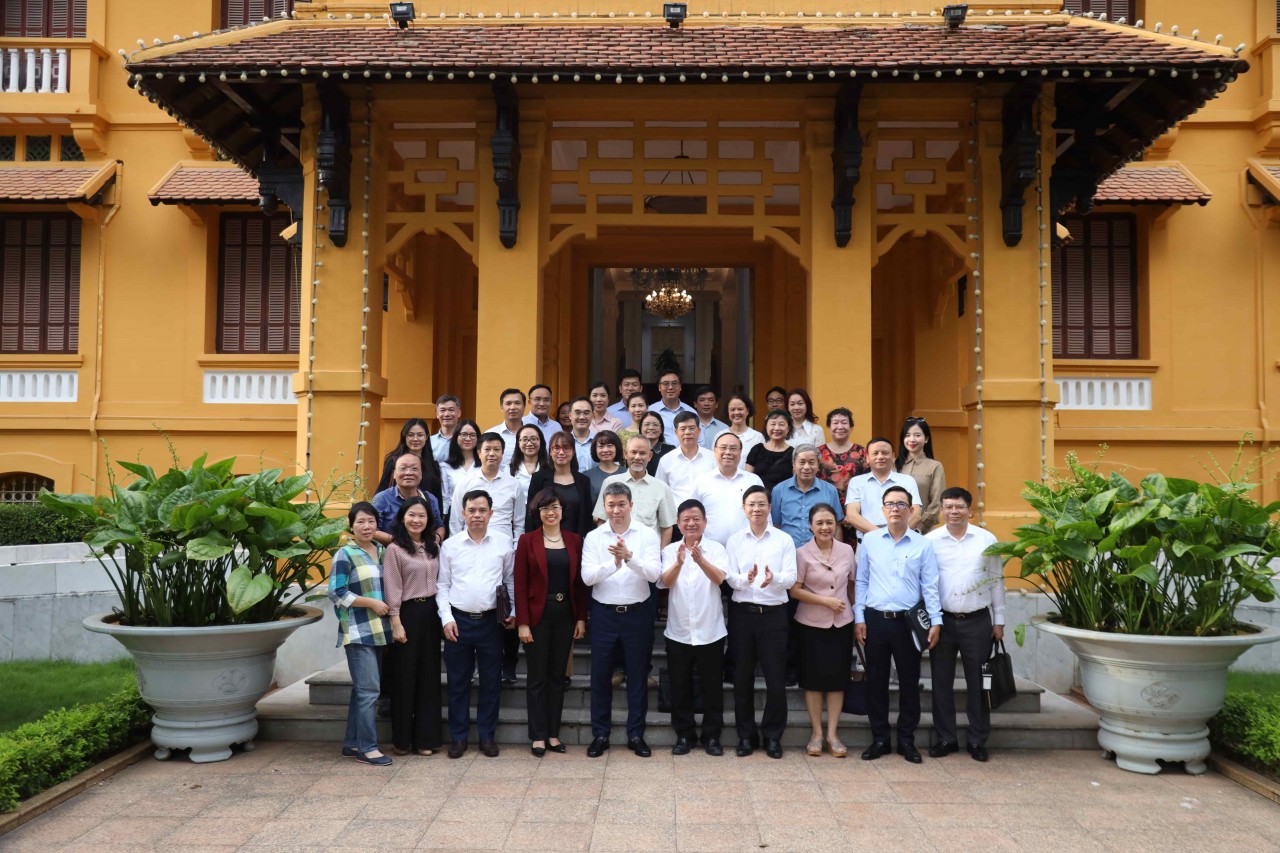 |
| Delegates pose for a group photo following the seminar. |
Deputy Minister Ngo Le Van affirmed that the seminar was successful in providing important scientific foundations for research and advisory work to support Party and State leaders in issuing directives, developing legal frameworks, and raising awareness among sectors and authorities at all levels. These efforts will create favorable conditions for people-to-people diplomacy to maximize its “soft power” in building a favorable social foundation, fostering political trust, and strengthening international connectivity in service of national construction and development. He stressed the need to enhance awareness throughout the political system regarding people-to-people diplomacy, as well as its role and responsibilities, expressing confidence that with close coordination among agencies, ministries, sectors, and people’s organizations, people-to-people diplomacy will make strong progress and contribute meaningfully to the cause of national construction and defense in the new era. Deputy Minister Ngo Le Van also acknowledged recommendations related to mechanisms, policies, and benefits for officials engaged in people-to-people diplomacy, with a view to further research and institutionalization in order to create more favorable conditions for them to fulfill their tasks effectively.
| At the seminar, delegates from the Vietnam Union of Friendship Organizations participated in discussions on key aspects of current people-to-people diplomacy through three themes: “People’s movements and social movements around the world and several recommendations for Vietnam’s people-to-people diplomacy” (Vice President Dong Huy Cuong); “Solutions to expand, renew, and deepen relations with partners of Vietnamese people’s organizations in the new context” (Dr. Nguyen Nang Khieu, Director General of the Americas Department); and “From aid mobilization to development partnership building: The role of people-to-people diplomacy in mobilizing international resources for development” (Do Thi Kim Dung, Deputy Director General of the People’s Aid Coordinating Committee). |
 | Party General Secretary, State President To Lam Receives President of India-Vietnam Friendship Association As part of his State visit to the Republic of India, on the afternoon of May 6 in New Delhi, Party General Secretary and State ... |
 | Proposal to Enhance Overseas Vietnamese Resources and Improve Effectiveness of People-to-People Diplomacy On May 11, at Discussion Center No. 4 of the 11th National Congress of the Vietnam Fatherland Front (VFF) for the 2026-2031 term, delegates proposed ... |
Most read
Related Stories
 Focus
Focus
Ambassador Choi Young Sam Awarded “For Peace and Friendship Among Nations” Medal
 Friendship
Commemorating 47th Anniversary of Triumph of Sandinista People's Revolution: Expanding Vietnam-Nicaragua People-to-People Exchanges
 Seas and islands
Vietnam Reaffirms Goodwill in Adhering to 1982 UNCLOS
 Viet's Home
Ca Mau Enhances Capacity of Officials to Effectively Mobilize International Aid
Recommended
 Friendship
Friends of Project RENEW Continues Supporting War Consequence Remediation Efforts in Viet Nam
 Focus
Focus
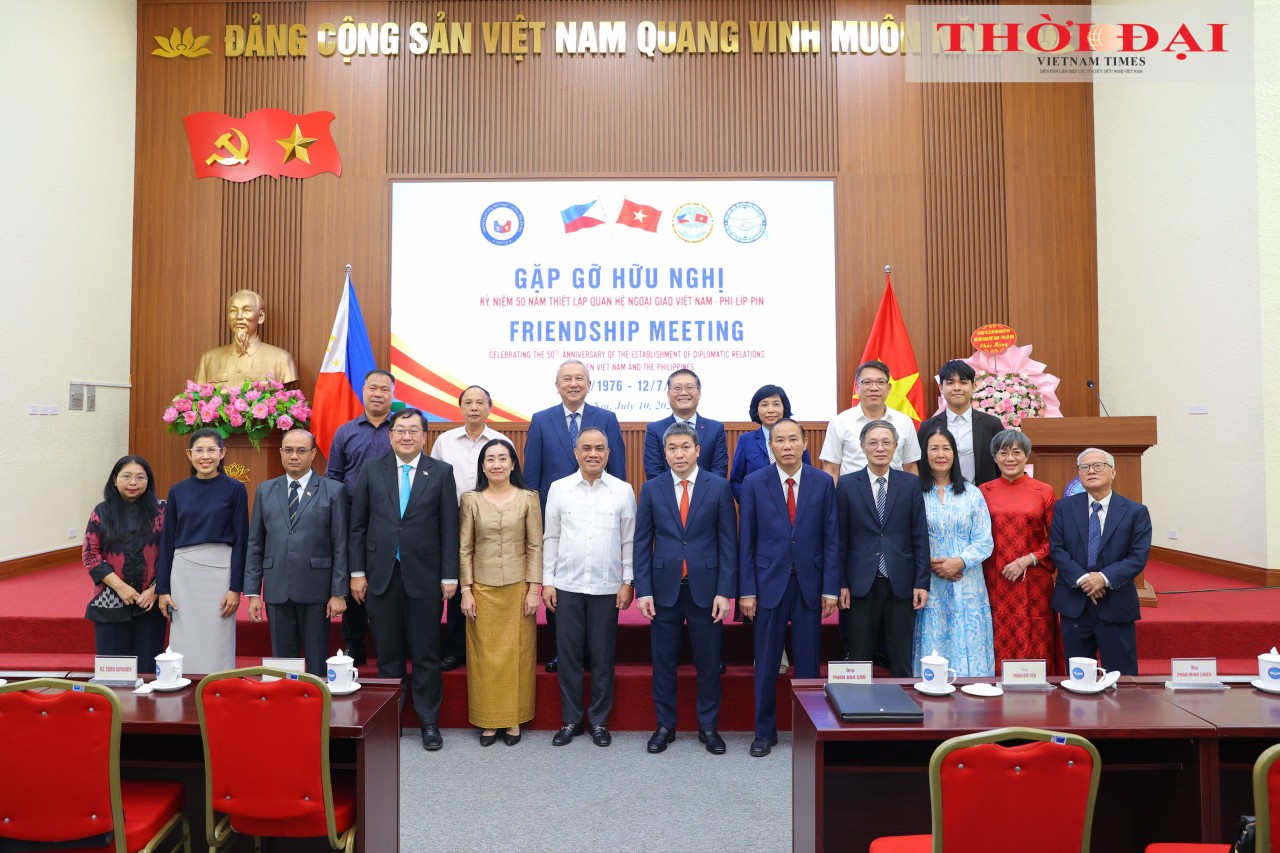
Three Priorities for Advancing Viet Nam-Philippines People-to-People Relations
 Friendship
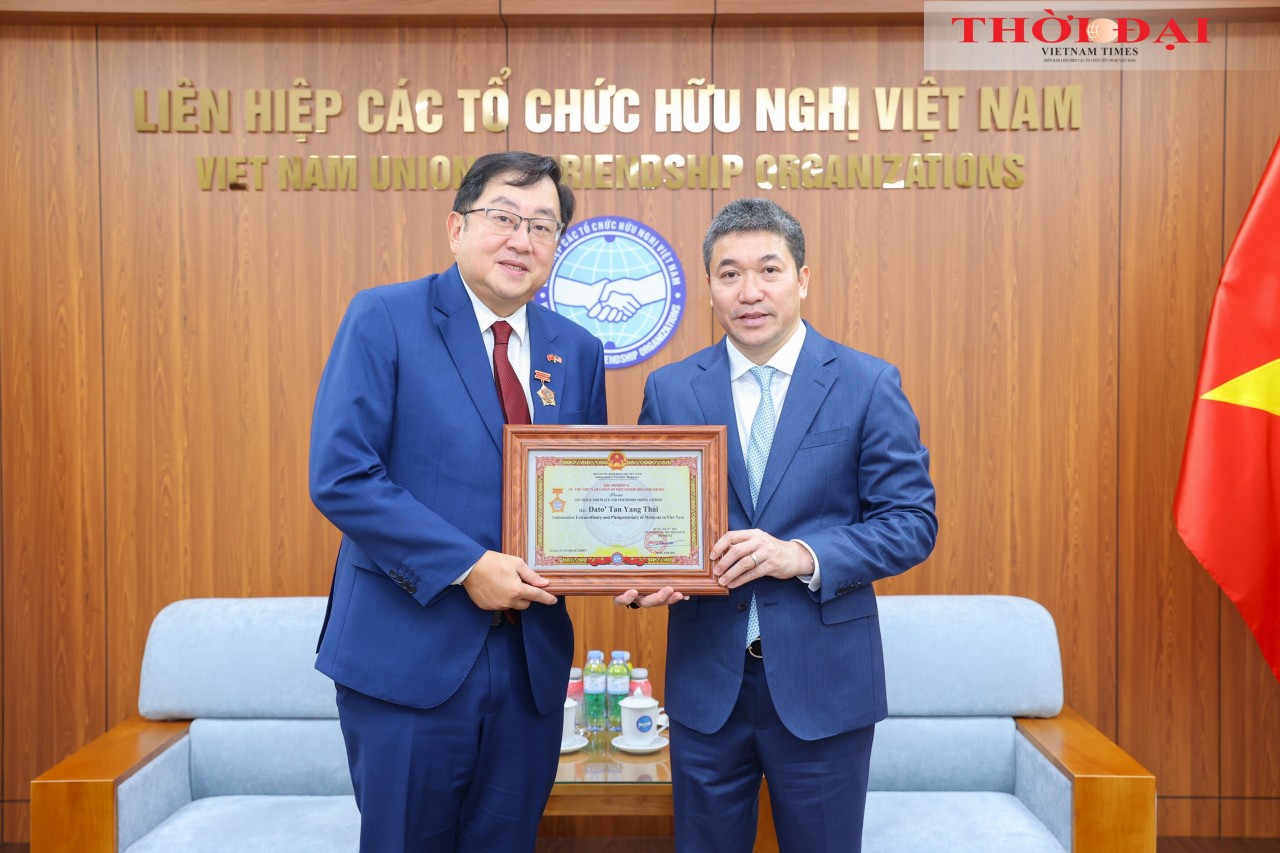
Malaysian Ambassador Dato' Tan Yang Thai - "Ambassador of Compassion"
 Friendship
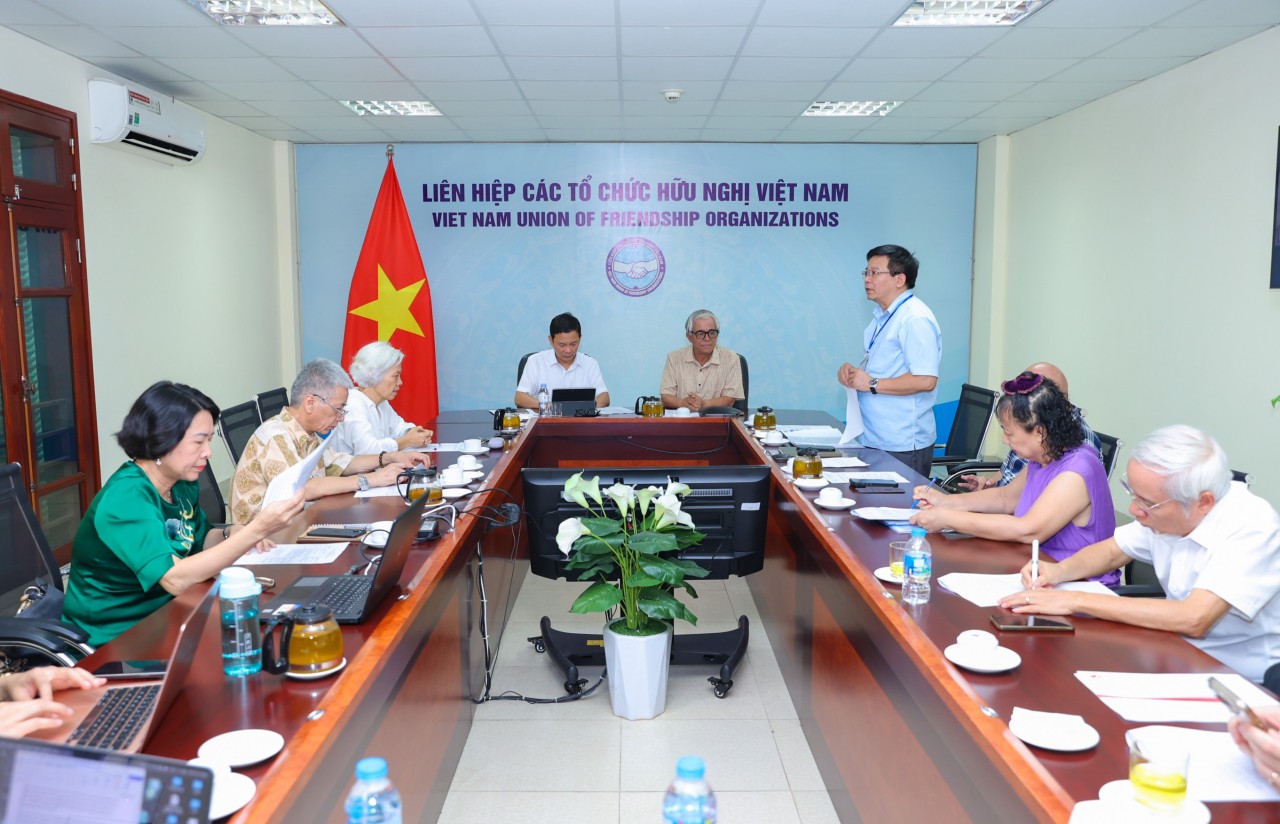
Vietnam-USA Society Expands Partner Network, Promotes Bilateral Cooperation
Popular article
 Focus
Focus
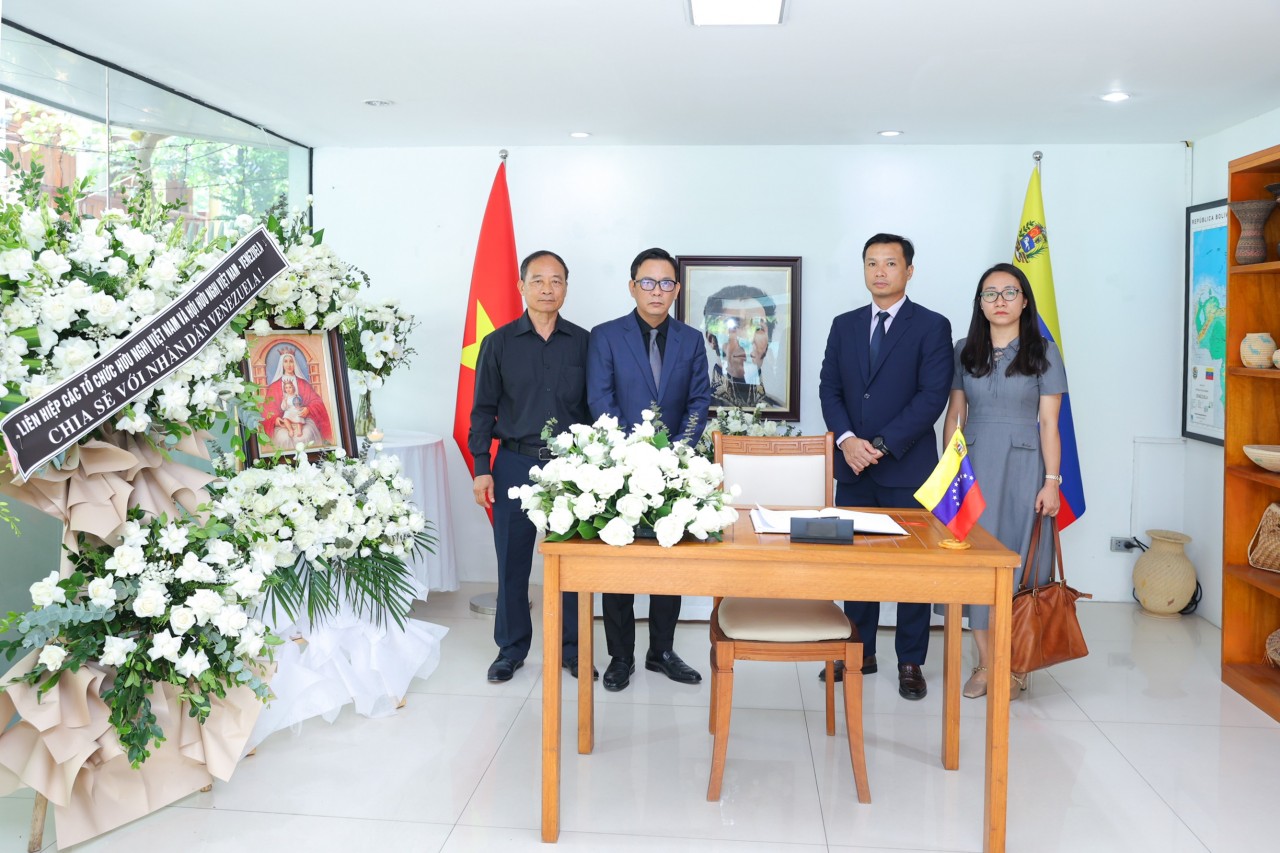
Viet Nam Union of Friendship Organizations Signs Condolence Book in Memory of Venezuela Earthquake Victims
 Focus
Focus
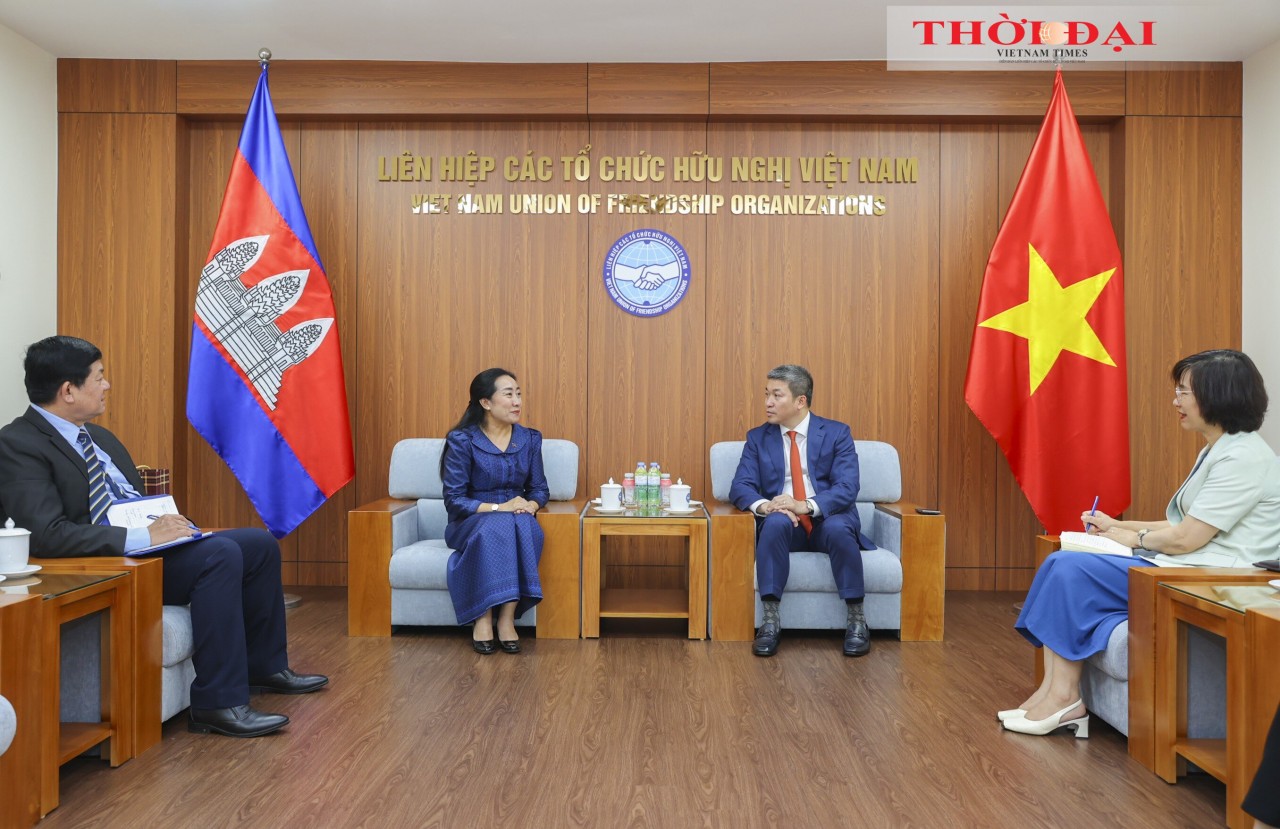
People-to-People Diplomacy Remains Pillar of Vietnam-Cambodia Relations
 Focus
Focus
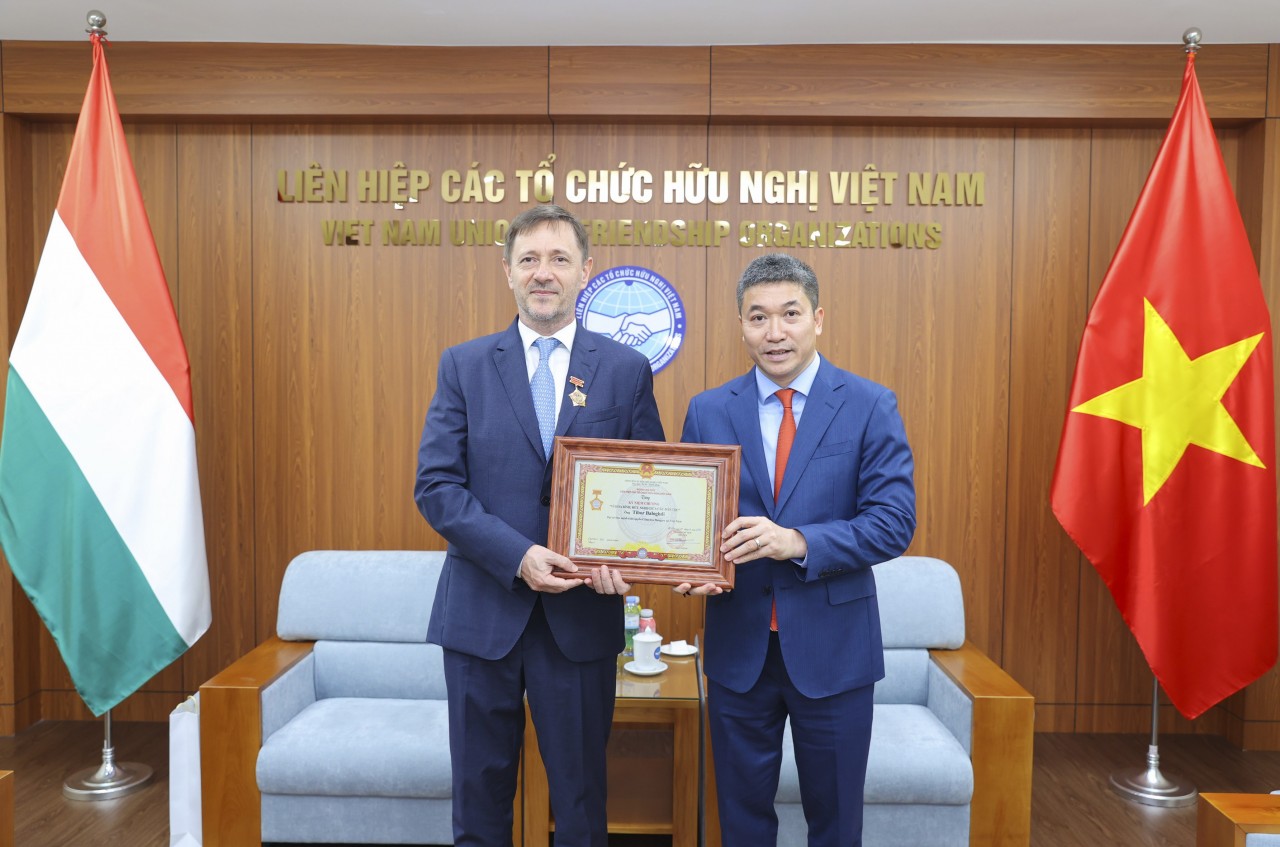
Hungarian Ambassador to Vietnam Receives “For Peace and Friendship among Nations” Medal
 Friendship