| Vietnam News Today (July 18) notable headlines Vietnam–Greece ties still hold considerable untapped potential: PM Vietnam, IAEA expand cooperation in peaceful nuclear applications EVFTA supports strong growth in Vietnam-Nordic trade Vietnam to host Southeast Asia's first International AI Olympiad Heavy rain to continue in northern Vietnam, Hanoi to see more showers People-to-people, cultural connectivity forms bedrock of Vietnam–Thailand friendship Vietnam's economy needs to shift from quantity to quality: ADB experts Identifying fallen soldiers a sacred responsibility towards Fatherland: Top leader Vietnamese Party official visits China’s Chongqing, seeking to enhance bilateral cooperation |
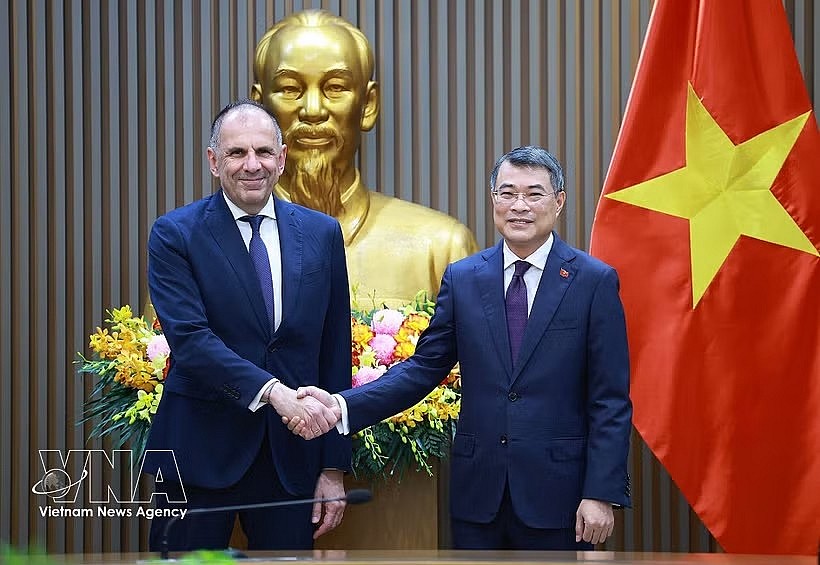 |
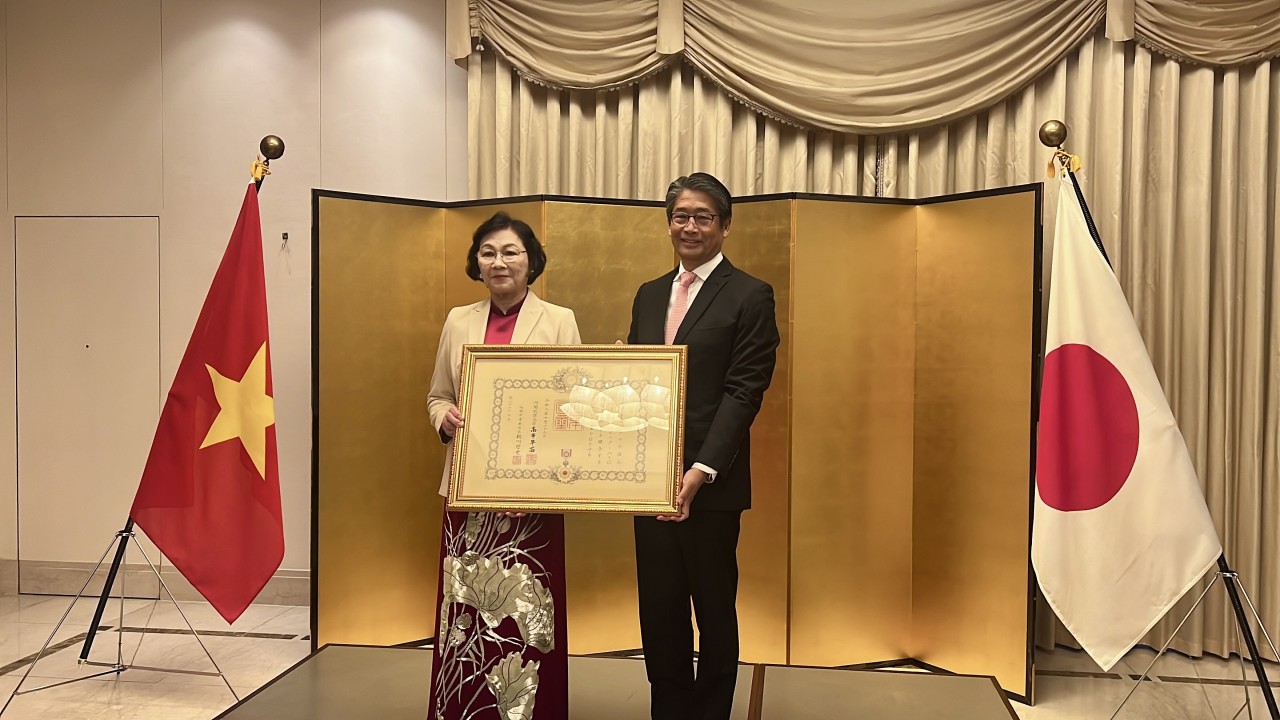
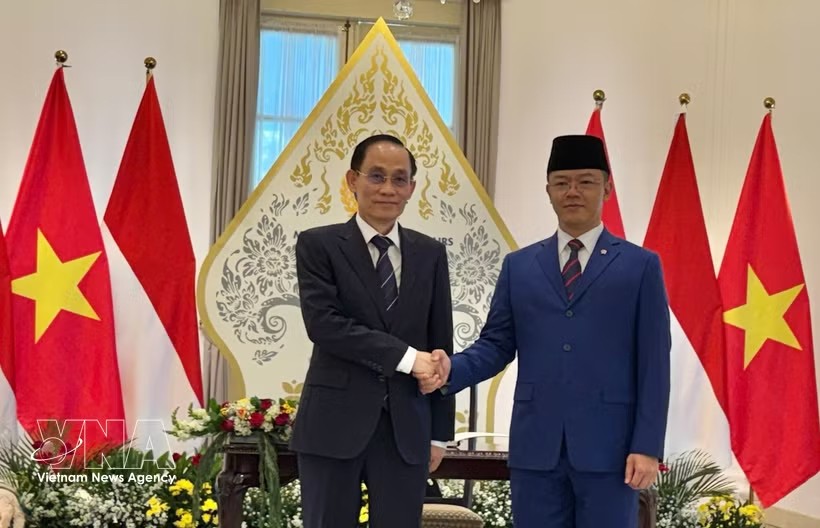
| Prime Minister Le Minh Hung (R) receives Greek Minister of Foreign Affairs George Gerapetritis in Hanoi on July 17. (Photo: VNA) |
Vietnam–Greece ties still hold considerable untapped potential: PM
Prime Minister Le Minh Hung has stated that Vietnam always attaches great importance to its relationship with Greece, describing the European nation as a traditional partner and noting that bilateral ties still hold considerable untapped potential.
The PM made the remarks while receiving Greek Minister of Foreign Affairs George Gerapetritis, who is on an official visit to Vietnam, in Hanoi on July 17.
Welcoming the visit, PM Hung expressed confidence that it will further deepen the traditional friendship between the two countries while also contributing to the enhancement of the Vietnam–European Union (EU) Comprehensive Strategic Partnership.
He recommended that the two sides step up all-level exchanges and meetings, especially those at high level, make full use of the existing cooperation mechanisms, expand collaboration in the economy, trade and investment, and effectively implement the EU–Vietnam Free Trade Agreement (EVFTA).
PM Hung also called for stronger business-to-business links and broader cooperation in areas where Greece has strengths in, including the maritime economy, seaports, shipping, logistics, shipbuilding, maritime workforce training, renewable energy, and science – technology.
Vietnam stands ready to facilitate Greek businesses' long-term investment and exploration of opportunities in its market, the Government leader affirmed.
He expressed the hope that Greece will continue to encourage the remaining EU member states to ratify the EU–Vietnam Investment Protection Agreement (EVIPA) at an early date, while supporting the European Commission (EC)'s removal of the "yellow card" warning on Vietnamese seafood over illegal, unreported and unregulated (IUU) fishing.
PM Hung also urged the early completion of legal frameworks for bilateral joint work, including agreements on maritime transport, labour and economic cooperation, and called for closer collaboration in culture, education, heritage conservation, people-to-people exchanges and local-level partnerships. He suggested the two sides consider a direct air route between Vietnam and Greece, cited VNA.
On the occasion, he asked Greece to continue creating favourable conditions for the Vietnamese community there, enabling them to further serve as a bridge linking the two countries.
For his part, Gerapetritis praised Vietnam's impressive socio-economic achievements, its growing role within the Association of Southeast Asian Nations (ASEAN), and the steady progress in Vietnam–EU relations.
He reaffirmed that Greece highly values its ties with Vietnam and is ready to act as a bridge to further strengthen relations between the Southeast Asian country and the EU.
Agreeing with his host's suggestions, the minister said Greece is keen to expand cooperation with Vietnam in trade, investment, maritime affairs, logistics, seafarer training, agriculture, tourism and pharmaceuticals. He also announced plans to send a business delegation to Vietnam to explore investment and partnership opportunities.
The official also proposed the two countries enhance cooperation in labour, student exchanges, culture and archaeology. He underscored Greece's support for the EVIPA, the early removal of the EC's "yellow card", and the EU's efforts to remove Vietnam from its list of non-cooperative jurisdictions for tax purposes.
At the meeting, the two sides agreed to strengthen coordination and mutual support at the United Nations and other multilateral forums, and promote ASEAN–EU relations.
They reaffirmed the importance of maintaining peace, stability, security, safety, and freedom of navigation and overflight, as well as the need to settle disputes through peaceful means in accordance with international law, particularly the 1982 United Nations Convention on the Law of the Sea (UNCLOS).
Vietnam, IAEA expand cooperation in peaceful nuclear applications
Vietnam’s cooperation with the International Atomic Energy Agency (IAEA) has underscored the vital role of nuclear science and technology in addressing practical development challenges, from protecting water resources and strengthening food security to developing standards for industry and healthcare.
Vietnam is implementing 19 cooperation projects with the IAEA in different areas, including agriculture, healthcare, nuclear safety and security, and physical and chemical sciences. The initiatives demonstrate how nuclear technologies can contribute to socio-economic development.
Since becoming a member of the IAEA since 1957, Vietnam has actively participated in most international conventions under the agency’s framework.
Najat Mokhtar, IAEA Deputy Director General and Head of the Department of Nuclear Sciences and Applications, said Vietnam - IAEA cooperation reflects the sustained efforts of generations of Vietnamese scientists to harness nuclear science and technology for socio-economic development.
She also reaffirmed the agency’s commitment to supporting Vietnam in ensuring the safety and security of the peaceful use of atomic energy, while encouraging the country to engage more actively in IAEA initiatives.
Between 2018 and 2023, the IAEA directly supported 17 national projects in Vietnam, while the country also joined 67 regional and interregional projects under the Regional Cooperative Agreement (RCA) and other cooperation frameworks. The cooperation helped strengthen Vietnam's human resources, enhance its nuclear safety and security infrastructure, and advance the application of nuclear techniques for socio-economic development.
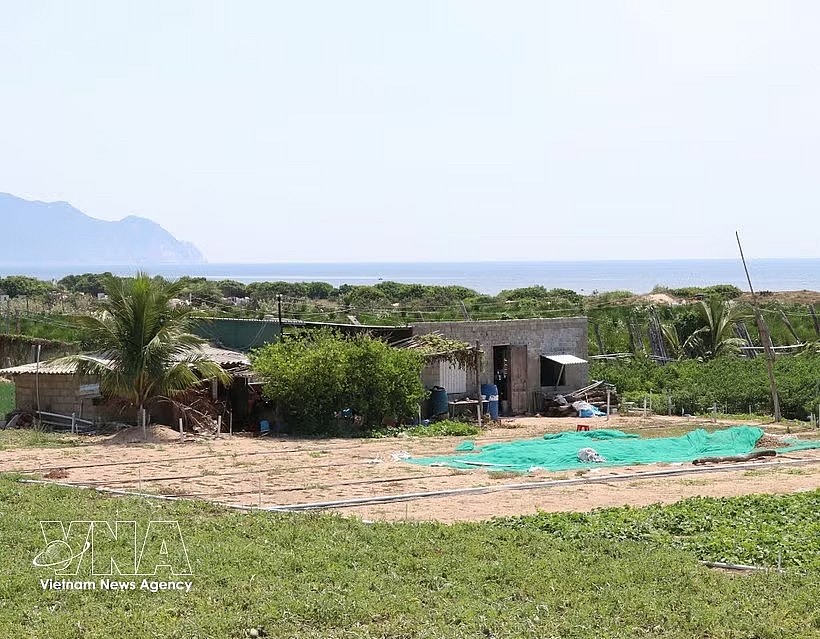 |
| A site for constructing Ninh Thuan 2 Nuclear Power Plant in Thai An village, Vinh Hai commune, Khanh Hoa province. (Photo: VNA) |
Since 2023, the IAEA and the Vietnam Atomic Energy Institute (VINATOM) have worked together to assess and monitor marine pollution and climate change impacts along Vietnam’s coastline. The project supports the protection of fisheries resources, safeguards coastal livelihoods and improves early detection of marine pollution.
Minister of Science and Technology Vu Hai Quan said Vietnam places great importance on the development of nuclear science and technology, viewing it as one of the key pillars of the national energy structure. He noted that nuclear science and technology has delivered tangible benefits in agriculture, water resource monitoring, industry, healthcare, and standardization of measurement systems.
According to VINATOM President Tran Chi Thanh, Vietnam is expanding the use of radiation technologies in cancer treatment, mutation breeding for crop development, food irradiation and sterile insect techniques to control pests affecting fruits such as lychee and dragon fruit. The institute is also promoting research cooperation to broaden nuclear technology applications for socio-economic development.
VINATOM is a long-standing member of the IAEA’s Analytical Laboratories for the Measurement of Environmental Radioactivity (ALMERA) network. In 2026, VINATOM’s Nuclear Research Institute assumed a new role in a regional project to train laboratories across Asia-Pacific to apply harmonised advanced techniques for measuring radioactivity in seawater, helping ensure reliable environmental monitoring and coordinated responses to pollution incidents, according to VNA.
Nguyen Hoang Linh, Director of the Vietnam Agency for Radiation and Nuclear Safety under the Ministry of Science and Technology, said the IAEA’s support is particularly important as Vietnam implements its strategy for the peaceful use of atomic energy through 2035 with a vision to 2050, develops the Ninh Thuan 1 and Ninh Thuan 2 nuclear power projects, and builds a nuclear science and technology research centre.
Vietnam and the IAEA have signed the Country Programme Framework (CPF) for technical cooperation in developing atomic energy applications for 2022–2027. The two sides are preparing the next cooperation framework, focusing on practical, feasible and priority programmes that deliver tangible benefits.
EVFTA supports strong growth in Vietnam-Nordic trade
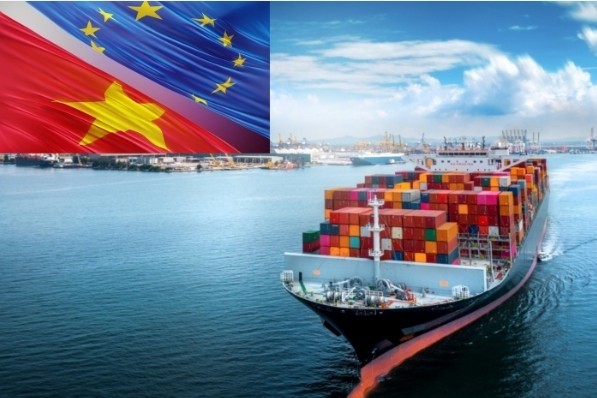
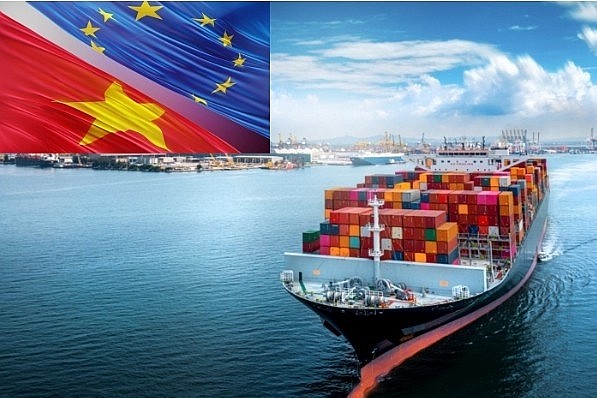
Vietnam's exports to Sweden, Denmark, Norway and Latvia posted strong year-on-year growth in the first half of 2026, supported by the EU-Vietnam Free Trade Agreement (EVFTA).
According to Nguyen Thi Hoang Thuy, Head of the Vietnam Trade Office in Sweden, which also covers Denmark, Norway, Iceland and Latvia, trade and investment ties between Vietnam and the Nordic markets continued to obtained positive results during the six-month period of the year.
Vietnam Customs data showed that exports to all four markets increased from a year earlier, led by Norway with growth of 47.2%, followed by Latvia at 36.9%, Denmark at 29.9% and Sweden at 19.6%. Imports from Denmark and Latvia also rose, while imports from Sweden and Norway declined.
EVFTA has continued to deliver practical benefits by reducing tariffs and trade barriers, improving market access and providing a more stable framework for economic cooperation between Vietnam and the European Union (EU).
The agreement enables a wide range of Vietnamese products, including garments, footwear, wood products, seafood, coffee, electronics, machinery and processed industrial goods, to benefit from preferential tariffs when they meet rules of origin. It has also helped strengthen importers' confidence, support long-term business relationships, diversify supply sources and deepen Vietnamese companies' participation in supply chains.
 |
| Photo: VOV |
To meet the stringent standards of the Nordic market, many Vietnamese companies have accelerated their green transition.
Cao Huu Hieu, Director General of the Vietnam National Textile and Garment Group (Vinatex), said the group is investing in textile and dyeing production, green and circular manufacturing, and digital technologies to meet environmental, traceability and sustainability requirements. These efforts are expected to become one of Vinatex's new growth drivers for 2026-2030 while helping the group remain competitive in demanding markets, including the Nordic region, he added.
In investment, Sweden, Denmark, Norway, Iceland and Latvia had a combined 359 valid foreign direct investment projects in Vietnam with total registered capital of about US$4.44 billion as of the end of the first half of 2026, according to the Vietnam Trade Office in Sweden.
Denmark and Sweden remained the two largest investors among the five countries, while Norway, Iceland and Latvia also maintained investment projects in Vietnam, VOV reported.
Alongside these positive developments, a series of new EU regulations taking effect from 2026, including the Carbon Border Adjustment Mechanism (CBAM), the EU Deforestation Regulation (EUDR), the Packaging and Packaging Waste Regulation (PPWR), the General Product Safety Regulation (GPSR) and the Digital Product Passport, will require exporters to meet higher standards.
Experts said EVFTA is entering a new phase of competition as the EU expands trade ties with other partners. In the coming years, Vietnam's ability to maintain and expand its market share in the EU, including the Nordic region, will depend increasingly on supply chain management, data transparency, compliance with sustainability standards and strict control of product origin.
The results recorded in the first half of 2026 provide a solid foundation for Vietnam and its Nordic partners to enhance business links, pursue new business opportunities and expand commercial cooperation.
Vietnam to host Southeast Asia's first International AI Olympiad
The Vietnam Artificial Intelligence Olympiad, or VAIO 2027, has officially been launched to select the national team for the International Artificial Intelligence Olympiad in 2027, or IAIO 2027, which Vietnam will host for the first time.
The IAIO was initiated by Professor John Shawe-Taylor, president of the competition and director of the International Research Centre on Artificial Intelligence, or IRCAI. It is a specialized academic competition that gives school students worldwide opportunities to explore emerging technological challenges.
At IAIO 2026 in Slovenia, the Vietnamese student delegation won two silver medals and one bronze medal. The results provided a strong foundation for the Research Institute for Innovation and Quality Assessment, or RIVA, to bring the competition to Vietnam next year.
This will be the first time Vietnam has hosted the IAIO and the first time the event has been held in Southeast Asia, cited VNN.
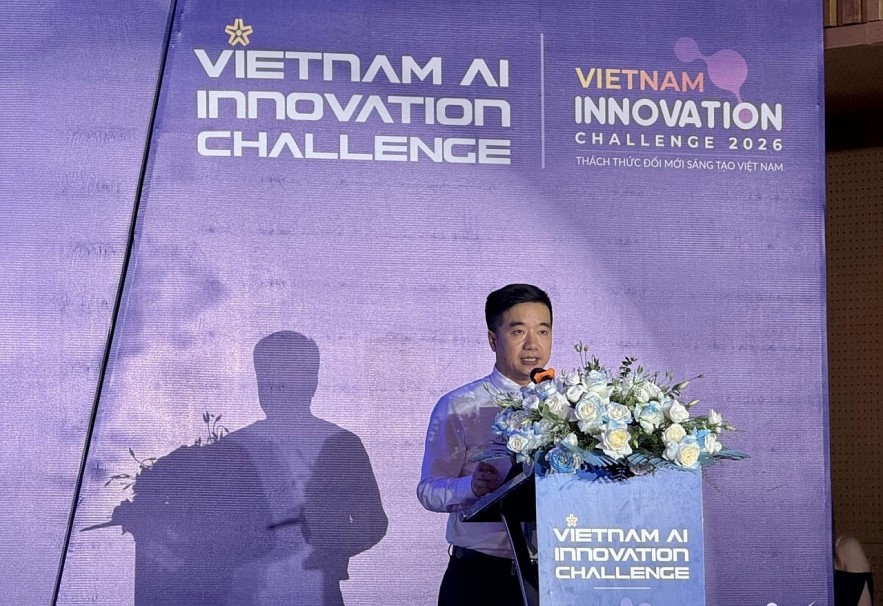 |
| Nguyen Quyet Chien, General Secretary of the Vietnam Union of Science and Technology Associations, speaks at the launch of the Vietnam Artificial Intelligence Olympiad on July 17. Photo: Du Lam |
IAIO 2027 is scheduled to take place in Da Nang from February 25 to March 2, 2027. It is expected to attract about 300 delegates from more than 40 countries and territories, creating a major opportunity for Vietnamese students to engage in international academic exchanges.
Selecting Vietnam's national team
To prepare a team to compete on home soil, the Vietnam Artificial Intelligence Olympiad has officially begun.
VAIO 2027 is open to middle and high school students nationwide, with the goal of identifying and nurturing those with abilities in mathematics, computer science, programming and AI.
The VAIO 2027 National Qualifying Round is scheduled for October 18, 2026, at multiple locations across the country.
The National Final is expected to take place in Hanoi on January 10, 2027, selecting the strongest students to form Vietnam's national team for IAIO 2027.
A focus beyond medals
Speaking at the launch ceremony on July 17, Nguyen Quyet Chien, General Secretary of the Vietnam Union of Science and Technology Associations, or VUSTA, said VAIO 2027 was not focused solely on competition results but also aimed to create lasting educational value.
Each problem is designed to encourage students to develop computational thinking, independent learning skills and a spirit of collaboration. These capabilities can help guide them toward careers in key fields such as data, automation and AI.
The organization of VAIO 2027 and Vietnam's hosting of IAIO 2027 come as the country steps up the implementation of the Politburo's Resolution 57 on breakthroughs in the development of science, technology, innovation and national digital transformation.
"Identifying, nurturing and developing high-quality human resources, particularly young people with capabilities in digital technology and AI, is a task of great importance to the country's future development," Chien said.
"The competition's most important goal is not simply to win medals, but to inspire a passion for science and foster innovative thinking, a sense of responsibility and a desire among young people to contribute to development," he added.
To successfully organize this large series of events, the Organizing Committee is coordinating closely with relevant ministries, agencies and other bodies.
It is also calling on schools, experts and technology companies to support contestants by providing advice, training and practical learning environments.
Technical information, competition rules and official registration guidance will soon be published through the program's information channels.
Heavy rain to continue in northern Vietnam, Hanoi to see more showers
Heavy rain will continue across the mountainous and midland areas of northern Vietnam through July 19, while Hanoi is likely to see intermittent showers and thunderstorms over the next 10 days, according to the National Center for Hydro-Meteorological Forecasting.
The northern mountainous and midland regions could receive 50-100 mm of rain, with isolated areas getting more than 250 mm. Short periods of intense rainfall may increase the risk of flash floods and landslides. Thunderstorms may also bring tornadoes, lightning, hail and strong winds.
Scattered showers and thunderstorms will also affect the Red River Delta, the Central Highlands and southeastern Vietnam, with most rainfall occurring in the afternoon and evening, reported VOV.
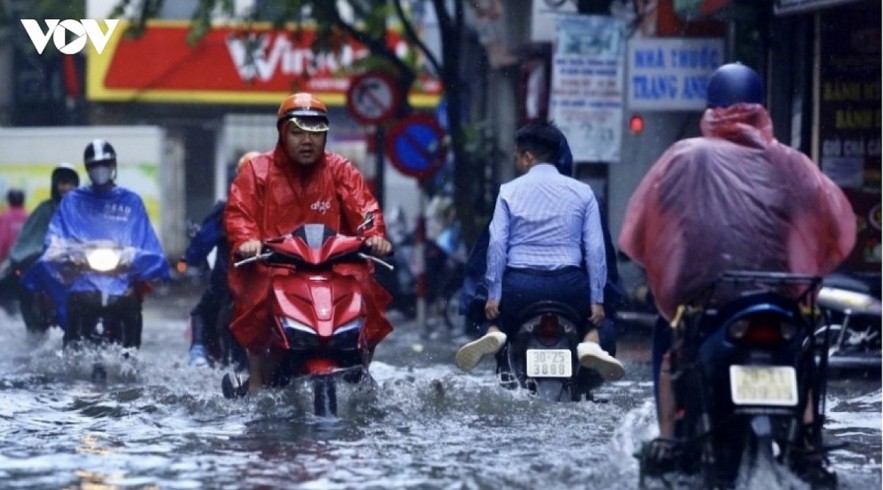 |
| Heavy rain will continue in northern Vietnam over the coming days. (Illustrative photo) |
The weather agency said water levels on rivers across northern Vietnam are likely to rise through July 20, increasing the risk of flooding on smaller rivers and in upstream areas.
In Hanoi, intermittent showers and thunderstorms will continue over the coming days, with daytime temperatures generally ranging from 32 to 33 degrees Celsius. No heatwave is forecast over the next 10 days.
 | Vietnam News Today (July 12): Vietnam Ready to Share Digital Transformation Experience with Timor-Leste Vietnam News Today (July 12): Vietnam, Belgium boost parliamentary cooperation, deepen bilateral relations; Vietnam ready to share digital transformation experience with Timor-Leste; WB offers strategic ... |
 | Vietnam News Today (July 13): Vietnam, France Seek to Deepen Comprehensive Strategic Partnership Vietnam News Today (July 13): Vietnam, France seek to deepen Comprehensive Strategic Partnership; Vietnam seeks stronger economic links with Egypt's Red Sea Governorate; Vietnam reiterates ... |