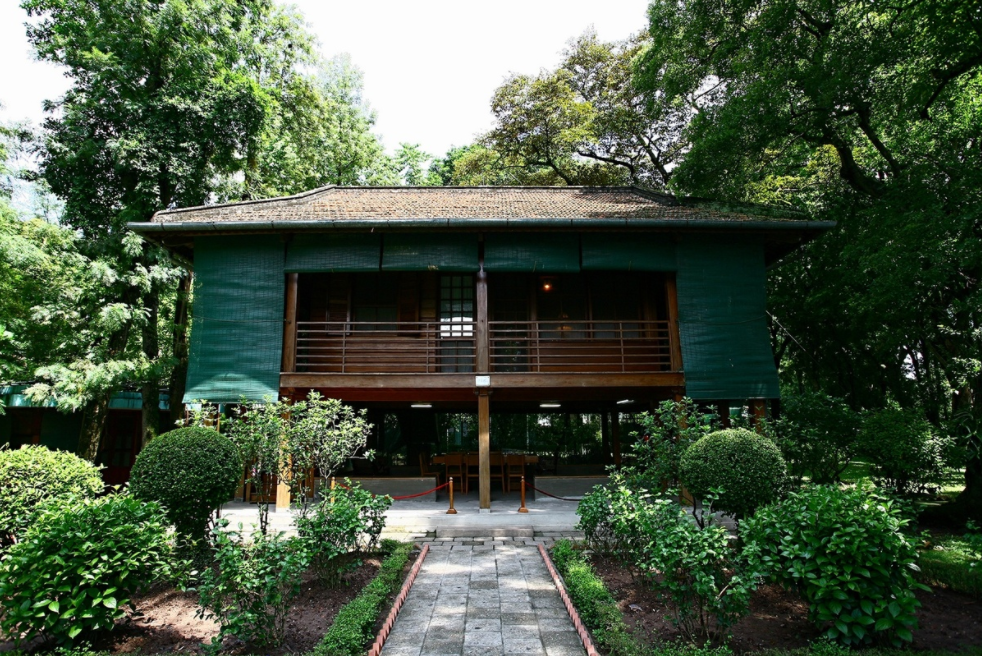
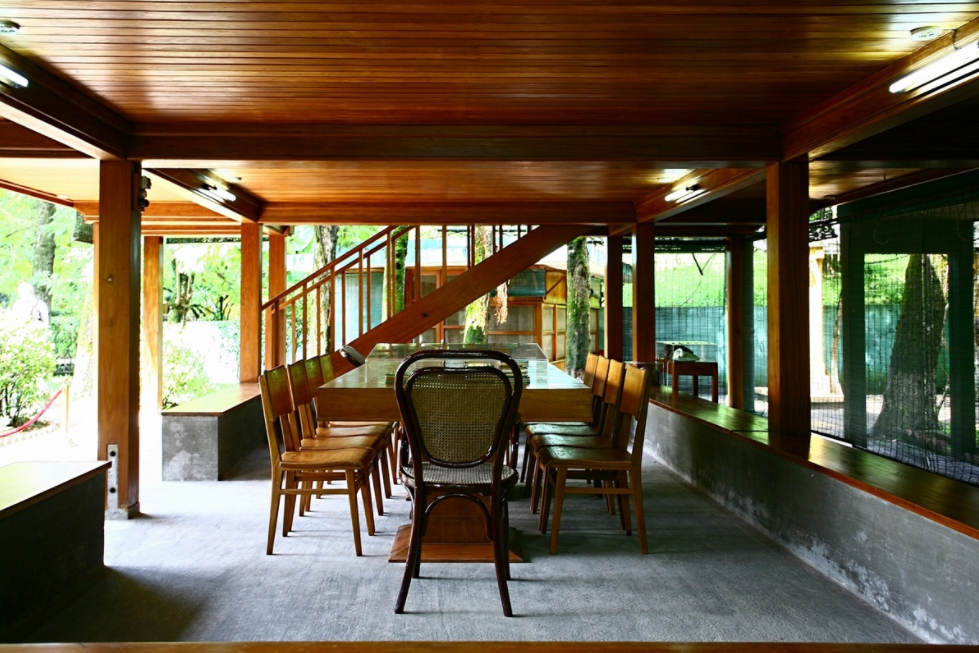
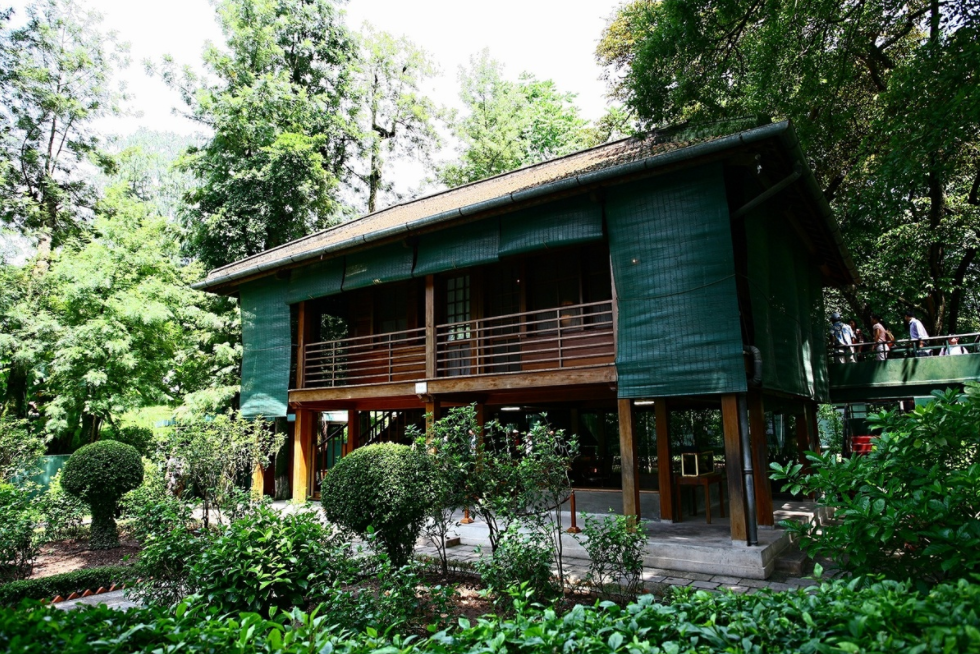
Uncle Ho's stilt house is a two-story wooden architecture with a tiled roof. The house was built in 1958 with the architecture of the Tay-Thai ethnic stilt house in Viet Bac province. The house is 10.5 m long, 6.2 m wide, two floors high.
Before starting the design work, great President Ho Chi Minh talked to architect Nguyen Van Ninh very carefully about his aspirations for the house. He wanted a stilt house to remind him of the time he lived in Viet Bac. The first floor should be filled with fresh air, the second floor has two rooms, there are partitions between these two rooms so that he could place his bookshelves. He also wanted to have corridors all around the house.
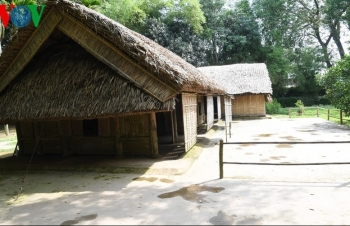
The stilt house is the residence where Uncle Ho spent the longest time and his last days of his life. The house appeared companies with many important events in the country. This is both architectural and cultural heritage, which contains great spiritual values. (Photo: VN Express)
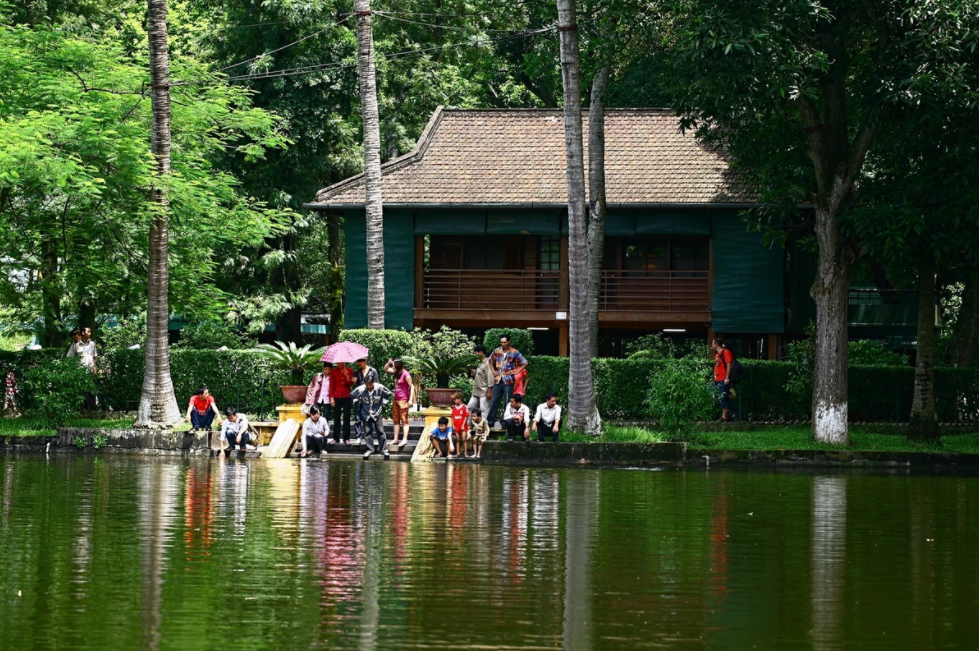
In front of the house lies a small pond, where Uncle Ho kept his fish. Whenever Uncle Ho claps his hands, a flock of fish swims toward him. (Photo: VN Express)
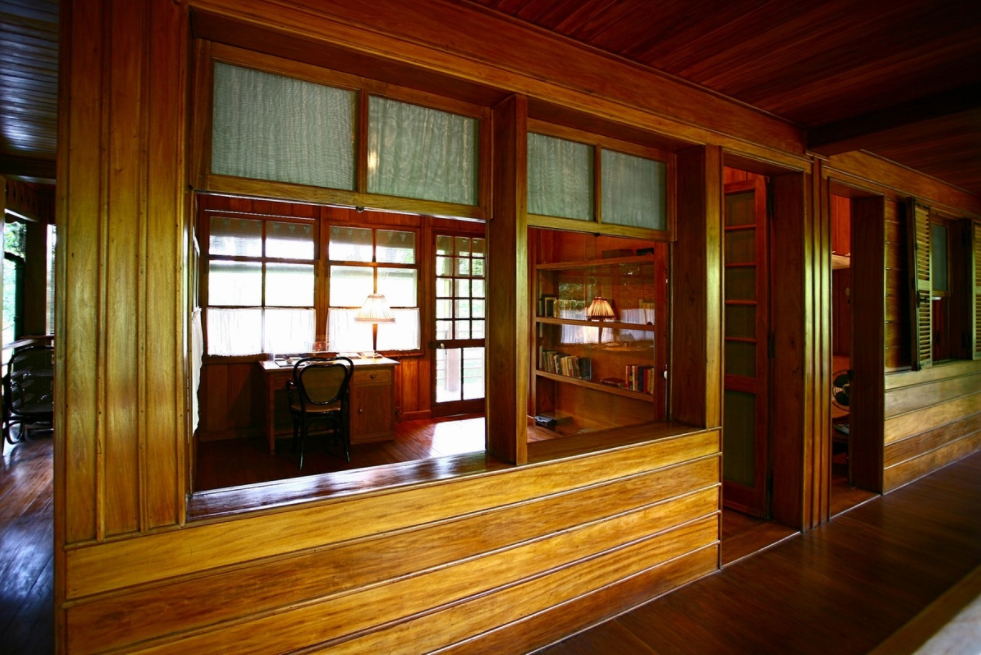
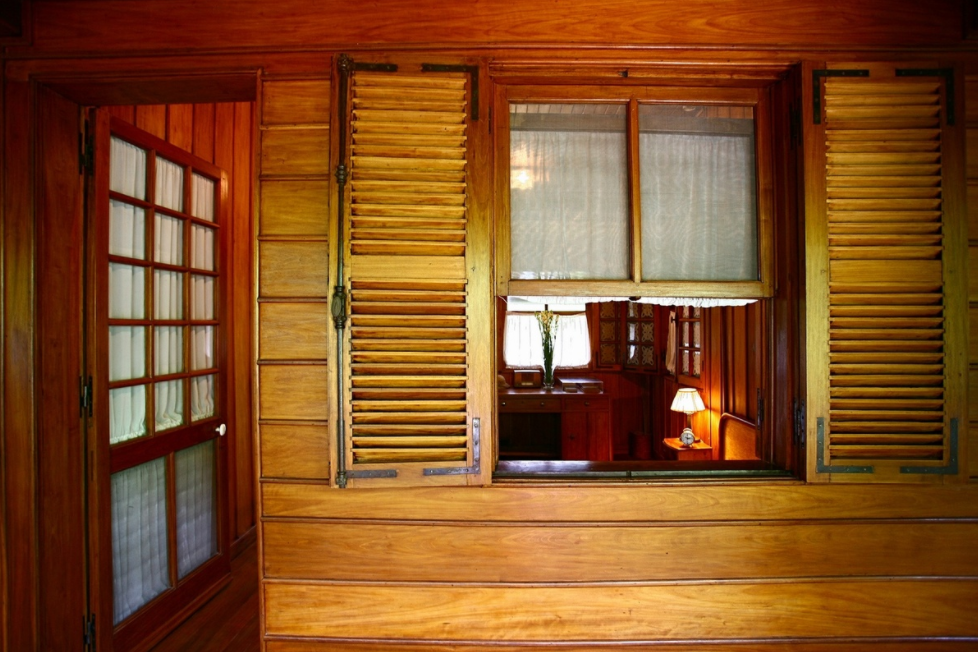
The second floor has two rooms, a study room, and a bedroom. (Photo: VN Express)
Uncle Ho's stilt house is an important part of the Presidential Palace relic complex which was recognized by the Prime Minister as a special national monument in 2009. (Photo: VN Express)
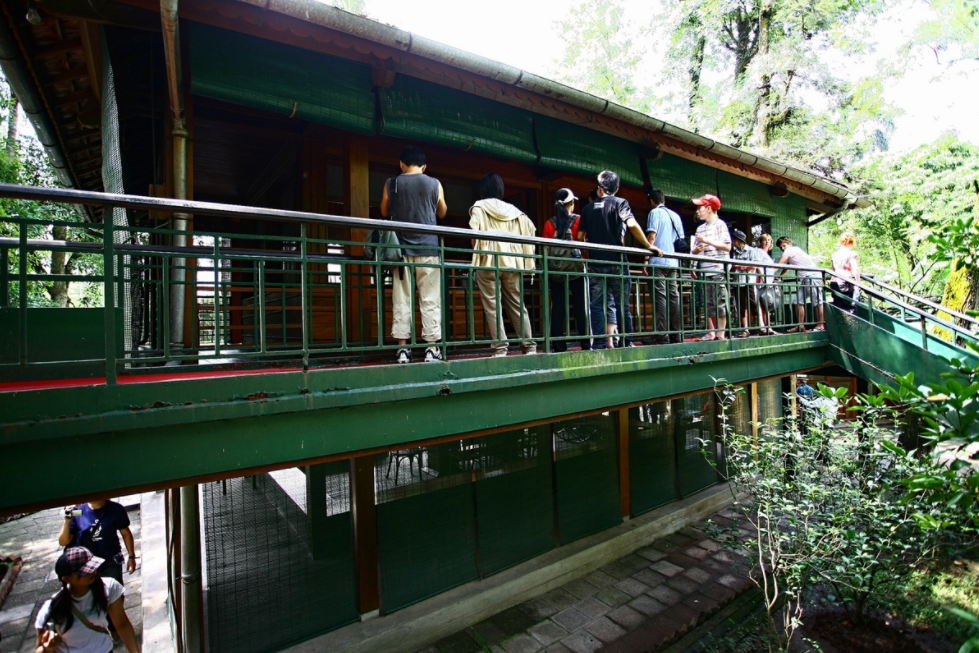
The staircase and the railing are added later in order to serve tourism purposes. Since 1970, the relic has served and welcomed more than 80 million visitors, including international visitors from more than 160 countries and territories around the world. (Photo: VN Express)
Around the stilt house lies a green garden with a variety of plants that were brought here from all over the country. (Photo: VN Express)
Uncle Ho's stilt house is a simple project that clearly reflects his personality: bold in traditional identity, in harmony with nature. (Photo: VN Express)
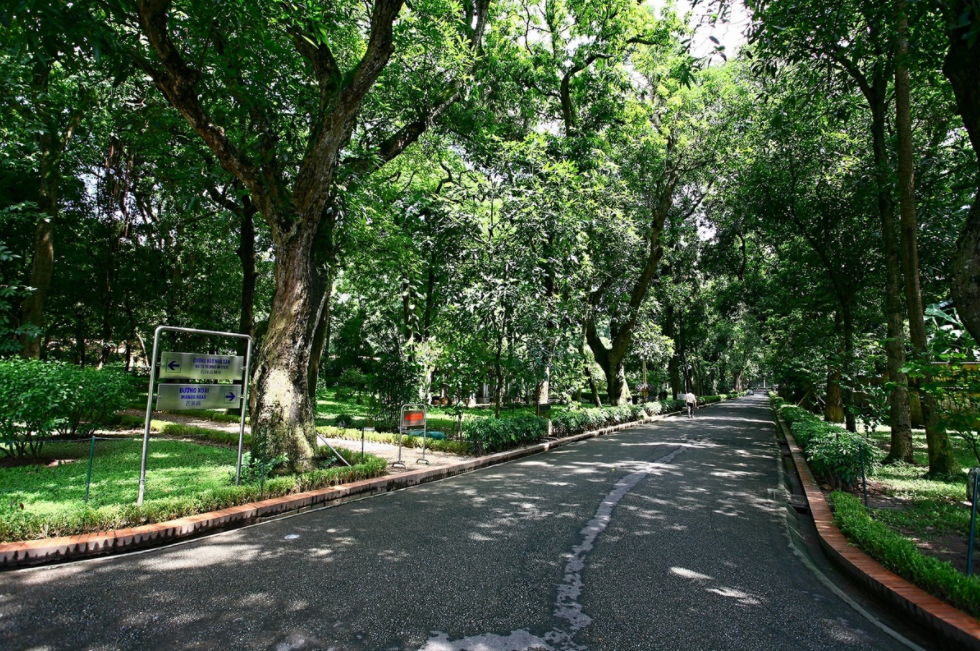
The green tree road connects President Palace to Uncle Ho's stilt house. (Photo: VN Express)
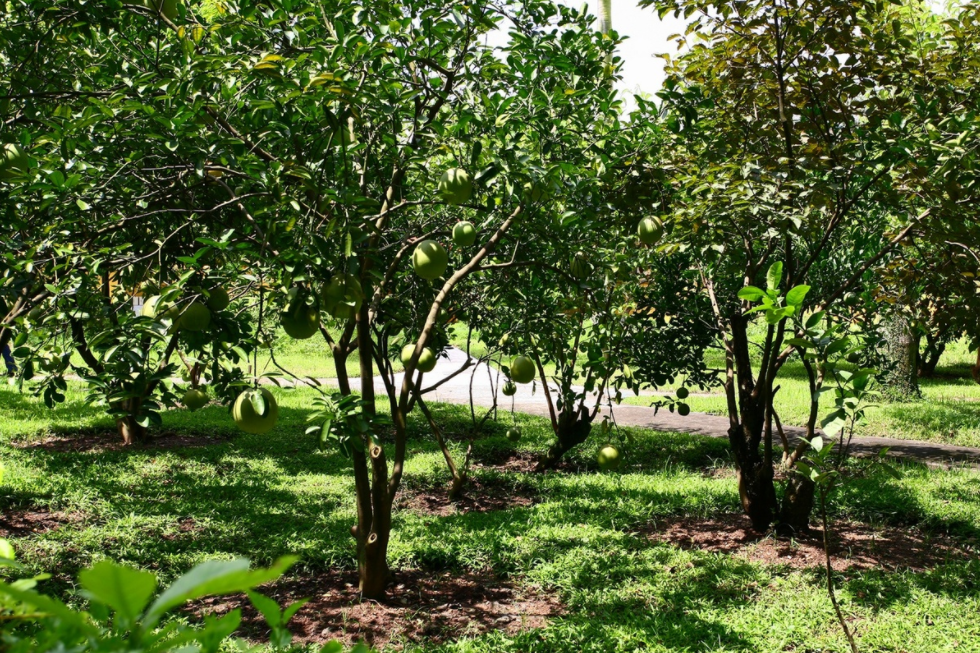
The grapefruit trees in the garden are bearing fruit. (Photo: VN Express)
The humble house stands by the crystal clear pond, surrounded by fruit trees. A pond is always an attractive place for tourists. (Photo: VN Express)
Before the COVID-19 pandemic broke out, the relic welcomed an average of 6,000-8,000 visitors a day. On important festivals such as Uncle Ho's birthday (May 19), Nationa Day (September 2), the number of visitors could reach 50,000.
There is no entrance fee for Vietnamese visitors to visit the Presidential Palace relic.
Opening hours: All days of the week (except Monday afternoon).
- From November to March: Morning: 8:00 - 11:00. Afternoon: 13h30 - 16h.
- From April to October: Morning: 7:30 - 11 a.m. Afternoon: 13h30 - 16h.
Ho Chi Minh's ideology and Uncle Ho's life are always enshrined forever as the great inspiring and motivating force to fight against inhuman discrimination, especially ...
Ho Chi Minh (1890-1969), the Great Father and Leader of all Vietnamese nationals, was the most famous Vietnamese revolutionary and statesman of his time. He ...
Ho Chi Minh (1890-1969), the Great Father and Leader of all Vietnamese nationals, was the most famous Vietnamese revolutionary and statesman of his time. He was one of the shrewdest, most callous, dedicated, and self-abnegating leaders, a man apart in the international Communist movement. The five facts about the late President’s life and career will give you a closer insight
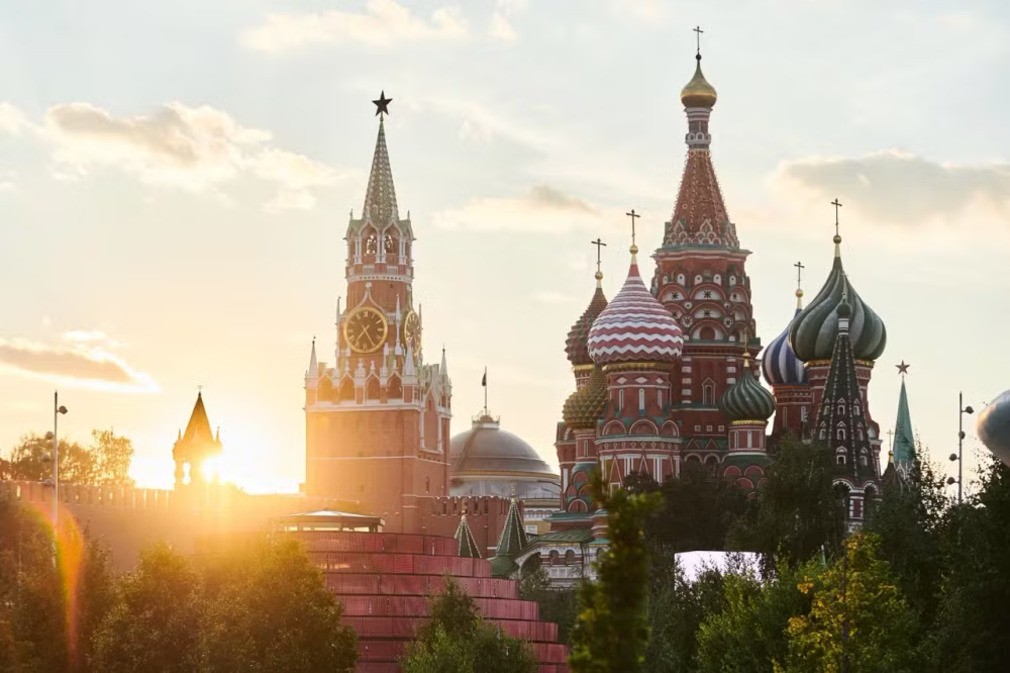
With a Vietnamese tourism promotion page, Moscow is demonstrating its growing interest in the Vietnamese market to create a more comfortable, accessible, and personalised destination experience.
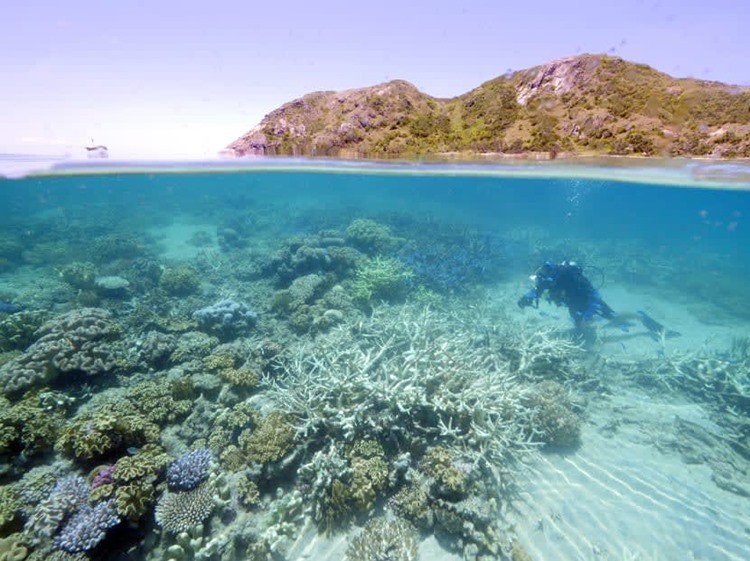
Viet Nam's long coastline and thousands of offshore islands have created ideal conditions for thriving coral reef ecosystems. As summer travel peaks in 2026, destinations including Hon Mun, Cu Lao Cham, Phu Quoc, Vinh Hy, and Con Dao are expected to attract travelers eager to explore vibrant underwater landscapes through snorkeling and scuba diving.
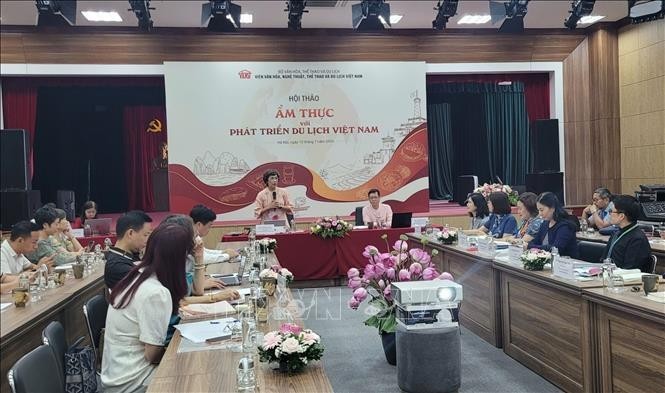
On July 13, the Vietnam Institute of Culture, Arts, Sports and Tourism under the Ministry of Culture, Sports and Tourism held a seminar titled “Cuisine and the development of Vietnam’s tourism”. The seminar gathered managers, experts, researchers, and businesses to recommend solutions to bringing cuisine values into play as a cultural resource, contributing to enhancing competitiveness and creating Vietnam’s tourism brand in the context of international integration.
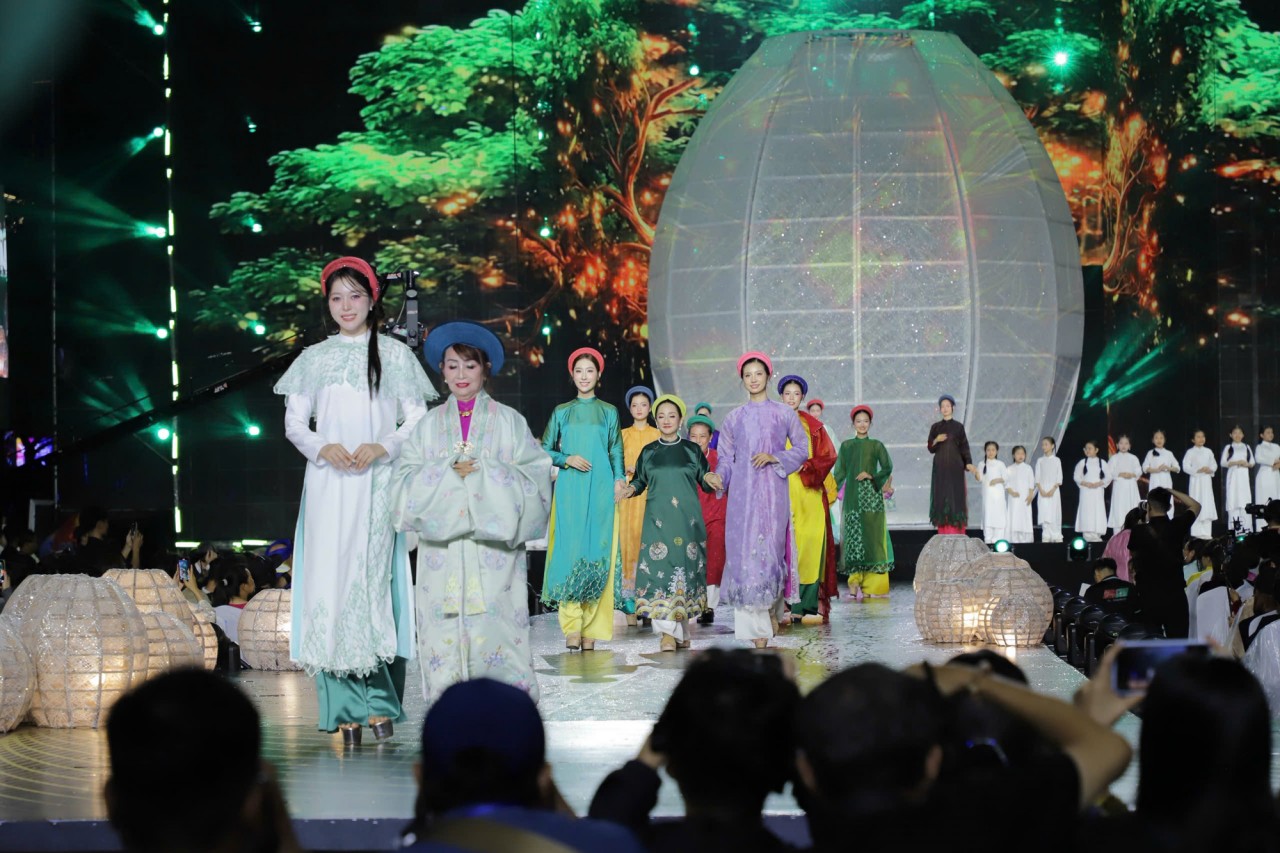
Ho Chi Minh City orientates tourism development linked to urban economy, night-time economy, culture industry and experience economy, changing from event organizing model to developing event economy model.
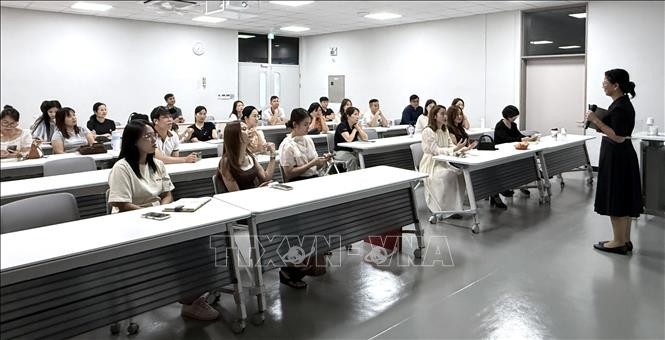
According to a report released by Statistics Korea on July 9, Vietnam ranked first in the number of foreign nationals entering the RoK for long-term stays in 2025, with approximately 98,000 people. Vietnamese citizens accounted for the largest share among foreigners staying in the country for more than 90 days.
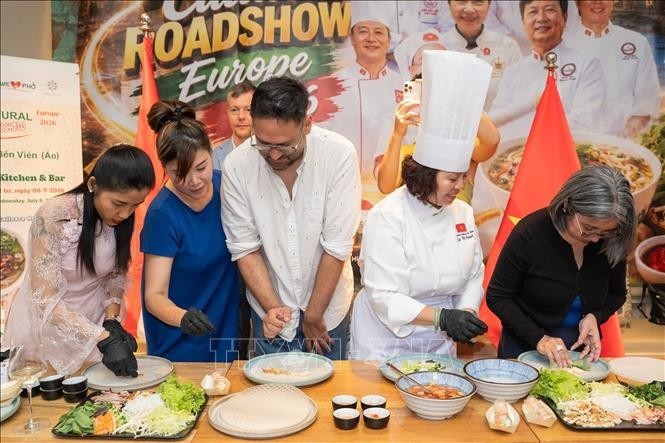
On the evening of July 8, at Pho Saigon Restaurant in Vienna, Austria, the Vietnamese Embassy in Austria, in coordination with the We Love Pho Association, the Ninh Binh Culinary Culture Association, and Vietnamese culinary artisans and experts, organized a program titled “Pho and Culinary Culture: Bringing Vietnamese Identity Closer to Europe and the World.”The event was one of the stops on the Journey of Pho and Vietnamese Culinary Culture Across Europe, contributing to the promotion of Vietnam’s image, people, and cultural values to international friends.
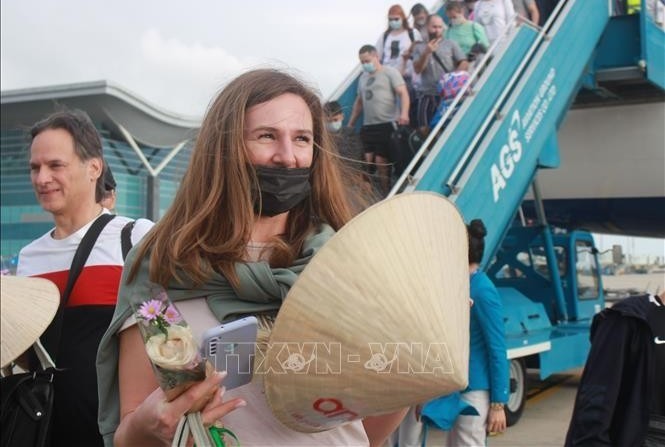
In the first six months of 2026, Vietnam welcomed more than 742,000 Russian visitors, 2.8 times higher than in the same period last year. This strong recovery has made Russia the third-largest source market for Vietnam's tourism industry, behind only China and the Republic of Korea.
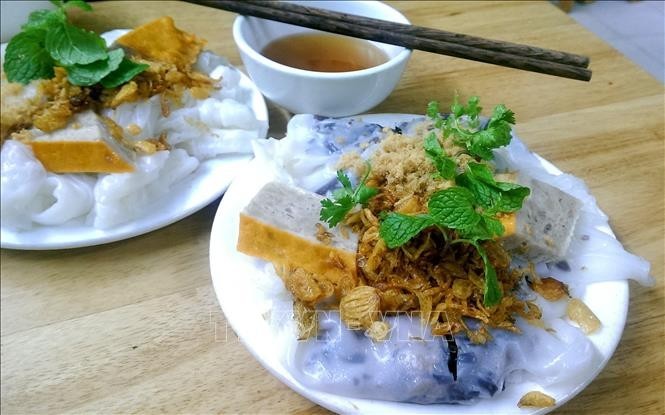
In early July, French magazine Biba Magazine published an article stating that Vietnam attracts French travelers not only with its landscapes but also with its diverse and refined cuisine. The magazine introduced a range of dishes and culinary experiences that it considers unmissable when visiting the S-shaped country.


 National
 Travel
 Travel
 Travel
 Travel
 Travel
 Travel
 Travel
 Travel