
India-EU trade agreement expected to be promoted in the future
Merz began his two-day visit to India on Monday by paying homage to India’s founding father Mahatma Gandhi at his ashram, or place of meditation, in Ahmedabad before joining counterpart Narendra Modi at a traditional kite festival, where the two flew kites together from an open-top vehicle.
Following the leaders’ meeting, both sides announced a raft of agreements and joint declarations aimed at boosting bilateral trade, which hit US$51 billion last year, and enhancing defence cooperation. Merz also vowed to help expedite a free-trade agreement between India and the EU.
Also announced were visa-free transit for Indian passport holders and a new framework for recruiting Indian healthcare workers in Germany, a key demand from India.
India’s foreign secretary Vikram Misri told reporters on Monday that the German leader “remarked on the changing world order, the instability that [the] global order is facing, and why in this context it is ever more important for India and Germany to take their relationship to a new level and to do much more”.
Merz also placed particular emphasis on “Germany’s very strong support for the early conclusion of the India-EU meeting”, Misri said
Free-trade agreement negotiations, which began in 2007 and were relaunched in 2021, sit at a critical juncture.
“There’s an emphasis on accelerating an India-EU trade deal and widening cooperation in emerging technologies and security. The deliverables suggest a package approach: trade facilitation, critical tech and green transition, alongside an explicit security dialogue,” he said.
Merz said on Monday he hoped a free-trade deal between India and the EU could be signed at a summit on January 27.
European Commission President Ursula von der Leyen and European Council President Antonio Costa are due to visit Delhi in the coming weeks “to take these discussions towards a favourable conclusion”, Misri said.
Deal on the horizon
High-level engagement between India and the EU has intensified over the past year, following an unprecedented visit by the EU College of Commissioners to Delhi last February that set deadlines for progress on the pact.
Germany already accounts for a quarter of India’s trade with the EU, but both sides see room to grow.
India recently concluded free-trade agreements with New Zealand, the UK and Oman, part of a broader effort. The EU, too, is moving to diversify its partnerships and lessen its exposure on foreigners.
During his trip, Merz also visited Bosch’s facility in Bengaluru on Tuesday, highlighting Germany’s industrial presence in India.
Berlin and Delhi are negotiating a major defence deal between Thyssenkrupp Marine Systems and Indian state-run Mazagon Dock Shipbuilders to co-produce six submarines for the Indian Navy, in a move expected to pave the way for further defence cooperation.



Recommended
 World
World
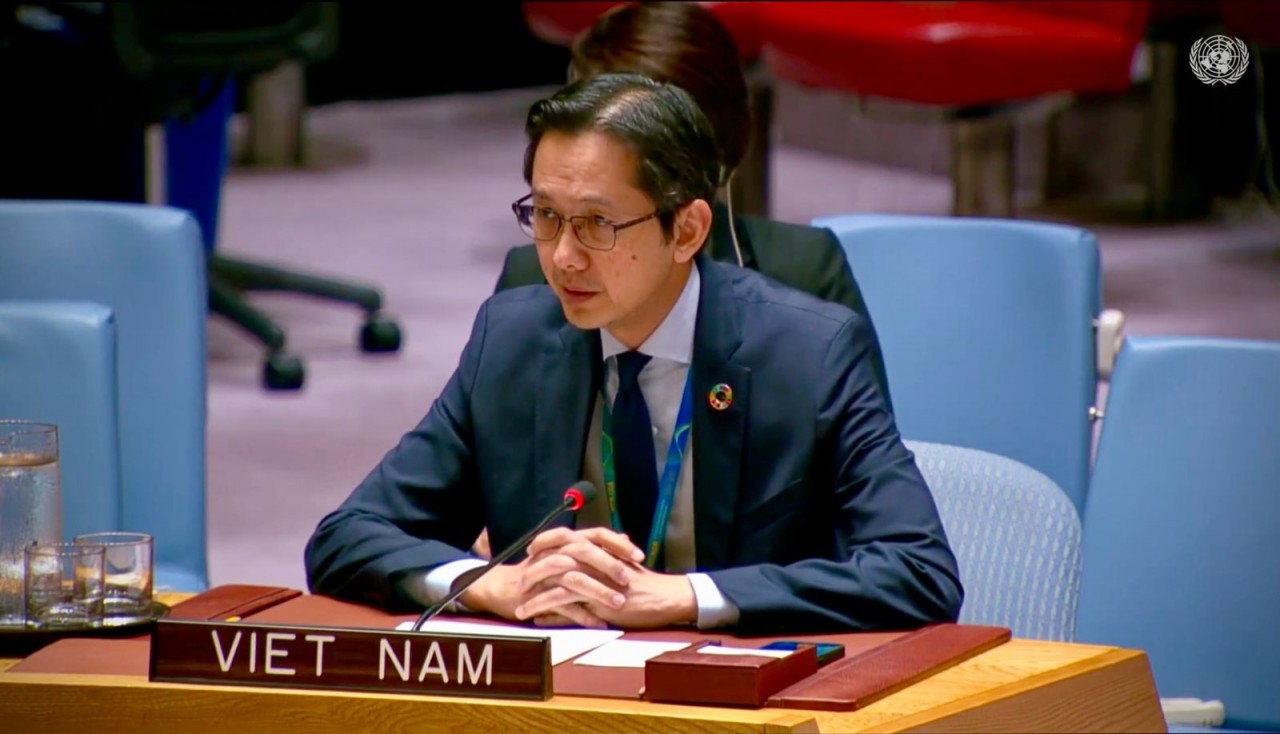
Vietnam Promotes Dialogue, Seeks Substantive Solutions at 11th NPT Review Conference
 World
World
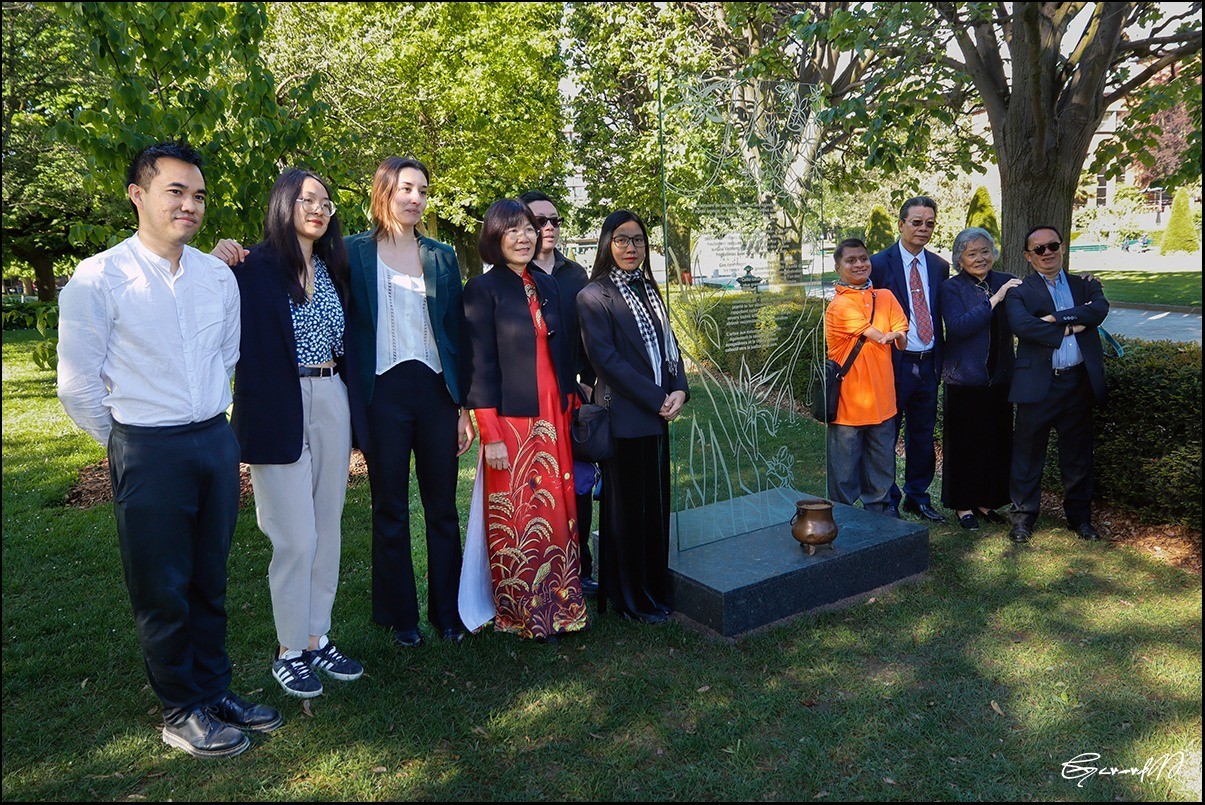
Inauguration of a Memorial Stele for Victims of Agent Orange/Dioxin in Paris
 World
World
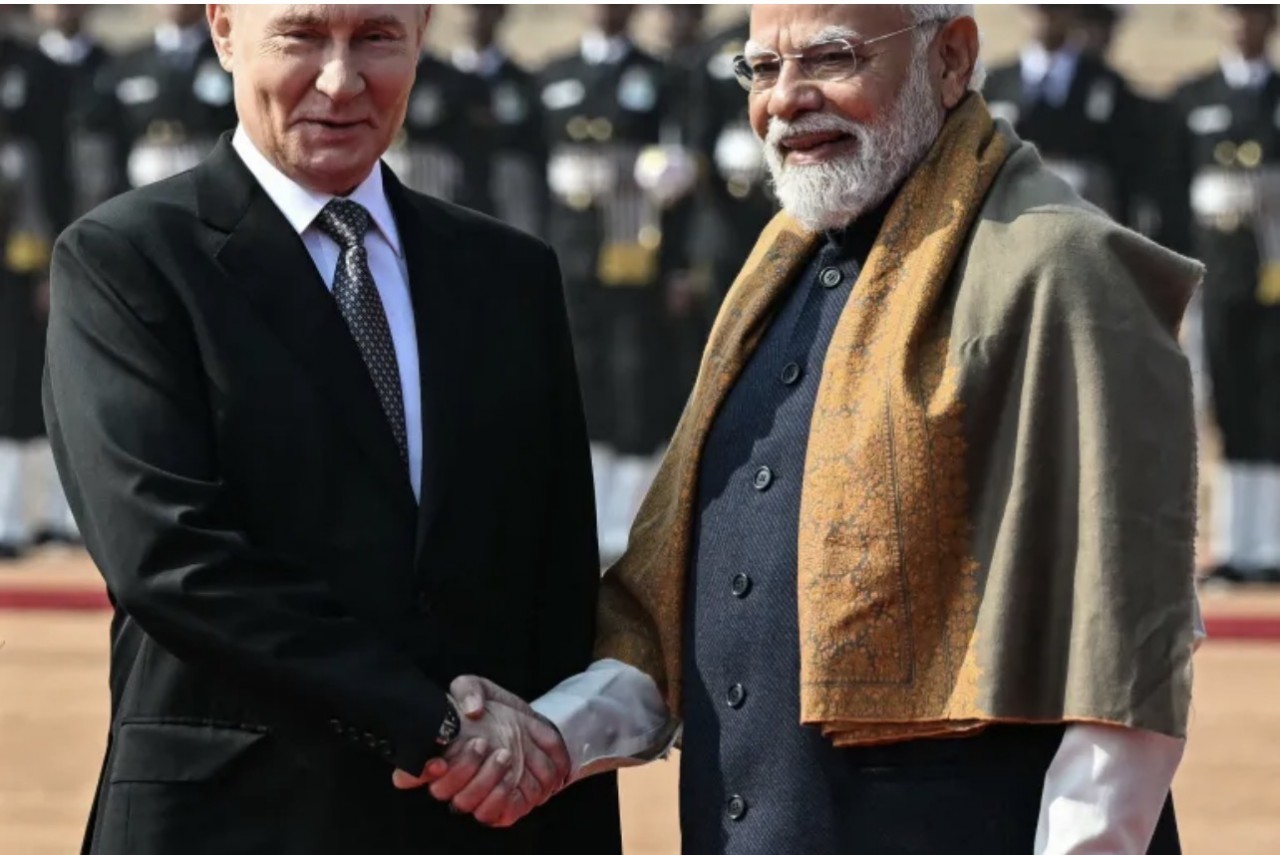
India-Russia agree to further deepening their bilateral partnership.
 World
World
India, Qatar discuss ways to boost trade, strengthen supply chains
Popular article
 World
World
Austria Ready to Cooperate with Vietnam to Enhance Capacity for UN Peacekeeping Forces
 World
World
India-Russia pact signals major defence shift
 World
World
Promoting Vietnam’s Image to Danish and International Audiences
 World
World