India's nuclear power sector to expand, draw foreign capital
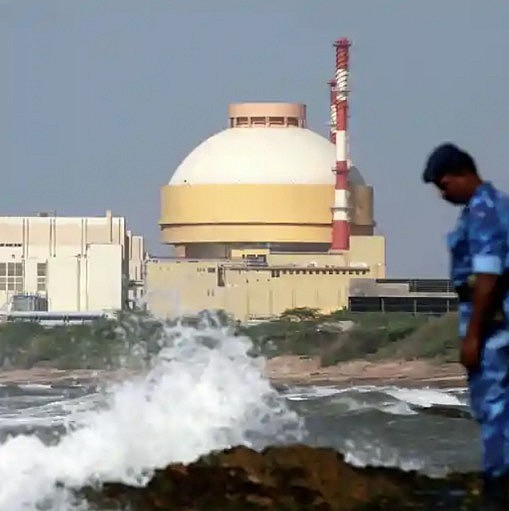 |
Last week, India's parliament approved legislation that opens nuclear power generation to private and foreign companies.
The landmark Atomic Energy Act marks a significant government shift as India moves towards increased nuclear energy and reduced dependence on fossil fuels in order to meet climate targets.
India is seeking to boost its nuclear power capacity tenfold to 100 gigawatts by 2047, which would be enough to power nearly 60 million Indian homes annually and is essential to achieving carbon neutrality by 2070.
Reaching this target requires around 20 trillion Indian rupees ($226 billion, or €193 billion) in investment that the new legislation aims to unlock from private sources.
Indian Prime Minister Narendra Modi said it "marks a transformational moment for our technology landscape" and also opens "numerous opportunities" for the private sector.
Major Indian conglomerates, including Tata Power, Adani Power and Reliance Industries, have already signaled their interest in entering the country's tightly controlled civil nuclear power sector.
India balances safety with investment push
Jairam Ramesh, a senior member of Indian National Congress party, claimed that recent changes to the country's nuclear liability framework were pushed through Parliament to align domestic law with US interests.
The Indian government maintains that the country's energy security needs and clean energy commitments are driving the nuclear reform.
Sameer Patil, director of the security, strategy and technology center at the Observer Research Foundation, a think tank, said that the policy shift is a necessary structural reform to unlock private investment for India's nuclear ambitions.
"However, there are several challenges, such as the lack of indigenous supply of fuel supplies being a chief concern. This makes the sector and country vulnerable to vagaries of geopolitics," Patil told DW.
"The question of safety and oversight, frankly, in my opinion, is a trade-off between incentivizing commercial participation and imposing reasonable safeguards."
Patil noted the nuclear legislation's current provisions may seem inadequate given the possible damage from a nuclear accident, but they are sufficient to keep private companies interested in India's nuclear expansion plans.
Skepticism over private sector role
However, a government official familiar with the nuclear sector, speaking on condition of anonymity, expressed skepticism.
"India's nuclear industry has consistently missed targets, and the private sector's track record of abandoning high-risk ventures like gas and hydro raises questions about sustaining capital-intensive nuclear commitments with weakened liability protections," the official told DW.
Anil Wadhwa, a former diplomat with extensive experience in nuclear and disarmament issues, told DW that India faces implementation challenges to realize its ambitious goal.
"Supply-side issues include poor domestic uranium quality, the need for skilled workforce development, and insufficient manufacturing capacity for reactor components," said Wadhwa.