
India’s Startups Are Srengthening the Country’s Space Tech Boom
 |
Space Sector Reforms
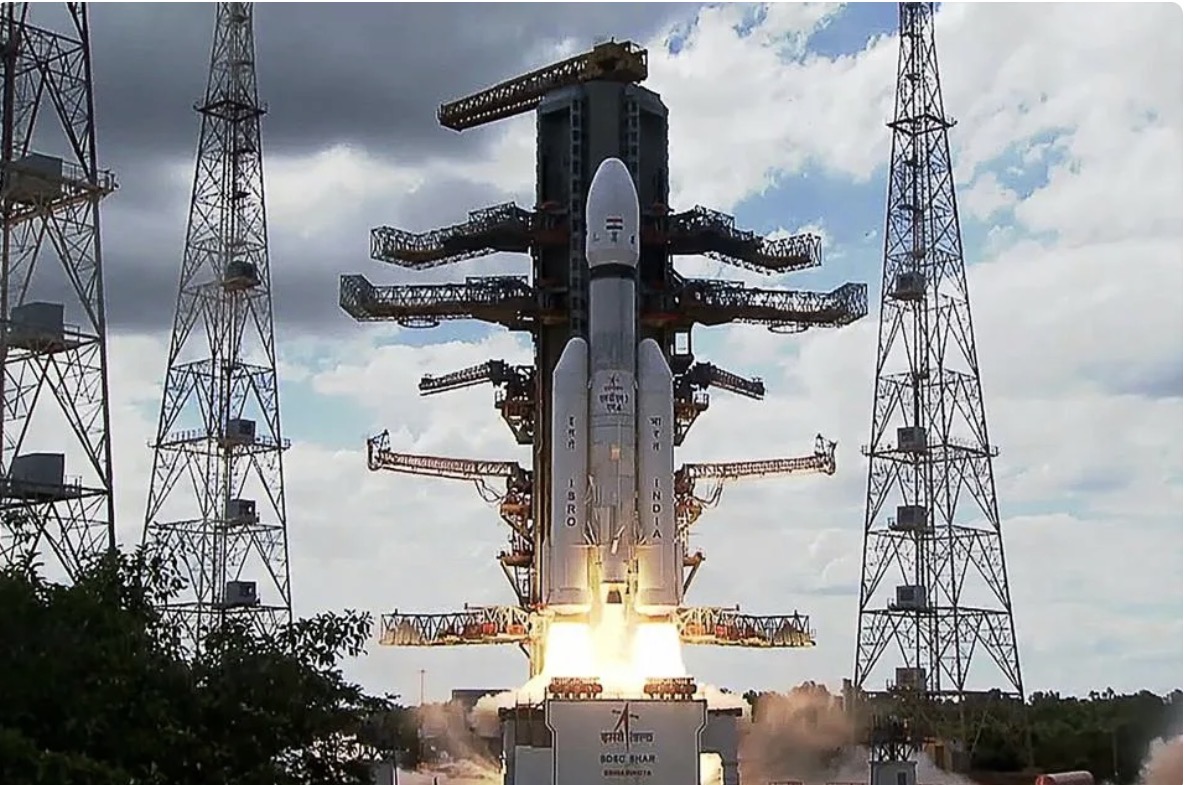
In 2026, owing to a set of reforms implemented by India's Prime Minister Narendra Modi-led government, the number of space startups has increased from just one company in 2014 to more than 400.
A decade ago, space technology was exclusively the business of the state and large corporations. This picture started changing dramatically in 2020, when the Indian government decided to open the space value chain to non-public enterprises, followed by the 2023 Indian Space Policy, which established the broader framework for private sector involvement.
Indian National Space Promotion Authorization Centre (IN-SPACe) became the autonomous single-window agency to authorise private sector's space activities, and to simplify access to state owned facilities of Indian Space Research Organization (ISRO).
To improve access to capital for startups, Indian government started a venture capital fund, a technology adoption fund, and the IN-SPACe Seed Fund Scheme. IN-SPACe has facilitated $150 million of investments into Indian space startups last year.
In 2024, Foreign Direct Investment (FDI) Rules have also been liberalized across the industry. Under the new amended FDI policy up to 74% tyof foreign investments are permitted in satellite manufacturing and up to 49% in launch vehicles and spaceports.
A substantial flow of funds from the private sector has followed the reforms in India's domestic space technology sector, which is currently valued at $13 billion, and it is predicted to more than triple in size to $40 billion in 2030, according to a report published by Arkam Ventures.
Reasons for Investors' Confidence
Over the years the total cumulative private investment in this sector has reached $600 million. In 2026, space tech startups have raised nearly $256 million. And in the next five years, up to $3.5 billion of venture capital and private equity investments are forecasted for this sector.
The Indian government is acting like an anchor customer to facilitate growth of startups, and ISRO is sourcing 80% of equipment in launches from Indian companies.


Most read


Recommended
 Economy
India converts gas-fuelled plant for green ammonia
Popular article
 Economy
ZTE Launches M8000 Intelligent Computing Micro-Module Data Center, New-Gen AIDC IT POD Solution for Global Deployment
 Economy
Mountains and Seas Unite for a New Chapter: "Sojourn in Guizhou" International Promotion Conference Held in Macao
 Economy
Vietnamese And Bulgarian Businesses Seek Further Cooperation Opportunities
 Economy