
Modi's Asia-Pacific tour highlights India's regional engagement
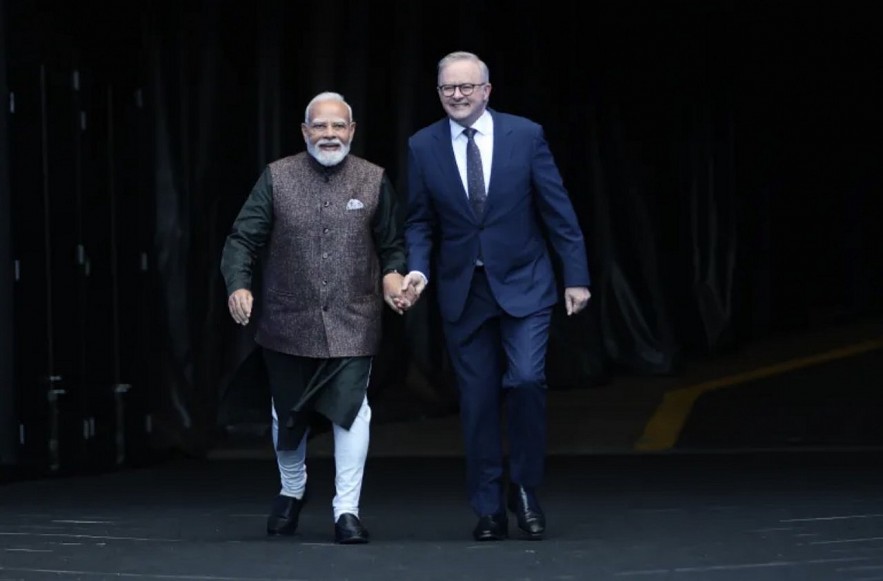 |
This week, during Indian Prime Minister Narendra Modi’s visit to Australia, the two countries announced that Canberra would invite an Indian military instructor to serve at the Australian Defence College.
Yet to view Modi’s visit to Australia simply as another success in India-Australia relations would be to understate its significance. For beyond Canberra, important as that connection is, lies the Asia Pacific, and it is here that Modi’s visit reveals a larger story.
Modi’s three-nation tour included Indonesia, Australia and New Zealand. Viewed on a map, the itinerary traces India’s expanding strategic horizon across the Asia Pacific. Indonesia anchors India’s outreach to Southeast Asia and sits at the junction of the Indian and Pacific Oceans.
Australia has become one of India’s most consequential strategic partners in recent years. New Zealand, though much smaller, extends India’s diplomatic reach further into the Pacific. Taken together, the three visits show how New Delhi reads the emerging balance of power and how it intends to shape it.
Economics, technology, energy and even supply chains are becoming instruments of strategic competition. India, Japan, Indonesia, Australia and even New Zealand are each, in their own way, doing much in common, both in interests and values. Moreover, Indians are today Australia’s largest source of skilled migrants.
Nothing about the agreements reached during Modi’s visit, including the operationalisation of uranium exports for civilian nuclear energy, expanded defence cooperation, and greater collaboration on maritime security, cyber- and critical technologies, clean energy, skills, investment and critical minerals, is cosmetic. Far from it. Take uranium.
Australia once refused to sell uranium to India because New Delhi had not signed the Nuclear Non-Proliferation Treaty. Even after India and Australia signed a civil nuclear cooperation agreement a decade ago, Australian uranium exports were held up because of Canberra’s own parliamentary politics. What has been finalised this week is the “administrative arrangement” that will see Australia actively facilitate India’s civil nuclear energy programme. A symbol of estrangement has become an instrument of partnership.






Recommended
 World
World
Vietnam Reaffirms Support for Effective Implementation of ASEAN's Five-Point Consensus
 World
World
Algeria Shares Healthcare Expertise to Advance Africa's Pharmaceutical Self-Reliance
Popular article
 World
World
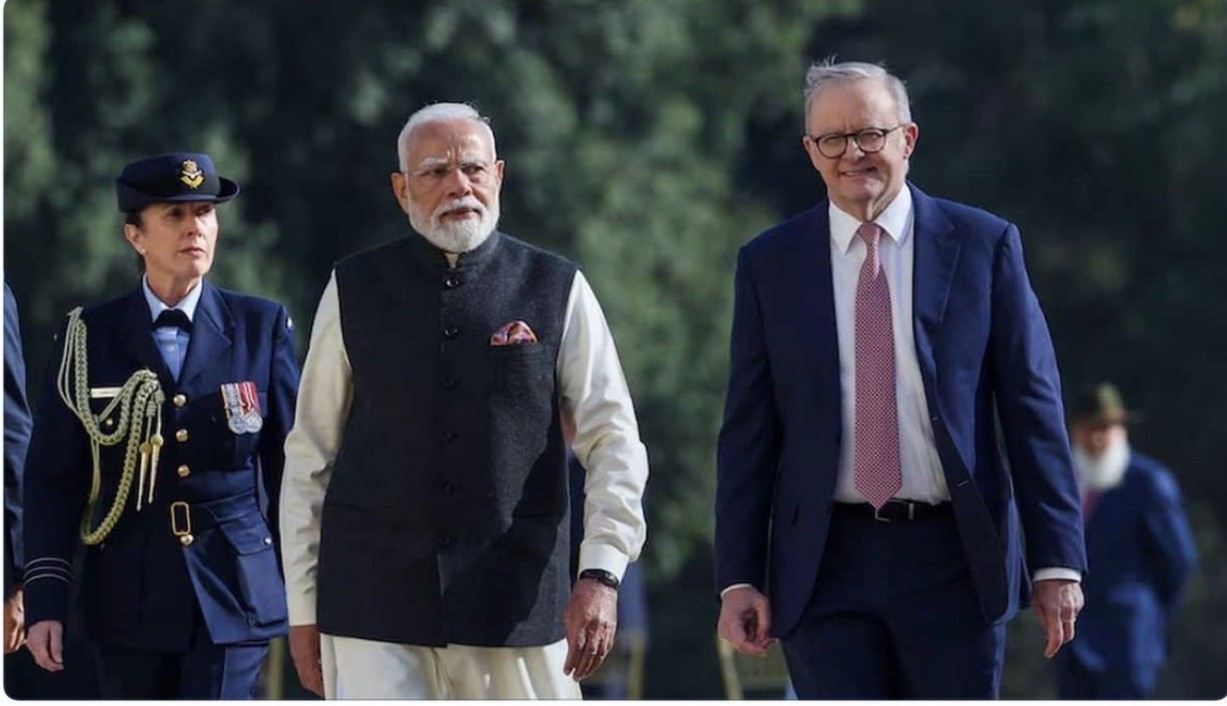
Australia-India Partnership on Cyber, Critical Technologies and Supply Chains
 World
World
Venezuela Declares Seven Days of National Mourning for Earthquake Victims
 World
World
Europe Faces Historic Heatwave, More Than 1,000 Deaths Reported
 World
World