Saigon-Cho Lon in 1947 Through A French Photographer's lens
A series of Saigon's photos in 1947 through the lens of French photographer Michel Huet are ones of Notre Dame Cathedral seen from the upper floor of the City Hall (Hôtel de ville), the scene of the hall in Cho Lon or a drug store.
Let's bring our mind back to the year of 1947 through some photos of Sai Gon-Cho Lon, taken by a French photographer Michel Huet.
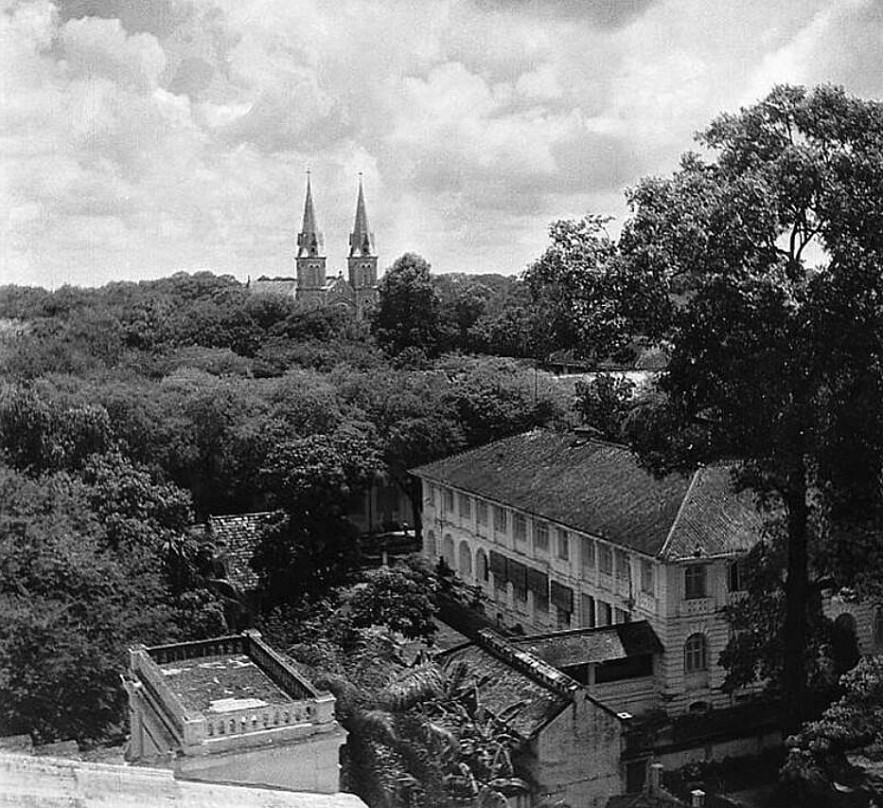
In the photo, there is the Notre Dame Cathedral, the large building to the right is the Palace of the Interior Minister. The tile-roofed house in the picture is the Palace of Internal Affairs during the French colonial period. It was located at the corner of Dong Khoi-Ly Tu Trong today (Rue Catinat & LaGrandière). Before 1975, it was the headquarter of the Ministry of Economy, corner of Tu Do-Gia Long.
The view from the floor of the City Hall. Photo: Michel Huet.
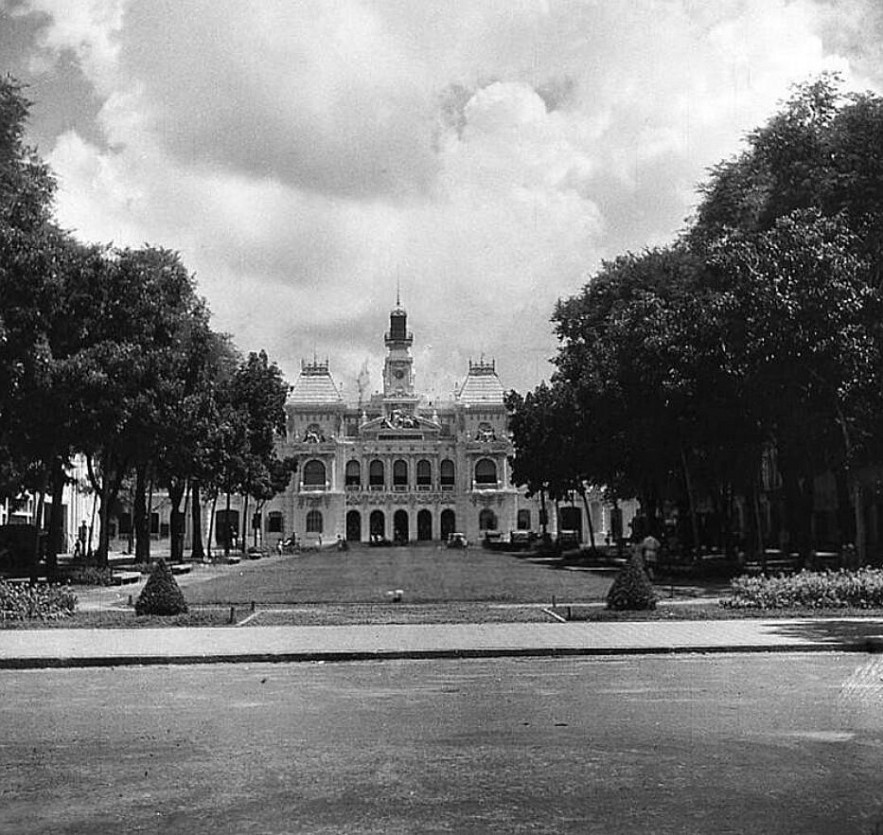
The headquarters of the People's Committee of Ho Chi Minh City is one of the classical architectural works in Ho Chi Minh City (HCMC). It was built between 1898 and 1909. During the French colonial period, this building was named Hôtel de ville in French or Dinh Xa Tay in Vietnamese. It used to be called Saigon City Hall because it was the working and meeting place of the capital's authorities. Since the unification of Vietnam, the building has been the working place of the People's Committee of Ho Chi Minh City, the People's Council of Ho Chi Minh City, and a number of other agencies.
Notre Dame Cathedral was built in Saigon. The cathedral did not have two bell towers when built in 1880. They were added in 1985 to include a total of six large bronze bells and two crosses at the top, 60.5 m above ground. It used to the tallest building in the city for a long time.
The headquarters of the People's Committee of Ho Chi Minh City. Photo: Michel Huet.
The current address of this building is on 86 Le Thanh Ton Street, Ben Nghe Ward, District 1. It is located at the beginning of Nguyen Hue Street facing the Saigon River. In 2020, this building was ranked by the Minister of Culture, Sports and Tourism of Vietnam as a national architectural and artistic monument. There is also a design plan for a new building of the City People's Committee Headquarters.
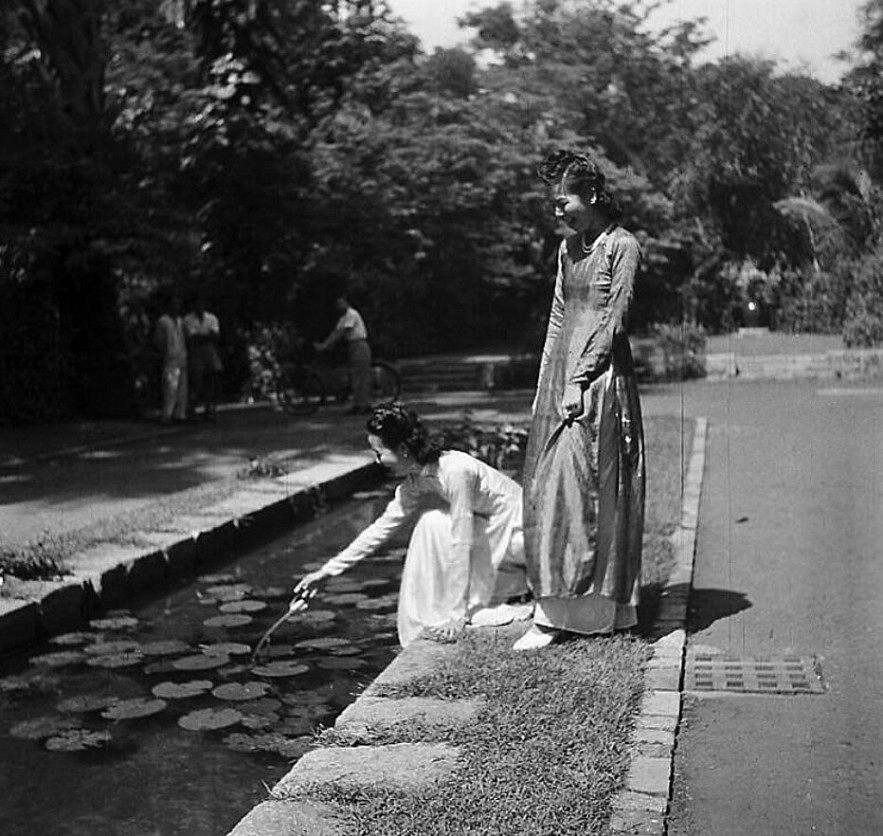
Prime Minister Nguyen Van Tan's wife (dark-colored ao dai) and his daughter on the grounds of Gia Long Palace (Ho Chi Minh City Museum now). Photo: Michel Huet.
Nguyen Van Tam (16 October 1895–23 November 1990) served as Prime Minister of the State of Vietnam, a political entity created by the French in an attempt to regain control of the country. He held that office from June 1952 to December 1953.
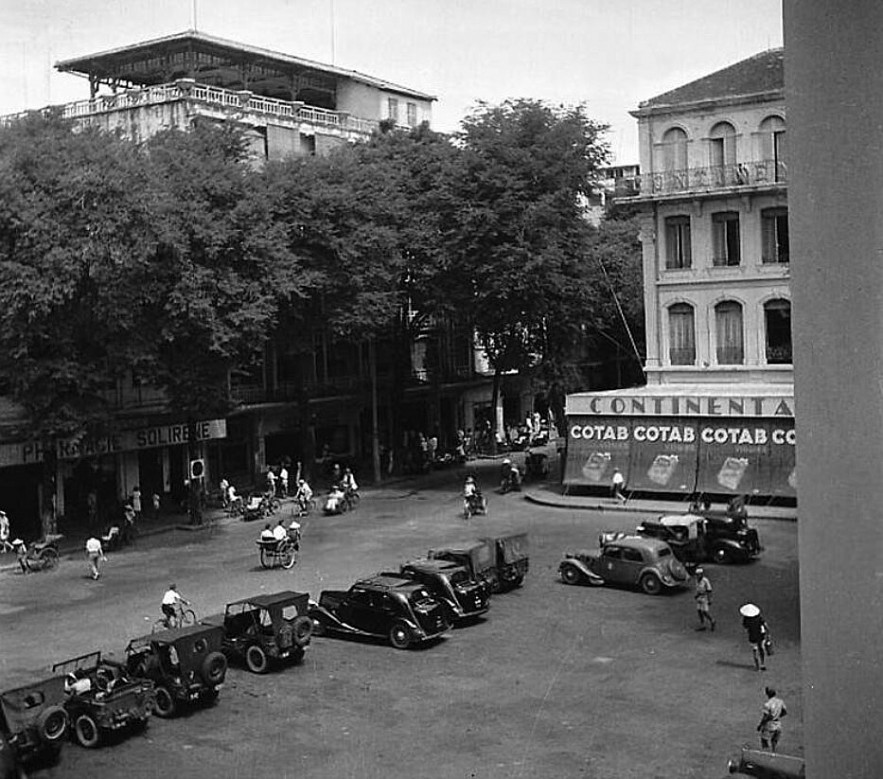
A view from the Opera House to the right is the famous Continental Palace Hotel. Photo: Michel Huet.
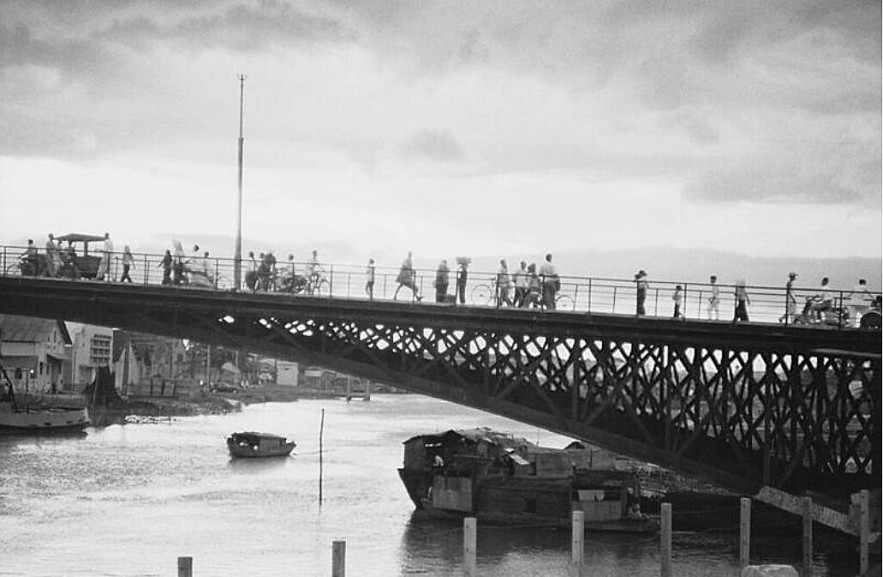
The village at the foot of Mong bridge. Photo: Michel Huet.
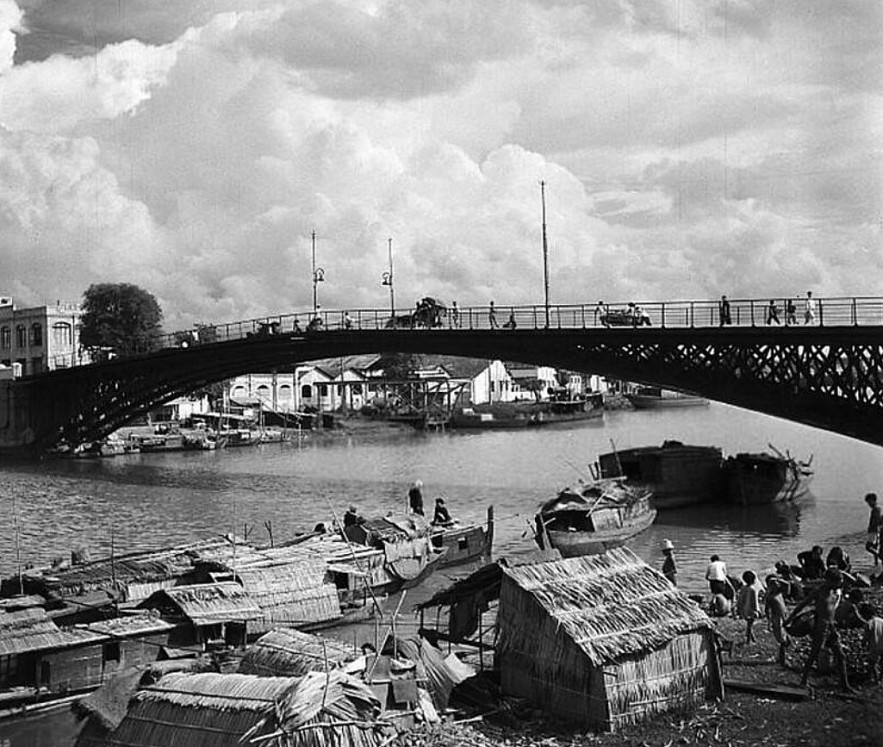
The village at the foot of Mong bridge. Photo: Michel Huet.
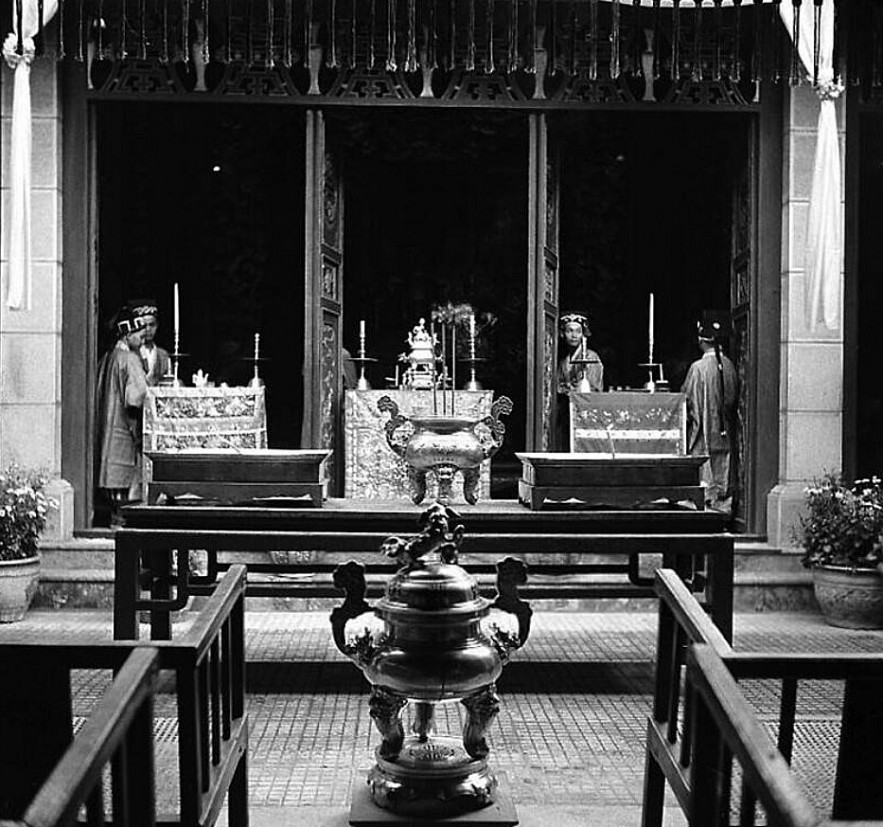
In a Chinese assembly hall in Cho Lon in 1947. Photo: Michel Huet.
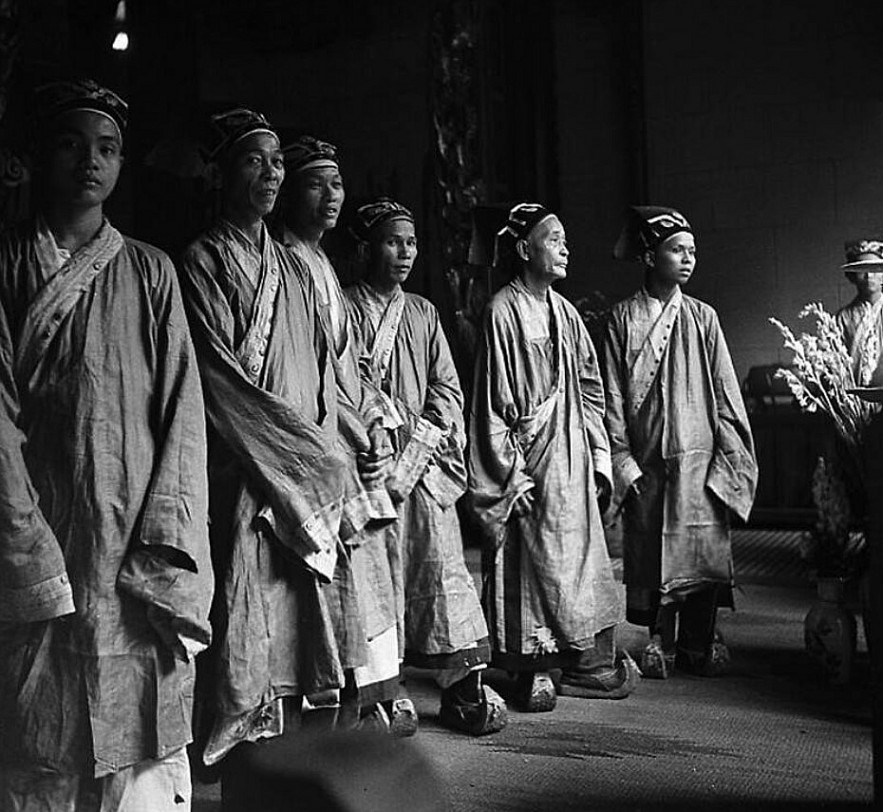
Members at the assembly hall. Photo: Michel Huet.
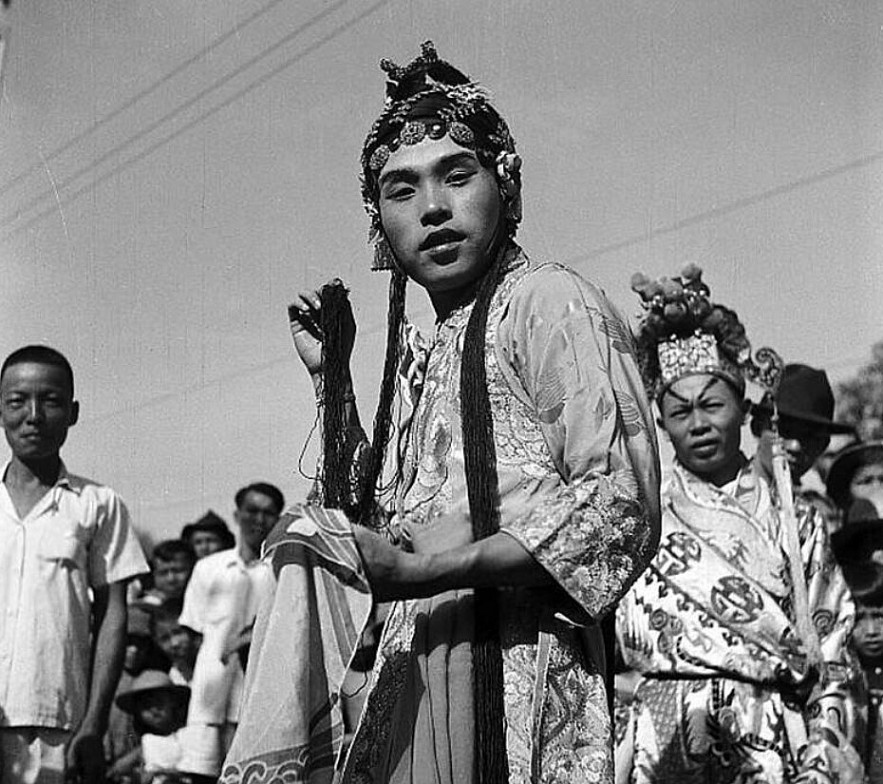
Tuong actresses in Cho Lon. Photo: Michel Huet.
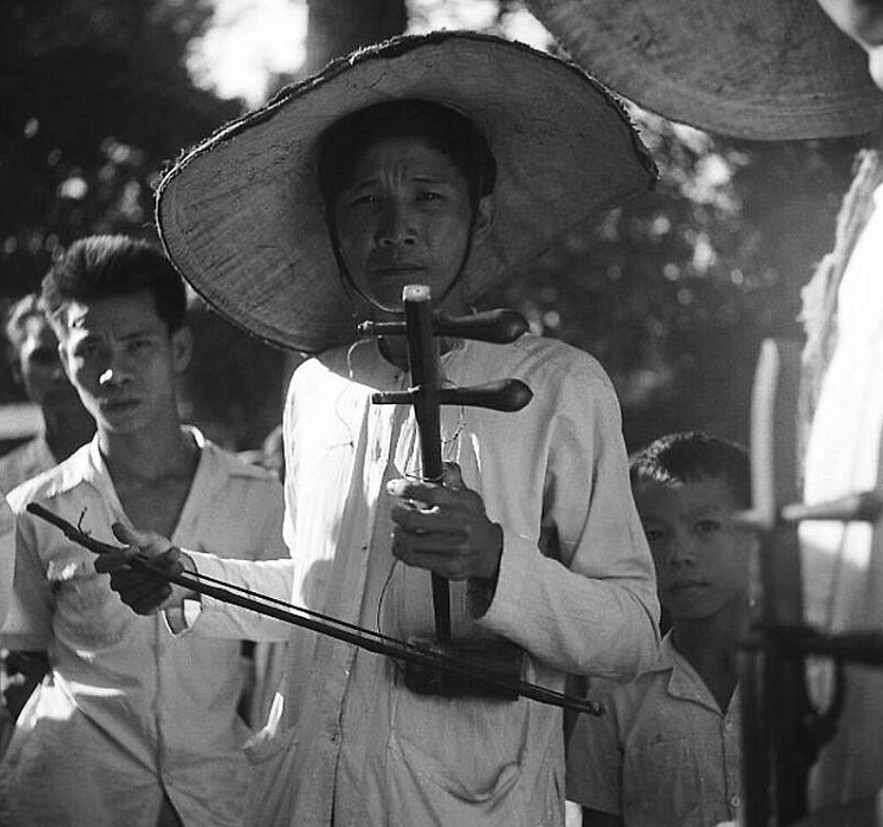
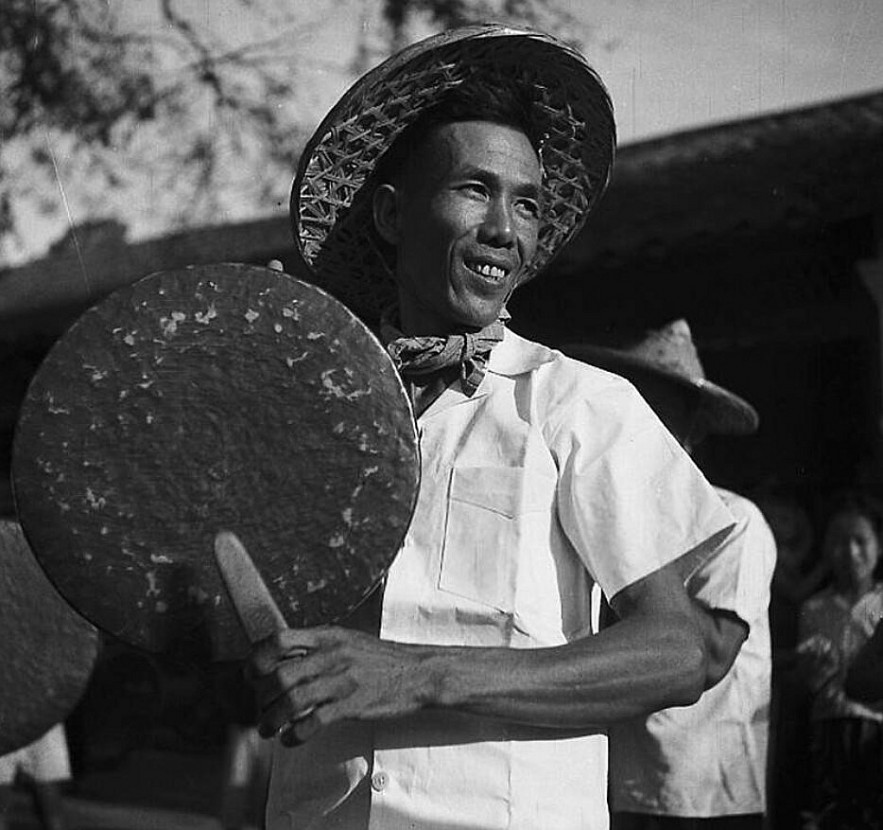
Tuong actors in Cho Lon. Photo: Michel Huet.
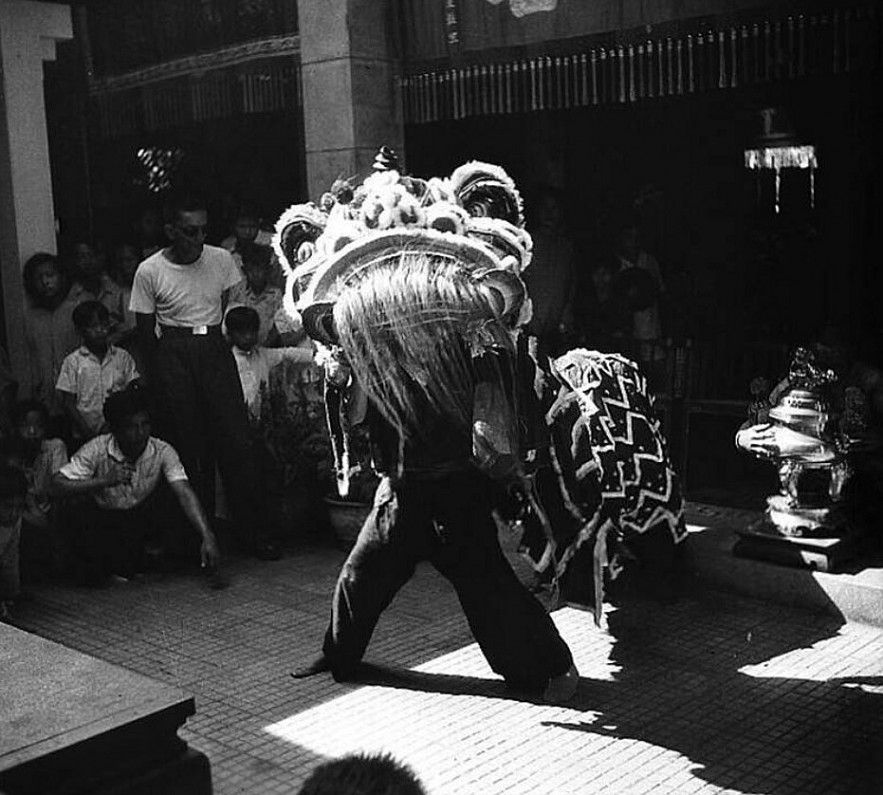
Lion dance scene. Photo: Michel Huet.
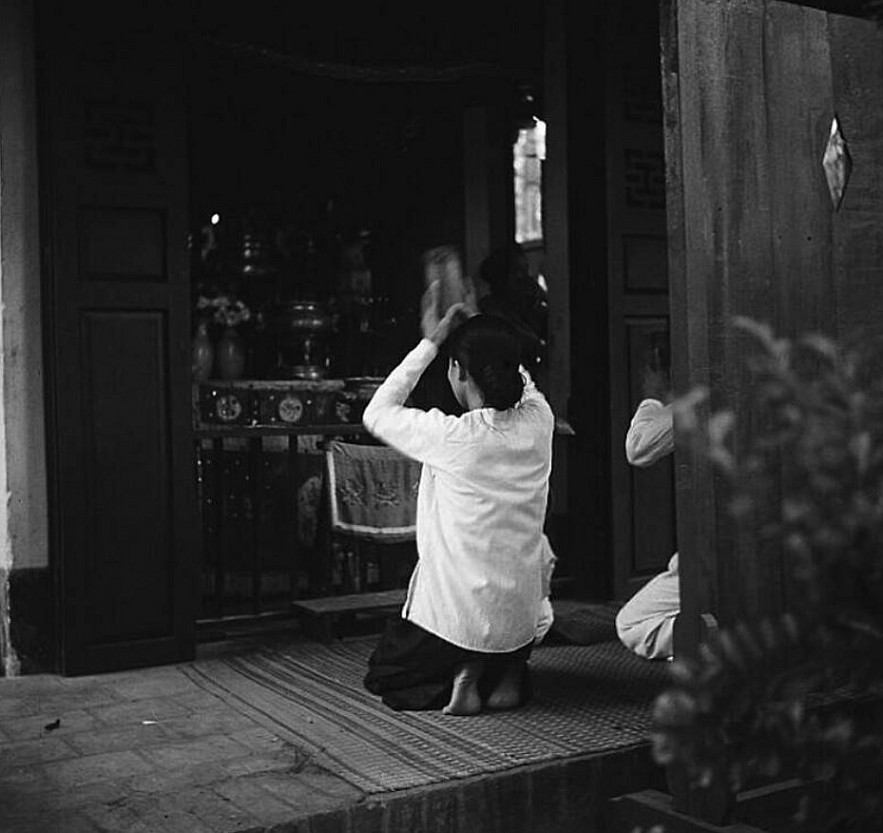
A woman praying in the assembly hall. Photo: Michel Huet.
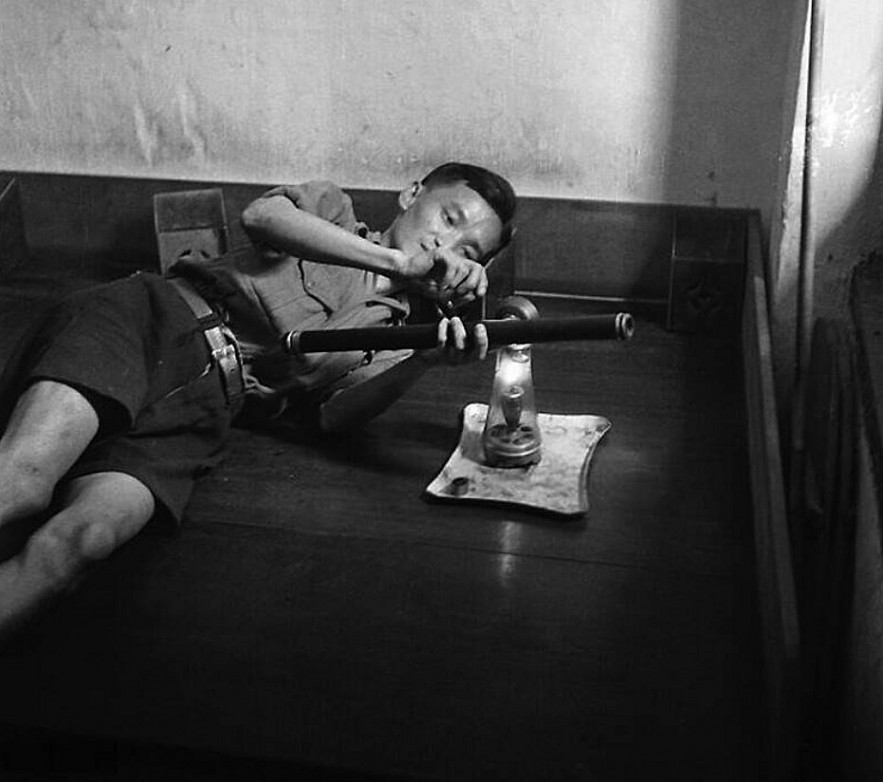
A man smoking a cigarette. Photo: Michel Huet.
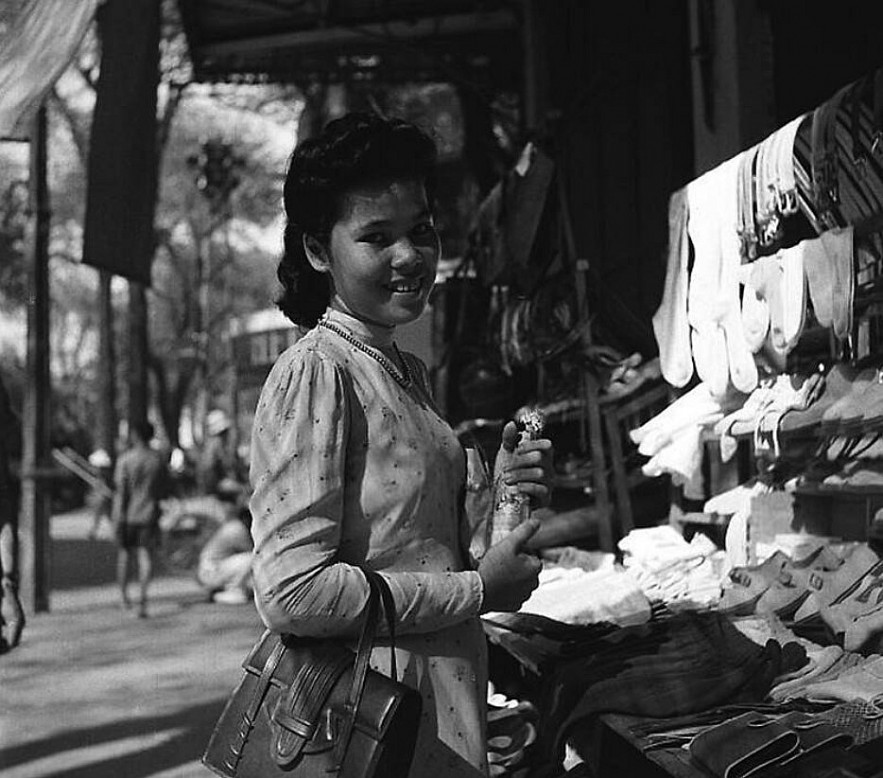
The image of a charming Saigon woman on the sidewalk stalls. Photo: Michel Huet.
Vietnamese couple Tung and Quynh recently went viral on the Internet sharing gorgeous photos of them wearing Ao Dai and traveling around the world together.
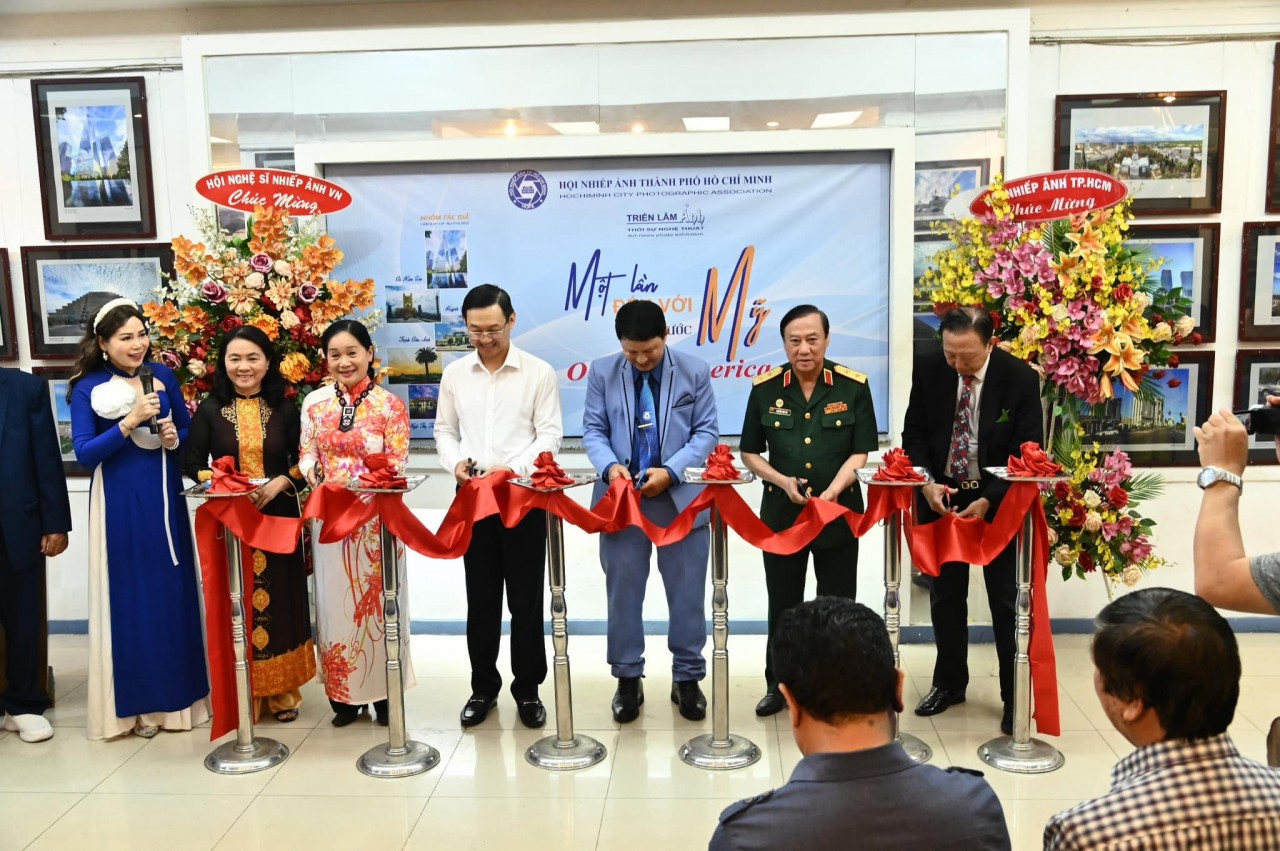
Responding to the important events between Vietnam and the United States, the Ho Chi Minh City Photography Association held an exhibition hoping to bring to the audience some of the landscape and people of America.
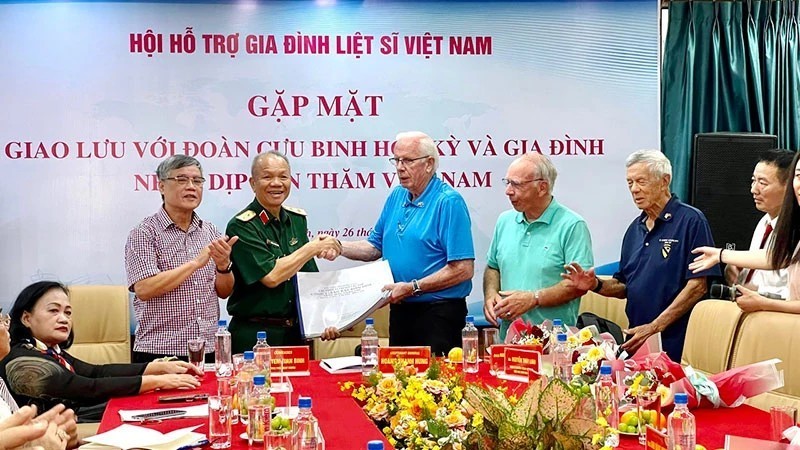
For nearly a decade, Richard Magner and Bob Connor have been examining archival wartime footage, battlefield records, and the memories of US veterans to identify locations believed to contain mass graves of fallen Vietnamese soldiers. The information they have provided has contributed to the recovery of 80 sets of remains at Bien Hoa Airport and more than 200 sets of remains at Loc Ninh Airport, while also helping compile 250 case files to support search and recovery efforts.
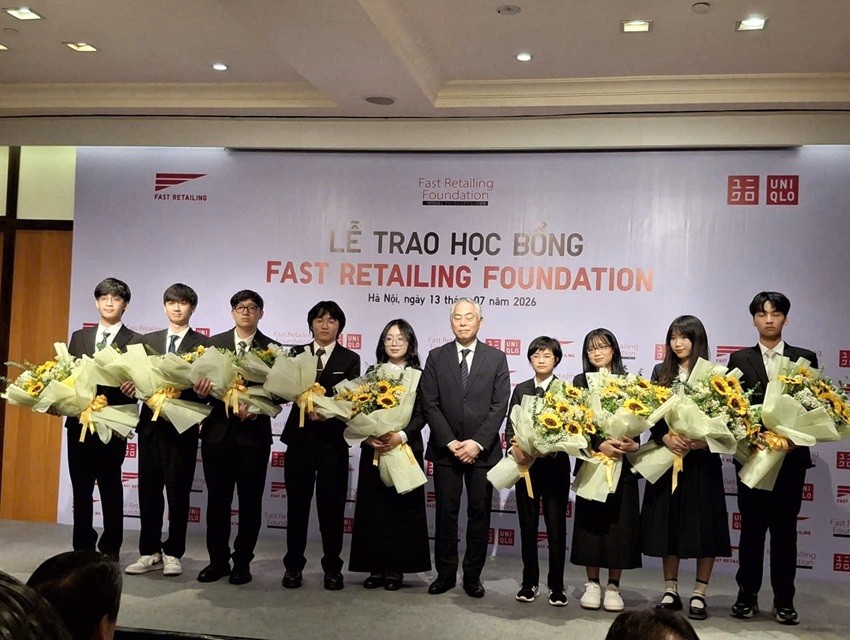
On July 13, Fast Retailing Group announced that nine Vietnamese students had been awarded full scholarships from the Fast Retailing Foundation to pursue undergraduate studies at leading Japanese universities. This initiative not only opens new academic opportunities for the recipients but also contributes to strengthening educational cooperation between Vietnam and Japan.
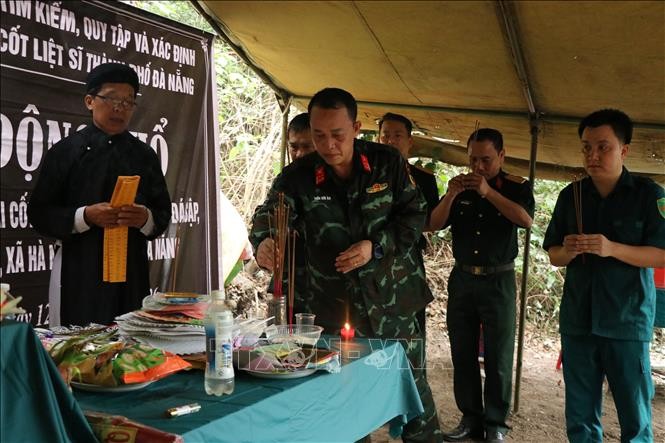
As part of the 500-Day Campaign to accelerate the search, recovery, and identification of fallen soldiers' remains, task forces in Da Nang and Cao Bang discovered and recovered multiple sets of remains on July 13.
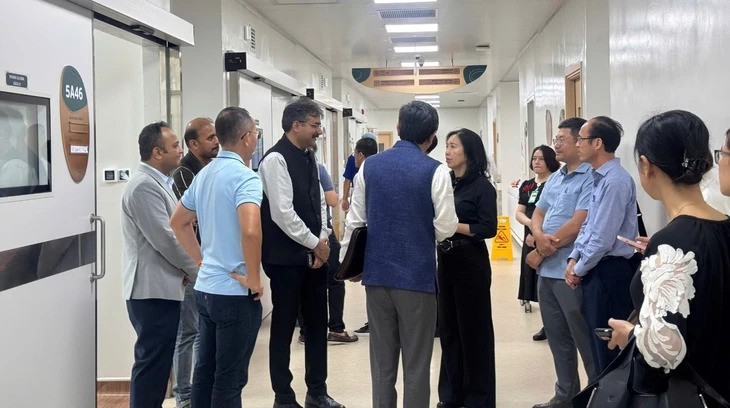
Following the speedboat capsizing in the An Thoi waters (Phu Quoc Special Zone, An Giang Province) on July 11, the Indian Ambassador to Vietnam expressed profound gratitude for the close direction provided by Vietnam's senior leadership and the prompt, responsible response of the competent authorities in search and rescue operations, consular protection, and assistance for the victims' families.
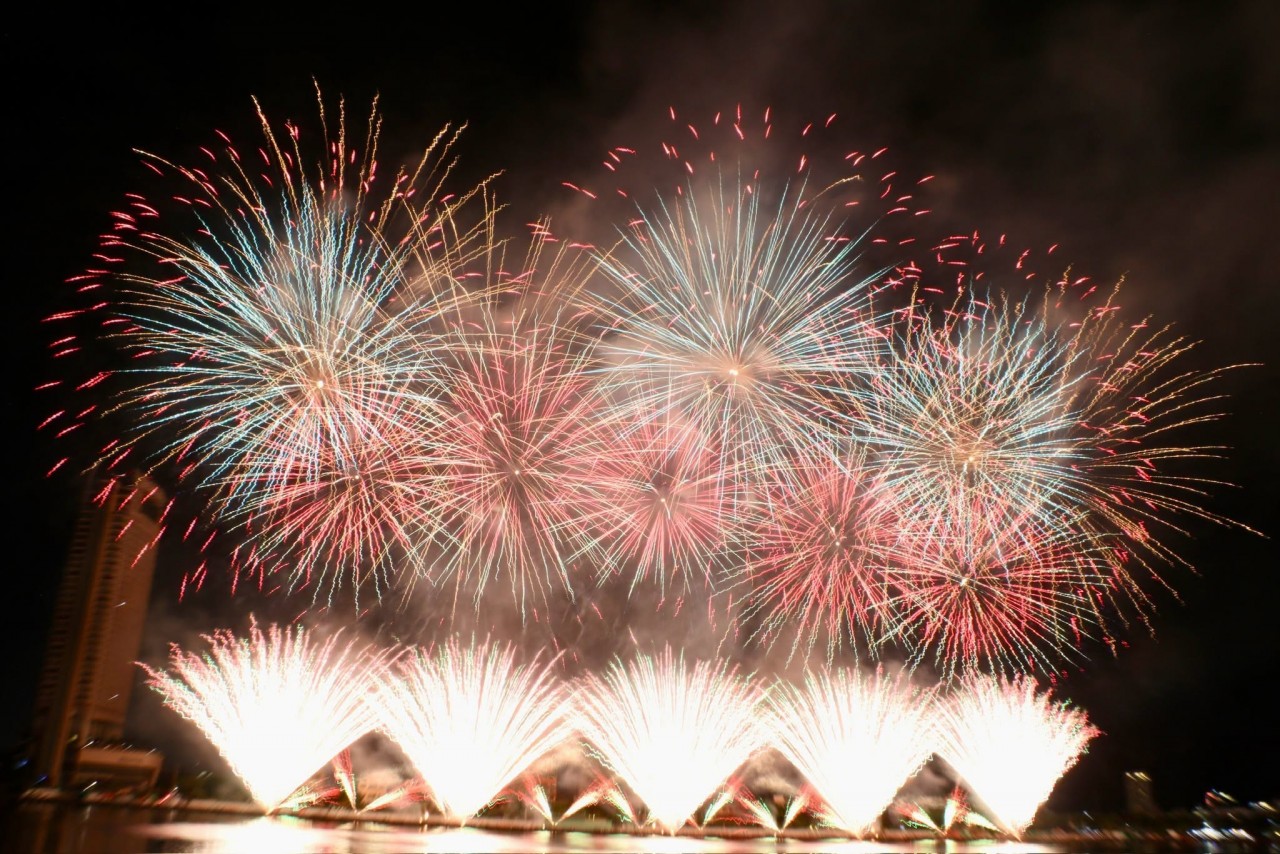
On the evening of July 11 in Da Nang, Macedos Pirotecnia of Portugal was crowned champion of the 2026 Da Nang International Fireworks Festival (DIFF), held under the theme "Connected Horizons."
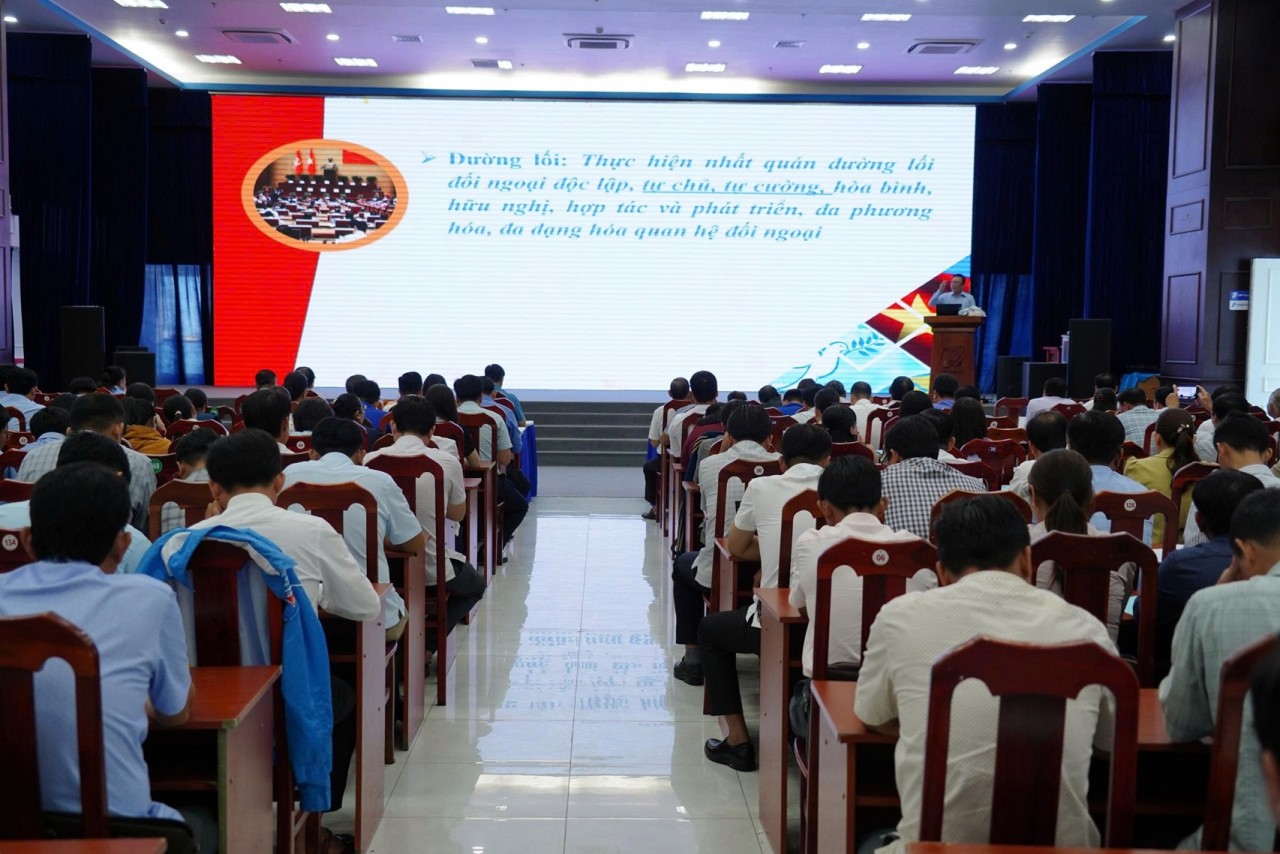
On July 9, 2026, the Union of Friendship Organizations of Ca Mau held a training course on people-to-people diplomacy and foreign non-governmental organization (NGO) affairs, with the participation of 350 officials and employees. The program aimed to update attendees on new policies and guidelines, strengthen the capacity of those engaged in foreign affairs, and thereby enhance the effectiveness of mobilizing, managing, and utilizing international aid to support the province’s socio-economic development.
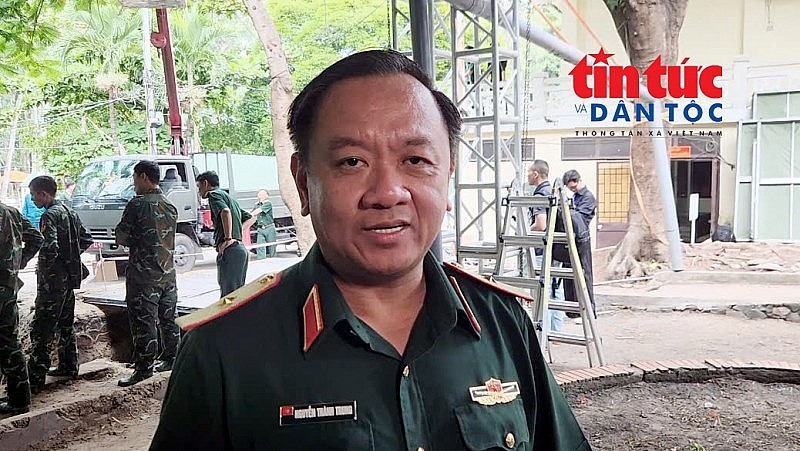
Shortly after issuing a public appeal for information on the burial sites of soldiers who were killed during the battle at Tan Son Nhat Airport in the 1968 Tet Offensive, the Ho Chi Minh City High Command received more than 50 phone calls and text messages from witnesses and local residents. The information has provided additional leads to support the verification, search, recovery, and identification of the fallen soldiers' remains.
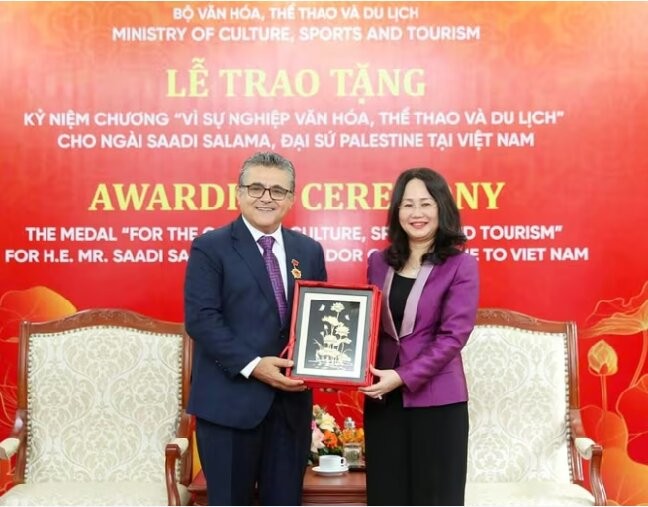
On July 6 in Hanoi, Minister of Culture, Sports and Tourism Lam Thi Phuong Thanh presented the "For the Cause of Culture, Sports and Tourism" Medal to Ambassador Extraordinary and Plenipotentiary of the State of Palestine to Vietnam Saadi Salama.


 Multimedia
 Multimedia
 Viet's Home
 Viet's Home
 Viet's Home
 Viet's Home
 Viet's Home
 Viet's Home
 Viet's Home
 Viet's Home