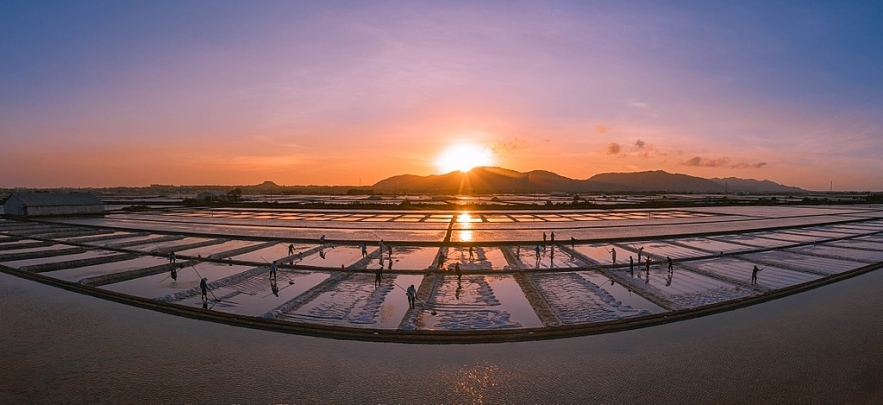
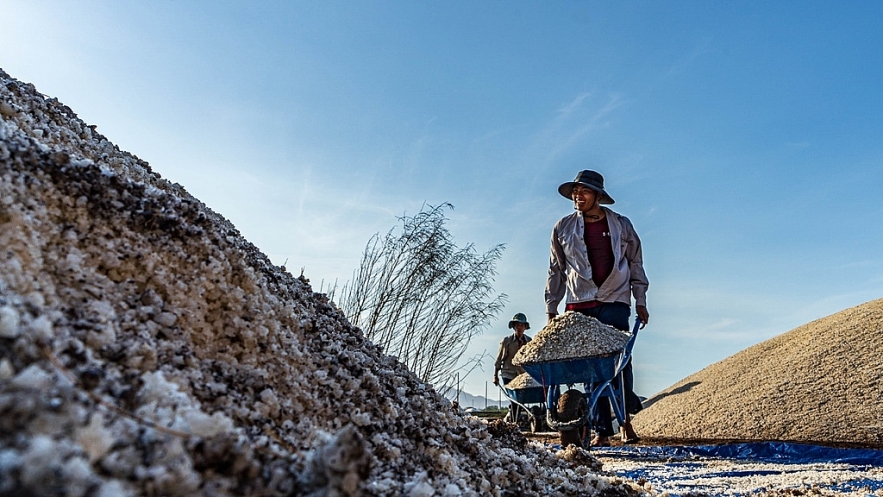
Salt production has been the traditional craft and passed through several generations in Long Dien district. The picture of salt workers engrossed on salt flats creating the artless labour beauty, which is attractive to tourists.
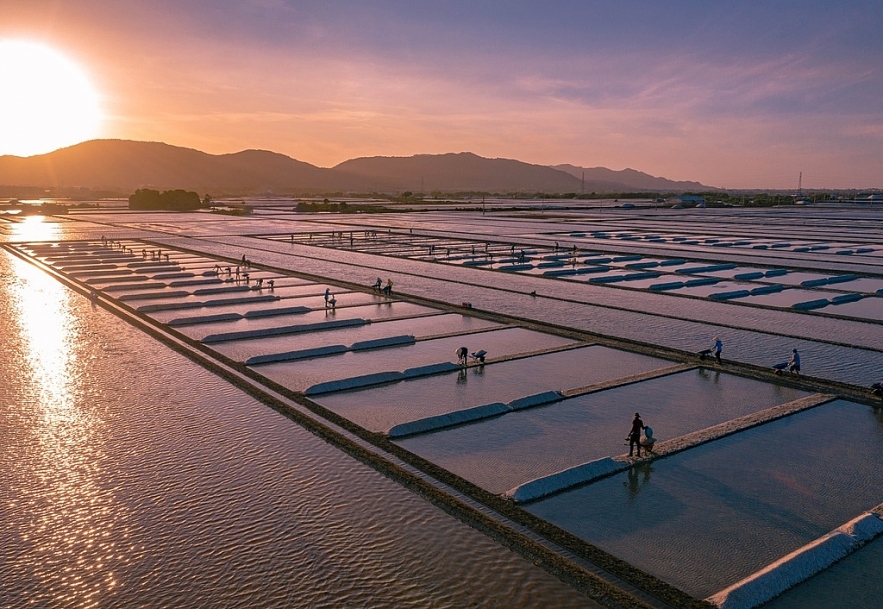
95 km from Ho Chi Minh City, numerous tourists come to Long Dien salt flats to discover the simple life of the people here. Long Dien town (Ba Ria - Vung Tau Province) has been long well-known for its traditional salt production.
Photo: Zingnews
The ancestors made salt by the traditional method of condensing sea water, forming a salt-making area in An Ngai commune and Long Dien town.
Photo: Zingnews
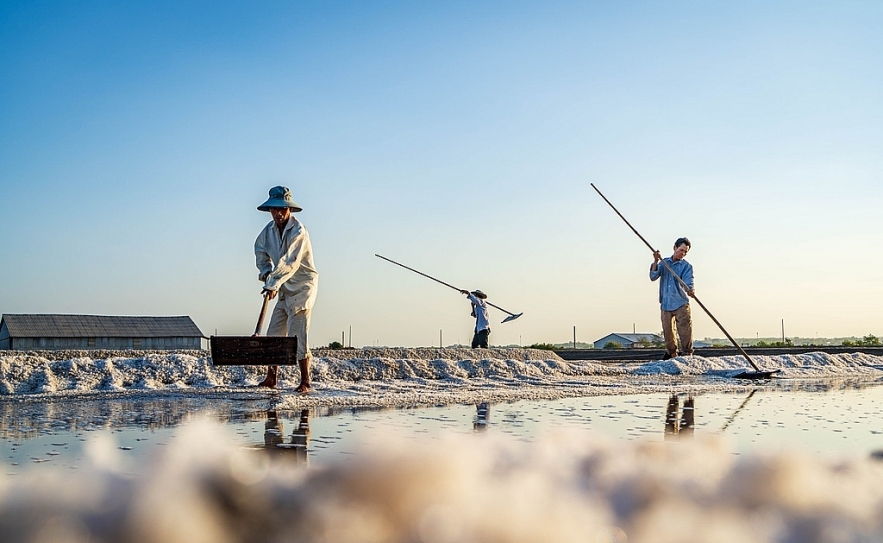
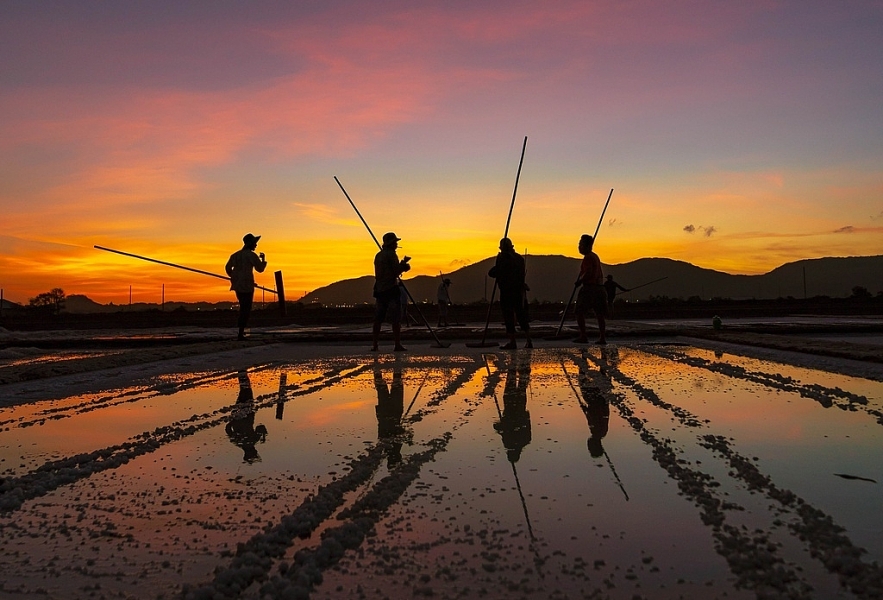
Long Dien salt farmers still preserve their traditional craft through several generations.
Photo: Zingnews
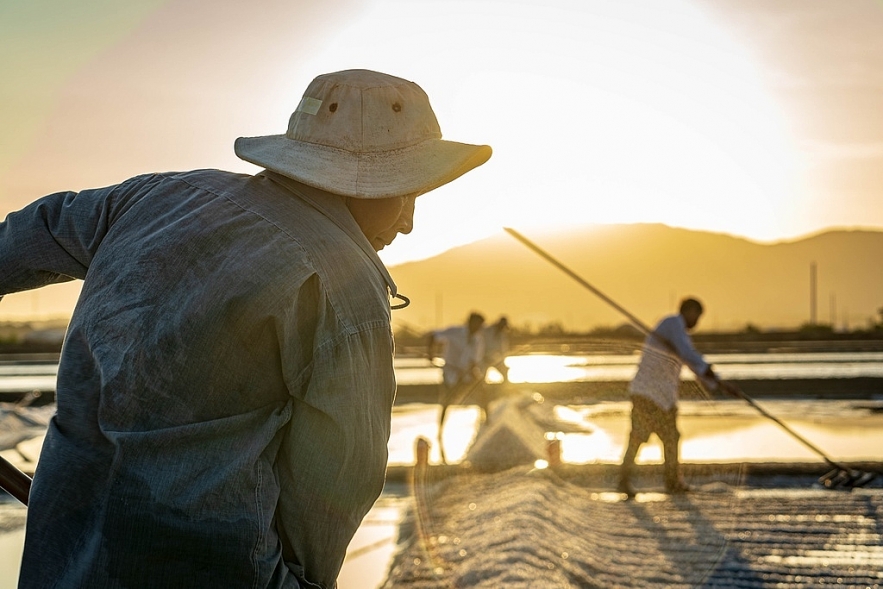
"Born and raised in the Central region, I understand very well the hard work of salt farmers. However, they always show optimism on their face," the author of the photo series said.
Photo: Zingnews
"To capture these photos, I had to expose myself together with residents from morning until noon. Under the burning daylight, the workers still work tirelessly harvesting salt."
Photo:: Zingnews
The annual salt season in Long Dien starts from September to April next year (according to the lunar calendar).
Photo: Zingnews
Currently, Long Dien district has nearly 300 households producing salt. The average income of a salt worker is only about VND 200,000/day.
Photo: Zingnews
In the salt season, salt workers started their work from early morning. After harvesting, farmers continue to bring water into the salt flats in order to create the new season.
Photo: Zingnews
Although this is a hard, low paid job, Long Dien people still cling to the field with a view to preserving their ancestors’ jobs.
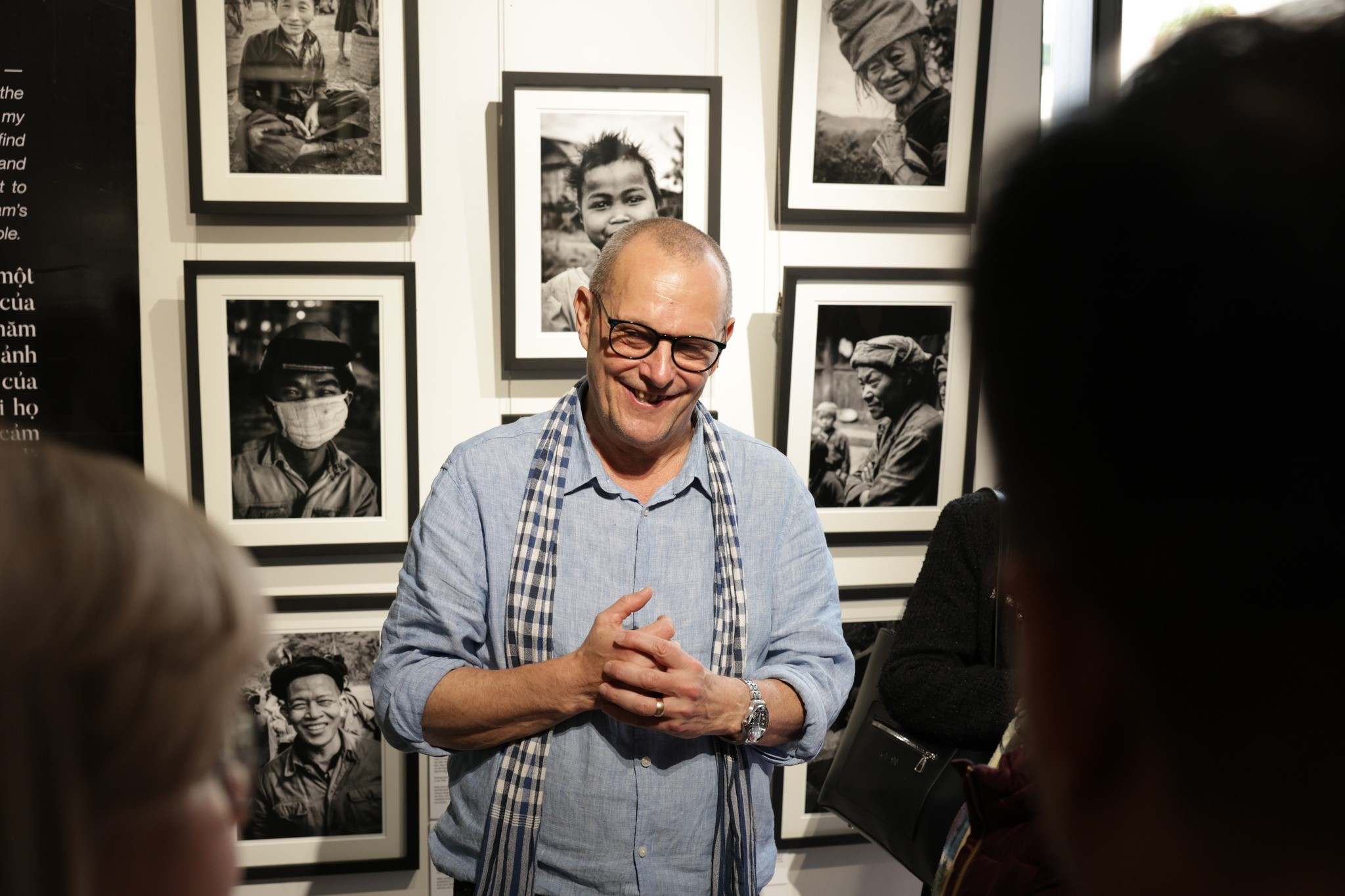
The exhibition “Continuum: Viet Nam” by British photographer Andy Soloman presents 51 black-and-white photographs capturing his more than three-decade-long connection with Vietnam. From portraits and landscapes taken in the early 1990s to those of today, the collection reflects the transformation of Vietnam through the lives of the people Andy Soloman has met and captured by his camera.
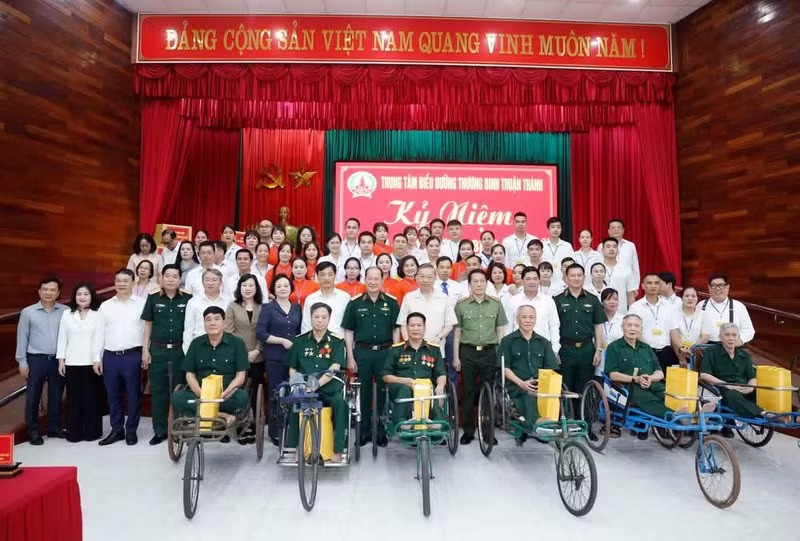
Party General Secretary and State President To Lam on July 15 affirmed that caring for revolutionary contributors is both a political responsibility and a moral obligation, calling for more comprehensive and timely policies to ensure that those who sacrificed for the nation receive the care and respect they deserve.
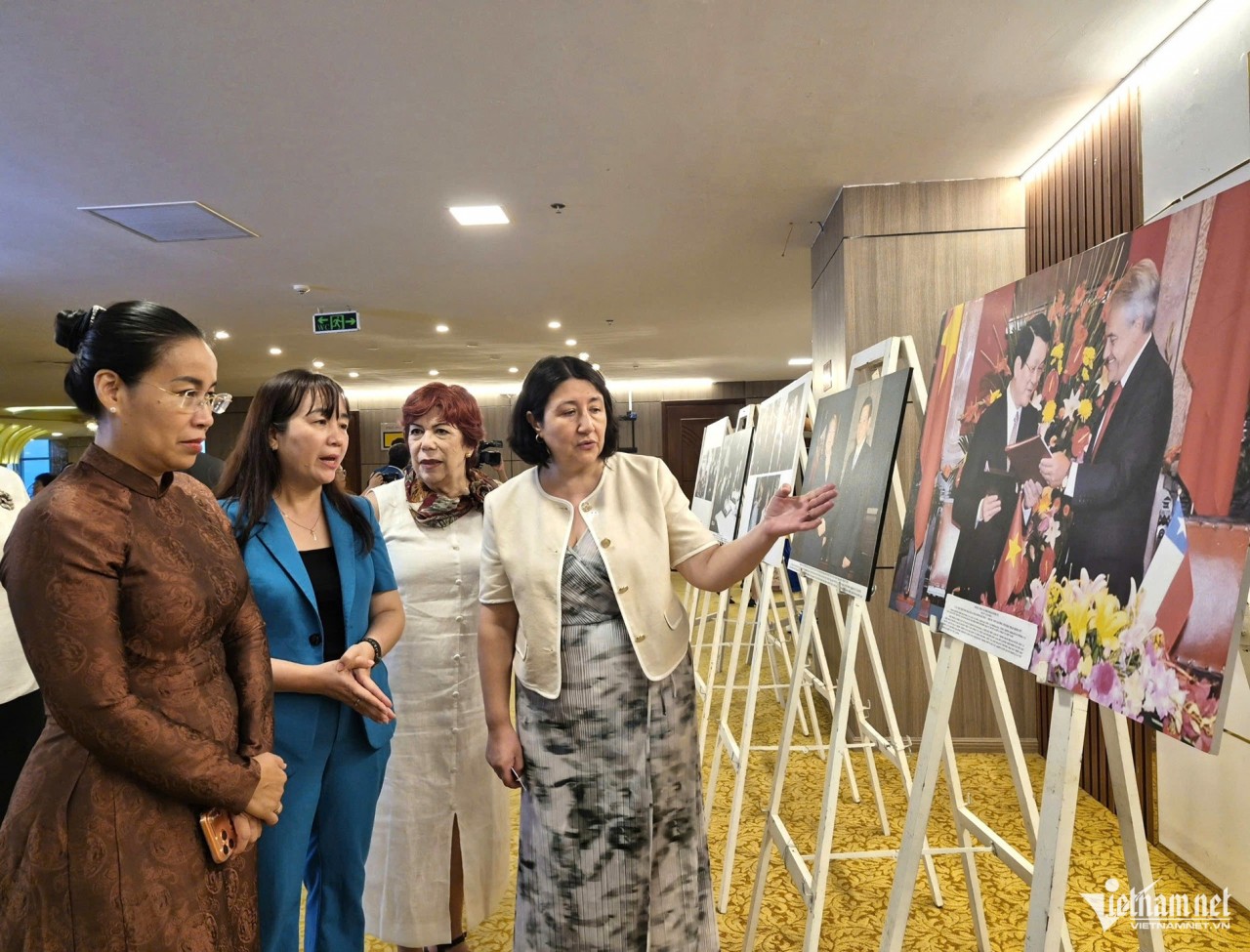
Vietnam News Today (July 16): Vietnam, RoK strengthen investment links at Seoul conference; Vietnam, Cambodia strengthen cooperation to build friendly border; Vietnam and Chile mark 55 years of diplomatic relations; Ho Chi Minh City promotes people-to-people ties with US.
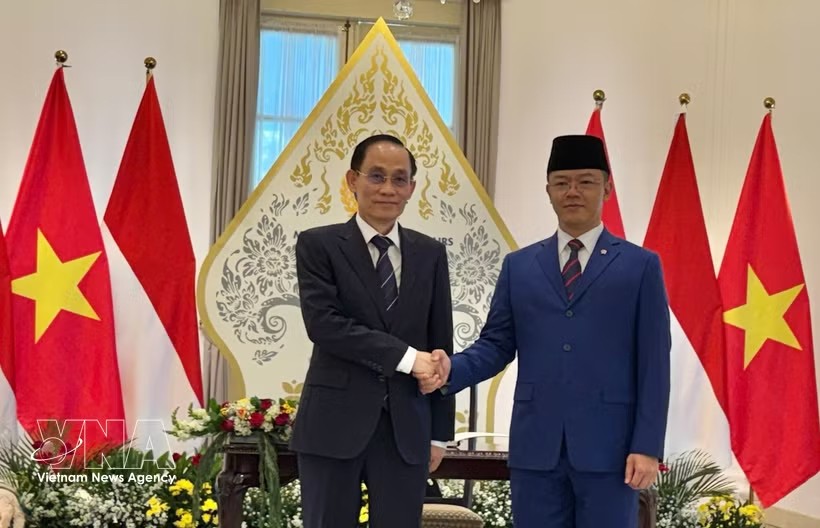
Vietnam News Today (July 14): Deputy PM calls for stronger Vietnam – Laos cooperation in agriculture, environment; Vietnam, Indonesia chart new strategic cooperation agenda; Green-certified Vietnamese farm produce gains premium in global markets; Vietnam enters pivotal phase in AI development, experts say.
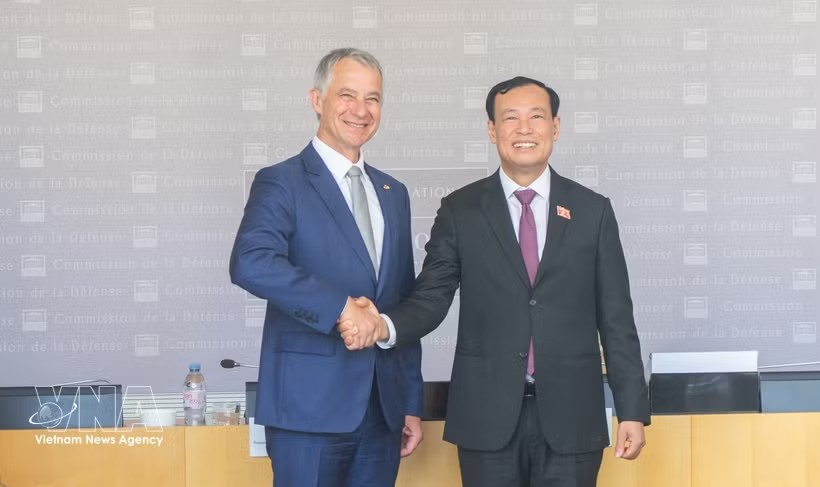
Vietnam News Today (July 13): Vietnam, France seek to deepen Comprehensive Strategic Partnership; Vietnam seeks stronger economic links with Egypt's Red Sea Governorate; Vietnam reiterates UNCLOS 1982 as sole legal basis for maritime rights; Vietnam retains position as Cambodia's third-largest trading partner.
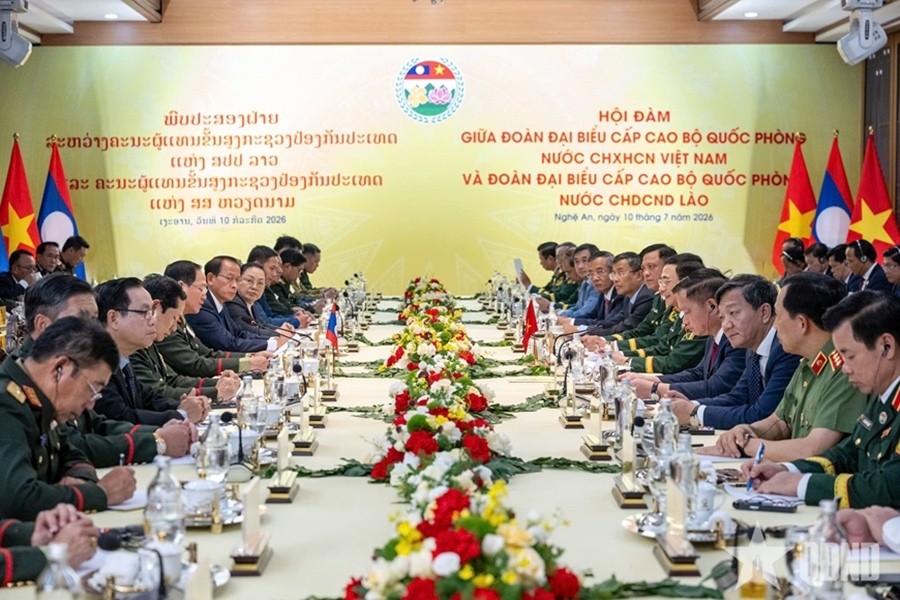
Vietnam News Today (July 11): Japan’s Aichi prefecture, Vietnamese localities urged to promote cooperation; Vietnamese firms urged to enhance competitiveness to tap US market opportunities; Vietnam and Laos agree to enhance defense cooperation; Vietnam proposes a roadmap for future ASEAN-India tourism cooperation.
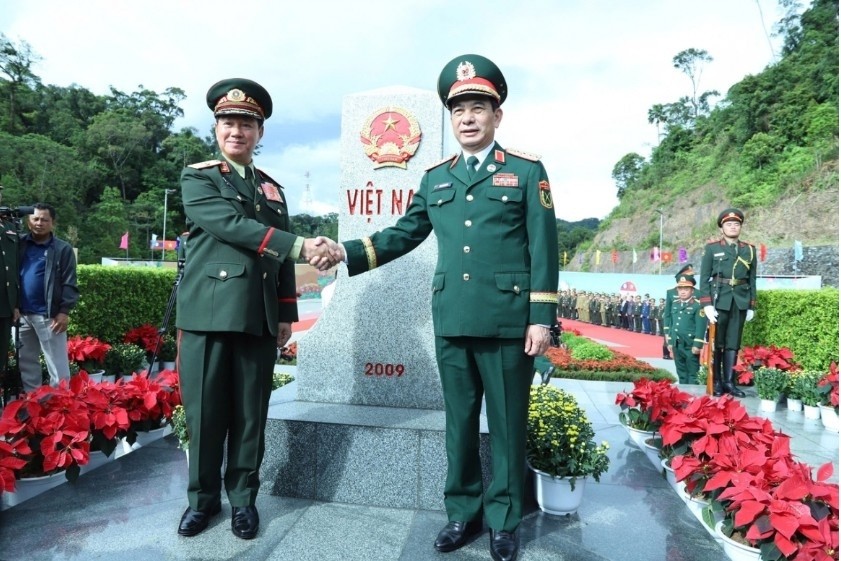
Vietnam News Today (July 10): Third Vietnam-Laos Border Defense Friendship Exchange gets underway; Vietnam seeks early signing of trade deal with EFTA; UOB revises up Vietnam's 2026 GDP growth forecast to 8.5%; Airlines add international flights, giving summer travellers more flexible options.
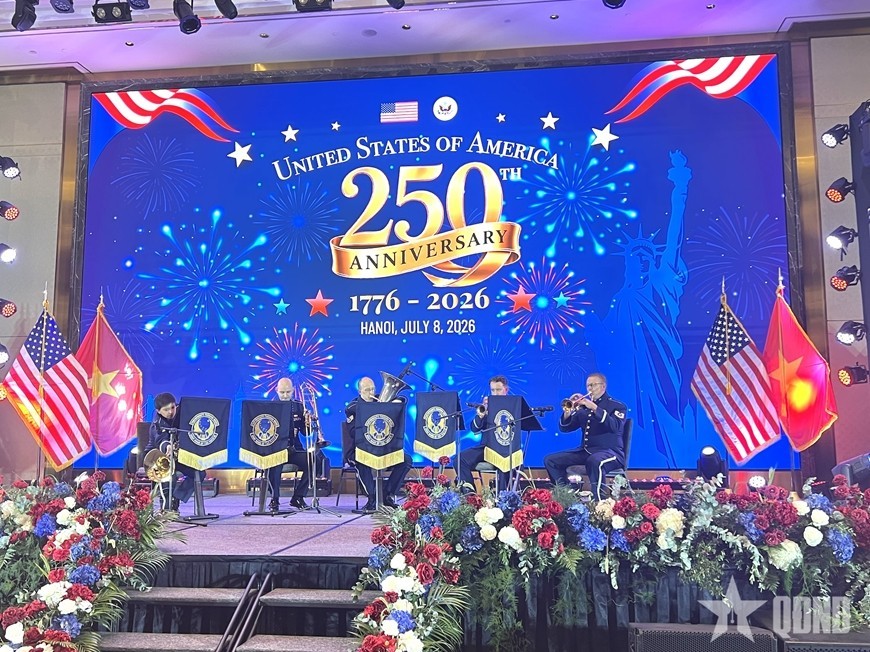
At the celebration marking the 250th anniversary of the Independence Day of the US, held in Hanoi on the evening of July 8, Minister of Foreign Affairs Le Hoai Trung affirmed that Vietnam wishes to continue working with the US to advance the Comprehensive Strategic Partnership in a stable, substantive, and effective manner, while looking forward to achieving new breakthroughs in trade, science and technology, innovation, and digital transformation.







 Expats in Vietnam
 Handbook
 National
 National
 National
 National
 National
 National
 National
 National