The peaceful life on Thi Nai lagoon - a waterty paradise in Binh Dinh
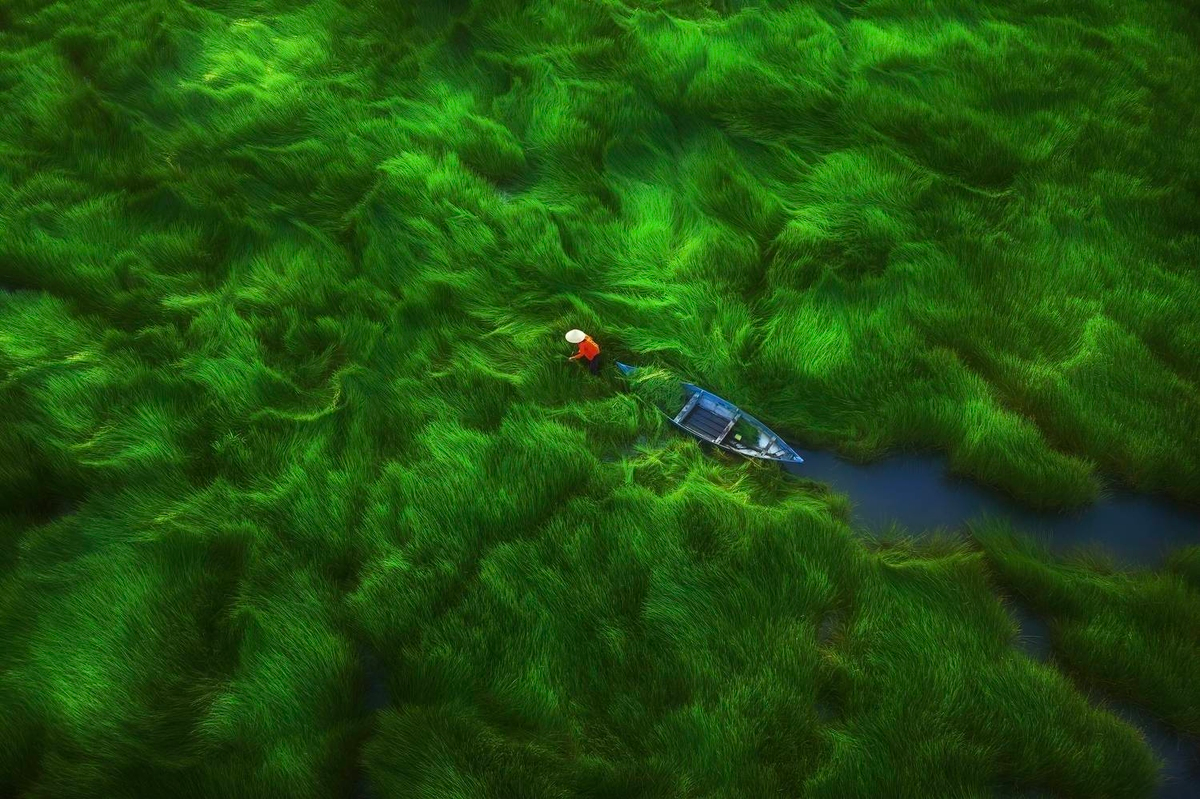
The peaceful scenery and beautiful daily life near Thi Nai lagoon are perfectly captured through the photos taken by Vietnamese photographer Nguyen Tien Trinh.
The coastal area of Binh Dinh has three impressive lagoons: Tra O (Phu My), Dam Thuy (Phu Cat) and Thi Nai (Quy Nhon city), which Thi Nai lagoon is the largest one as well as the “nursery” for aquatic species. Thi Nai used to be called Bien Can lagoon because the water was drained, which left the lagoon’s bottom inert. There was also a time it was called Hai Hac Dam but the local people gave it the name “Thi Nai.”
Thi Nai Lagoon covers an area of over 5,000ha of water surface, more than 10km, width to nearly 4km. It is a place where natural resources are gifted, and is a place of biodiversity with rich mangrove ecosystems, including: 25 species in seagrass area; 64 species of phytoplankton and 76 species of fish; hundreds of species of birds, of which 23 species are of waterfowl and migratory birds while 10 species are of forest birds. Plenty of other creatures reside in the stunning oasis.
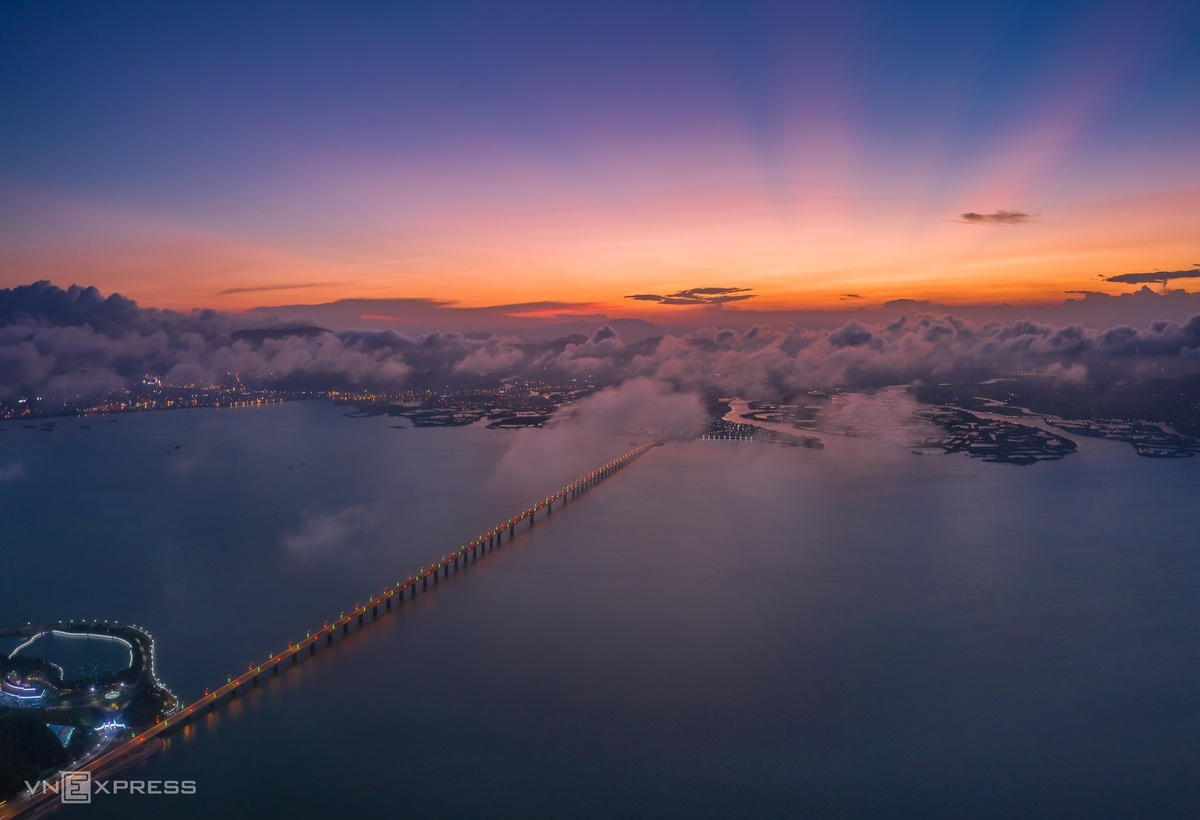
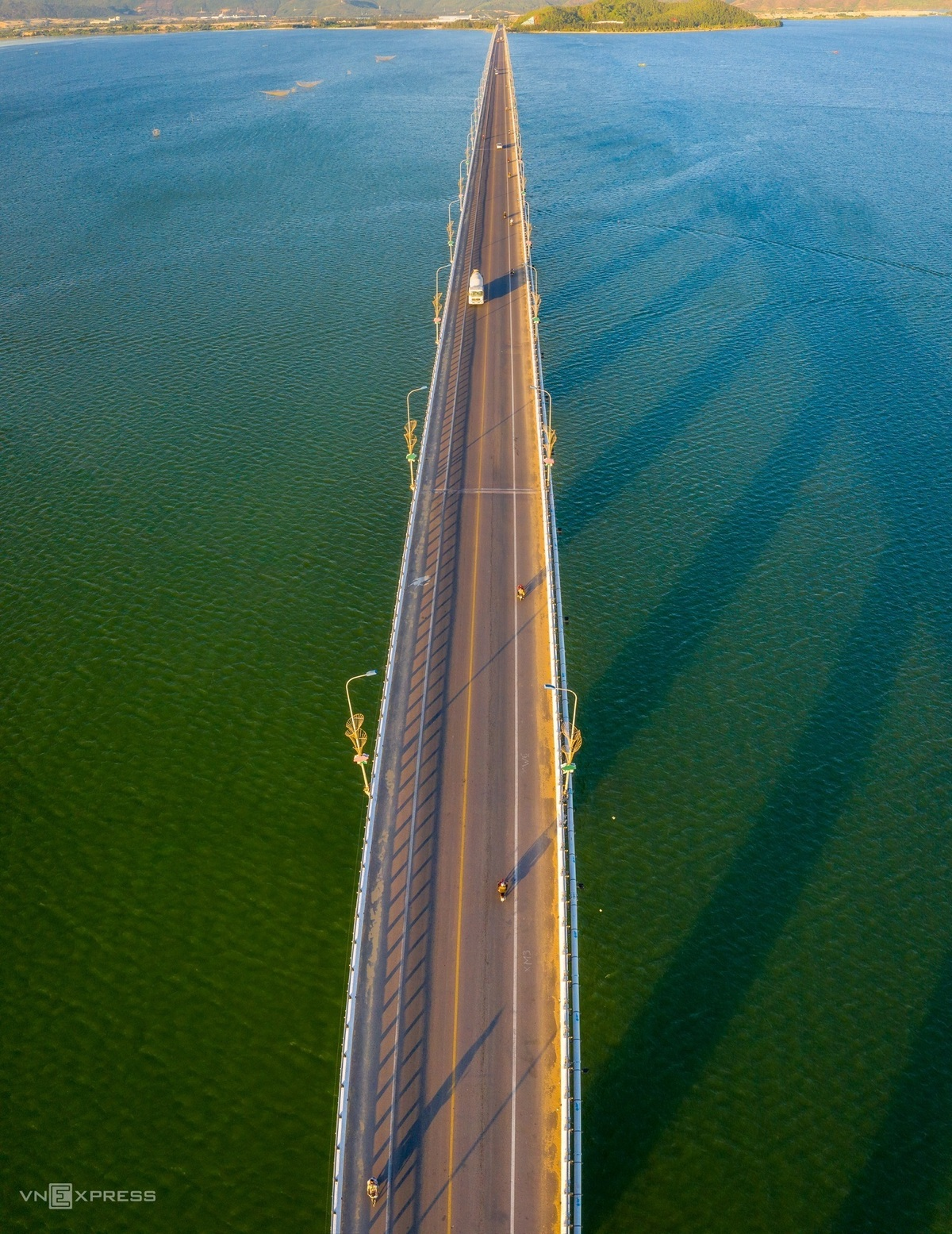
The photo captured the lagoon with its residential clusters, the rice fields, and aquaculture pond system with the highlight of Thi Nai bridge.
Photo: VnExpress
Thi Nai Bridge (also known as Nhon Hoi Bridge) crossing through the lagoon, is the pride of Binh Dinh’s people. The bridge is located about 3km from the centre of Quy Nhon city, which belongs to the Quy Nhon-Nhon Hoi Bridge and Road System that has the length of 7km. The most convenient way to reach to famous tourism areas in Quy Nhon such as Eo Gio, Ky Co, Phuong Mai sand dunes or Trung Luong is to cross the bridge.
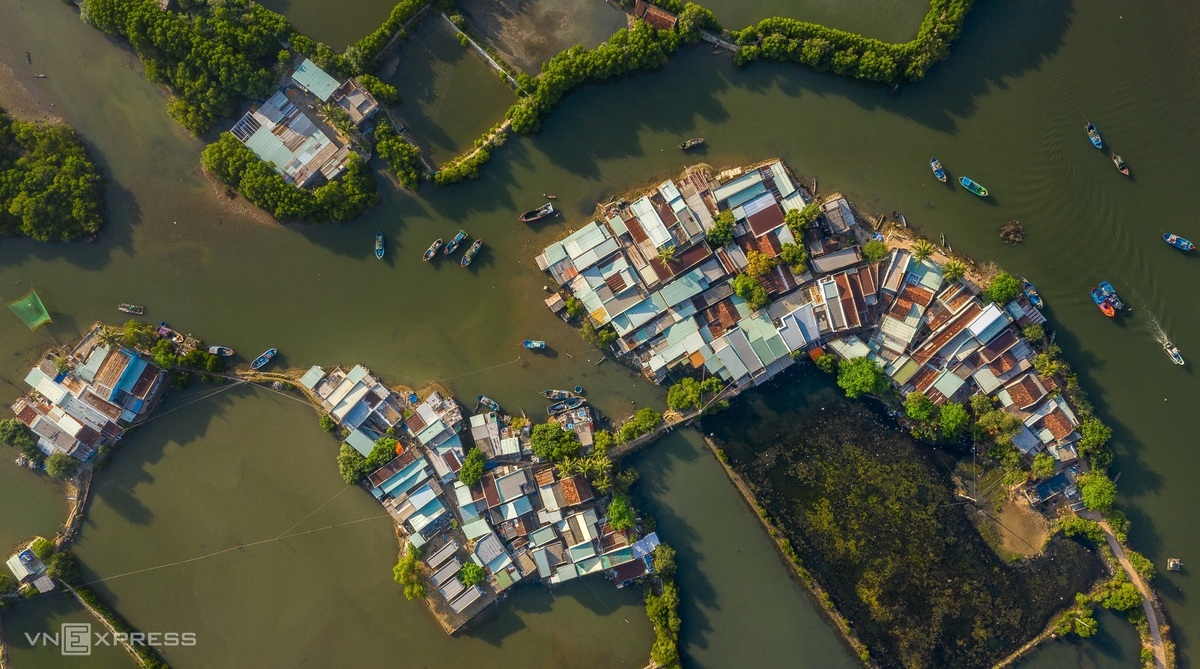
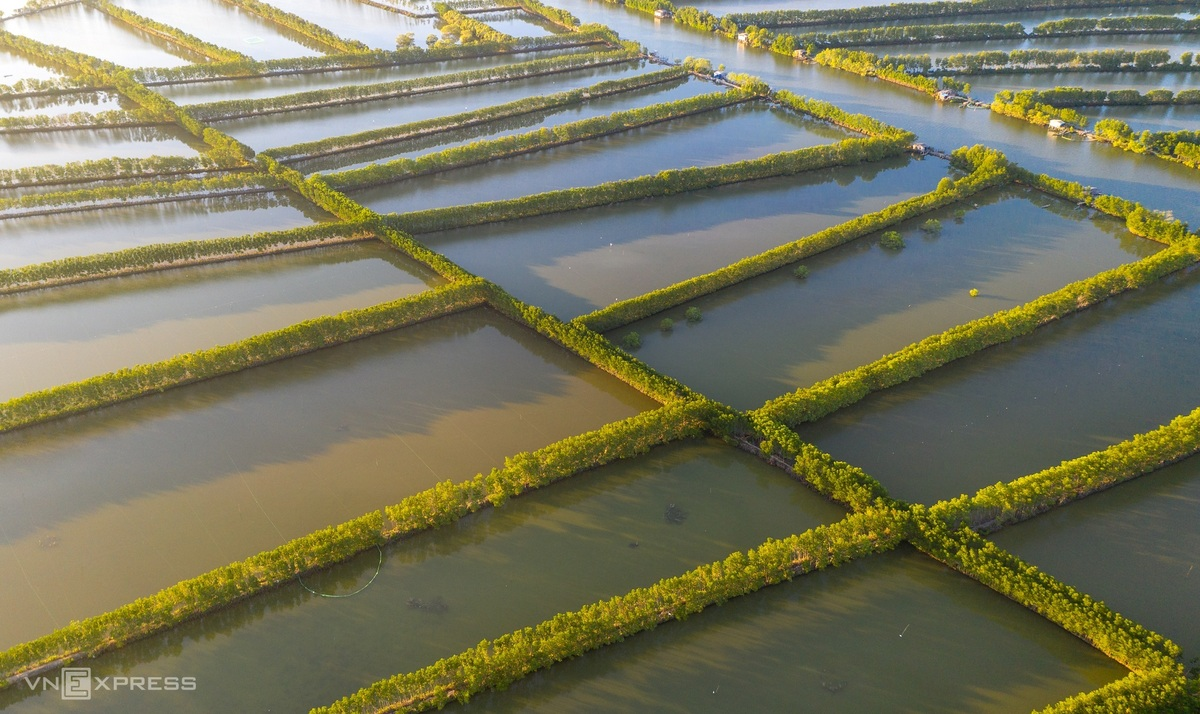
The “Residential oasis” is planned alternatively with aquaculture ponds on Thi Nai lagoon, Dong Da ward, Quy Nhon. Photo: VnExpress
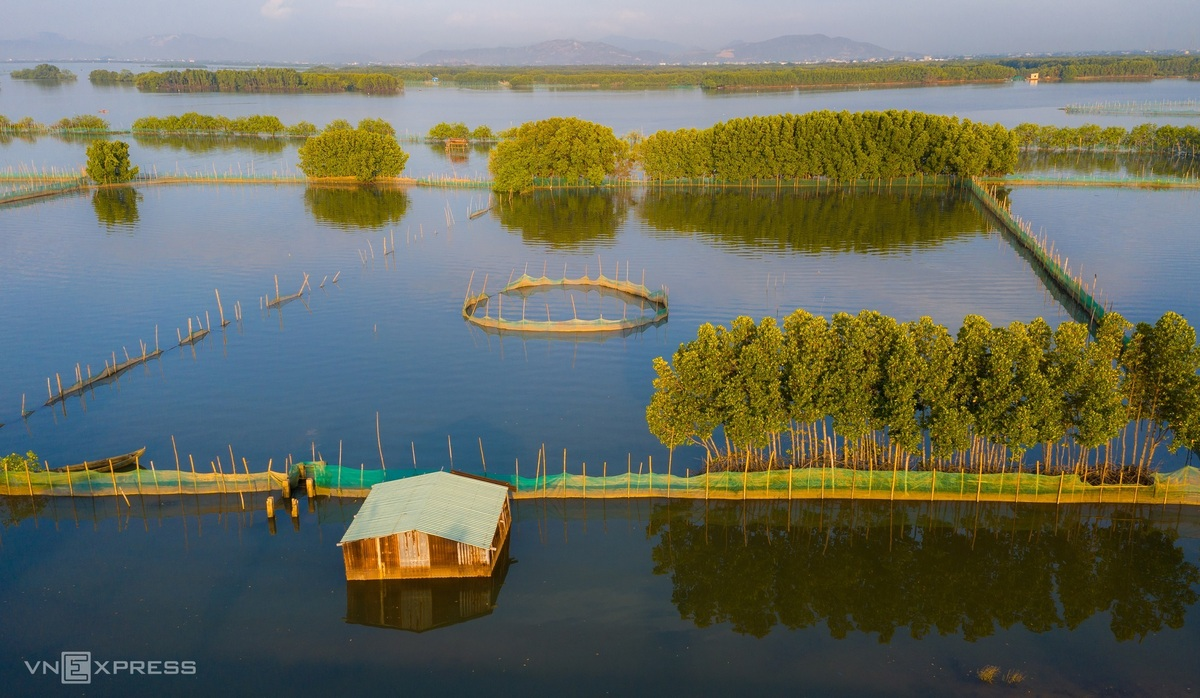
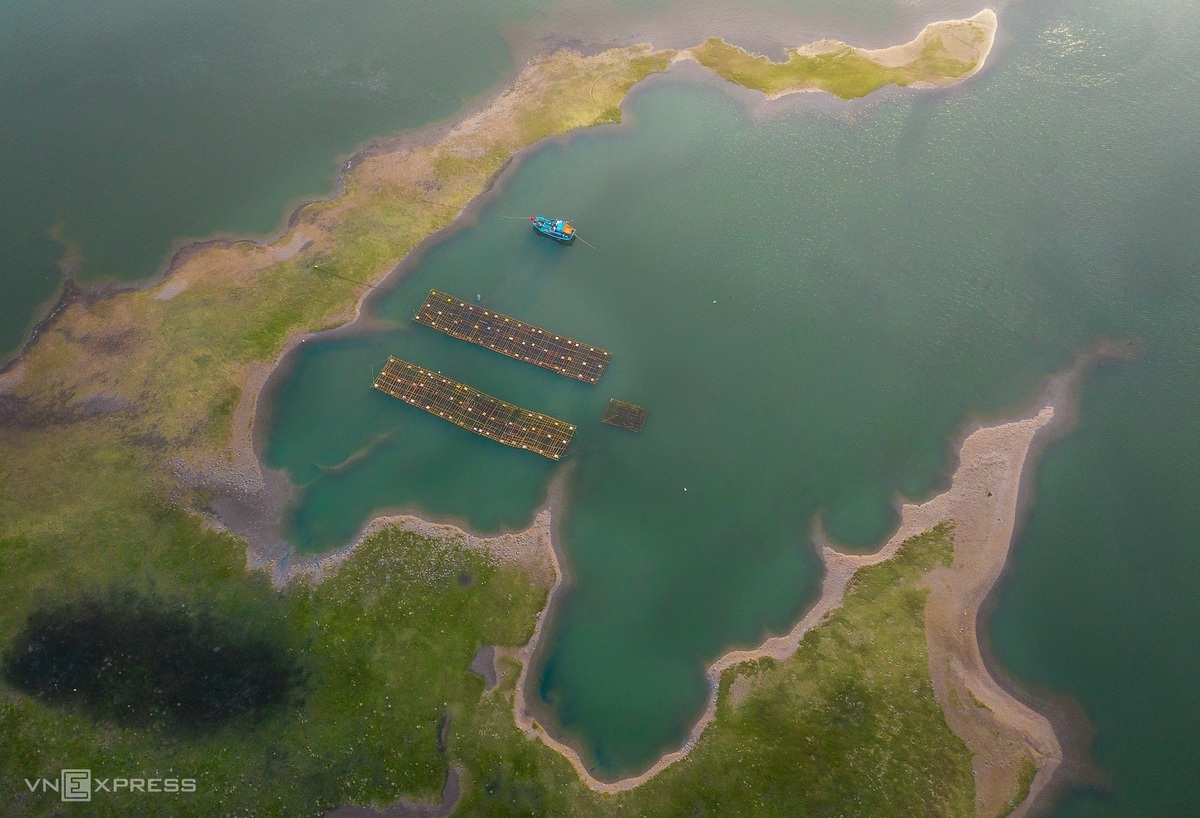
A peaceful house floating on Thi Nai lagoon’s water surface at Chim islet, Tuy Phuoc district, about 15km from Quy Nhon. This place has more than 100 families living through many generations. Photo: VnExpress
The green mangrove forests with all kinds of mangrove plants and parrots have been the home for many species of birds for many years. Photo: VnExpress
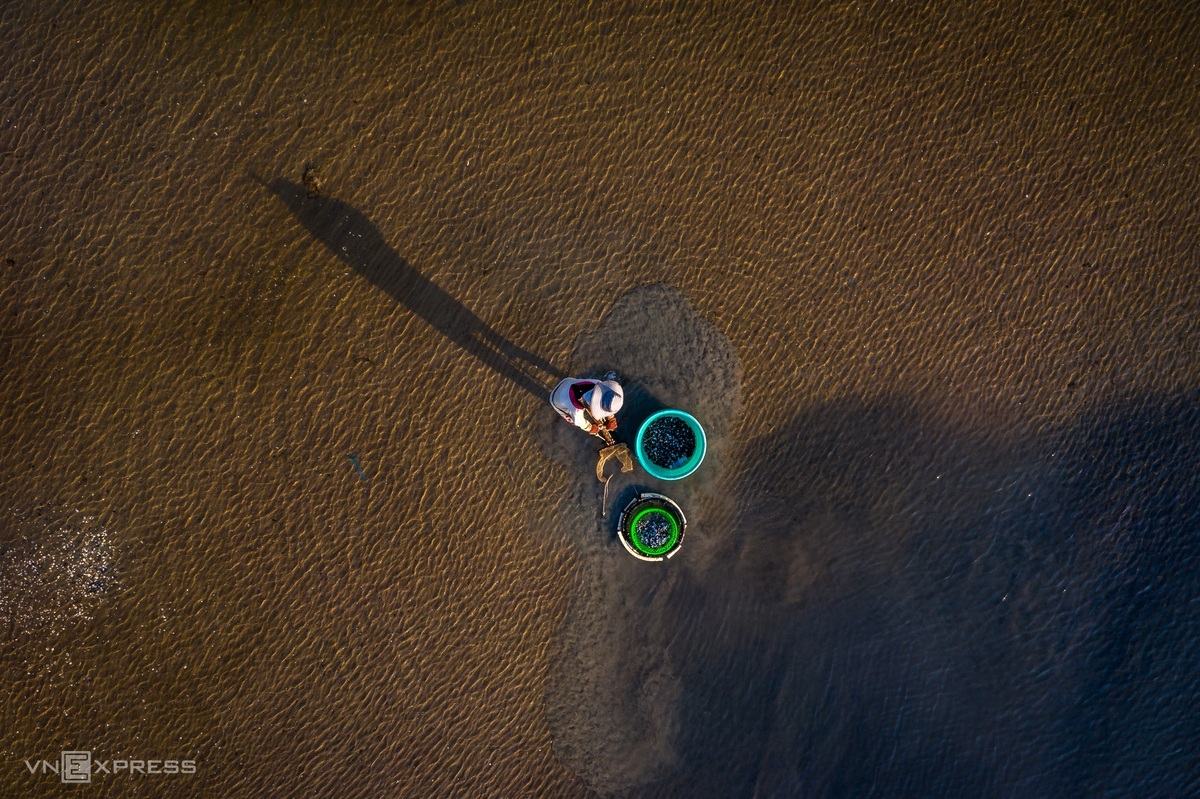
All the streams of Con River, the largest river in Bing Dinh and Ha Thanh River all flow back to Thi Nai lagoon, creating a rich source of alluvium. When the tide is high, the surface of the lagoon is sparkling. In the days that the tides are low, the bottom of the lagoon appears and the landscape looks like an abstract painting from the perspective of the photographer. Photo: VnExpress
The shadow of a fisher on the surface of the lagoon. Thi Nai lagoon is a place of biodiversity with rich mangrove ecosystems, including: 25 species in seagrass area; 64 species of phytoplankton and 76 species of fish. Photo: VnExpress
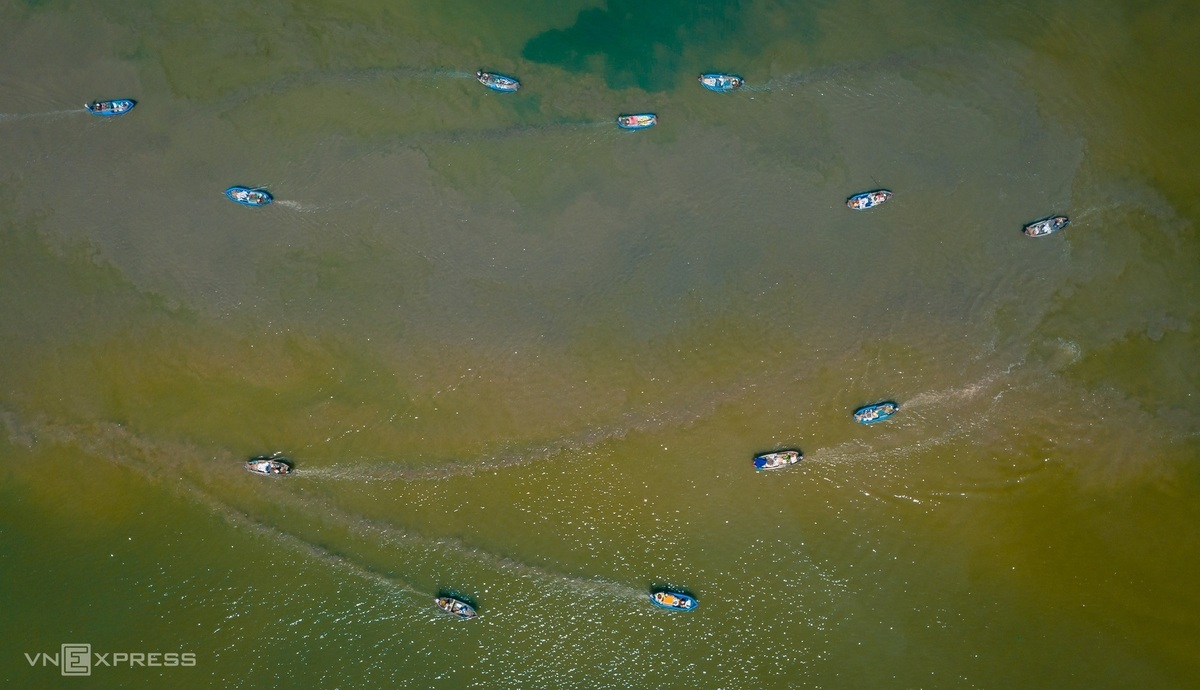
The fishing boats on Thi Nai lagoon. The photographer told the tourists that they should not miss the opportunity to experience the feeling of floating on the water, enjoying the beautiful scenery and moments of dawn and dusk, blending in with the peaceful of daily life near the lagoon. Photo: VnExpress
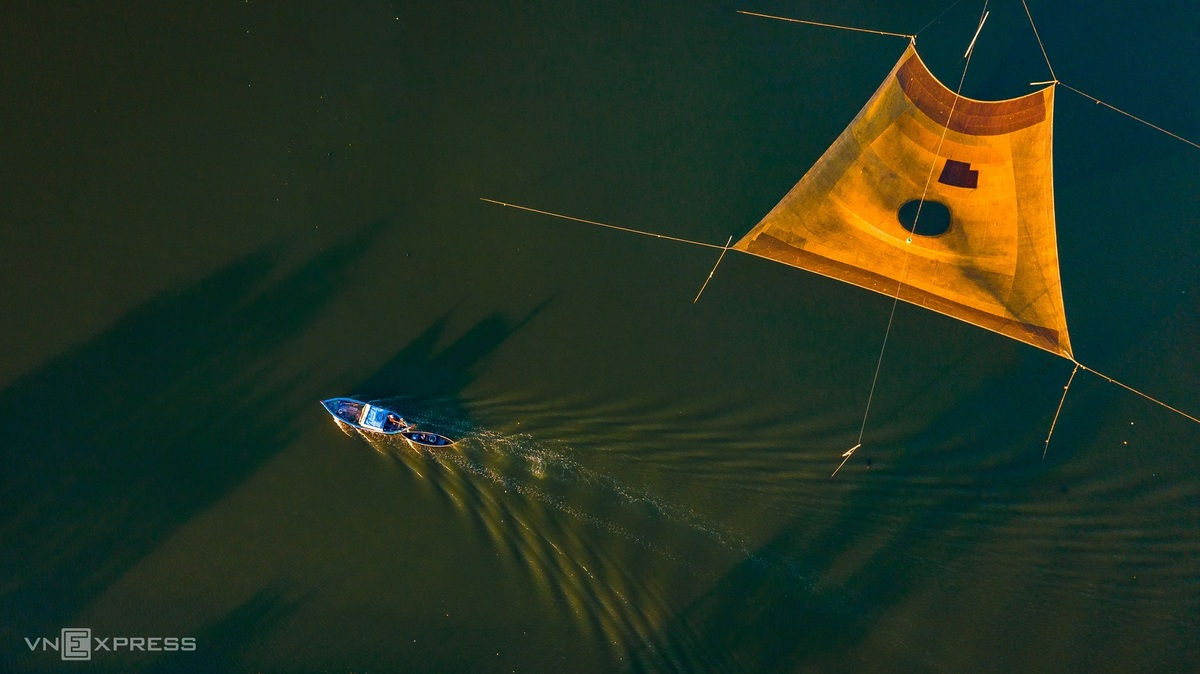
The fishers catch fish by using “ro cho” – a fixed tools to catch fishes and shrimps on Thi Nai lagoon. The photographer, Tien Trinh, lives near Thi Nai, and he spend his free time taking photos of the lagoon, mainly from the drone view. Photo: VnExpress
“When the dawn comes on Thi Nai lagoon, people starts their daily life fishing on water, which brings me a sense of peace and tranquility. The rhythm of life on the lagoon is also a catalyst for me to capture the most impressive moments,” Tien Trinh said.
Several photography works of Vietnamese photographers have won annual 35AWARDS International Photography Contest, featuring beautiful and colorful Vietnam with viewers all over the world.
In his new black and white series 'Arctic Circle – The White Legend' and 'Another World', Vietnamese photographer Anh Tien Trinh had captured the majestic ...
Blue crystal-clear bay, stunning coastal road, and magnificent architectures are among the attractiveness of Ha Long City in the Northern Quang Ninh province.
Photographers of Vietnam achieved great success in the World Food Photography Awards sponsored by Bimi®, the world’s greatest celebration of food photography.
For capturing the essence of culinary cultures across the globe, Vietnamese photographers won multiple categories at the Pink Lady Food Photographer of the Year Awards.
With a Vietnamese tourism promotion page, Moscow is demonstrating its growing interest in the Vietnamese market to create a more comfortable, accessible, and personalised destination experience.
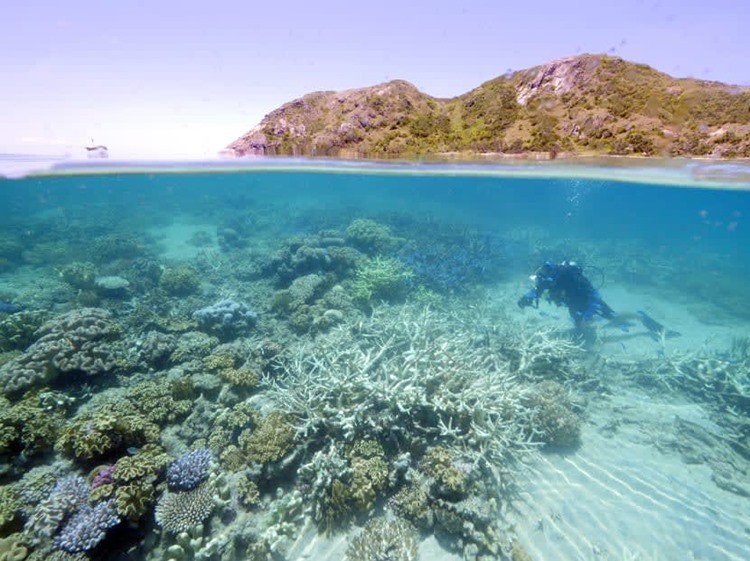
Viet Nam's long coastline and thousands of offshore islands have created ideal conditions for thriving coral reef ecosystems. As summer travel peaks in 2026, destinations including Hon Mun, Cu Lao Cham, Phu Quoc, Vinh Hy, and Con Dao are expected to attract travelers eager to explore vibrant underwater landscapes through snorkeling and scuba diving.
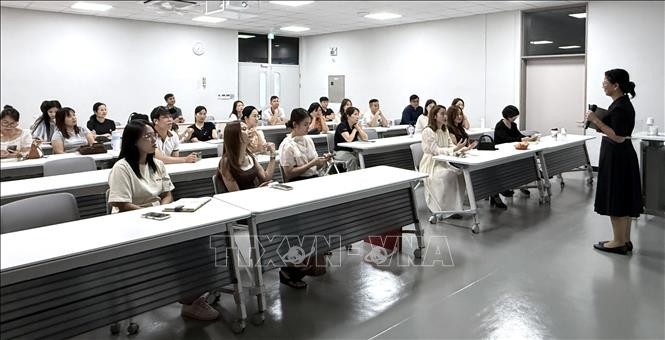
On July 13, the Vietnam Institute of Culture, Arts, Sports and Tourism under the Ministry of Culture, Sports and Tourism held a seminar titled “Cuisine and the development of Vietnam’s tourism”. The seminar gathered managers, experts, researchers, and businesses to recommend solutions to bringing cuisine values into play as a cultural resource, contributing to enhancing competitiveness and creating Vietnam’s tourism brand in the context of international integration.
Ho Chi Minh City orientates tourism development linked to urban economy, night-time economy, culture industry and experience economy, changing from event organizing model to developing event economy model.
According to a report released by Statistics Korea on July 9, Vietnam ranked first in the number of foreign nationals entering the RoK for long-term stays in 2025, with approximately 98,000 people. Vietnamese citizens accounted for the largest share among foreigners staying in the country for more than 90 days.
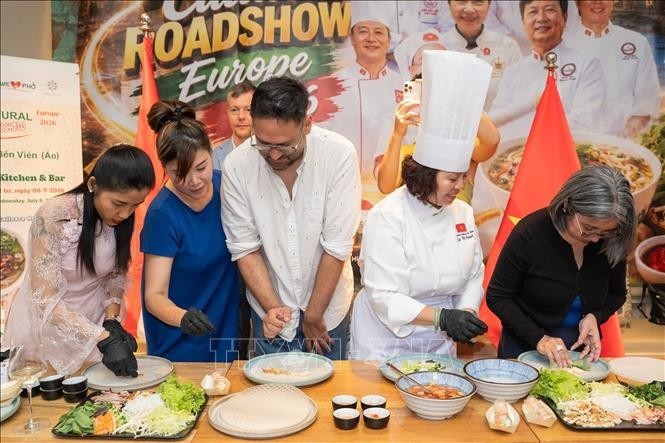
On the evening of July 8, at Pho Saigon Restaurant in Vienna, Austria, the Vietnamese Embassy in Austria, in coordination with the We Love Pho Association, the Ninh Binh Culinary Culture Association, and Vietnamese culinary artisans and experts, organized a program titled “Pho and Culinary Culture: Bringing Vietnamese Identity Closer to Europe and the World.”The event was one of the stops on the Journey of Pho and Vietnamese Culinary Culture Across Europe, contributing to the promotion of Vietnam’s image, people, and cultural values to international friends.
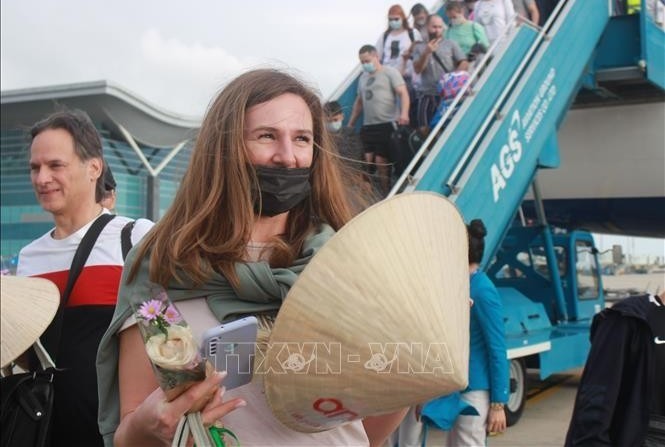
In the first six months of 2026, Vietnam welcomed more than 742,000 Russian visitors, 2.8 times higher than in the same period last year. This strong recovery has made Russia the third-largest source market for Vietnam's tourism industry, behind only China and the Republic of Korea.
In early July, French magazine Biba Magazine published an article stating that Vietnam attracts French travelers not only with its landscapes but also with its diverse and refined cuisine. The magazine introduced a range of dishes and culinary experiences that it considers unmissable when visiting the S-shaped country.


 Viet's Home
 Viet's Home
 Travel
 Travel
 Travel
 Travel
 Travel
 Travel
 Travel
 Travel