
130-year-old lighthouse gets first rays of sunlight in Vietnam
| Best dishes to savor in Ha Nam | |
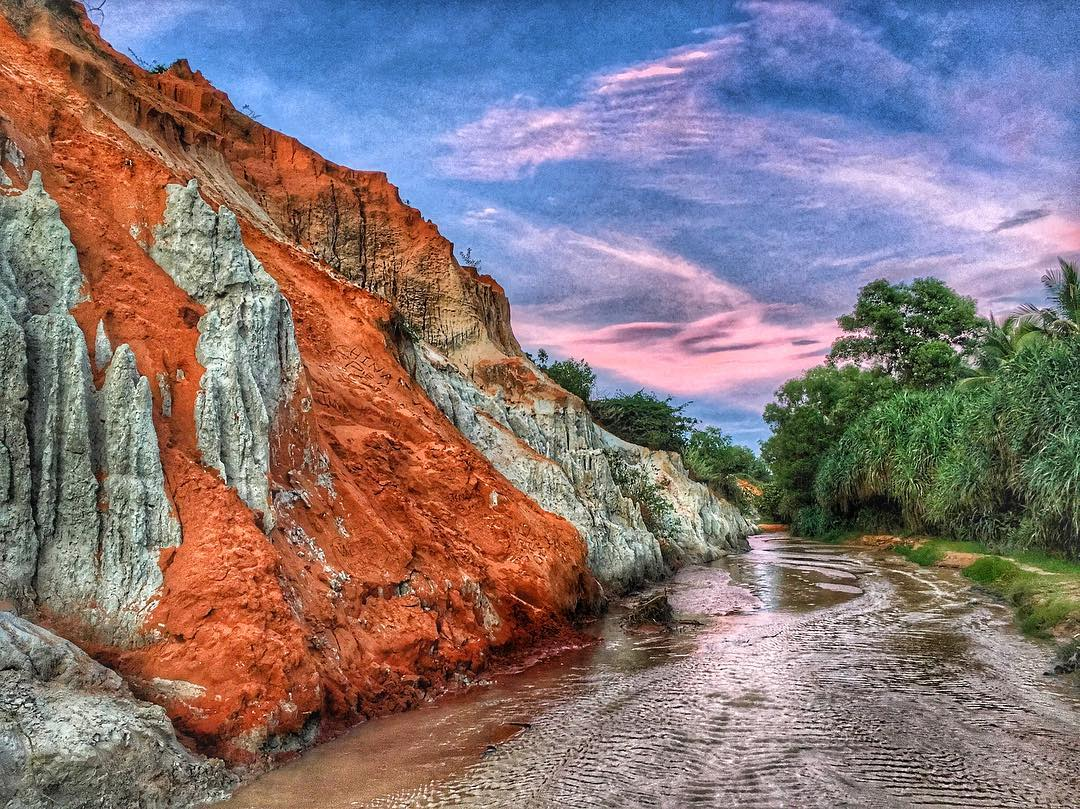
| Three most beautiful streams in Vietnam | |
| 5 most unique travel trends hit in 2020 amid Covid-19 pandemic |

(Video: Vietnam plus)
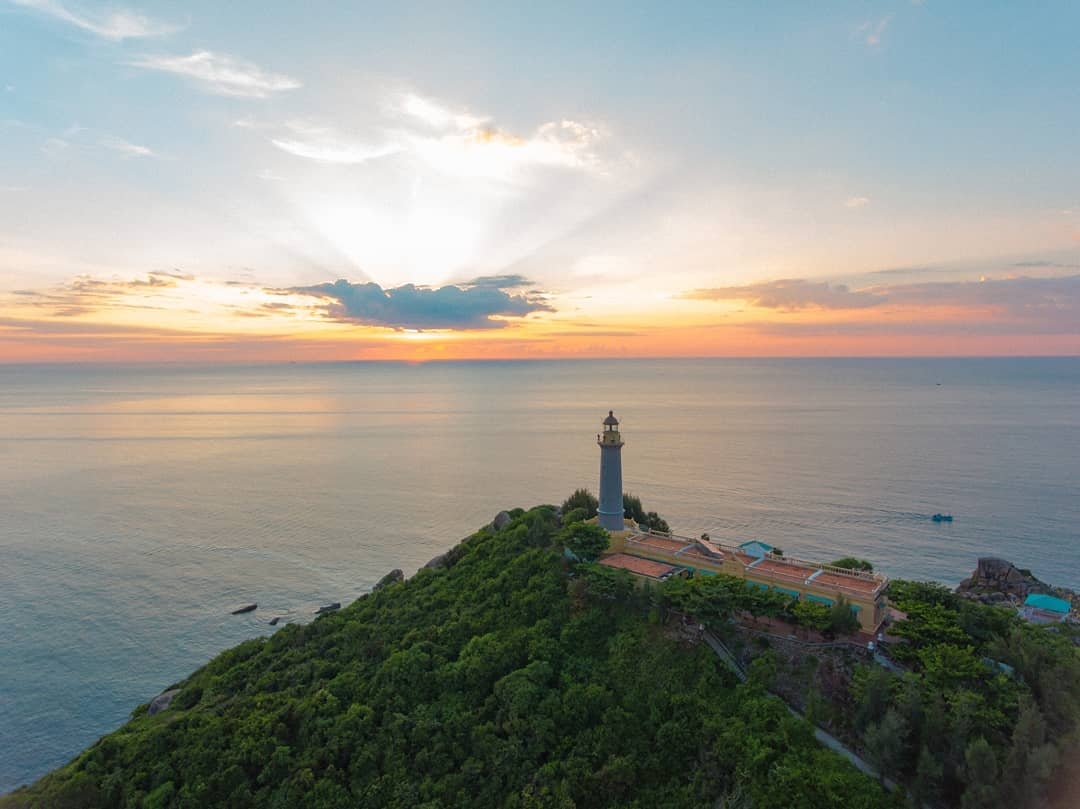
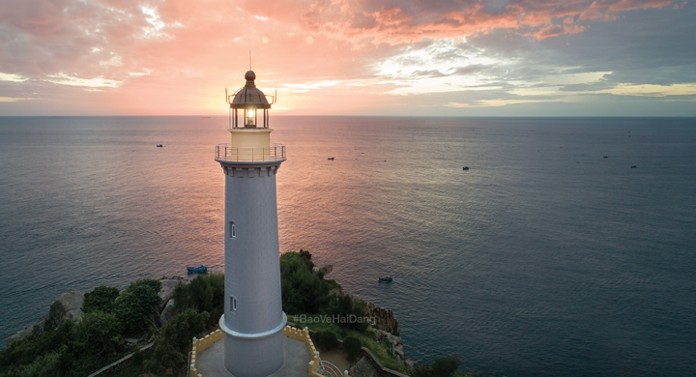
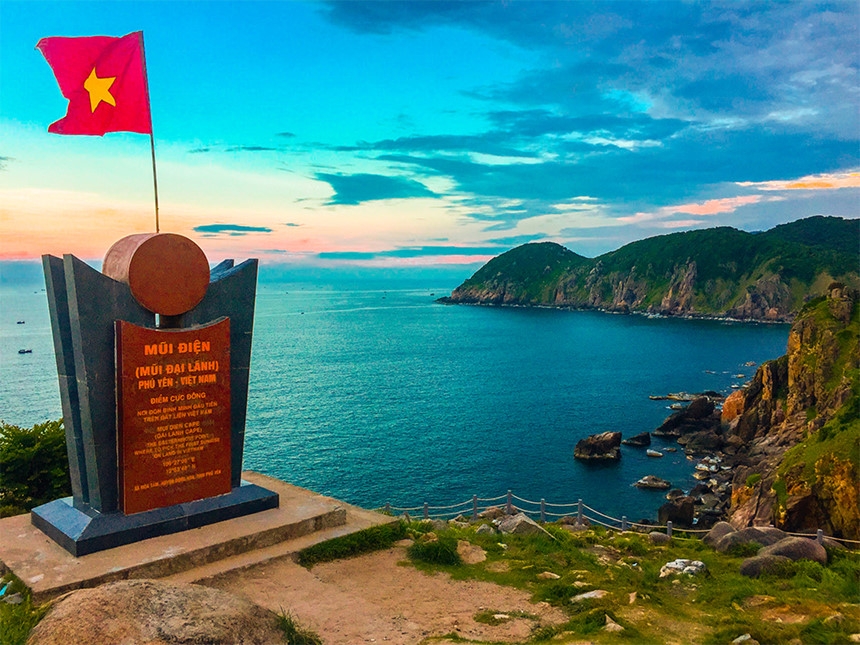
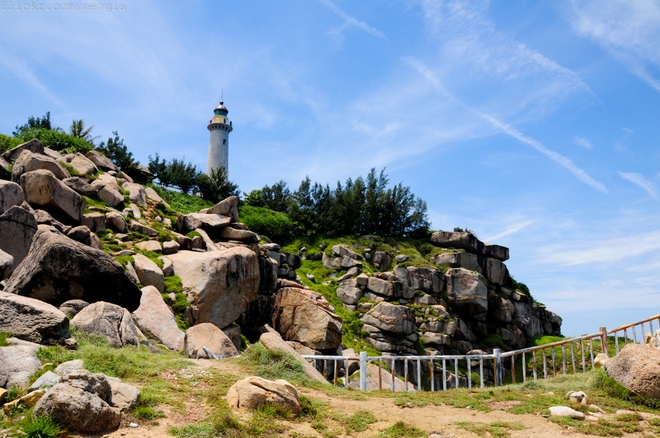
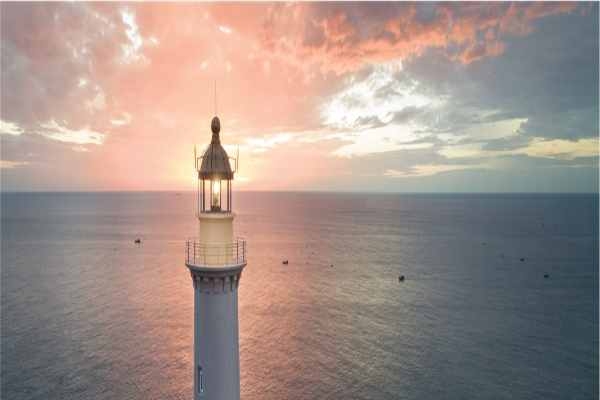
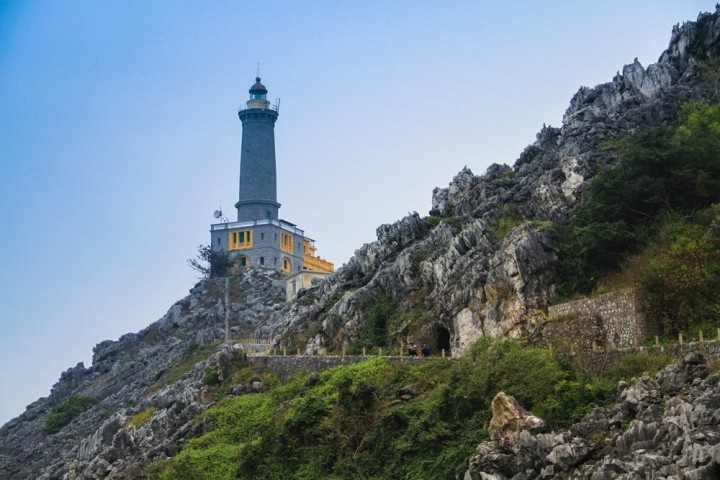
Dai Lanh lighthouse was built by the French in the late 19th century. The lighthouse tower is an evenly tapered cylindrical block with blue-gray paint, 110m high above sea level. Its signal light can go as far as 27 knots. The lighthouse holds a crucial role in navigating ships around this area.
Along with special geographical location, Dai Lanh lighthouse also boasts incredibly stunning surroundings. On its back is the rugged mountain all covered in green, on its front is the vast blue ocean. Thus, this is a perfect choice for those seeking a chill get-away from daily hustle.
 |
| (Photo: Du Lich Havico) |
 |
| (Photo: Du Lich Havico) |
 |
| (Photo: Du Lich Havico) |
After nearly 130 years, Dai Lanh lighthouse still stands the test of time, harsh winds and devastating war. The lighthouse is a long-lived historical witness enduring the ups and downs of history, a “sea eye” that guides ships in and out safely, and a must-visit tourist destination in Phu Yen beach.
One might have to travel a 30km-long road from Tuy Hoa city to Ca pass, then hike another 1km to reach Dai Lanh lighthouse. Once standing at the lighthouse, just take a deep breath and take in all the freshness of the ocean which you won’t probably find anywhere in vibrant cities. Words of advice: close your eyes, listen to the sound of the ocean and let the waves take all your troubles away.
 |
| (Photo: Du Lich Havico) |
 |
| (Photo: Poliva) |
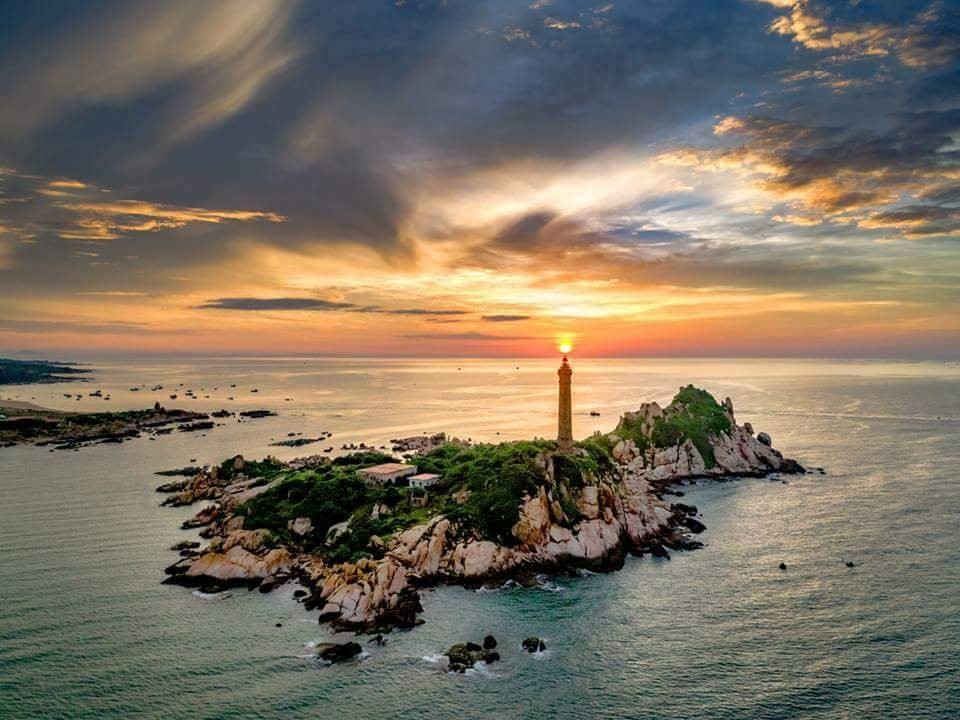
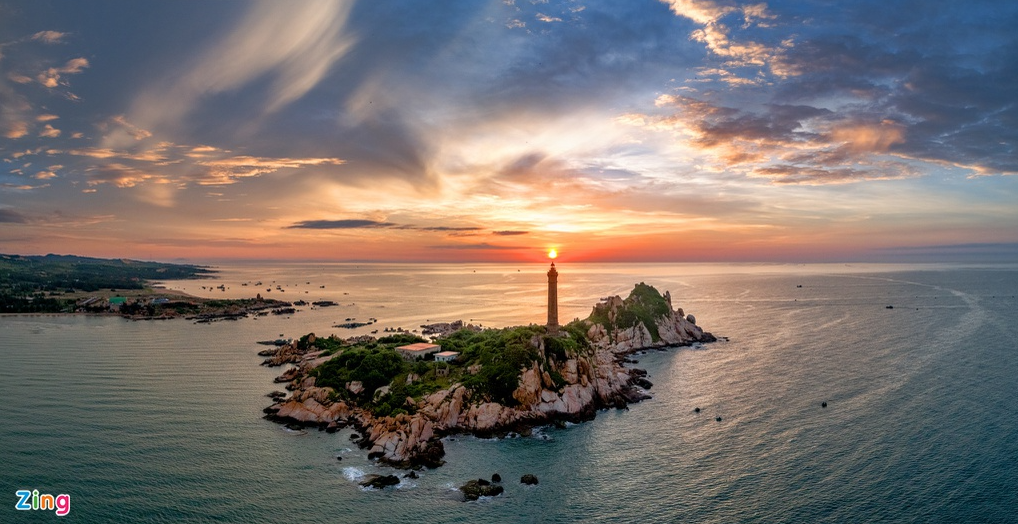 | Exploring the oldest lighthouse in Vietnam Located at Ke Ga cape in the central province of Binh Thuan, the lighthouse of the same name is a famous tourist destination. |
 | Coastal town Mui Ne, a place to take great check-in Mui Ne (Binh Thuan) owns tourist attractions with distinctive charm which range from amazing sand dunes, blue beaches to peaceful fishing villages. |
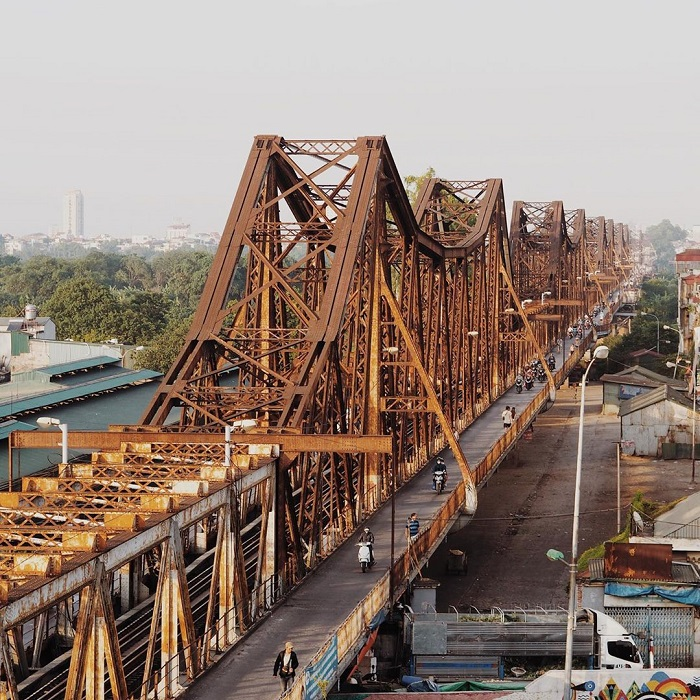 | Antique hues of hundred-year-old destinations in Vietnam Besides the spectacular natural scenery and friendly people, Vietnam owns hundred-year-old destinations imbruing the ancient hues. |



Most read




Related Stories
 Handbook
What is the Oldest Lighthouse in Vietnam?
 Travel
Long Chau - The Oldest Lighthouse in Vietnam
 Travel
Discover most ancient lighthouse in the southern coastal city of Vietnam
Recommended
 Viet's Home
Two US Veterans on Mission to Bring Vietnam’s Fallen Soldiers Home
 Viet's Home
9 Vietnamese Students Receive Full Scholarships from Fast Retailing Foundation in Japan
 Viet's Home
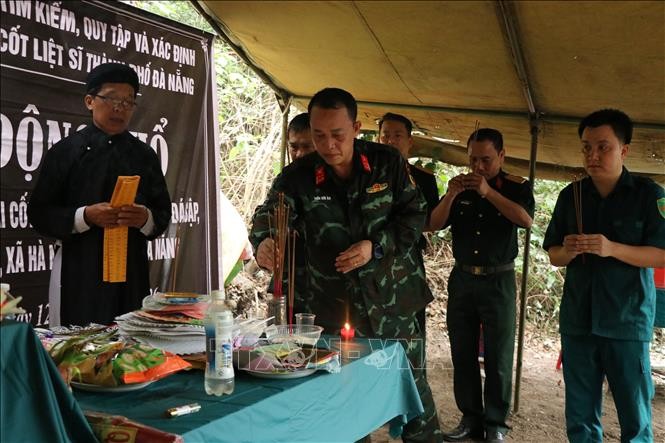
Many Fallen Soldiers' Remains Recovered in Da Nang and Cao Bang
 Viet's Home
Indian Ambassador Thanks Vietnam for Swift Response to Phu Quoc Speedboat Capsizing
Popular article
 Viet's Home
Portugal Crowned Champion of 2026 Da Nang International Fireworks Festival
 Viet's Home
Ca Mau Enhances Capacity of Officials to Effectively Mobilize International Aid
 Viet's Home
Over 50 Calls and Messages Help Search for Fallen Soldiers at Tan Son Nhat Airport
 Viet's Home