
Australia backs India, Japan to be made permanent UNSC members
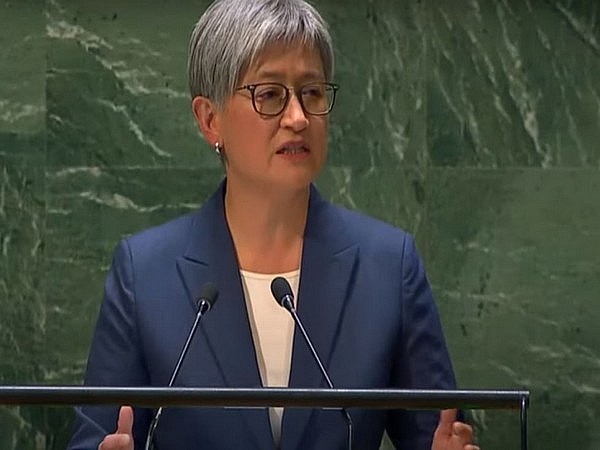 |
| Australian Foreign Minister Penny Wong |
During her address at the 78th session of the United Nations General Assembly on Friday, Wong stressed for greater permanent and non-permanent representation for Africa, Latin America, and Asia.
"For UNSC's contribution to African Union-led operations. Our commitment to peace and security is why Australia seeks a seat in the Security Council for the year 2029-30. And it is why we pursue Security Council reforms. We must ensure greater permanent and non-permanent representation for Africa, Latin America, and Asia including permanent seats for India and Japan. And we must demand more of permanent members including constraints on the use of the veto," she said during her address.
Earlier on Wednesday, Portuguese President Marcelo Rebelo de Sousa had also backed India and Brazil to be given permanent membership of a reformed Security Council.
"...The concept of security corresponds to a world that no longer exists. Portugal has defended that countries like Brazil and India become permanent members. This decision should be made. These countries cannot be ignored," he said during his address at the UNGA session.
Earlier, Turkish President Recep Tayyip Erdogan, during the G20 summit, had also made an endorsement of India's bid for a permanent seat at the United Nations Security Council and said his nation would be "proud" if a country like India became a full member of the UNSC.
"We would be proud if a country like India became a permanent member of the UN Security Council. As you know, the world is bigger and larger than five (permanent members). And when we say the world is larger than five, what we mean is that it's not only about the US, UK, France, China, and Russia. We don't want to have just these five countries on the Security Council," he said on the concluding day of the G20 Leaders Summit in New Delhi.
Notably, reforms in the global systems have been an issue continuously raised by India and Prime Minister Narendra Modi on the global stage.
During his concluding address at the G20 Leaders Summit here in the national capital, PM Modi reiterated his stance of making global systems in accordance with the "realities of the present" and took the example of the United Nations Security Council.
"When the UN was established, the world at that time was completely different from today. At that time there were 51 founding members in the UN. Today the number of countries included in the UN is around 200. Despite this, the permanent members in UNSC are still the same," he said.
The Prime Minister said that a lot has changed in the world since that time, be it transport, communication, health, or education, every sector has been transformed.
"These new realities should be reflected in our new global structure. It is a law of nature that individuals and organizations that fail to adapt to changing times inevitably lose their relevance. We must think with an open mind as to what is the reason that many regional forums have come into existence in the past years, and they are also proving to be effective," he further said. (ANI)
Recommended
 World
World
Thailand Updates Visa-free Rules
 World
World
Vietnam Reaffirms Support for Effective Implementation of ASEAN's Five-Point Consensus
 World
World
Algeria Shares Healthcare Expertise to Advance Africa's Pharmaceutical Self-Reliance
 World
World
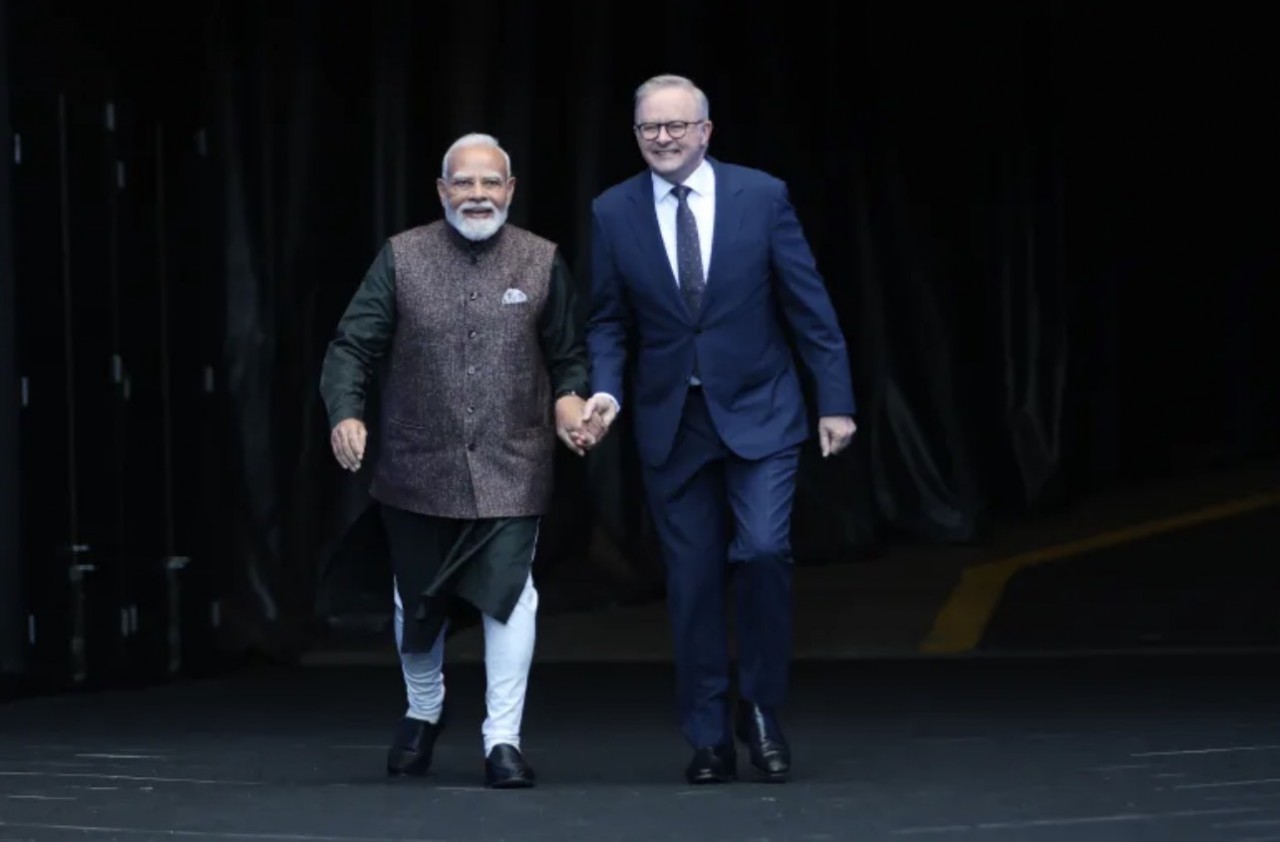
Modi's Asia-Pacific tour highlights India's regional engagement
 World
World
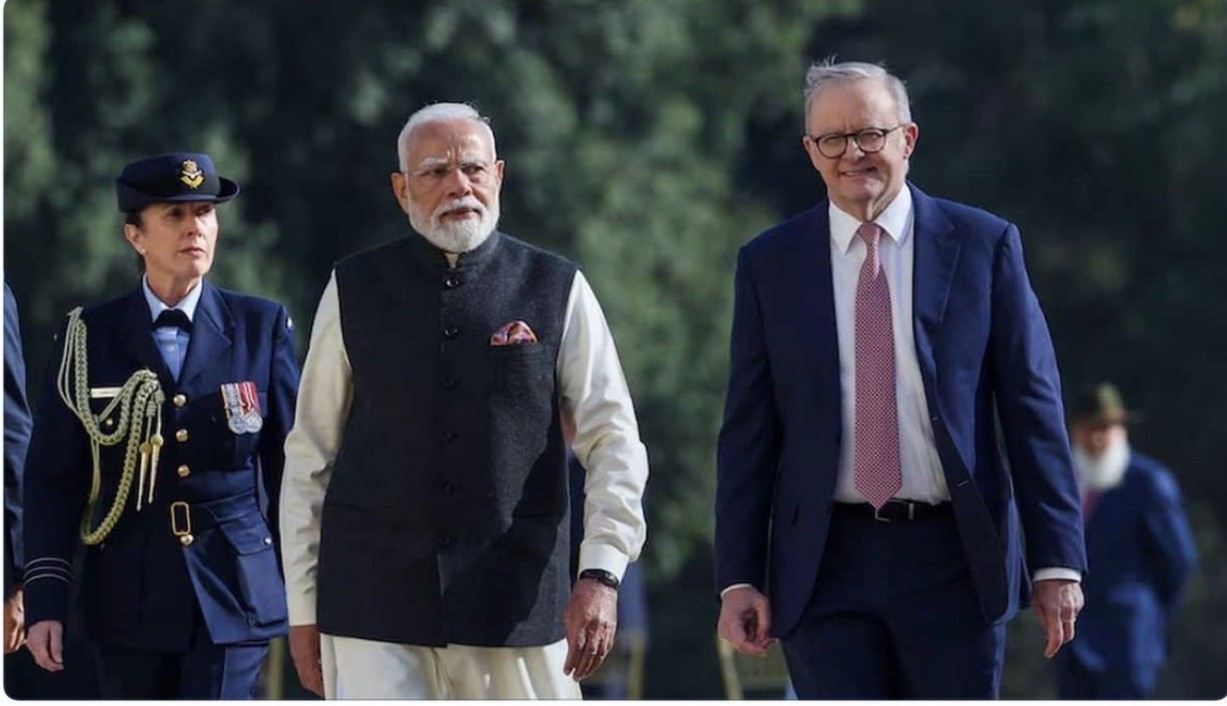
Australia-India Partnership on Cyber, Critical Technologies and Supply Chains
 World
World
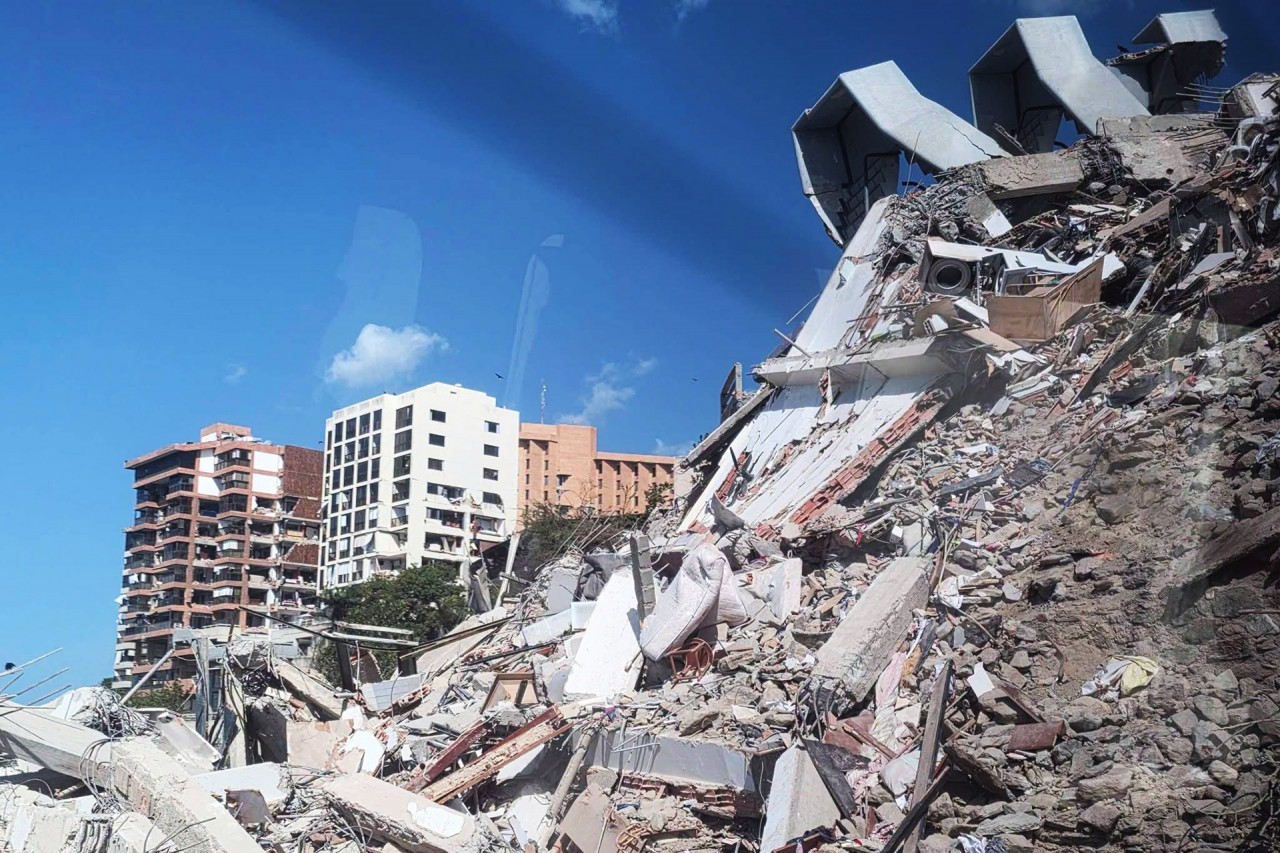
Venezuela Declares Seven Days of National Mourning for Earthquake Victims
 World
World
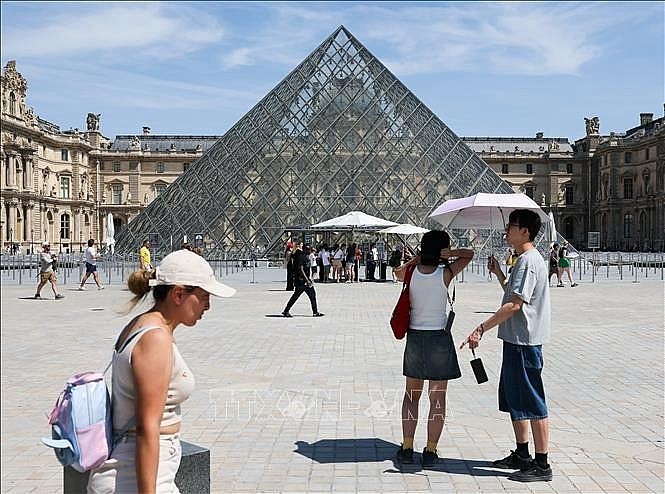
Europe Faces Historic Heatwave, More Than 1,000 Deaths Reported
 World
World