
CHAI (United States): Healthcare Cooperation Builds Trust and Fosters Relationships
 | MoU between Danish Embassy and VSS to boost healthcare cooperation |
| Vietnam News Today (Jul. 23): PM Pushes For Closer Vietnam – Laos Healthcare Cooperation |
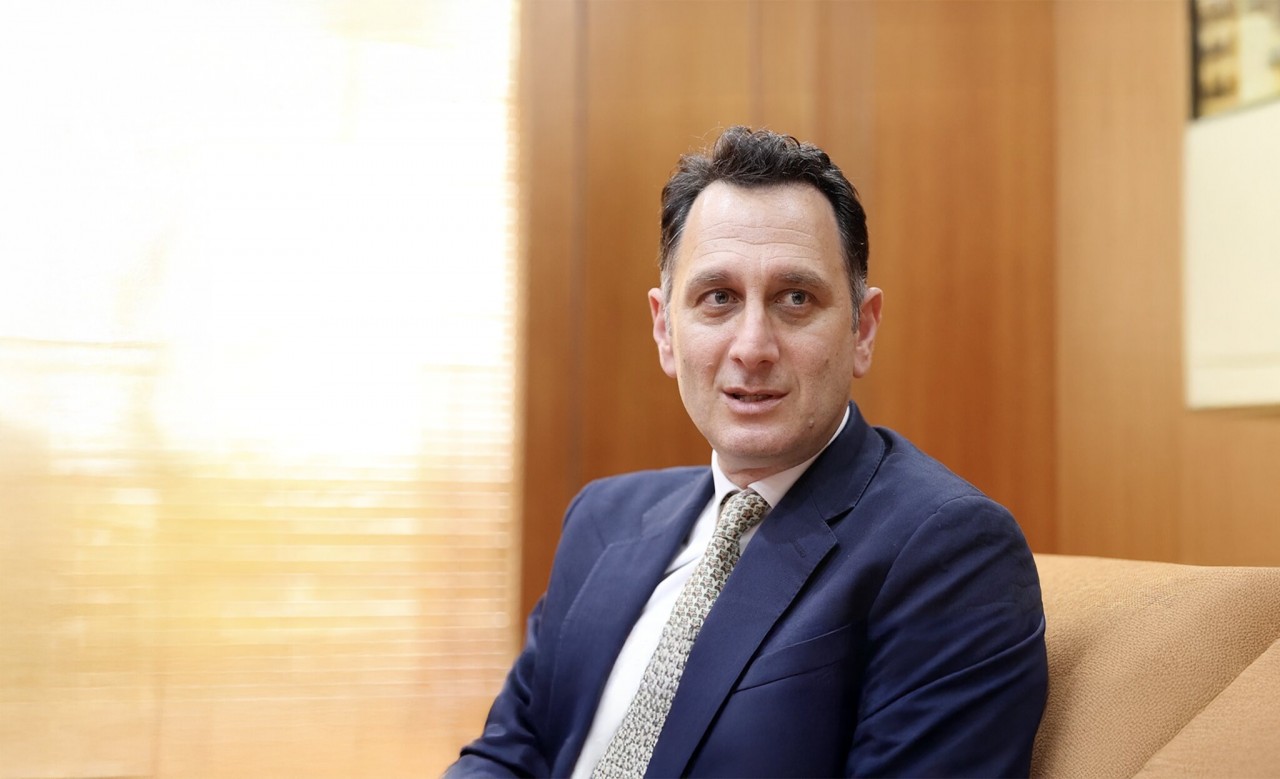 |
| CHAI Vice President Zachary Katz. (Photo: Dinh Hoa) |
- Looking back on nearly 20 years of cooperation with Vietnam, what do you consider the most significant achievement that CHAI and its Vietnamese partners have accomplished together?
CHAI has always operated on the principle of partnering with governments. Therefore, these achievements belong first and foremost to the Government of Vietnam and the Vietnamese people. We are proud to have contributed to those successes.
| Since beginning operations in Vietnam in 2006, the Clinton Health Access Initiative (CHAI) has expanded its support from HIV/AIDS prevention and control to a wide range of public health areas, including malaria, tuberculosis, hepatitis C, hypertension, and diabetes. In addition to supporting the development of healthcare programs and policies, the organization has helped strengthen the health system through workforce training, digital technology applications, the introduction of new vaccines, and the promotion of sustainable health financing. |
One of our most memorable achievements was supporting the Government in developing and expanding the pediatric HIV treatment program. When CHAI first began working in Vietnam, access to treatment was still limited. Within just a few years, HIV treatment coverage among children reached approximately 86 percent, and today nearly all children in need of treatment have access to healthcare services, with high survival rates. This is a particularly meaningful accomplishment, allowing many children who once had very little chance of survival to grow, develop, and live nearly normal lives.
In addition, CHAI has partnered with Vietnam in the fight against tuberculosis. We have supported improvements in supply chain management, data systems, and case detection activities, contributing to the Government of Vietnam’s goal of ending tuberculosis. During the COVID-19 pandemic, CHAI also supported vaccine-related programs.
- In your view, which of Vietnam’s efforts to improve public health have been the most remarkable and far-reaching?
The successes achieved in HIV treatment reflect a broader trend across Vietnam’s healthcare sector. The capacity to deliver healthcare services continues to improve, while the coverage of healthcare programs is steadily expanding.
Through recent reviews, we found that several new vaccines introduced into the national immunization program within the past one to two years have already achieved coverage rates of nearly 90 percent. This demonstrates that Vietnam’s healthcare system operates effectively, with the ability to adapt quickly and implement new health programs efficiently.
This progress has required organizations such as CHAI to continuously adjust the way we provide support. Among the 35 countries where CHAI operates, Vietnam can be considered one of those with the most well-developed public healthcare systems.
When working in Vietnam, CHAI must not only provide deeper technical expertise but also design support programs that align with the current level of development of the healthcare system. We take this into account when recruiting personnel, formulating strategies, and implementing cooperative activities.
As a result, CHAI’s work in Vietnam focuses heavily on strengthening systems such as data management, logistics, medical equipment, and healthcare supply chains. In other words, we are supporting the Government in optimizing and improving the efficiency of systems that have already been firmly established, rather than assisting from the ground up as we do in many other countries.
That said, there are still vulnerable populations in certain areas, as well as groups that do not yet have the same level of access to healthcare services as the general population. Therefore, CHAI’s support is continually adapted to Vietnam’s socioeconomic and healthcare development context.
- How have CHAI’s programs benefited the Vietnamese people, particularly vulnerable groups?
Most of the areas in which CHAI focuses its support involve health challenges that directly affect poor and vulnerable populations. HIV and tuberculosis are diseases that often have the most severe impact on people facing difficult circumstances or those with limited access to healthcare services.
Although CHAI’s primary focus is strengthening health system capacity, we consistently prioritize the most challenging areas and the populations at greatest risk or vulnerability.
Personally, I am in charge of child health programs at CHAI. Therefore, our cooperation with the Government of Vietnam on vaccination programs and pediatric tuberculosis prevention and control initiatives is work of which we are particularly proud. The ultimate goal of these efforts is to help children grow up under normal conditions, becoming healthy, happy citizens who are able to contribute to society.
- What are CHAI’s priorities and directions for cooperation in Vietnam in the coming years?
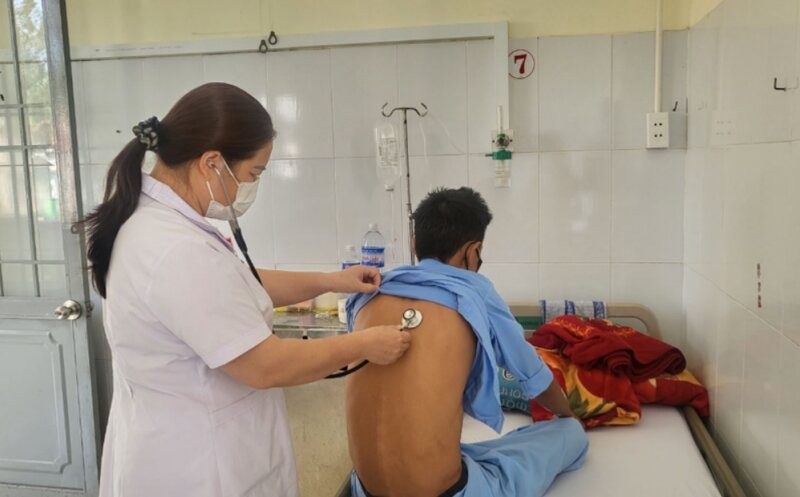 |
| One of CHAI’s top priorities is to support Vietnam in achieving its goal of ending tuberculosis. (Illustrative photo: VTV) |
In the coming years, one of CHAI’s foremost priorities will be supporting Vietnam in achieving its goal of ending tuberculosis. This is one of our global priorities and an area in which we believe Vietnam is well-positioned to succeed.
A wide range of efforts are currently underway to improve case detection, enhance treatment quality, and strengthen the identification and treatment of latent tuberculosis. At the same time, new tools are emerging, including tuberculosis vaccines, opening up promising opportunities for the prevention and control of this disease.
With a strong and increasingly sophisticated public healthcare system such as Vietnam’s, we believe that new technologies and solutions can be rapidly adopted and effectively implemented. This is why tuberculosis prevention and control will remain one of CHAI’s most important areas of cooperation in the years ahead.
In addition, HIV remains a priority. CHAI is currently working to expand access to new tools such as Lenacapavir, a long-acting HIV prevention medication. Scientific advances in this field are creating new possibilities for controlling, and potentially even ending, HIV.
In Vietnam, the majority of people living with HIV already have access to treatment, testing services are widely available, and prevention programs are proving effective. In this context, we believe that bringing HIV close to elimination within a single generation is an entirely achievable goal. CHAI would be very proud to continue contributing to that journey.
- How do you assess the role of healthcare cooperation in strengthening Vietnam-United States relations and people-to-people exchanges between the two countries?
Although CHAI is a US-based non-governmental organization that grew out of the efforts of President Bill Clinton, we have always viewed ourselves as an international organization. Today, approximately 85-90 percent of CHAI’s staff are local professionals in the countries where we operate.
In my view, the most important value of healthcare cooperation lies in its ability to build trust and foster lasting relationships among partners. This is also a core principle guiding CHAI’s work. We aspire to be seen as part of the efforts undertaken by governments to fulfill their public health goals and commitments.
We believe that the process of cooperation itself helps strengthen trust, deepen relationships among organizations and government agencies, and create shared foundations for pursuing long-term development objectives. More broadly, it is also one of the most effective ways to promote bilateral relations and enhance people-to-people exchanges between the two countries.
- Thank you very much!
 | Vietnam Backs Global One Health Commitments at Lyon Summit At the One Health Summit held from April 5-7 in the city of Lyon, France, international experts assessed Vietnam as one of the leading countries ... |
 | Children Under 6 to Receive Annual Health Checkups Vietnam’s Ministry of Health has issued new “Guidelines on Professional Content for Periodic Health Checkups for Children Under 6 Years Old,” stipulating that children in ... |

Recommended
 Friendship
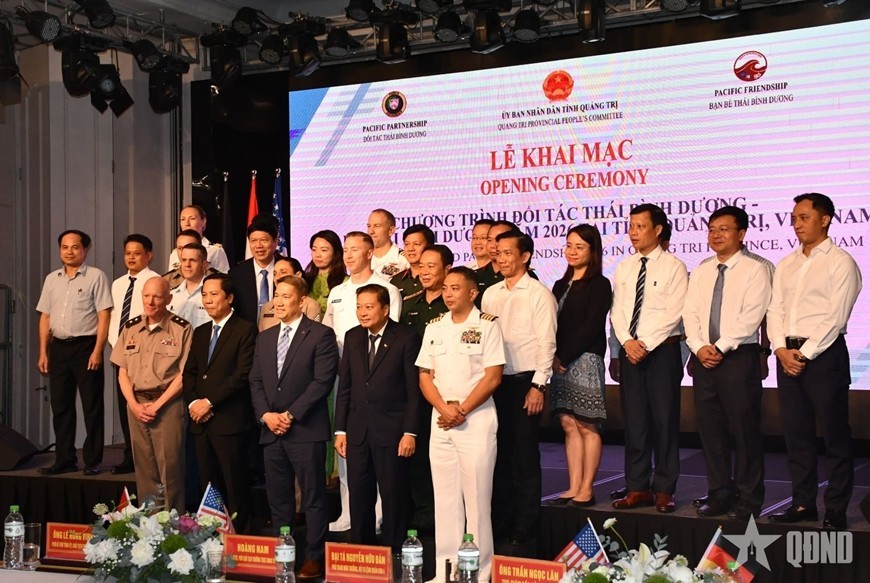
From War Legacy to Partnership Hub: Quang Tri Strengthens Vietnam-US Relations
 Friendship
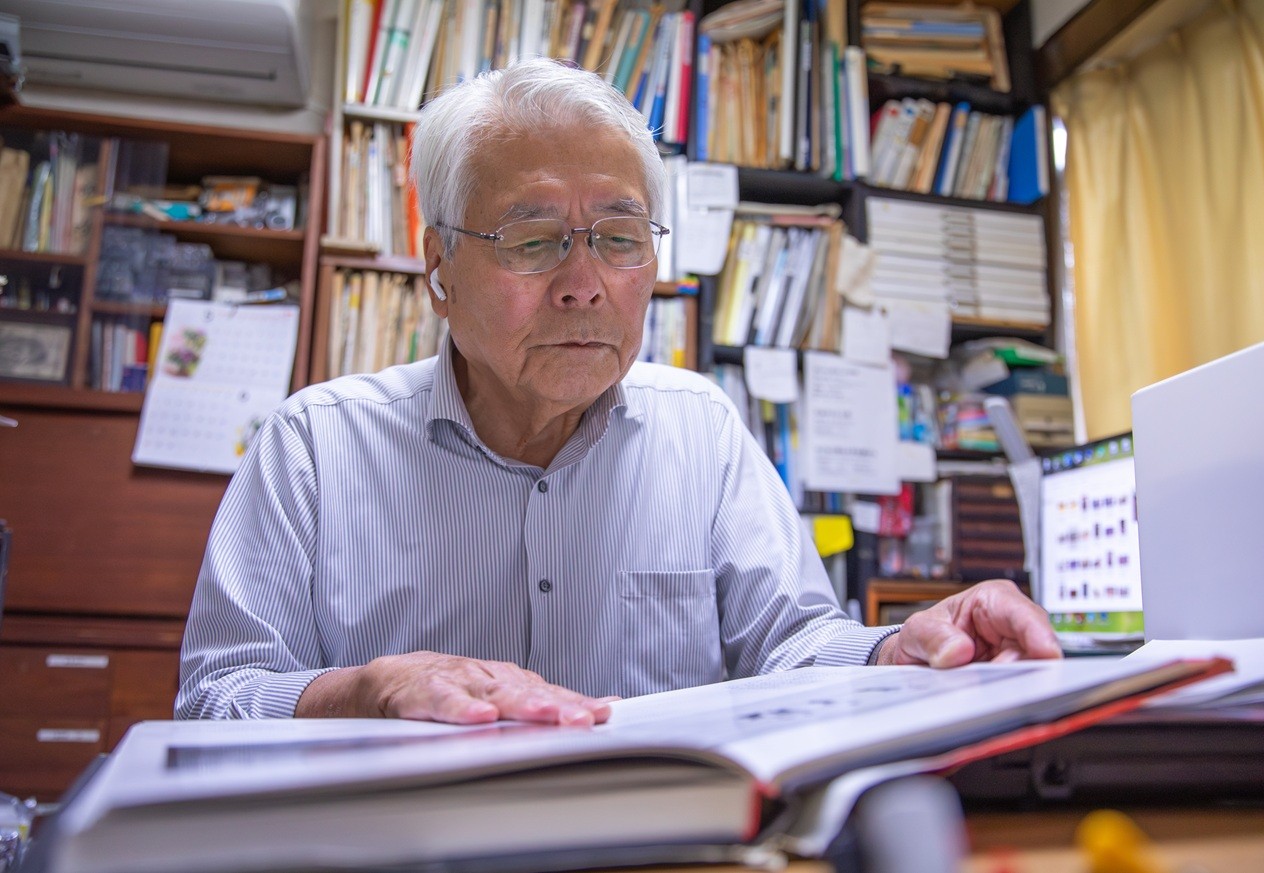
Journalist Nakamura Goro: A Lifetime Spent Telling Vietnam's Untold Stories
 Friendship
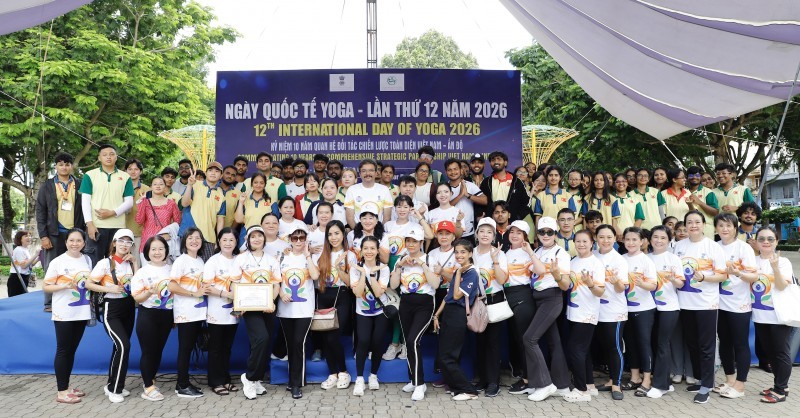
Applying Ho Chi Minh's Ideology to People-to-People Diplomacy in Can Tho
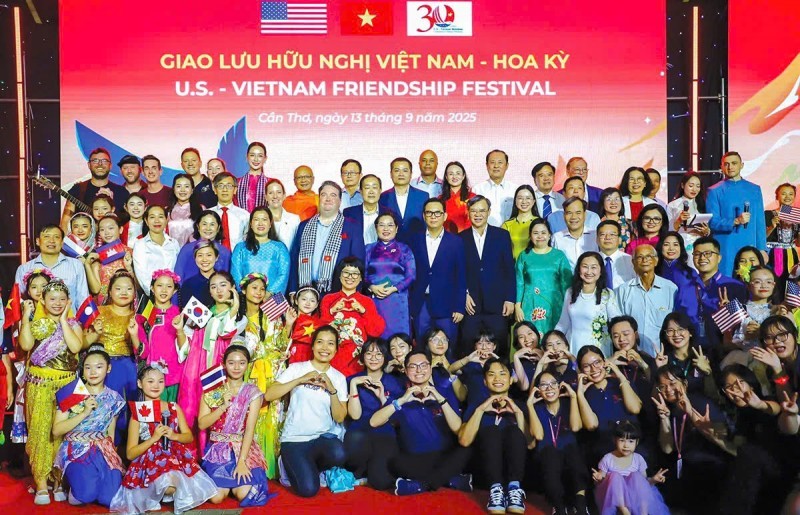 Friendship
35-Year Legacy - Bridge of Friendship, Cooperation, and Development
Popular article
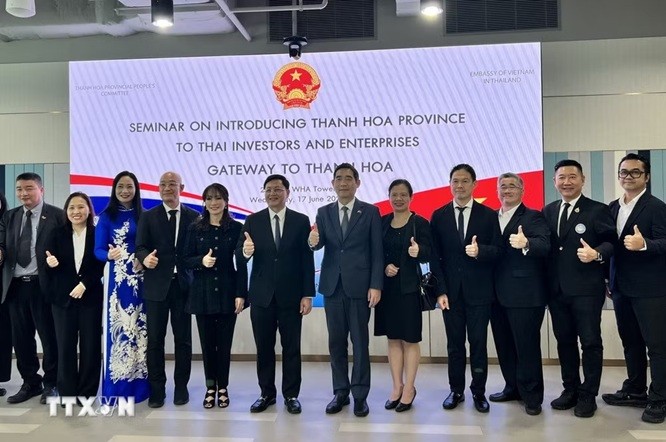 Friendship
Vietnamese Locality and Thai Business Strengthen Cooperation
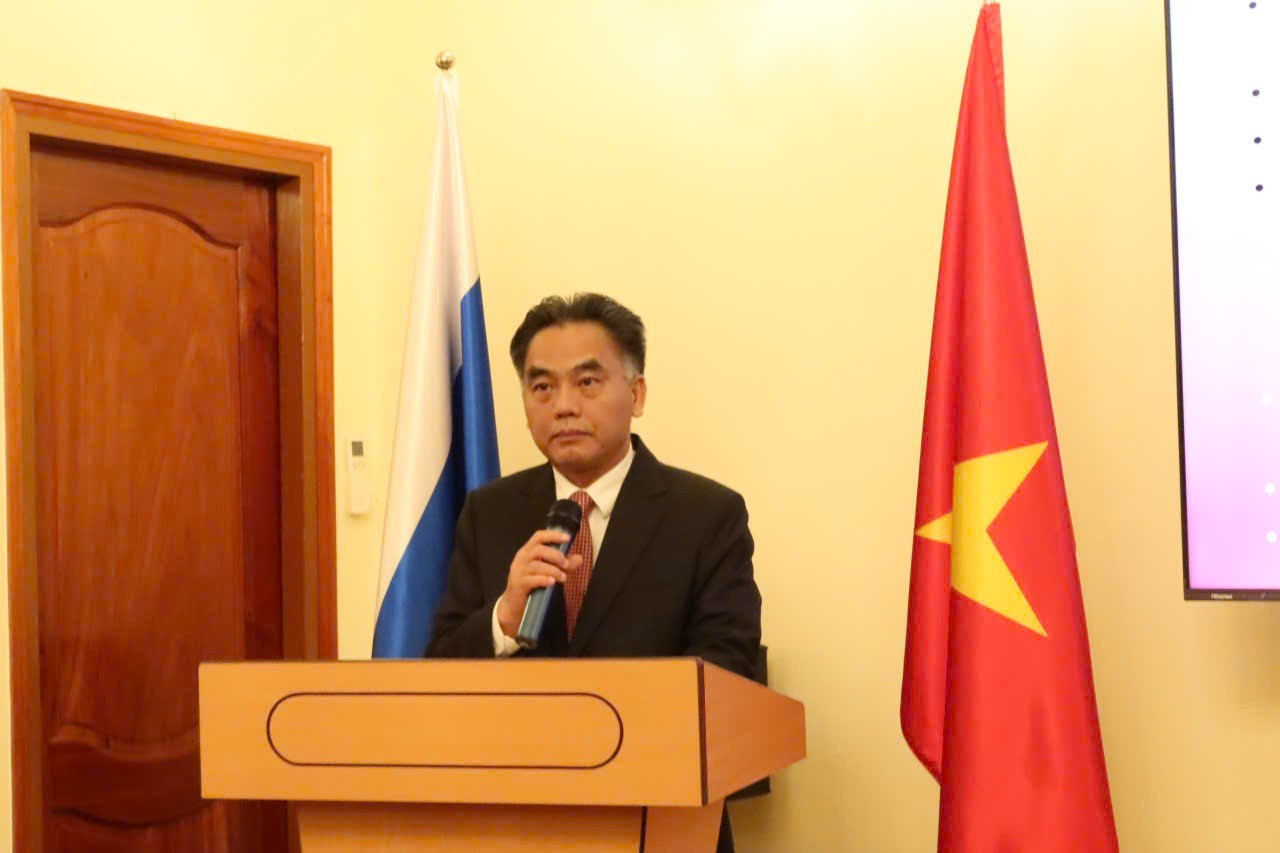 Friendship
Ho Chi Minh City Celebrates the 36th National Day of the Russian Federation
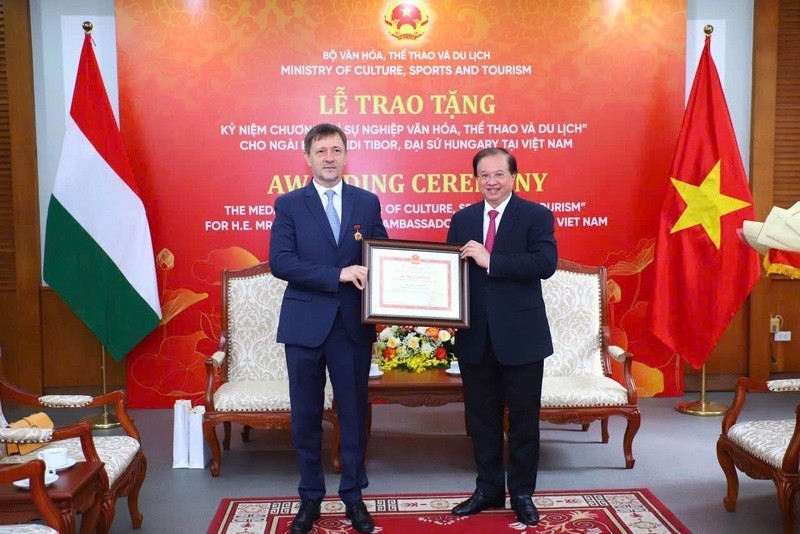 Friendship
Hungarian Ambassador to Vietnam Awarded “For the Cause of Culture, Sports and Tourism” Medal
 Friendship