
Journalist Nakamura Goro: A Lifetime Spent Telling Vietnam's Untold Stories
 | 52nd Anniversary of the Loss of Vietnamese and Algerian Officials and Journalists in Soc Son Plane Crash |
| Building ASEAN Media Bridge through National Press Festival 2026 |
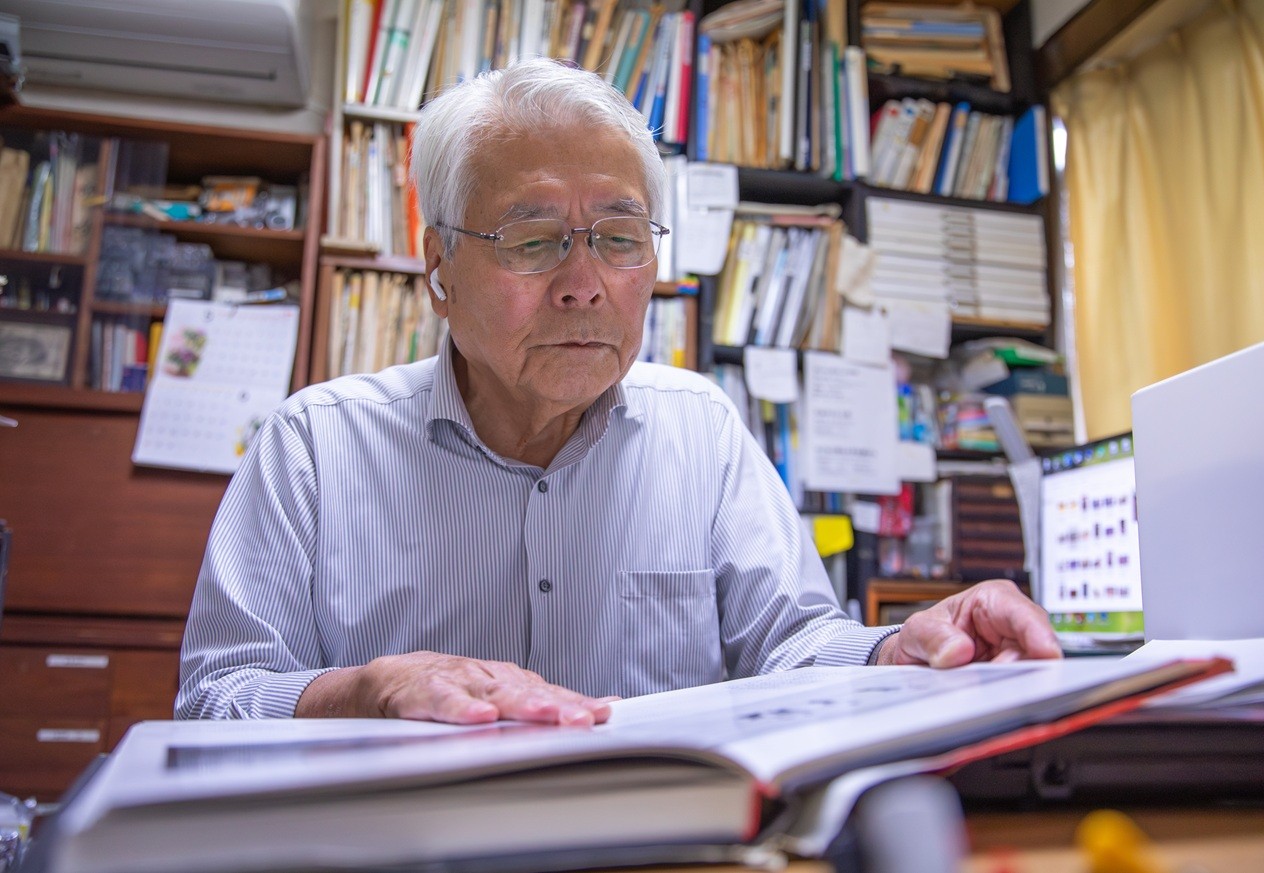 |
| Journalist Nakamura Goro reviews photographs he took in Vietnam. (Photo: Xuan Giao - VNA Correspondent in Japan) |
Nakamura Goro is known as one of the Japanese writers and photographers who made significant contributions to bringing the reality of the war in Vietnam to the world. He not only reported on bombings and battlefields but also devoted much of his career to documenting the suffering of Vietnamese residents, particularly victims of Agent Orange/dioxin. His journalistic journey exemplifies a clear conviction: journalism is not merely about conveying information, but about seeing through the essence of events and safeguarding human memory, dignity, and justice.
Nakamura Goro’s connection with Vietnam began in the 1960s, when the war in Vietnam became the focus of international attention. At that time, many Japanese media organizations posed a question: How could a small country like Vietnam withstand the enormous military power of the United States? That question inspired him to travel to Vietnam. Working for Asian News Service and later Japan Press Service, he had access to information from Vietnam through cooperation with the Vietnam News Agency (VNA). After receiving a welcome invitation from VNA, he arrived in Hanoi in 1970, at a time when northern Vietnam had just endured intense bombing campaigns.
Nakamura’s first impression of Vietnam was that of a nation standing tall amid devastation. The scars of war, particularly the destruction caused by carpet bombing in Kham Thien Street, left an indelible mark on his memory. What astonished him even more was the spirit of the Vietnamese people. Despite facing bombs, loss, and constant danger, they refused to be defeated in spirit.
Meanwhile, much of the Japanese media at the time received information primarily from the American side, meaning that the suffering of Vietnam was not fully known. It was this gap that led Nakamura to recognize his responsibility: to report on Vietnam truthfully and to help the world see what was really happening in the country.
For Nakamura, the war in Vietnam was not merely a conflict between military forces. Witnessing events firsthand, he came to understand that war was, above all, “the death of countless civilians.” Bombing campaigns were not simply aimed at military targets; they destroyed life itself on the ground. This realization reminded him of Hiroshima and Nagasaki - wounds that have never faded from the memory of the Japanese people. From that point on, Vietnam was no longer merely a “subject of reporting” for him but a human issue of global significance. In his view, Vietnam’s suffering was not solely the tragedy of one nation but a warning about the brutality of war.
During his years reporting in Vietnam, Nakamura encountered many individuals who left a profound impression on him. One image he can never forget is that of young female volunteers working on roads targeted by US bombing raids. Their duties included filling bomb craters, repairing roads, and handling unexploded ordnance - tasks that constantly placed them in mortal danger. Yet amid such peril, they continued to work, sing, and laugh together. For a journalist from abroad, this image was not only moving but also helped him understand why Vietnam was able to endure. The strength of the resistance did not lie solely in weapons or strategy but also in the spirit of ordinary people willing to sacrifice themselves to preserve life and keep vital transport routes functioning.
Another memory that has remained with him for decades is his encounter with the conjoined twins Viet and Duc. He first met them at Viet Duc Hospital when they were just ten months old and later attended the operation to separate them at Tu Du Hospital in 1988. The success of the surgery deeply moved him. Through the story of Viet and Duc, he became even more committed to investigating the issue of Agent Orange, one of the most devastating legacies the war left on generations of Vietnamese people.
Throughout his reporting journey, the support of VNA and his Vietnamese colleagues held special significance for Nakamura. Cooperation between his news organization and VNA began in the 1960s, as the war intensified. VNA not only provided news and photographs but also opened a door for Japanese journalists to gain direct access to the realities of Vietnam.
For Nakamura Goro, VNA played a major role in conveying the truth about the Vietnam War to the world. In wartime, when information could be distorted or concealed, VNA promptly reported massacres, bombing campaigns, and violations of international law committed by the US military. Nakamura believes that VNA’s efforts helped shift international public opinion toward recognizing Vietnam as the side upholding justice.
After the war, Nakamura persistently pursued the topic of the consequences of Agent Orange/dioxin, taking hundreds of photographs in Vietnam. In 2000, his photo exhibition Agent Orange on the Battlefield was held in Hanoi and was honored to welcome Vice President Nguyen Thi Binh.
One of the major milestones in Nakamura’s career was organizing a photo exhibition on Agent Orange victims in New York. Although he had previously held exhibitions in Japan, Vietnam, and the Republic of Korea, he always felt that the American public needed to know this truth. Thanks to contributions from friends and support from civic organizations, the exhibition was eventually hosted at John Jay College. The reactions of many American students surprised him. They were aware that US veterans had suffered illnesses due to exposure to Agent Orange, but they did not know that countless Vietnamese people had also become victims. Their questions revealed a significant gap in American media coverage. For Nakamura, that gap further demonstrated the indispensable role of journalism and photography in bringing the truth to the public.
From the years of war to the present day, Nakamura Goro’s journey reflects the responsibility of journalism: not merely to witness and record, but also to preserve the truth for humanity.
For Japanese journalist Nakamura Goro, Vietnam is more than a place where he once worked during the most intense years of war. Vietnam, as he himself puts it, is the place that “placed a steel bar in the backbone of my life” - an experience that taught him that, regardless of pressure, people must live with integrity, refuse to bow before injustice, and continue fighting for the truth.
 | 52nd Anniversary of the Loss of Vietnamese and Algerian Officials and Journalists in Soc Son Plane Crash On March 6, the Ministry of Foreign Affairs, in coordination with the People's Committee of Soc Son commune, organized a ceremony commemorating the 52nd anniversary ... |
 | Building ASEAN Media Bridge through National Press Festival 2026 On June 18, as part of the National Press Festival 2026 and in celebration of the 101st anniversary of the Vietnamese Revolutionary Press Day (June ... |

Most read
Related Stories
 Viet's Home
JVPF Supports Disadvantaged Students and Agent Orange Victims
 World
World
Inauguration of a Memorial Stele for Victims of Agent Orange/Dioxin in Paris
 Friendship
French Friends Help Vietnamese Victims of Agent Orange and Orphans
 National
Vietnam News Today (Oct. 28): Vietnam, China Strengthen Bilateral Trade Cooperation
Recommended
 Friendship
Vietnam-Russia Friendship Association of Bac Ninh Expands Network Following Reorganization
 Friendship
Vietnam-Japan Festival 2026 Launched
 Friendship
Vietnam Establishes First Honorary Consulate in Thailand
 Friendship
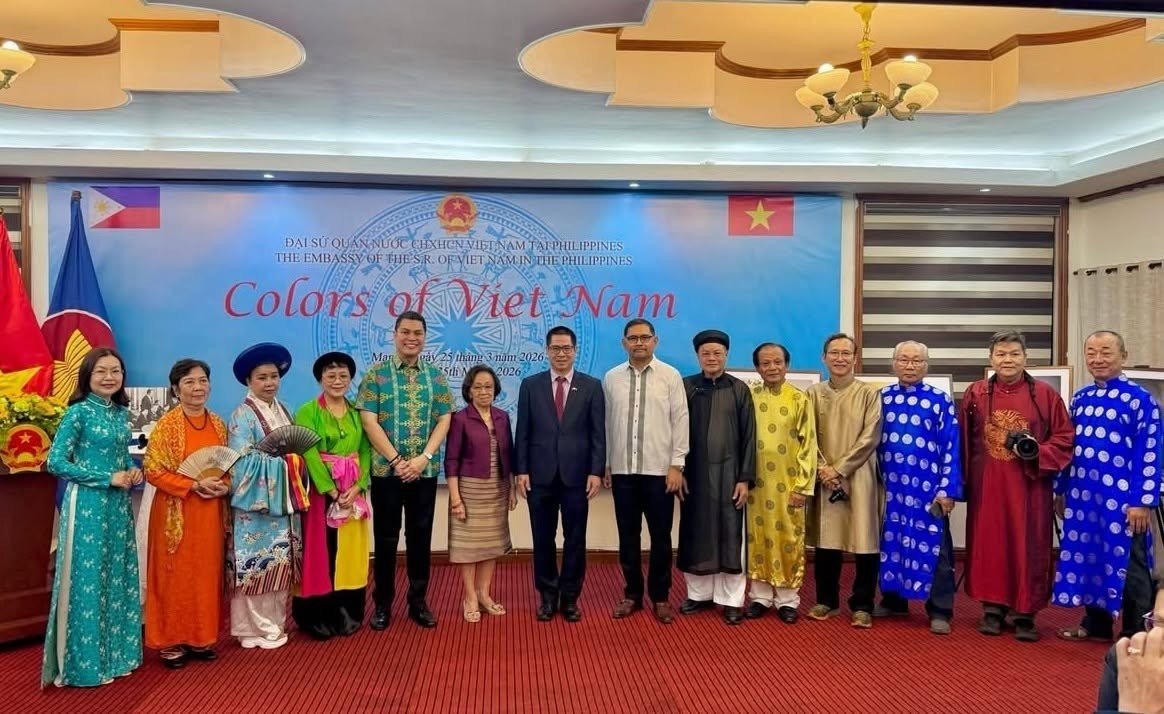
People-to-People Bridges Across 50 Years of Vietnam-Philippines Relations
Popular article
 Friendship
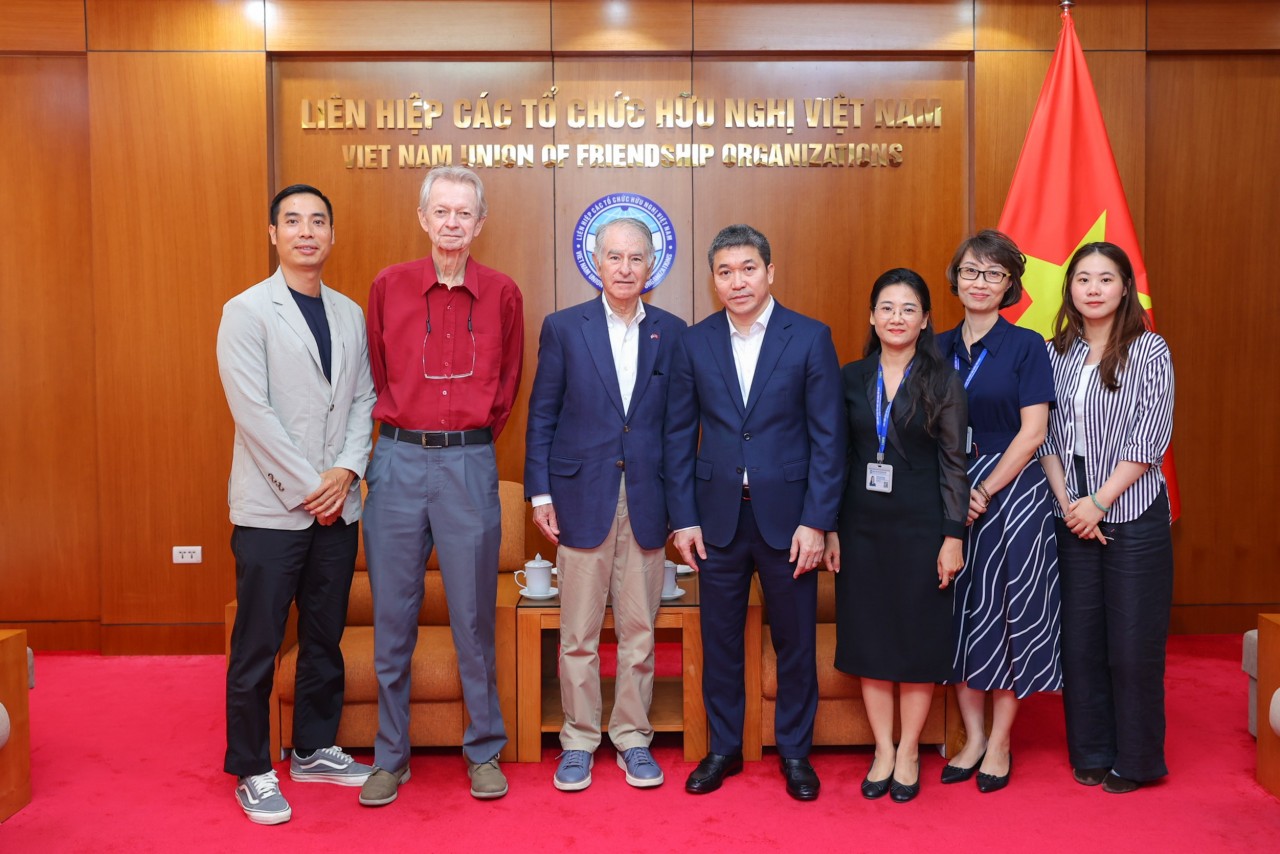
Friends of Project RENEW Continues Supporting War Consequence Remediation Efforts in Viet Nam
 Focus
Focus
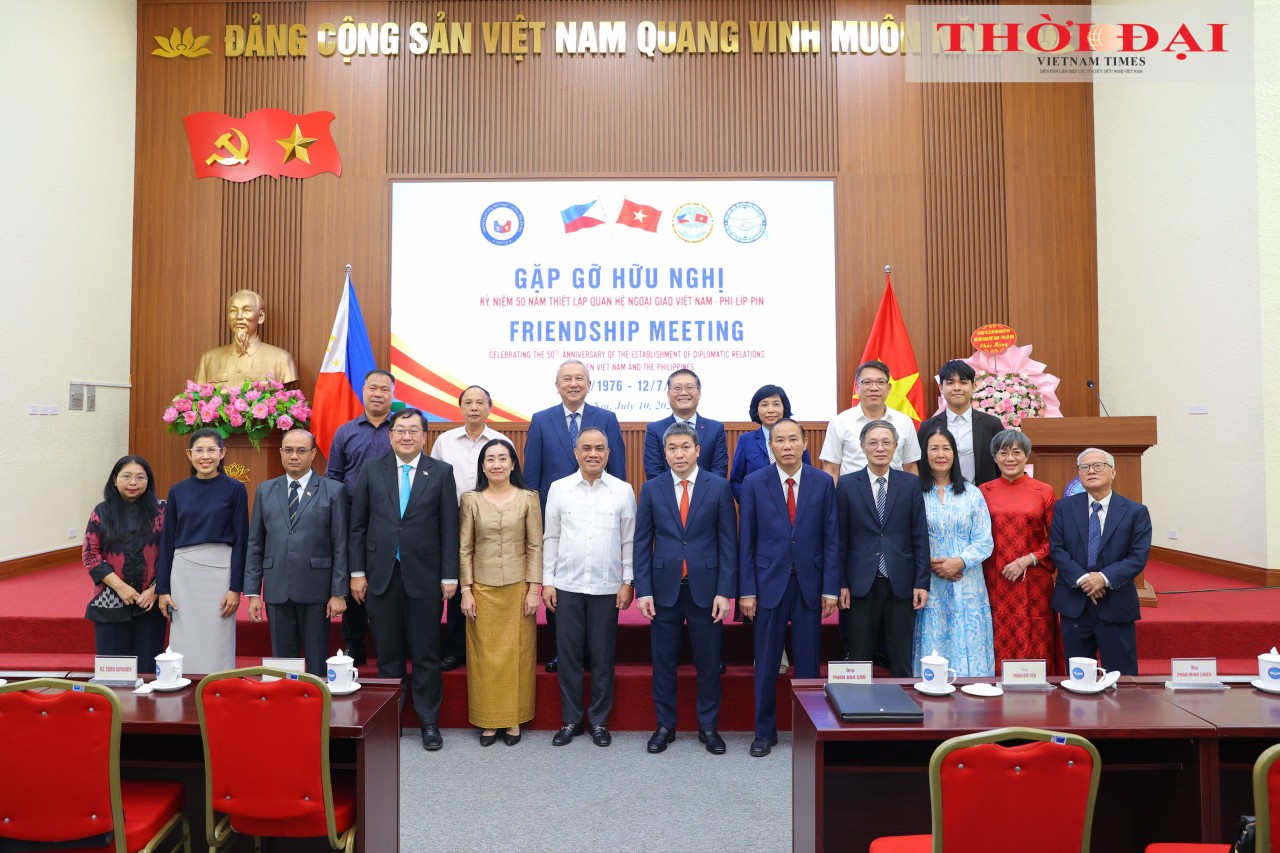
Three Priorities for Advancing Viet Nam-Philippines People-to-People Relations
 Friendship
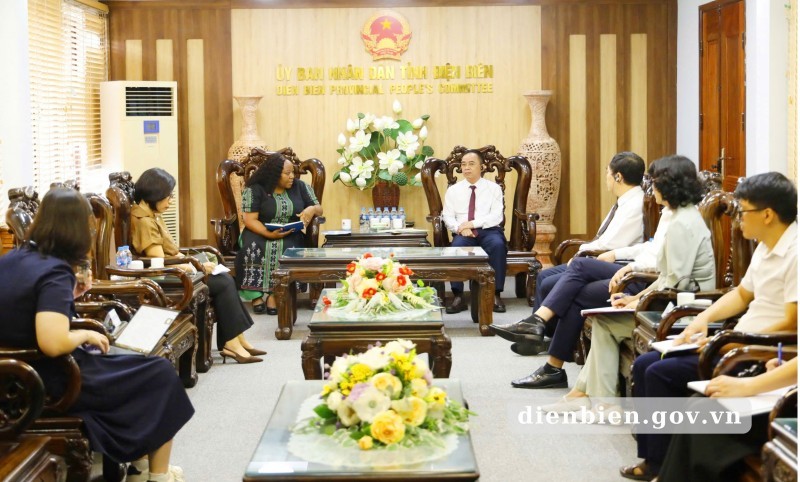
UN Women Reaffirms Cooperation with Dien Bien Province
 Friendship