
India and France enhance cooperation in defense
New Delhi is committed to greater indigenization of their supply chain. So, Indian firms would be doing the lion’s share of creating components and assembling a majority of the jets in India. Dassault is even willing to establish a Maintenance, Repair, and Overhaul (MRO) facility in India to ensure the fleet of new planes is properly maintained in the country. In fact, this MRO could serve other operator see .
The IAF is desperately trying to modernize and expand its capabilities amid force-structure pressures. Rafale, between India and Dassault, is seen as producing high-performing multirole aircraft. Therefore, by getting Dassault to license their systems for construction in India, the Indians are growing their capabilities and becoming more self-reliant.
Plus, building locally will enhance India’s indigenous aerospace industry skills, strengthen local supply chains, and potentially boost export revenues over time.
By building these systems in India, the IAF is going to see a real impact in its operational capabilities. Today, the IAF’s gold standard has been to maintain around 42 fighter squadrons.Currently, however, that number is much lower—possibly as low as 30. By infusing indigenously built Rafales with the current fleet, India is making a real enhancement.
There are, of course, big risks that come with this. And they include an inability of India to meet tolerances at scale. While this is a smart step for India, there is the chance that costs could explode.
Ultimately, this Rafale deal is not really about France, or even about the bird itself. India is buying itself a stopgap from France. It’s a stopgap that ensures the IAF will have the requisite squadron strength and strategic breathing room—all while enhancing the country’s indigenous aerospace industry at a time it will soon be able to maintain modern fleets, meaning true strategic autonomy will have been achieved—the dream of India’s strategists since the earliest days of independence.



Recommended
 World
World
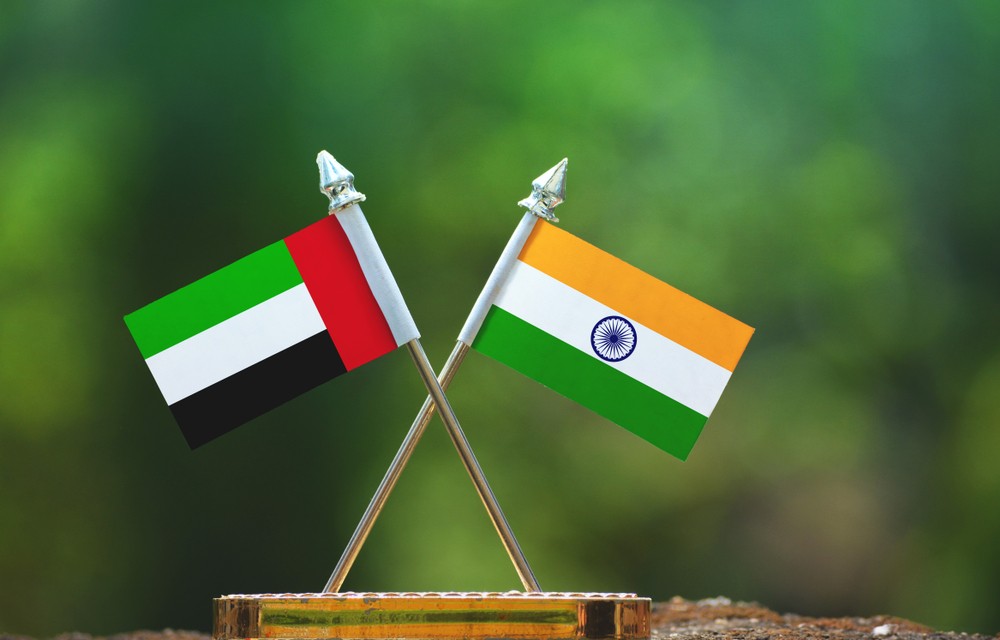
Modi's UAE visit for important energy agreements
 World
World
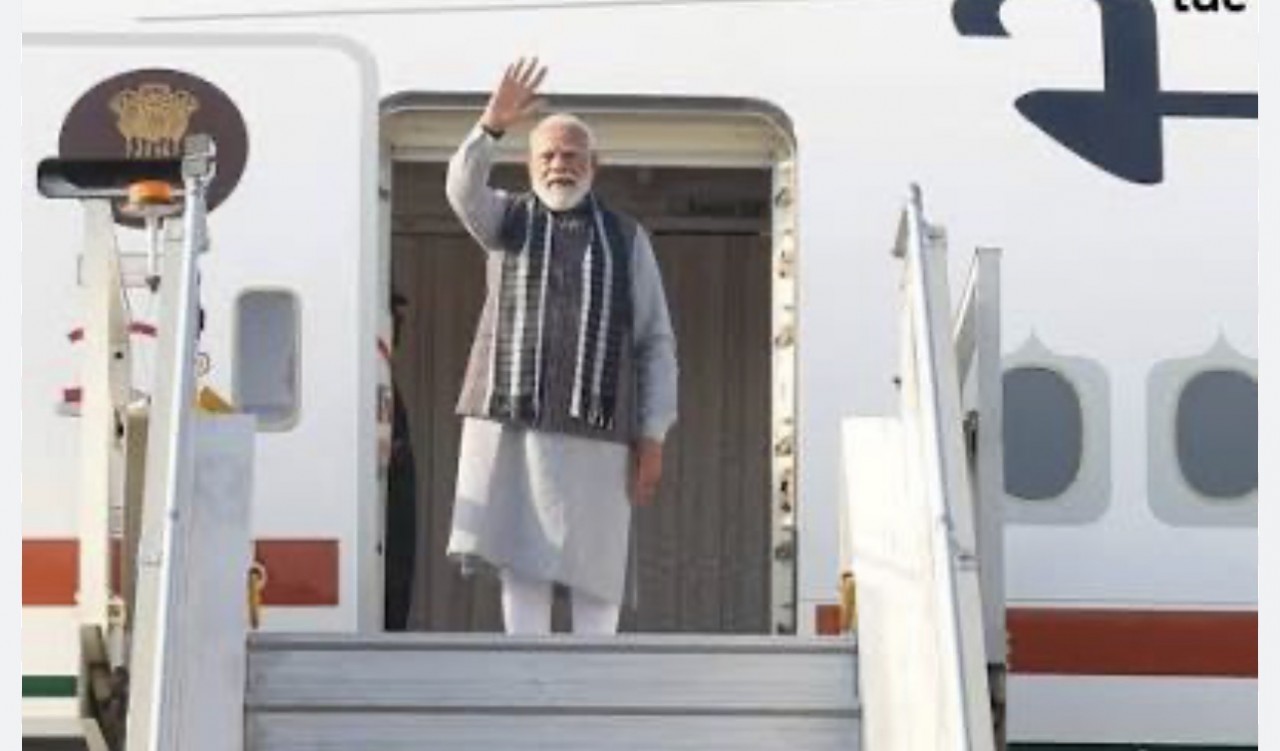
Indian PM Modi’s UAE visit to advance Strategic Defence Partnership
 World
World
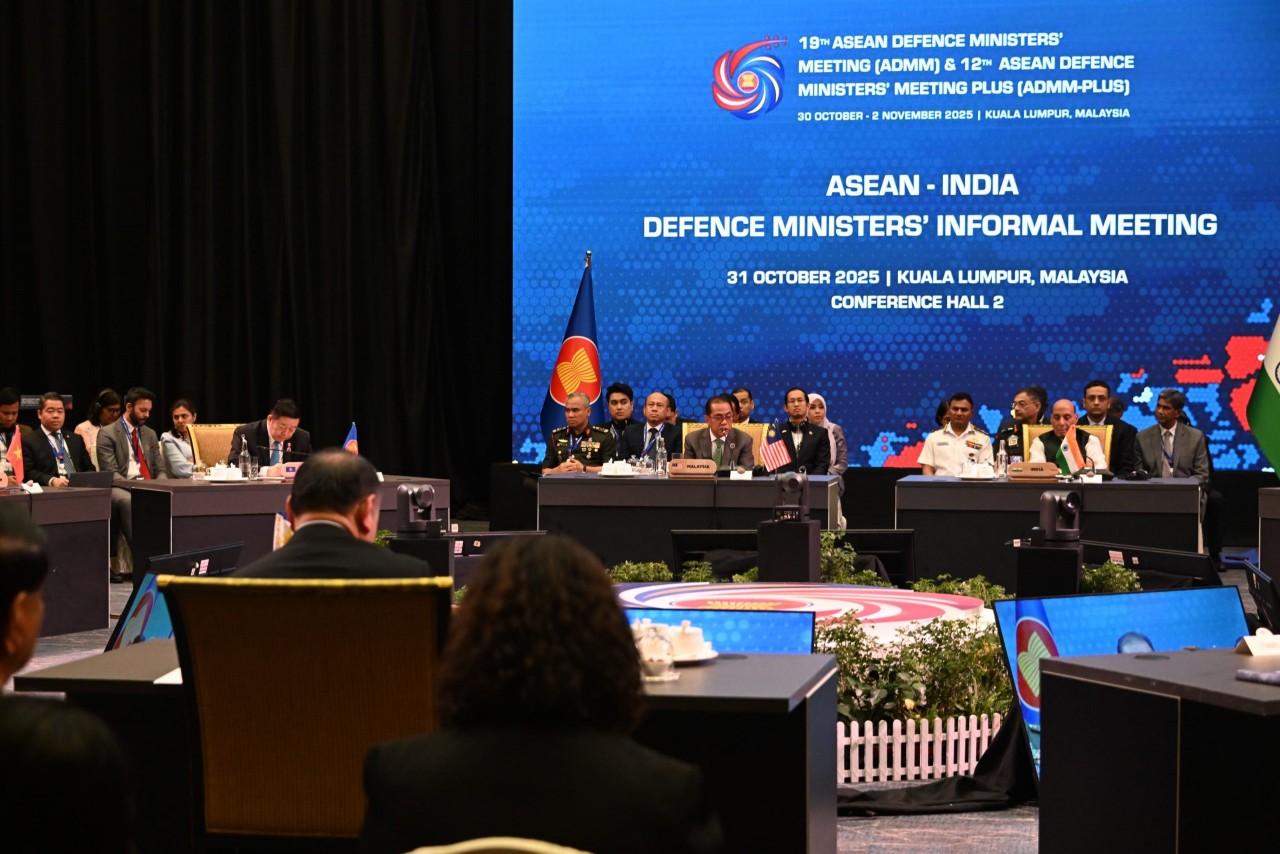
India’s Engagement with ASEAN: Strengthening Mutual Trust
 World
World
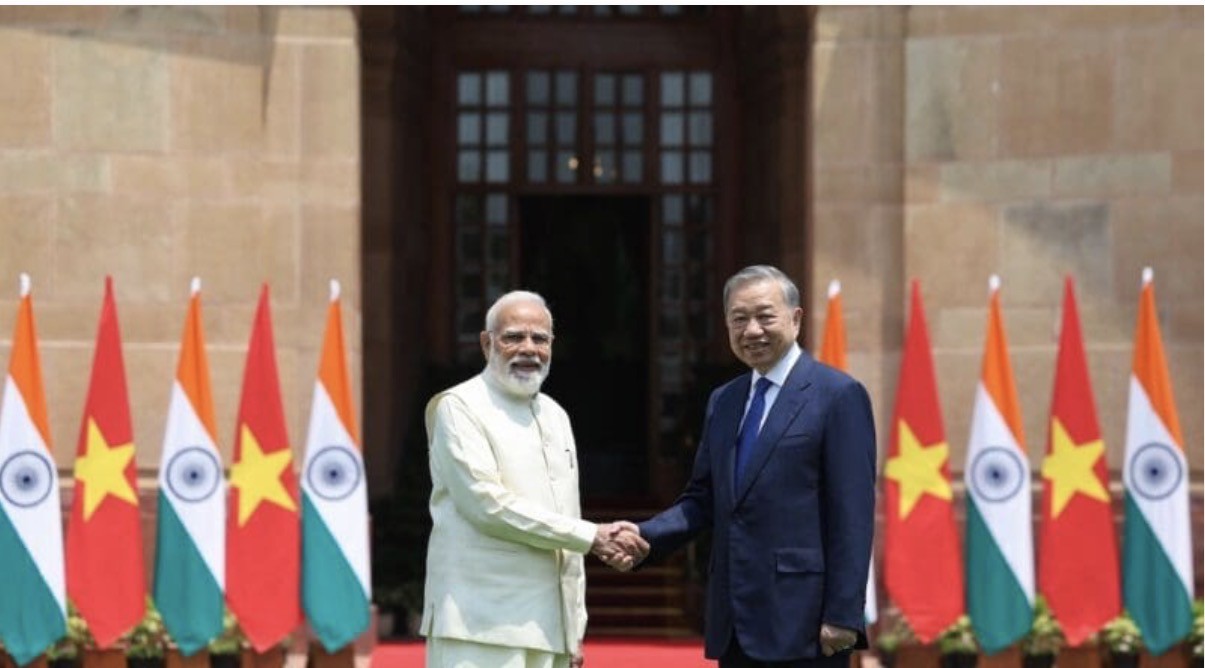
Eurasia Review Analysis: India-Vietnam Relations and Their Strategic Significance
Popular article
 World
World
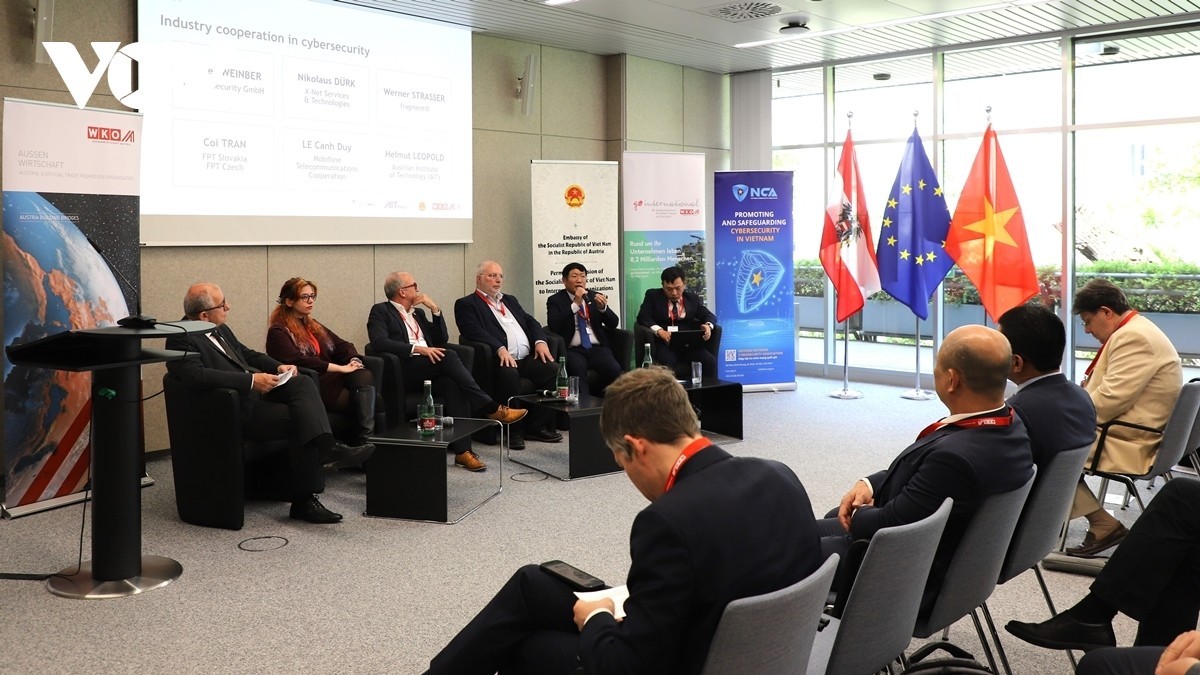
Vietnam, Austria Promote Practical Cooperation in Cybersecurity
 World
World
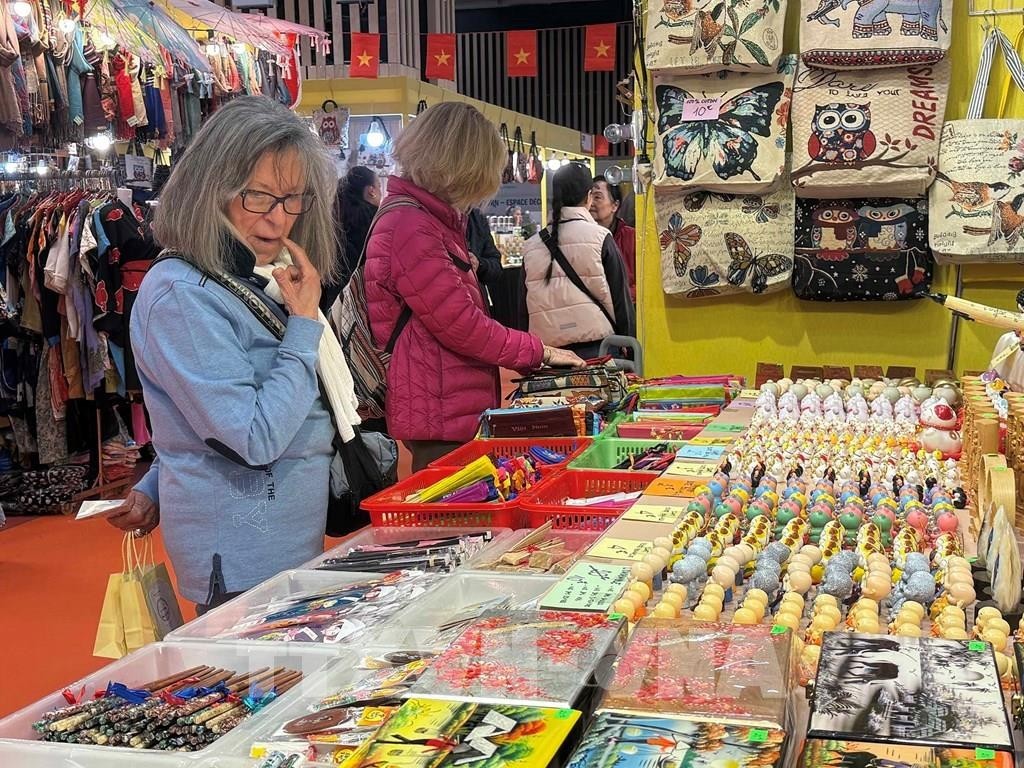
Vietnam Makes Its Mark at Paris International Fair 2026
 World
World
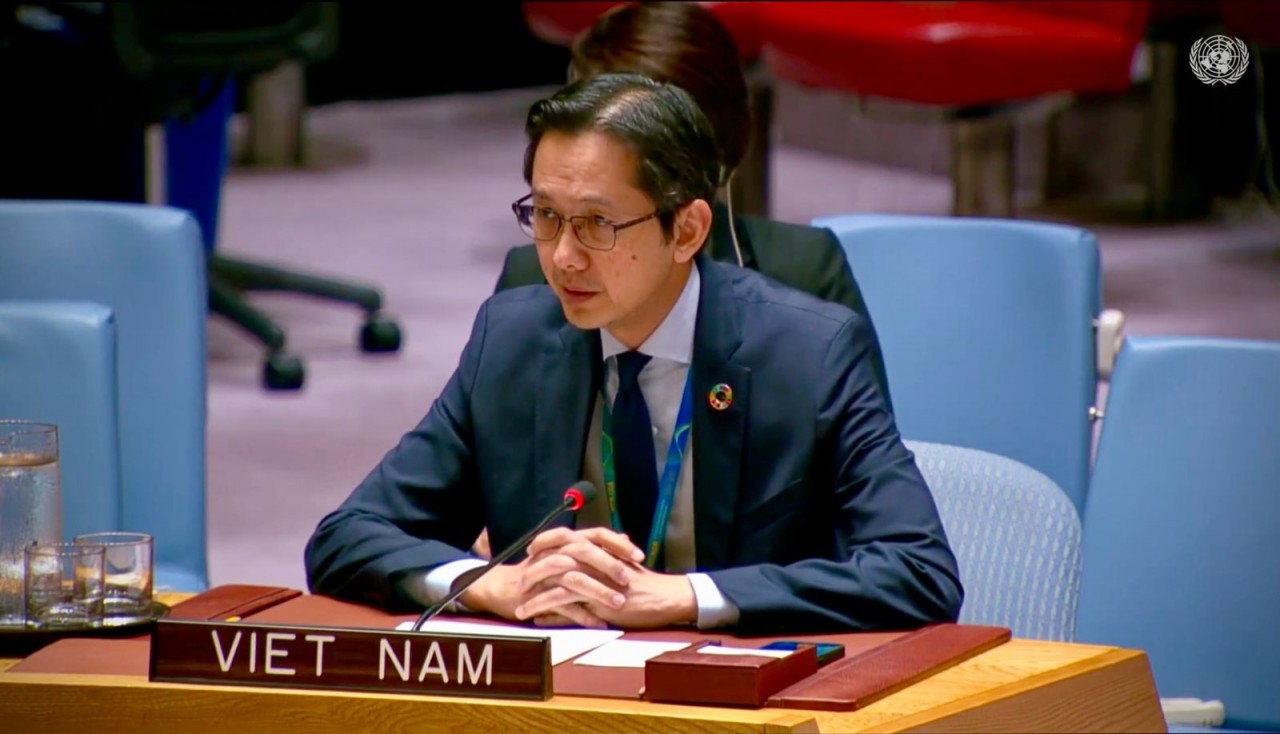
Vietnam Promotes Dialogue, Seeks Substantive Solutions at 11th NPT Review Conference
 World
World