
India And the US: strategic necessity For each other
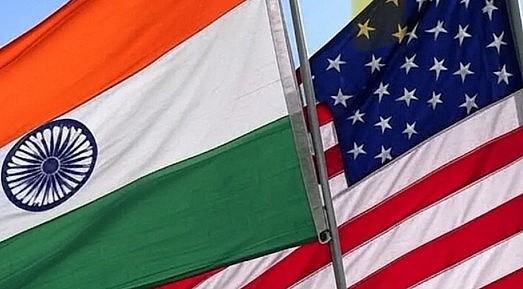 |
In a recent Foreign Affairs article, Kurt Campbell and Jake Sullivan emphasized, “The only thing harder than building and formalizing a deeply significant relationship with India is not having one.” They urge both sides to move forward, acknowledging that a weakened partnership would benefit rivals.
Prime Minister Narendra Modi’s recent meeting with Chinese President Xi Jinping in Tianjin garnered significant media interest, especially after Xi described the evolving relationship as the “Dragon-Elephant Tango.” Observers interpret this diplomatic outreach as a response to the recent tensions between India and the U.S. Erik Solheim, a former peace envoy to Sri Lanka, hailed the summit as “the strongest signal yet of the emerging multipolar global order,” emphasizing that “India and China agree to be partners, not rivals.”
India has long been a steadfast U.S. ally since the end of the Cold War. President Barack Obama called India an “indispensable partner,” and as a key member of the Quad, India stands at the heart of Washington’s Indo-Pacific strategy—a framework China views as an “Asian NATO.” Until the recent trade dispute, both countries enjoyed a strong partnership, serving as a counterweight to China’s influence in the region.
On a personal level, Trump and Modi have maintained cordial relations, often emphasizing their friendship. Modi was one of the first world leaders to visit Trump at the White House, where he promoted the idea of a “mega partnership for prosperity.” “When America and India work together,” Modi said, “this MAGA plus MIGA becomes a ‘mega partnership for prosperity.’” Trump called Modi his “great friend,” and together they set an ambitious goal to double bilateral trade to $500 billion by 2030.
Successive U.S. presidents have advanced the relationship by launching key initiatives, transforming a general sense of promise into deeper, sustained cooperation. These include President George W. Bush and Indian Prime Minister Manmohan Singh’s landmark U.S.-India Civil Nuclear Agreement, and President Joe Biden and Prime Minister Narendra Modi’s collaboration in critical fields such as AI, biotechnology, and aerospace.
By penalizing India for purchasing Russian oil while strengthening ties with Pakistan, the U.S. risks alienating one of its most important partners—and undermining India’s longstanding relationship with Russia. If the trust deficit between India and the U.S. continues to widen, both nations could lose influence in the strategically vital Indian Ocean region.

Recommended
 World
World
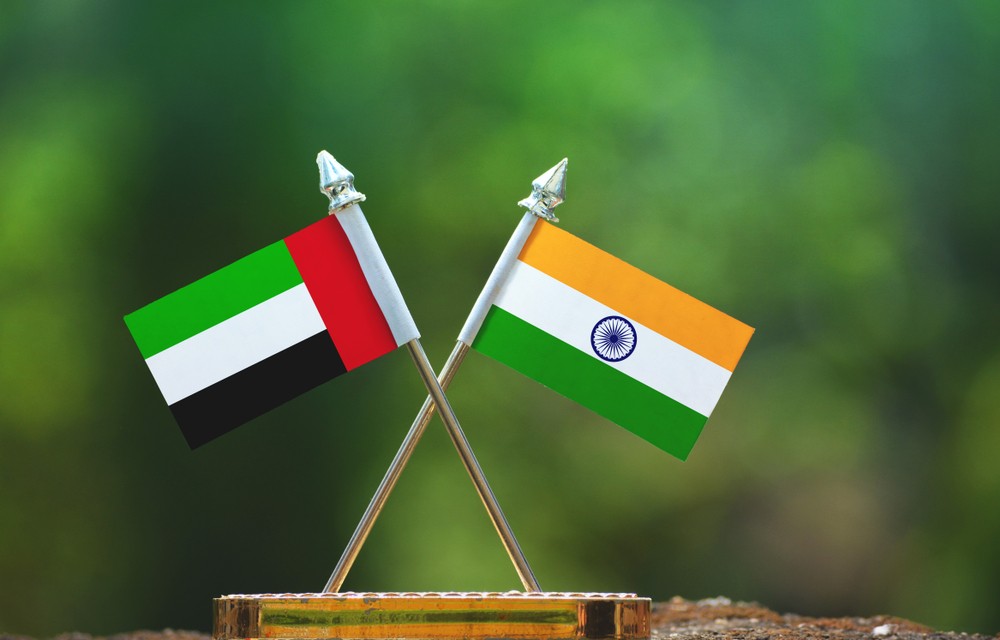
Modi's UAE visit for important energy agreements
 World
World
Indian PM Modi’s UAE visit to advance Strategic Defence Partnership
 World
World
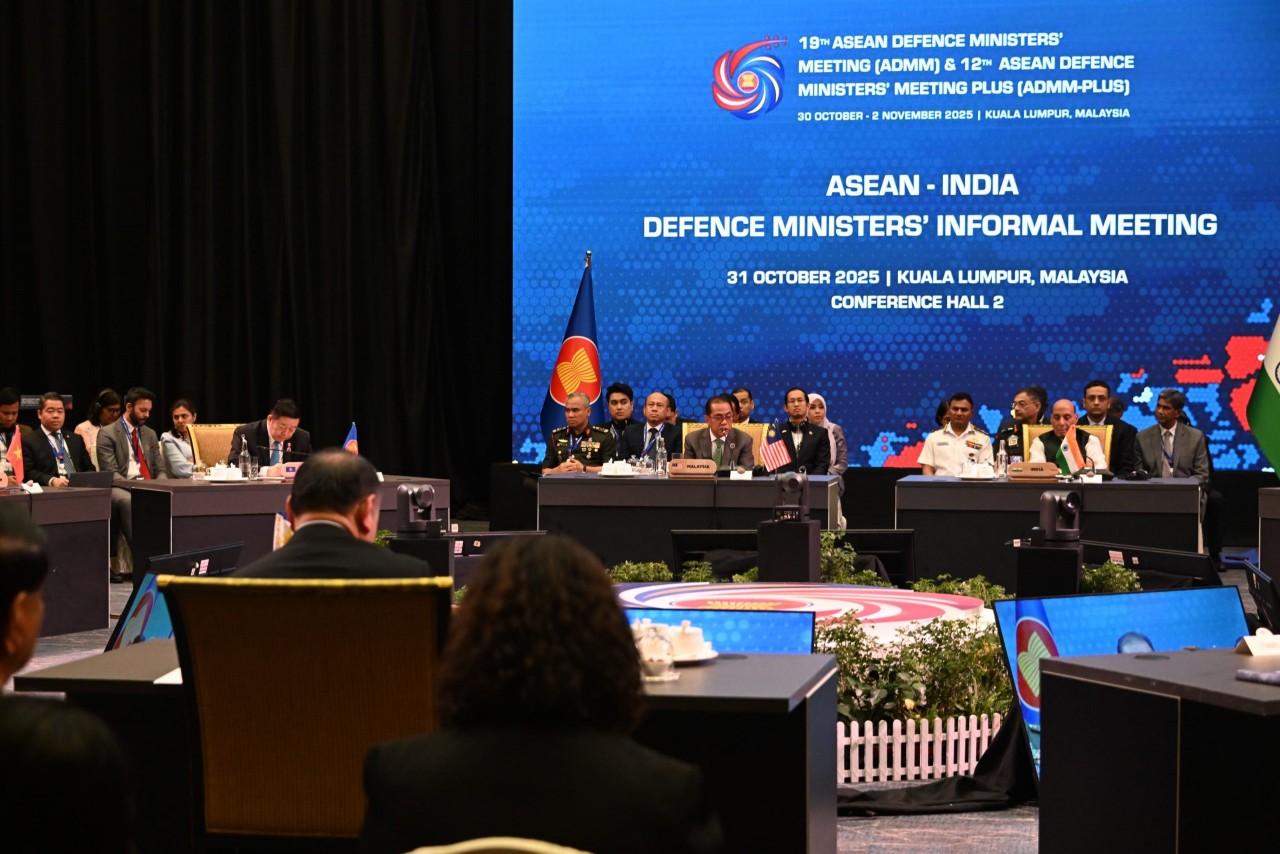
India’s Engagement with ASEAN: Strengthening Mutual Trust
 World
World
Eurasia Review Analysis: India-Vietnam Relations and Their Strategic Significance
Popular article
 World
World
Vietnam, Austria Promote Practical Cooperation in Cybersecurity
 World
World
Vietnam Makes Its Mark at Paris International Fair 2026
 World
World
Vietnam Promotes Dialogue, Seeks Substantive Solutions at 11th NPT Review Conference
 World
World