
India-Russia agree to further deepening their bilateral partnership.
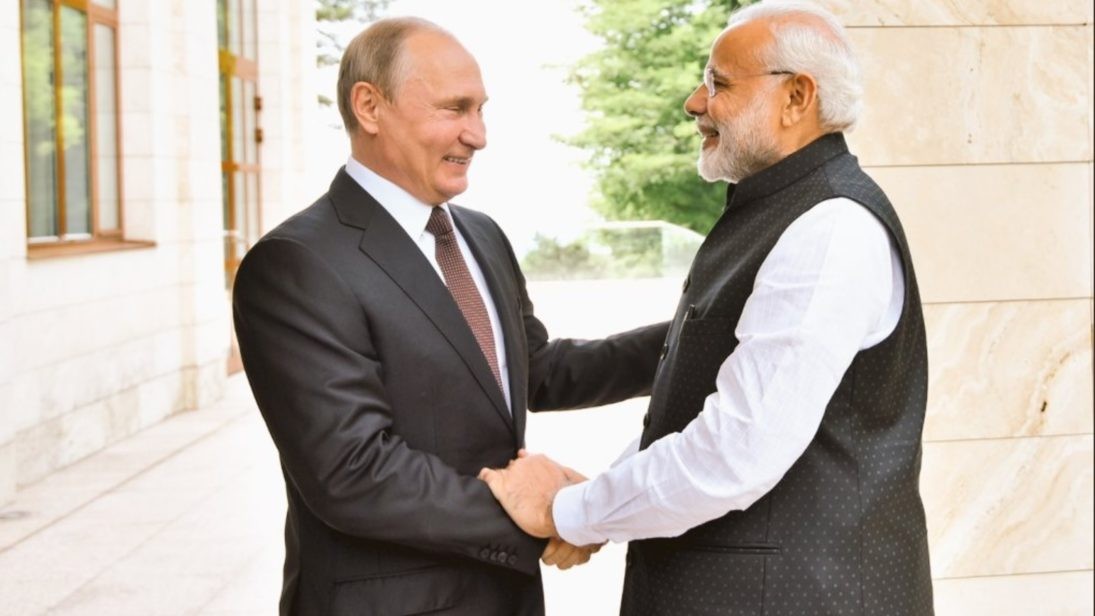 |
Russia and India have made their most substantive defence pact yet, allowing them to station soldiers and aircraft on each other’s territory.
The Reciprocal Exchange of Logistics Support (RELOS) bilateral agreement, which was signed last year and is now operational, facilitates the countries’ use of each other’s bases, naval ports, and airfields during peace and wartime.
In a significant shift, India – the world’s most populous country – has allowed a foreign military to temporarily station soldiers for the first time on its soil.
This deepening of Russia-India ties, especially in the defence sector, comes amid a series of global wars that have roiled the world’s economy, impacting millions in New Delhi and Moscow.
So, what is in the agreement? How does it benefit Russia and India?
What is in the RELOS agreement?
Negotiated over the past eight years, the RELOS agreement was signed in Moscow in February last year. Russian President Vladimir Putin ratified it under federal law on December 15.
The pact has been in force since January 12, but the details were finally published by Russian officials only this week.
The RELOS agreement will remain active for five years, with provisions to extend it with mutual consent.
In a statement following ratification, the Kremlin said: “The purpose of the Agreement is to define the procedure for the deployment of military formations, port calls by warships, and the use of airspace and airfield infrastructure by military aircraft of the Parties.”
The logistics support pact also sets the framework for a wide range of services, including refuelling, repairs, and supplies for warships and aircraft. In short, the agreement, analysts said, streamlines servicing of Russian military hardware that already makes up the majority of India’s inventory.
The pact now governs port access and the supply of food, water, and technical resources for naval forces. For airborne platforms, the pact includes air traffic control, navigation support, and aircraft security, as well as fuel, lubricants and maintenance services.
RELOS will also facilitate cross-training between militaries alongside Humanitarian Assistance and Disaster Relief (HADR) missions in the countries’ areas of interest.
Now, the agreement gives Russia groundbreaking access to the Indian Ocean, and, in turn, New Delhi can access ports along the northern sea route from Vladivostok to Murmansk. These are critical to safeguard against global supply disruption, analysts say.
Andrey Kortunov, the academic director of the Russian International Affairs Council, a think tank in Moscow, told Al Jazeera that the RELOS agreement deepens the existing bilateral partnership.
“It adds a functional layer of interoperability that India did not previously have with Russia, thus bringing the bilateral relationship closer,” Malhotra said, adding that the pact provides New Delhi with “access to Russian facilities in the Arctic and far East, where Russia is a critical enabler”.
The strategic signal from the agreement “is one of continuity and depth as regards a trusted legacy partnership”, the former ambassador added.
He said that RELOS “diversifies risk by allowing India logistics access outside Western-controlled networks and it institutionalises such access in a modest yet concrete way”.
The RELOS agreement is also “about future-proofing India’s strategic space, by providing an added degree of flexibility in a scenario where global alignments continue to churn and become more unpredictable,” said Malhotra.


Most read
Recommended
 World
World
Australia-India Partnership on Cyber, Critical Technologies and Supply Chains
 World
World
Venezuela Declares Seven Days of National Mourning for Earthquake Victims
 World
World
Europe Faces Historic Heatwave, More Than 1,000 Deaths Reported
 World
World
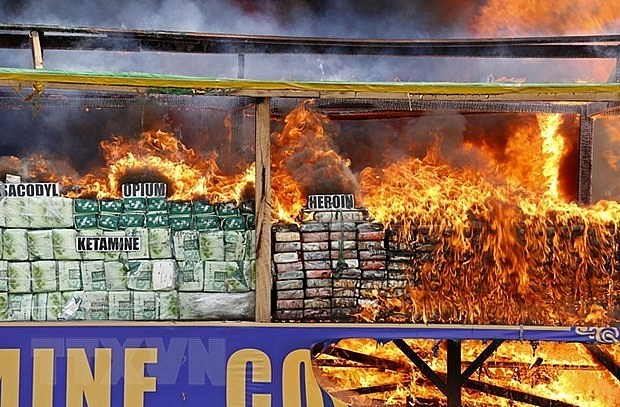
Myanmar Destroys Over 50 Tons of Drugs on International Anti-Drug Day
Popular article
 World
World
French Adventurer to Cycle 19,000 km to Vietnam, Taking on 14 of Asia and Europe's Highest Passes
 World
World
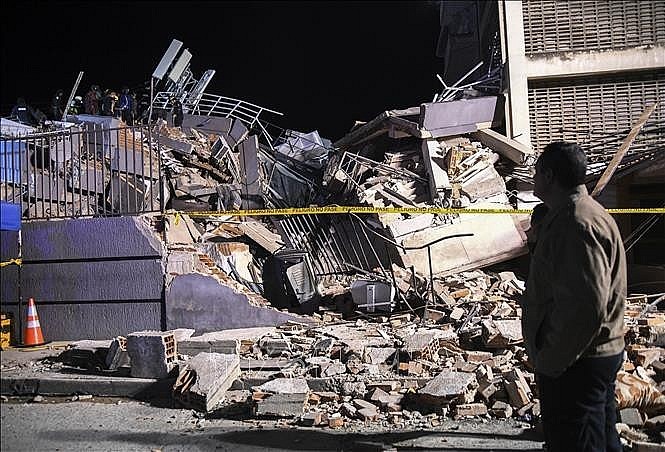
UN Calls for International Support for Victims of Venezuela Earthquake
 World
World
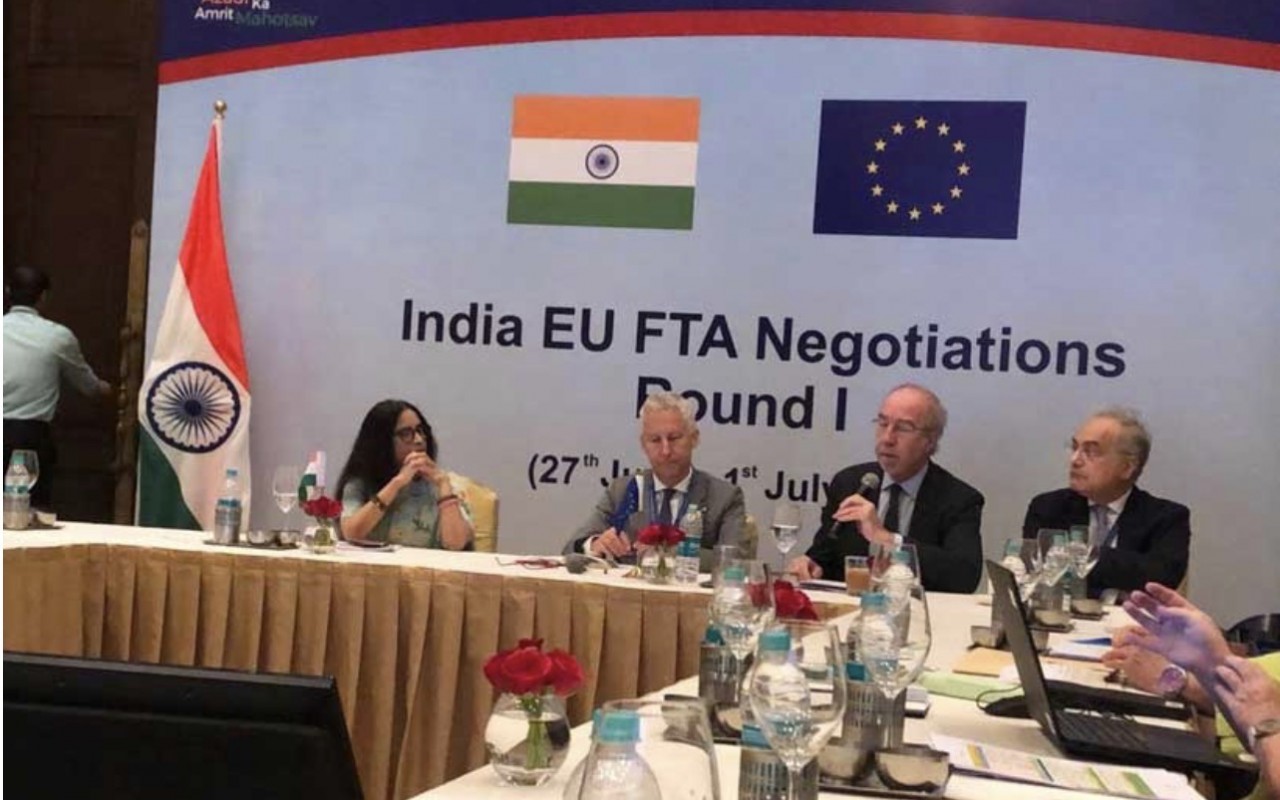
Why Trust, Not Trade, Will Determine the Success of the India–EU FTA
 World
World