
India’s Foreign Assistance Policy for 2026-27
The Union Budget for 2026–27 allocates roughly $637 million under the head “Aid to Countries.” While modest by global standards, these numbers matter disproportionately in South Asia, where infrastructure, political stability, and external alignments remain tightly interwoven, said thediplomat.
Neighbours first: continuity with clear signals
Bhutan once again emerges as the single largest recipient, with aid rising to nearly $250 million. This reflects not just development cooperation but the deep economic and strategic interdependence that anchors India–Bhutan relations. Aid to Nepaland Sri Lanka has also increased, underscoring India’s determination to remain a visible development partner in countries.
Sri Lanka’s higher allocation comes at a sensitive moment as the country recovers from debt distress and climate shocks. Indian assistance here serves a dual purpose: supporting stability while reinforcing India’s role as a reliable first responder in the Indian Ocean region.
Not all signals are positive. Aid to Bangladesh has been cut sharply following the transition in Dhaka and the deterioration in bilateral ties. Equally notable is the complete withdrawal of funding for Iran’s Chabahar Port, once projected as India’s gateway to Central Asia. The decision reflects New Delhi’s growing sensitivity to geopolitical pressure and highlights the limits of India’s strategic autonomy.
Beyond aid
Indian foreign assistance has always been rooted in realism. Aid buys access, shapes policy ecosystems, and supports trade and connectivity that benefit Indian firms. In recent years, this has also intersected with the outward expansion of Indian businesses, many of which increasingly look to neutral, globally connected hubs. In this broader context, business setup in Dubai stability, capital mobility, and insulation from regional political risk.
New Delhi is willing to pay for influence in its immediate neighbourhood but is increasingly cautious about exposure beyond it. For recipient countries, the message is equally clear: Indian aid remains valuable, but it is shaped by geopolitics as much as by development needs.

Recommended
 World
World
Economic Diplomacy at Core of Thai Prime Minister’s Visit to Vietnam
 World
World
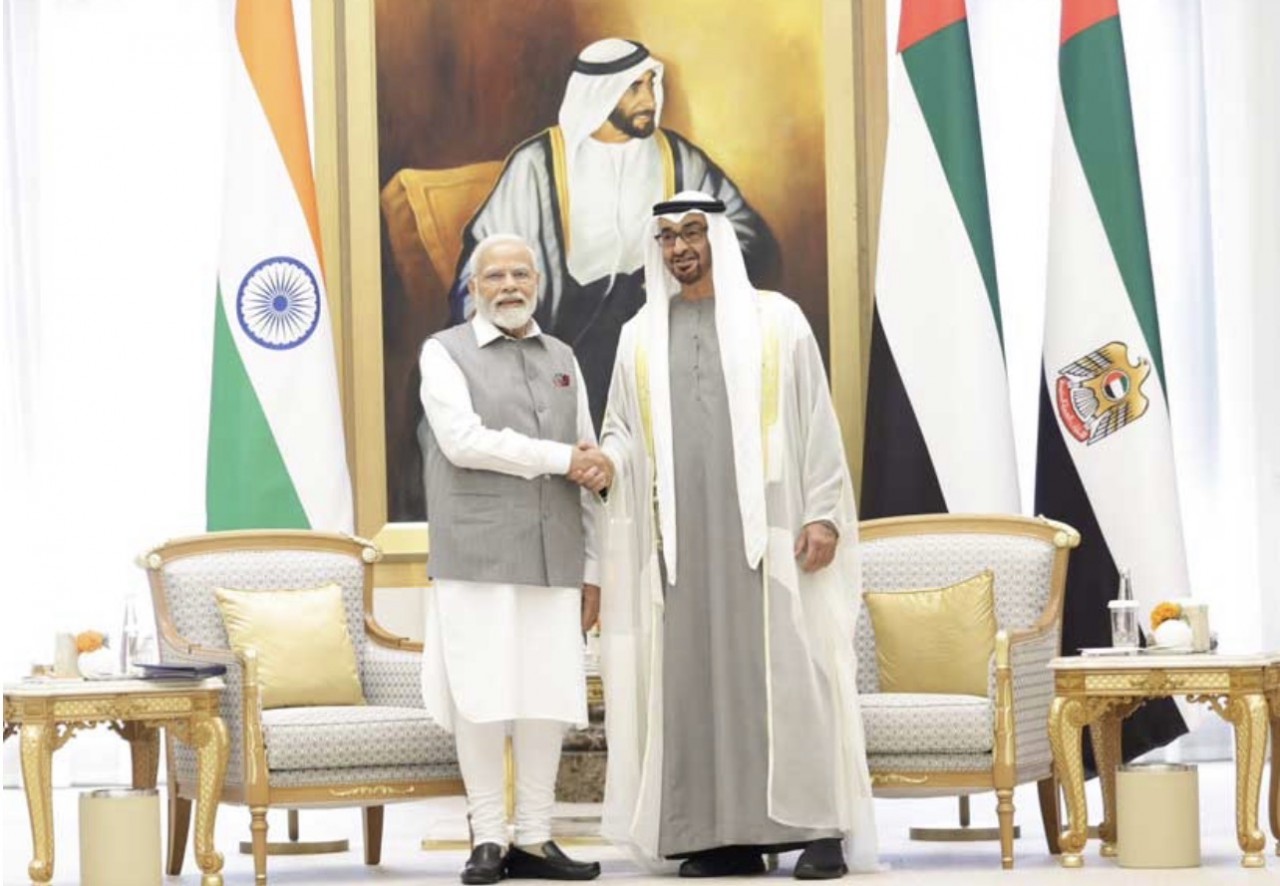
India-UAE Partnership and the Evolution of Strategic Autonomy
 World
World
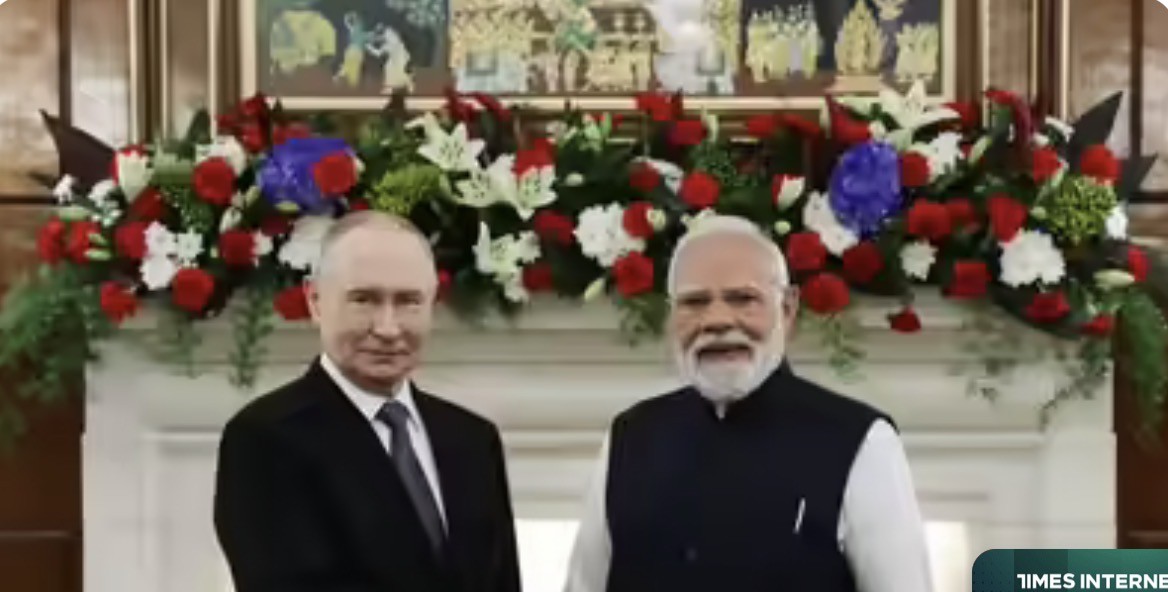
Putin lauds India’s rate of development, announces $100 bn trade goal
 World
World
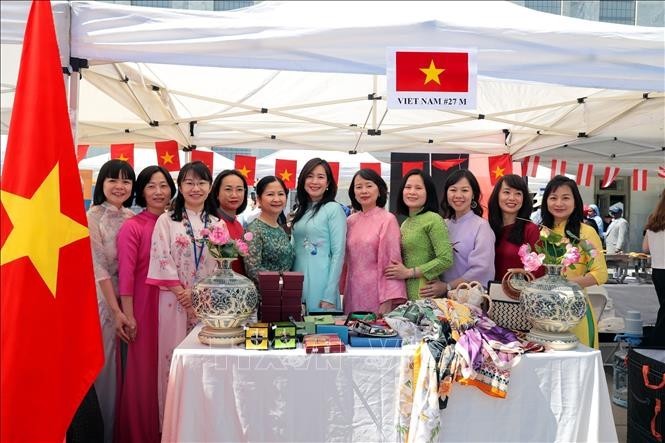
Vietnamese Crafts and Cuisine Draw Crowds at UN Bazaar 2026
Popular article
 World
World
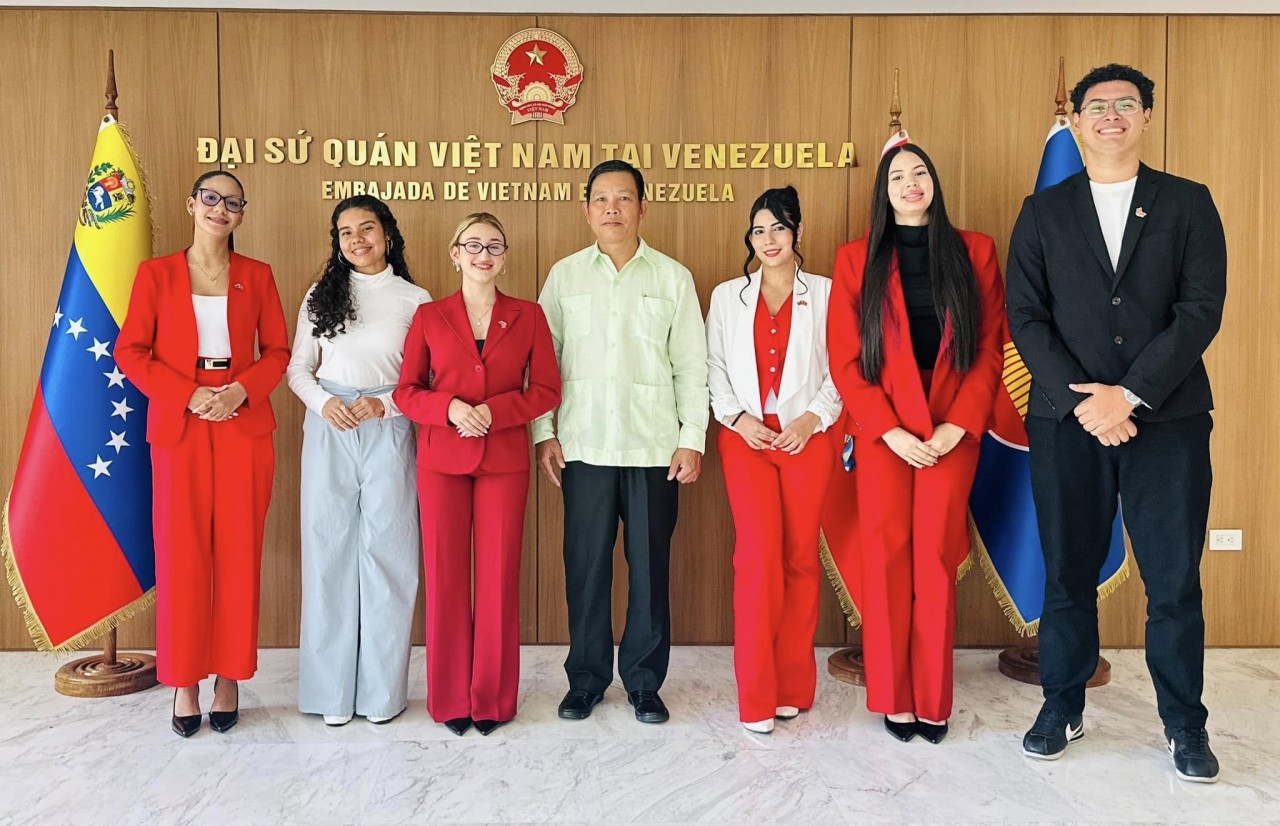
Many in Venezuela Know Vietnam as a Heroic Nation
 World
World
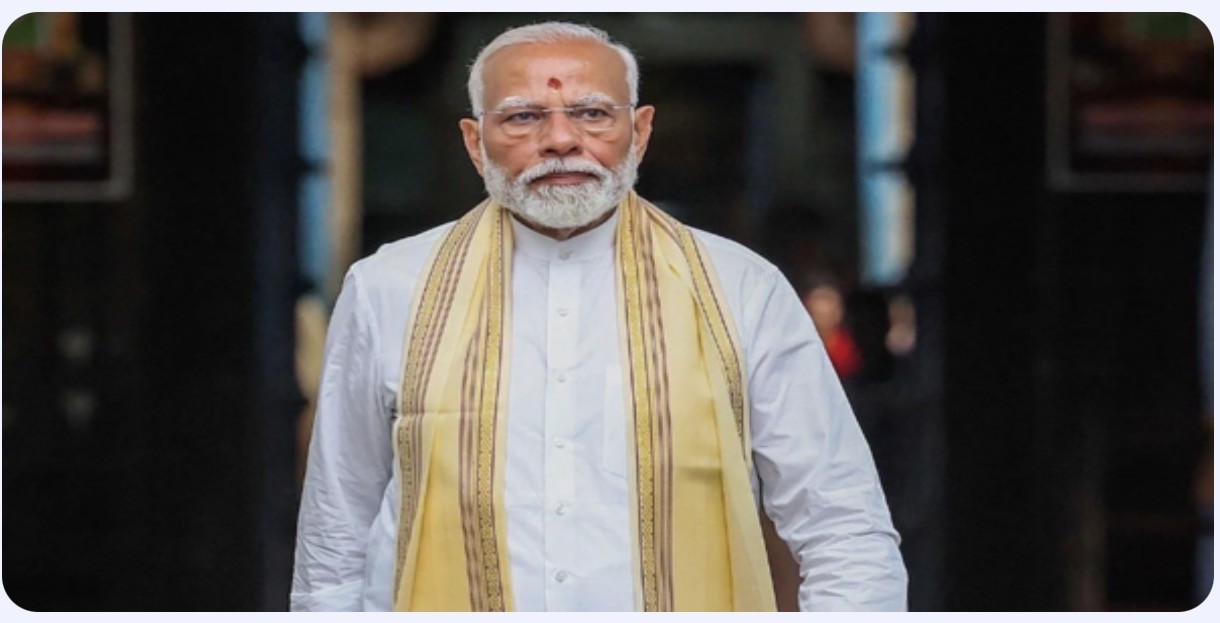
PM Modi’s Sweden Visit Marks Milestone In Deepening Ties
 World
World
India and Caricom promote friendship
 World
World