
Learning Vietnamese in 4.0 Era: Studying Letters on Phone, Practicing Speaking with AI
 | Learning Vietnamese: First and Most Important Communication Environment Is Family |
| Kaneya Manabu and His Journey to Discover Viet Nam Through the Vietnamese Language |
Preserving Vietnamese: A “Difficult Equation”
In the past, every weekend, Ha Nguyen and her husband - Vietnamese expatriates living in Sydney (Australia), took turns bringing their two children to Vietnamese classes organized by Hoa Nghiem Pagoda (Springvale, Australia). Those simple weekend lessons once served as a bridge connecting the two Australian-born children to their homeland’s language and culture. But as they grew older, extra classes and school sports activities increasingly overlapped with Vietnamese lessons, causing frequent interruptions in their studies.
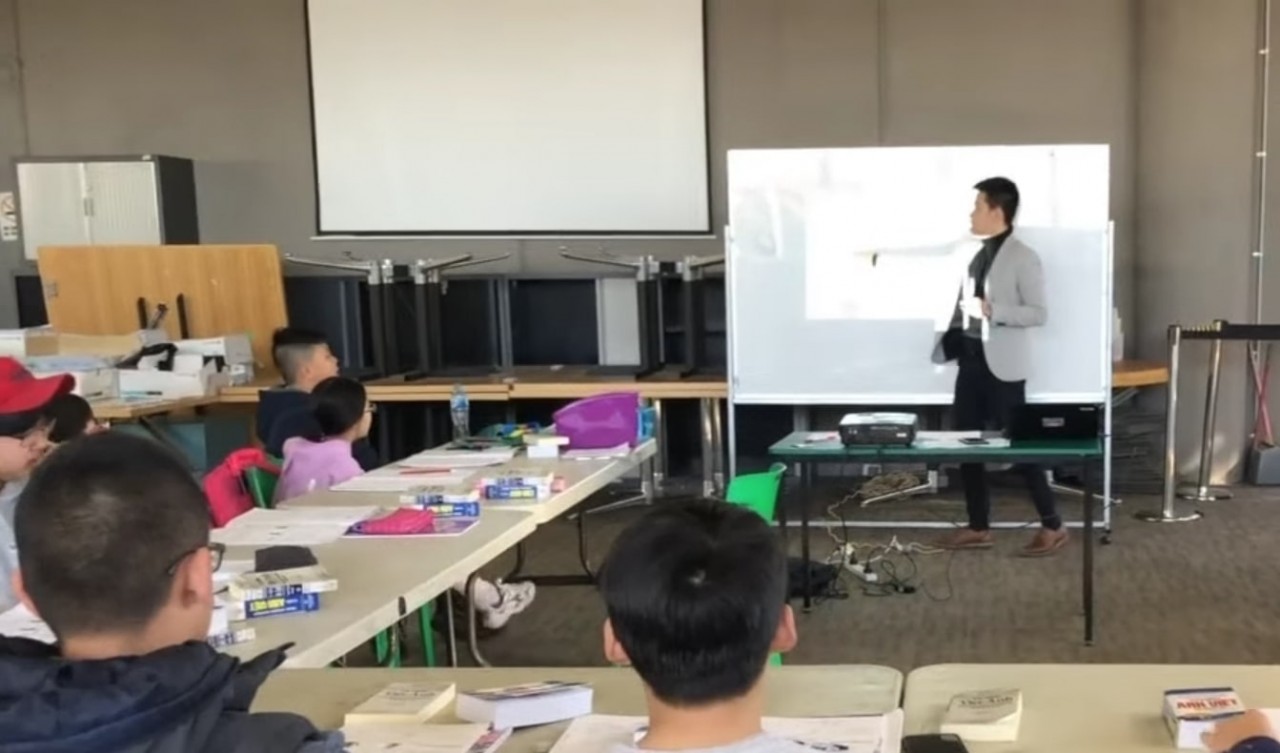 |
| Vietnamese class organized by Hoa Nghiem Pagoda (Springvale, Australia). |
“We always wished there were an online Vietnamese program designed specifically for children born overseas - modern, easy to follow, and capable of helping them retain their mother tongue,” Ha shared.
Within Australia’s Vietnamese community, where more than 320,000 Vietnamese people reside, Ha Nguyen’s story is not uncommon. Many parents say that although their children understand Vietnamese at a basic level, maintaining a consistent habit of communication is extremely difficult.
Surveys show that only 68.8% of Vietnamese-origin children in Australia can speak Vietnamese at a conversational level, and fewer than 14% have a vocabulary comparable to children in Vietnam. Notably, only 36% of families maintain a “Vietnamese environment” in daily activities.
As life becomes busier, many evening or weekend Vietnamese classes have become sparsely attended. Regular schoolwork, extracurricular activities, and long travel distances have turned attending classes into a burden—especially for children aged 8-12, who face rapidly increasing academic workloads. Even community-based classes encounter difficulties, as students’ proficiency levels vary widely, lesson time is limited, and teachers cannot correct each child’s pronunciation or personalize lessons for different age groups.
Many parents admit that although they want their children to maintain Vietnamese, they struggle with overwhelming schedules and the lack of programs tailored to children born overseas.
VietNEST - A “Technological Nest” for Vietnamese-Origin Children
Amid the growing need to learn Vietnamese among overseas Vietnamese communities, several technology-based initiatives developed by Vietnamese innovators have emerged. These projects are pioneering models in applying artificial intelligence to Vietnamese language education. Among them, VietNEST is considered a prominent example, offering a modern, flexible, and culturally rich approach for Vietnamese-origin children and international learners alike.
The VietNEST initiative was founded through the collaboration of the Vietnamese Academics and Experts Association in Australia (VASEA), VietSchool in Sydney, and the ASIF Foundation. Positioned as a “technological nest” for children aged 5-15 with Vietnamese heritage, VietNEST aims not only to teach Vietnamese but also to nurture cultural bonds between young learners and their homeland.
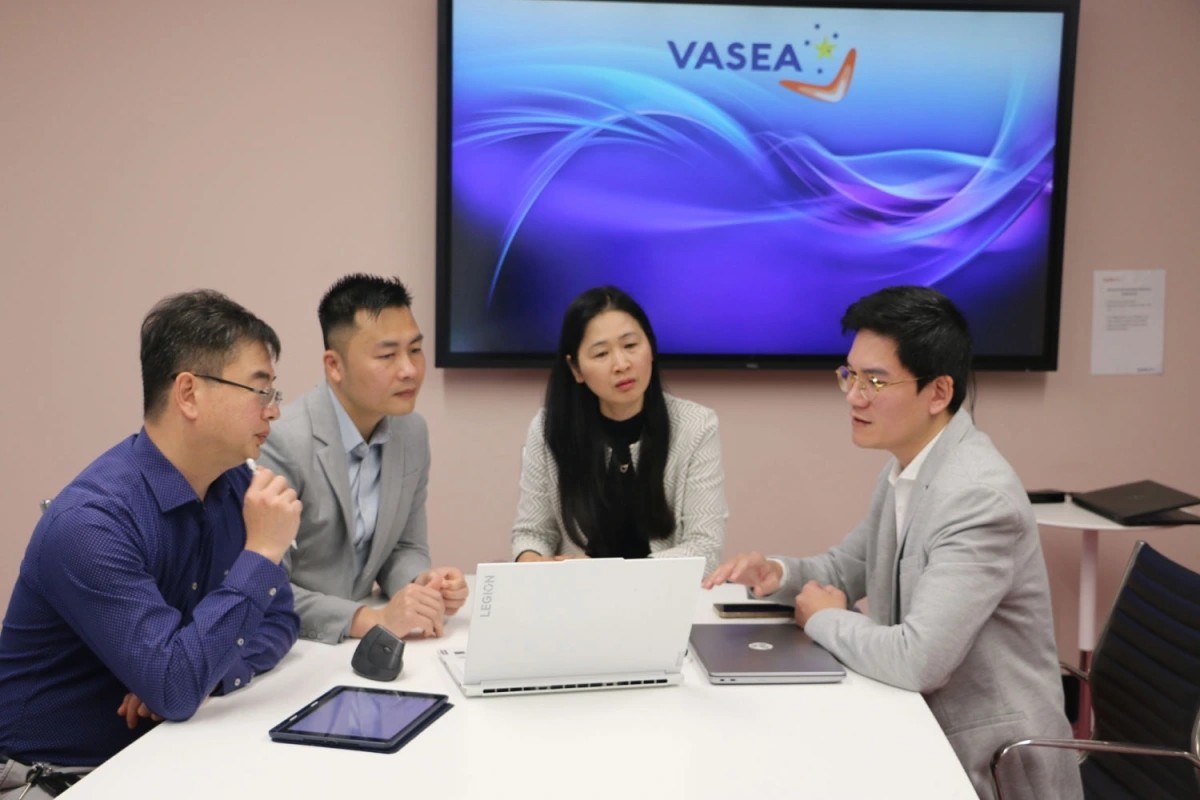 |
| Representatives from VASEA, VietSchool, and ASIF discuss building VietNEST. |
VietNEST’s lesson content is designed around cultural themes such as the Lunar New Year feast, Hanoi’s pho, and famous landmarks in Vietnam or Australia. The combination of short videos, illustrations, and interactive games helps children learn the language while naturally and vividly engaging with Vietnamese culture.
Instead of feeling constrained by reading aloud in class, children can practice speaking by choosing their favorite topics, recording their speech, and receiving instant feedback. Many enjoy “dubbing” their recordings using familiar cartoon characters, turning learning into a playful, emotionally engaging experience.
The system’s class and student management features also use AI to track progress, predict learning capacity, and adjust teaching methods to better suit each child. VietNEST is expected to launch officially in the third quarter of 2025 and will be offered free of charge to the community.
VieAI - Proprietary Model for Scoring Vietnamese Pronunciation
Alongside VietNEST, another application - VieAI - is making a strong impression as it targets a broader group of learners, including foreigners who love Vietnamese culture as well as adult overseas Vietnamese. VieAI was developed through a “three-party” collaboration model involving the government, academic institutions, and businesses, with the Posts and Telecommunications Institute of Technology serving as the core partner.
By integrating artificial intelligence technologies such as speech processing, conversational chatbots, and sentence generation, VieAI offers a structured and user-friendly Vietnamese learning experience. The application simulates more than 200 real-life communication situations, provides up to 5,000 culturally rich sentences, and builds learning pathways based on the Vietnamese Language Proficiency Framework (six levels) issued by the Ministry of Education and Training. Learners not only practice pronunciation using the software but are also placed in relatable contexts such as going to the market, asking for directions, offering tea, or talking about family—details that help connect them to Vietnamese cultural life.
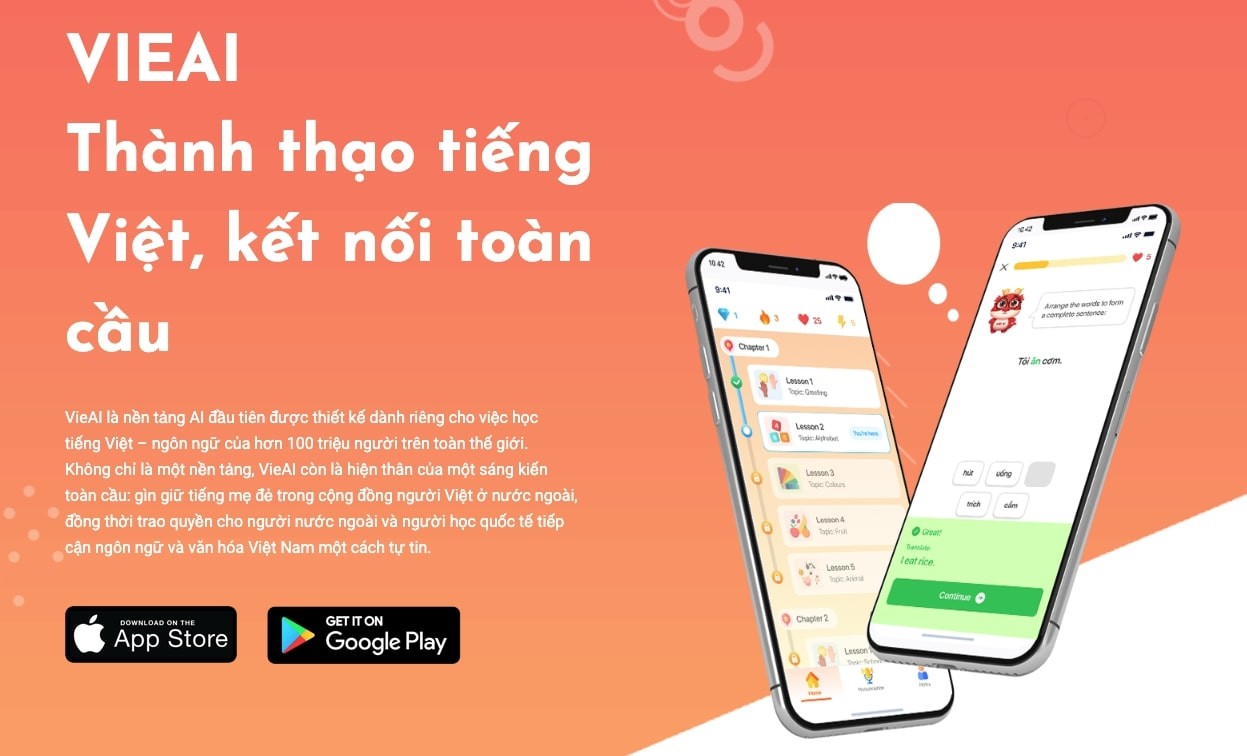 |
| Vietnamese learning application VieAI. |
The standout feature of VieAI is its proprietary AI model designed to score Vietnamese pronunciation, developed by a domestic research team. This is a capability that many international applications struggle to achieve, since Vietnamese has complex tonal rules and demands high precision in every phoneme. Thanks to this technology, learners receive instant feedback, clearly identify their mistakes, and understand how to correct them. In addition, VieAI aims for an even broader future by setting a goal to develop learning content for all 53 ethnic minority languages in Vietnam, contributing to the preservation of the country’s cultural diversity in the digital age.
The emergence of VietNEST and VieAI marks an important shift: Vietnamese is no longer taught solely through traditional textbooks but is being brought into the digital era with the support of cutting-edge technologies. These platforms open opportunities for all Vietnamese-origin children around the world to access the language in ways that fit modern, fast-paced lifestyles. At the same time, foreigners who appreciate Vietnamese culture now have dependable tools to explore the Vietnamese language and identity.
In a broader sense, the development of AI-integrated Vietnamese learning applications is clear evidence of the innovative efforts of the Vietnamese community both at home and abroad. Technology does not replace the role of teachers or families; rather, it is becoming a powerful assistant, helping Vietnamese to be preserved, nurtured, and spread more strongly as the country continues its journey of global integration.
 | Mikhail Osin: “I cannot imagine what life would be like without Vietnamese language.” On an autumn afternoon in Moscow, in a small room of the Institute of Asian and African Studies at Moscow State University (MGU), third-year student ... |
 | AI Accompanies Overseas Vietnamese Children in Nurturing Their Love for Vietnamese Language From the online classes of the Yeu Tieng Viet (Love Vietnamese) School in Australia, artificial intelligence (AI) is becoming a “companion” that helps hundreds of ... |



Most read



Related Stories
 Handbook
Vietnam-Europe Cooperation on AI in the Judiciary
 Overseas Vietnamese
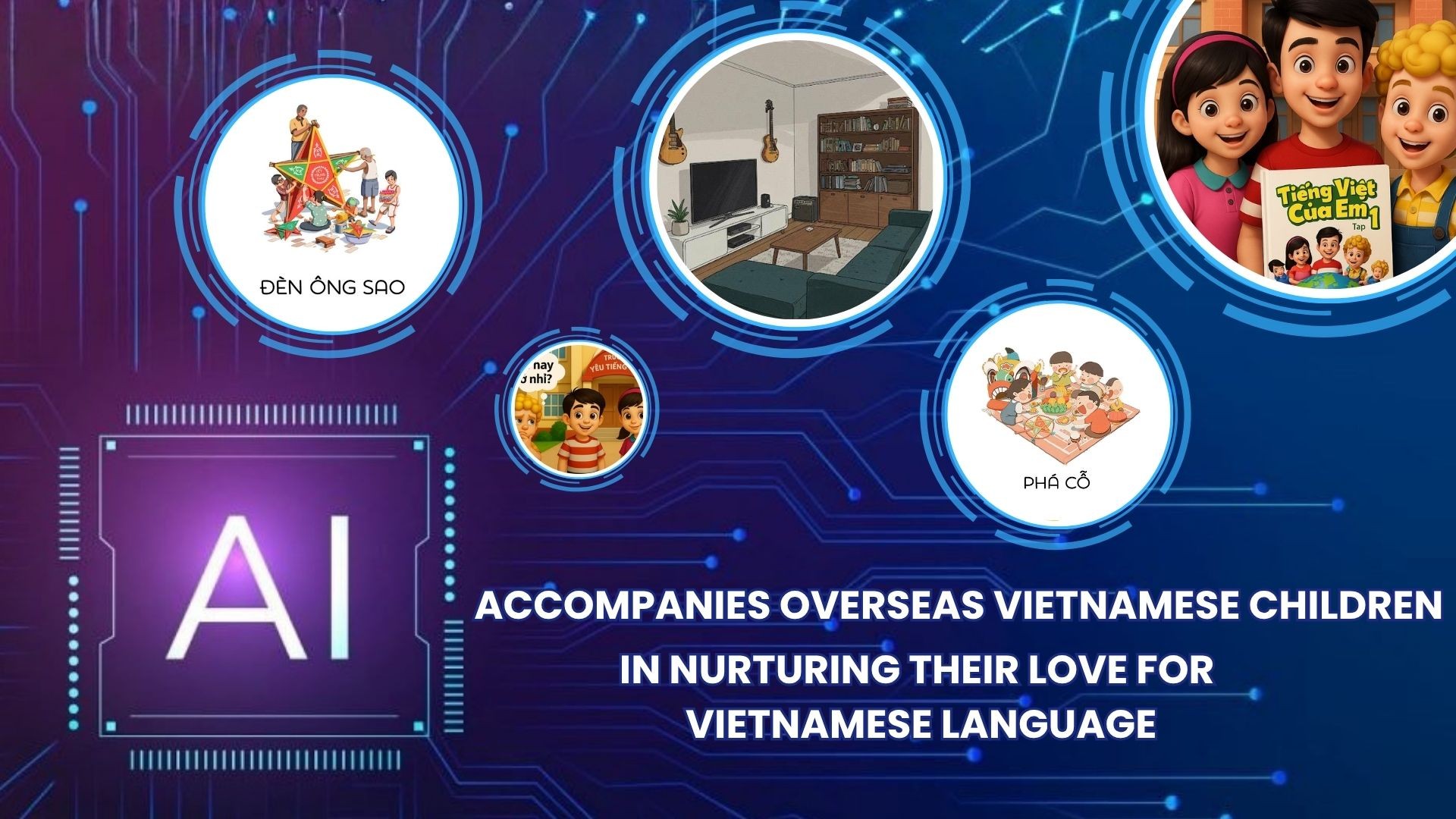
AI Accompanies Overseas Vietnamese Children in Nurturing Their Love for Vietnamese Language
 Viet's Home
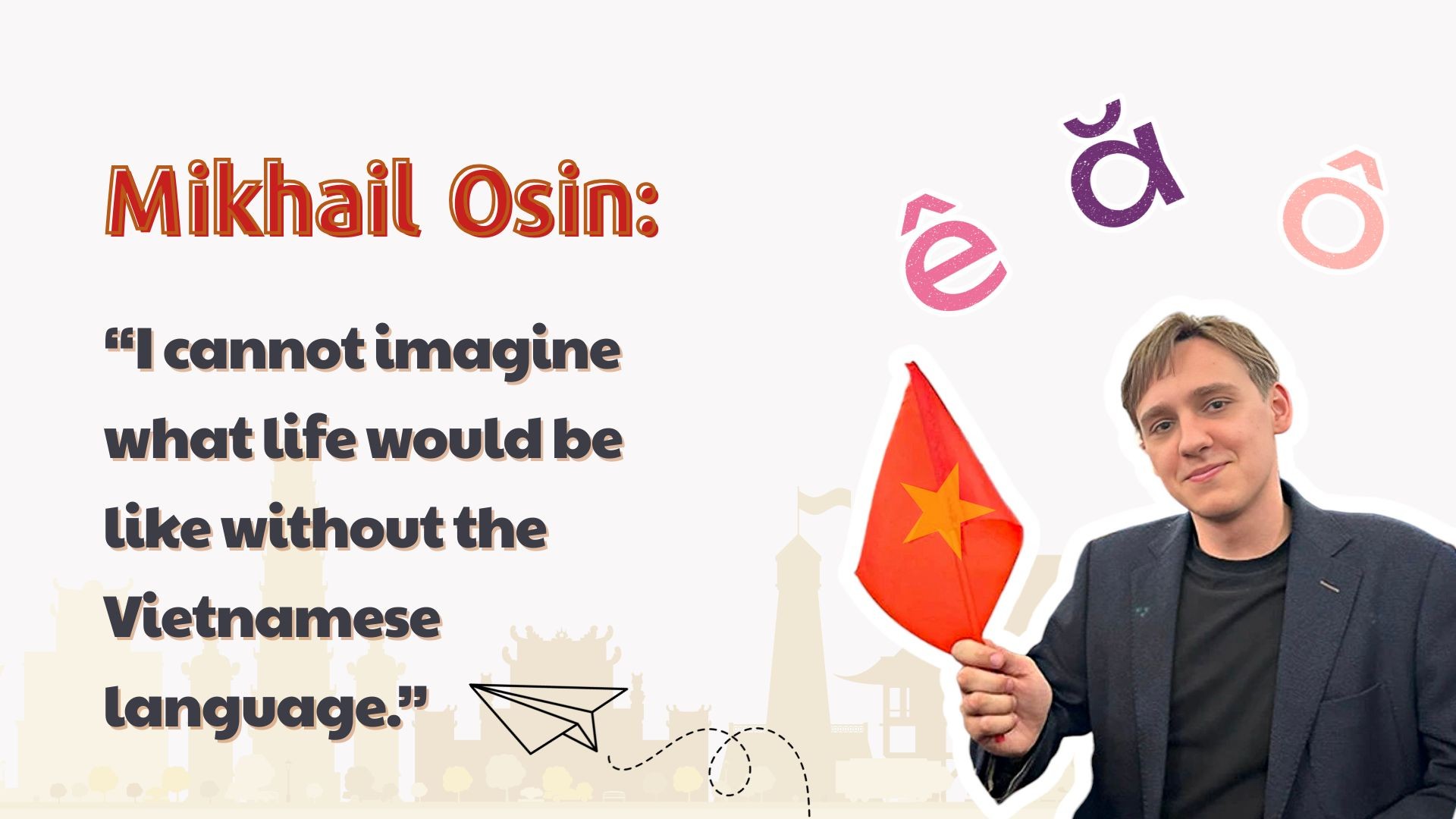
Mikhail Osin: “I cannot imagine what life would be like without Vietnamese language.”
 Viet's Home
Vietnam Applies AI in Digital Transformation
Recommended
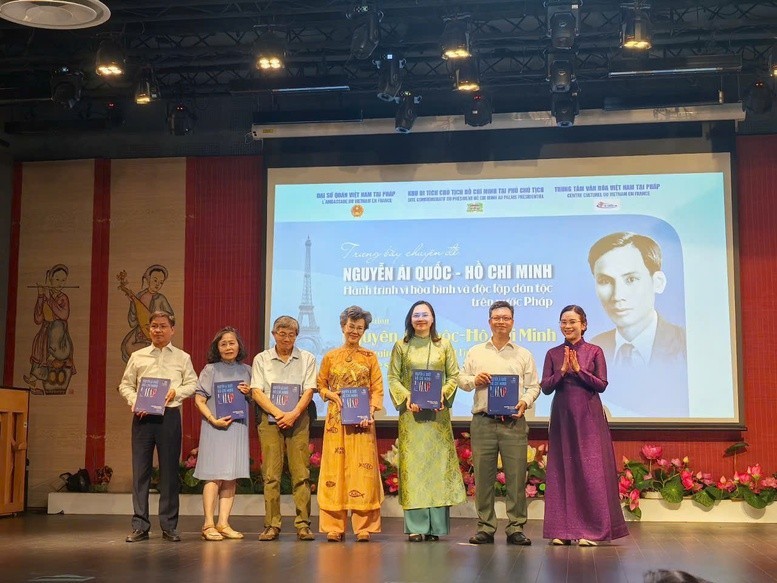 Overseas Vietnamese
Honoring President Ho Chi Minh’s Legacy in France
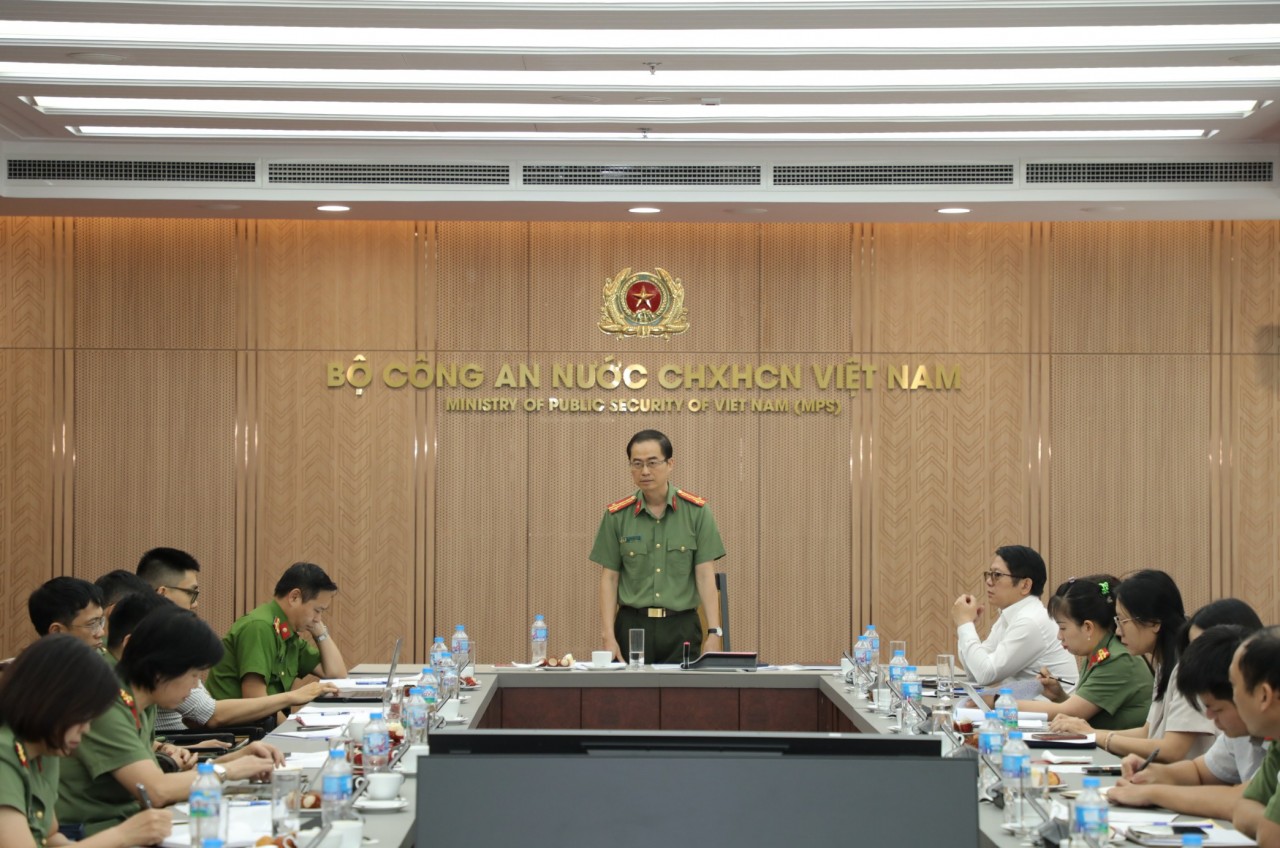 Overseas Vietnamese
People's Public Security Force - Ensuring the Rights of Vietnamese Citizens Abroad
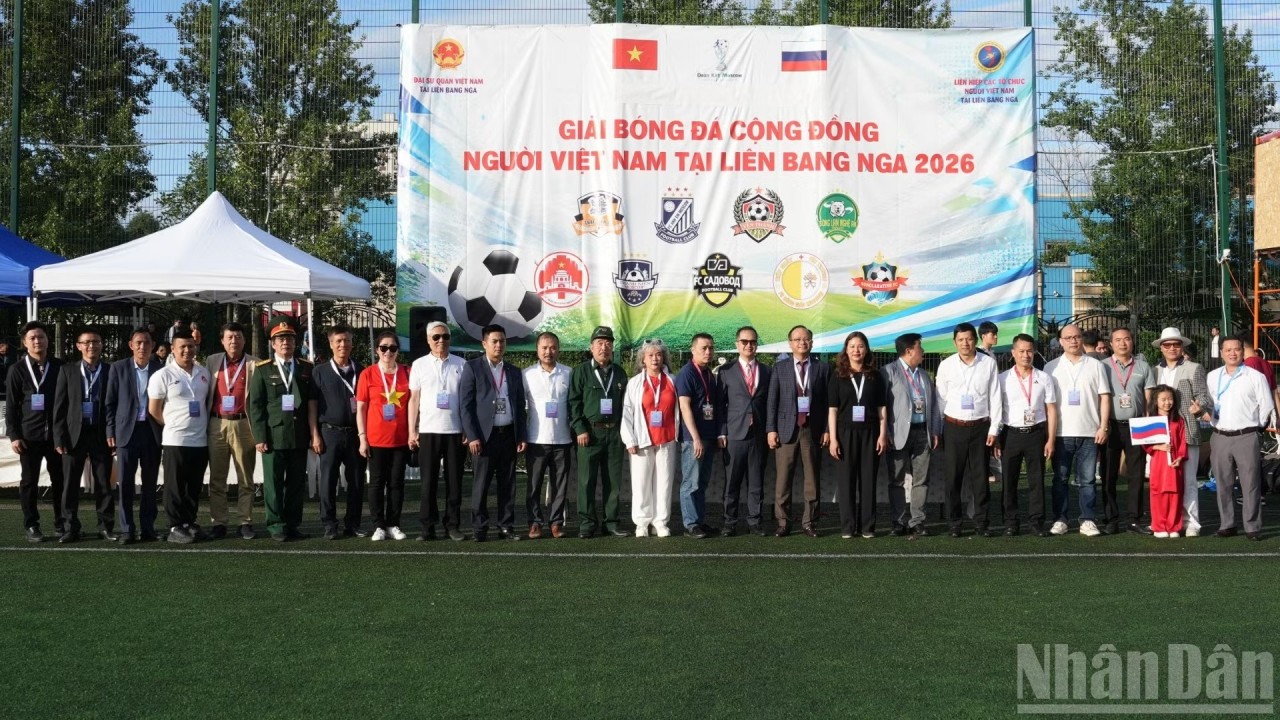 Overseas Vietnamese
Vietnamese Community Football Tournament Strengthens Unity in Russia
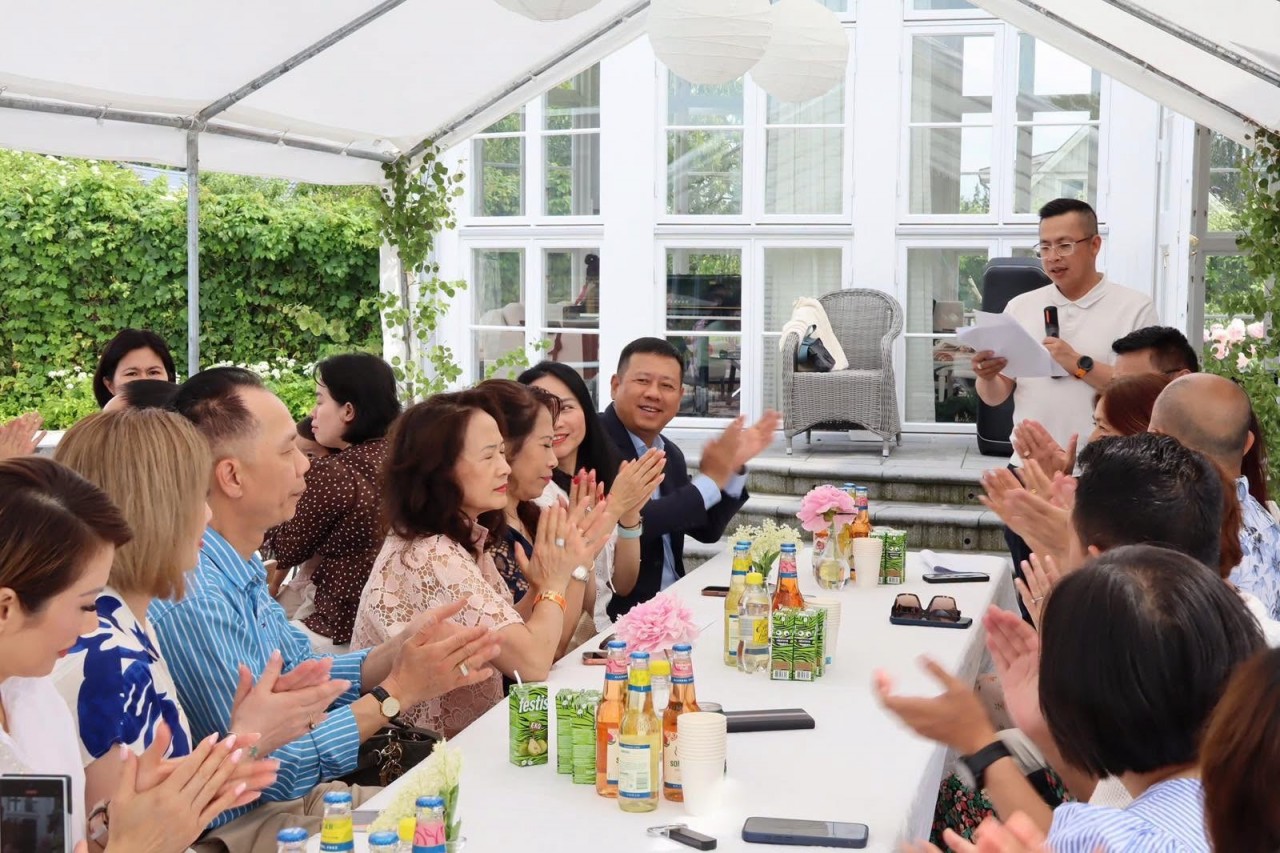 Overseas Vietnamese
Vietnamese Language Teachers’ Club Established in Sweden
Popular article
 Overseas Vietnamese
Joining Hands to Preserve the Vietnamese Language and Culture Among Overseas Vietnamese Communities in France
 Overseas Vietnamese
Young Vietnamese in Czech Share Stories of Growing Up Between Two Cultures
 Overseas Vietnamese
2026 Japanese Law Knowledge Contest for Vietnamese People Launches in Tokyo
 Overseas Vietnamese