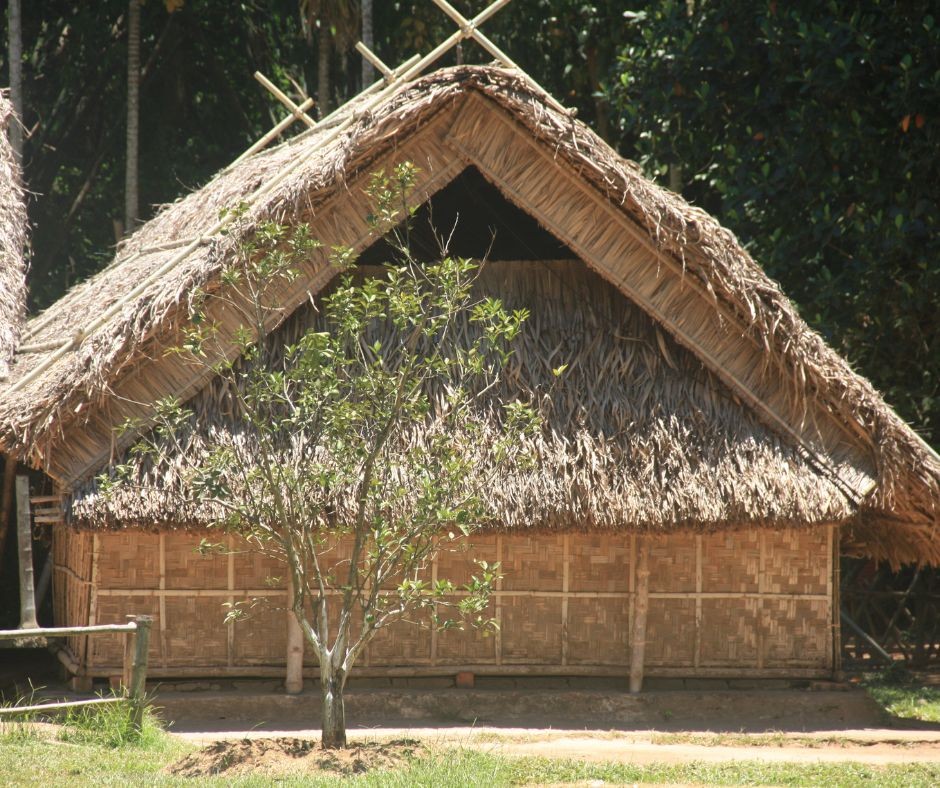
Kim Lien Commune in Nghe An province is the childhood home of Vietnam's leading revoluntionary and first president. While the outside appears to be a modern Vietnamese town, an ancient village still remains perfectly intact. The simple wooden walls and a thatched roof once housed Nguyen Sinh Cung, the boy who grew up to become Ho Chi Minh and liberate his nation.
Ho Chi Minh's childhood home. Photo by Glen MacDonald.
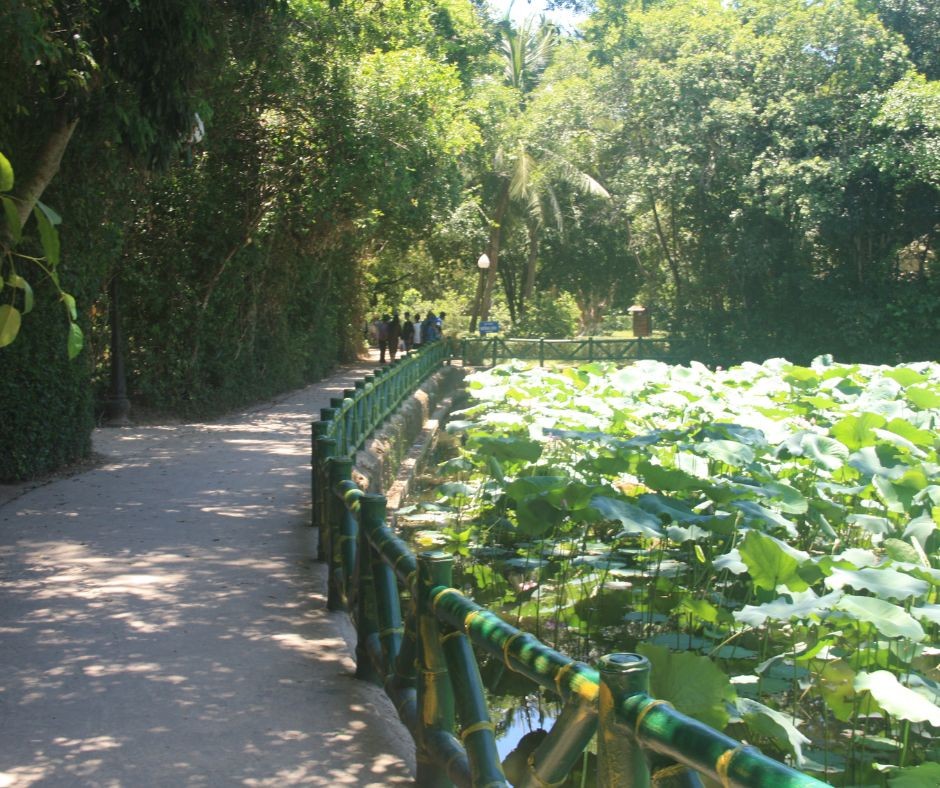
Walking in the footsteps of Uncle Ho. Photo by Glen MacDonald.
As the son of a Confucian scholar, young Uncle Ho quickly realized the value of education and was instilled with worldly wonder. In addition to his education, Ho Chi Minh's father, Nguyen Sinh Sac, introduced him to national pride and revolutionary activity against the occupying French colonial forces. Freedom-fighting villagers would hide their weapons in the well nearby his home.
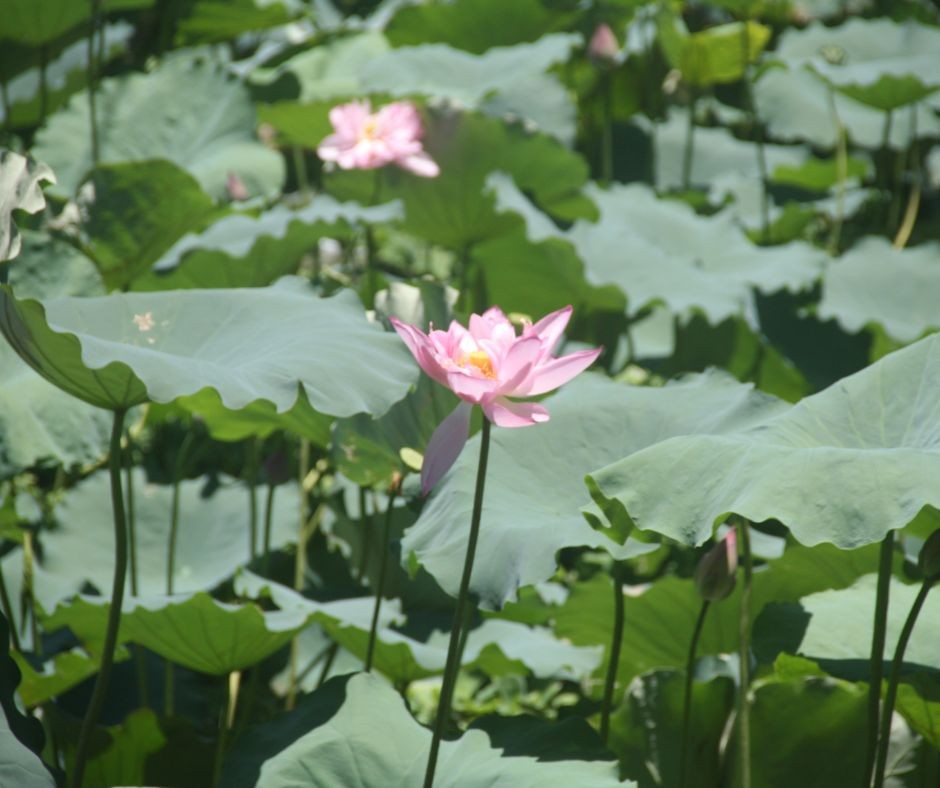
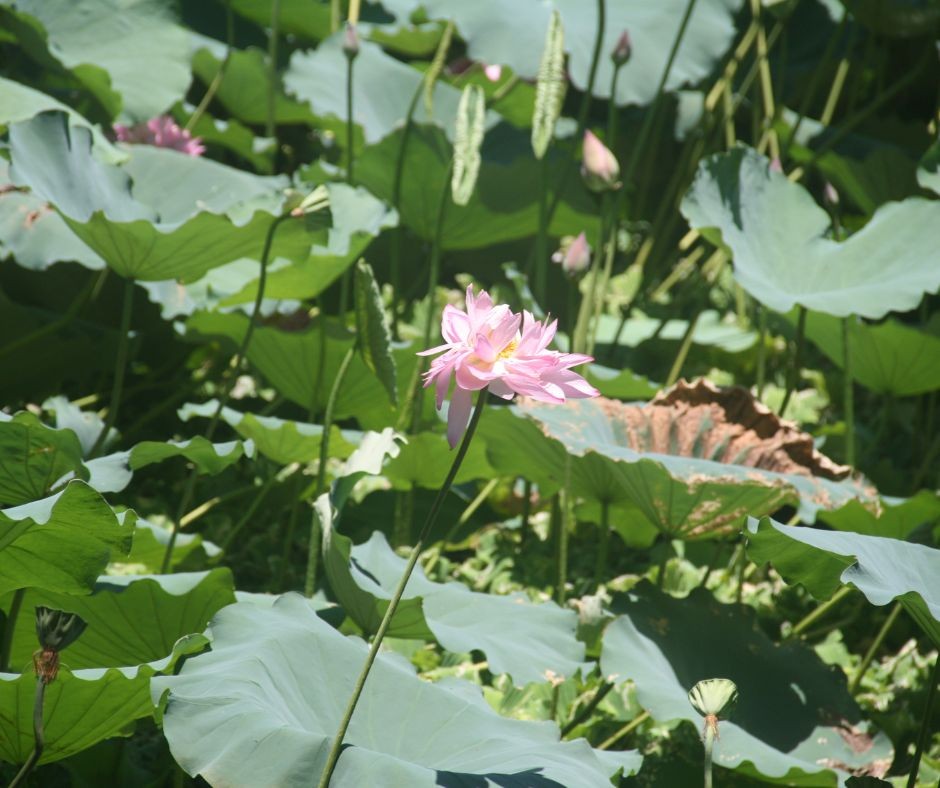
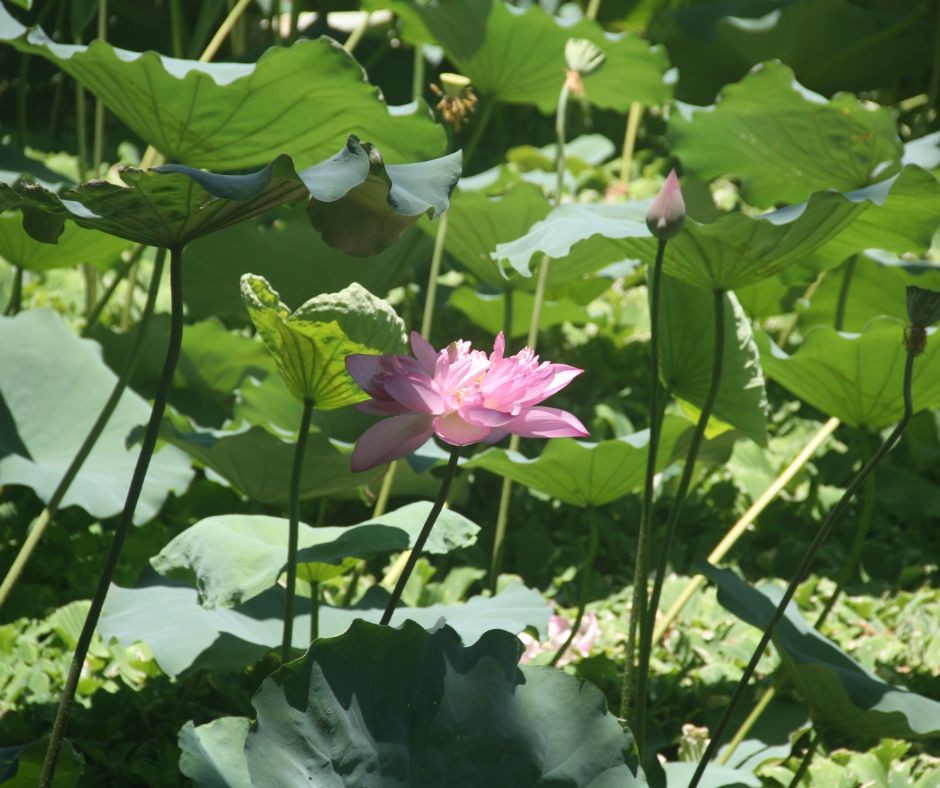
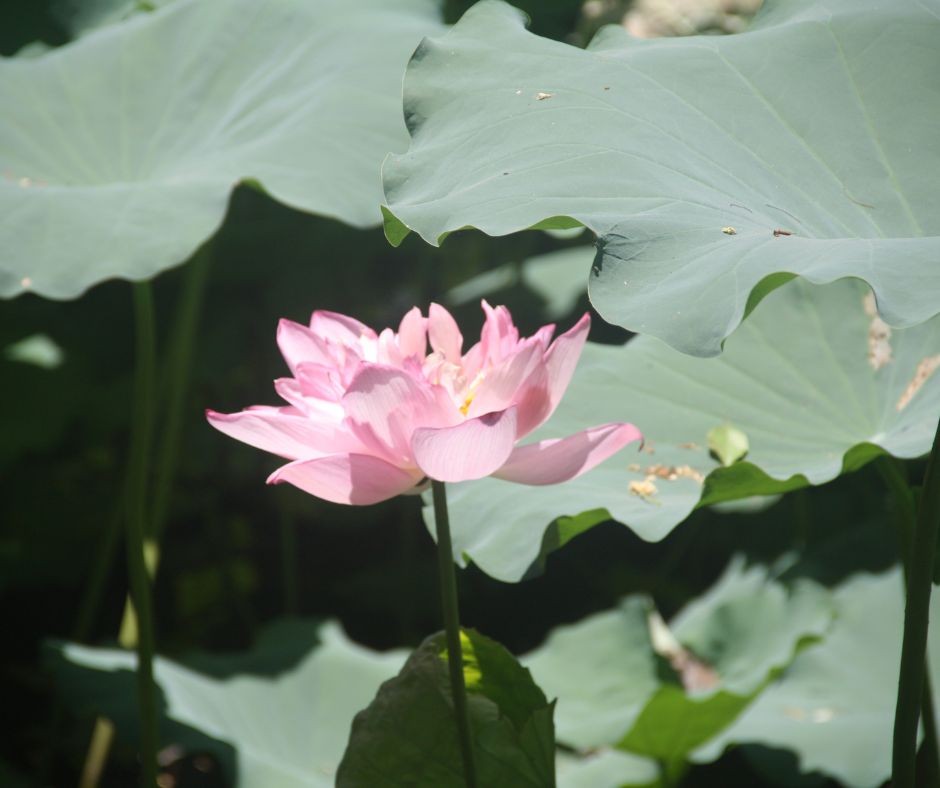
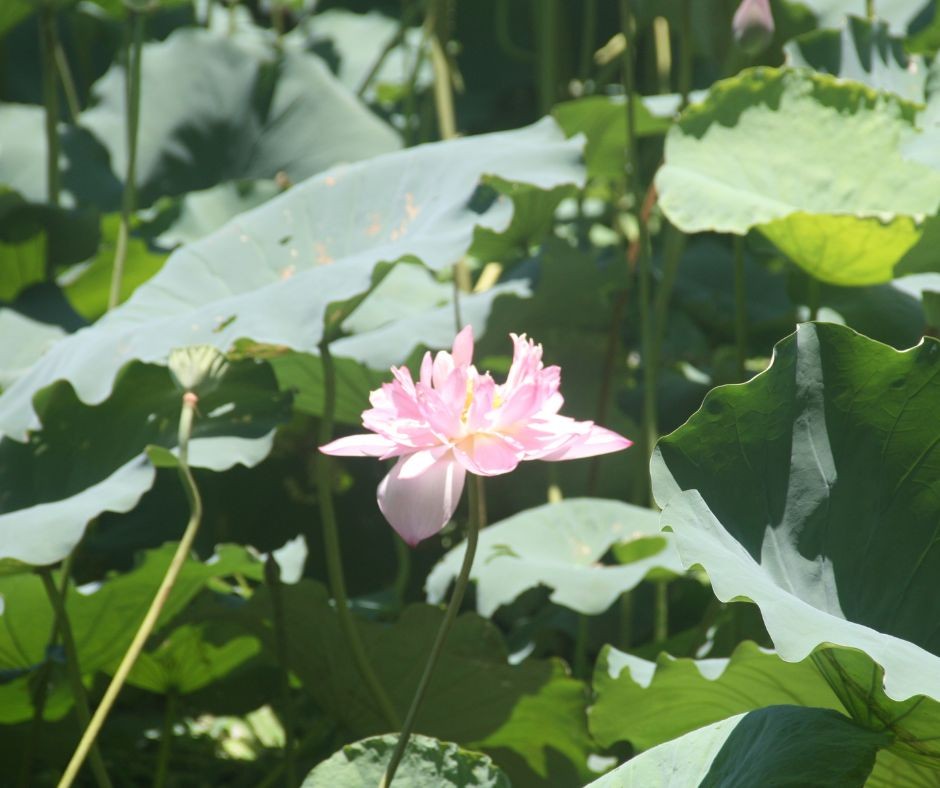
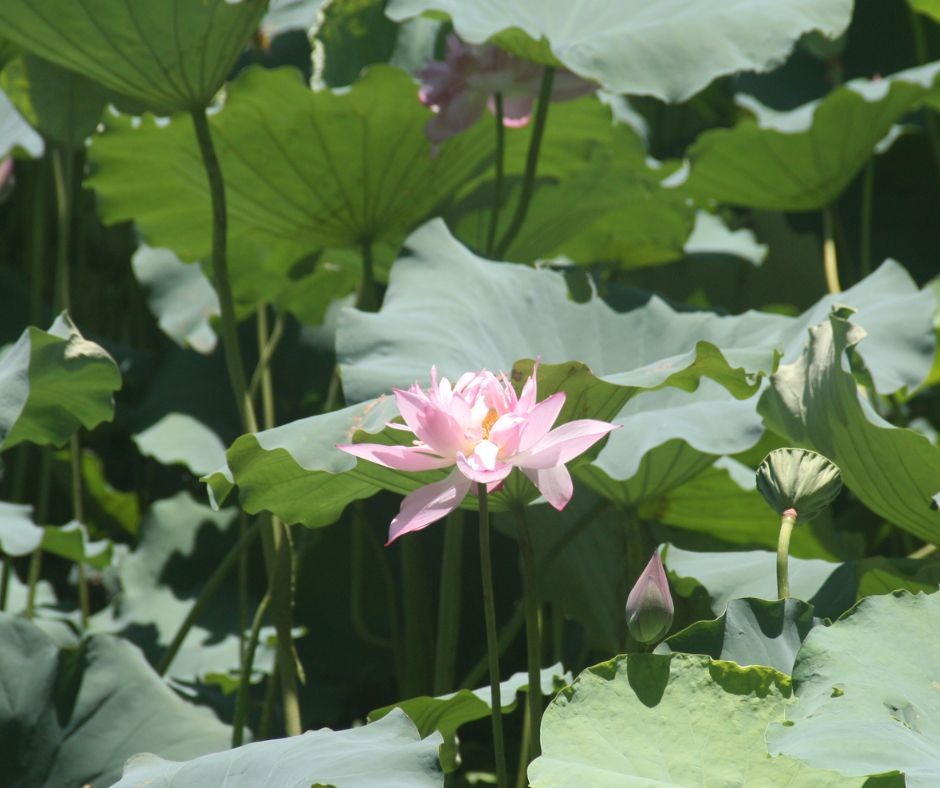
Nowadays, as Vietnam enjoys peacetime, Ho Chi Minh's village has been blessed with a bounty of lotus gardens. The lotus flower is emblematic of the struggles and triumphs of the Vietnamese people. Like the flower that grows above muddy areas, the Vietnamese people seem to blossom far above the hardships of the past.
Photo by Glen MacDonald.
Photo by Glen MacDonald.
Photo by Glen MacDonald.
Photo of Glen MacDonald.
Photo by Glen MacDonald.
Photo by Glen MacDonald.
Photo by Glen MacDonald.
Dozens of Vietnamese people visit the site to pay homage to their beloved leader. In the lush, natural spot, the words of Ho Chi Minh ring true; “To reap a return in ten years, plant trees. To reap a return in 100, cultivate the people.”
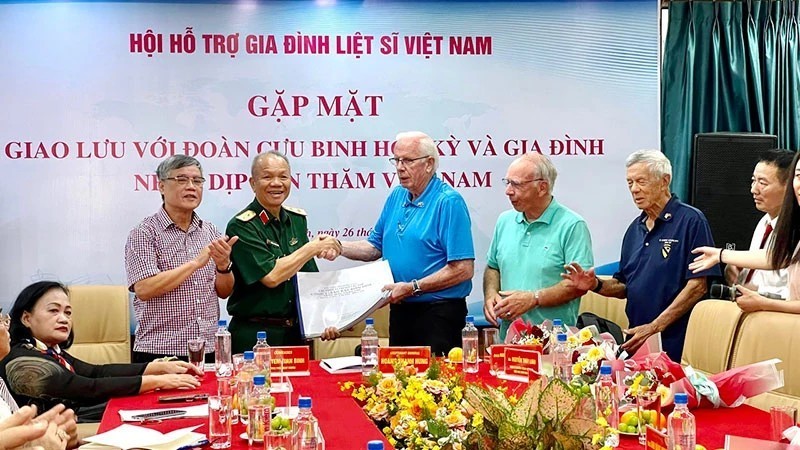
For nearly a decade, Richard Magner and Bob Connor have been examining archival wartime footage, battlefield records, and the memories of US veterans to identify locations believed to contain mass graves of fallen Vietnamese soldiers. The information they have provided has contributed to the recovery of 80 sets of remains at Bien Hoa Airport and more than 200 sets of remains at Loc Ninh Airport, while also helping compile 250 case files to support search and recovery efforts.
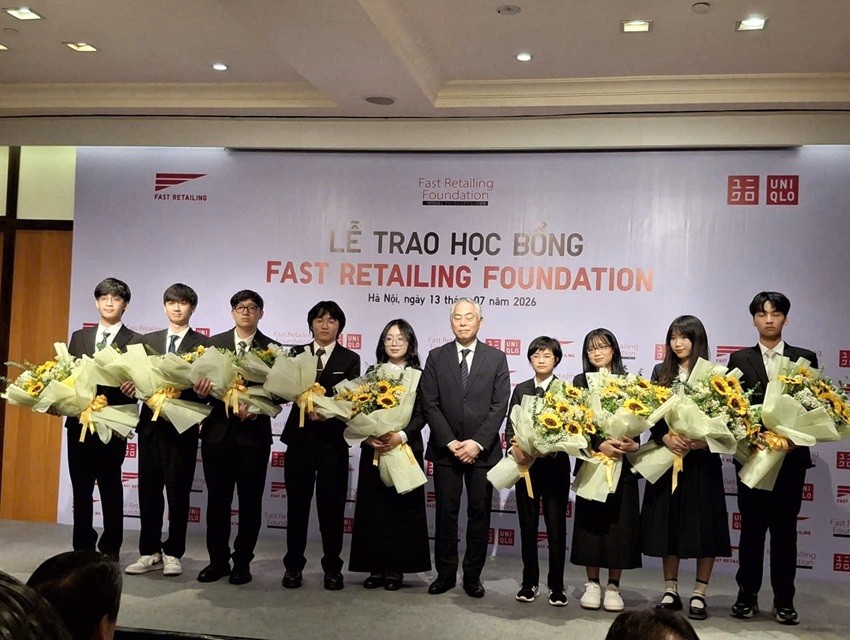
On July 13, Fast Retailing Group announced that nine Vietnamese students had been awarded full scholarships from the Fast Retailing Foundation to pursue undergraduate studies at leading Japanese universities. This initiative not only opens new academic opportunities for the recipients but also contributes to strengthening educational cooperation between Vietnam and Japan.
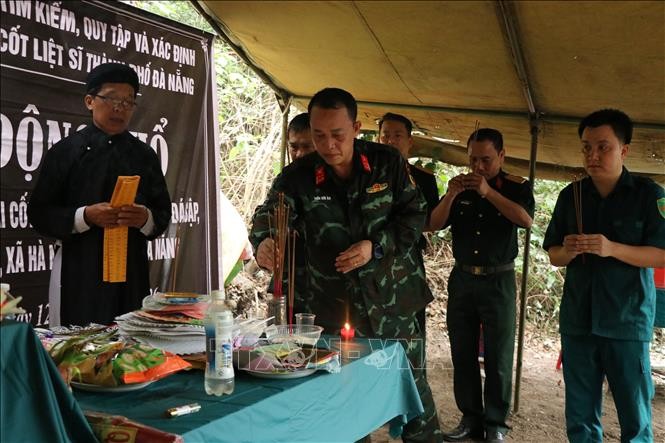
As part of the 500-Day Campaign to accelerate the search, recovery, and identification of fallen soldiers' remains, task forces in Da Nang and Cao Bang discovered and recovered multiple sets of remains on July 13.
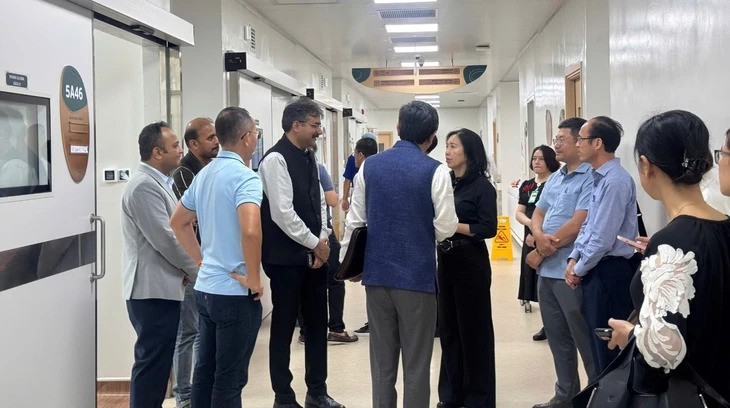
Following the speedboat capsizing in the An Thoi waters (Phu Quoc Special Zone, An Giang Province) on July 11, the Indian Ambassador to Vietnam expressed profound gratitude for the close direction provided by Vietnam's senior leadership and the prompt, responsible response of the competent authorities in search and rescue operations, consular protection, and assistance for the victims' families.
On the evening of July 11 in Da Nang, Macedos Pirotecnia of Portugal was crowned champion of the 2026 Da Nang International Fireworks Festival (DIFF), held under the theme "Connected Horizons."
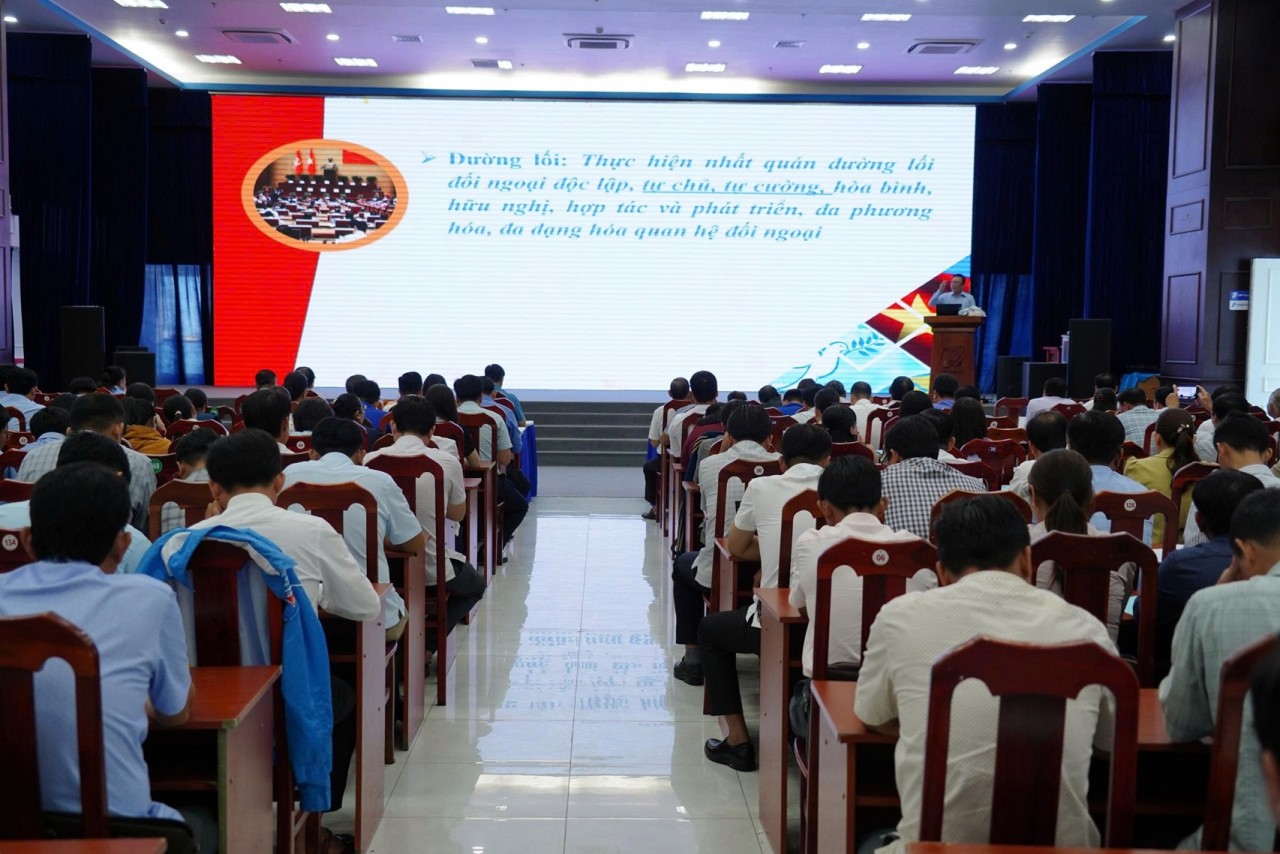
On July 9, 2026, the Union of Friendship Organizations of Ca Mau held a training course on people-to-people diplomacy and foreign non-governmental organization (NGO) affairs, with the participation of 350 officials and employees. The program aimed to update attendees on new policies and guidelines, strengthen the capacity of those engaged in foreign affairs, and thereby enhance the effectiveness of mobilizing, managing, and utilizing international aid to support the province’s socio-economic development.
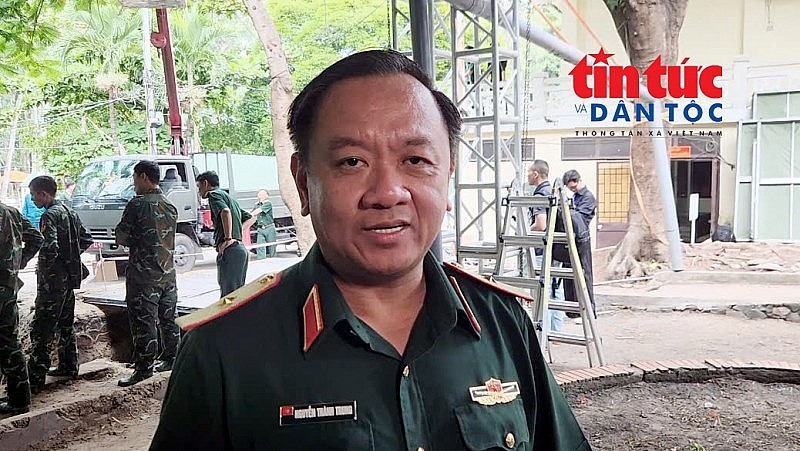
Shortly after issuing a public appeal for information on the burial sites of soldiers who were killed during the battle at Tan Son Nhat Airport in the 1968 Tet Offensive, the Ho Chi Minh City High Command received more than 50 phone calls and text messages from witnesses and local residents. The information has provided additional leads to support the verification, search, recovery, and identification of the fallen soldiers' remains.
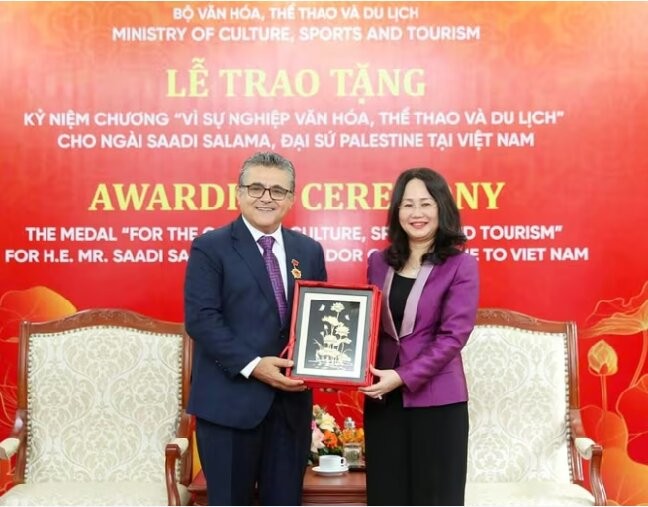
On July 6 in Hanoi, Minister of Culture, Sports and Tourism Lam Thi Phuong Thanh presented the "For the Cause of Culture, Sports and Tourism" Medal to Ambassador Extraordinary and Plenipotentiary of the State of Palestine to Vietnam Saadi Salama.


![[Photo Series]: Lotus Season](https://vietnamtimes.thoidai.com.vn/stores/news_dataimages/2022/072022/28/15/croped/thumbnail/4bd819c5021306cbc0b9daae095405cd.jpg "[Photo Series]: Lotus Season")
![[Photo Series] Vietnam Symphonies](https://vietnamtimes.thoidai.com.vn/stores/news_dataimages/2022/122022/31/04/croped/thumbnail/703575ae6dcb4131b047a9892047b4e8.jpg "[Photo Series] Vietnam Symphonies")
![[Photo Series] Expats Enjoy A Day With The Hung Kings](https://vietnamtimes.thoidai.com.vn/stores/news_dataimages/2023/042023/27/12/thumbnail/8c5ed52fd55f80e1b5f53c442ae2a111.jpg?rt=20230427134528 "[Photo Series] Expats Enjoy A Day With The Hung Kings")




 Viet's Home
 Viet's Home
 Viet's Home
 Viet's Home
 Viet's Home
 Viet's Home
 Viet's Home
 Viet's Home