
Relationship between India and countries of the Global South
India’s relations with countries of the Global South have deep roots in shared histories, common struggles, and mutual aspirations for development and self-reliance. Over the years India’s role has evolved from being a leader in the Non-Aligned Movement (NAM) to becoming a pivotal player in contemporary South-South cooperation.
This Summit was followed by another later during the year and a third one in 2024.
In addition to articulating the interests, priorities and aspirations of the Global South through several VOGSSs and raising these issues at all relevant fora, India also ‘’Walks the Talk’’ and extends all possible assistance to countries of the Global South, shared by Ambassador Ashok Sajjanhar on the Southaseanheald
Background
India’s development assistance programs to members of the Global South underscore its role as a partner in progress. Through the Indian Technical and Economic Cooperation (ITEC) program, India has provided training, capacity building, and technical assistance to over 160 countries. This program covers a wide range of areas, including healthcare, education, agriculture, and information technology, thereby contributing to human resource development in the Global South.
The Policy of ‘’Vasudhaiva Kutumbakam’’ (The World is One Family)
The spirit of ‘’Vasudhaiva Kutumbakam’’ has served as the guiding philosophy of India’s foreign policy for the last more than a decade. This policy witnessed its fullest expression during India’s Chairmanship of the G20 in 2023 when it adopted the motto of ‘’One Earth, One Family, One Future’’ for its Presidency, and made sure that all decisions emanating from the deliberations fully reflected this commitment.
Current Status
In recent years, India’s “Global South” partnership has matured into foreign policy. One of the most consequential achievements in G20 Presidency was the inclusion of African Union, a body comprising 54 African countries, as a full-fledged member of the G20. This issue had been hanging fire for many years and it fell to India, with its commitment to the interests of the Global South, to bring it to fruition by evolving the requisite consensus on this important subject.
India’s increased economic strength has inter alia enhanced its capacity to play a much more active role in global affairs and lend a helping hand in times of need to those in difficulty. During the Covid-19 pandemic, India supplied medicines and vaccines, most of them gratis, to several partners, particularly from the Global South. India provided medicines to more than 150 countries, and more than 300 million vaccine doses under its Vaccine Maitri (Vaccine Friendship) initiative to more than 100 countries.
Key Pillars of Engagement
India’s “Global South Partnership” today is defined by four distinct areas of cooperation:
A. Digital Public Infrastructure (DPI)
India has moved from domestic achievements to global outreach.
- Fintech Diplomacy: UPI (Unified Payments Interface) is now operational or in pilot stages across several Global South nations, including Namibia, Sri Lanka, and parts of Southeast Asia.
- Social Impact Fund: India’s $25 million commitment to a Social Impact Fund helps smaller nations build their own digital identity (Aadhaar-like) and payment systems to promote financial inclusion.
B. Health & Pharmaceutical Leadership
Reaffirming its title as the “Pharmacy of the World,” India has evolved from providing medicines and vaccines in the aftermath of the Covid-19 pandemic to building Health Resilience.
C. The Global Development Compact
Proposed by Prime Minister Modi in late 2024, this compact focuses on:
- Trade for Development: Reducing barriers for Least Developed Countries (LDCs).
- Concessional Finance: Offering project-specific grants rather than the “debt-trap” loans often associated with some other major powers.
D. Climate Justice & Energy Transition
India champions the principle of “Common but Differentiated Responsibilities” (CBDR).
- International Solar Alliance (ISA): With 121 member countries, many of which are from the Global South, the ISA underscores India’s commitment to addressing climate change and promoting renewable energy.
- Mission LiFE (Lifestyle for Environment): India encourages a shift toward sustainable consumption, a narrative that resonates with developing nations that are not the primary cause of climate change but have to endure its worst effects.
Conclusion
Through sustained efforts in diplomacy, economic cooperation, and strategic partnerships, India is poised to play a pivotal role in the evolving dynamics of the Global South.
India continues to play a crucial role in promoting the future of the Global South. Through sustained cooperation, mutual respect, and shared aspirations, India and the Global South can collectively navigate the challenges and opportunities of the 21st century.
Recommended
 World
World
Modi's UAE visit for important energy agreements
 World
World
Indian PM Modi’s UAE visit to advance Strategic Defence Partnership
 World
World
India’s Engagement with ASEAN: Strengthening Mutual Trust
 World
World
Eurasia Review Analysis: India-Vietnam Relations and Their Strategic Significance
 World
World
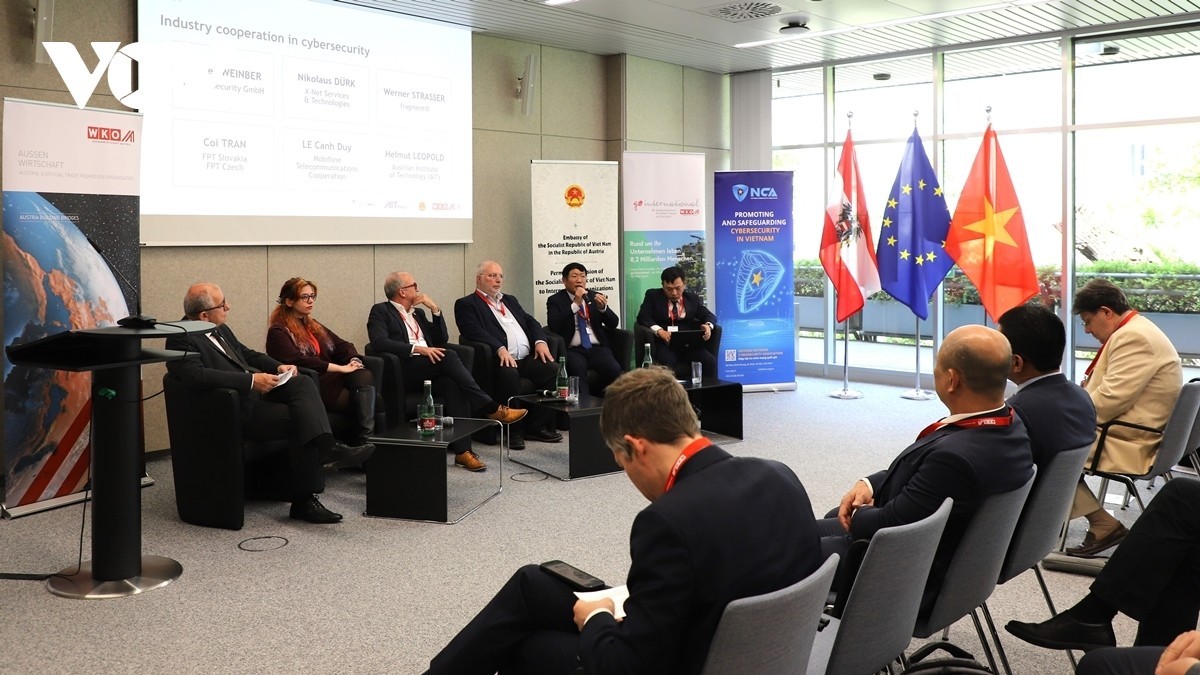
Vietnam, Austria Promote Practical Cooperation in Cybersecurity
 World
World
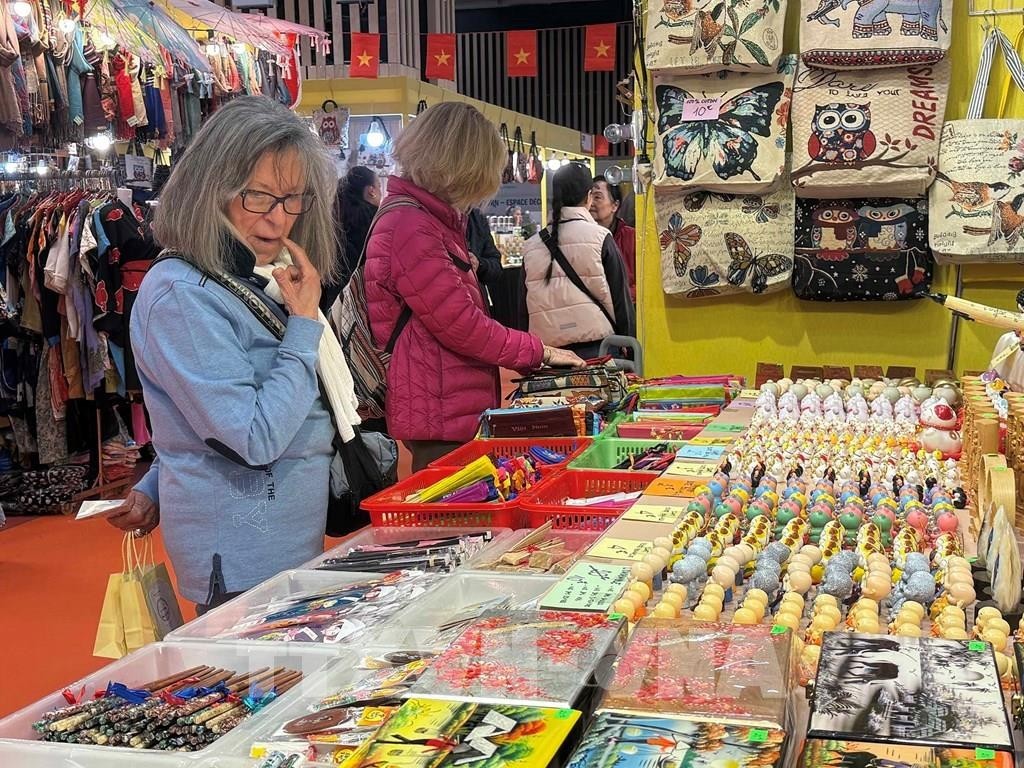
Vietnam Makes Its Mark at Paris International Fair 2026
 World
World
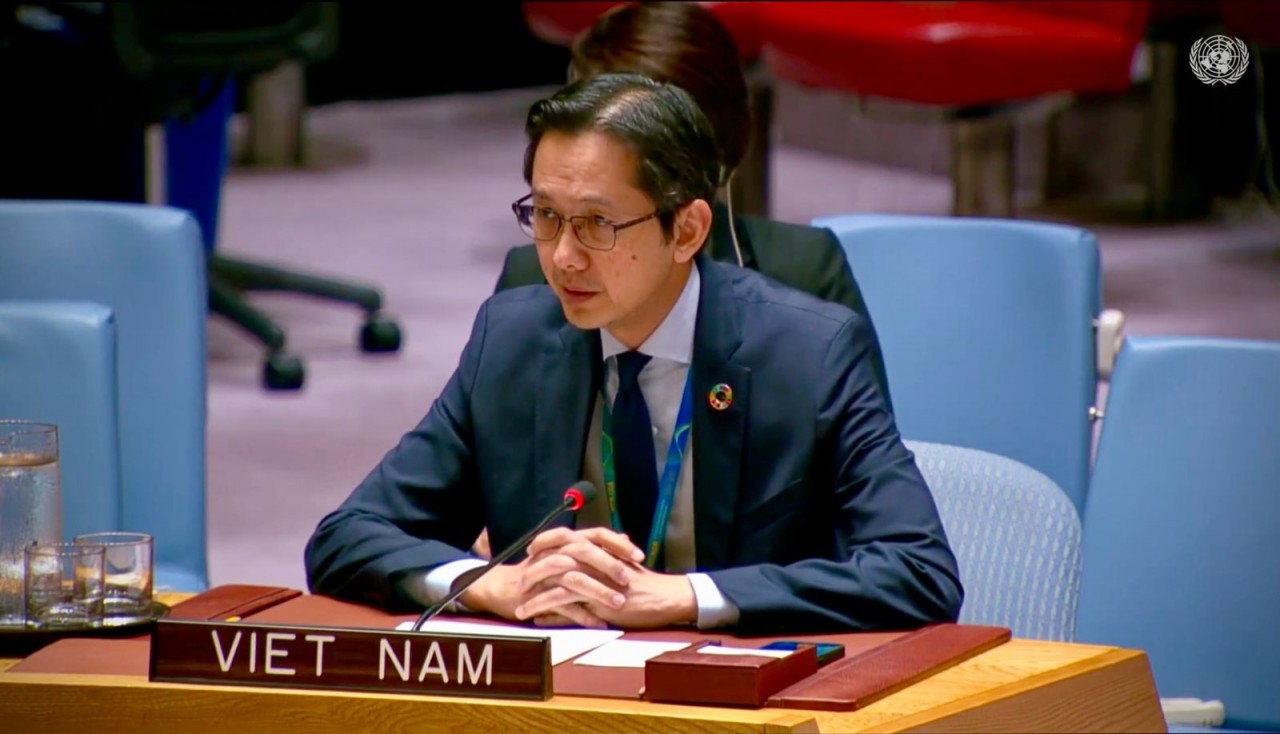
Vietnam Promotes Dialogue, Seeks Substantive Solutions at 11th NPT Review Conference
 World
World