During this time at Tram Chim National Park in Tam Nong district, the Mekong Delta province Dong Thap, scores of birds and flowers are basking in the beauty of spring.
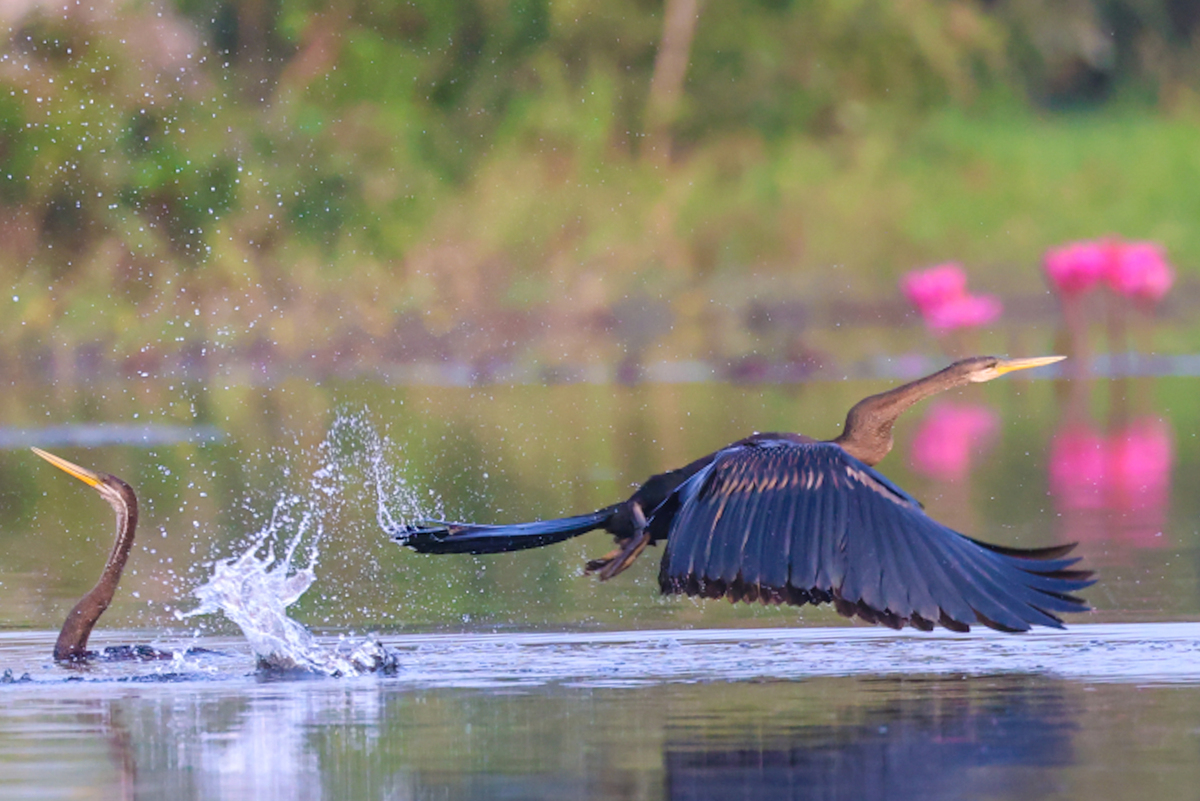
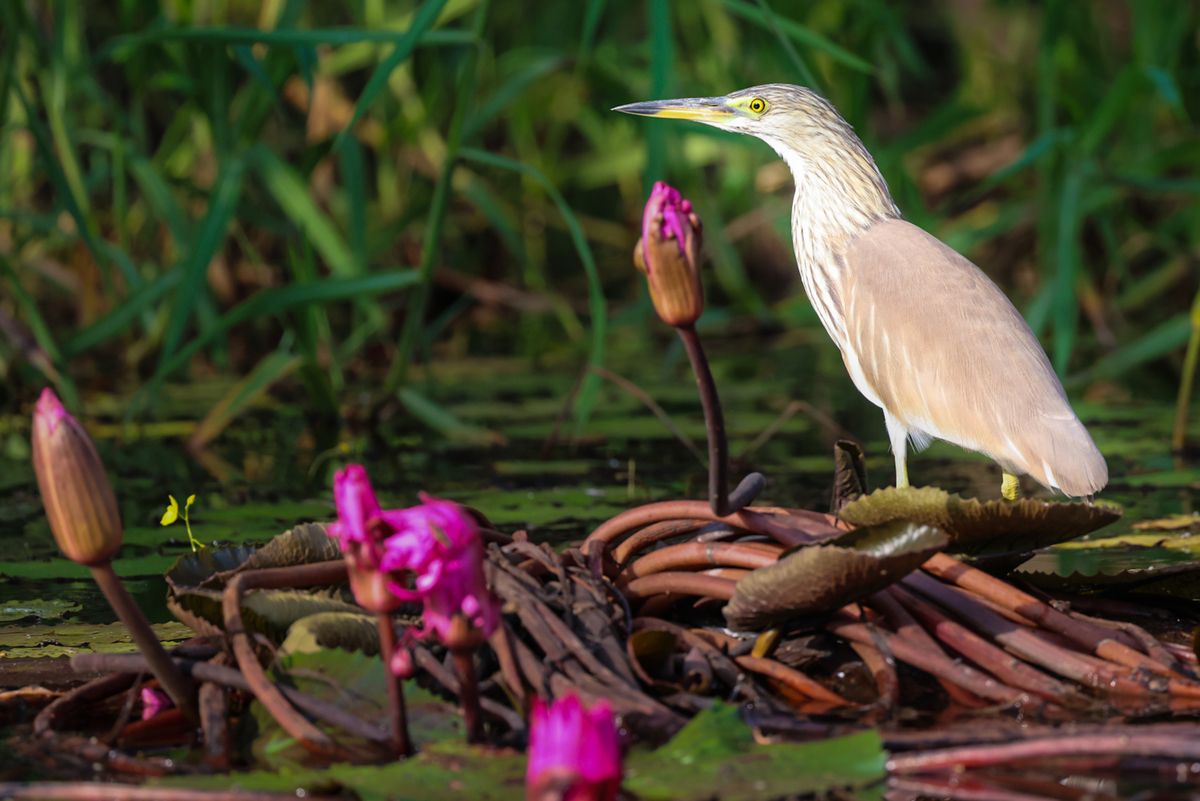
Many rare birds like red-headed cranes, storks, golden cranes, pelicans, and lesser adjutants often come to Tram Chim National Park to nest and feed. Photo: Travel blogger Ngo Tran Hai An
Tram Chim National Park was named the 2,000th Ramsar site in the world and the fourth in Vietnam in 2012, the Vietnam News Agency (VNA) said.
The park, mainly covered by seasonally flooded grasslands and cajuput forests, is home to hundreds of bird, plant and fish species. Large populations of water birds are also present here, especially those migrating from the north to avoid the cold winter.
The sarus crane, the symbolic species of Tram Chim National Park, is listed as vulnerable at global and national levels.
Spring is a wonderful time to visit Tram Chim National Park to contemplate many species of flowers blooming brilliantly and countless birds making nests.
The park has attracted not only scientists, but also nature-loving tourists. Visiting the park, visitors can attempt to be a fisherman, sleep in the forest, sit on a canoe to view the park, and see rare flowers.
A ticket to the park costs only VND 20,000 (US$ 0.87) while it costs VND 30,000 for a ticket to ride an electric car. A canoe tour of 12km or 21km will cost a visitor VND 500,000 or VND 800,000, respectively, according to VnExpress.
Below are photos of Tram Chim National Park recently taken by travel blogger Quy Coc Tu whose real name is Ngo Tran Hai An.
Travel blogger Ngo Tran Hai An captured beautiful moments during his recent trip to Tram Chim in the Mekong Delta. Each spring, countless flowers bloom and birds migrate here.
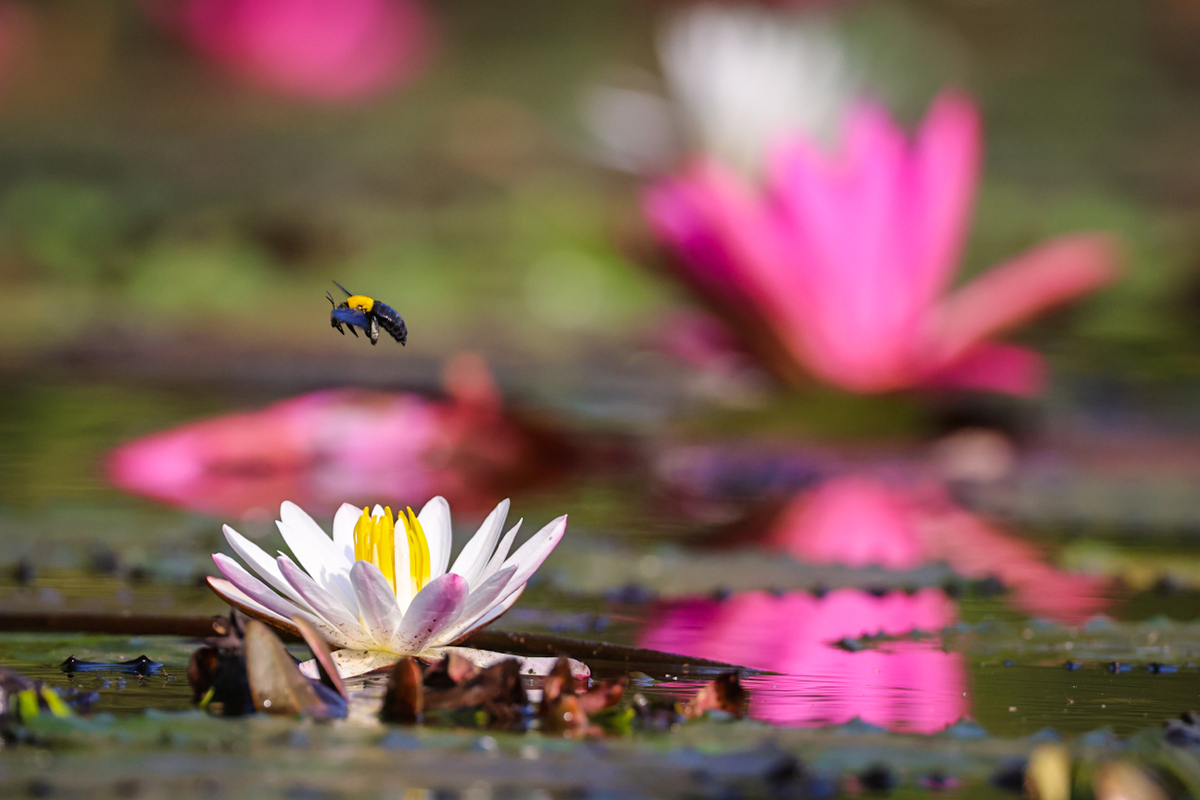
The most prominent flowers here are white and red water lilies.
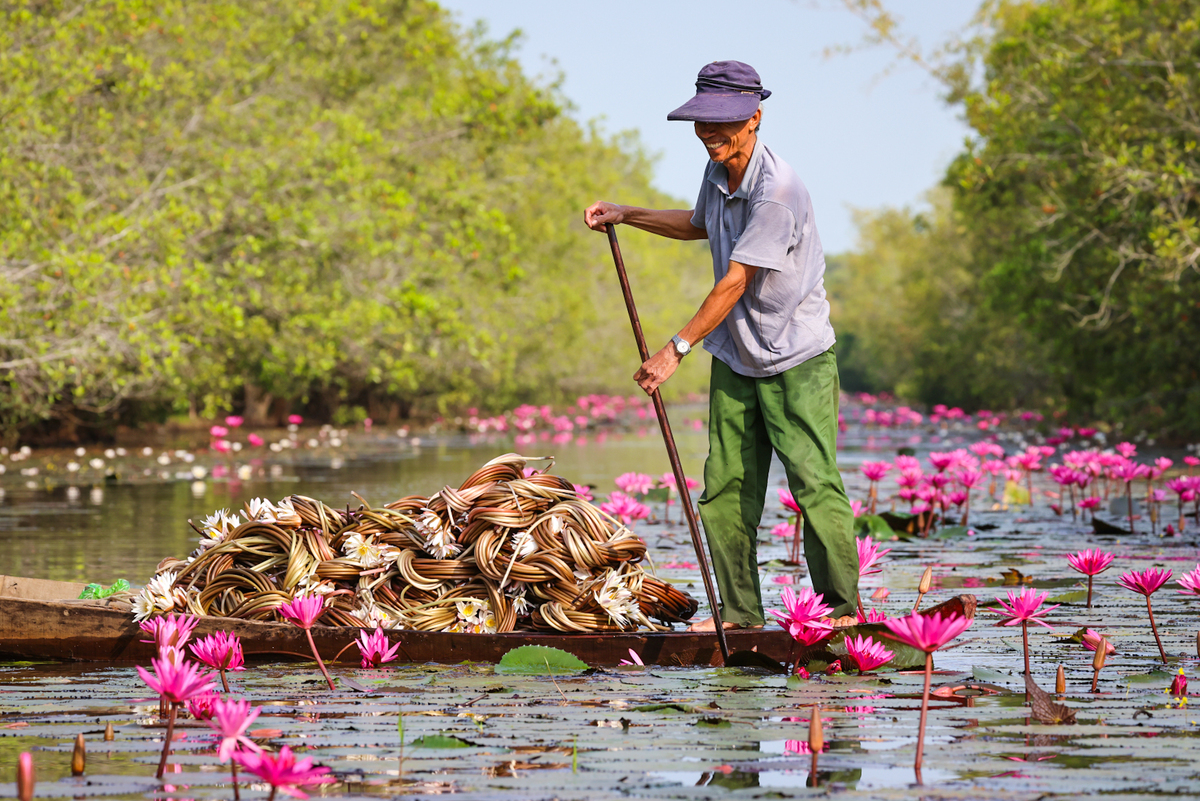
A farmer harvests water lilies in the park. Fresh water lilies can produce many delicious dishes like salads and shrimp soup.
Many new types of lotus have recently emerged to beautify the area, though not yet in full bloom.
There are also strange flowers here, including golden and purple bladderwort. They comprise millions of tiny flowers that grow on the water. In season, they turn canals inside the national park into purple carpets.
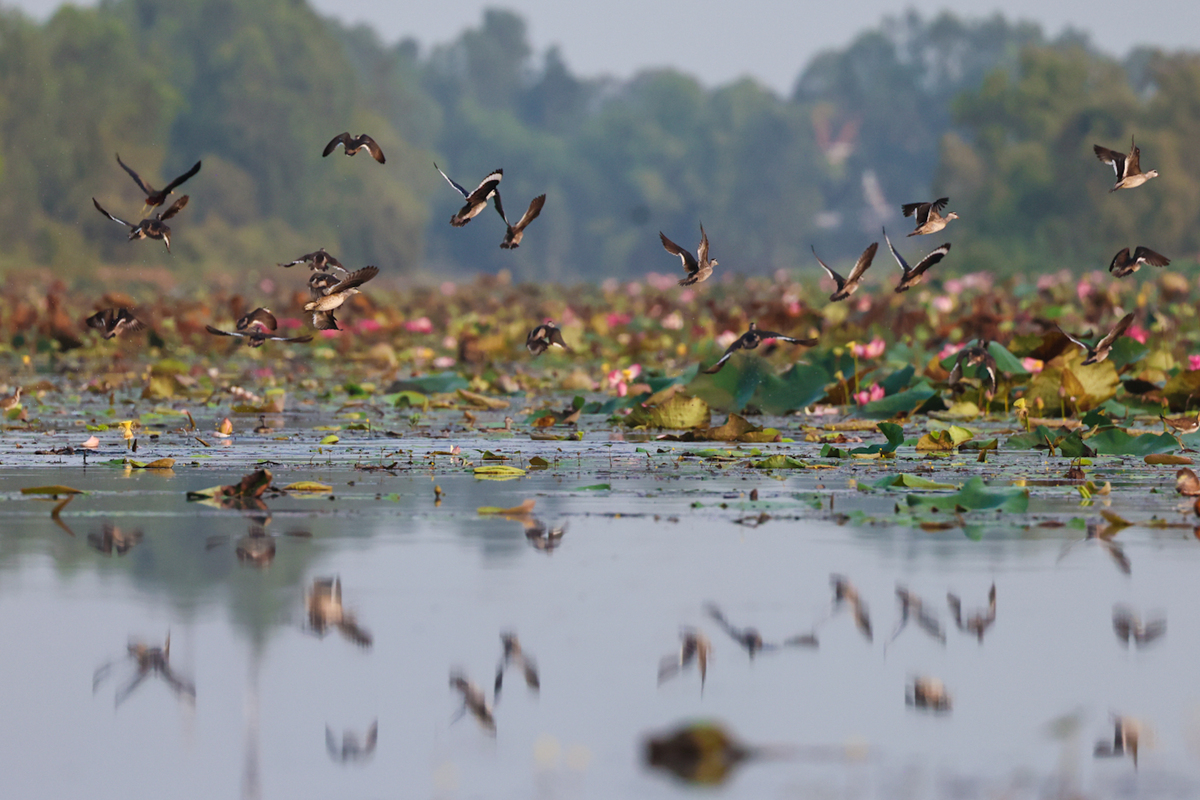
In addition to watching flowers bloom, An also captured migratory birds.
February is the best time to visit Tram Chim for birdwatching. An compared the scene of the beautiful birds here to a fashion show.
Birds usually gather to feed in the C1 and C2 zones of the park due to the richer source of food here, according to staff at Tram Chim.
"Sometimes it takes forever to get as close to these birds as possible, but if you make a small mistake, they will fly away. In addition, a good camera and lens are important factors,” An was cited by VnExpress as saying, referring to this passion for shooting wildlife.
Through the lens of German photographer Hans-Peter Grumpe, the untouched beauty of Tam Coc – Bich Dong, Hoa Lu, and Cuc Phuong National Park in the ...
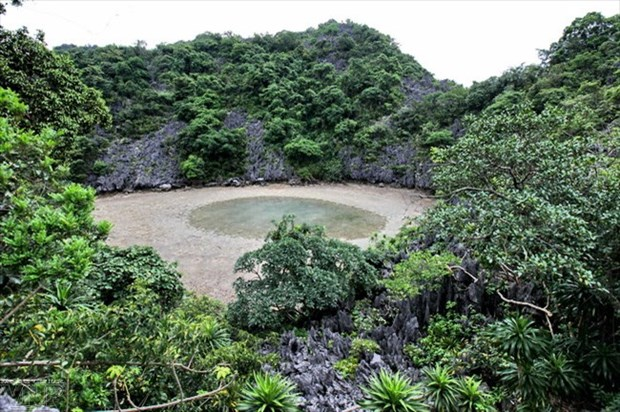
Featuring series of untouched and adventurous caves, rocky islands in multiple shapes and sizes as well as a range of ecosystem diversities, Bai Tu Long ...
Xoi May - a famous street vendor on the corner of Ly Thuong Kiet Street, Hanoi, impressed Korean travel bloggers with their fast and incredible Xoi wrapping skills.
The Vietnamese Embassy in Kuwait has recently organized a roundtable aiming to bring Vietnamese tourism closer to travel bloggers and companies in the Middle Eastern country.
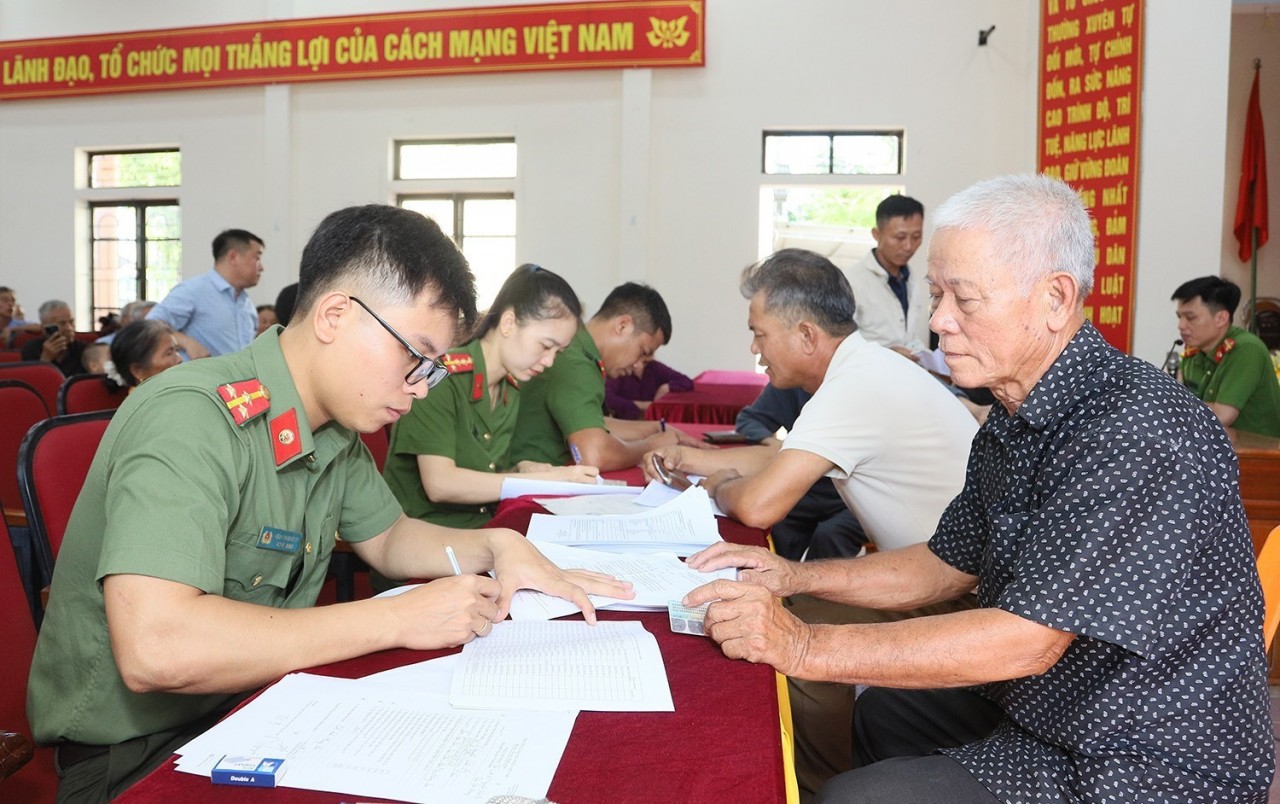
Localities across Vietnam are accelerating the review, registration, and collection of DNA samples from relatives of fallen soldiers whose identities have yet to be confirmed, in preparation for a nationwide campaign. The establishment of a DNA database is expected to create new opportunities to identify hundreds of thousands of fallen soldiers whose information remains incomplete.
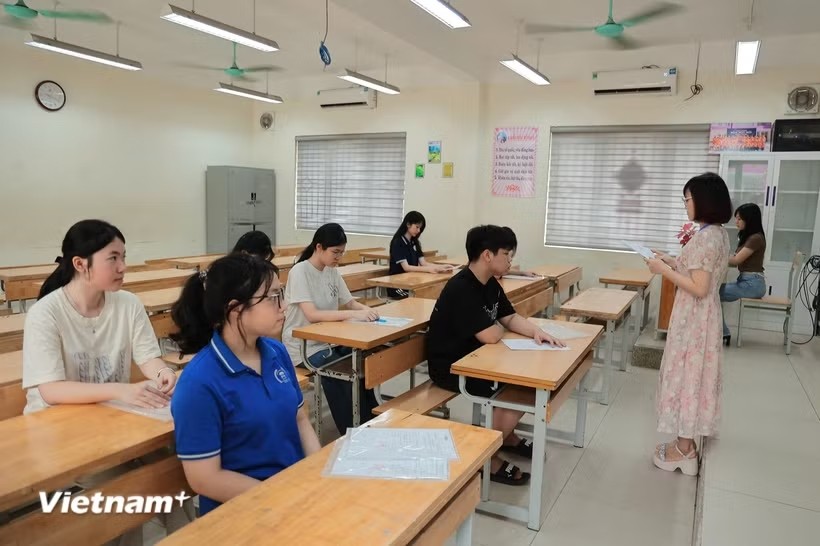
A total of 102,243 students across Hanoi have been admitted to public high schools, equivalent to more than 80% of all candidates who sat the entrance examination. Notably, one student was admitted to as many as five different admission choices.
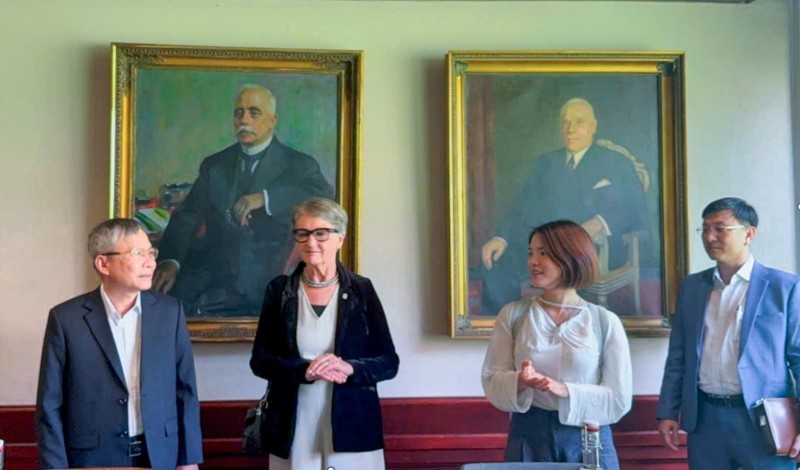
As part of its working visit to Finland on June 17, a delegation from Da Nang visited and held discussions with the authorities of Turku, Finland. This important external relations activity aimed to further consolidate and strengthen the friendly cooperative relationship between Da Nang and Turku, established in 2018, while also exchanging views and proposing directions for future cooperation.
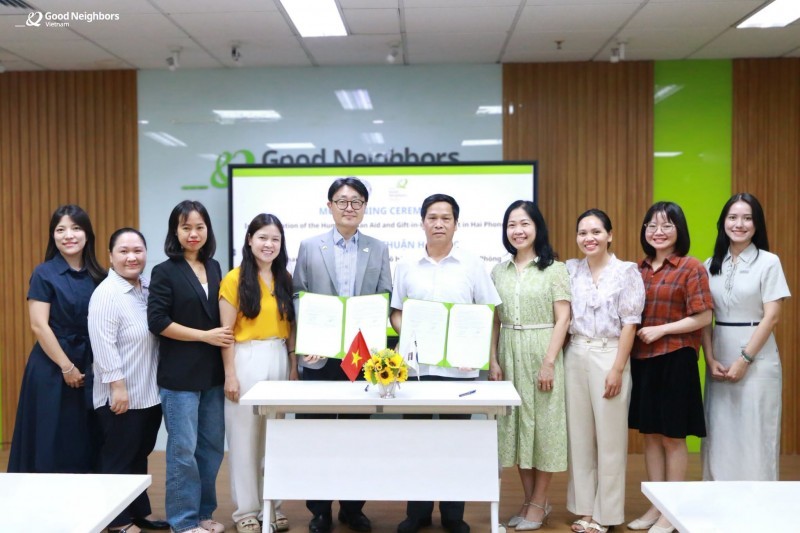
On June 18, 2026, Good Neighbors Vietnam (GNI) and the Hai Phong City Union of Friendship Organizations signed a cooperation agreement to implement a program providing aid shipments to disadvantaged people and vulnerable groups in Hai Phong City from 2026 to 2030.
The 14th National Congress of Vietnamese Women concluded with a high degree of consensus on the goals, orientations, and key tasks for the 2026-2031 term. Building on the achievements of the previous term, the Congress identified the promotion of the resilience, intellect, and aspirations of Vietnamese women as a pathway toward becoming a vital driving force for the country's development in the new era.
On June 18, as part of the National Press Festival 2026 and in celebration of the 101st anniversary of the Vietnamese Revolutionary Press Day (June 21, 1925 - June 21, 2026), more than 50 journalists from Laos, Cambodia, and Thailand participated in a fact-finding visit to Hai Phong City. The program not only provided international journalists with a vivid perspective on the development of the port city but also contributed to strengthening exchanges and cooperation among media organizations in the region.
Vietnamese Ambassador to Malaysia Dinh Ngoc Linh visited and held a working session on June 16 with the Asia Pacific University of Technology and Innovation (APU), one of Malaysia’s leading private universities in information technology, cybersecurity, digital economy, and innovation.
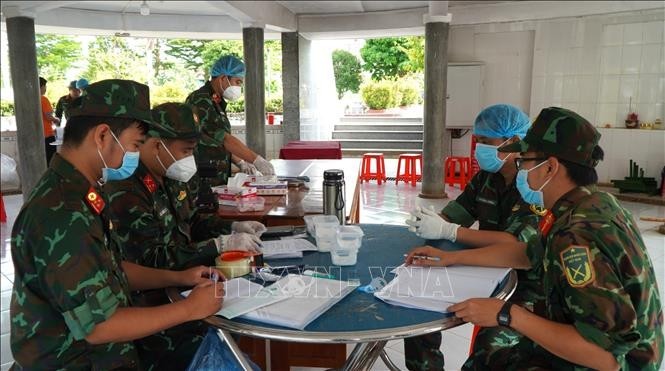
As part of the “500-day-and-night campaign to accelerate the search, recovery, and identification of fallen soldiers’ remains,” Dong Thap Province is implementing the collection and transfer of samples from fallen soldiers’ remains for DNA analysis. According to the plan, samples will be collected from more than 21,000 martyrs’ graves that remain unidentified or lack sufficient information across the province, with the aim of gradually determining their identities and fulfilling the wishes of their relatives and families.










 Travel
 Friendship
 Viet's Home
 Viet's Home
 Viet's Home
 Viet's Home
 Viet's Home
 Viet's Home
 Viet's Home
 Viet's Home