
Stunning Pink Peach Blossom Bloom in Ha Giang
Every spring, thousands of wild peach trees bloom on the Dong Van karst plateau. Pho Bang town, the foot of Lung Cu flagpole and Lung Cu border post are now shaded with cherry blossoms and picturesque scenery.
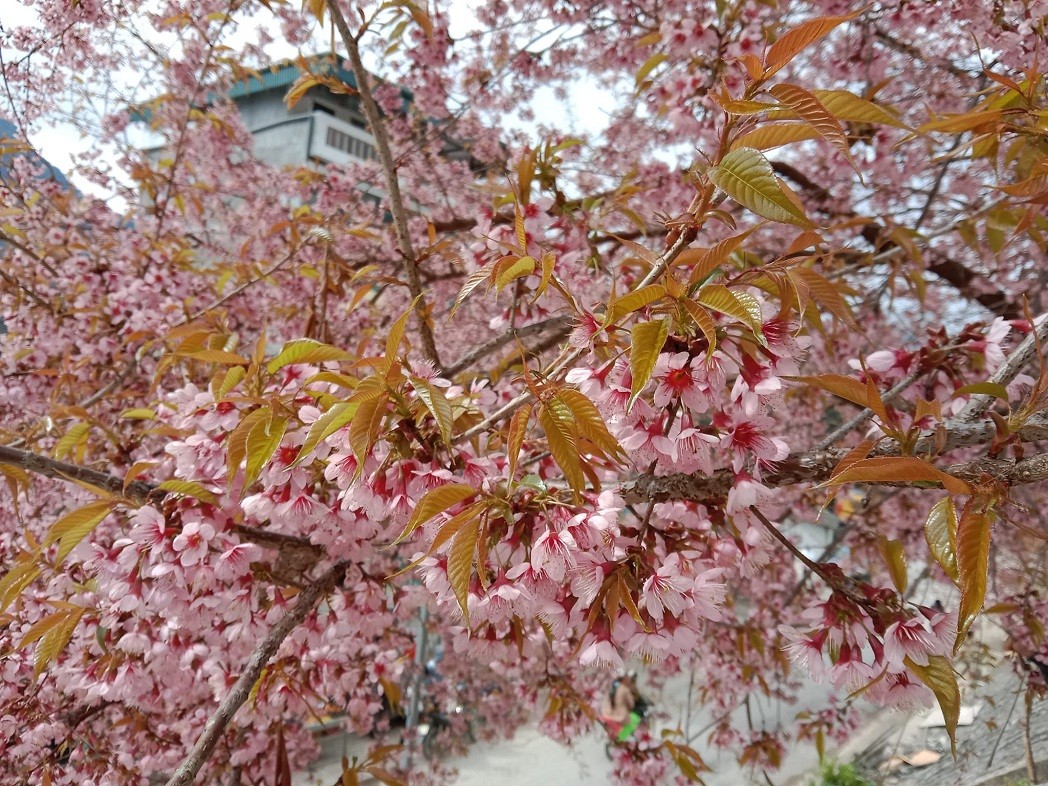 |
| Peach blossoms are grown by local people in Ha Giang. Source: Nguyen Tien Phong |
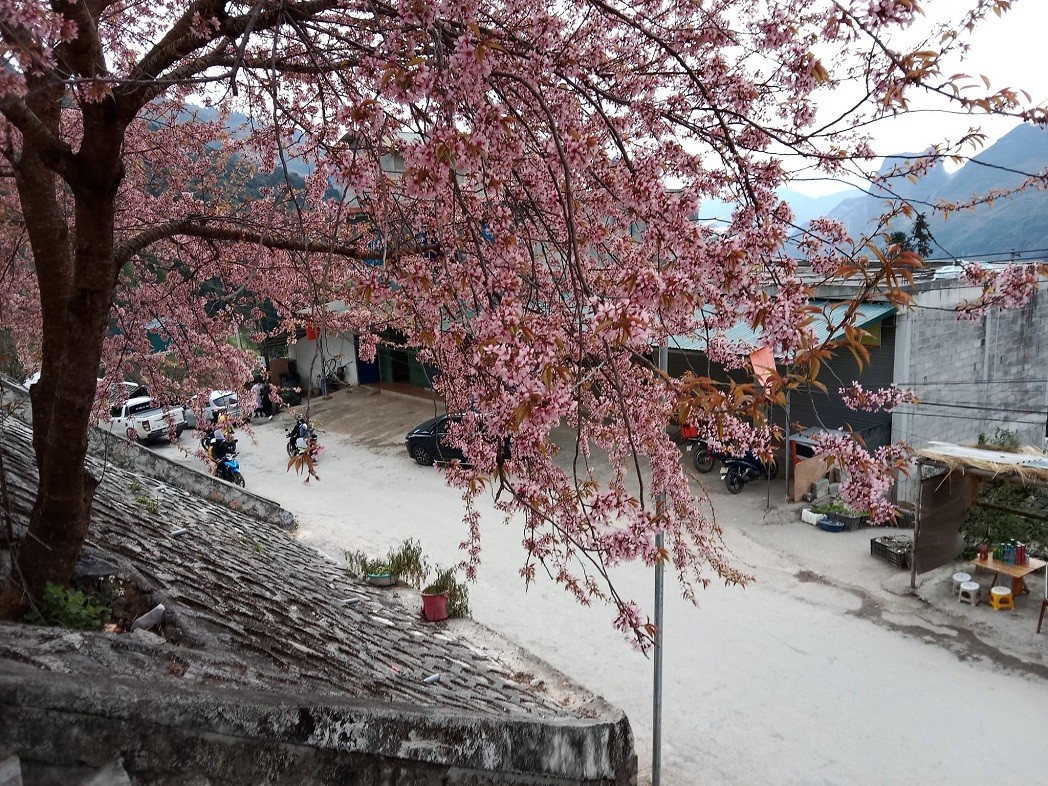 |
| Every year, cherry blossoms in Ha Giang province will bloom from February to March, a little later than Da Lat. Source: Nguyen Tien Phong |
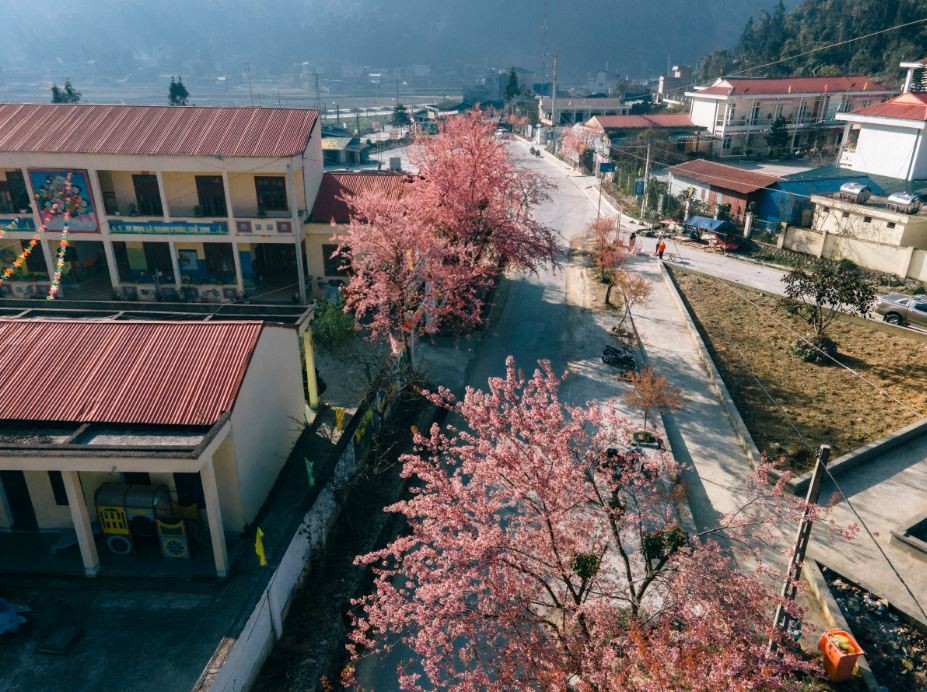 |
| This year, spring comes early, so Ha Giang cherry blossoms also bloom earlier than last year, especially in communes of Dong Van district. From mid-January, flowers have begun to bloom. Source: Bui Ngoc Cong |
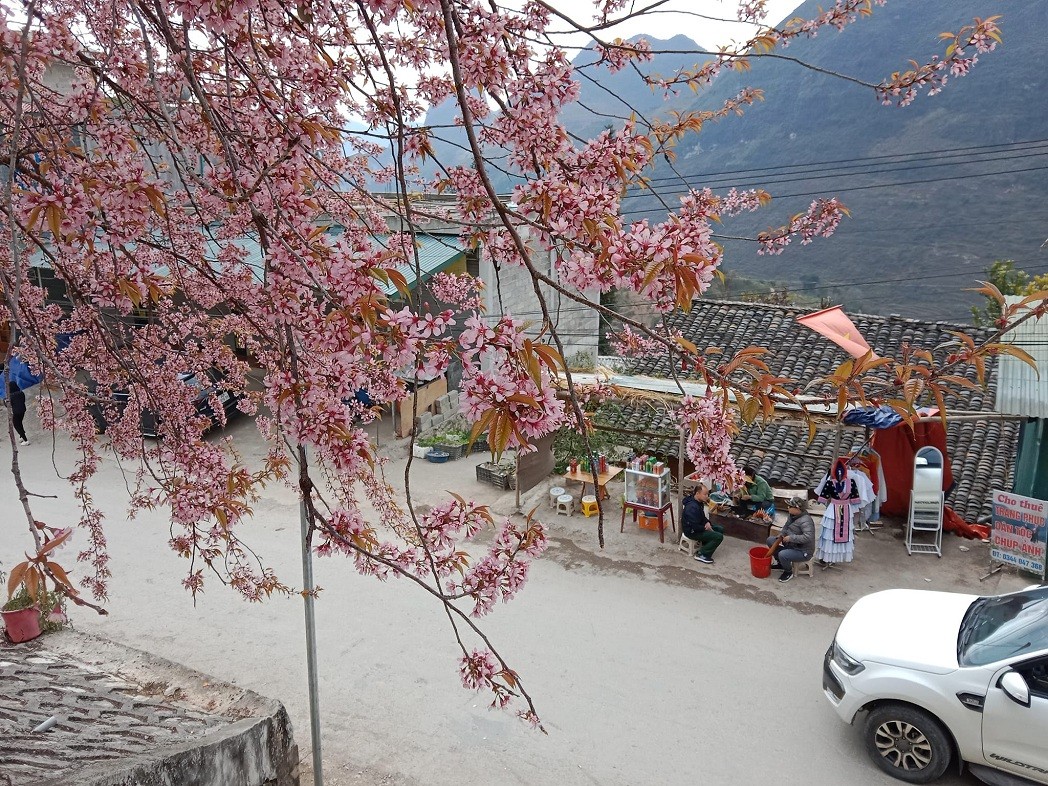 |
| The time when peach blossoms bloom is concurrent with the spring rice crop. Source: Nguyen Tien Phong |
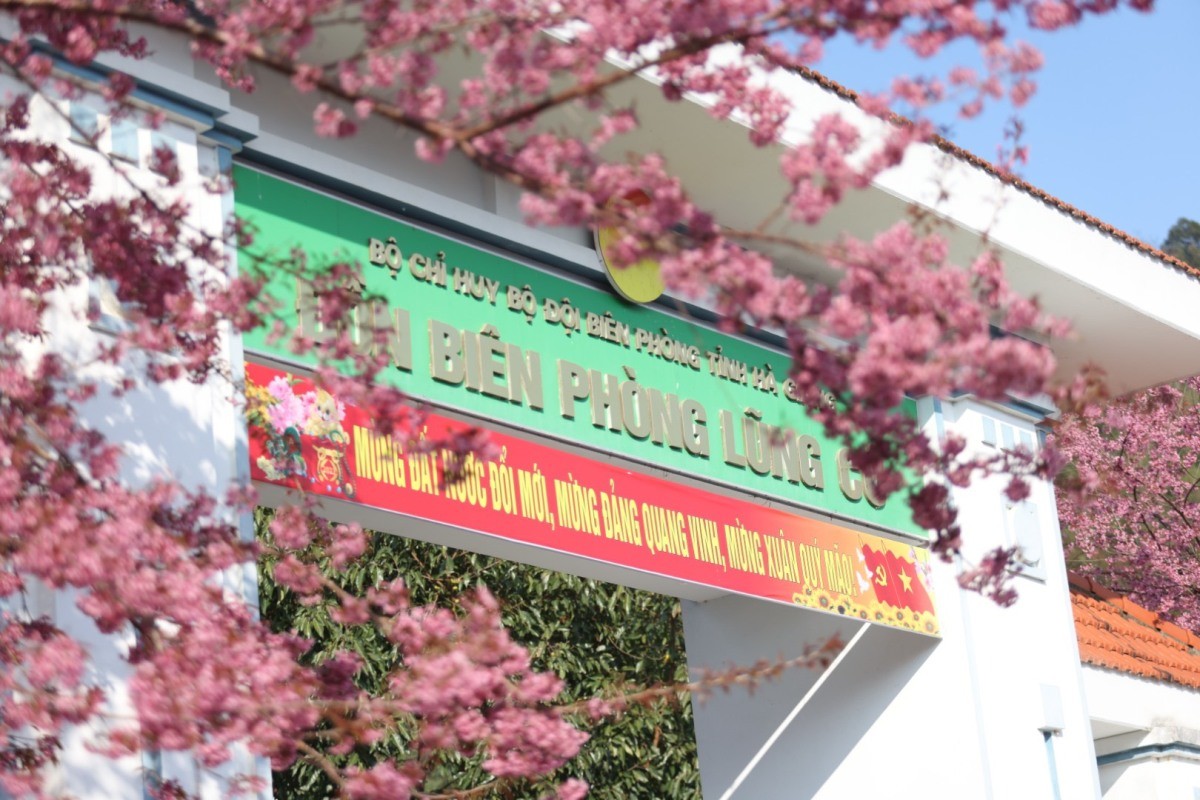 |
| Check in to the border post of Lung Cu commune, one of the cherry blossom-lined spots in Ha Giang. Source: Ha Giang newspaper |
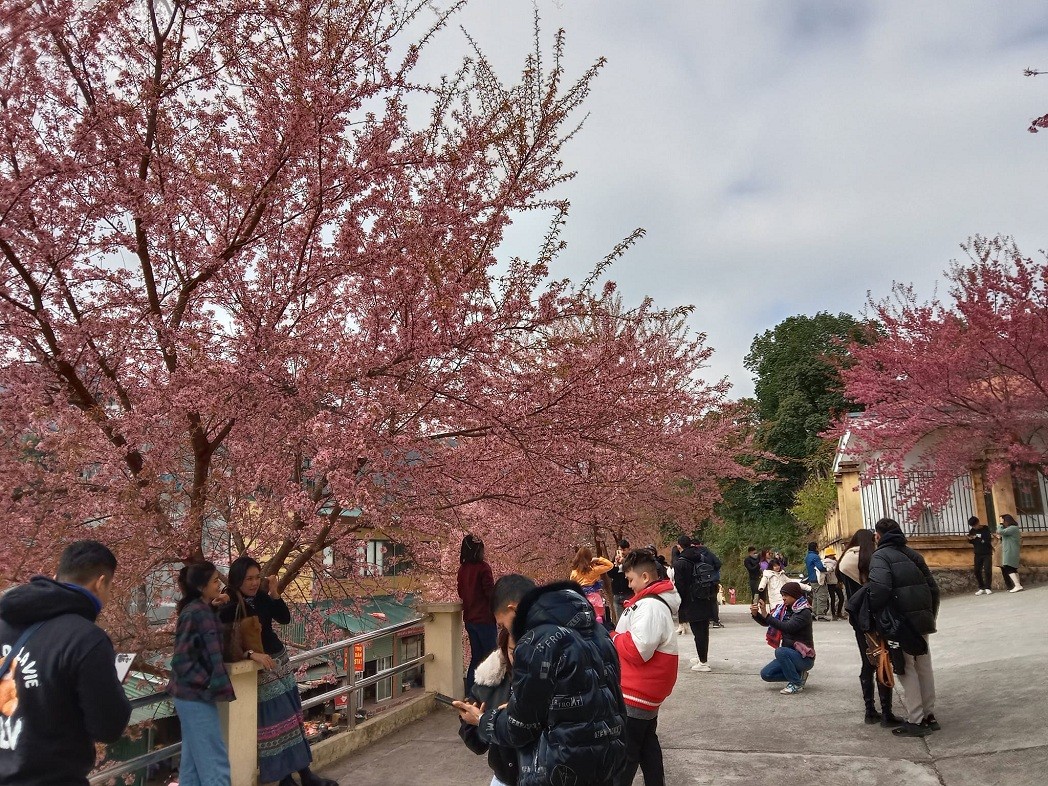 |
| Almost no leaves left on the branches. Source: Nguyen Tien Phong |
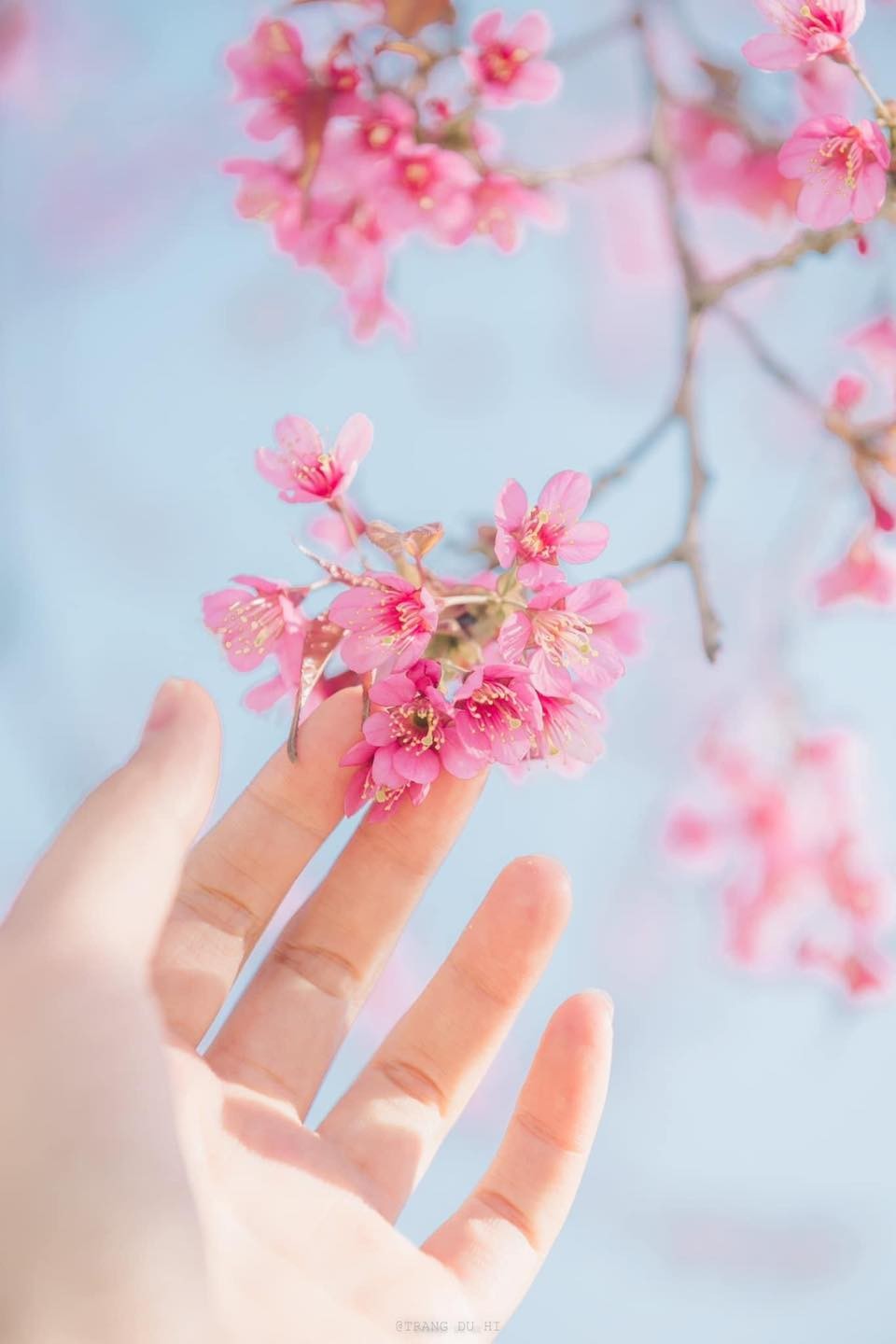 |
| A closer look of Ha Giang peach blossoms. Source: Trang Pham |
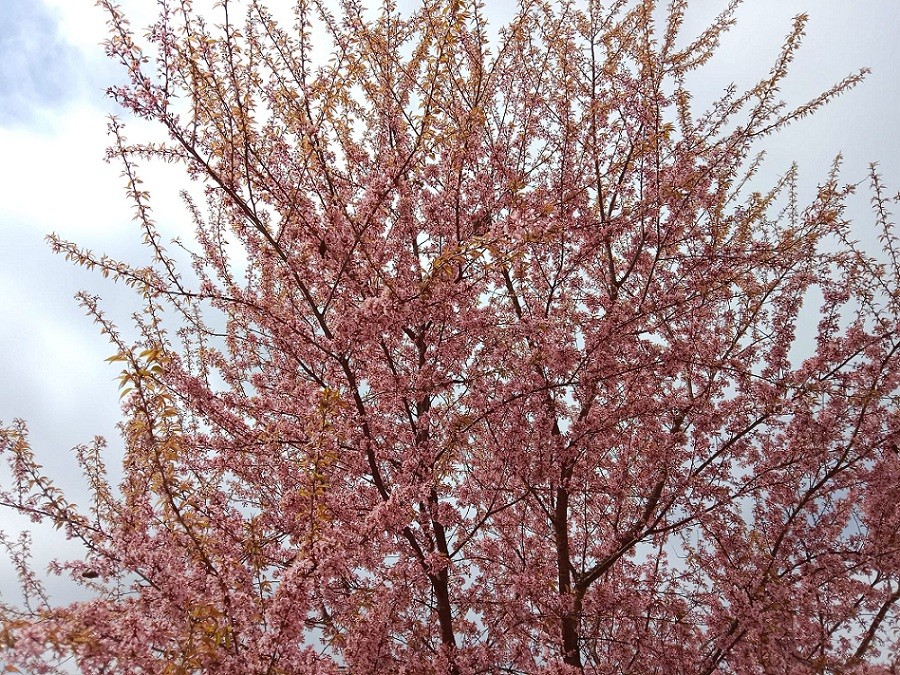 |
| Ha Giang is beautiful in every season, but during the spring days, the beauty of this land is adorned with the dreamy colour of peach blossom. Source: Nguyen Tien Phong |
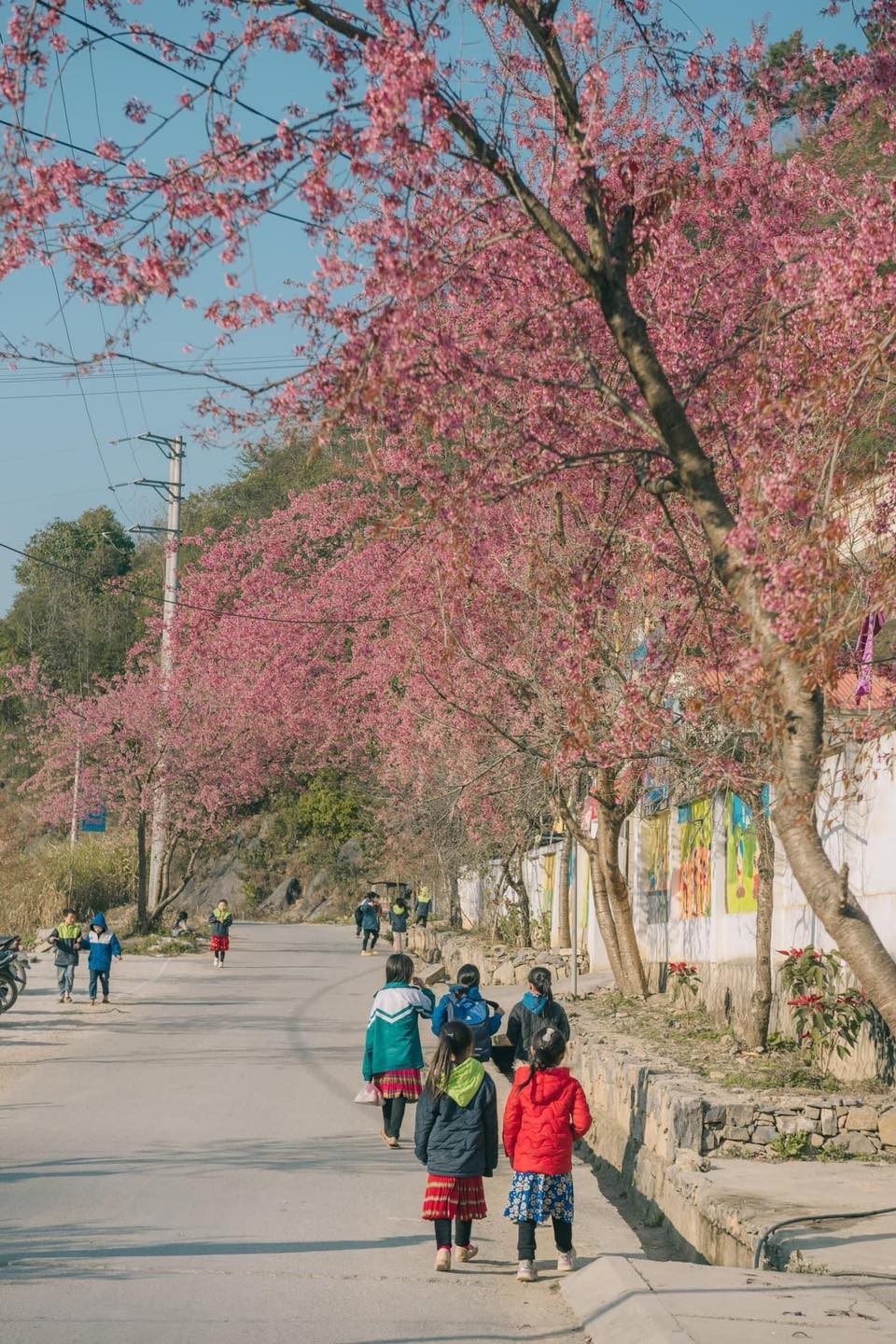 |
| The pink of peach blossom helps warm up cold days here. Source: Trang Pham |
Ha Giang's weather at the beginning of the year is quite good, warmer than the last days of the year, so you can take beautiful pictures at any time of the day. However, the ideal is still early in the morning, when the flowers have just bloomed, still fresh and the petals are covered with morning dew.
Pho Bang town, about 40 km from Lung Cu, is a destination for flower lovers among the mountains. After taking pictures of flowers, visitors can walk in the town, chat with locals, and admire the peaceful scenery.
 | Eight Delicacies of Ha Giang When it comes to Ha Giang, people often think of a tourist area in the northern mountainous region of the country. In addition to the ... |
 | Top 5 Most Delicious Traditional Delicacies In Ha Giang Ha Giang is best known for some of its most unique and delicious dishes made from different types of meats and cakes such as Chao ... |
 | Explore The Most Colorful Markets In Ha Giang Not only famous for wonderful destinations such as Nho Que river, Tu San alley, or Lung Cu flag, this beautiful land also attracts many tourists ... |

Most read

Related Stories
 Travel
Developing Phong Nha-Ke Bang into a World-Class Tourist Destination
 Travel
Indian Media Highlights Vietnam's Growing Appeal to Tourists
 Expats in Vietnam
Tearful Goodbye: German Tourist Captures Heartfelt Moment Departing Vietnam
 Travel
Vietnam Welcomes over 2 Million International Visitors for Three Consecutive Months
Recommended
 Viet's Home
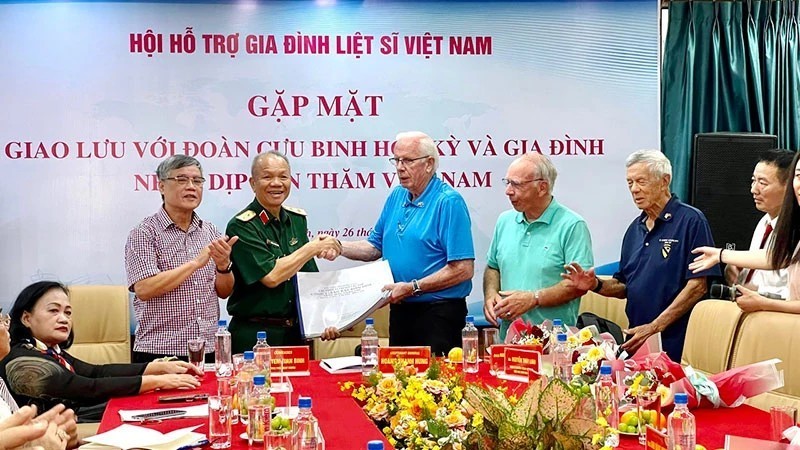
Two US Veterans on Mission to Bring Vietnam’s Fallen Soldiers Home
 Viet's Home
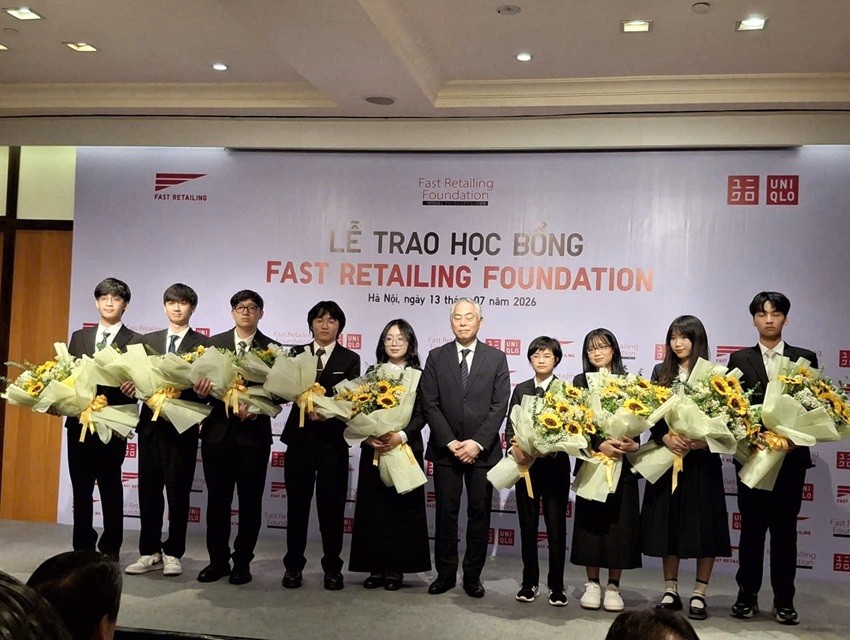
9 Vietnamese Students Receive Full Scholarships from Fast Retailing Foundation in Japan
 Viet's Home
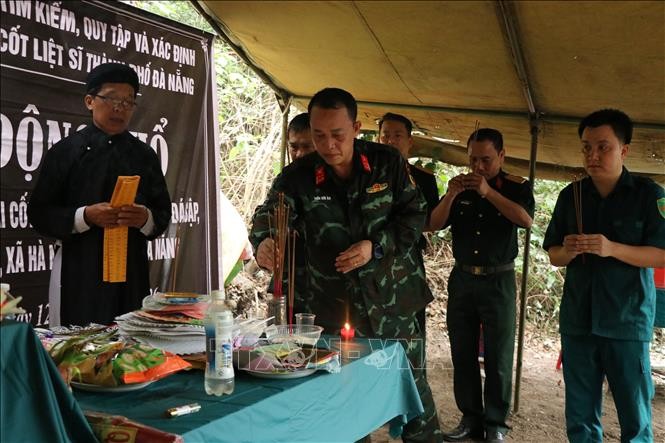
Many Fallen Soldiers' Remains Recovered in Da Nang and Cao Bang
 Viet's Home
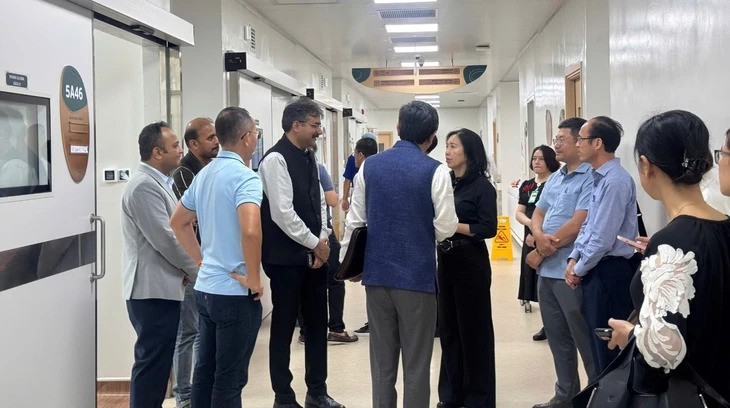
Indian Ambassador Thanks Vietnam for Swift Response to Phu Quoc Speedboat Capsizing
Popular article
 Viet's Home
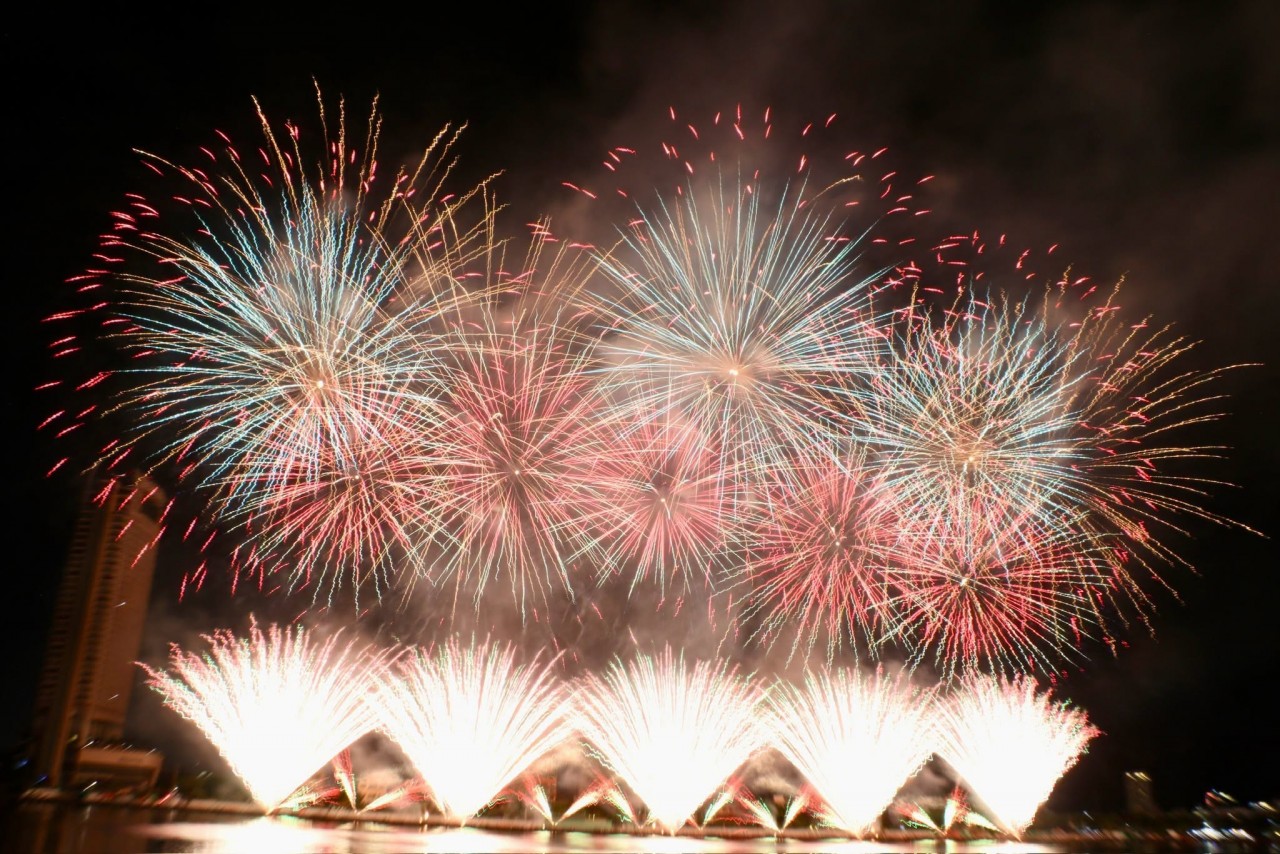
Portugal Crowned Champion of 2026 Da Nang International Fireworks Festival
 Viet's Home
Ca Mau Enhances Capacity of Officials to Effectively Mobilize International Aid
 Viet's Home
Over 50 Calls and Messages Help Search for Fallen Soldiers at Tan Son Nhat Airport
 Viet's Home