
US Businesses Support Vietnam's Efforts to Identify Missing Persons from the War
 | External Information Presents a Vivid and Authentic Image of Vietnam to the World |
| Promoting Viet Nam-US Cooperation through War Legacy Remediation and Youth Engagement |
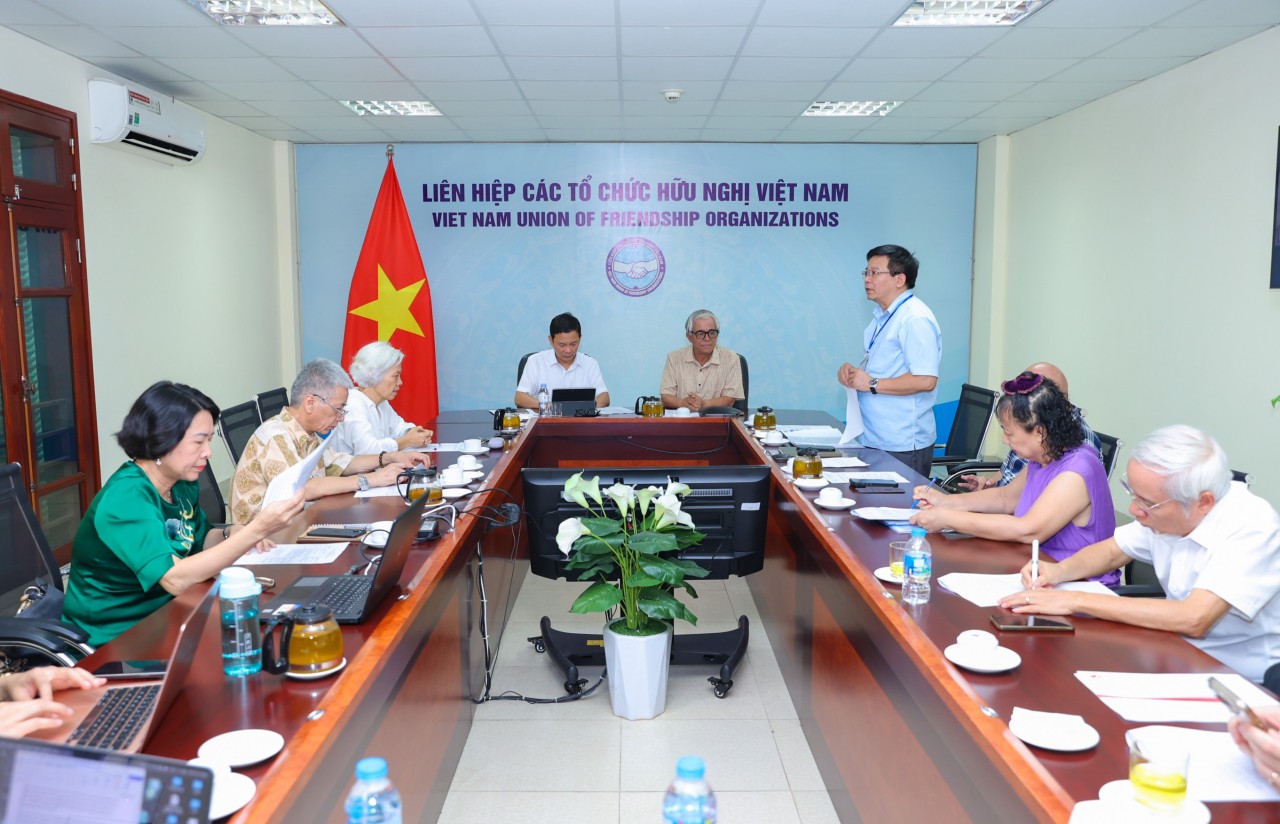
Attending the meeting were Ambassador Pham Quang Vinh, former Deputy Minister of Foreign Affairs, former Vietnamese Ambassador to the United States, and President of the Vietnam-USA Society; Nguyen Hai Giang, Vice President of the Vietnam-USA Society; Nguyen Nang Khieu, Head of the Americas-Oceania Department of the Vietnam Union of Friendship Organizations and Secretary General of the Vietnam-USA Society; Lieutenant General Tran Tan Hung, Standing Vice President of the Vietnam Association for Supporting Families of Martyrs; Hoang Anh Tuan, Head of the International Department of the Vietnam Association for Victims of Agent Orange/Dioxin (VAVA); and representatives of several related agencies and organizations.
The US side included Margaret Hanson-Muse, President and CEO of USABCI; Anthony Nelson, Member of the USABCI Board of Directors; and representatives of organizations and businesses participating in the Vietnam War Missing Action Initiative (VWAI), including Cultural Vistas, Lockheed Martin, and QIAGEN.
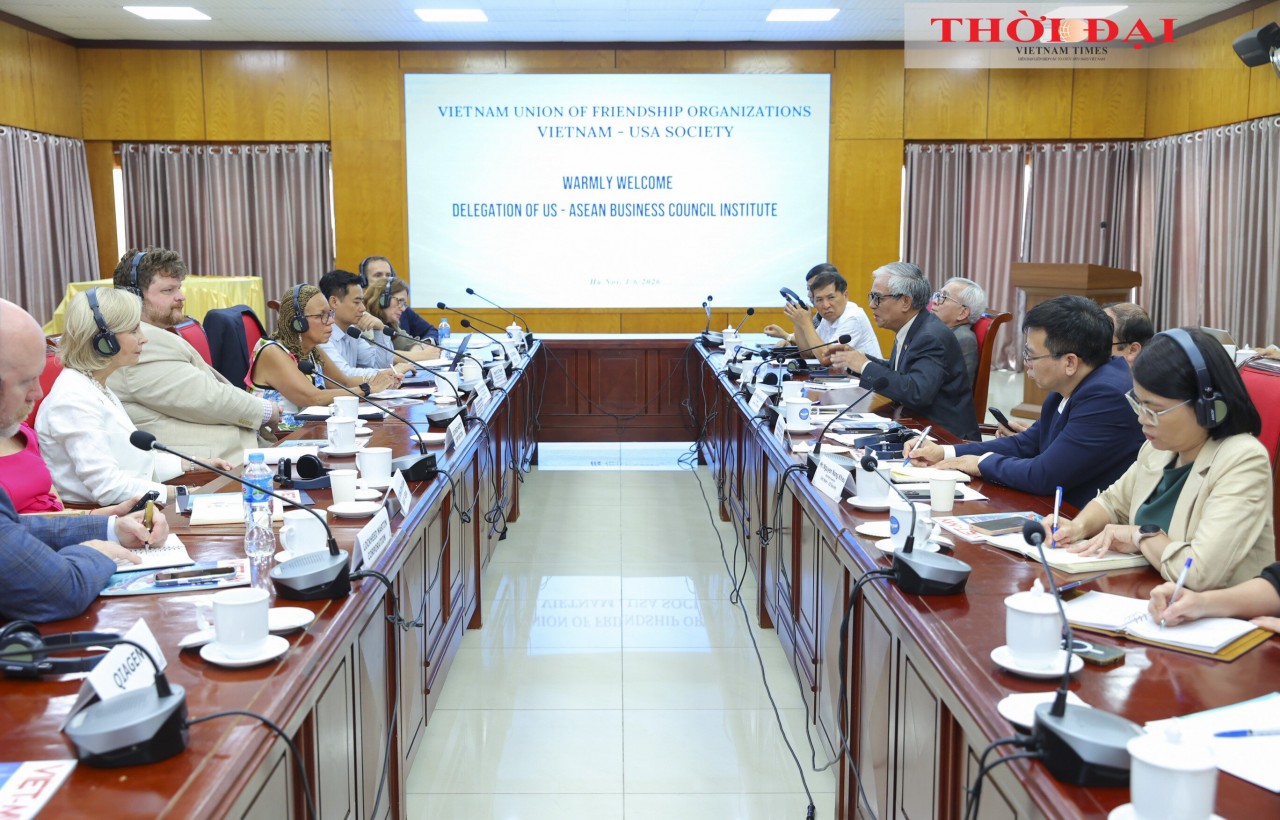 |
| Leaders of the Vietnam-USA Society hold a working session with a delegation from the US-ASEAN Business Council Institute (USABCI) and representatives of US organizations and businesses. (Photo: Dinh Hoa) |
Humanitarian cooperation in the search for missing persons from the war
Speaking at the meeting, Ambassador Pham Quang Vinh stated that the Vietnam-USA Society has always regarded people-to-people relations as a central focus of its activities. Over the years, alongside people-to-people exchange programs, cooperation in addressing the consequences of war has remained an important component of Vietnam-US relations.
Reflecting on the course of cooperation between the two countries, Ambassador Pham Quang Vinh noted that there was a time when the two sides did not fully understand each other regarding issues related to missing persons and the consequences of war. Today, however, this has become one of the most effective areas of humanitarian cooperation, contributing to trust-building between Vietnam and the United States.
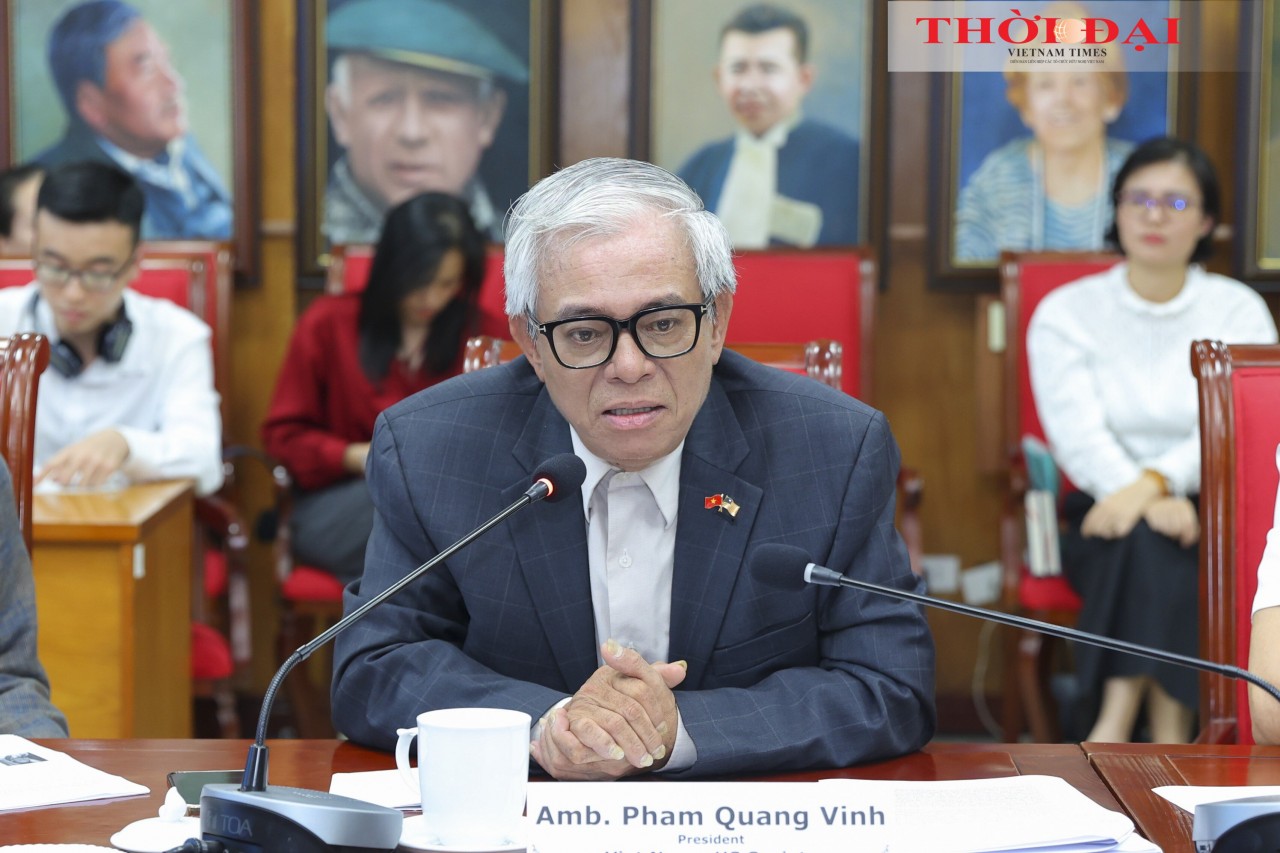 |
| Ambassador Pham Quang Vinh, President of the Vietnam-USA Society, speaks at the meeting. (Photo: Dinh Hoa) |
According to Ambassador Pham Quang Vinh, in addition to ongoing efforts by the relevant authorities of both countries to search for missing US military personnel, Vietnam is currently implementing the “500-day-and-night campaign to accelerate the search, recovery, and identification of martyrs’ remains.” This is one of the country's key priorities for the 2026–2027 period.
“Regarding the search for Vietnamese soldiers who went missing during the war, we will share relevant information with our American partners concerning search, excavation, and identification efforts. This work requires substantial technological support, and we look forward to cooperation from the United States,” he said.
Margaret Hanson-Muse stated that the delegation’s visit to Vietnam was conducted within the framework of the VWAI. The program has been extended through 2031 to support efforts to locate and identify individuals missing in action from the war in Vietnam, while also promoting humanitarian cooperation and the application of technology to this work.
According to Hanson-Muse, the VWAI is significant not only from a technical perspective but also as an example of how governments, businesses, and societal organizations can work together to address the consequences of conflict. A notable feature of the initiative is its combination of humanitarian objectives with private-sector participation in mobilizing technology, resources, and expertise to support efforts to locate missing persons.
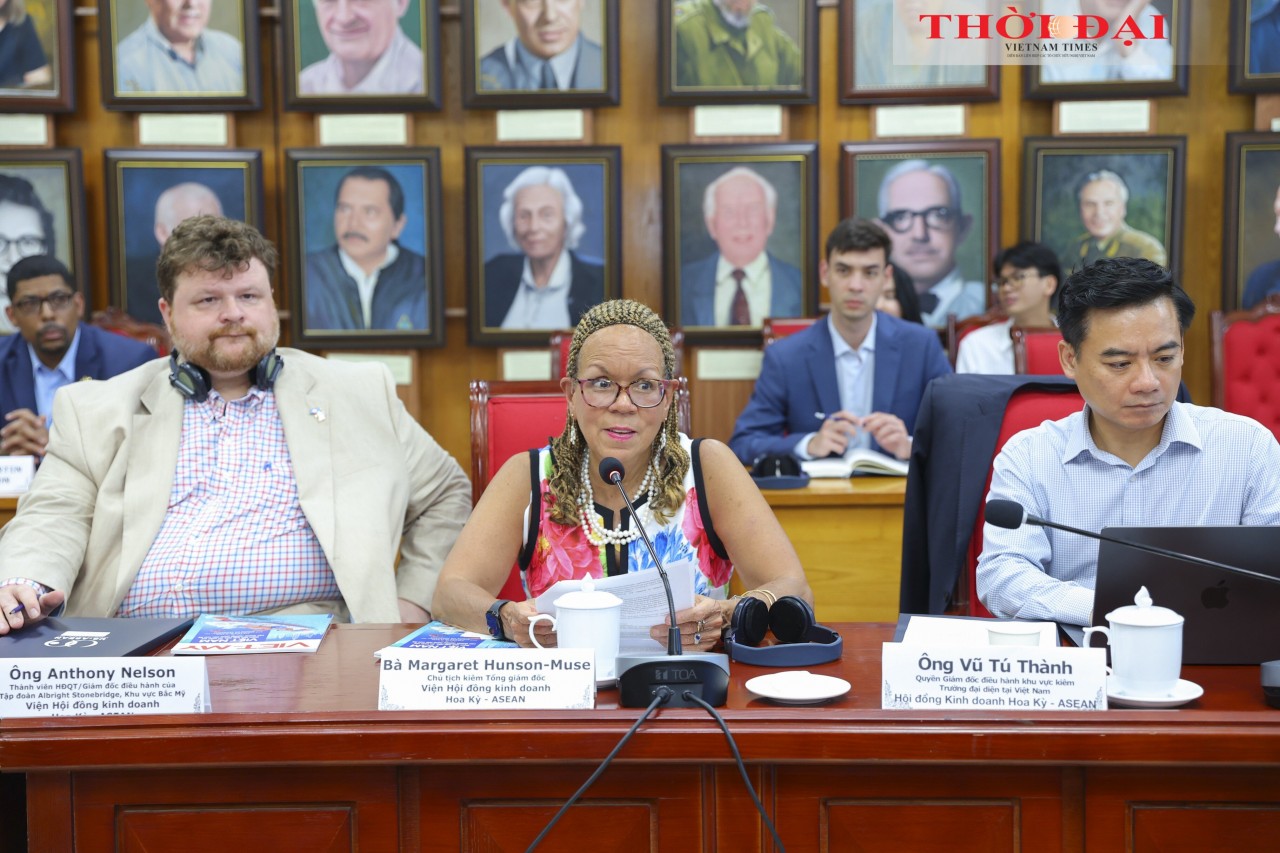 |
| Margaret Hanson-Muse, President and CEO of USABCI, speaks at the meeting. (Photo: Dinh Hoa) |
At the meeting, Lieutenant General Tran Tan Hung stated that Vietnam still has a large number of martyrs whose identities remain unknown, while many martyrs’ remains have yet to be recovered. According to him, this is one of the reasons Vietnam needs additional records, data sources, and technological support for the search, recovery, and identification of martyrs’ remains.
He emphasized the particularly important role of records, data, and information from the US in Vietnam’s efforts to locate missing martyrs. He noted that in 2014, a group of US veterans provided more than 20 sets of records related to mass burial sites. Based on this information, the National Steering Committee for the Search, Recovery, and Identification of Martyrs’ Remains (National Steering Committee 515) conducted excavations in Dong Nai Province and recovered more than 100 sets of martyrs’ remains.
According to Lieutenant General Tran Tan Hung, this serves as evidence that sharing wartime information and strengthening humanitarian cooperation can yield tangible results in Vietnam’s efforts to search for, recover, and identify martyrs’ remains.
According to information announced at the launch ceremony of the “500-day-and-night campaign to accelerate the search, recovery, and identification of martyrs’ remains,” approximately 175,000 martyrs’ remains nationwide have yet to be recovered, while more than 300,000 martyrs’ graves remain unidentified. The scale of the task also highlights the need to further expand international cooperation, apply new technologies, and effectively utilize available data sources to support the search for and identification of martyrs.
DNA technology, digital data, and Artificial Intelligence in the journey to restore identities
One of the key topics of interest during the meeting was the potential application of next-generation DNA technology in identifying the remains of fallen soldiers.
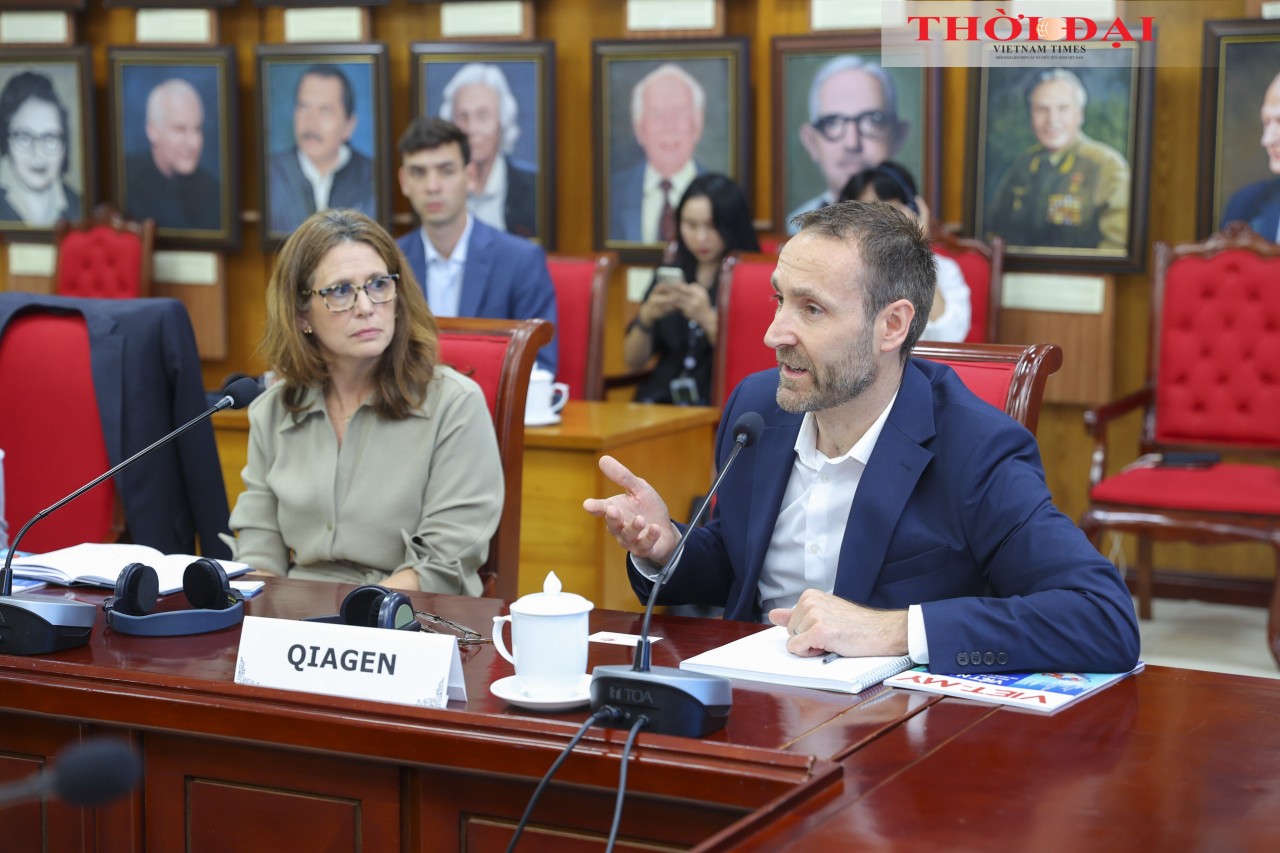 |
| Keith Elliott, Senior Director of Global Forensics and Human Identification at QIAGEN, speaks at the event. (Photo: Dinh Hoa) |
Keith Elliott, Senior Director of Global Forensics and Human Identification at QIAGEN, stated that the company has nearly 30 years of experience in DNA identification. Since 2015, QIAGEN and its international partners have developed specialized DNA testing methods for missing persons investigations.
According to Elliott, the new technology enables the entire process, from collecting DNA samples from relatives, extracting DNA from skeletal remains, and sequencing genetic material to matching data for identification purposes. The QIAGEN representative noted that these technologies are currently being applied in numerous humanitarian projects worldwide and expressed hope that they could contribute to efforts to identify Vietnam’s missing martyrs.
“We have completed the journey of research and development, but we are now at the starting point of a new journey: applying these technologies to real-world cases in order to make a difference in the world,” Keith Elliott said.
Representatives of USABCI stated that the organization is exploring opportunities to engage additional US companies specializing in data management and artificial intelligence to help accelerate the process of identifying missing persons.
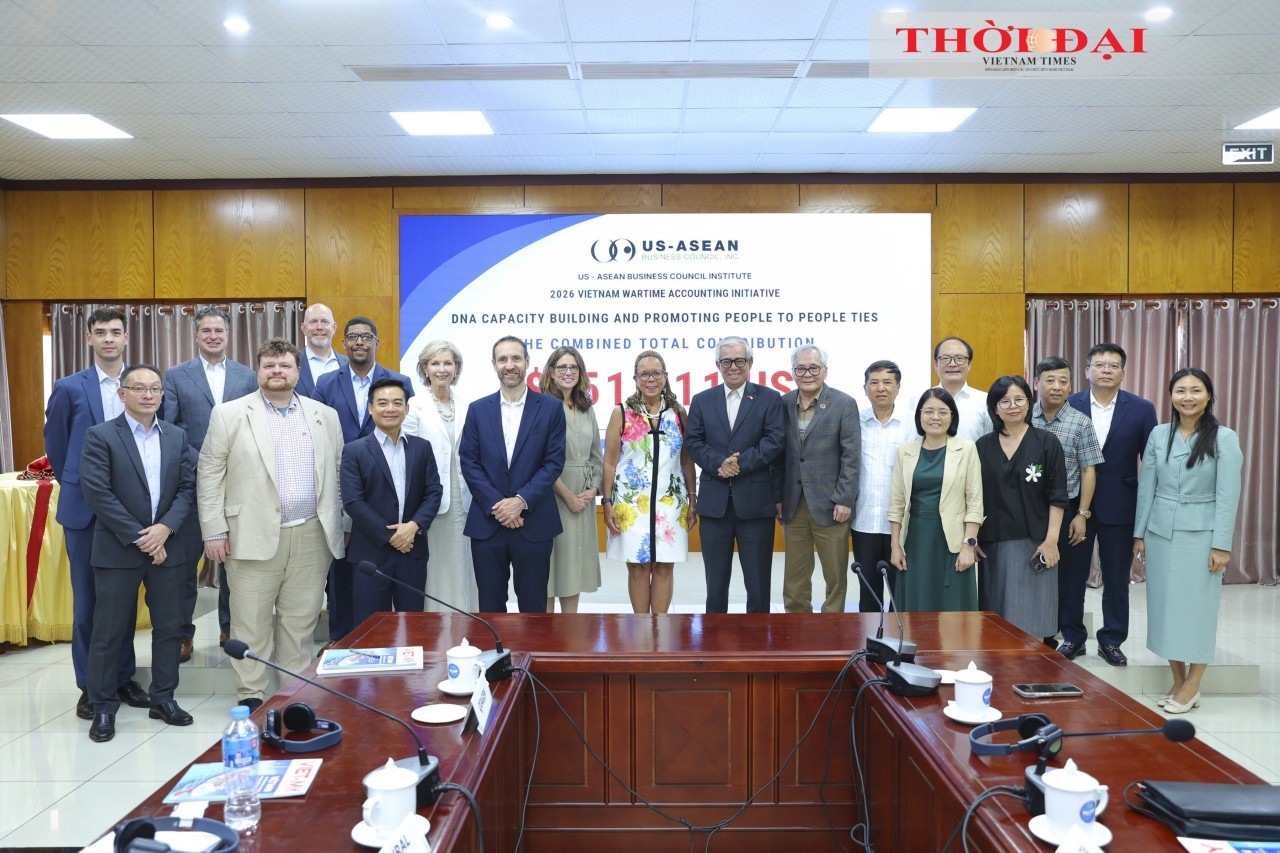 |
| Delegates pose for a group photo. (Photo: Dinh Hoa) |
At the meeting, participants also discussed the possibility of expanding cooperation in education, people-to-people exchanges, and youth engagement initiatives. Representatives of Cultural Vistas said the organization is developing dialogue programs, educational materials, and exchange activities aimed at helping students in both countries gain a deeper understanding of reconciliation, cooperation, and efforts to address the consequences of war.
Participants further proposed strengthening information-sharing, connecting organizations, experts, and businesses, and organizing both in-person and virtual forums to identify specific areas for cooperation, particularly in technology, data management, technical capacity-building, and support for the search and identification of persons missing in action from the war.
USABCI and partners announce support package worth more than US$450,000During the working session with the Vietnam-USA Society, USABCI, in collaboration with its partners Cultural Vistas, Lockheed Martin, and QIAGEN, announced a support package valued at more than US$450,000 in equipment, training, and advanced technical solutions to provide comprehensive support for missing persons recovery efforts and post-war reconciliation initiatives in Vietnam. According to USABCI, the support package includes: QIAGEN: Provision of a DNA identification system and specialized training programs. USABCI: Matching funding to expand the scale of humanitarian activities and promote the transfer of U.S. technologies to Vietnam. Cultural Vistas: Implementation of oral history projects, veteran exchange programs, and the development of digital educational curricula on addressing the consequences of war. Lockheed Martin: Support for enhancing DNA analysis capabilities and aviation safety techniques for search missions conducted in rugged terrain and remote areas. |
 | More Remains Believed To Be of US MIA in Vietnam Repatriated The 164th repatriation ceremony for the remains believed to be of US soldiers missing in action during the war took place at Da Nang International ... |
 | Vietnam Hands Over Remains of US Service Members Missing in Action The 171st handover ceremony of the remains of US service members missing in action (MIA) in Vietnam was recently held at Gia Lam Airport in ... |
Related Stories
 Friendship
Vietnam-USA Society Expands Partner Network, Promotes Bilateral Cooperation
 Friendship
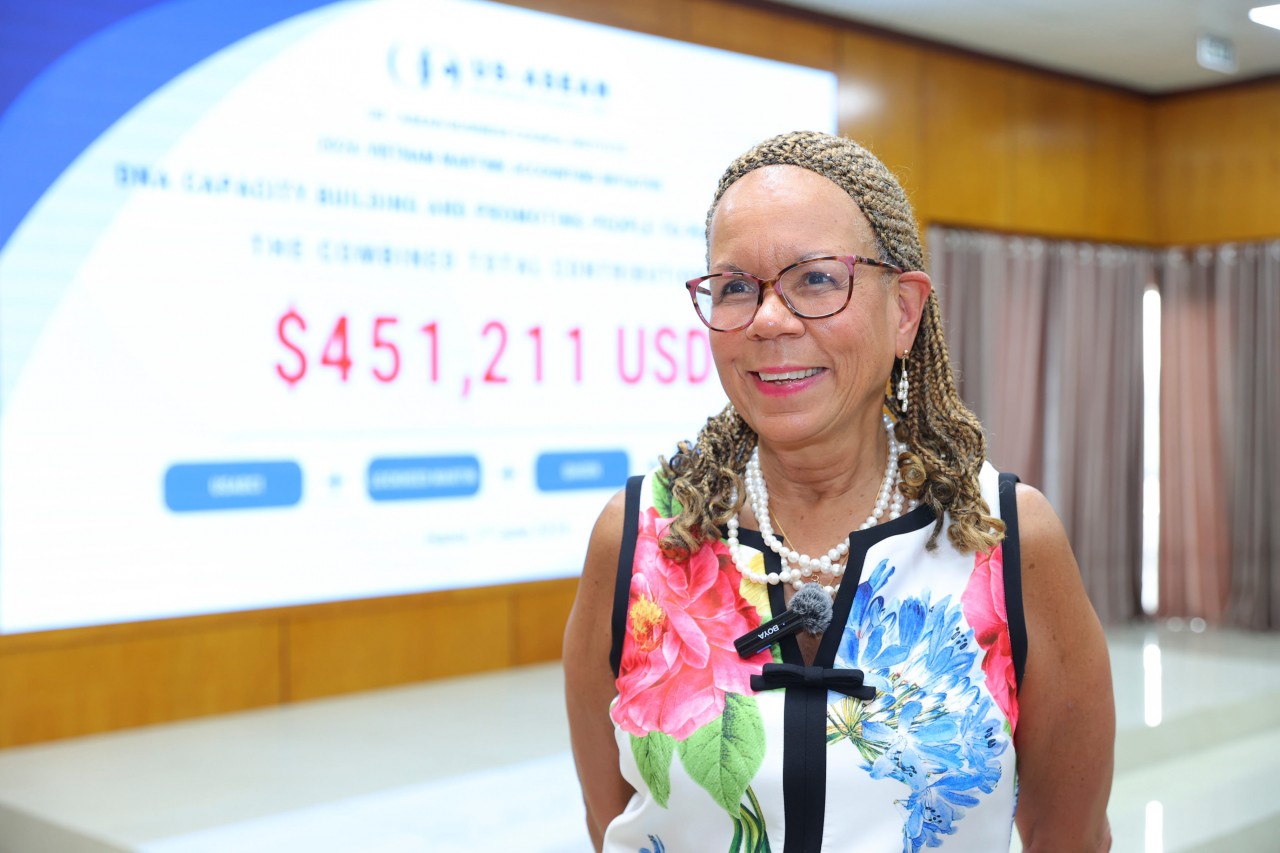
Fostering Understanding of Peace and Reconciliation Among Future Generations: USABCI President
Recommended
 Friendship
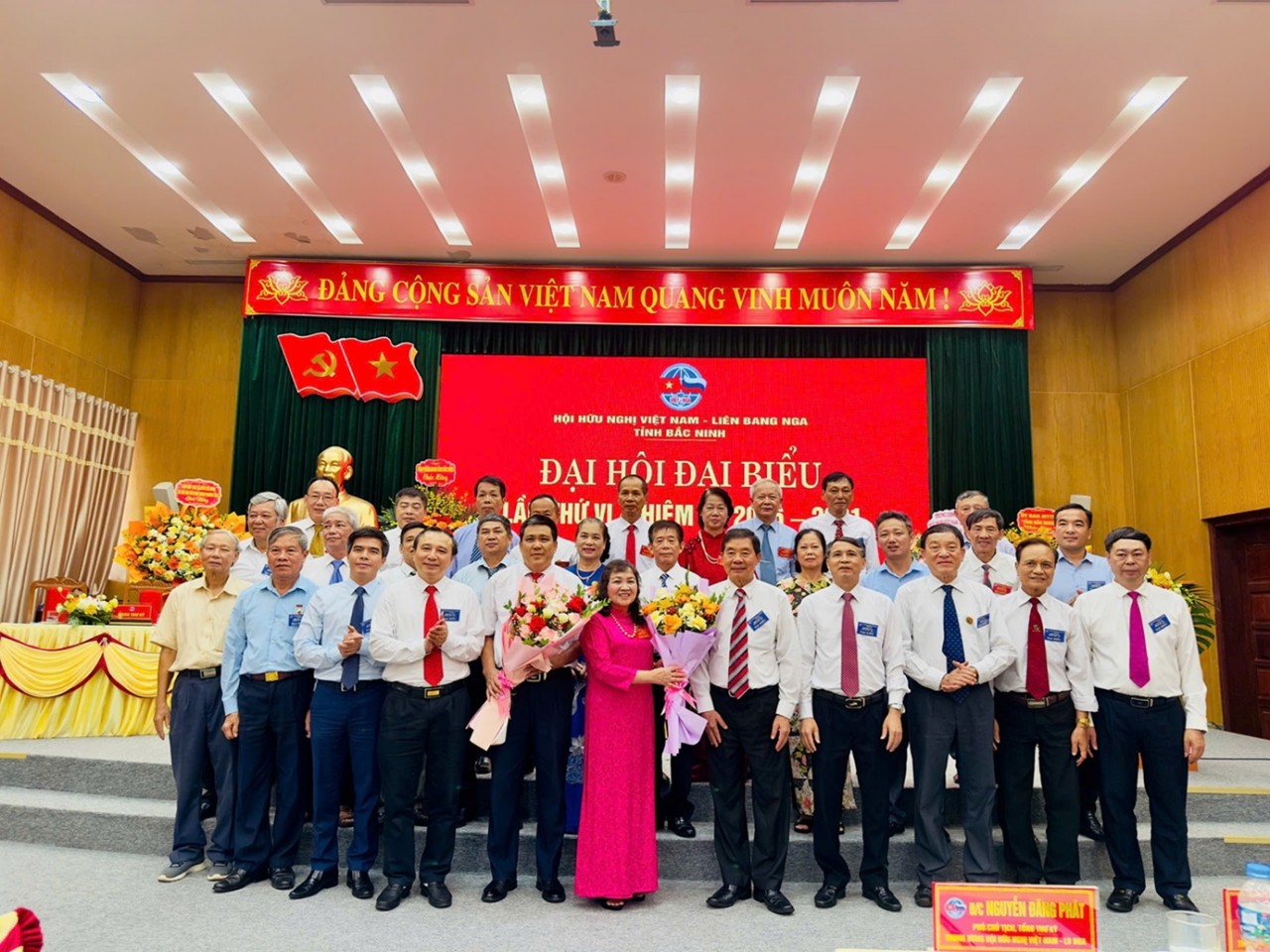
Vietnam-Russia Friendship Association of Bac Ninh Expands Network Following Reorganization
 Friendship
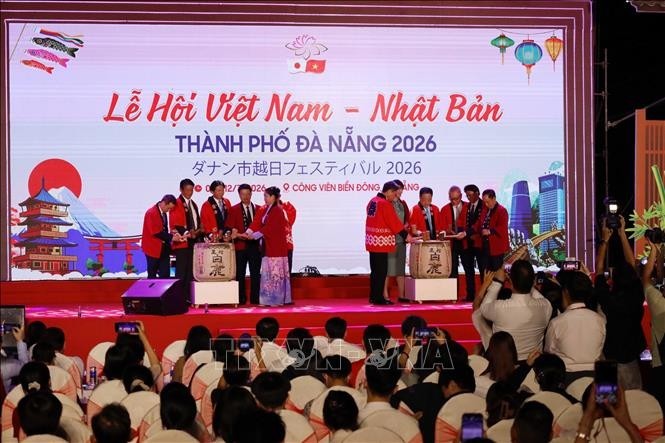
Vietnam-Japan Festival 2026 Launched
 Friendship
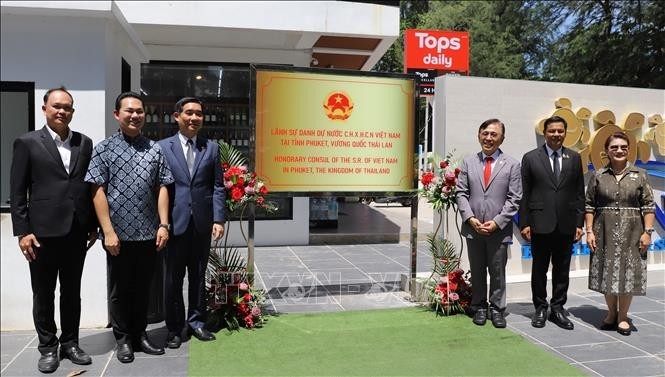
Vietnam Establishes First Honorary Consulate in Thailand
 Friendship
People-to-People Bridges Across 50 Years of Vietnam-Philippines Relations
 Friendship
Friends of Project RENEW Continues Supporting War Consequence Remediation Efforts in Viet Nam
 Focus
Focus
Three Priorities for Advancing Viet Nam-Philippines People-to-People Relations
 Friendship
UN Women Reaffirms Cooperation with Dien Bien Province
 Friendship