
Vietnam News Today (Jan. 25): Vietnam Enters New Era With Bold Leadership and Bigger Ambitions

| Vietnam News Today (Jan. 25) notable headlines Vietnam enters a new era with bold leadership and bigger ambitions Vietnam a pillar of stability in Southeast Asia amid volatile geopolitics: Expert France supports Vietnam’s growing role in international arena: French Ambassador Vietnam emerges as one of Asia’s must-visit destinations: Vogue Booking.com highlights Vietnamese travelers’ preferred destinations for Tet 2026 |
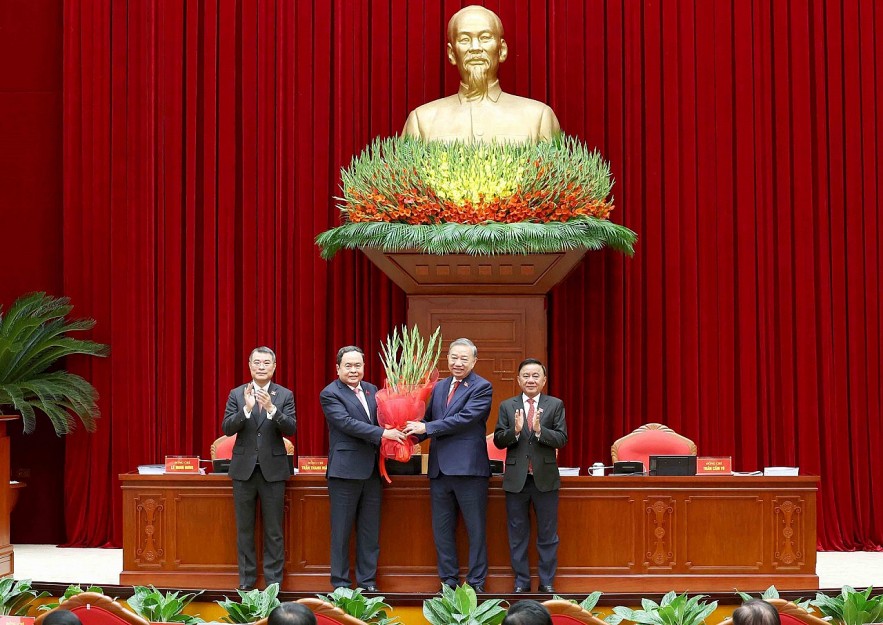 |
| The 14th Party Central Committee unanimously elected Mr. To Lam, General Secretary of the 13th Party Central Committee, to continue serving as General Secretary in the 14th term. Photo: VNA |
Vietnam enters a new era with bold leadership and bigger ambitions
Vietnam’s 14th Party Congress has elected a new generation of leaders, with To Lam reappointed General Secretary and bold goals for rapid, quality growth.
The 14th National Congress of the Communist Party of Vietnam has concluded with the formation of a new Central Committee composed of 200 members.
At its helm remains General Secretary To Lam, reaffirmed with unanimous support. But beyond names and titles, this Congress marks a decisive pivot: Vietnam has declared its intent to leap into a new era of high-speed, high-quality development.
In his closing remarks, General Secretary To Lam spoke plainly of the responsibilities ahead. “We must set the highest standards for ourselves,” he said. “Say what we mean. Do what we say. Do it to the end.” The effectiveness of each Central Committee member, he emphasized, will be judged by one metric: how well they serve the people.
To deliver that promise, the 14th Congress has set an ambitious target: average GDP growth of at least 10% annually between 2026 and 2030. This is more than a number. It is a reflection of Vietnam’s deepening resolve to transition from a middle-income economy to a prosperous one before its demographic advantage fades.
Vietnam’s population is projected to age rapidly after 2036. That gives the country less than a decade to transform its youthful workforce into a driver of productivity, income, and national wealth. If that window is missed, Vietnam risks growing old before it becomes rich.
This urgency unfolds amid an increasingly volatile global landscape. Geopolitical tensions, shifting trade policies, and supply chain realignments are redrawing the map of global commerce. Simultaneously, breakthroughs in AI, digital transformation, and green technology present both immense opportunity and unprecedented demands for adaptability.
The decision to pursue high growth is therefore not reckless-it is strategic. Vietnam is choosing to move fast, while it still can, to lay the foundations for the next stage of its national journey.
The 2026–2030 development targets reflect this shift in mindset. Growth must now be powered by productivity, innovation, science and technology-not cheap labor or untapped openness. That demands not only policy change, but institutional transformation, cited VNN.
To Lam himself was clear-eyed about the legacy of the previous term. In his address presenting the Congress’s key documents, he acknowledged persistent bottlenecks: institutional gaps, resource inefficiencies, poor infrastructure, weak execution, and social challenges. “We must identify the right problems,” he said, “to deliver the right actions.”
That’s why this Congress places unprecedented emphasis on implementation. Action-not rhetoric-is the only path forward. Every policy must translate into measurable outcomes, with clear timelines and accountable leaders. The satisfaction of citizens and businesses will become a key performance indicator for the public sector.
At the core of this approach is a renewed focus on human capital. Cadre management is described as “the key of all keys.” The new leadership vows to assign the right people to the right jobs, judge them by their results and public trust, and ensure a dynamic system where advancement is earned-and poor performance addressed.
This era leaves no room for complacency. Vietnam needs bold, upright, and responsible officials-those who dare to think, act, and take accountability for the common good.
But leadership alone is not enough. The Congress calls on businesses to lead in adopting new technologies, improving productivity, and climbing the value chain. It urges workers, intellectuals, and especially youth to become active participants in shaping Vietnam’s economic future.
The new leadership does not begin from zero. Vietnam enters this phase with rare advantages: political stability, strong national consensus, and growing public confidence in reforms that deliver.
Most importantly, time is still on Vietnam’s side-just barely. The window to capitalize on its demographic dividend is closing. Acting now is not optional. It is existential.
Today’s Vietnamese citizens aren’t satisfied with beautiful numbers in reports. They want change they can feel: fewer bureaucratic hurdles, fairer business environments, better job prospects, higher living standards, and stronger rights.
When such change becomes visible and tangible, growth will no longer be an abstract ideal-it will become a shared societal experience.
Vietnam has stepped into a new era, guided by a new generation of leadership. The road ahead is not without challenges, but the direction is clear. With bold aspirations, clear targets, and an action-first mindset, Vietnam has the opportunity to seize its moment, rise through adversity, and shape its future on its own terms.
Vietnam a pillar of stability in Southeast Asia amid volatile geopolitics: Expert
Throughout the Doi moi (renewal) and integration process, Vietnam’s independent and flexible foreign policy has helped the country safeguard its sovereignty, expand international relations and gradually assert an increasingly clear role on the regional and global arenas.
The assessment was made by Prof. Ruhanas Harun of the National Defense University of Malaysia in an interview with Vietnam News Agency correspondents in Kuala Lumpur on the occasion of the 14th National Congress of the Communist Party of Vietnam.
According to the expert, Vietnam’s diplomatic approach demonstrates mettle, resolve, independence and a strong capacity to adapt flexibly to the complex and fast-changing regional and global geopolitical environments. From a country bearing the heavy legacy of war, Vietnam has steadily risen to become a responsible member of the international community.
A prominent example is Vietnam’s active role within the Association of Southeast Asian Nations (ASEAN). Since joining the bloc in 1995, Vietnam has made significant contributions to strengthening ASEAN as a cohesive, stable and highly adaptive regional organization. In return, ASEAN has provided a favourable framework for Vietnam to deepen integration, enhance security cooperation, expand economic development opportunities and strengthen socio-cultural links, according to VNA.
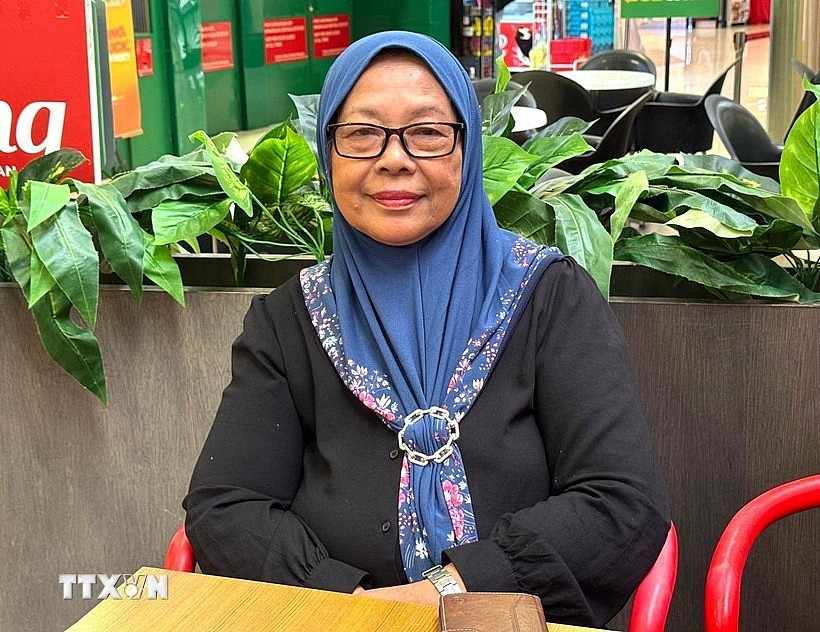 |
| Prof. Ruhanas Harun of the National Defense University of Malaysia (Photo: VNA) |
Amid rapidly evolving regional geopolitical and geostrategic dynamics, Ruhanas noted that foreign policy continues to play a pivotal role in safeguarding and advancing Vietnam’s national interests. Maintaining an independent and flexible stance, while remaining firm in the face of external pressures, has enabled Vietnam to preserve strategic balance. In this regard, ASEAN membership is of particular importance, creating a “safe space” that allows Vietnam to adapt and develop.
Referring to Vietnam’s goal of becoming a high-income developed country by 2045, the expert described it as a historic milestone marking the centenary of the nation’s founding. To achieve this ambition, Vietnam must continue to refine its institutions, develop an appropriate legal framework and encourage private-sector growth, while ensuring a balance between economic expansion and social equity, without sacrificing stability or public welfare. Given current growth momentum and ongoing efforts, she expressed confidence that Vietnam is fully capable of realizing this goal.
Ruhanas also emphasized the close, two-way linkage of interests between Vietnam and Southeast Asia. A peaceful and stable Southeast Asia is a crucial condition for Vietnam to effectively pursue its development objectives, while a secure Vietnam with a robust economy and stable society will, in turn, serve as a driving force for peace, stability and shared prosperity across the region, she added.
France supports Vietnam’s growing role in international arena: French Ambassador
French Ambassador to Vietnam Olivier Brochet has underlined his country’s support for the Southeast Asian nation’s greater role in the international arena during in an interview granted to the press.
Mentioning the significance of the 14th National Congress of the Communist Party of Vietnam, he said the 14th Congress came at a pivotal moment for Vietnam, both domestically and internationally. It marked the culmination of a highly structured political process during which Vietnam has accelerated its economic and administrative reforms.
Several key pieces of legislation were adopted by the National Assembly in 2025, particularly those related to investment, economic governance, and public policy. These reforms are being closely monitored by international investors, including French and European ones.
Amid growing fragmentation, and significant and persistent uncertainties about the future around the world, he noted, France and Vietnam share a common commitment to essential principles: trust and respect for partners, the defence of sovereignty, and the preservation of multilateralism in order to find collective solutions to the world's vital challenges. These principles provide predictability and stability, and are indispensable for long-term development.
As a comprehensive strategic partner, France intends to back Vietnam with a very concrete approach as it has done for the past 40 years: support for reforms, financing of structure projects, and long-term partnerships in key sectors of the Vietnamese economy, he said.
The ambassador went on to say that Vietnam has set clear objectives for 2030 and 2045 – economic growth in tandem with social development, green transition, and the digital economy. This trajectory is shaping its regional and international role, which it intends to fully embrace to secure greater stability.
France supports Vietnam's international role, primarily through concrete cooperation initiatives on global issues, he said, elaborating that on climate, for example, France supports Vietnam's commitments within the framework of the Just Energy Transition Partnership (JETP), with a contribution of EUR500 million (US$591.4 million) via the French Development Agency (AFD), which has already translated into concrete projects on the electricity grid and energy infrastructure.
In the fields of transport and infrastructure, France is keen to collaborate with Vietnam on large-scale projects, whether in rail, urban connectivity, or civil aviation. These structure projects are essential for development and contribute directly to Vietnam's regional integration and attractiveness.
Finally, Brochet added, Vietnam is increasingly asserting itself as a committed actor in the pursuit of international peace and stability.
He said that together with the EU, France has assisted Vietnam’s Department of Peacekeeping Operations. It also welcomes Vietnam’s hosting of the signing ceremony for the United Nations Convention against Cybercrime, which demonstrates the Southeast Asian country's capacity to play a normative role on the international stage. Furthermore, France is working with Vietnam when the latter holds the chairmanship of the Review Conference of the Parties to the Treaty on the Non-Proliferation of Nuclear Weapons.
This commitment is also reflected in Vietnam's participation in major multilateral coalitions on global public goods. For example, Vietnam fully supports the Paris Pact for People and Planet, and has made commitment to ocean governance by ratifying the High Seas Treaty, scheduled to enter into force on January 17, 2026, according to him.
Commenting on Vietnam’s achievements over 40 years of Doi moi (Renewal), the ambassador said that four decades since the launch of Doi moi in 1986, Vietnam has profoundly transformed its economy, drastically reduced poverty, modernised infrastructure, and diversified its international partnerships.
France has supported Vietnam's development since the latter’s reunification, investing early in cultural, scientific, and technical cooperation. As early as 1977, Prime Minister Pham Van Dong's visit to France and the signing of an agreement in these areas marked a foundational step, according to VOV.
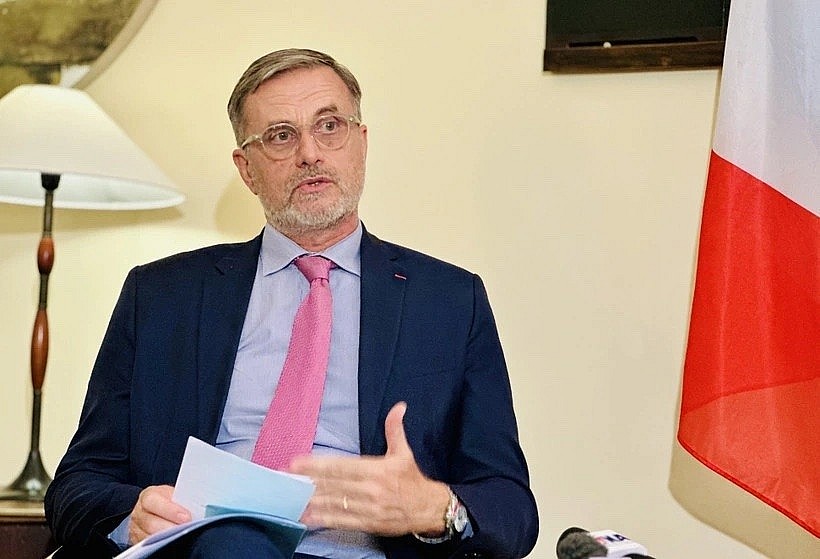 |
| French Ambassador to Vietnam Olivier Brochet (Photo: VNA) |
In the following decades, France has consistently supported Vietnam's integration into European and international frameworks. One example is its support for the organisation of the Francophonie Summit in Hanoi in 1997. This commitment contributed to shaping the EU – Vietnam partnership as early as 1995, through a framework cooperation agreement that France strongly advocated, Brochet continued.
Today, he said, the results are visible: Vietnam has become a dynamic economy, integrated into global value chains, and acted as a key partner within ASEAN.
France continues to back this trajectory through economic, academic, scientific, and institutional cooperation, he affirmed.
Sharing French businesses’ expectations from the legal and economic orientations identified at the 14th Congress, Brochet said companies primarily expect clarity and predictability, noting they need a clear framework regarding procedures, taxation, permits, and financing.
He highlighted genuine business confidence, citing an EuroCham survey as showing that over 70% of European firms in Vietnam express confidence in the country's economic outlook, and a majority plan to maintain or increase their investments here.
France is working with Vietnam and its European partners to ensure that administrative reforms result in shorter processing times, greater transparency, and improved implementation capacity, which has a direct impact on investment and employment.
The ambassador voiced his belief in the success and prosperity of Vietnam, and underlined France’s readiness to cooperate to turn Vietnam’s priorities into concrete achievements on the basis of mutual respect, trust, and long-term partnership.
Vietnam emerges as one of Asia’s must-visit destinations: Vogue
French magazine Vogue has ranked Vietnam among Asia’s top destinations for 2026, highlighting its unique mix of breathtaking landscapes, vibrant culture and contemporary energy.
From the fast pace of life in major cities to pristine, alluring beaches framed by lush tropical forests, Vietnam offers travelers experiences that are not to be missed, writes Vogue.
The magazine noted that Vietnam possesses a harmonious beauty that brings together long-standing cultural values and spectacular natural scenery, marked by an authentic, rare and enduring charm.
After the COVID-19 pandemic, Vietnam reopened its tourism industry, which has since recovered and grown strongly, emerging as one of the most appealing destinations in Asia.
Within Vietnam’s urban landscape, each city has its own character, together creating the destination’s unique appeal.
The capital city of Hanoi captivates visitors with its time-honored architecture. In the evenings, the city center becomes livelier than ever, with outdoor activities, cultural and entertainment spaces, and a vibrant nightlife.
Meanwhile, the former imperial capital of Hue takes visitors back through the pages of the nation’s history.
Recognised by UNESCO as a World Cultural Heritage site, Hue preserves an atmosphere of tranquillity and elegance, with its citadel, royal tombs, landscaped gardens, and refined imperial cuisine.
If Hanoi and Hue impress visitors with their historic charm, Ho Chi Minh City stands as a symbol of a modern, dynamic and open metropolis.
Skyscrapers, bustling neighbourhoods, lively nightlife, and an enticing culinary scene combine to create an energetic rhythm of life, reflecting the youthful, outward-looking spirit of Vietnam’s southern economic hub.
Leaving the major urban centers behind, travelers can experience entirely different settings, where nature takes center stage and becomes the heart of an engaging journey.
In Ninh Binh, visitors can admire the area’s spectacular scenery, featuring layers of limestone mountains reflected in gentle rivers, interwoven with ancient temples and shrines, and vast stretches of rice fields and lotus ponds.
Ninh Binh is an appealing destination for exploration amid a surreal landscape, where people live in close harmony with nature, VNA reported.
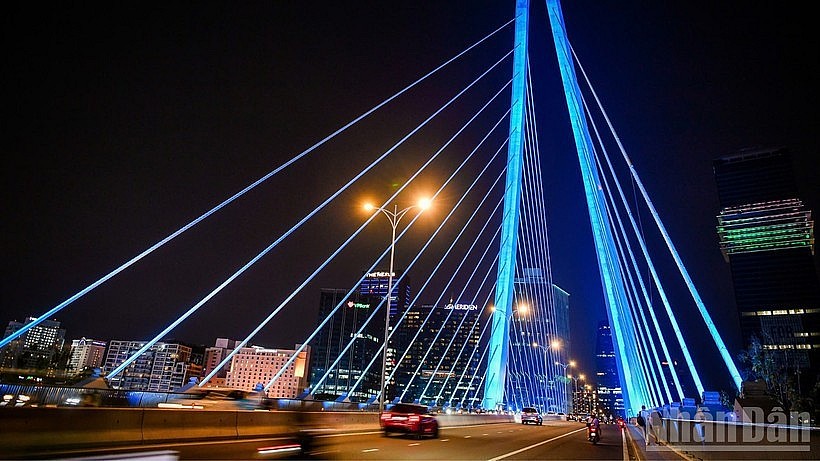 |
| The dynamic, modern vibrancy of Ho Chi Minh City at night. (Photo: nhandan.vn) |
Further north in the highlands, Sa Pa enchants visitors with the sensation of standing amid vast seas of clouds, gazing out over terraced rice fields cascading through the mist. Renowned for its trekking routes, Sa Pa also impresses with its shaded forests, crystal-clear waterfalls, and fresh, invigorating air.
In central Vietnam, Phong Nha – Ke Bang National Park is one destination travelers should not miss when exploring the country.
Home to one of the world’s largest cave systems, along with primeval forests and mysterious underground rivers, its unspoilt environment and unique adventure experiences make it a paradise for nature lovers, adventure seekers, and eco-tourism enthusiasts.
With more than 3,200km of coastline, Vietnam opens up a vast and majestic seascape, where blue waters, white sands, and golden sunshine blend into an enchanting tropical rhythm.
Ha Long Bay, an icon long familiar on the international screen, continues to affirm its status by offering memorable experiences for both domestic and international visitors. Famous for its jade-green waters embracing towering limestone formations, Ha Long Bay is remembered as one of the region’s most spectacular natural landscapes.
Further offshore, Con Dao emerges like a world apart, retaining its original sense of tranquillity and unspoilt beauty. One of its highlights is the national park, with a rich and diverse ecosystem of flora and fauna, making it an ideal haven for those seeking to immerse themselves in nature.
Moving southwards, Phu Quoc offers a fresh rhythm of its own: long stretches of white sand, clear blue waters, and a combination of luxury resorts and modern entertainment complexes create the perfect setting for relaxation, an ideal stop for restorative holidays, temporarily removed from the bustle of city life.
Booking.com highlights Vietnamese travelers’ preferred destinations for Tet 2026
Booking.com, one of the world’s leading digital travel platforms, has reported that Vietnamese travelers are favouring Phu Quoc for pre-Tet getaways and Da Lat during the holiday peak, while increasingly adding international trips to their Lunar New Year (Tet) itineraries.
According to the platform, the nearly nine-day Tet holiday window this year allows families to balance long-standing traditions with travel plans to new destinations.
Phu Quoc tops Booking.com’s rankings for domestic travel before Tet, rising three places year on year. It is followed by Da Nang, Nha Trang, Ho Chi Minh City, Da Lat, Hanoi, Vung Tau, Mui Ne, Hoi An and Hue. Beyond the top 10 most searched destinations, Con Dao, known for its calm seas and clear conditions in January and February, emerged as a pre-holiday favourite, climbing six places to rank 16th.
Thailand remains the preferred regional getaway for Vietnamese travelers, with four cities in the top 10 international destinations, including Bangkok, Phuket, Chiang Mai and Hua Hin. Other destinations include Tokyo of Japan, Kuala Lumpur of Malaysia, Singapore, Hong Kong (China), Seoul of the Republic of Korea and Siem Reap of Cambodia. Notably, New Delhi of India recorded a surge of more than 500% in searches, lifting the city 68 places to rank 12th.
Meanwhile, during the peak Tet holiday, travel activity reaches its most concentrated point. Search interest across Vietnam has risen year on year, with a focus on resort-oriented and cooler-climate destinations that allow families to spend time together.
Da Lat emerged as the most searched domestic destination for Tet, followed by Phu Quoc and Nha Trang. Destinations such as Phan Thiet and Sapa also gained momentum, each posting a five-fold year-on-year increase in searches and securing places in the top 10 most searched list for the Tet period.
Vietnamese travelers are also using the extended break to travel farther afield. Booking.com noted that while regional favourites remain popular, interest is increasingly shifting toward mid-haul and long-haul destinations. Japan stands out as a key international market during Tet, with Tokyo ranking second overall, alongside growing interest in Osaka, Nagoya and Fukuoka, VOV reported.
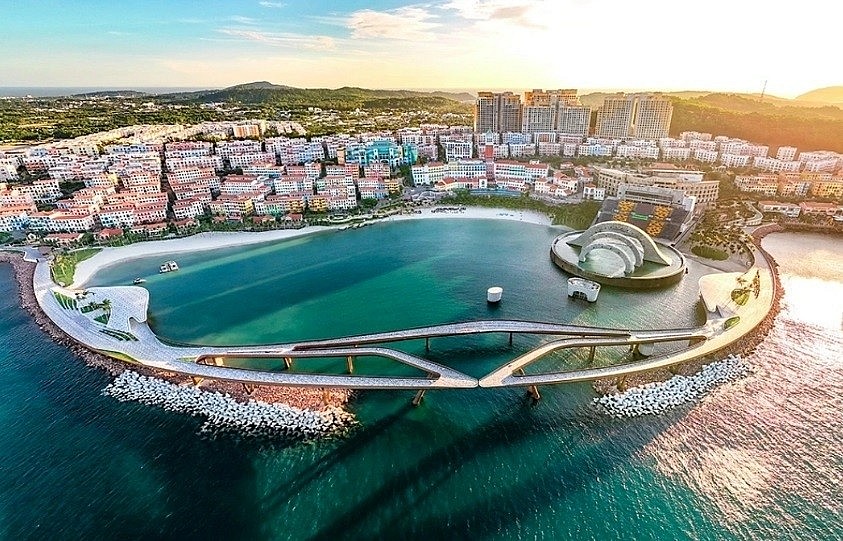 |
| Phu Quoc tops Booking.com’s list of most searched domestic destinations ahead of Tet (Photo: vietnamtourism.gov.vn) |
Domestically, established leisure destinations continue to lead after Tet, with Da Nang, Phu Quoc and Ho Chi Minh City remaining at the forefront. Seasonal and cultural travel also gains traction, as destinations associated with traditional spring festivals attract more attention, including Nha Trang, Da Lat, Hanoi and Vung Tau. Beyond the top 10, Tien Xuan, home to the Tay Phuong Pagoda Festival, climbed 412 places to rank 24th, reflecting sustained interest in traditional spring festivities.
While regional mainstays such as Bangkok, Tokyo, Kuala Lumpur and Singapore remain central to Tet travel plans, Booking.com noted that the search landscape is diversifying, with growing interest in global urban destinations including Osaka, Paris, Chiang Mai and Sydney, as travelers seek more culturally rich experiences.
 | Vietnam News Today (Jan. 21): Vietnam Emerges as Asia’s Growth Star, Eyes 10% GDP in 2026 Vietnam News Today (Jan. 21): Vietnam - An exemplary model of development for Cuba: Cuban journalist; Vietnam-Singapore trade posts continued growth in 2025; Vietnam emerges ... |
 | Vietnam News Today (Jan. 22): AMRO Forecasts Vietnam to Lead Growth in ASEAN+3 in 2026 Vietnam News Today (Jan. 22): China-Vietnam partnership rooted in enduring core values: Chinese scholar; Vietnam’s development model continues to inspire progressive forces: Belgian party official; ... |
Related Stories
 National
Vietnam News Today (July 12): Vietnam Ready to Share Digital Transformation Experience with Timor-Leste
 National
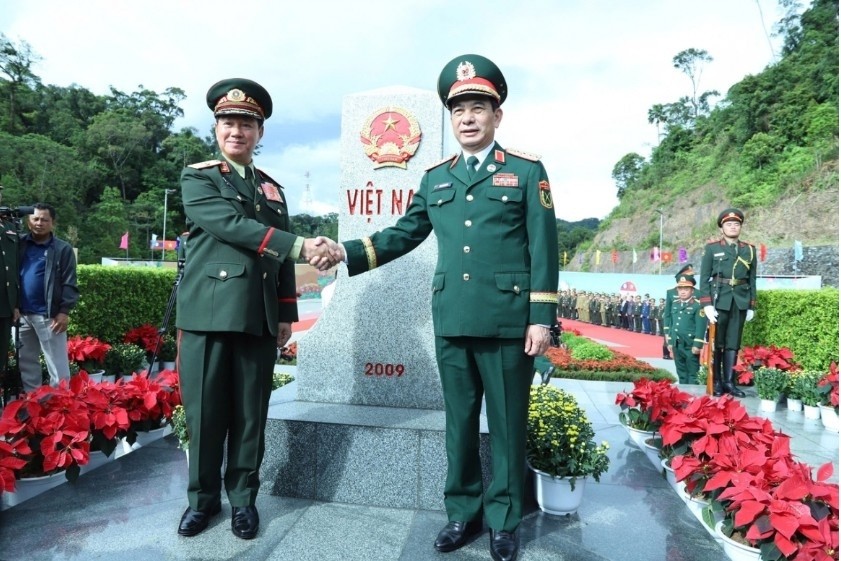
Vietnam News Today (July 10): Third Vietnam-Laos Border Defense Friendship Exchange Gets Underway
Recommended
 National
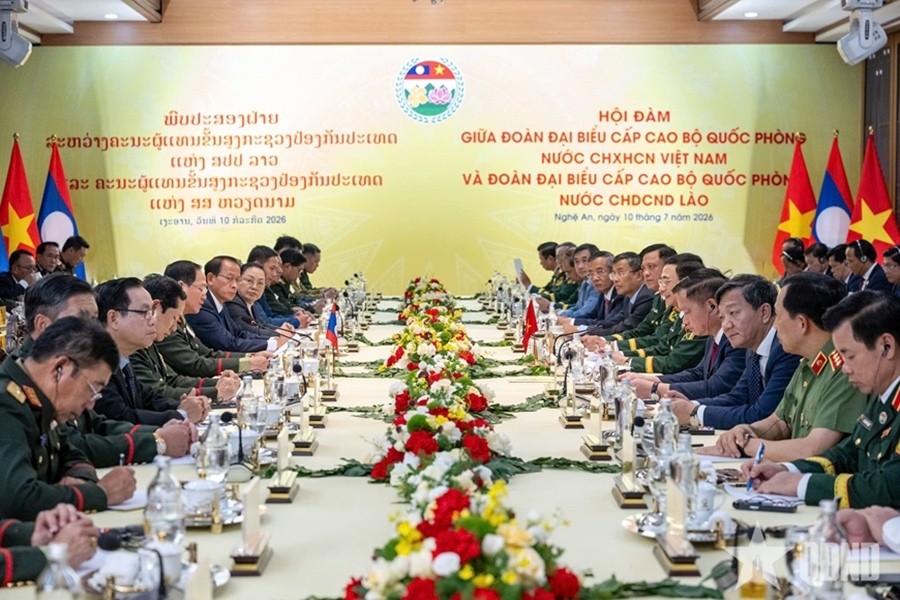
Vietnam News Today (July 11): Vietnam and Laos Agree to Enhance Defense Cooperation
 National
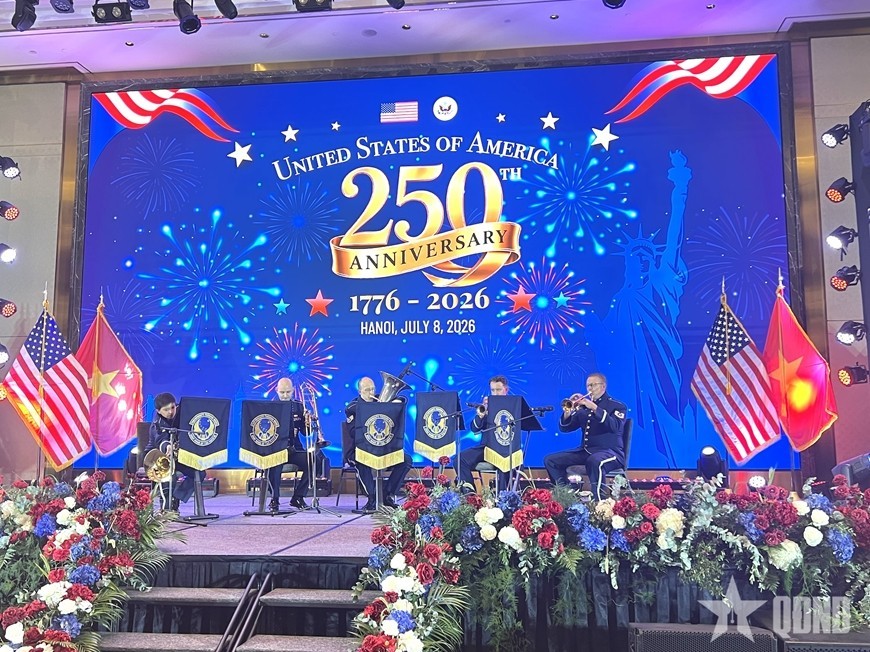
Vietnam Looks Forward to New Breakthroughs in Cooperation with the US
 National
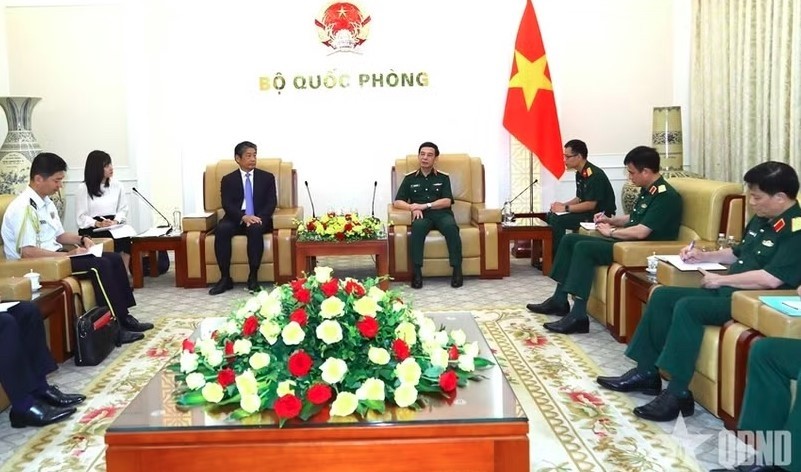
Vietnam News Today (July 9): Vietnam, Japan Seek New Strides in Defense Cooperation
 National
Celebrating French National Day in Ho Chi Minh City
 National
Vietnam News Today (July 14): Vietnam, Indonesia Chart New Strategic Cooperation Agenda
 National
Vietnam News Today (July 13): Vietnam, France Seek to Deepen Comprehensive Strategic Partnership
 National
Party Committee of the Viet Nam Fatherland Front and Central Mass Organizations: Accelerate Organizational Streamlining and Digital Transformation in Second Half of Year
 National