
Vietnamese Language "Flourishes" in the Land of Tulips
 | Initiatives and Proposals to Preserve “Beloved Mother Tongue” for Vietnamese Children in Japan |
| “Lighthouse” Preserving Vietnamese Language in Udon Thani (Thailand) |
Learning through play
Despite long distances and heavy rain, many parents still bring their children to the Tulip Vietnamese Language Center very early. In the chilly, windy weather, the small classroom suddenly becomes unusually warm with children’s laughter and conversations in Vietnamese during a Mid-Autumn Festival-themed lesson.
The class is divided into groups based on age and language ability. The “crawling babies, toddling babies” group is introduced to Vietnamese for the first time in the patient arms of their parents. The “chatty talkers” group eagerly learns through word cards and picture cards and can memorize up to 10 Vietnamese words in just 15 minutes - an encouraging result. In the “can kind of understand Vietnamese” group, seemingly tricky questions about “Moon Lady’s" (Chi Hang) and “Moon Boy's" (Chu Cuoi) the full moon, and more become natural bridges that lead the children into the world of Vietnamese with curiosity and excitement.
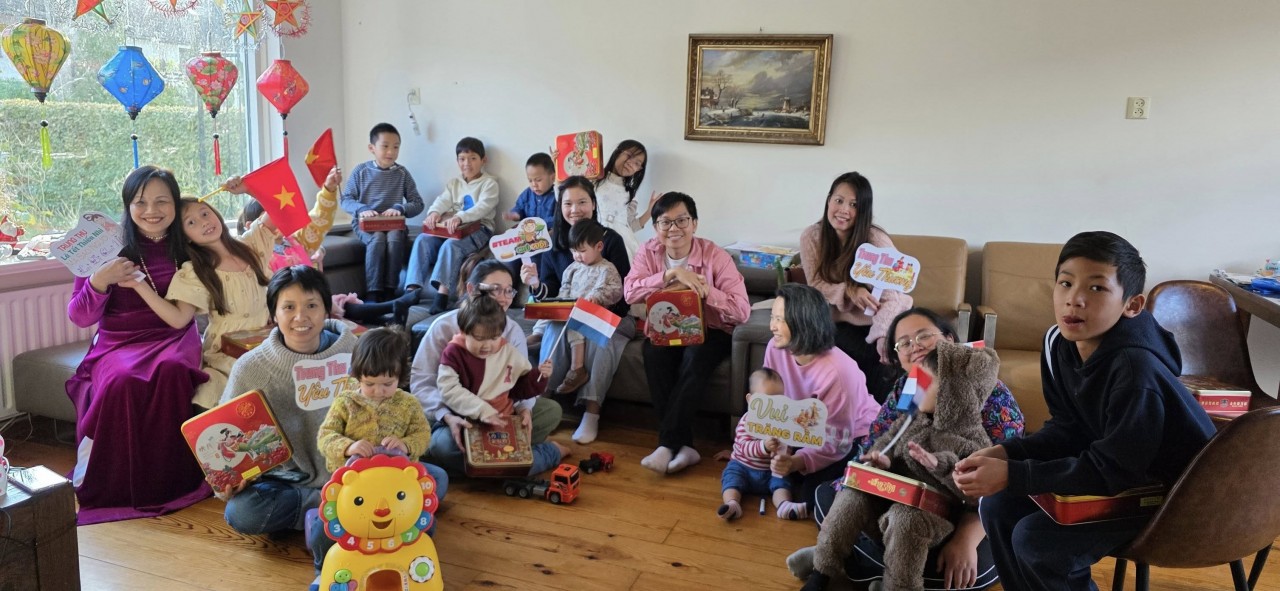 |
| Mid-Autumn Festival–themed class at the Tulip Vietnamese Language Center. |
For students with a stronger foundation, teachers carefully guide and correct each small error in dictation exercises. Through every game, song, group activity, and small gift, Vietnamese becomes a familiar friend, narrowing the generational gap in the warm atmosphere of Mid-Autumn Festival. Even though the rain continues to fall outside, the excited expressions of students and parents as they leave reveal their anticipation for future lessons - where the journey of preserving Vietnamese continues to be nurtured with love.
For Joy, a 7-year-old with a Vietnamese mother and Dutch father, speaking Vietnamese used to be a major challenge. In daily life, she primarily uses Dutch, which is also the language spoken at school and with friends. Because of that, during her first encounters with Vietnamese, Joy was often shy and reluctant to speak, sometimes responding only with a few simple words.
But after three months of online Vietnamese lessons at the Tulip Vietnamese Language Center, Joy has changed noticeably. She has begun to pronounce words more confidently, greet others on her own, form short sentences, and participate in language games with classmates. Beyond skill improvement, Joy also shows excitement when she understands more stories related to Vietnamese culture that she previously only vaguely heard from her family.
Most importantly, Joy is no longer “afraid” of Vietnamese. Each lesson becomes an opportunity for her to explore another part of her roots, helping her communicate more easily with grandparents and relatives whenever she returns to Viet Nam. This small joy has become her motivation to stay connected with Vietnamese and with her class in the land of tulips.
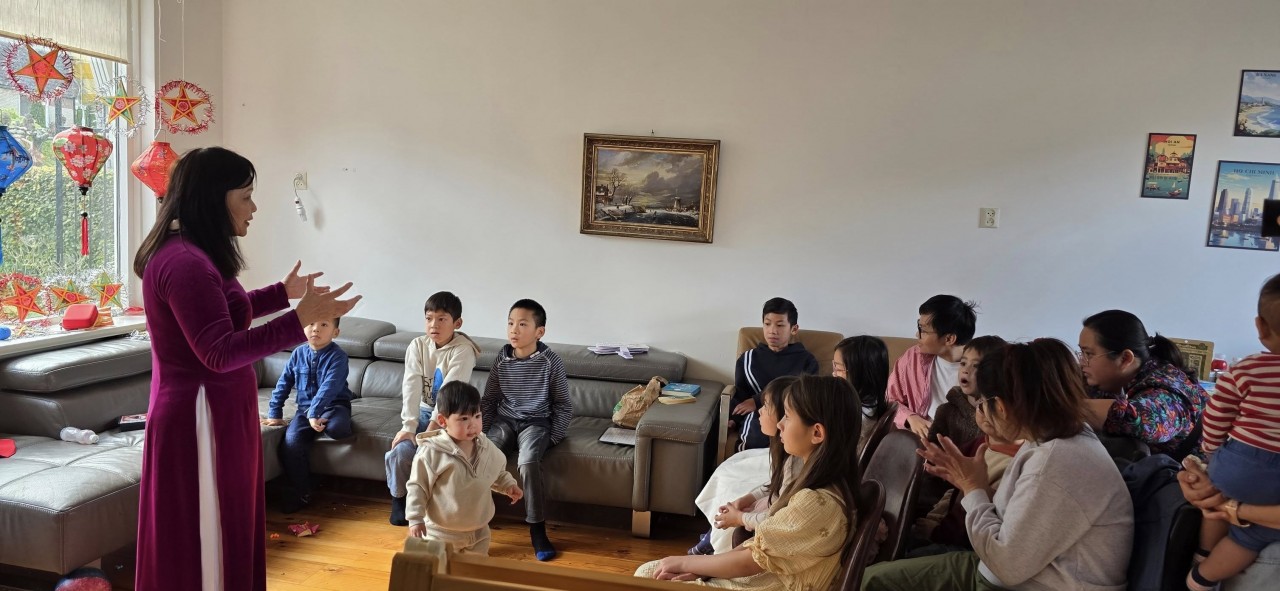 |
| Students listen attentively. |
Emphasizing interaction
Back in 2017, a Vietnamese language class was organized in the Netherlands at the initiative of Ngo Thi Hoa, Vietnam’s ambassador to the Netherlands at the time. During her role in coordinating the class, Nguyen Thi Lan Huong, now Chairwoman of the Viet Nam Women’s Association in the Netherlands, was tasked with maintaining the class’s activities. However, due to challenges in stabilizing teaching staff and the passive nature of organizing classes, Huong decided to establish the Tulip Vietnamese Language Center in October 2024.
The founding of the center marked an important shift: from an informal model to a structured teaching system with a long-term orientation for preserving Vietnamese within the Vietnamese community in the Netherlands. Since then, the number of students and parents participating has steadily grown, most of whom are from the second and third generations – young shoots growing up far from home but seeking to reconnect with their roots through each written and spoken word. In addition, many Dutch learners also attend Vietnamese classes.
As a teacher who previously taught in Vietnam, Lan Huong brings her pedagogical foundation and passion for teaching to inspire Vietnamese learning in children of Vietnamese descent born and raised abroad. In 2025, she returned to Viet Nam to attend a training program for Vietnamese language teachers organized by the State Committee for Overseas Vietnamese Affairs to further improve her professional expertise. At the same time, the Tulip Vietnamese Language Center officially became a member of the Global Network for Vietnamese Language and Culture Education, opening new opportunities for cooperation and development.
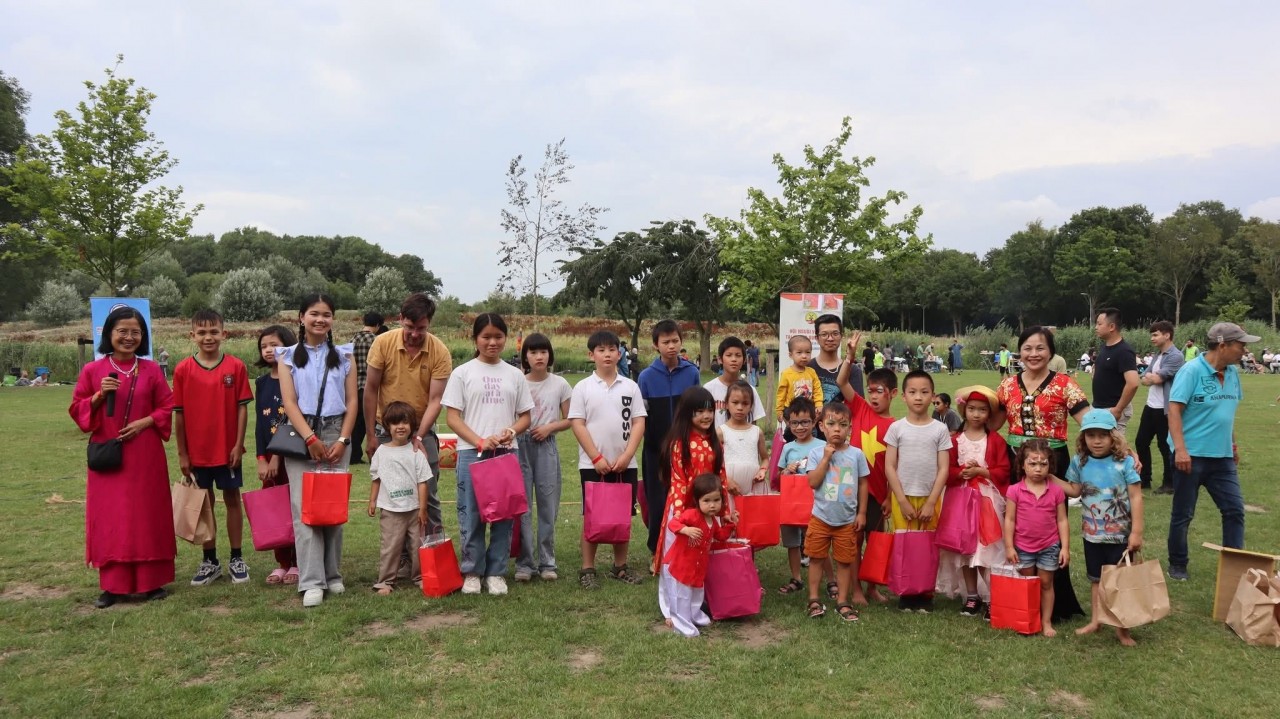 |
| Students of the Tulip Vietnamese Language Center participate in the Dutch community summer camp. |
Sharing about her teaching methods, Lan Huong said: “We build a positive learning environment that encourages students to practice Vietnamese regularly. We also continually strive to innovate and be creative in teaching methods, ensuring each Vietnamese lesson is enjoyable and exciting for the children. Teachers create maximum opportunities for interaction: assigning roles, acting out scenes right on the screen, helping students get into character and learn naturally, not much different from in-person classes. In addition, the center effectively utilizes learning platforms with interactive games. Through these activities, the children learn through play, eagerly engage, and especially enjoy their Vietnamese lessons,” Lan Huong shared.
In every province of the Kingdom of the Netherlands, there are Vietnamese language teachers, most of them volunteers, helping second- and third-generation children connect with and better understand Vietnamese culture. The children learn online, in person, individually, or in groups. On occasions such as March 8, International Children’s Day, Mid-Autumn Festival, Tet, or Vietnamese Language Appreciation Day on September 8, various activities attract the participation of the children, who come to sing Vietnamese songs. Teaching Vietnamese to young overseas generations here brings many advantages but also many challenges. Yet with the determination to spread and promote the cultural values of the nation so that young overseas Vietnamese, even though born and raised in another country, always look toward their roots and love the Vietnamese language, the Vietnamese community here continues to nurture this effort every moment.
 | Learning Vietnamese: First and Most Important Communication Environment Is Family These are the insights shared by Prof. Dr. Nguyen Minh Thuyet, Chief Editor of the 2018 General Education Curriculum, aimed at enhancing the effectiveness of ... |
 | Kaneya Manabu and His Journey to Discover Viet Nam Through the Vietnamese Language Kaneya Manabu, former head of the Saitama Prefectural Police Department in Japan, once gave up a monthly salary of more than 100 million VND and ... |
Related Stories
 Overseas Vietnamese
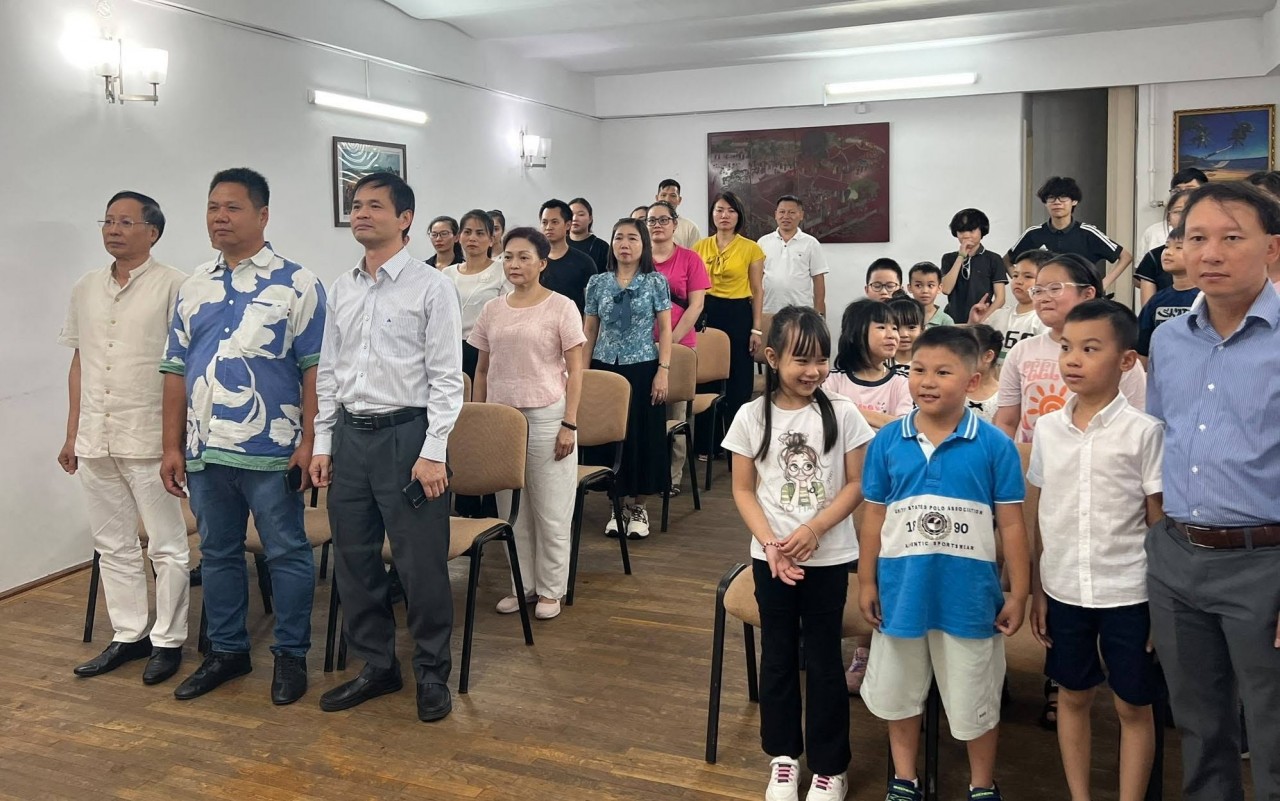
Vietnamese Summer Language Class Opens in Romania
 Overseas Vietnamese
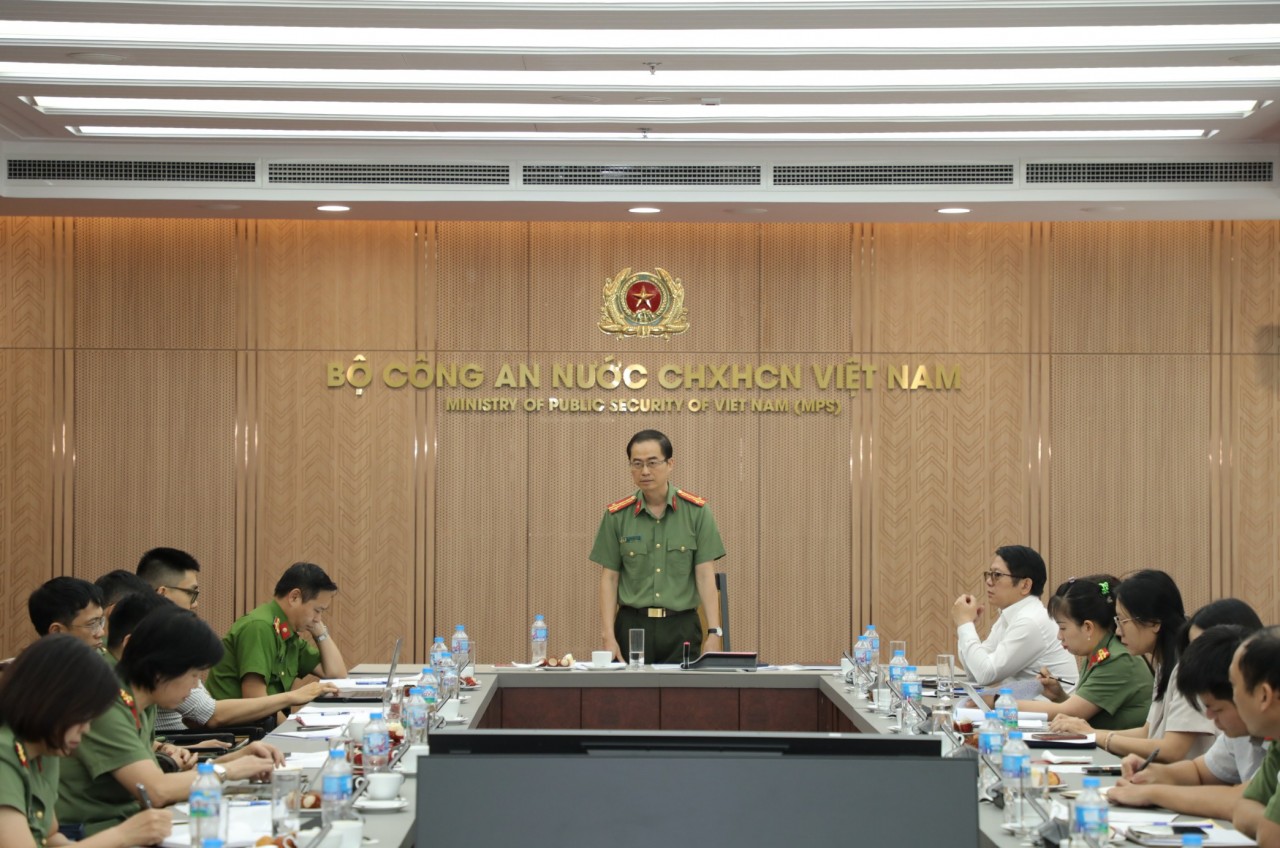
People's Public Security Force - Ensuring the Rights of Vietnamese Citizens Abroad
Recommended
 Overseas Vietnamese
Ho Chi Minh City’s 50th Anniversary Shines in Central Seoul
 Overseas Vietnamese
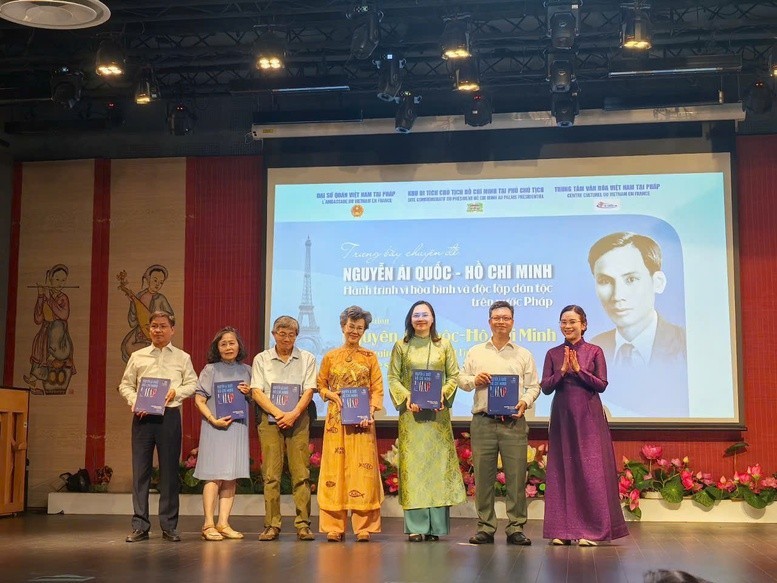
Honoring President Ho Chi Minh’s Legacy in France
 Overseas Vietnamese
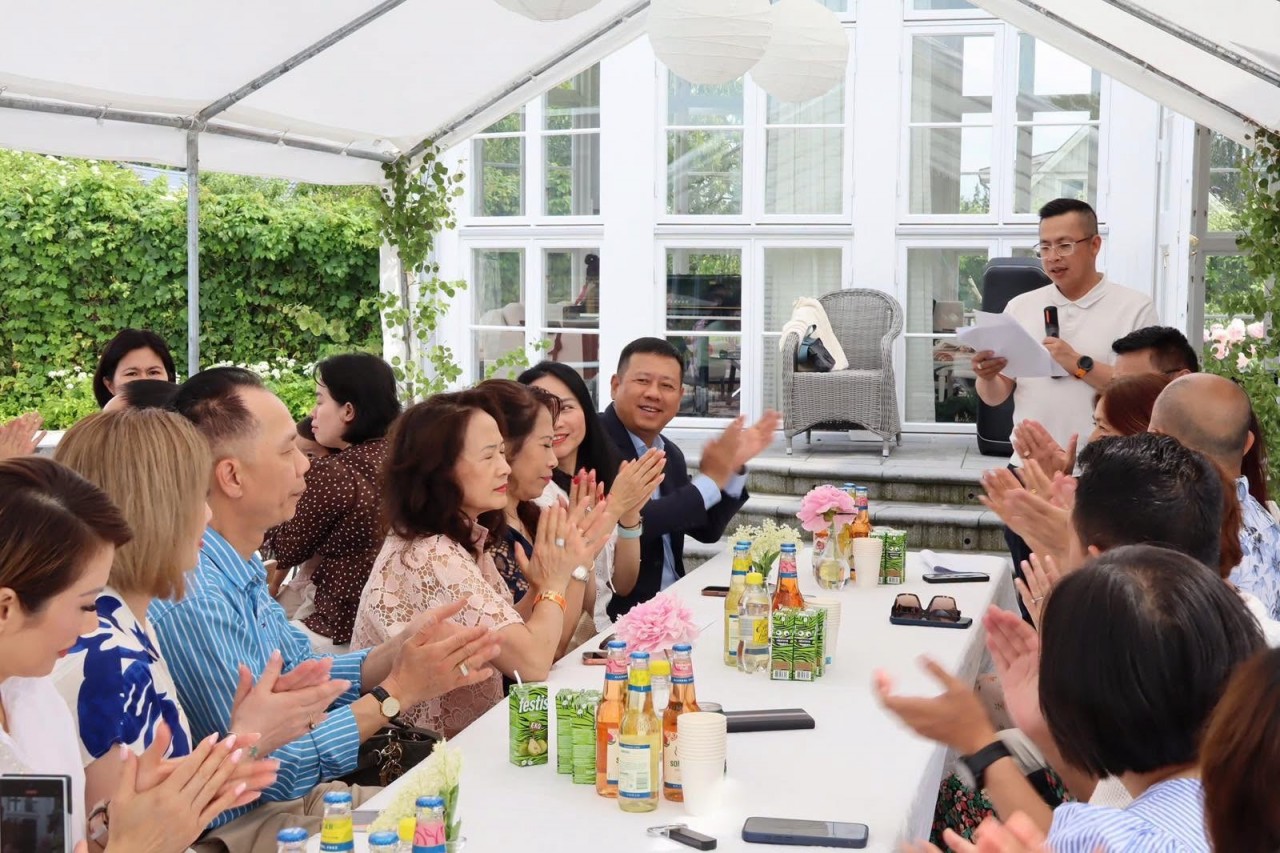
Vietnamese Language Teachers’ Club Established in Sweden
 Overseas Vietnamese
Joining Hands to Preserve the Vietnamese Language and Culture Among Overseas Vietnamese Communities in France
 Overseas Vietnamese
Young Vietnamese in Czech Share Stories of Growing Up Between Two Cultures
 Overseas Vietnamese
2026 Japanese Law Knowledge Contest for Vietnamese People Launches in Tokyo
 Overseas Vietnamese
Vietnam, Austria Strengthen Cooperation In Fire Prevention, Firefighting, Rescue, And Disaster Response
 Overseas Vietnamese