
Win-Win Mechanisms Drive Cooperation Between Foreign NGOs and Businesses
 | New Mindsets and Approaches in Mobilizing Foreign Non-Governmental Aid |
| Opening of 5th International Conference: For Prosperity and Sustainable Development |
The workshop gathered 130 delegates from ministries, sectors, local authorities, foreign non-governmental organizations (NGOs), businesses, and other partners.
More than 80% of NGOs wish to expand operations in Viet Nam
According to a central report presented by Truong Quoc Can, Country Director of Action on Poverty (AOP), which compiled feedback from 82 out of 379 NGOs, the total disbursed aid from foreign NGOs in Viet Nam over the past five years reached approximately 1.14 billion USD. This resource is considered highly valuable as it has been allocated effectively, directly benefiting the most vulnerable communities such as women, the poor, children, and ethnic minorities, with a focus on key areas such as healthcare, education, and capacity development. Local authorities are the main implementing partners and are highly regarded by NGOs for the quality of cooperation.
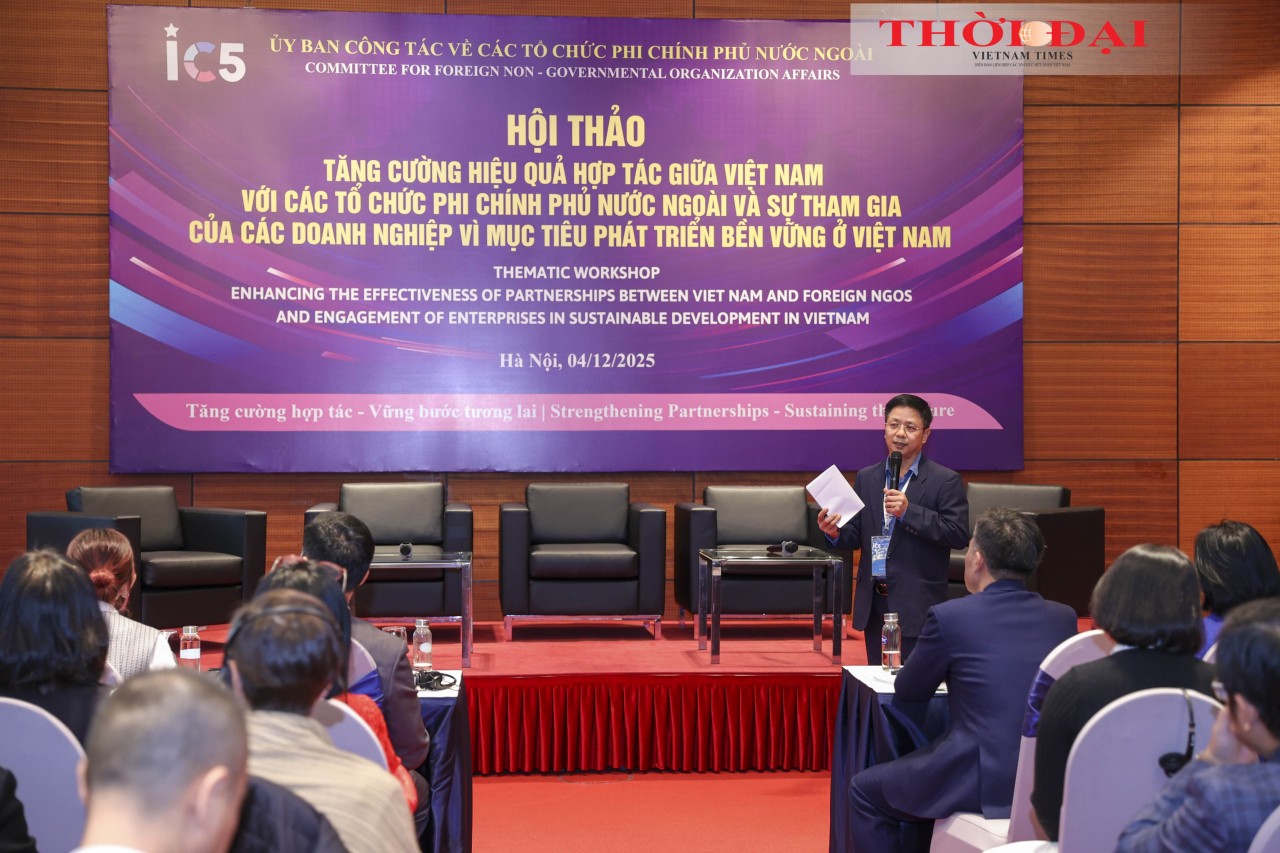 |
| Truong Quoc Can, Country Director of Action on Poverty (AOP), presented the central report at the workshop. (Photo: Dinh Hoa) |
NGOs highlighted both favorable factors and challenges in their operations and partnerships in Viet Nam. They highly appreciated the close coordination with implementing partners - especially local authorities and social organizations—the political commitment of the Government of Viet Nam to sustainable development and international integration, and the stable political environment. Alongside these strengths, NGOs noted that administrative procedures (project approval, organizational registration, project management) remain cumbersome, causing delays in implementation and disbursement, while the sustainability of programs is still limited.
Regarding future directions, more than 80% of surveyed NGOs expressed their desire to maintain or expand their operations in Viet Nam, viewing the Government’s commitments to Net Zero and digital transformation as major opportunities for program design.
At the workshop, participants acknowledged that cooperation with businesses has not been as strong as cooperation with other partners, reflecting a lack of mutual understanding. Nevertheless, NGOs generally expressed positive views about the potential and growing role of businesses in sustainable development.
Representatives from several companies shared specific successes achieved through cooperation with NGOs. Nguyen Thi Huyen, General Director of Vinasamex, stated that thanks to the support of NGOs such as SNV, Oxfam, CSIP, and Helvetas, the company transformed its mindset and successfully built an inclusive value chain model. The company works directly with 4,000 farming households (90% ethnic minority women) to achieve 16 international organic certifications across 6,000 hectares. Guaranteed purchasing has helped increase household incomes from 10 million to 120–150 million VND per hectare per year (after transitioning from Melaleuca to cinnamon). She recommended that the government remove cumbersome administrative procedures, develop national branding, and establish a green finance fund to support sustainable business development.
Le Hoang Anh, Marketing Director of Abbott Viet Nam, affirmed that the company will continue to expand diverse cooperation with NGOs and health agencies, focusing on important health issues such as HIV and hepatitis prevention and strengthening medical expertise at both central and local levels, toward sustainable development goals.
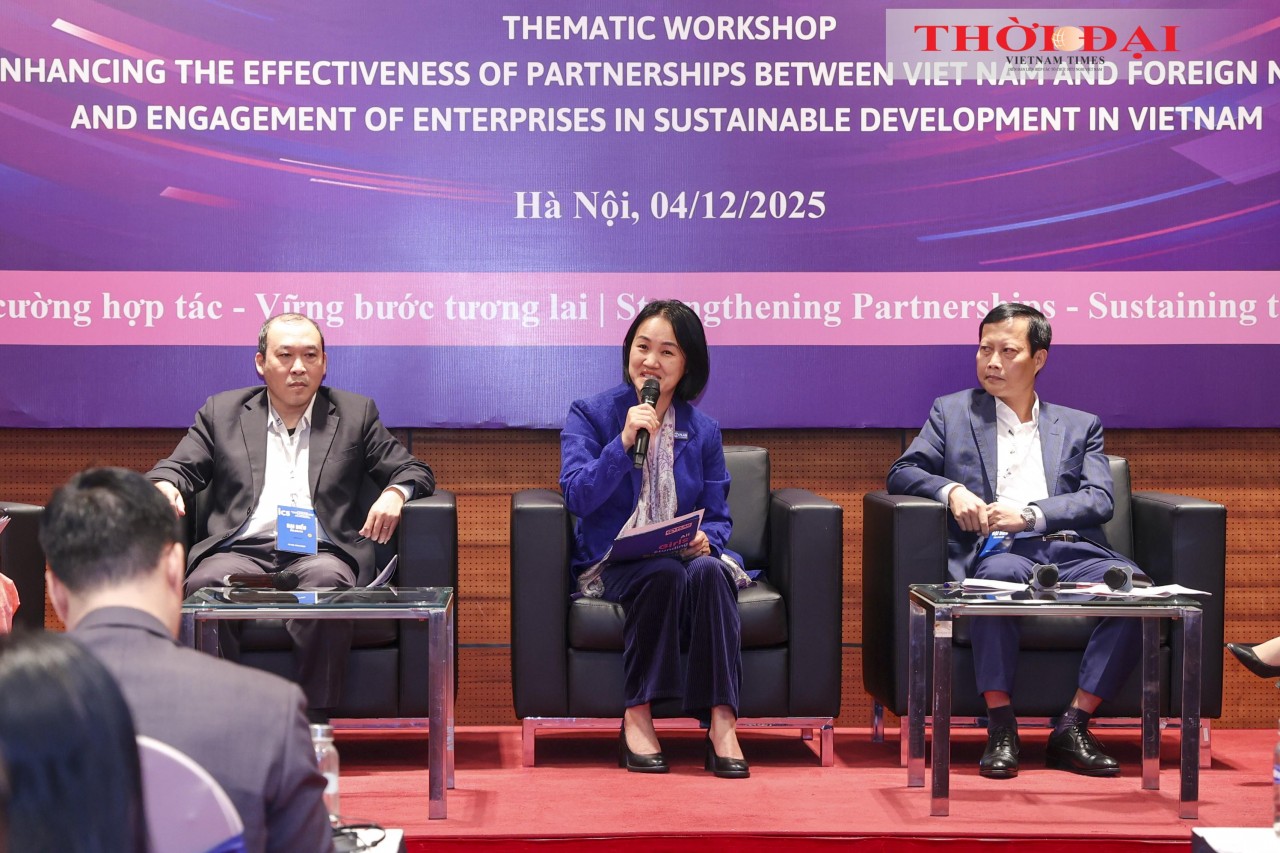 |
| Delegates discussed at the workshop. (Photo: Dinh Hoa) |
Aadit Devanand, Deputy Director of Save the Children Global Ventures, emphasized the strong potential for scaling up cooperation models between businesses and NGOs. He explained that non-profit organizations have deep experience serving the most vulnerable communities - groups that businesses often struggle to reach due to financial constraints or lack of distribution channels. He suggested using impact investment and innovative finance (mechanisms that mobilize capital to generate both profit and social benefits) to overcome these barriers and amplify community impact.
To encourage businesses to participate in impact investment mechanisms, Aadit Devanand highlighted three key questions: Does real demand exist? Have risks been sufficiently mitigated? And is the market large enough to sustain a business model? He noted that pilot models play a crucial role in providing clear answers and demonstrating project feasibility. Importantly, donors should provide seed funding to design pilot models and use flexible aid as a risk-mitigation tool for businesses - for example, through first-loss guarantee instruments.
Thai Huu Lieu, Deputy Director of the Department of External Affairs of Quang Tri, stated that the presence of NGOs has brought both financial resources and knowledge expertise to the province. He highlighted a significant shift in the province’s role: Quang Tri is no longer merely an aid recipient but participates in projects as a co-designer, co-implementer, and co-evaluator, contributing both effort and ideas. This commitment is reflected in dedicated budget allocation and clearly defined responsibilities for resource and funding contributions in the province’s Aid Mobilization Promotion Program. Quang Tri recommended that authorities simplify administrative and legal procedures and strengthen capacity for grassroots-level staff to create better conditions for NGOs.
Reforming procedures to promote win-win cooperation
The workshop put forward several recommendations to optimize cooperation effectiveness between Viet Nam and foreign NGOs and promote business participation in development activities. These include: further simplifying and shortening administrative procedures related to project approval, project reception, and permissions for conferences and events; reducing pre-check mechanisms and strengthening post-check mechanisms; facilitating diverse resource mobilization for development activities; and increasing information-sharing channels and exchange forums to allow NGOs and partners to receive more frequent, timely, and comprehensive updates.
The workshop also recommended developing flexible policies to facilitate business participation and funding for development activities; establishing mechanisms to encourage businesses to engage in social impact and sustainable development activities; promoting collaborative initiatives with businesses through co-designing, co-implementing, and co-evaluating impact; enhancing communication to raise awareness about NGO operations; and strengthening public–private partnerships and social impact investment.
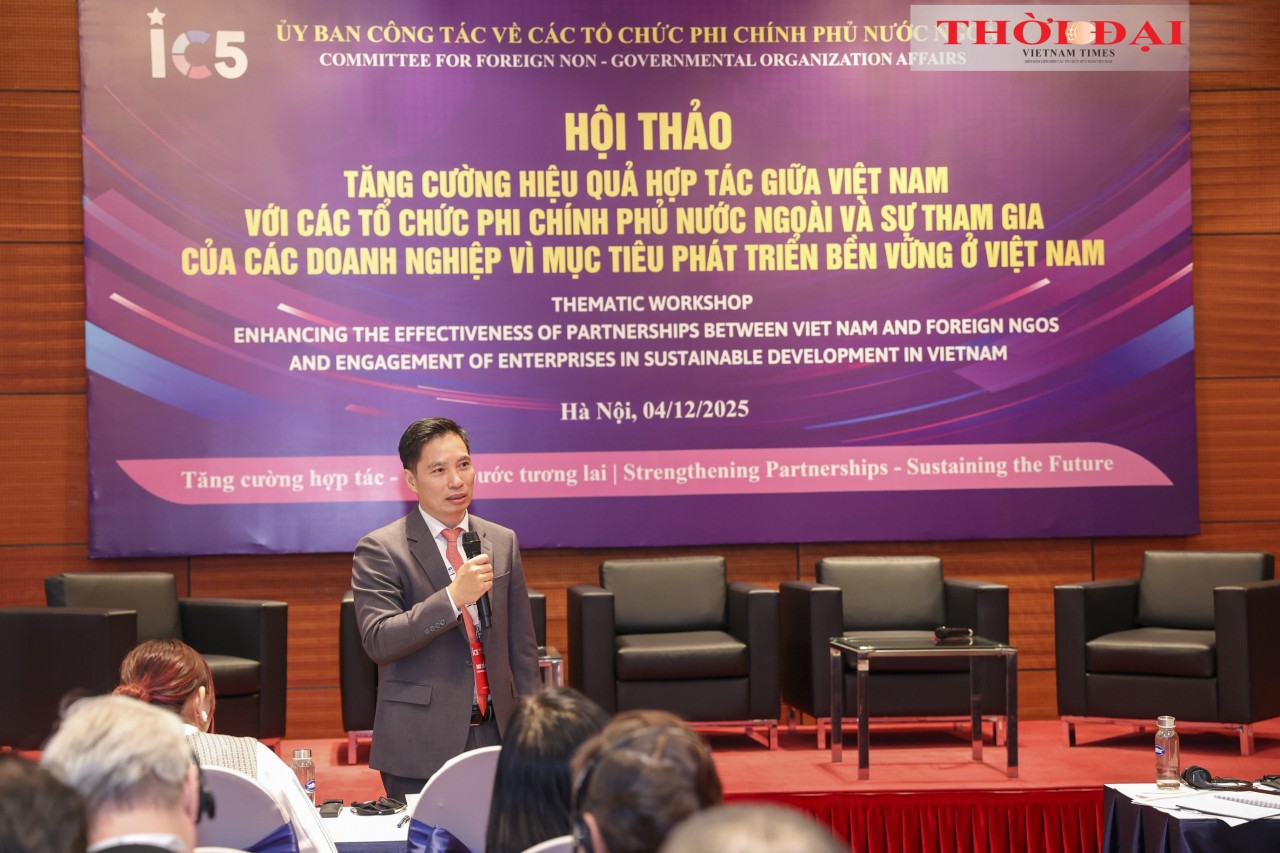 |
| Tran Phu Cuong, Director General of the People’s Aid Coordinating Committee (PACCOM), spoke at the workshop. (Photo: Dinh Hoa) |
Speaking at the workshop, Tran Phu Cuong, Director General of the People’s Aid Coordinating Committee (PACCOM) under the Viet Nam Union of Friendship Organizations, welcomed the insights shared and acknowledged the positive aspects of cooperation with NGOs, especially the proactive, reciprocal policies from local authorities.
He identified three key limitations that need to be addressed: project sustainability, resource mobilization, and administrative obstacles. Regarding resources and project sustainability, PACCOM committed to supporting NGOs in identifying new external funding sources. Cuong encouraged NGOs to join forces and collaborate on larger-scale programs. He also proposed that corporations and businesses - both private and state-owned - work alongside NGOs to pool resources and pursue win-win cooperation models based on shared benefits and complementary strengths.
On administrative procedures, Cuong affirmed that the Government and relevant ministries are aware of existing challenges and are actively amending legal documents. PACCOM will compile the workshop’s recommendations to report to higher authorities for timely action.
 | Thai Businesses Seek Cooperation Opportunities in Vietnam On July 16, the “Thai Connect in Hung Yen 2025” program officially opened, featuring more than 20 booths from Thai businesses. The event attracted a ... |
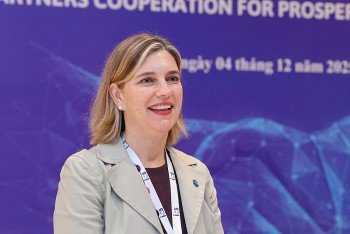 | Focusing on Green Growth, Digital Transformation, and Enhancing Local Capacity Within the framework of the 5th International Conference on Cooperation between Vietnam and Foreign Non-Governmental Organizations (NGOs), partners for prosperity and sustainable development, held on ... |
Related Stories
 Viet's Home
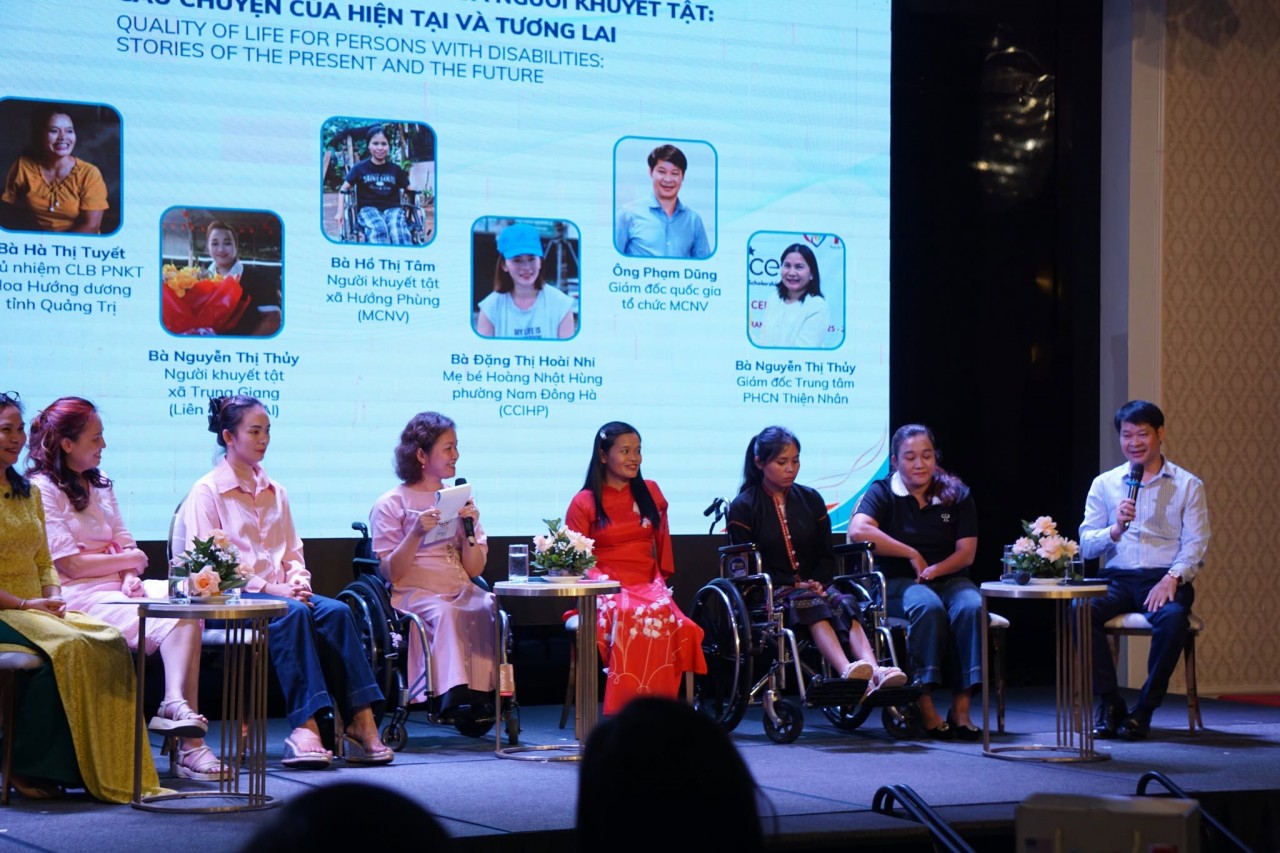
Quang Tri: Inclusion Project 1 Contributes to Improving Life Quality for People with Disabilities
 Viet's Home
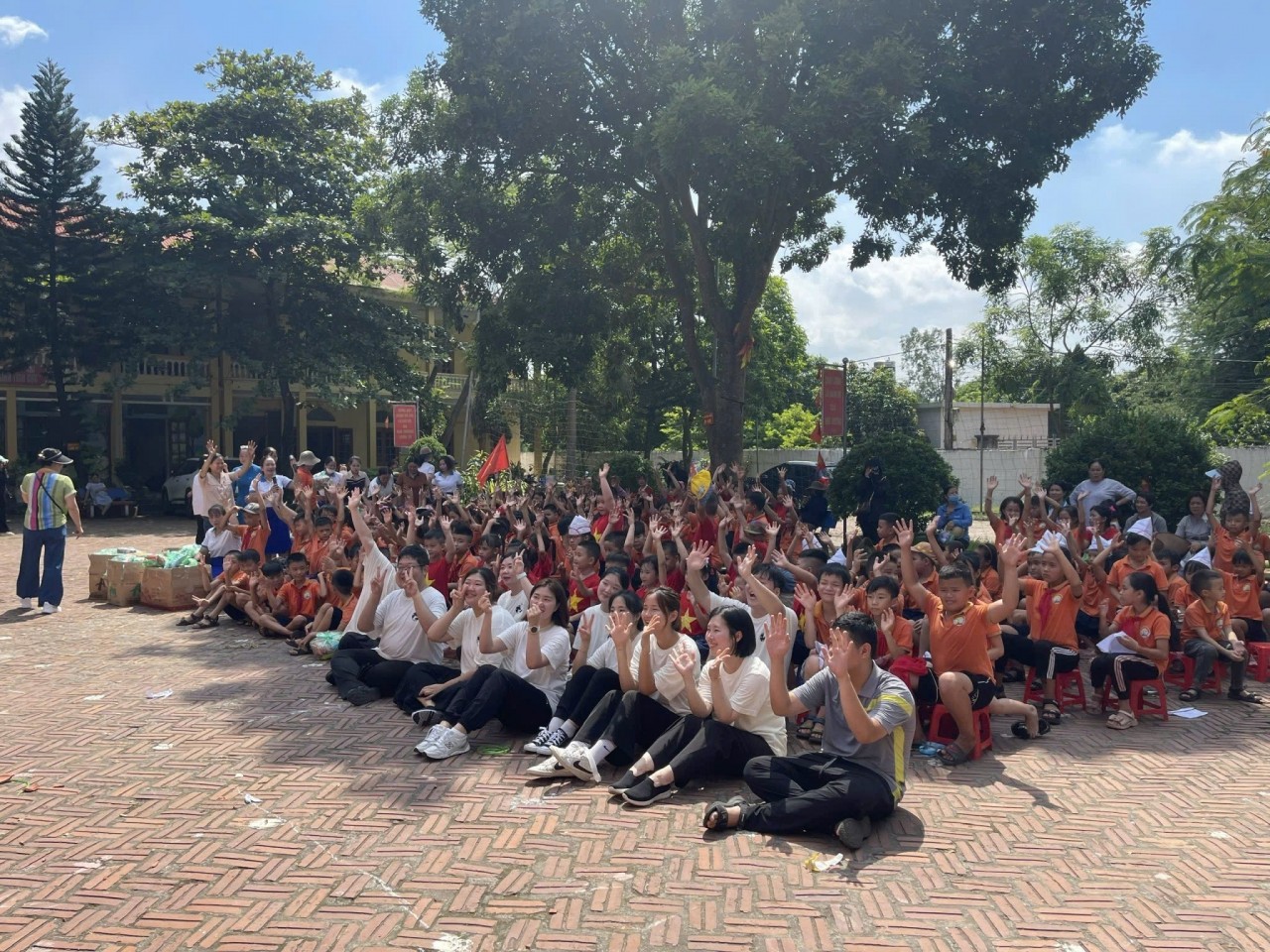
Hai Phong Targets USD 4-5 Million in Foreign Non-governmental Aid Annually
Recommended
 Viet's Home
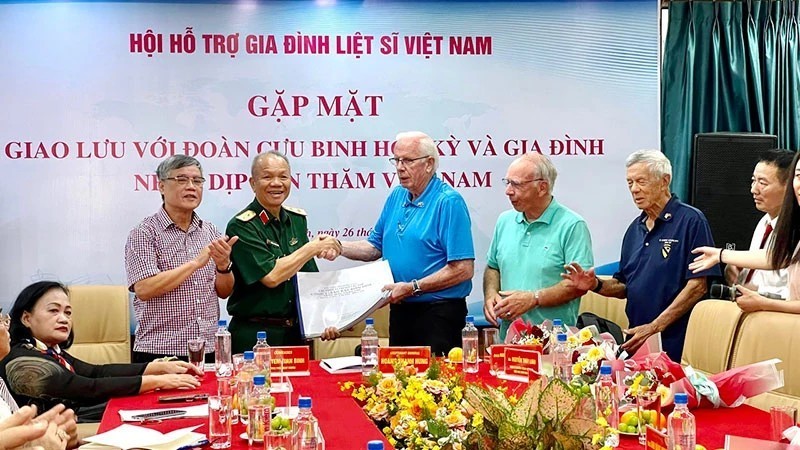
Two US Veterans on Mission to Bring Vietnam’s Fallen Soldiers Home
 Viet's Home
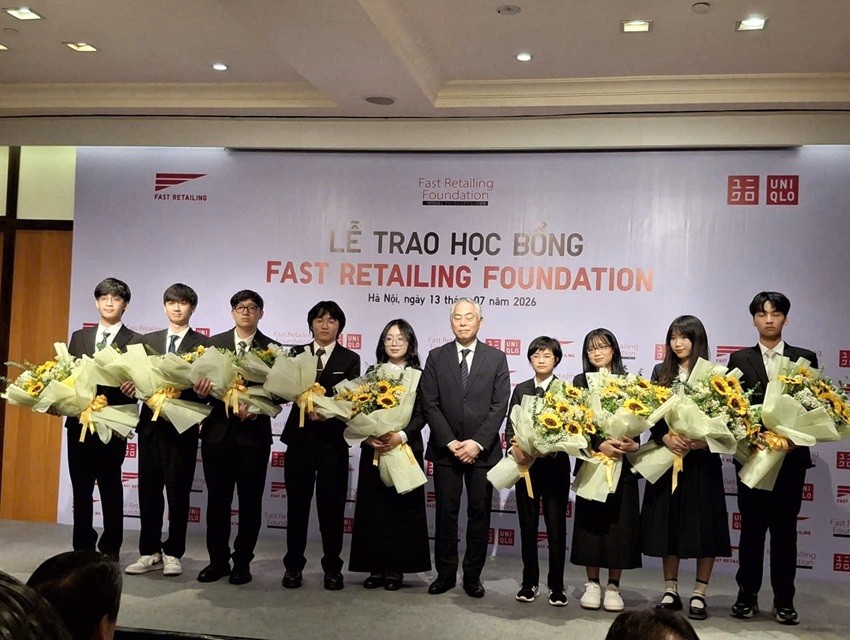
9 Vietnamese Students Receive Full Scholarships from Fast Retailing Foundation in Japan
 Viet's Home
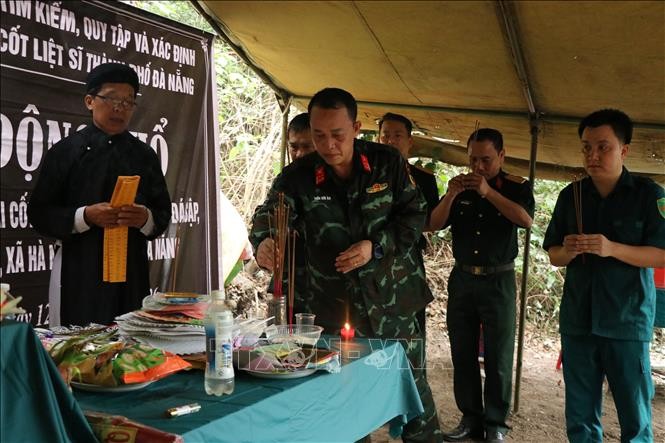
Many Fallen Soldiers' Remains Recovered in Da Nang and Cao Bang
 Viet's Home
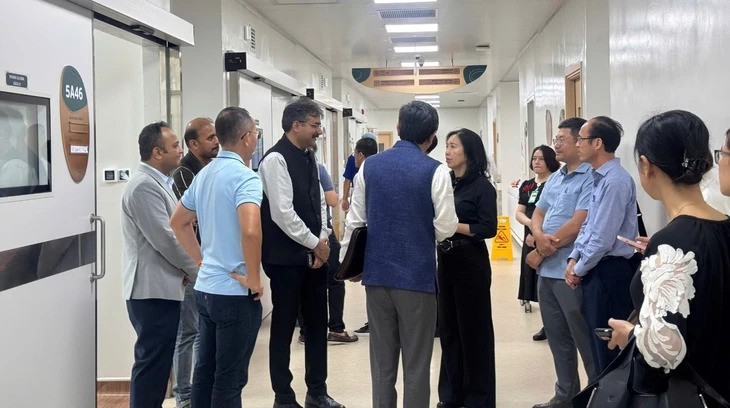
Indian Ambassador Thanks Vietnam for Swift Response to Phu Quoc Speedboat Capsizing
 Viet's Home
Portugal Crowned Champion of 2026 Da Nang International Fireworks Festival
 Viet's Home
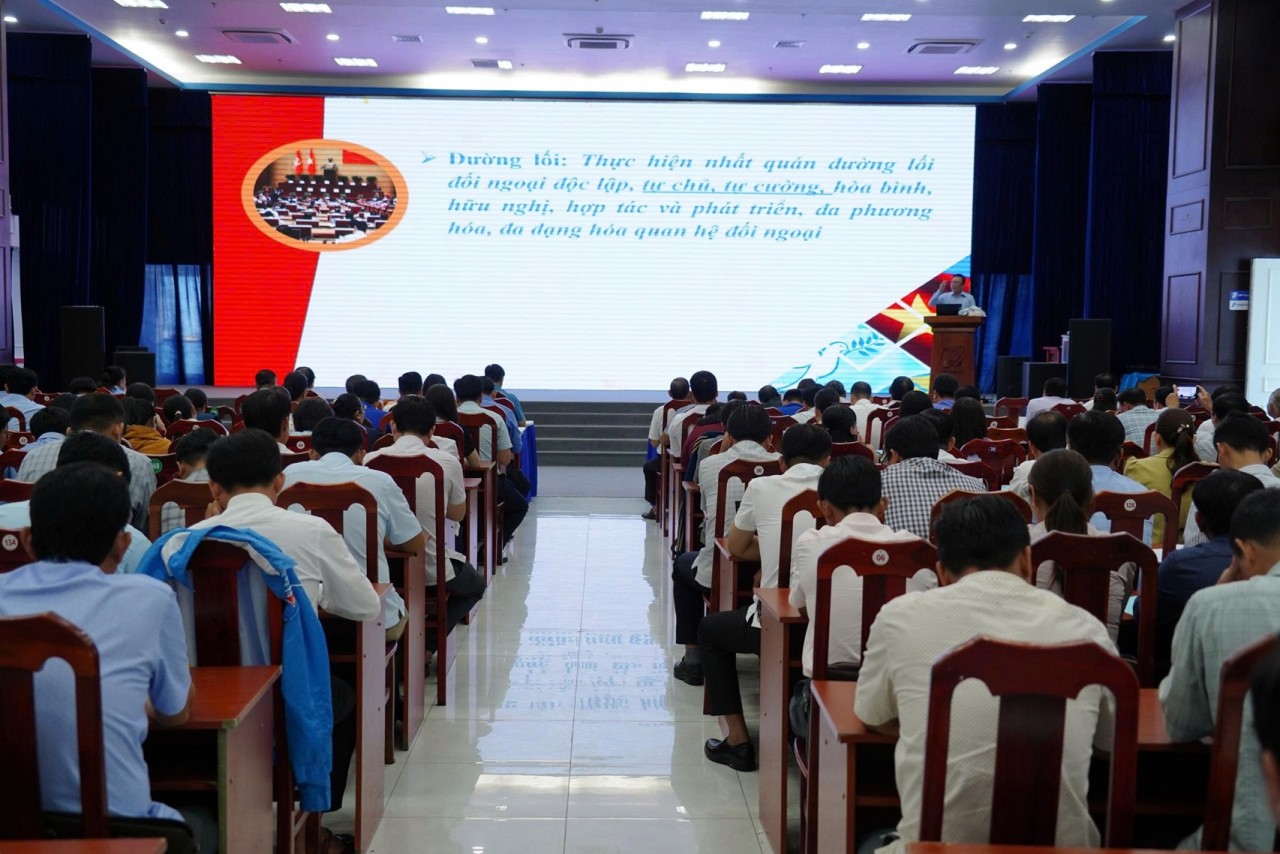
Ca Mau Enhances Capacity of Officials to Effectively Mobilize International Aid
 Viet's Home
Over 50 Calls and Messages Help Search for Fallen Soldiers at Tan Son Nhat Airport
 Viet's Home