
American Friends Help Ease the Pain of Agent Orange
| Strengthening Vietnam-US Cooperation to Ease Pain of Agent Orange Viet Nam-Japan Concert Raises Funds for Agent Orange Victims |
Supporting home repairs, healthcare and livelihood development
In 1999, during a work trip to Hanoi, Susan Hammond met a Vietnamese family she knew who had two children with very different circumstances. The elder daughter was born before her father went to war in southern Viet Nam and later attended Columbia University in the United States. Her younger sibling was born after the war with severe physical and cognitive disabilities and required round-the-clock care.
The encounter left Susan reflecting on the enduring consequences of war that continued to affect Vietnamese families.
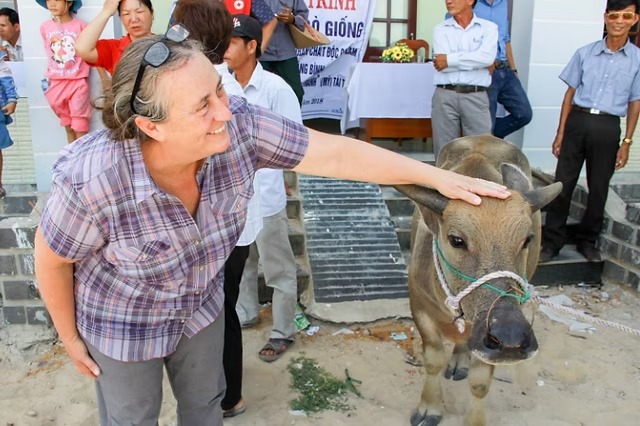 |
| Susan Hammond stands beside a young buffalo provided by the Bob Feldman Fund to a family in the former Quang Nam Province. (Photo: Legacies of War) |
Susan is the daughter of an American veteran who served in the war in Viet Nam. Her father later developed Parkinson's disease. What she witnessed in Viet Nam, together with her own family's experiences, drew her attention to the long-term effects of Agent Orange/dioxin.
Susan first visited Viet Nam in 1991 and returned in 1996 to study Vietnamese before joining the activities of the Fund for Reconciliation and Development. She subsequently worked with colleagues to launch the War Legacies Project, which focuses on addressing the consequences of war for people and the environment. In 2008, the programme became an independent organization.
Through the War Legacies Project, Susan Hammond and her colleagues have implemented various programmes to support people with disabilities in Viet Nam, including the Bob Feldman Fund.
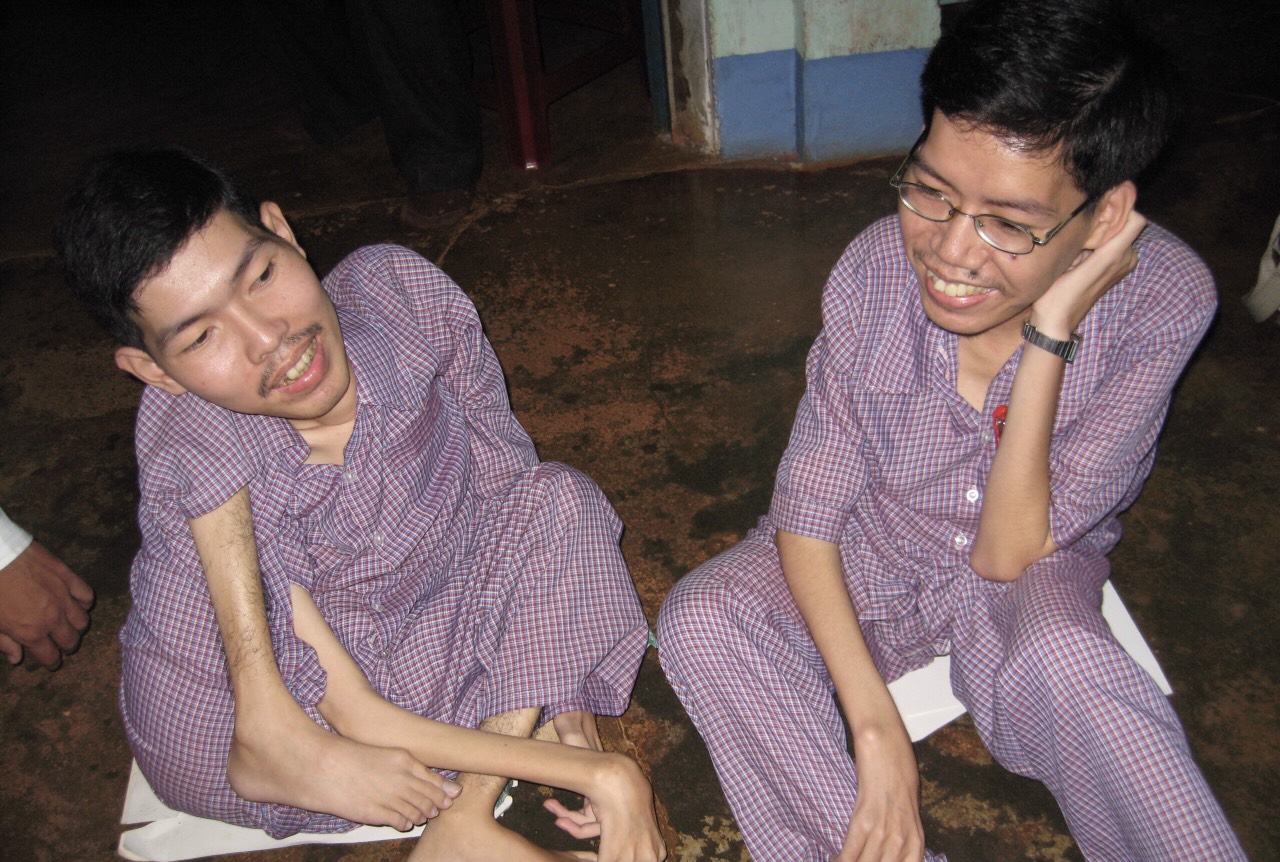 |
| The brothers Tran Hoai Phu and Tran Hoai Phi in Dong Nai, who run a tutoring class at home and previously received an electric wheelchair and a computer from the Bob Feldman Fund. (Photo: Dong Nai Newspaper) |
The brothers Tran Hoai Phu and Tran Hoai Phi in Dong Nai are among those who have received assistance from the Fund. Both have physical disabilities that make mobility and daily activities difficult. Despite these challenges, Phu and Phi continue to run a tutoring class at home for local children.
In 2012, the US newspaper The Minnesota Star Tribune reported that the Bob Feldman Fund had provided the brothers with electric wheelchairs and computers, making it easier for them to get around and carry out their teaching activities. In a thank-you letter quoted by the newspaper, Phu and Phi explained that the wheelchairs enabled them to move around their home independently, go outside to play with their young nieces and nephews, enjoy the breeze and gaze at the moon. These simple pleasures had previously been difficult for the brothers to enjoy.
The Fund was named after Bob Feldman, an American veteran who served at Bien Hoa Air Base in 1970. He died of cancer in 2006, which doctors believed could have been linked to his exposure to Agent Orange during his service in Viet Nam.
After her husband's death, Nancy Feldman established the fund in his name, using benefits related to his illness to help Vietnamese families affected by Agent Orange. She continued contributing her survivor benefits, alongside support from family members, friends and other concerned individuals.
Through the Bob Feldman Fund, many families have received assistance with home repairs, healthcare, education and livelihood development. In a retrospective published on the Legacies of War website in November 2025, Susan shared photographs of buffaloes and cattle provided to households in the former Quang Nam Province. For families who must devote considerable time to caring for severely disabled relatives, livestock can provide an additional source of income that can be managed from home.
According to Susan, as of November 2025, the Fund had supported more than 680 families caring for children with severe disabilities in central Viet Nam.
Among the cases that have stayed with Susan is that of a Vietnamese girl born without arms and with deformed legs. The War Legacies Project has supported her education since kindergarten. By 2025, she was in her final year of high school and had demonstrated a talent for painting.
Many American veterans have also returned to Viet Nam to help address the consequences of war. Charles “Chuck” Searcy is one of them.
In 1966, Chuck joined the US military and was subsequently deployed to Viet Nam. After returning home, he became involved in the anti-war veterans' movement. Since 1995, he has lived in Hanoi, devoting much of his time to humanitarian activities and efforts to address the consequences of war.
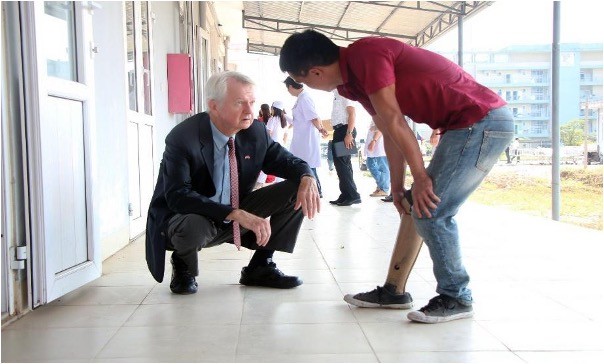 |
| Charles “Chuck” Searcy (left) with a person with a disability at the orthotics and prosthetics workshop of Quang Tri General Hospital, one of the facilities funded by Project RENEW, in 2018. (Photo: Supplied) |
Chuck is a key member of Chapter 160 of Veterans For Peace (VFP). The chapter has supported numerous facilities providing care for Agent Orange victims in Viet Nam.
In Da Nang, Chapter 160 contributed funding to repair the roof of a facility run by the Association of Victims of Agent Orange/Dioxin and supported the establishment of an incense production facility that also provides vocational training.
At the Viet Nam Friendship Village in Hanoi, the chapter contributed to the construction of a playground for children affected by Agent Orange and supported patient care. The organization also awarded vocational and university scholarships to children from two families with Agent Orange victims, enabling them to pursue their education and help support their families in the future.
Chuck has also directly participated in a livestock assistance programme and worked with the Viet Nam Association for Victims of Agent Orange/Dioxin. He has also maintained close ties with Project RENEW in Quang Tri, a programme that addresses the post-war consequences of unexploded ordnance, supports affected people and helps local residents prevent accidents.
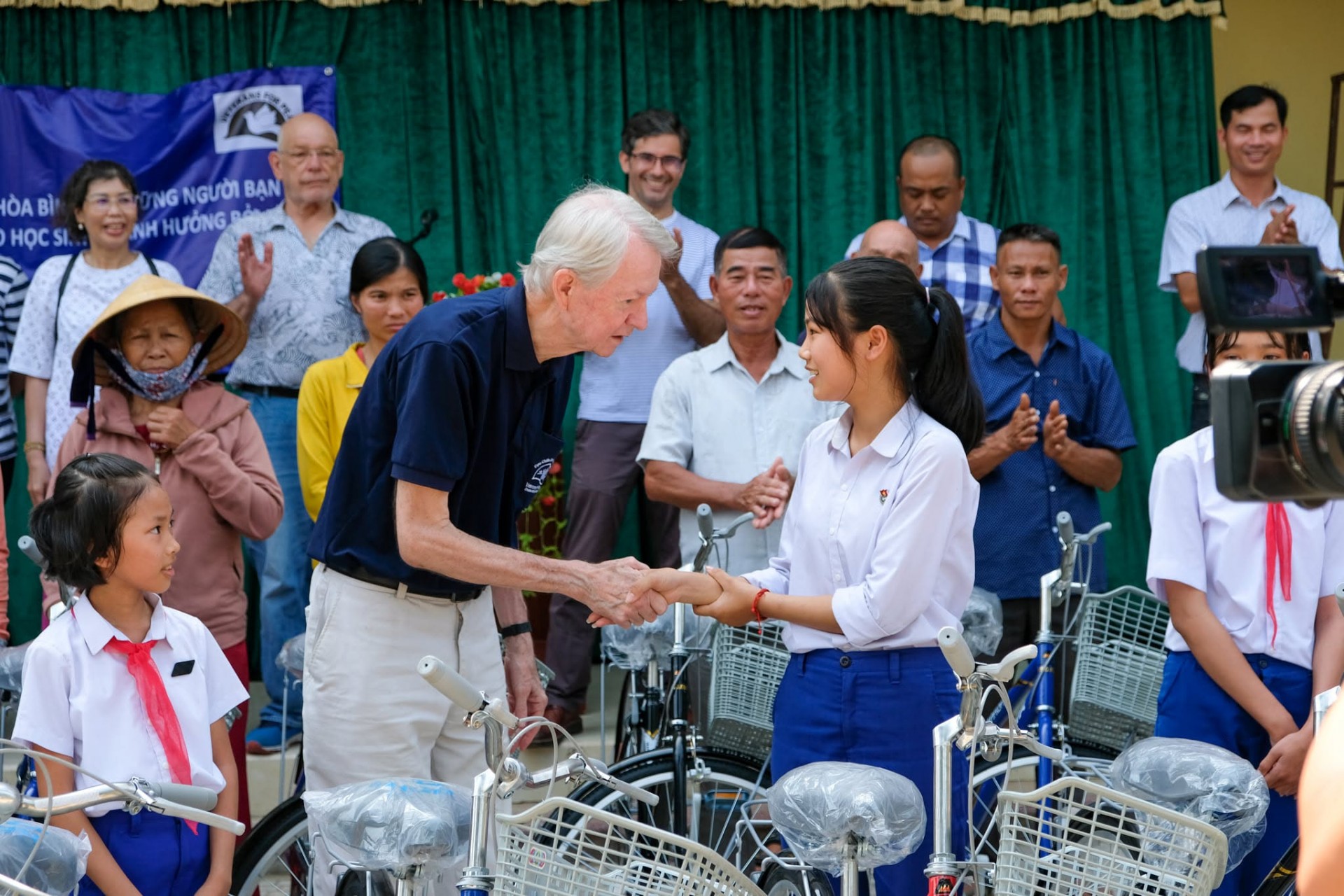 |
| Charles “Chuck” Searcy presents bicycles to disadvantaged students in Quang Tri. (Photo: Supplied) |
Every year, VFP160 donates bicycles to schools in Quang Tri, Hue and Da Nang to support students facing difficult circumstances.
Chuck Searcy co-founded Project RENEW, a mine clearance project in Quang Tri, a region that was once a fierce battlefield and where the legacy of war persists to this day, with explosive remnants still buried underground.
Joining hands to address the consequences of war
Alongside the efforts of individuals and humanitarian organizations, Viet Nam and the United States have implemented numerous cooperation programmes to address the consequences of Agent Orange/dioxin, support people with disabilities and remediate environmental contamination.
Since 2019, the Vietnamese Ministry of National Defence has directed the National Action Centre for Toxic Chemicals and Environmental Treatment (NACCET) to work with the United States Agency for International Development (USAID) to implement initiatives aimed at improving the quality of life of Agent Orange/dioxin victims in heavily sprayed areas. These include Quang Tri, Thua Thien Hue (now Hue City), Quang Nam (now part of Da Nang City), Binh Dinh (now part of Gia Lai Province), Kon Tum (now part of Quang Ngai Province), Binh Phuoc (now part of Dong Nai Province), Tay Ninh and Ca Mau, among others. The programme is funded by US Government non-refundable official development assistance (ODA) of US$65 million, alongside VND75 billion in counterpart funding from Viet Nam.
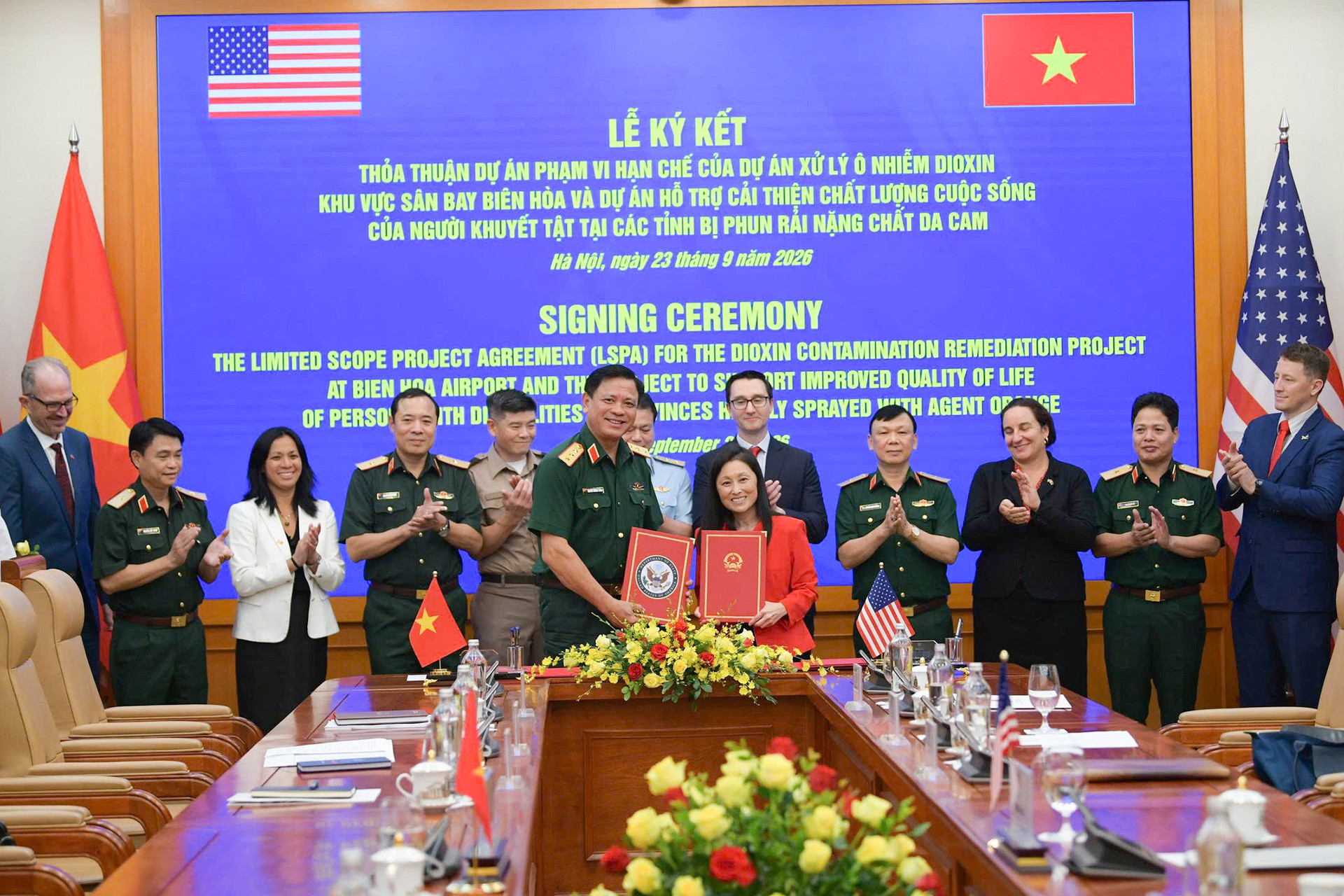 |
| Senior Lieutenant General Nguyen Truong Thang, Deputy Minister of National Defence, and US Ambassador to Viet Nam Jennifer Wicks sign the agreements. (Photo: Ministry of National Defence) |
Following the completion of the dioxin remediation project at Da Nang Airport in 2018, the two sides continued their efforts at Bien Hoa Airport in Dong Nai Province, one of the areas most severely contaminated by dioxin as a result of the war.
On September 23, 2026, the Vietnamese Ministry of National Defence and the US Embassy in Viet Nam signed agreements to continue cooperation on dioxin remediation at Bien Hoa Airport and support efforts to improve the quality of life of people with disabilities.
According to information released at the signing ceremony, approximately 41 hectares of land at Bien Hoa Airport had been certified as remediated in accordance with the project's applicable standards. The United States will provide additional non-refundable assistance to carry out the remaining remediation work.
The two sides also signed an agreement on US$91 million in non-refundable assistance for a project supporting people with disabilities, regardless of the causes of their disabilities. The programme focuses on healthcare, rehabilitation, social support and community inclusion, with additional activities to be implemented in Ca Mau and Quang Ngai.
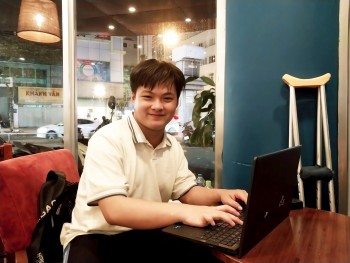 The Joy of Work for Agent Orange Victims Livelihood loans enable people affected by Agent Orange to engage in farming and animal husbandry, while scholarships and suitable working environments help others pursue their chosen professions. With jobs and incomes, they are also better able to manage their lives independently and provide for their families. |
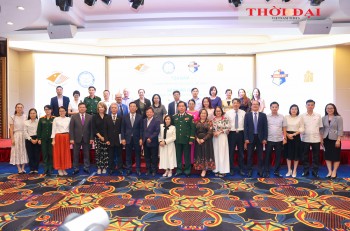 65 Years of the Agent Orange Disaster: Dialogue to Spur Action Nearly two decades after the establishment of the Viet Nam-US Track II Dialogue Group on Agent Orange/dioxin, those who helped advance the initiative continue to seek solutions to support victims. At a seminar entitled “65 years of the Agent Orange disaster in Viet Nam,” held in Hanoi on October 21, participants emphasized the need to sustain long-term cooperation, prioritize families most severely affected by the consequences of Agent Orange, and accelerate dioxin remediation efforts. |


Most read


ZTE Launches M8000 Intelligent Computing Micro-Module Data Center, New-Gen AIDC IT POD Solution for Global Deployment

Mountains and Seas Unite for a New Chapter: "Sojourn in Guizhou" International Promotion Conference Held in Macao

Related Stories
 Friendship
65 Years of the Agent Orange Disaster: Dialogue to Spur Action
 Vietnamese Culture
The Joy of Work for Agent Orange Victims
 World
Viet Nam-Japan Concert Raises Funds for Agent Orange Victims
 Friendship
Party General Secretary and President Meets American Friends
Popular article
 Friendship
Aris Alip: The Filipino Friend Who Helped Build the TYM Fund
 Friendship
Viet Nam Union of Friendship Organizations Wins Seven Awards in Party Ideological Foundation Protection Contest
 Friendship
Spreading Responsibility for Safeguarding Party’s Ideological Foundation from Viet Nam to International Community
 Friendship