
Australia and India expand civil nuclear energy cooperation
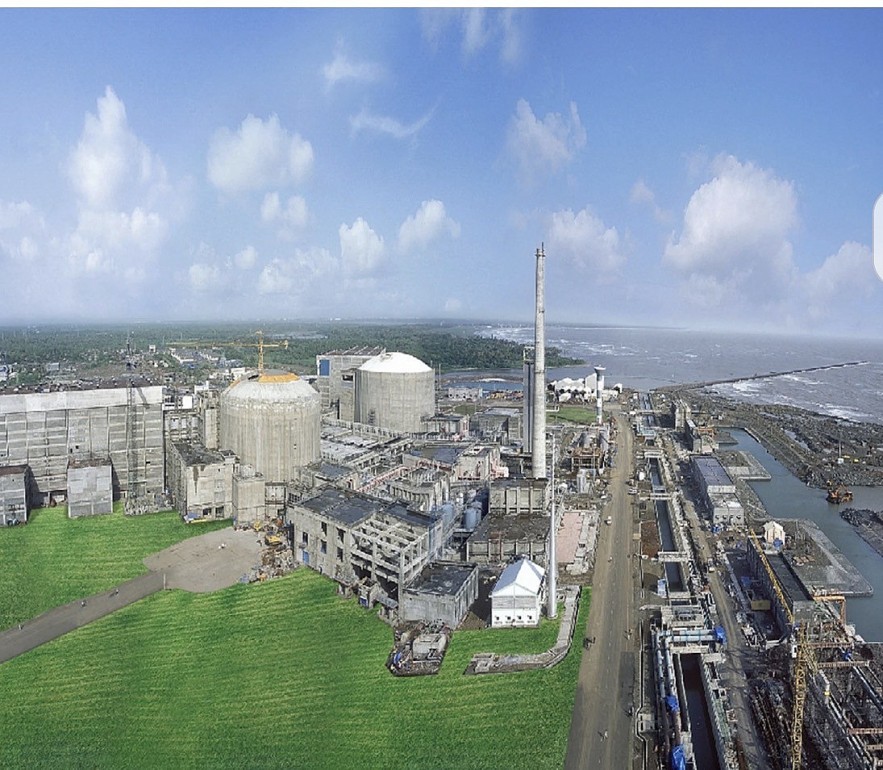 |
| A nuclear reactor complex in Maharashtra, India. Photo: NPCIL/AFP |
India’s nuclear energy ambitions hinge not only on reactors and reforms but also on an unresolved fuel question: where the uranium will come from.
A deal finalised with Australia last week could provide part of the answer, giving New Delhi access to the world’s largest known uranium reserves after years of delay linked to concerns over nuclear safeguards.
Analysts said the agreement would help India shore up fuel security for its planned nuclear expansion, while also signalling deeper strategic trust between two Indo-Pacific partners seeking to reduce energy vulnerabilities and strengthen cooperation in civilian nuclear power.
While few details were immediately available – such as the volumes to be supplied – the pact is expected to play a role in supporting India’s plan to expand nuclear capacity to 100 gigawatts by 2047, up from about 8GW today.
India lacks sufficient domestic uranium to meet its long-term nuclear ambitions, forcing heavy reliance on imports, according to the World Nuclear Association.
The two countries signed a civil nuclear cooperation agreement in 2014. Administrative rules on the uranium deal were reportedly finalised last week during Indian Prime Minister Narendra Modi’s visit, ensuring Australian exports. The two countries signed a civil nuclear cooperation agreement in 2014. Administrative rules on the uranium deal were reportedly finalised last week during Indian Prime Minister Narendra Modi’s visit, ensuring Australian exports will be used exclusively for peaceful purposes under International Atomic Energy Agency (IAEA) monitoring, be used exclusively for peaceful purposes under International Atomic Energy Agency (IAEA) monitoring.
“The Australia-India uranium arrangement is a landmark development for India’s civil nuclear programme. It provides a long-term, reliable source of uranium that will strengthen fuel security for India’s expanding fleet of safeguarded nuclear power reactors,” said R.K. Singh, an international nuclear energy expert and former secretary of the Indian Nuclear Society.
A reliable uranium supply would help India expand nuclear power to meet rapidly growing electricity demand while operating under IAEA safeguards, he said, adding: “It also strengthens Australia’s position as a dependable partner in supporting a secure, rules-based global civil nuclear energy framework.”
India’s Foreign Secretary Vikram Misri told a media briefing last Thursday that private Australian entities and their counterparts in India would handle the actual supply of radioactive material.
India has been pursuing a three-stage nuclear programme aimed at converting its abundant domestic thorium reserves into fissile material, cutting its reliance on natural uranium and reducing long-term import needs.
Last year, the South Asian nation overhauled its civilian nuclear energy framework, allowing domestic and foreign companies to build, own and operate nuclear power plants for the first time – dismantling a decades-old state monopoly.
The reform eased supplier liability concerns and improved the regulatory structure, creating a more favourable environment for foreign technology partners and private companies to drive the sector’s expansion.
“For India’s nuclear industry, assured uranium availability is a critical enabler for sustained reactor operations, investor confidence and the development of a globally competitive nuclear manufacturing and supply chain ecosystem,” Singh said.
Beyond fuel supply, the agreement reflected growing strategic trust between India and Australia and reinforced international confidence in Delhi’s commitment to the peaceful use of nuclear energy, he added.
India is Australia’s fifth-largest trading partner, with two-way trade in goods and services worth A$54.4 billion (US$37.7 billion) in the 2024-25 financial year, according to the Australian government.
India signed a 10-year uranium supply agreement with Canada in March.


Most read


Recommended
 World
World
Four European countries support India’s bid for a permanent UNSC seat
 World
World
SCO meet: India pushes 2026–2030 action plan, seeks deeper economic cooperation
 World
World
UAE–India Defence Industry Forum begins in Abu Dhabi
 World
World
US Officials Praise Viet Nam’s Growth, Bilateral Ties
Popular article
 World
World
India and Russia push to expand ties with more joint production including defense
 World
World
India has become Russia's trade lifeline to a more diversified economic relationship
 World
World
BRICS+ enters a new phase
 World
World