
India has become Russia's trade lifeline to a more diversified economic relationship
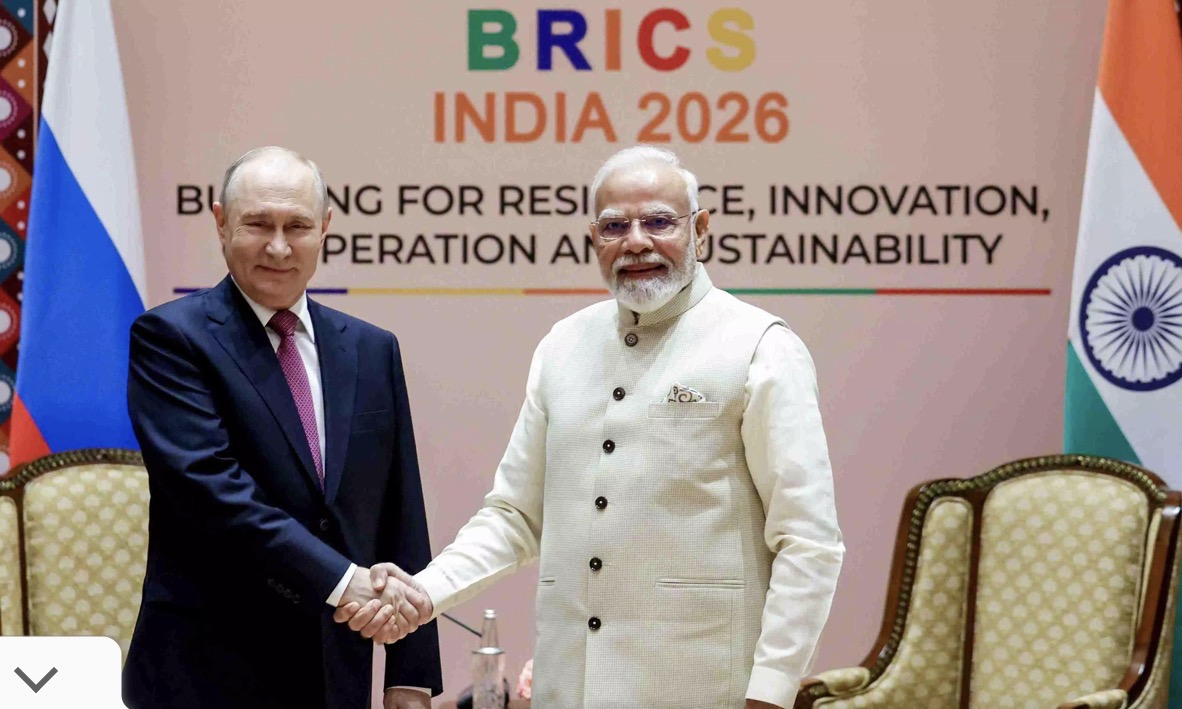 |
As both sides seek deeper cooperation and greater financial independence, the relationship is evolving far beyond its traditional focus on defense, with potentially significant implications for global trade and energy markets.
India has significantly increased its trade with Russia over the past four years, with volumes growing fivefold since 2022. This surge comes as some sanctions have pushed Russia to seek new economic partners, and India has stepped in to fill the gap, especially in the energy sector.
Oil now accounts for over 80% of the trade volume, with India importing millions of barrels of Russian crude daily. Both countries are also working to diversify their trade, settle transactions in national currencies, and reduce reliance on Western financial institutions. Despite the current trade imbalance favoring Russia, India is actively seeking to expand its exports and balance the partnership.
India imported 4.8 billion euros of Russian hydrocarbons during the month, with crude oil accounting for 4.1 billion euros, or 87 per cent of its purchases, CREA said. Indian imports of Russian crude nevertheless fell 24 per cent from July after reaching record levels in the previous two months.
Imports at the Jamnagar refinery fell 15 per cent, while those at Vadinar rose 5 per cent and Paradip increased 1 per cent, according to the report.
India now wants to increase exports of products that can create a stronger connection between Indian businesses and the Russian market. Pharmaceuticals, engineering goods, chemicals, textiles, marine products, food items and automobiles have been identified as important sectors. These industries can help Indian companies, including small and medium-sized businesses, enter Russia in a bigger way.
Pharmaceuticals may become one of the most promising areas. India is already known for producing affordable medicines, while Russia has a large healthcare market. Engineering products, auto components and industrial equipment can also support manufacturing cooperation. Textiles, food products and marine goods may help increase consumer exports. Together, these sectors can reduce the heavy dependence on oil in India-Russia trade.
The two countries are also working to improve investment ties. A new bilateral investment treaty is being negotiated on a fast-track basis. Such a treaty can provide clearer rules and greater legal confidence for companies investing in each other’s markets. It may also help reduce uncertainty related to contracts, dispute settlement and business protection.
India and Russia are currently tracking around 40 live investment projects. These projects cover advanced manufacturing, energy, mining, railways and emerging technologies. The focus is gradually moving from simple buying and selling towards joint production, industrial cooperation and technology partnerships. This change could create jobs, strengthen supply chains and support long-term economic growth.
Payments and logistics will also play an important role. Trade between the two countries has faced difficulties because of sanctions, banking restrictions and payment-related challenges. Better use of local currencies and smoother settlement systems could make transactions easier. Improved transport links, shipping routes and regional trade arrangements may also reduce delivery delays and business costs.
The $100 billion target therefore represents more than a trade number. It is an attempt to build a broader India-Russia economic partnership based on manufacturing, investment, technology, logistics and industrial production. Success will depend on whether both countries can increase non-energy trade and ensure stronger participation from private companies.
The message is clear that India and Russia want to move from energy-led trade to a more diversified economic relationship. The target is ambitious, but growth in pharmaceuticals, engineering, chemicals, textiles, food, automobiles and technology could provide the foundation. The next four years will show whether the proposed partnership can turn a political commitment into real business activity.
Most read


Recommended
 World
World
Arctic Warming Accelerates, Sea Ice Shrinks by Nearly 500,000 sq km Every Decade
 World
World
Viet Nam Hosts Dialogue on Promoting Older Persons’ Right to Health
 World
World
EU Updates Rules on Environmental Claims
 World
World
Four European countries support India’s bid for a permanent UNSC seat
Popular article
 World
World
SCO meet: India pushes 2026–2030 action plan, seeks deeper economic cooperation
 World
World
UAE–India Defence Industry Forum begins in Abu Dhabi
 World
World
US Officials Praise Viet Nam’s Growth, Bilateral Ties
 World
World