
KOBAYASHI Yosuke, Chief Representative of JICA Viet Nam Office:
Some Volunteers Cannot Hold Back Their Tears When Saying Goodbye to Viet Nam
| 300 Volunteers Join “World Cleanup Day 2025” Event Vietnamese and Republic of Korean Students Join Hands for Children in Hai Phong |
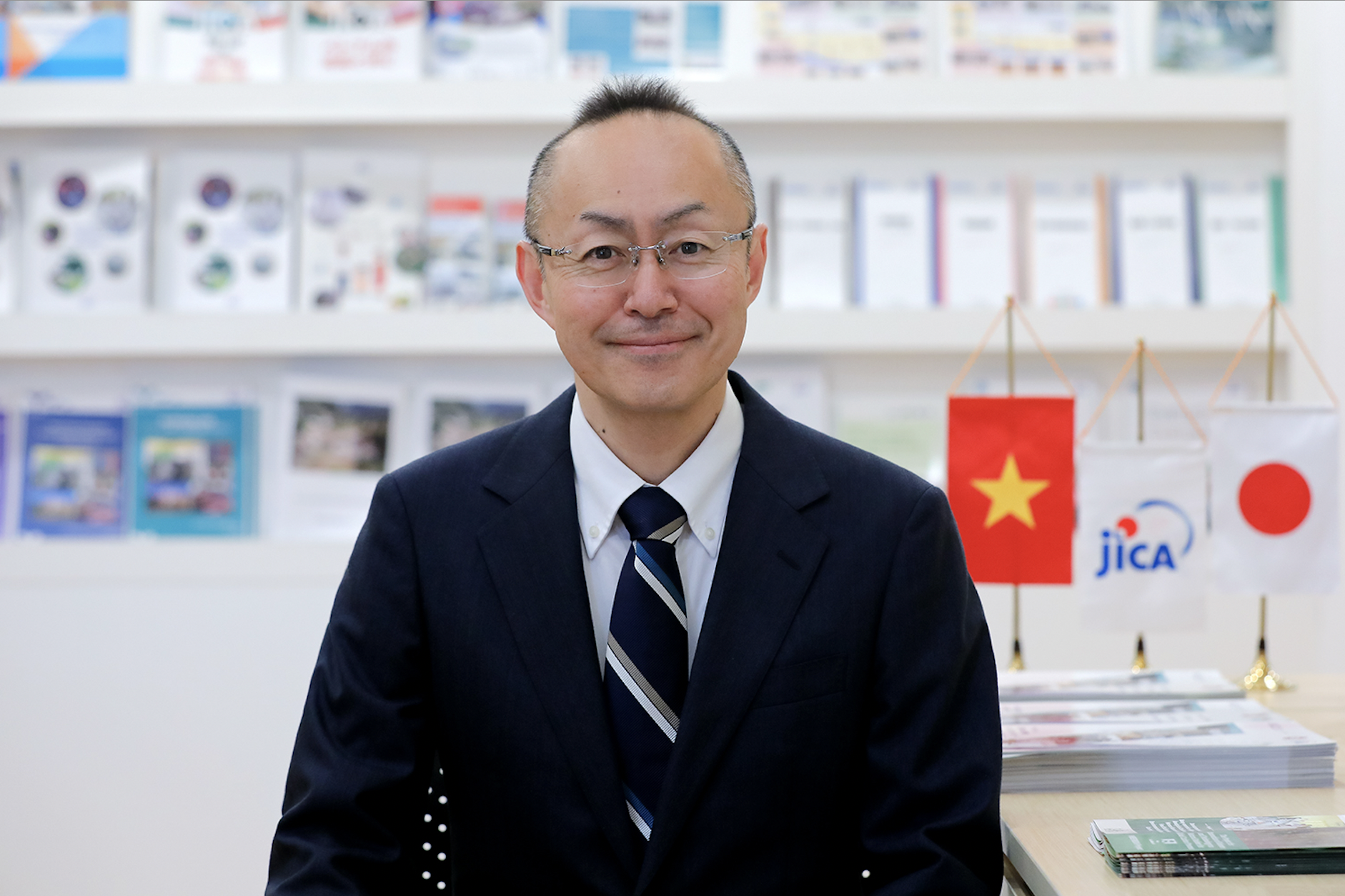 |
| KOBAYASHI Yosuke, Chief Representative of the JICA Viet Nam Office. (Photo: Courtesy) |
My first tenure in Viet Nam lasted from November 2005 to October 2009, when I served as a representative of the JICA Viet Nam Office, overseeing projects in the fields of healthcare and law and justice.
I still remember clearly how we worked closely with hospitals such as Bach Mai Hospital, Hue Central Hospital and Cho Ray Hospital to strengthen the capacity of provincial-level hospitals in northern, central and southern Viet Nam; cooperated with the National Institute of Hygiene and Epidemiology to establish Biosafety Level 3 laboratories; and worked with POLYVAC, a vaccine manufacturing plant, to make domestic measles vaccine production a reality. When I first came to Viet Nam, Terminal 2 of Noi Bai International Airport and Nhat Tan Bridge had yet to be built. Both projects were completed in cooperation with us in the mid-2010s.
After my first assignment, I took on various positions in Tokyo and Washington, D.C., the United States, including roles that gave me opportunities to continue working with Vietnamese partners. For example, I worked with the Ministry of Construction on the development of the Lach Huyen port project in Hai Phong, with the Ministry of Justice to strengthen legal and judicial cooperation, and with the Viet Nam Union of Friendship Organizations (VUFO) to promote the activities of Japanese non-governmental organizations in Viet Nam.
Nearly 20 years after beginning my first assignment, I returned to Viet Nam in April 2025, this time as Chief Representative of the JICA Viet Nam Office. What truly amazed me upon my return was the pace of change in Viet Nam today. One of the most symbolic changes has been the implementation of a three-tier local government model, under which the district level was abolished and the number of provinces and cities was reduced from 63 to 34. Legal reforms are also being carried out at an unprecedented pace. At the same time, momentum for infrastructure development is being strongly promoted in both urban and local areas.
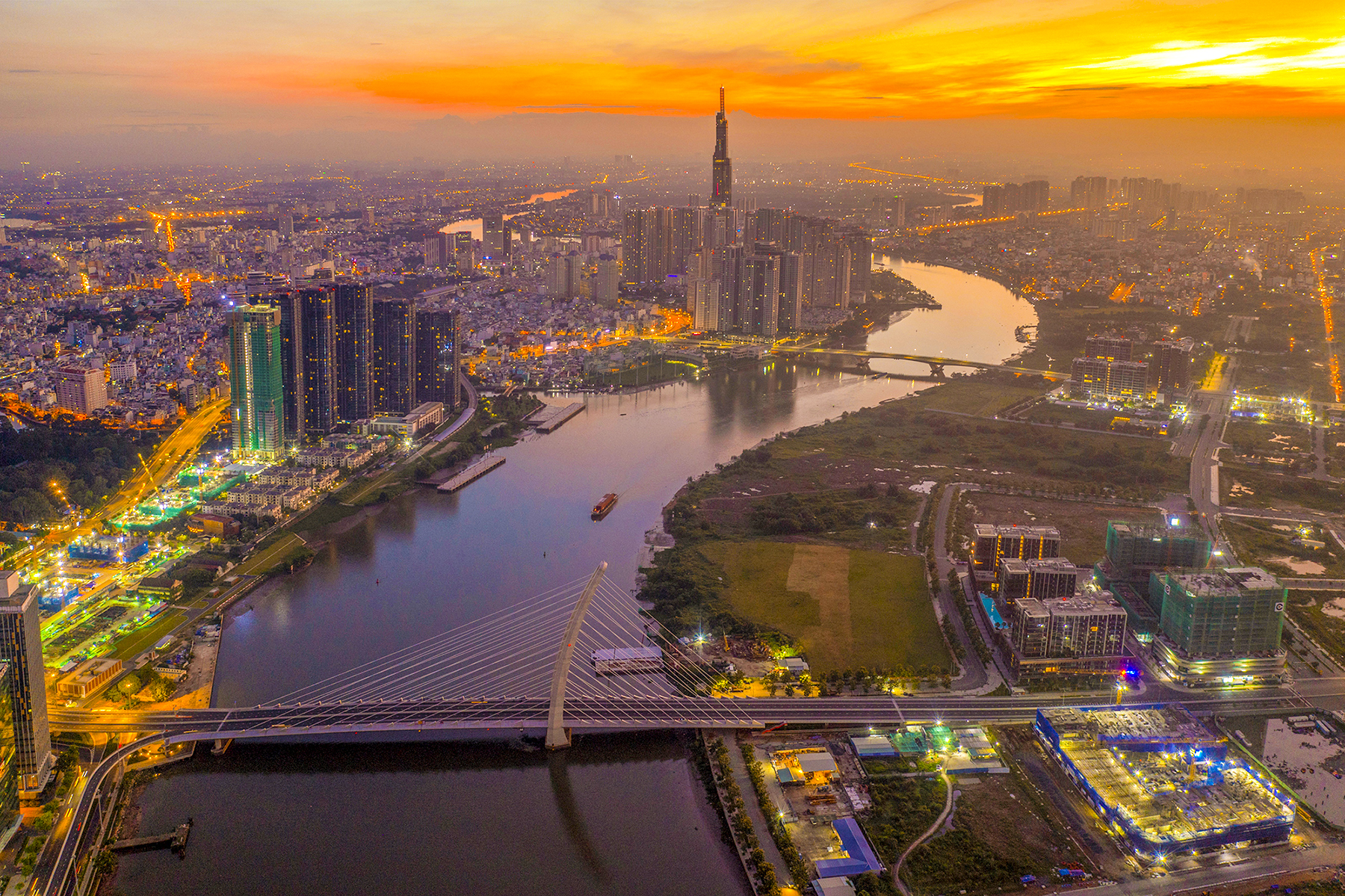 |
| Ho Chi Minh City seen from above. (Illustrative photo: VNA) |
This pace of change is completely different from what I witnessed 20 years ago. I still remember a construction project near our office that progressed so slowly that no one knew whether the project was still going ahead. With the wide-ranging reforms now underway, I believe such waste will gradually become a thing of the past, and that both public and private resources will be used efficiently to achieve the goal of double-digit growth.
JICA stands ready to comprehensively and strategically accompany these efforts through a package of support aligned with the policy direction of the Japanese Government. Building on the long history of cooperation between the two sides, this support package can be structured around four key pillars that correspond to Viet Nam's development priorities: science and technology, innovation and human resource development for digital transformation; promoting the development of domestic enterprises and deeper integration into global value chains; improving the investment environment; and developing strategic infrastructure.
Rather than going into each pillar in detail, I would like to emphasize the two most important approaches to implementing this support package: smart and green development, together with stronger people-to-people connections between the two countries.
Japan once achieved double-digit growth for many years from the mid-1950s to the mid-1970s. However, this growth came at a high cost, particularly in terms of its negative impacts on human health and the environment, as well as on traditional and cultural values as a result of uncontrolled and excessive development.
Drawing on these lessons, Japan has made efforts to develop and implement policies to prevent irreversible damage in the future, with the participation of society as a whole, from the central to the local level.
Viet Nam is now pursuing smart and green development while preserving its traditional and cultural values. This creates many opportunities for the two countries to cooperate by drawing on each other's knowledge and technology at various levels.
To help realize this goal, at the central level, we will launch a new circular economy project together with the Ministry of Agriculture and Environment. At the local level, the Japanese non-governmental organization Foundation for International Development/Relief is working with the Da Nang Department of Agriculture and Environment to develop a mechanism to promote the sustainable development of rural handicraft industries. The project is based on local resources in ethnic minority communities in the mountainous areas of Da Nang.
As part of this cooperation, members of ethnic minority communities have had the opportunity to visit small towns in Japan that have sought to strike a harmonious balance between tourism development and the preservation of their unique cultural identities.
Another project aims to introduce an eco-industrial park certification system in Ho Chi Minh City, while also contributing to the implementation of Politburo Resolution No. 10-NQ/TW dated June 8, 2026, on the development of the foreign-invested economy.
Japanese universities and businesses cooperating with us are also bringing technological solutions for smart and green development to many localities. Many JICA volunteers have participated in environmental education activities. For example, a volunteer in Lao Cai Province worked with families in the community to implement a household organic composting model using domestic waste, with the aim of reducing household waste.
The work of promoting smart and green development requires the participation of society as a whole, and we are making comprehensive efforts to provide support by working with a wide range of stakeholders in both Japan and Viet Nam.
This brings me to the second important approach: strengthening people-to-people connections between the two countries. Every aspect of our cooperation is built on the foundation of people-to-people ties. At the heart of these connections are our volunteers, many of whom have developed close relationships not only with their colleagues but also with their colleagues’ families and local communities.
I have heard many stories of Vietnamese families welcoming our volunteers as members of their own families. Volunteers working at hospitals, universities, schools and kindergartens often receive support through the kindness and generosity of their colleagues, patients, students and pupils. Some volunteers have even been unable to hold back their tears during their farewell reports before returning to Japan, as saying goodbye to their close Vietnamese families and friends was incredibly difficult for them.
Through these experiences, I am very pleased to reaffirm that, despite Viet Nam’s rapid development, the warmth and hospitality that Vietnamese people show towards our volunteers and experts remain intact and unchanged.
I myself have also been fortunate to receive a great deal of affection from partners, colleagues, friends and their families in Viet Nam. What has particularly impressed me is the way Vietnamese people express their hospitality and thoughtfulness at every meal, always warmly encouraging me to eat and enjoy the food with the heartfelt words, “Mời anh” (“Please, have some”). Indeed, it is just as the humorous saying goes: “Chu đáo tin cậy, 77 Hàng Đào!”
I have also been deeply impressed by how often Vietnamese people use the word “proud” when talking about their country, culture and history. I have had opportunities to learn about Viet Nam’s history by attending commemorative events, reading books such as “Dang Thuy Tram’s diary” and “Thư cho em” (A letter to you), watching films such as “Red rain” and “Sounds across the ocean”, and visiting historical sites across Viet Nam, including President Ho Chi Minh’s birthplace in Nghe An and the southern end of the Ho Chi Minh Trail in Ca Mau.
Through these experiences, I have come to feel that Vietnamese people have every right to be proud. I hope that this sense of pride and patriotism will continue to unite the country and bring peace, prosperity and happiness to all its people.
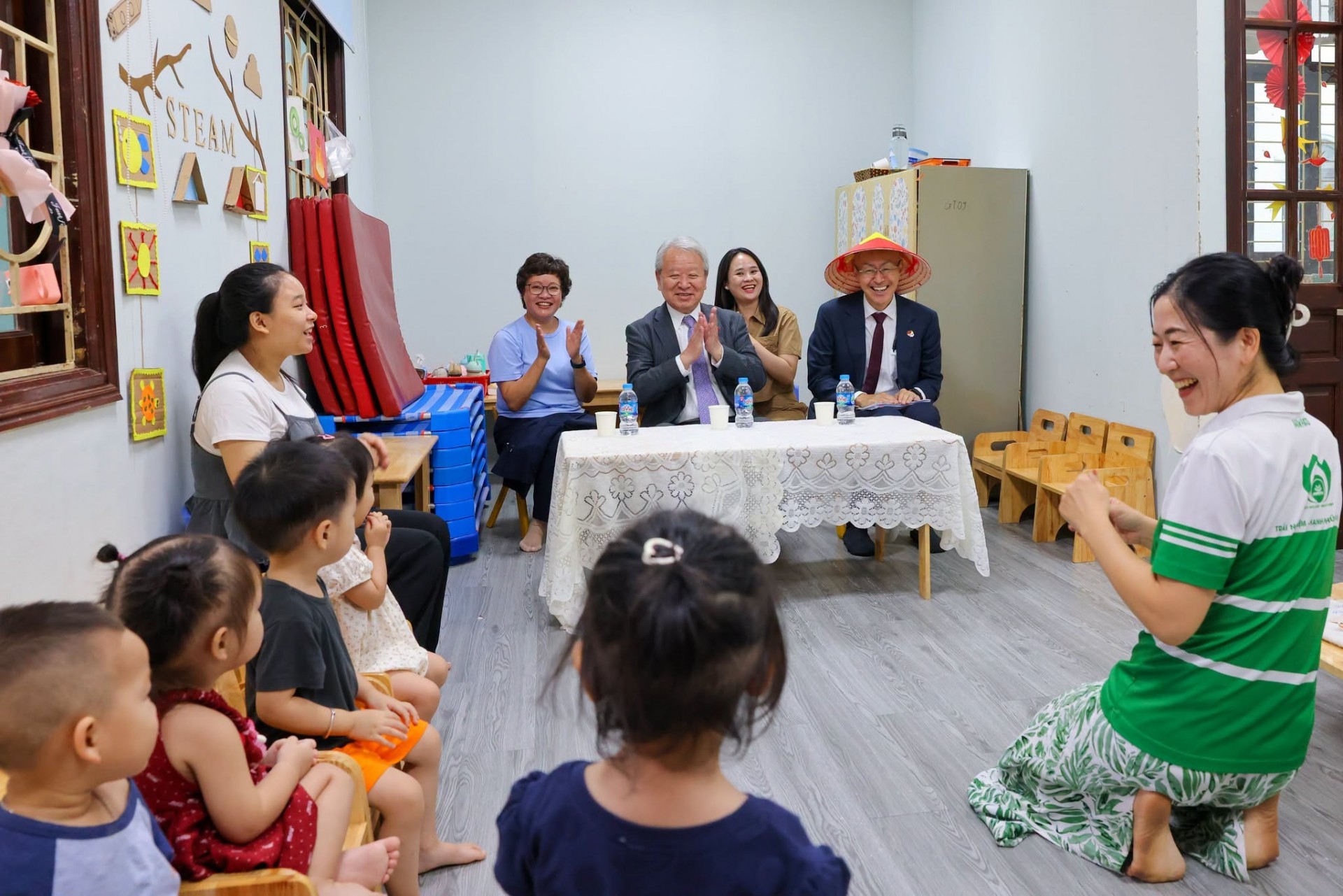 |
| JICA volunteers interact with kindergarten pupils in the presence of Tanaka Akihiko, President of JICA, and KOBAYASHI Yosuke, Chief Representative of the JICA Viet Nam Office. (Photo: JICA) |
JICA is proud to be one of Viet Nam’s leading bilateral development partners. To date, JICA has sent more than 30,000 experts and members of project teams to Viet Nam, along with nearly 800 JICA volunteers, while welcoming more than 17,000 Vietnamese trainees to Japan to participate in training programmes and study visits. JICA has also provided Viet Nam with more than USD 600 million in grant aid and more than USD 18 billion in loans.
One day, my assignment will come to an end and I will have to return to Japan. However, what gives me peace of mind is that around 680,000 Vietnamese people are currently living in Japan. With deep love and respect for the Vietnamese people, I hope to continue contributing to people-to-people diplomacy between the two countries even after returning to my home country, and I look forward to continuing to receive the support of VUFO along that journey.
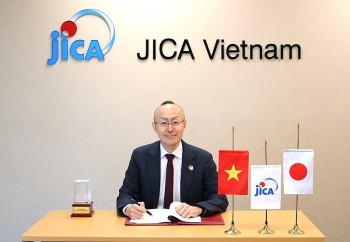
 Vietnam-Japan Advance New Generation ODA for Green Transition Vietnam-Japan Advance New Generation ODA for Green Transition According to the Japan International Cooperation Agency (JICA) in Vietnam, on March 18, JICA Vietnam coordinated with the Ministry of Finance of Vietnam to organize a high-level seminar on new generation ODA, focusing on a program loan worth 50 billion yen (approximately 320 million USD) to support Vietnam’s green transition toward green growth and climate change adaptation goals. |
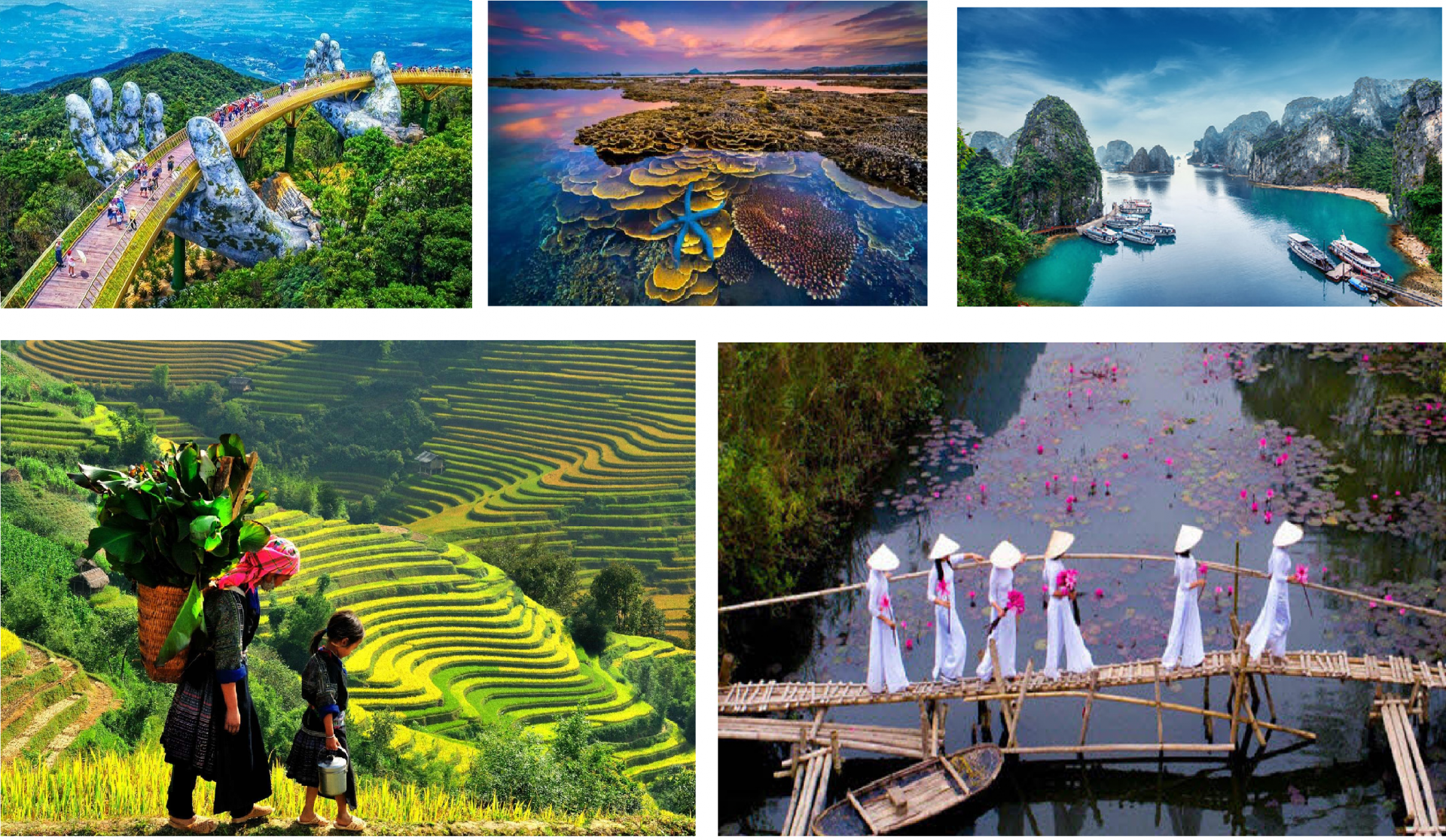
 Vietnam-Japan Sign ODA Loan Agreements for Climate-Resilient Infrastructure Projects Vietnam-Japan Sign ODA Loan Agreements for Climate-Resilient Infrastructure Projects On May 2 in Hanoi, the Government of Vietnam and the Japan International Cooperation Agency (JICA) signed and exchanged Official Development Assistance (ODA) loan agreements from the Government of Japan to implement two infrastructure development projects aimed at climate change adaptation in the northern midland and mountainous regions. |

Most read


Related Stories
 Friendship
Young Venezuelans Explore Viet Nam
 Friendship
Viet Nam-Thailand Friendship Association: 30 Years of Building Bridges Between the Peoples
 National
Expanding Opportunities for Cooperation with Foreign NGOs
 Focus
Focus
Deputy Minister of Justice Nguyen Thanh Tu Elected President of Viet Nam-Sweden Friendship Association for 2026-2031 Term
In topics
 Friendship
Some Volunteers Cannot Hold Back Their Tears When Saying Goodbye to Viet Nam
 Friendship
Viet Nam, in Stories I Take Back to Japan
 Friendship
Happiness in Simple Things
 Economy
Viet Nam Is Moving Towards Quality and Sustainable Growth
Popular article
 Friendship
Strengthening Ties with Hungarian Friends Who Love Viet Nam
 Friendship
Viet Nam’s Key Strength Lies in Its People
 Friendship
Connect Younger Generation, Carry on Hungary - Viet Nam Friendship
Friendship