
EU Updates Rules on Environmental Claims
| Which Vietnam’s Tourism Hotspot Are Most Searched by European Travellers? Vietnam Emerges as Rising Favorite Among European Travelers to Asia |
Under the new rules, businesses must ensure that information provided in environmental claims is clear, specific and supported by evidence. These claims refer to assertions about a product’s “green”, “sustainable” or environmentally friendly attributes.
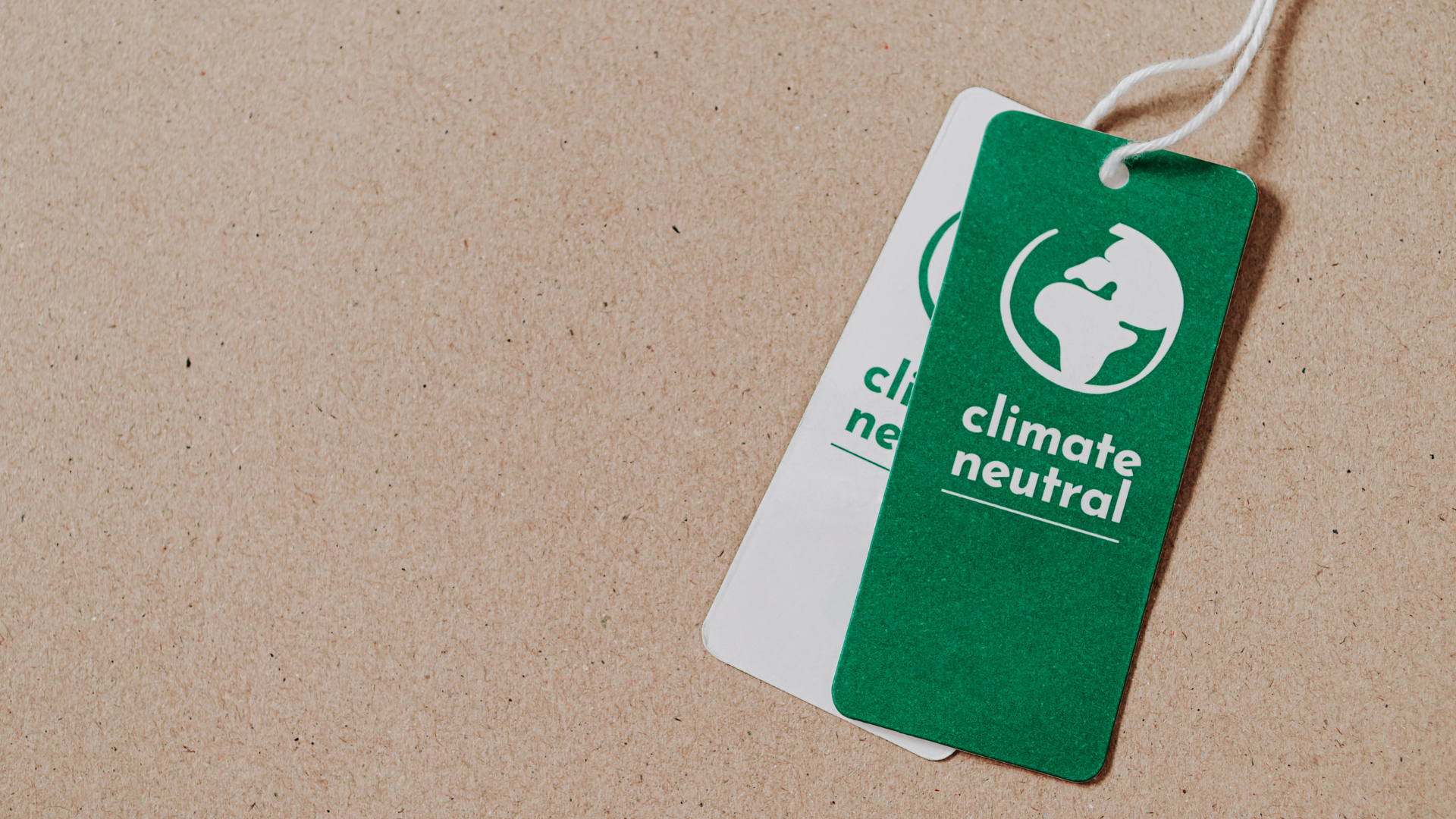 |
| Illustrative photo. |
One of the notable changes is the restriction of broad environmental claims such as “environmentally friendly”, “eco-friendly”, “climate-friendly”, “green”, “sustainable” or similar claims if businesses do not have appropriate grounds to substantiate them.
In particular, claims such as “climate neutral” or “carbon neutral” based primarily on carbon offsetting may fall within the category of prohibited practices under the new rules.
The EU is also strengthening controls over the use of sustainability labels, logos and certifications. Businesses may not create their own “green” labels to give the impression that a product has received environmental certification if the labels are not based on an appropriate certification scheme or established by a competent authority.
In addition, claims concerning a product’s durability, repairability and lifespan must also be accurate and verifiable.
The new rules are particularly significant for goods exported to the EU, especially products in the textile and garment, footwear and leather, food, coffee, electronics, household goods, packaging, wood and consumer goods sectors. Although legal responsibility in many cases rests directly with retailers or businesses operating in the EU, requirements for sustainability-related data and evidence are likely to be passed down to manufacturers and suppliers outside the EU.
According to the Viet Nam Trade Office in Germany, to proactively adapt, Vietnamese exporters need to review all environmental claims made on packaging, labels, websites, catalogues, advertisements and e-commerce platforms, while clearly identifying the basis and supporting documentation for each claim.
Dang Thi Thanh Phuong, Viet Nam’s Trade Counsellor in Germany, said businesses should also check the validity of the environmental certifications and labels they are currently using, while proactively discussing with EU importers, distribution systems and customers the requirements for dossiers, certifications and data that need to be provided.
For businesses manufacturing to order or producing private-label goods for major retail systems in Germany, it is particularly important to reach prior agreement with partners on requirements for sustainability claims and responsibility for providing supporting evidence.
Early preparation will not only help businesses reduce the risk of complaints, requests to change packaging or advertising, product recalls and damage to customer relationships, but also enhance their ability to meet the increasingly stringent standards of the EU market and maintain their competitive advantage in the green supply chain.
 Europe Faces Historic Heatwave, More Than 1,000 Deaths Reported Europe Faces Historic Heatwave, More Than 1,000 Deaths Reported The World Health Organization (WHO) says more than 1,300 deaths across Europe have been linked to the historic heatwave that has gripped the continent since June 21. |
 EU - Vietnam Investment Protection Agreement Moves Forward in France EU - Vietnam Investment Protection Agreement Moves Forward in France The French Government believes that the EU-Vietnam Investment Protection Agreement (EVIPA) will help strengthen the presence of French enterprises in Vietnam amid increasingly intense international competition. |



Related Stories
 Friendship
Expanding Scientific and Educational Cooperation for Vietnam-Russia Development
 National
Vietnam News Today (Aug. 7): Vietnam, Thailand Agree to Advance "Three Connects" Strategy
 National
Vietnam News Today (Aug. 1): Vietnam Positions Diplomacy as Driver of Growth in New Development Era
 Friendship
Turning Older Persons Into a Resource for Development
Recommended
 World
World
India enlarged defense cooperation with Tajikistan, Turkmenistan in Central Asia
 World
World
Viet Nam-Japan Concert Raises Funds for Agent Orange Victims
 World
World
India, US plan strategic cooperation in Indian Ocean with focus on ports, maritime and digital infrastructure
 World
World
Arctic Warming Accelerates, Sea Ice Shrinks by Nearly 500,000 sq km Every Decade
Popular article
 World
World
Viet Nam Hosts Dialogue on Promoting Older Persons’ Right to Health
 World
World
Four European countries support India’s bid for a permanent UNSC seat
 World
World
SCO meet: India pushes 2026–2030 action plan, seeks deeper economic cooperation
 World
World