
Proactively Identifying Development Needs to Expand Cooperation with Foreign NGOs
| Digital Transformation to Enhance Cooperation with International Organisations Expanding Opportunities for Cooperation with Foreign NGOs |
At the international conference “Foreign NGO affairs in a new context: Towards a green economy, a circular economy and sustainable development - An inevitable global trend,” held in Da Nang, representatives of agencies, local authorities and foreign non-governmental organizations shared approaches, experiences and solutions for renewing cooperation methods and making effective use of international resources in the new stage of development.
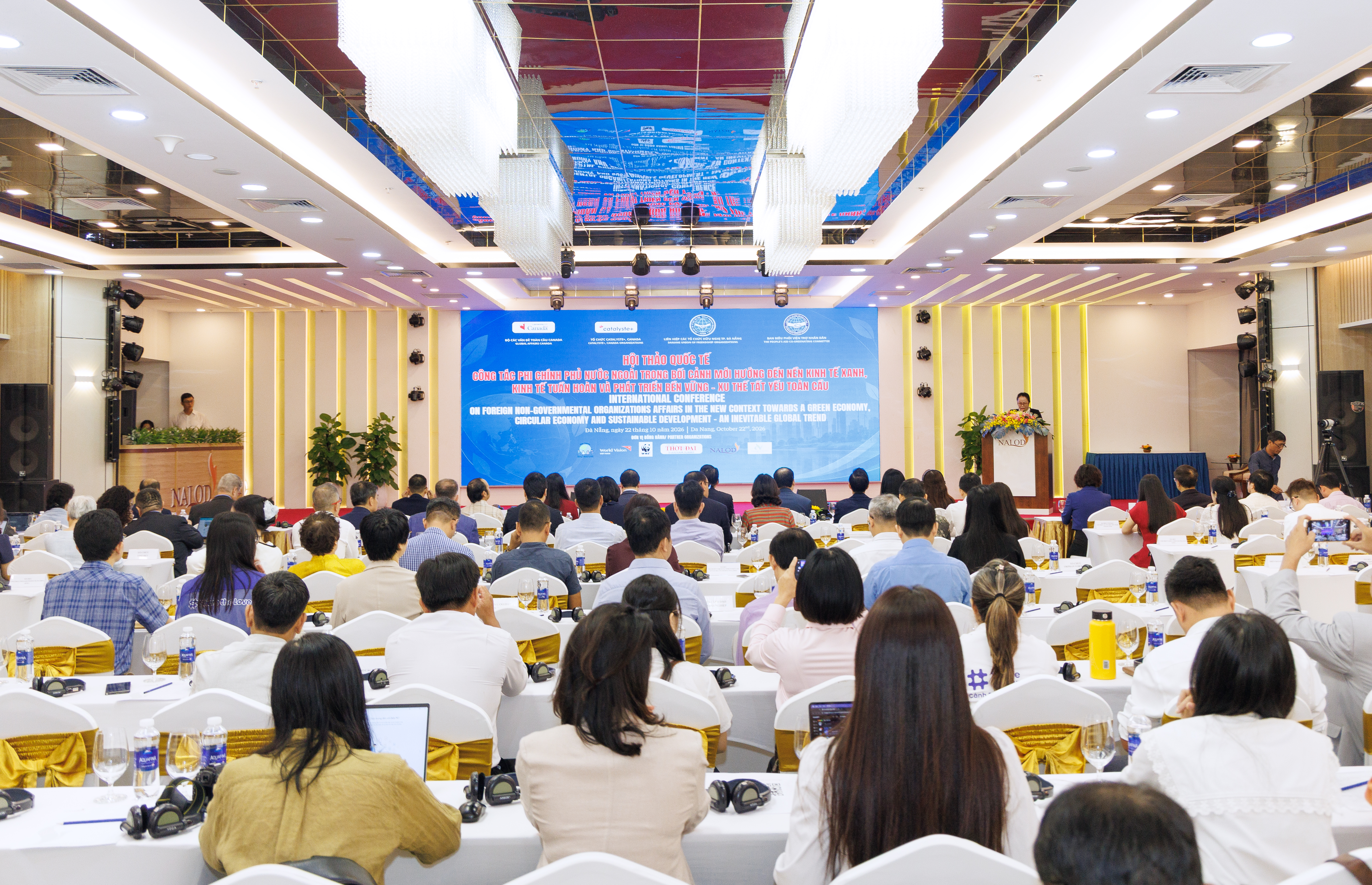 |
| The international conference “Foreign NGO affairs in a new context: Towards a green economy, a circular economy and sustainable development - An inevitable global trend.” (Photo: Catalyste+) |
Specifying development needs
Speaking at the conference, Do Thi Kim Dung, Acting Head of the People’s Aid Coordinating Committee (PACCOM), said that foreign NGO affairs were undergoing profound changes. Global resources for development cooperation, including foreign NGO aid, are tending to shrink, with shifts in priorities, conditions and implementation methods.
As Viet Nam’s development status changes, many donors are moving from traditional aid towards partnerships, impact investing, and knowledge and technology transfer. According to Do Thi Kim Dung, although traditional aid is declining, new, more innovative avenues for cooperation are opening up.
Nearly 400 foreign NGOs currently operate across almost all provinces and cities in Viet Nam. During the 2021-2025 period, total aid disbursements reached approximately USD 1.11 billion, contributing to healthcare, education, poverty reduction, disaster response, environmental protection and support for vulnerable groups, among other areas.
However, the PACCOM representative emphasized that the value of cooperation lies not only in financial resources but also in knowledge, technology, management expertise, international networks and the ability to pilot new development models. Many organizations have shifted from relief to capacity building, from direct assistance to promoting sustainable livelihoods, and from individual projects to long-term cooperation programmes.
Against this backdrop, a key direction for foreign NGO affairs in the 2026-2030 period is to make a decisive shift from seeking aid to building development partnerships; from a “donor-recipient” relationship to jointly creating value; and from waiting for resources to proactively identifying needs and seeking suitable partners.
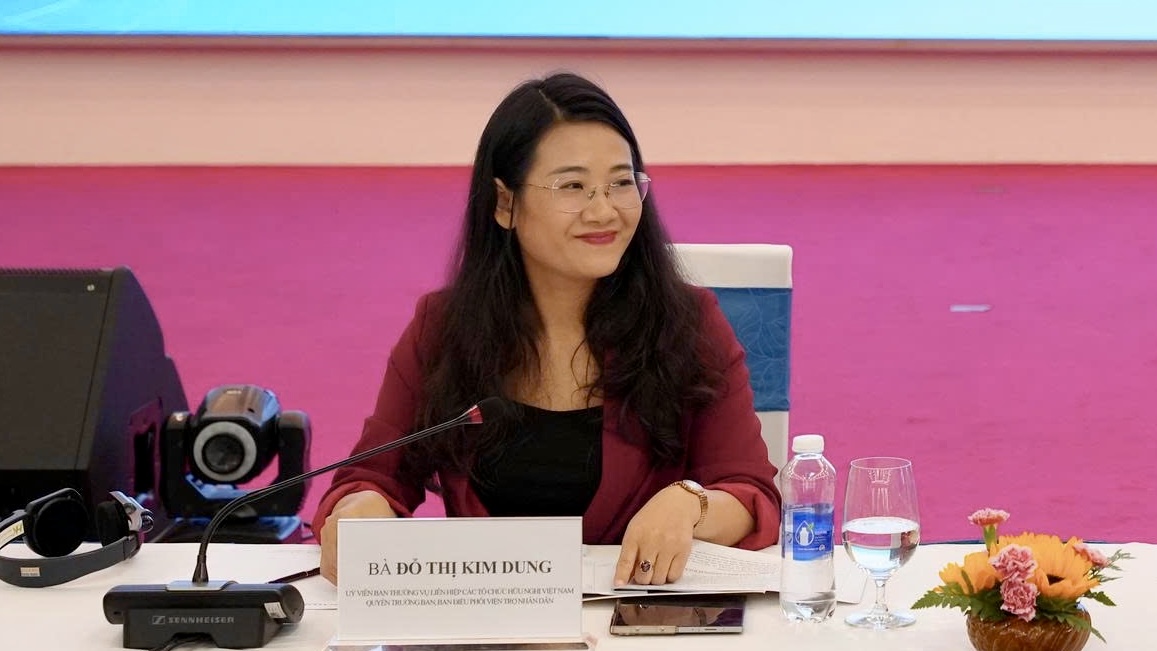 |
| Do Thi Kim Dung, Acting Head of the People’s Aid Coordinating Committee (PACCOM). (Photo: Thanh Cong) |
According to Do Thi Kim Dung, experience shows that some agencies and local authorities still have limited capacity to develop, appraise and manage projects. Many cooperation proposals are not closely aligned with development plans and strategies and remain dependent on waiting for partners to come forward. Procedural obstacles, lengthy approval processes and inconsistent implementation guidance can also delay progress and even result in missed opportunities for cooperation.
To address these issues, PACCOM recommends that local authorities move from appealing for aid to proactively identifying and specifying their development needs. Based on socio-economic development plans, they should compile lists of projects seeking cooperation, with clear information on objectives, locations, beneficiaries and counterpart resources, rather than merely presenting general requests for support.
At the same time, local authorities need to strengthen staff capacity, improve administrative procedures, and enhance the monitoring and evaluation of project effectiveness. Foreign NGOs also need to coordinate with Vietnamese focal-point agencies from the initial concept stage to ensure that projects align with development priorities and communities’ actual needs.
Do Thi Kim Dung said that the Viet Nam Union of Friendship Organizations is leading the development of the National Programme on the mobilization, management and use of foreign NGO aid for the 2026-2030 period. PACCOM will also continue to study and propose improvements to the institutional framework, promote digital transformation in aid management, and maintain regular dialogue forums between Vietnamese agencies and international organizations.
Strengthening multi-stakeholder connections
Drawing on Da Nang’s experience, Huynh Thi Thanh An, Vice President of the city’s Union of Friendship Organizations, said that the city is renewing its approach to mobilizing foreign NGO aid to align it closely with socio-economic development goals.
Under its Programme to strengthen cooperation and mobilize foreign NGO aid for the 2026-2030 period, Da Nang aims to attract resources to priority areas such as science and technology, digital transformation, innovation, the green economy, the circular economy and climate change adaptation, while continuing to give attention to social welfare, healthcare and education, among other areas.
According to Huynh Thi Thanh An, aid mobilization in the current period involves strategically matching supply with demand. Rather than simply presenting areas requiring support, local authorities need to proactively match their development priorities with each international organization’s mission, funding criteria and strengths to formulate suitable cooperation proposals.
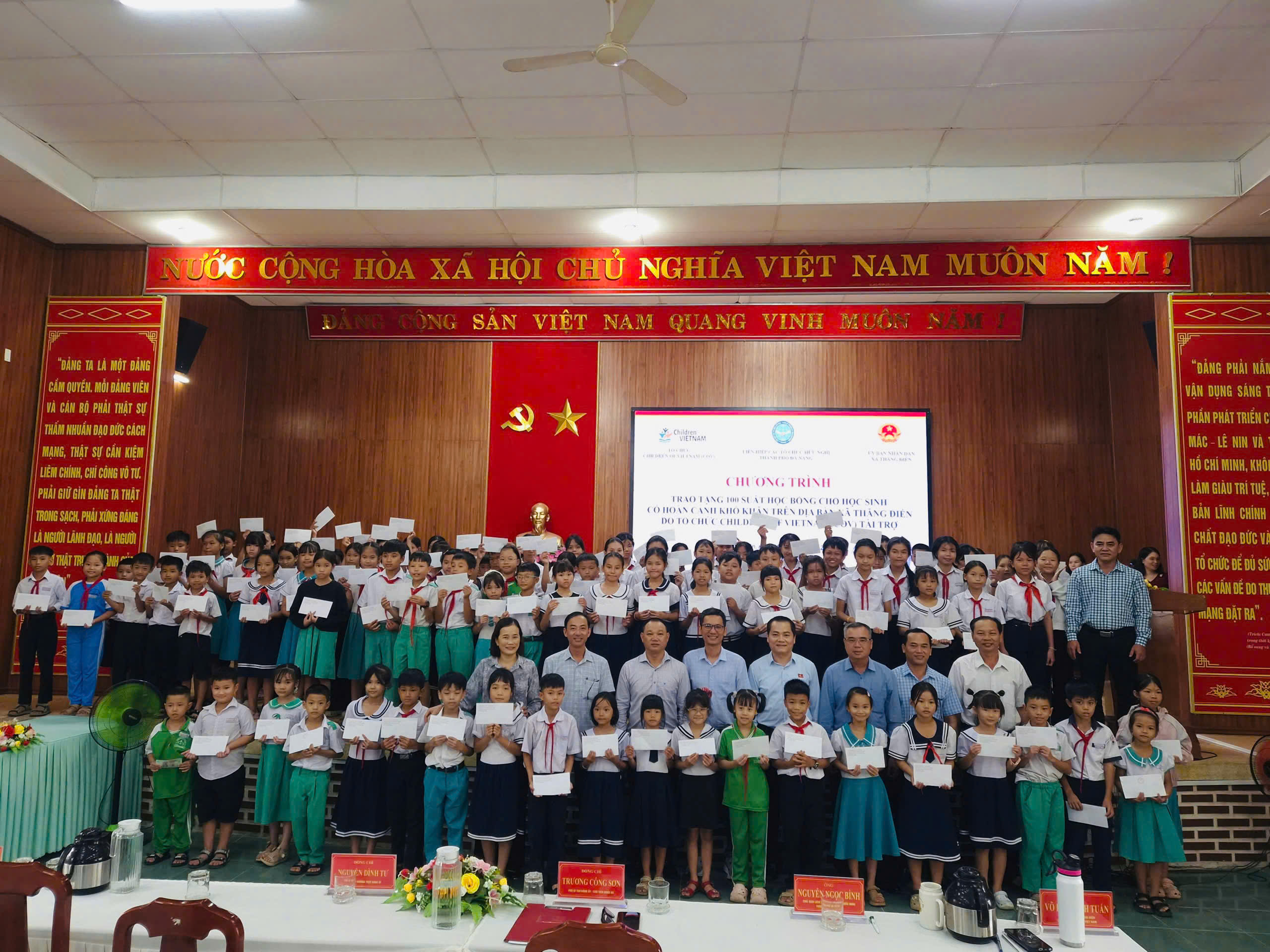 |
| The Da Nang Union of Friendship Organizations, in coordination with the Thang Dien Commune People’s Committee and Children of Vietnam (United States), awards 100 scholarships to disadvantaged students in the commune on October 20, 2026. (Photo: Da Nang Union of Friendship Organizations) |
Da Nang is also promoting multi-stakeholder cooperation among the State, foreign NGOs, businesses and communities. Within this framework, international resources can serve as “seed funding,” helping facilitate access to technology and mobilize additional resources.
Alongside renewing its aid mobilization methods, the city focuses on helping organizations complete procedures for aid receipt and approval, strengthening coordination among relevant agencies, and applying digital technology to project management and information sharing. Regular dialogue channels are maintained to promptly resolve difficulties and facilitate long-term cooperation.
Phung Trong Hieu, Country Representative of Catalyste+ (Canada) in Viet Nam, praised Da Nang’s flexibility and efficiency in handling administrative procedures. He said local authorities should proactively put forward specific development challenges rather than simply submit general lists of areas requiring funding. The clearer and more detailed proposals are about objectives and priorities, the easier it is for foreign NGOs to design projects suited to their missions, strengths and resources.
He also recommended establishing a mechanism for regular dialogue among local authorities, donors, representatives from international organizations’ headquarters, businesses and beneficiary communities. When stakeholders share their needs and clearly understand local development priorities, jointly developing ideas and designing projects becomes easier, helping improve the effectiveness and sustainability of cooperation.
In addition, foreign NGOs need to engage more directly with government agencies, strategic partners and communities to gain a deeper understanding of actual needs and develop programmes that deliver lasting value to local people.
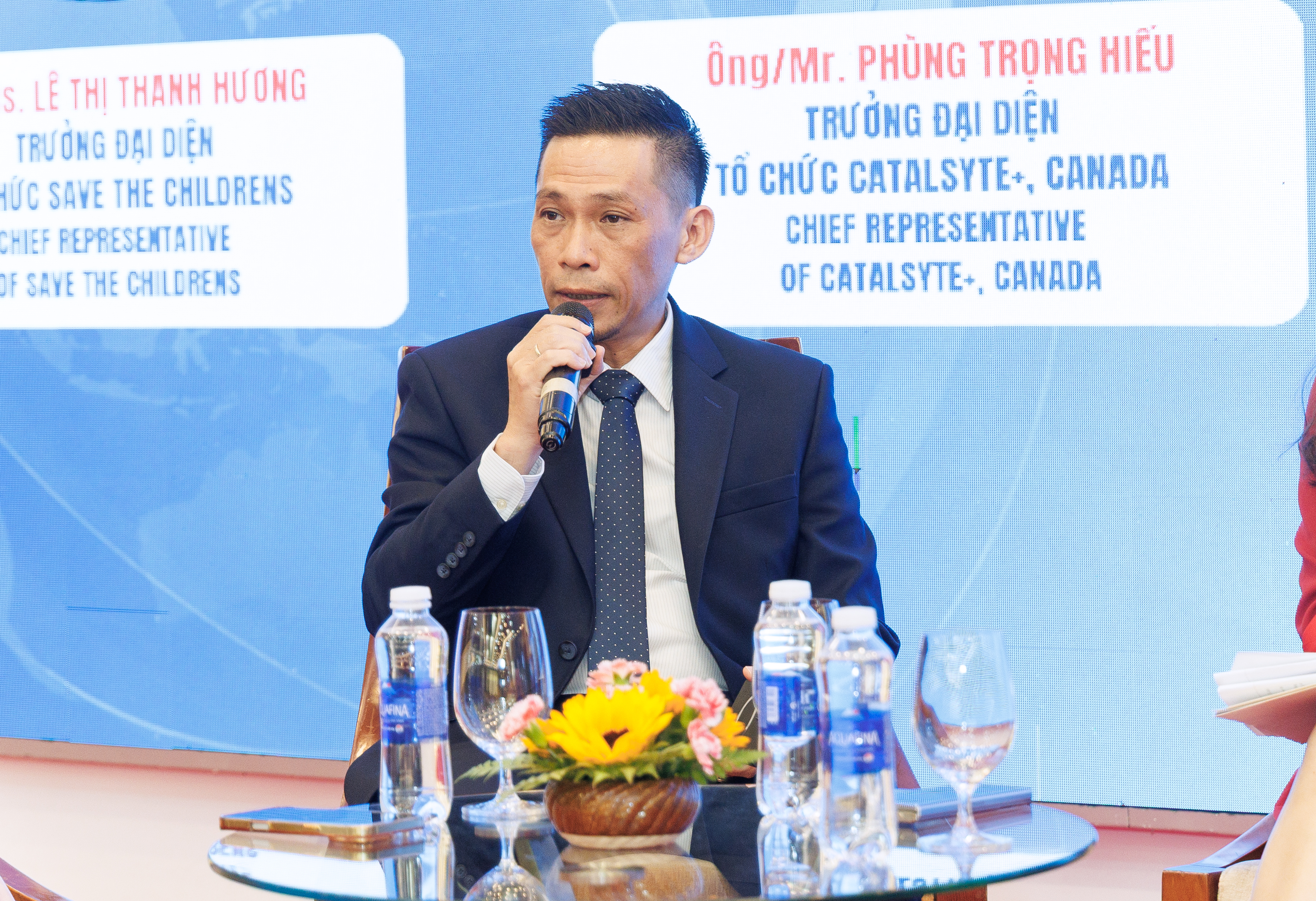 |
| Phung Trong Hieu, Country Representative of Catalyste+ (Canada) in Viet Nam. (Photo: Catalyste+) |
According to Luong Ngoc Binh, President of the Quang Tri Union of Friendship Organizations, friendship ties should be built upon by proactively engaging donors and foreign NGOs and developing project proposals based on actual needs. In Quang Tri, the ambition to develop the province into a “Space for peace and sustainable development,” linking historical sites with the development of peace tourism, offers an approach to attracting international initiatives and resources.
Luong Ngoc Binh also proposed strengthening links among central localities with similar conditions. Rather than competing for aid, localities could share information and experience and jointly engage prospective partners, helping international organizations reduce management costs and concentrate resources on development.
He said that, to sustain long-term cooperation, local authorities need to build trust with donors by using resources transparently, for their intended purposes and beneficiaries, ensuring projects remain on schedule, and facilitating implementation.
The insights shared by the coordinating agency, international organizations and local authorities show that proactively identifying needs, developing specific cooperation proposals and connecting multiple sources of resources are becoming important requirements in foreign NGO affairs. These also provide a foundation for moving from aid mobilization alone towards long-term partnerships, contributing to the achievement of Viet Nam’s sustainable development goals.
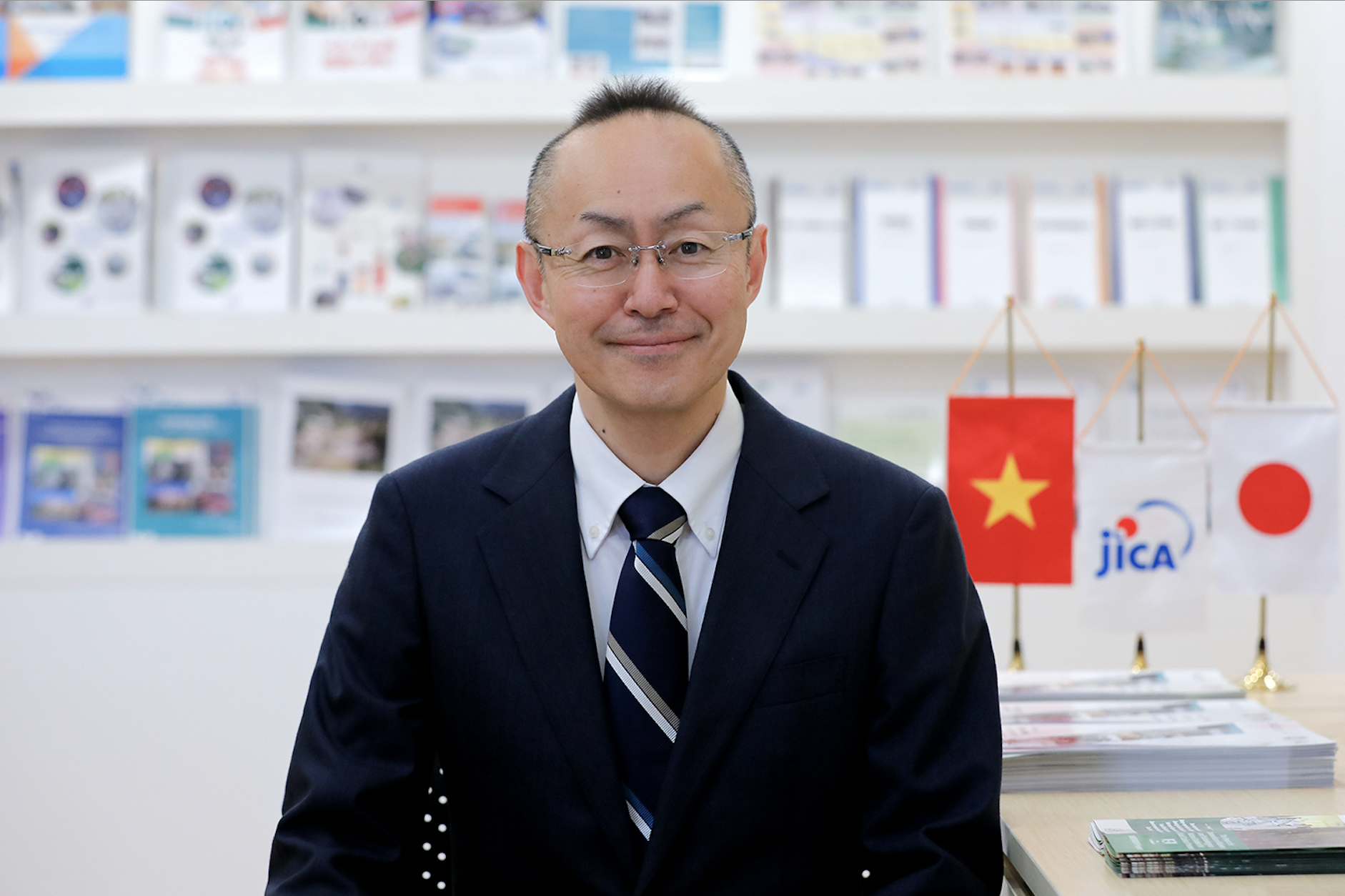 Some Volunteers Cannot Hold Back Their Tears When Saying Goodbye to Viet Nam Returning to Viet Nam after nearly 20 years, I was truly amazed by the pace of change the country has undergone. Yet amid these changes, the warmth, hospitality and genuine affection that Vietnamese people have shown Japanese experts and volunteers remain unchanged. |
 Da Nang Taps Foreign NGO Resources to Promote Green Development On October 22, an international conference titled “Foreign NGO Affairs in the New Context: Towards a Green Economy, Circular Economy and Sustainable Development - An Inevitable Global Trend” took place in Da Nang, attracting nearly 100 international organizations and foreign non-governmental organizations (NGOs) operating in Viet Nam. The conference focused on discussing orientations and solutions for mobilizing international resources to promote the green economy, circular economy and sustainable development. |

Most read

Proactively Identifying Development Needs to Expand Cooperation with Foreign NGOs


Viet Nam, US Strengthen Technological Cooperation and Use of Archival Records to Search for Fallen Soldiers’ Remains


Related Stories
 National
Da Nang Taps Foreign NGO Resources to Promote Green Development
 Friendship
Some Volunteers Cannot Hold Back Their Tears When Saying Goodbye to Viet Nam
 National
Expanding Opportunities for Cooperation with Foreign NGOs
 World
EU Updates Rules on Environmental Claims
Popular article
 National
Viet Nam News Today (Oct. 25): Viet Nam, Mozambique Seek Stronger Agricultural Ties
 National
Viet Nam News Today (Oct. 24): European Media Highlights Substantive Progress in Vietnam-EU Relations
 National
Children of Viet Nam Awards Scholarships to Disadvantaged Students in Da Nang
 National