
Digital Transformation to Enhance Cooperation with International Organisations
| Vietnam Targets Breakthroughs in Strategic Technology Development New Financial Mechanism to Unlock Strategic Technology Breakthroughs |
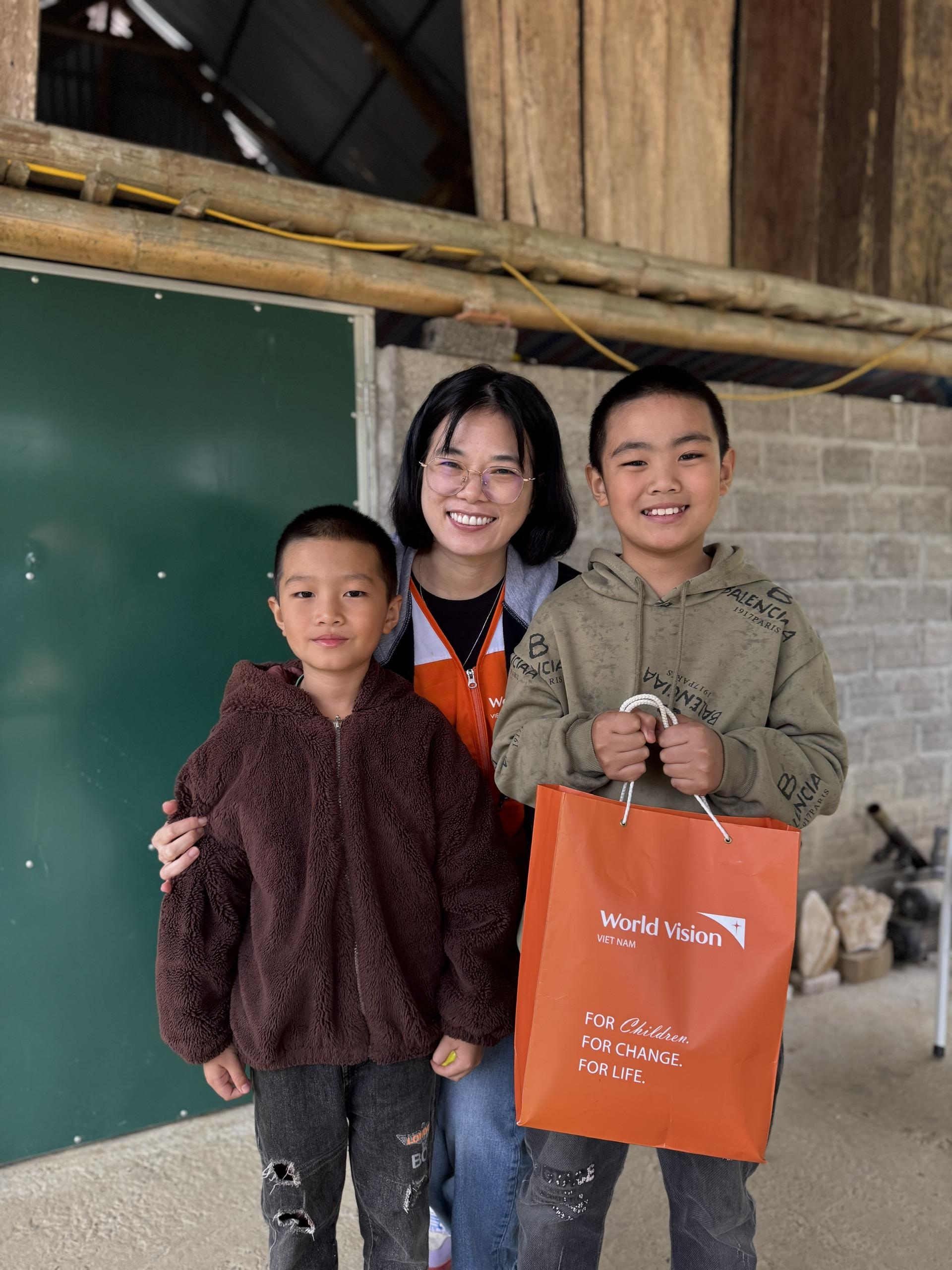 |
| Vu Thi Nga (centre), Operations Director of World Vision International in Viet Nam, visits children living in difficult conditions in mountainous areas. (Photo: WVIV) |
- In your view, why can digital transformation become a priority for the Viet Nam Union of Friendship Organizations in its cooperation with international organisations?
For many years, the Viet Nam Union of Friendship Organizations has played an important bridging role, connecting foreign non-governmental organisations with ministries, sectors and localities. By sharing information and supporting communication and coordination among stakeholders, the Union has helped international organisations gain a better understanding of Viet Nam’s development priorities and, in turn, identify appropriate directions for cooperation.
Comprehensive and timely information is important to both sides. International organisations need to have a clear understanding of Viet Nam’s development priorities and the practical needs of individual localities in order to identify appropriate areas of cooperation. Conversely, Vietnamese agencies and localities also need clearer information about the capabilities, experience and strengths of each international partner. If pursued in the right direction, digital transformation will help narrow this information gap in an effective and sustainable manner.
Digital transformation not only accelerates coordination but also contributes to greater transparency and accountability in the implementation of programmes supporting communities - something that both the Vietnamese side and international partners place particular importance on.
For World Vision in particular, we hope that digital transformation will help channel greater resources and attention towards the development of vulnerable communities, while improving the well-being of children - the primary focus of all our programmes in Viet Nam. When information is seamlessly connected among stakeholders, support resources can reach the right places, at the right time and in response to the right needs, generating tangible and lasting impacts for the population groups most in need of priority support.
- Could you share your views on the effectiveness of this policy?
As traditional sources of aid are changing, mobilising international resources can no longer be understood solely as attracting financial resources.
International resources also encompass knowledge, technical expertise, experience, innovation and the ability to connect global partners. Therefore, the issue is not simply how much resources can be mobilised, but also how to clearly identify Viet Nam’s development needs, select the right partners and establish appropriate coordination mechanisms.
Digital transformation can support this process by enhancing the ability of stakeholders to share and access information. When local needs, Viet Nam’s development priorities and the capabilities of individual international organisations are more clearly identified, there will be a stronger basis for selecting partners and defining areas of cooperation that are more closely aligned with priorities. This also helps prevent resources from being dispersed or failing to address practical needs. When stakeholders have sufficient information and a clear understanding of one another’s capabilities, international resources- from finance to knowledge, technical expertise, experience and innovation, can be mobilised and utilised in ways that are better aligned with development objectives.
In addition, I believe digital transformation brings another important value: the ability to monitor, measure and assess the impact of cooperation programmes more promptly and accurately. For World Vision, data that is digitised and shared transparently among stakeholders enables us not only to report results more quickly, but also to continuously adjust our approach so that programmes genuinely respond to the needs of children and vulnerable communities. This provides the foundation for international resources, whether financial or knowledge-based, to be translated into sustainable and measurable changes in people’s lives.
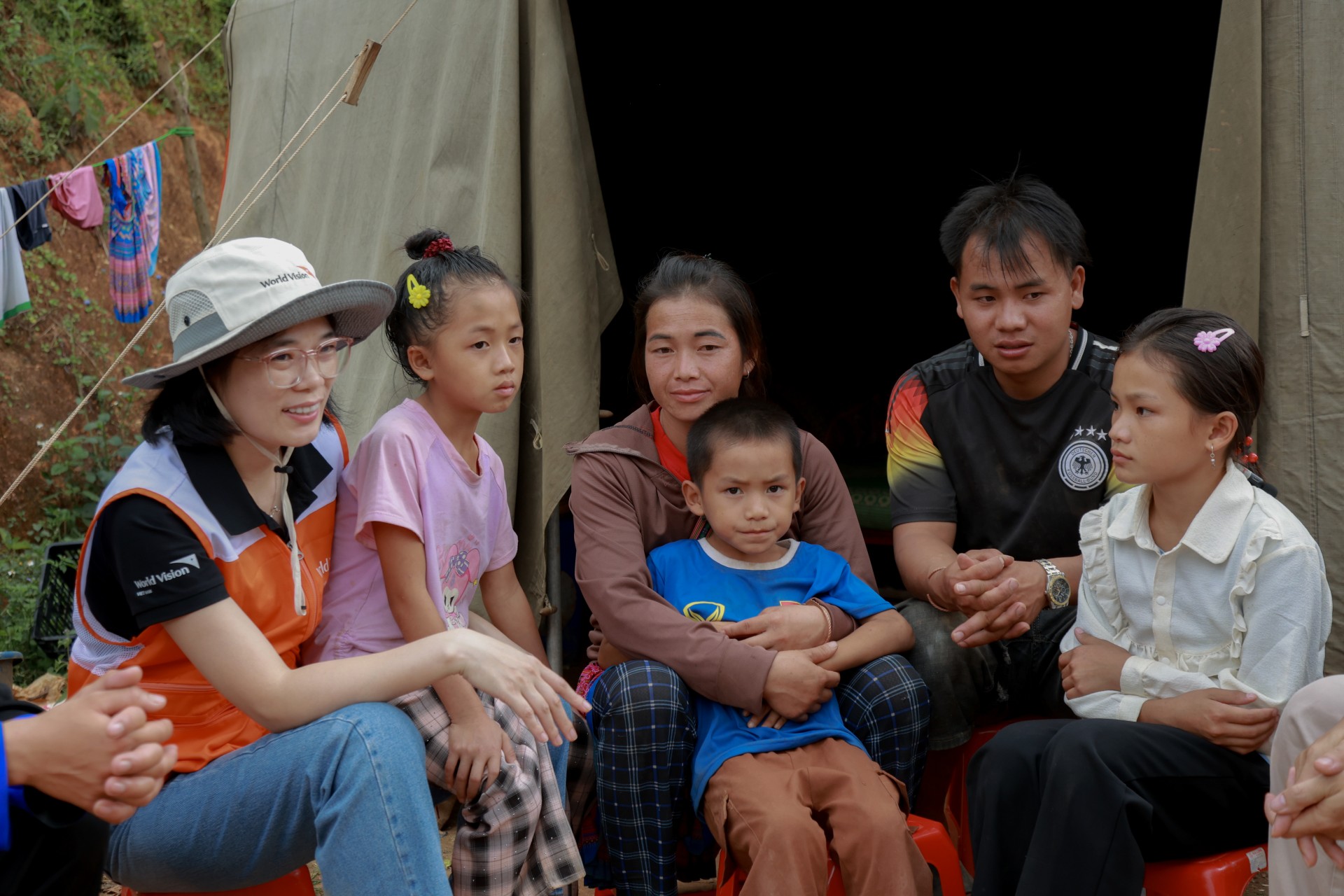 |
| Vu Thi Nga (left), Operations Director of World Vision International in Viet Nam, visits a household affected by a landslide in Dien Bien in 2025. (Photo: WVIV) |
- How do you assess the view that digital transformation is opening up new areas of cooperation between World Vision and Vietnamese partners?
As Viet Nam prioritises digital transformation, World Vision hopes to expand cooperation in areas directly related to children and young people, particularly enhancing digital skills and protecting children in the digital environment.
The rapid development of technology is creating many new opportunities for learning, access to information and skills development, while also placing new demands on equipping children and young people with the ability to use technology safely, appropriately and responsibly. Therefore, enhancing digital skills is not simply about helping children access technology, but also about enabling them to adapt better to changes in the digital environment.
Alongside expanding areas of cooperation, it is important that programmes be grounded in practical needs and implemented on the basis of appropriate coordination among stakeholders. As traditional sources of aid are changing, the effectiveness of cooperation lies not only in the financial resources mobilised, but also in the ability to leverage knowledge, technical expertise, experience, innovation and international partner networks.
For these resources to generate long-term impact, agencies, localities and international organisations need to have a clear understanding of one another’s needs, capabilities and roles, thereby identifying the right objectives and appropriate approaches to cooperation.
World Vision hopes to continue working alongside Vietnamese partners, not only in traditional areas such as child protection, education, healthcare, nutrition and livelihoods, but also by expanding into new areas related to digital transformation.
- Thank you very much!
 For Impact That Lasts Beyond the Project For Impact That Lasts Beyond the Project According to Karolina Rutkowska, Country Programme Director of VVOB in Viet Nam, a cooperation programme only truly creates value when its results extend beyond the implementation period, while also building the capacity, working methods and commitment needed to sustain the changes after the project ends. |
 Events That Bring Partners Together Events That Bring Partners Together People-to-people diplomacy activities have now become “events” that “bring together” Vietnamese organizations, businesses, localities and projects with international partners for cooperation and partnership, creating practical and tangible outcomes for their respective tasks. |
Most read


Related Stories
 National
Da Nang Taps Foreign NGO Resources to Promote Green Development
 Friendship
Some Volunteers Cannot Hold Back Their Tears When Saying Goodbye to Viet Nam
 Vietnamese Culture
WVI and Dien Bien Chart Next Chapter in Support for Children
 National
Expanding Opportunities for Cooperation with Foreign NGOs
Recommended
 Friendship
First Congress of the Dong Thap Union of Friendship Organizations for the 2026-2031 Term
 Friendship
Promoting People-to-People Diplomacy to Build a Solid Foundation Rooted in “the People’s Hearts”
 Friendship
American Friends Help Ease the Pain of Agent Orange
 Friendship
65 Years of the Agent Orange Disaster: Dialogue to Spur Action
Popular article
 Friendship
Aris Alip: The Filipino Friend Who Helped Build the TYM Fund
 Friendship
Viet Nam Union of Friendship Organizations Wins Seven Awards in Party Ideological Foundation Protection Contest
 Friendship
Spreading Responsibility for Safeguarding Party’s Ideological Foundation from Viet Nam to International Community
 Friendship